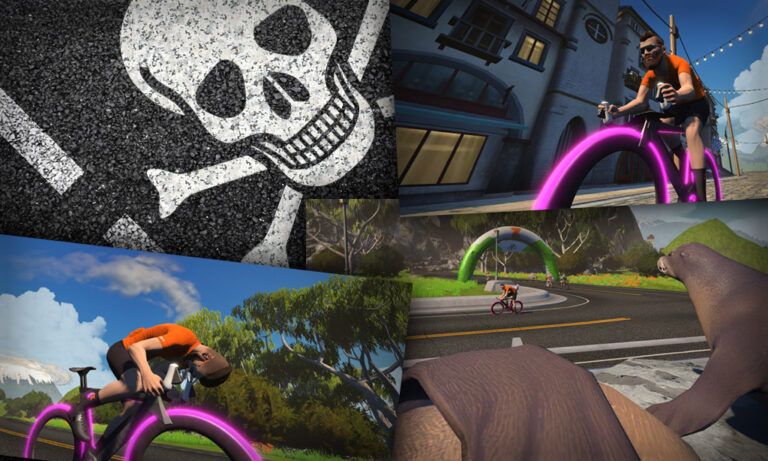
Zwift’s worlds are full of colorful flora and fauna. Watopia’s creatures, in particular, bring an especially fun aspect to the game. It all started with Scotty the Squirrel, but now we have Jarvis the Bear and numerous unnamed animals like the ocean tube whale, the desert roadrunner, the ibex atop the Epic KOM, and of course the dinosaurs in Titans Grove.
But have you seen the Yeti on Alpe du Zwift?
A Playful Hint
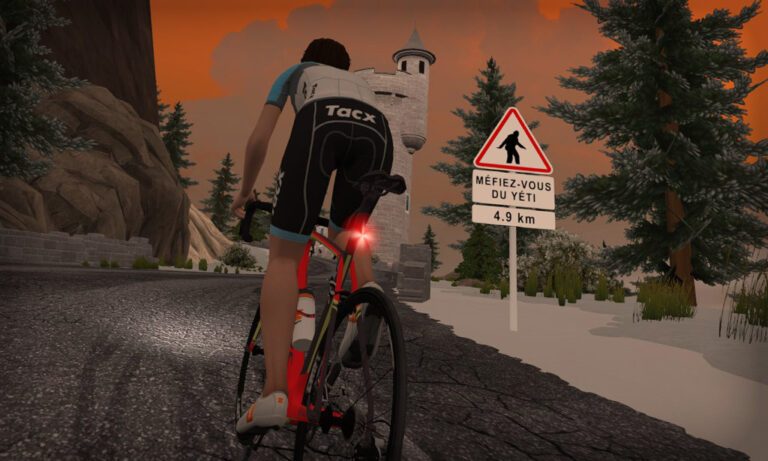
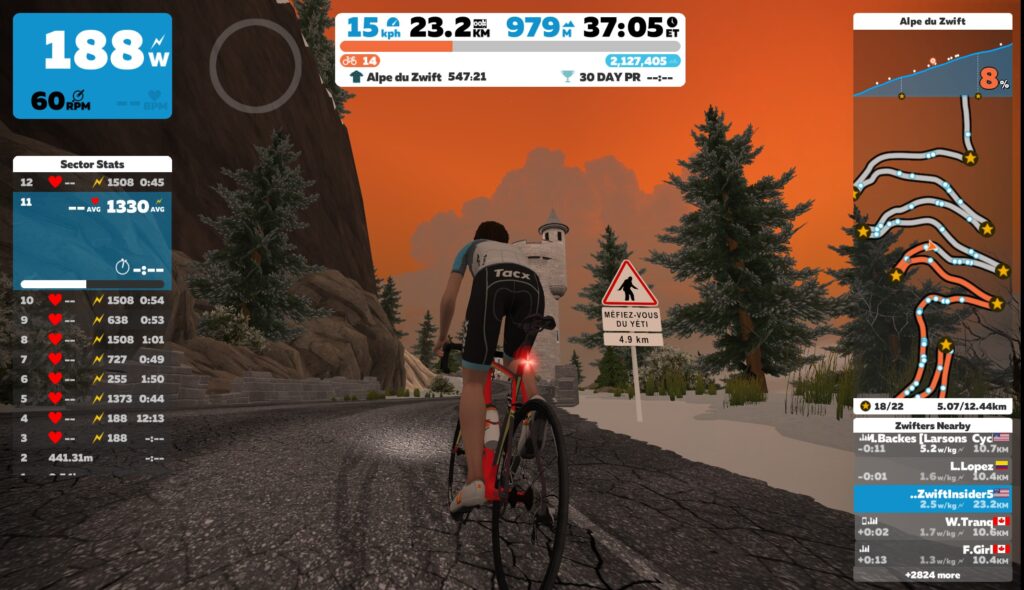
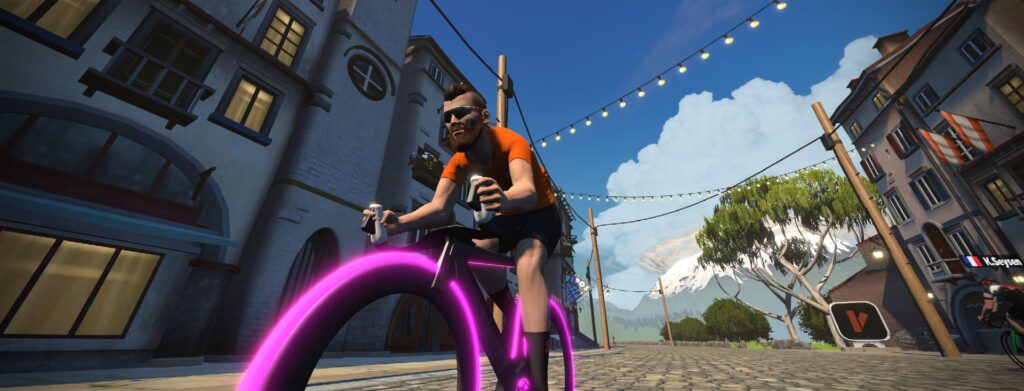
The Yeti is the most elusive of Watopia’s creatures, and in fact his (her?) existence wasn’t confirmed until months after the Alpe arrived in-game. Zwift’s creative team placed a playful hint after turn 12 which says “Méfiez vous du yeti” (beware of the yeti) in 4.9km:
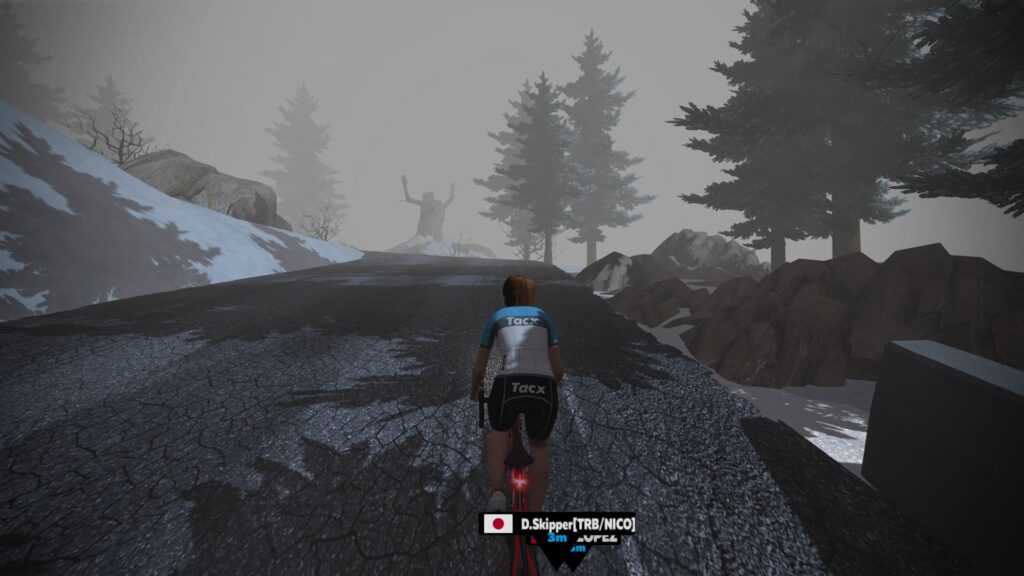
Then just up the road, Zwift artists had a little fun, turning tree branches on turn 9 into an object that looked rather yeti-like:
But this isn’t the Yeti. And it’s nowhere near 4.9km from the warning sign. No, to see the elusive beast you’ll need to keep climbing!
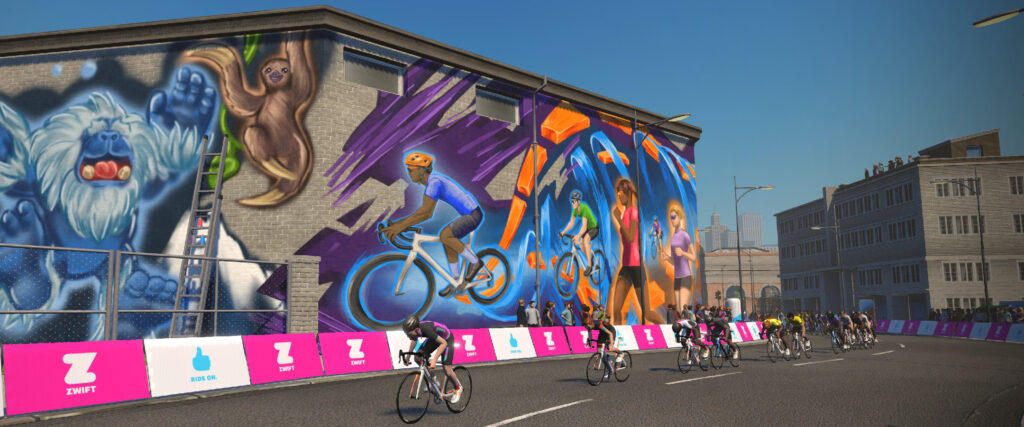
The Yeti also makes an appearance on the Crit City mural:
Yeti’s Favorite Haunts
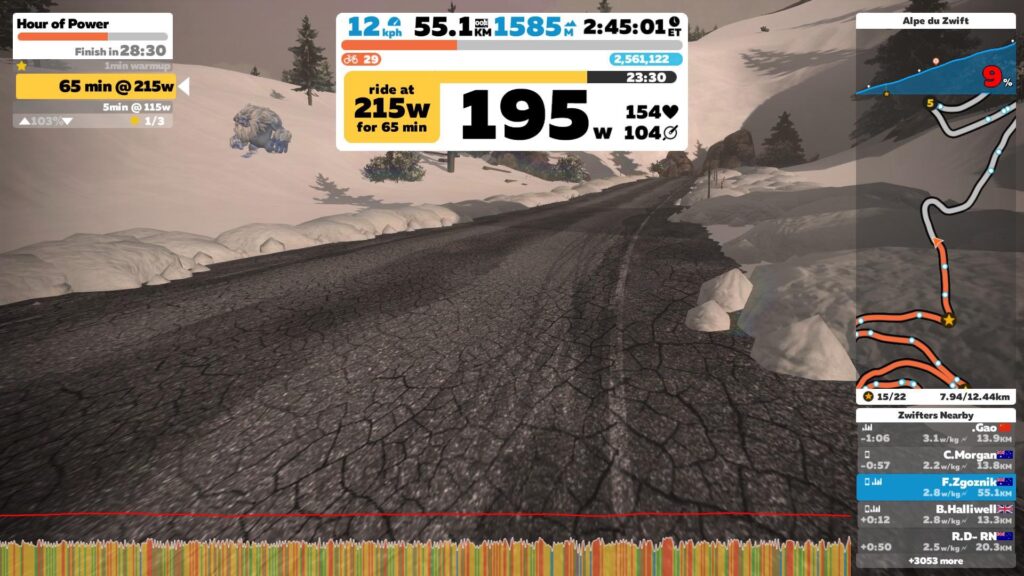
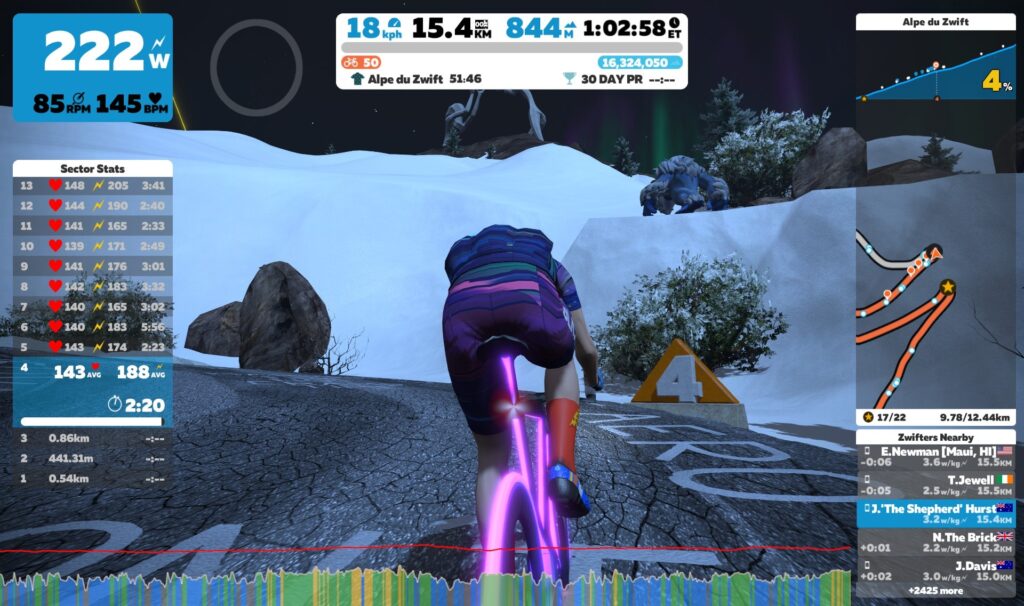
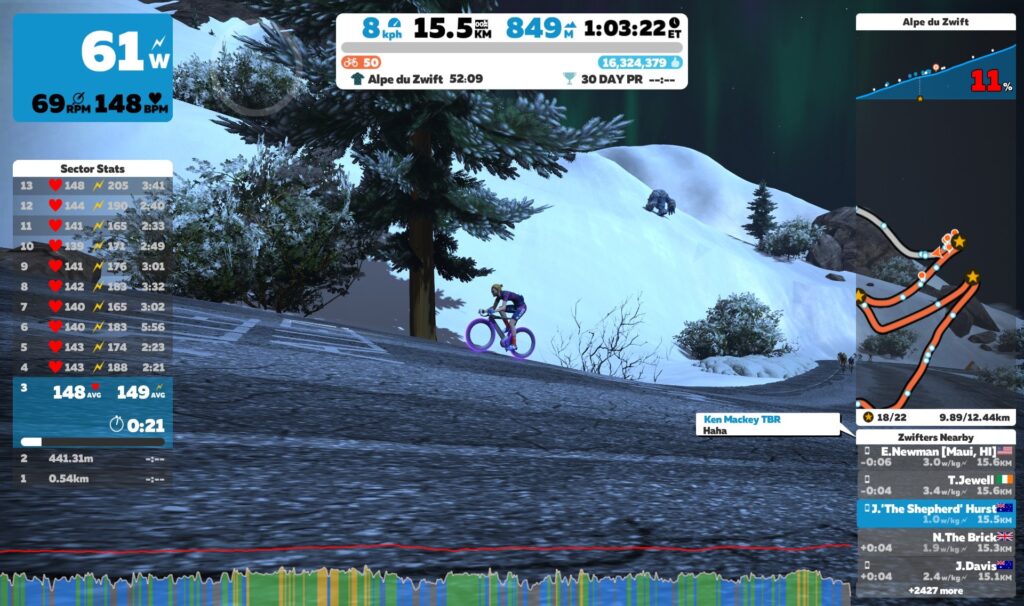
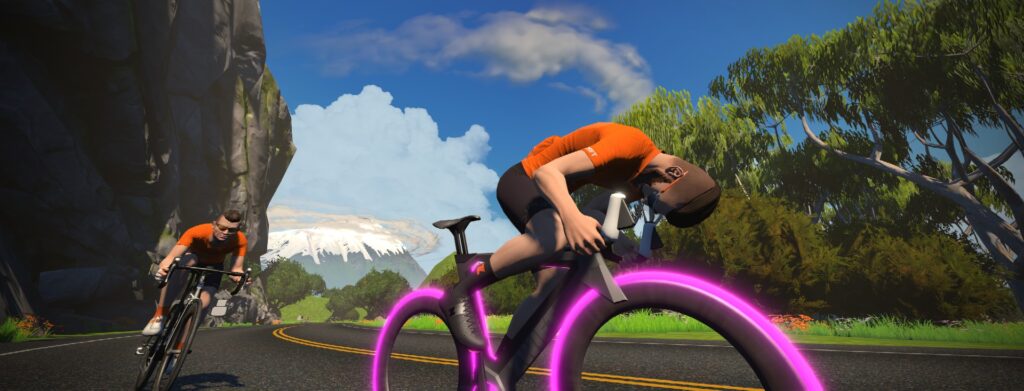
The Yeti is most commonly seen off to the left after you pass the orange tents of turn 7, sitting on the rocks to the left of turn 5, or on the right side of turn 4. These areas, incidentally, are approximately 4.9km from the warning sign at turn 12.
Here are a few Yeti pics from Zwifters:
Caught on Camera: a Yeti In the Wild
I’ve never seen the Yeti while riding the Alpe, despite keeping my eyes open on 25+ trips to the top. I’ve even held multiple Yeti hunting expeditions, parking my bike near turn 5 and recording video for hours so I could later scrub through quickly to see if I could spot the Yeti.
But no joy. No Yeti.
Then just a couple weeks ago, I parked at turn 4 and powered up the trail camera. Here’s what happened a few hours later:
As far as I know, this is the first instance of the Yeti being caught live on camera. I’m still waiting for the call from National Geographic.
What About You?
Have you seen the Yeti? Where did you spot him? Share below!
The majority of cycling injuries are overuse injuries which develop gradually over time due to repeated movement patterns. The most common insidious cycling injuries tend to be knee injuries. In fact, a recent study of 109 professional cyclists revealed that 58% experienced an overuse injury over the previous year, with 23% of the injuries involving knee pain.
Basic Anatomy of the Knee
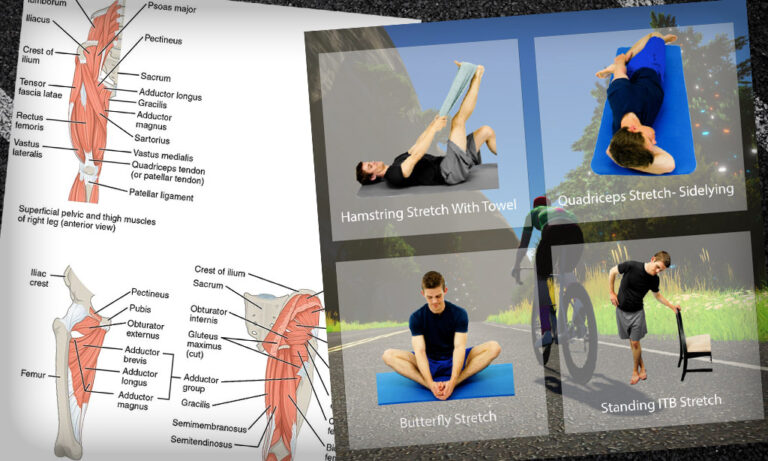
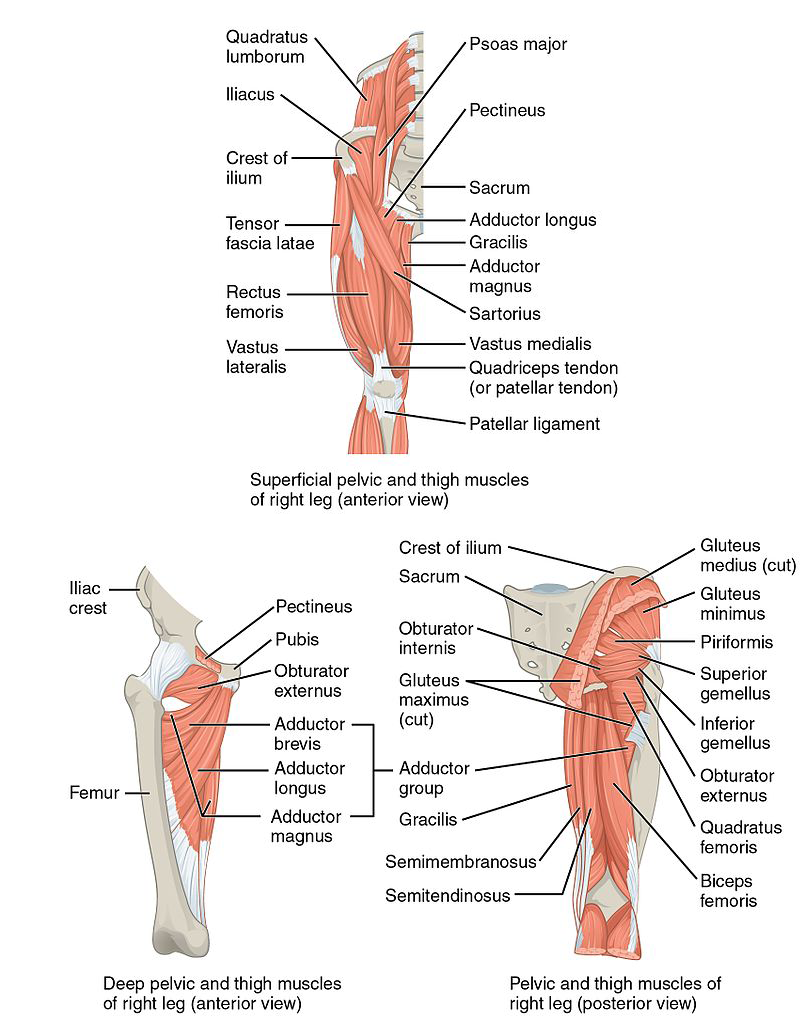
In simplistic terms, think of the knee joint as a hinge where the quadriceps muscles, which run from the front (anterior) of the thigh to the knee cap, act to pull the knee straight. The hamstring muscles, found to the rear (posterior) of the thigh, function to bend the knee. The iliotibial band, which attaches to the glutes and hip flexors, travels down the outside (lateral) of the thigh and inserts to the outside of the knee. The adductor muscles travel from the pelvis to the inner (medial) aspect of the knee.
Common Knee Pain Complaints and Injuries
Anterior: patellofemoral pain syndrome, quadriceps tendinosis, and patellar tendinosis
Lateral: iliotibial band syndrome
Medial: pes anserine bursitis and mediopatellar plica syndrome
Posterior: hamstring tendinosis
Immediate First Aid for Acute Injuries
The PRICE principle, an acronym which stands for Protection, Rest, Ice, Compression, and Elevation, is the standard for the treatment of sports injuries during their initial phase of discomfort. It should be applied as soon as possible for 24-72 hours.
Basic Bike Fit Recommendations
Simple bike fit recommendations can be made based on the location of your knee pain:
What follows will be the foundation of a solid cycling injury active treatment and prevention plan, beginning with the basics of flexibility, strength, and recovery with a focus on the knee joint.
By completing all elements of the program, and building upon it with each installment of the series, you will be equipped to withstand the physical stress of cycling with less pain and greater enjoyment in addition to having a resource to refer to when symptoms necessitate.
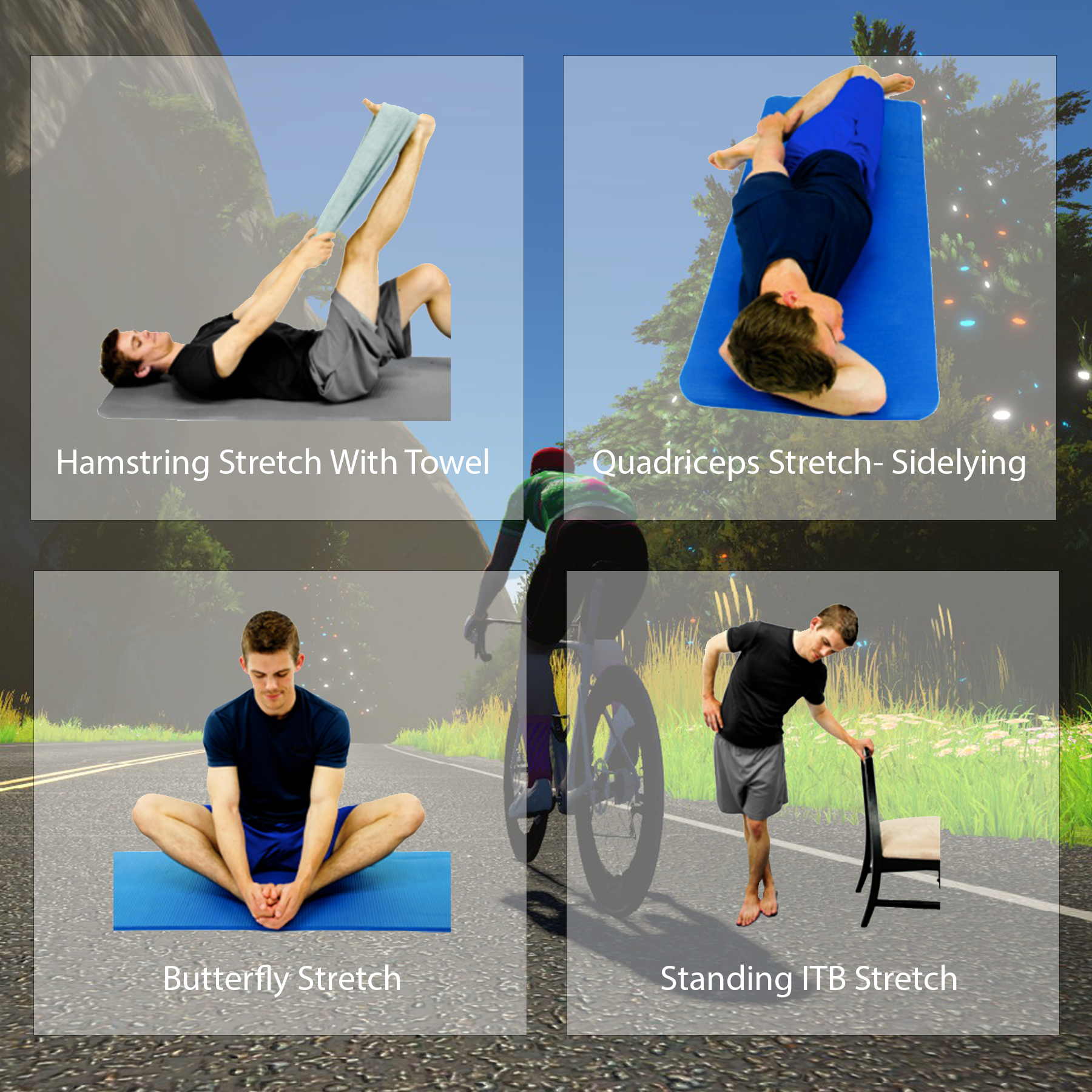
Flexibility Exercise of the Knee
Static Stretching Tips
Go to point of stretch and hold for 15-30 seconds
3 repetitions per exercise
Don’t bounce!
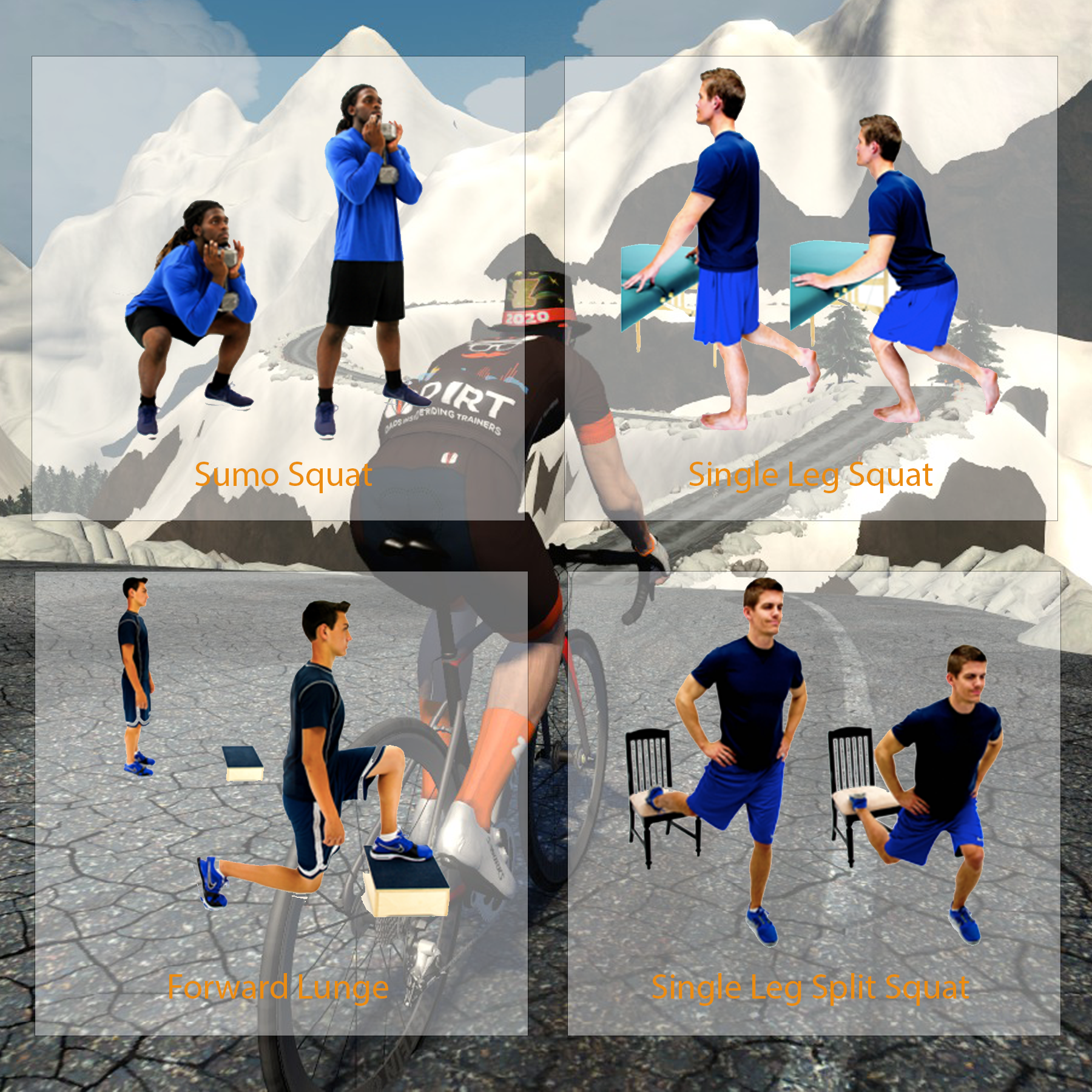
Strengthening Exercise of the Knee
Strength Training Tips
Perform 3 sets of 15 repetitions to start
Don’t perform if experiencing severe sharp pain (PRICE)
Increase intensity by adding weight or increasing repetitions
Strict form is essential!
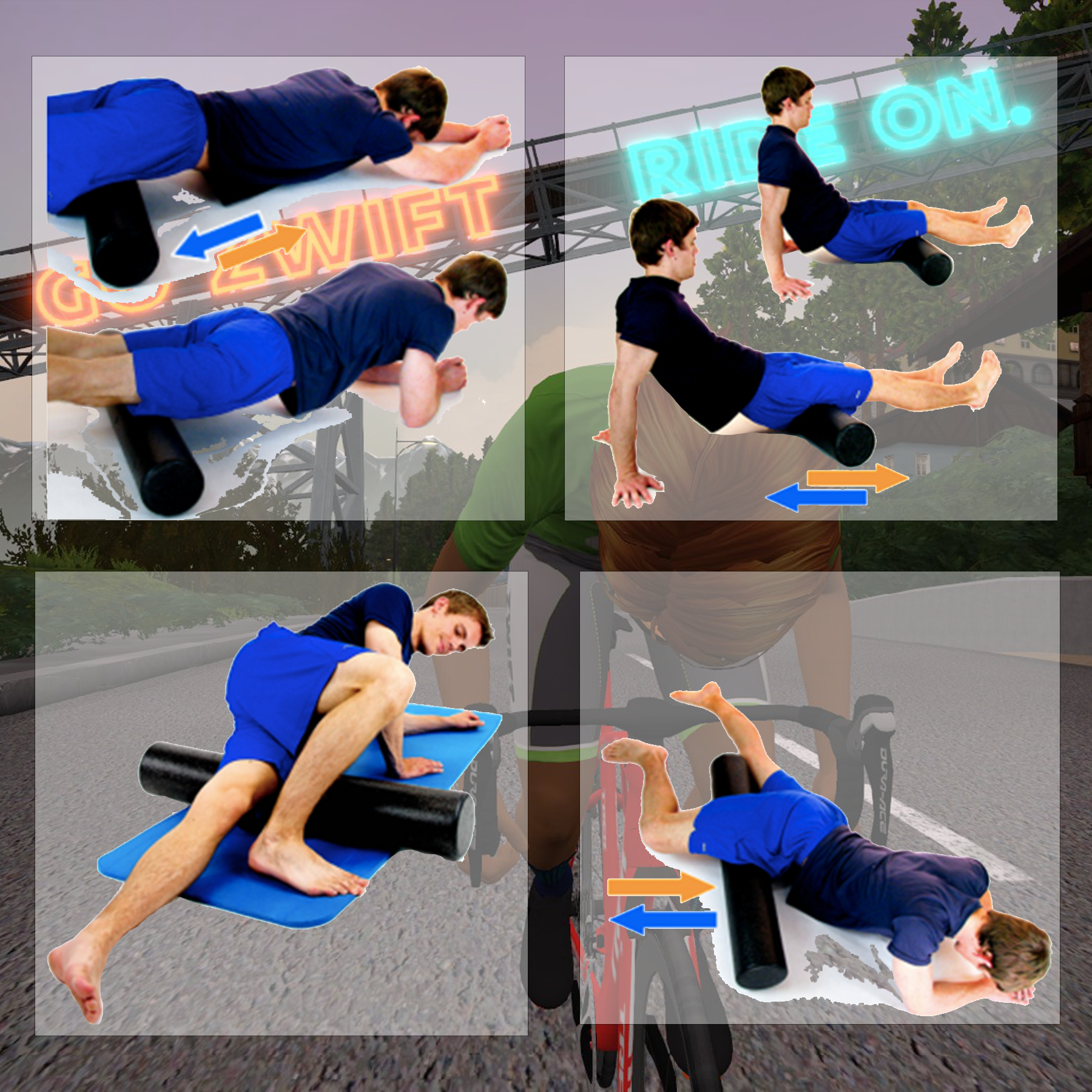
Foam Roll Recovery Techniques
Foam Rolling Benefits and Technique
Improves circulation to enhance muscle recovery
Relieves muscle tension to improve flexibility
Roll slowly and when you find a tender spot, focus in on it by rolling back and forth until you feel it soften or release
The Follow-Up Appointment
Stay tuned, as in the next edition of this series I will address cycling pathology of the hip, including hip bursitis, hip flexor tendinitis, piriformis syndrome, gluteal tendinopathy, and other disorders. We will examine active intervention measures to keep you riding, training, and racing at your best!
What do you think?
Would you like to take a more extensive look at advanced strength and flexibility exercise to add to your knee program? If yes, let me know and I will examine this topic further in upcoming installments.
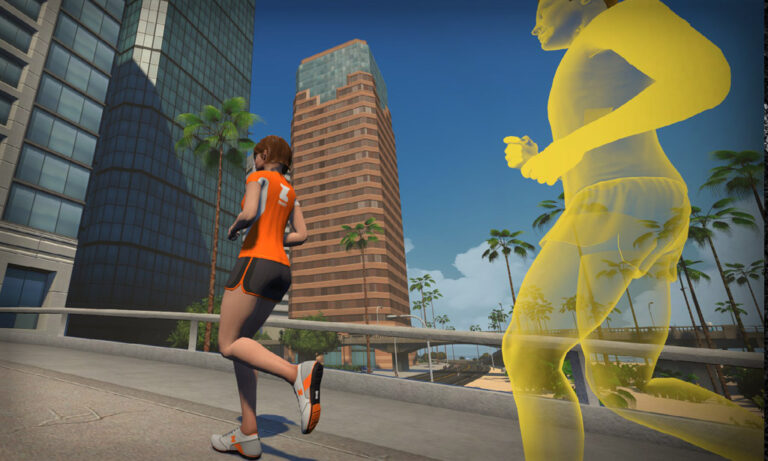
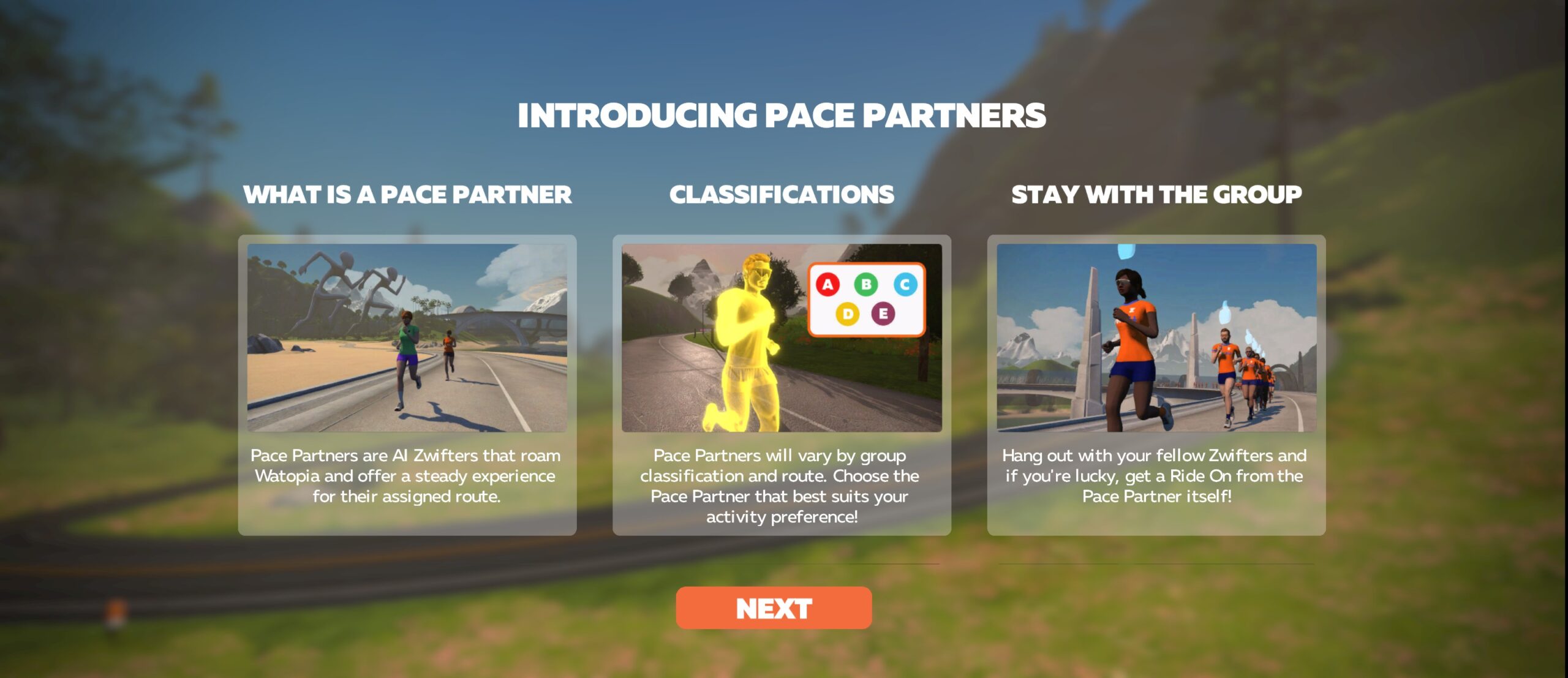
On the heels of successfully releasing Pace Partners for cycling, Zwift included Run Pace Partners in last week’s Zwift update. They appeared in-game early this week, and the release notes say there are four Run Pace Partners:
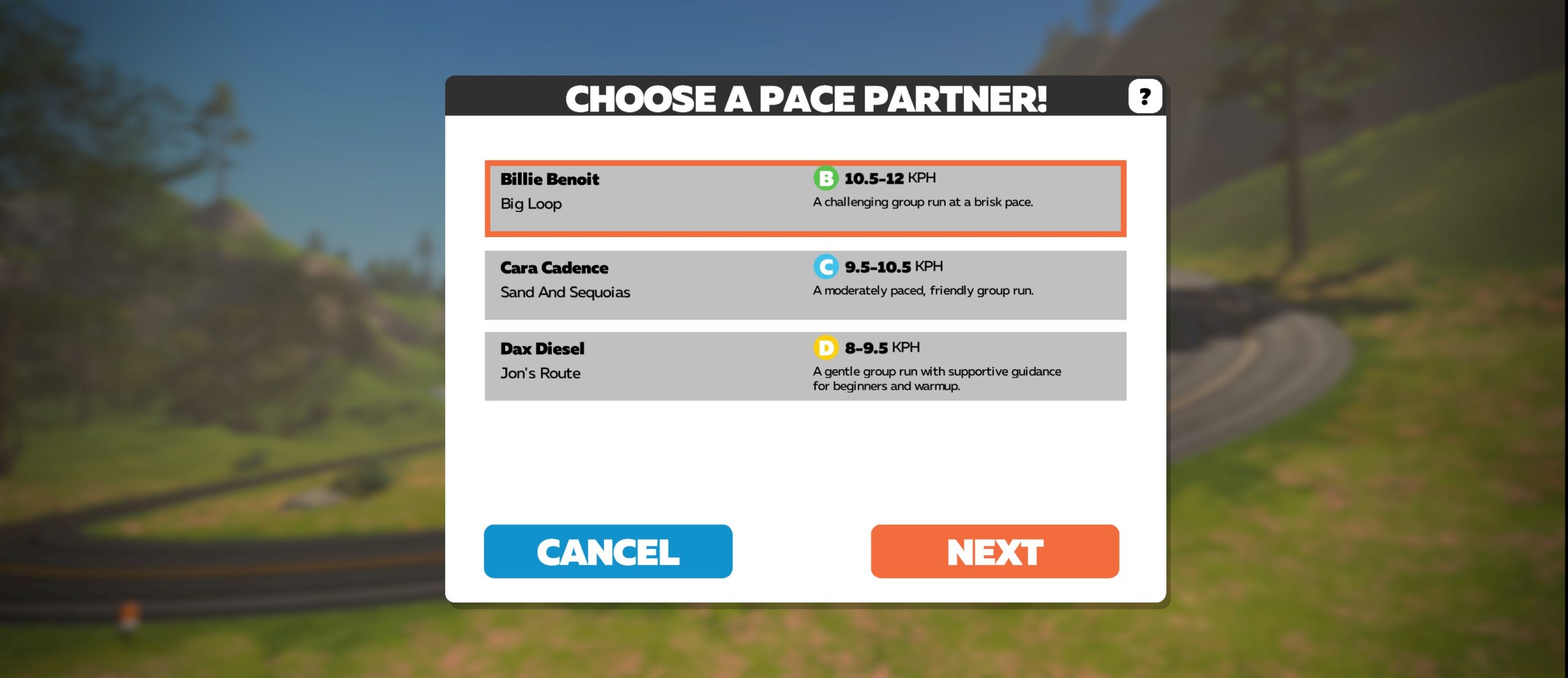
Alton Able is an A category runner who will keep a spirited pace of 14kph/8.7mph (4:17/km, 6:54/mi) around the Dust in the Wind route.
Billie Benoit is a B category runner and loves the Big Loop route, targeting a speed of 11.9kph/7.4mph (5:03/km, 8:07/mi).
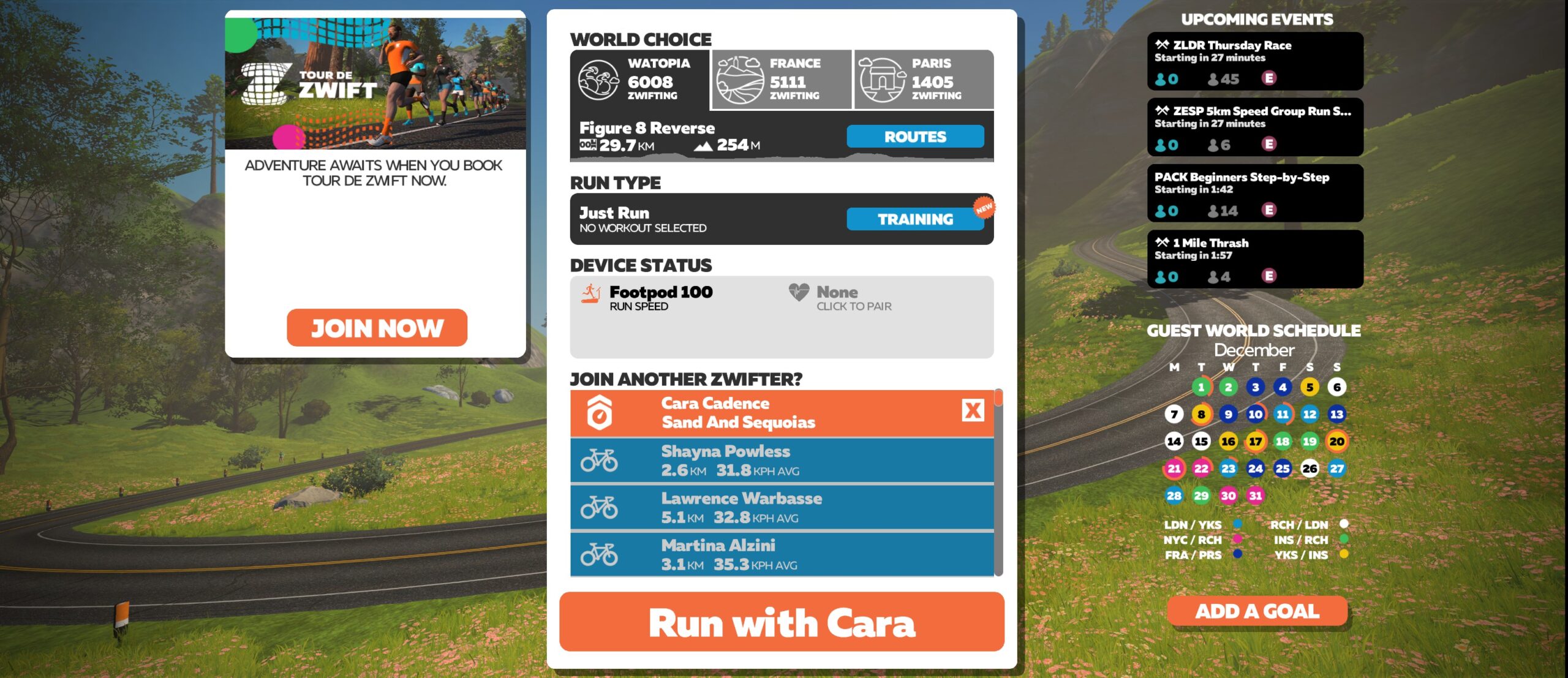
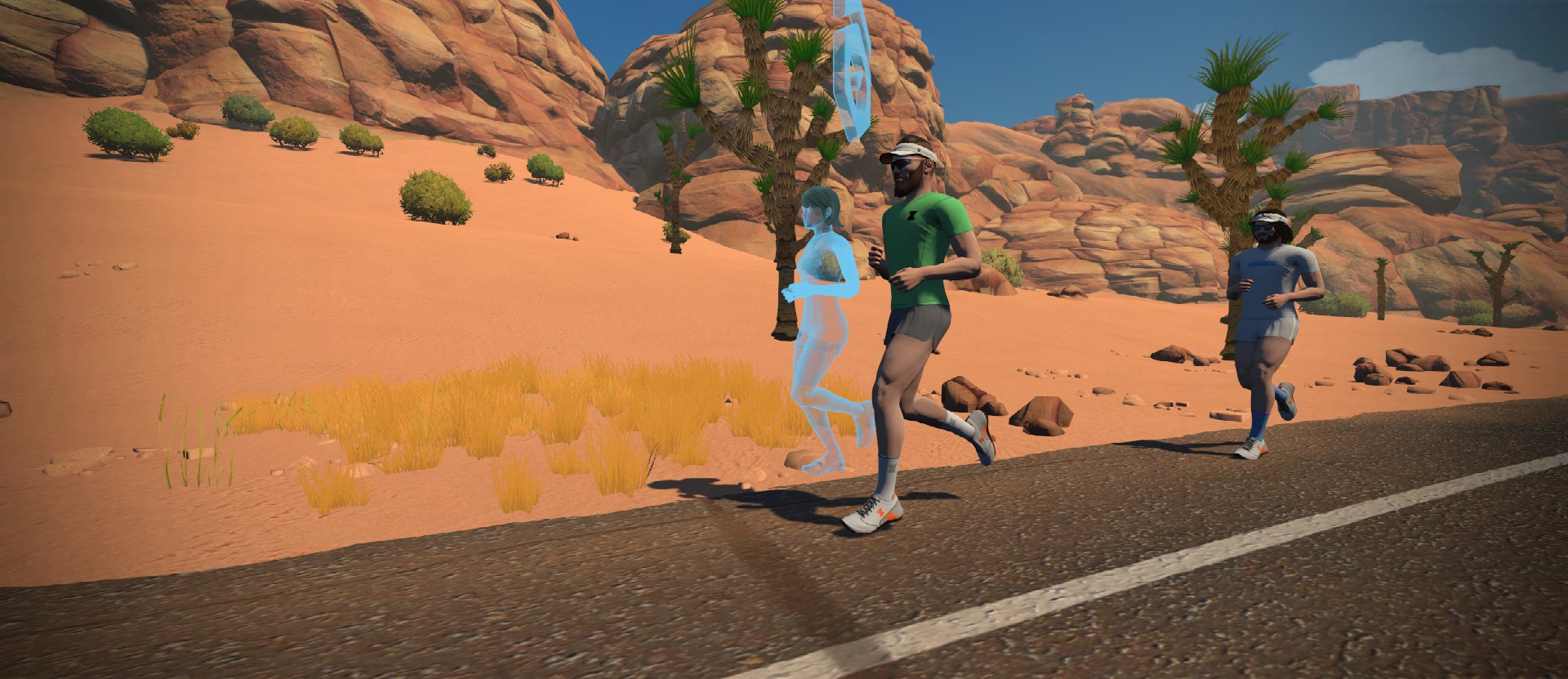
Cara Cadence is a C category runner holding a speed of 9kph/5.6mph (6:40/km, 10:44/mi) around the Sand & Sequoias route.
Dax Diesel is a D category runner who feels most at home on Jon’s Route at a conversational (7:30/km, 12:04/mi).
We signed in to test the new feature and only Billie, Cara, and Dax were live. Alton probably needed to take a breather! This is only a FutureWorks (read: “beta”) release, though, so there may be times when some Pace Partners aren’t live, or they behave a bit differently than described. All part of the process!
How to Join a Run Pace Partner
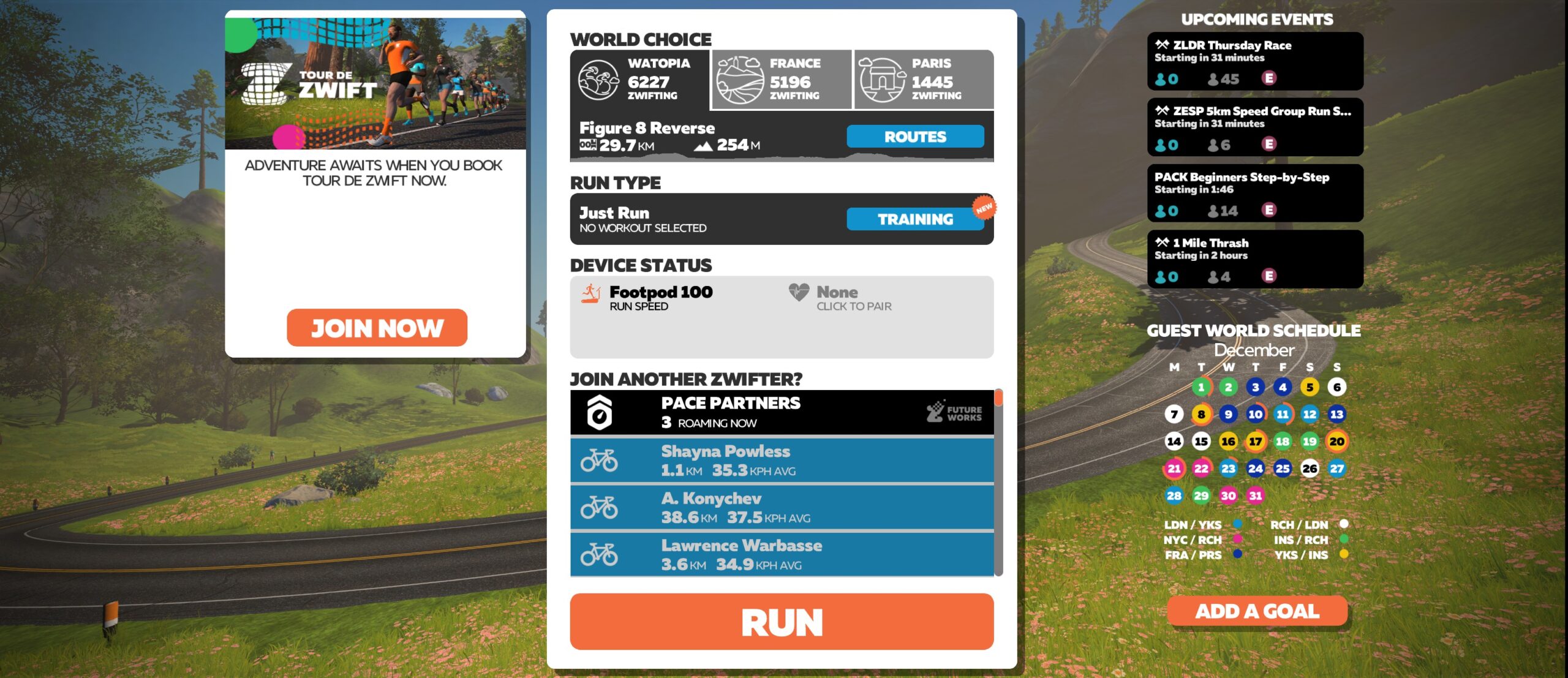
Joining a Pace Partner is easy. From the join screen, click the Watopia tab (Pace Partners are currently only available in Watopia). Then click the black Pace Partners bar at the top of the rider list, select which Pace Partner you’d like to join, then click the orange “Run with…” button to get going!
Click “Pace Partners” bar
Select your pace
Click “Run with…”
Stride on!
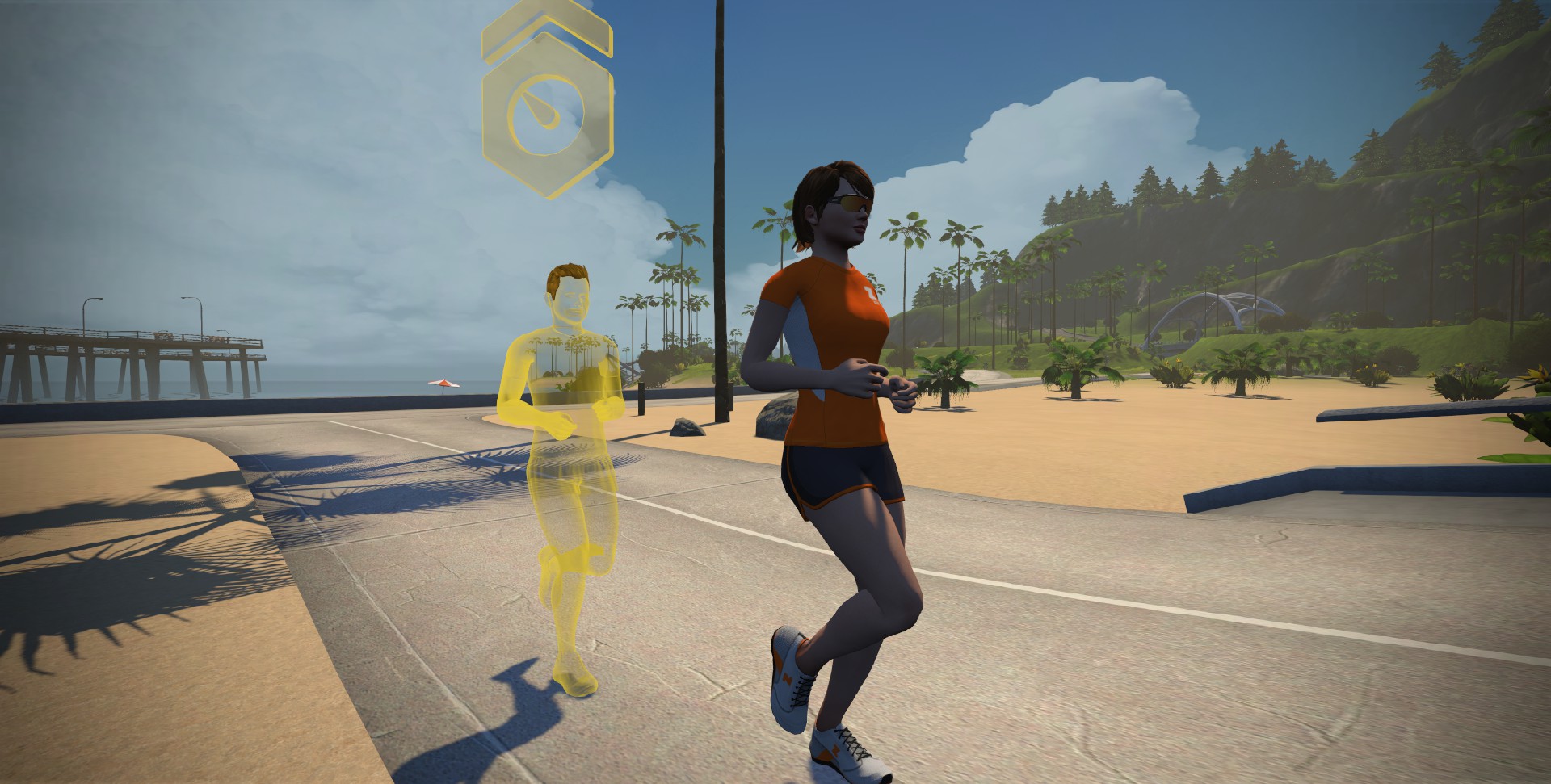
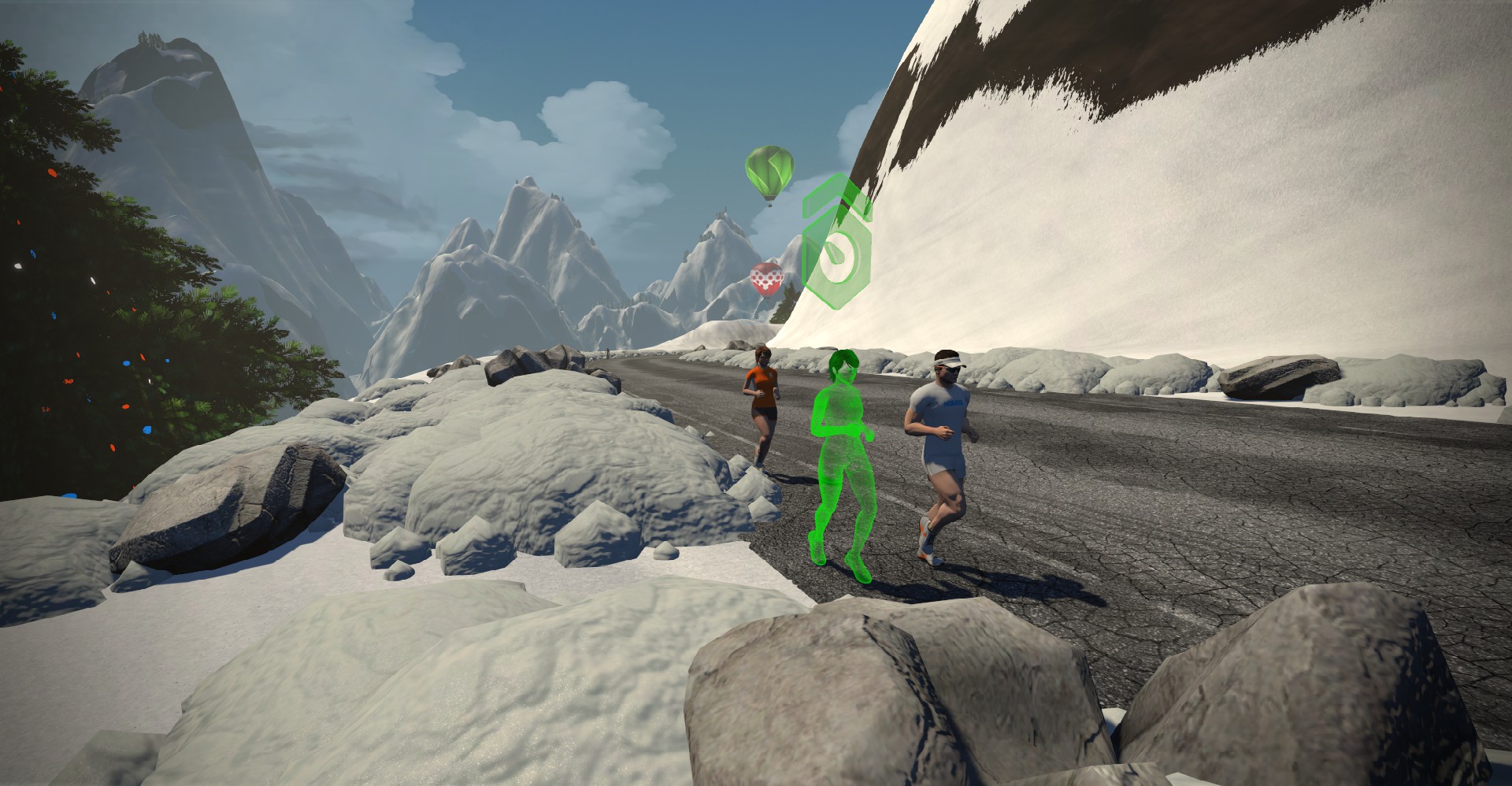
Here are shots of each Run Pace Partner in action:
Dax Diesel
Cara Cadence
Billie Benoit
Your Comments
Have you joined a Run Pace Partner yet? What did you think? Share below!
Last Monday I got a text from my dad: “I’m riding my first group ride at 11:15 today. It’s the Adidas Runners Group Ride.”
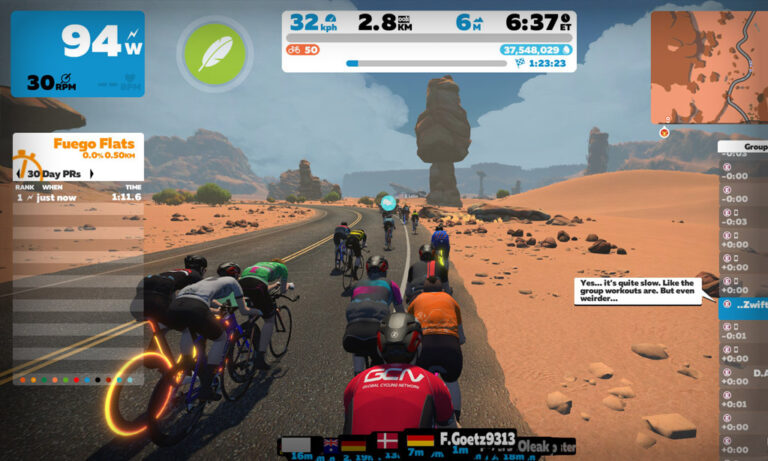
Ride on, Dad! He’s been on Zwift for a couple years now, but this would be his first attempt at a group ride. Since I didn’t know anything about this particular event, I looked it up in Companion to make sure it was a pace my dad could enjoy. The ride’s description was very odd, though:
Especially in times like these, when many have to live in isolation or contact distance, we can meet and train together online. The group is held together by an invisible rubber band, so that every level can keep up. Let’s ride together for about 90 minutes, connect and have fun with the movement and effort.
“Held together by an invisible rubber band”? This happens in group workouts, but I’d never heard of it happening on normal group rides. Viewing the ride on ZwiftHacks Events App I noticed it had a setting you don’t see in Companion: TEST_BIT_10.
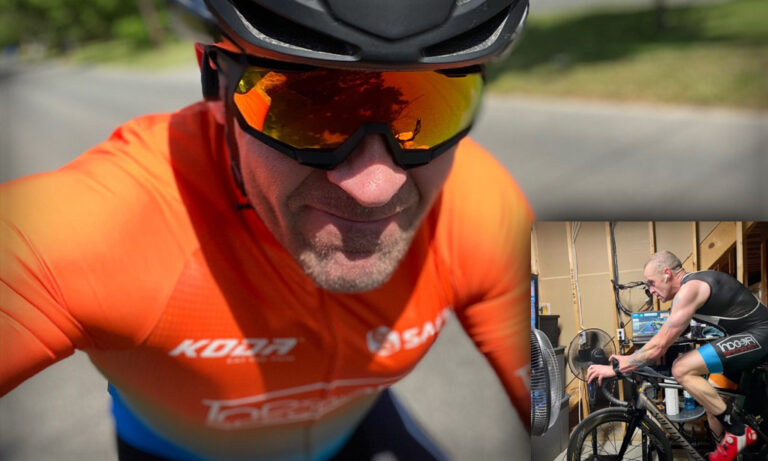
Now I was intrigued. I told my dad I would be jumping into the ride from here at my desk, using my Zwift Insider test setup to temporarily “participate” in the event. At 8:15am my time (11:15 his time) the ride began… and here’s what followed.
Video 1
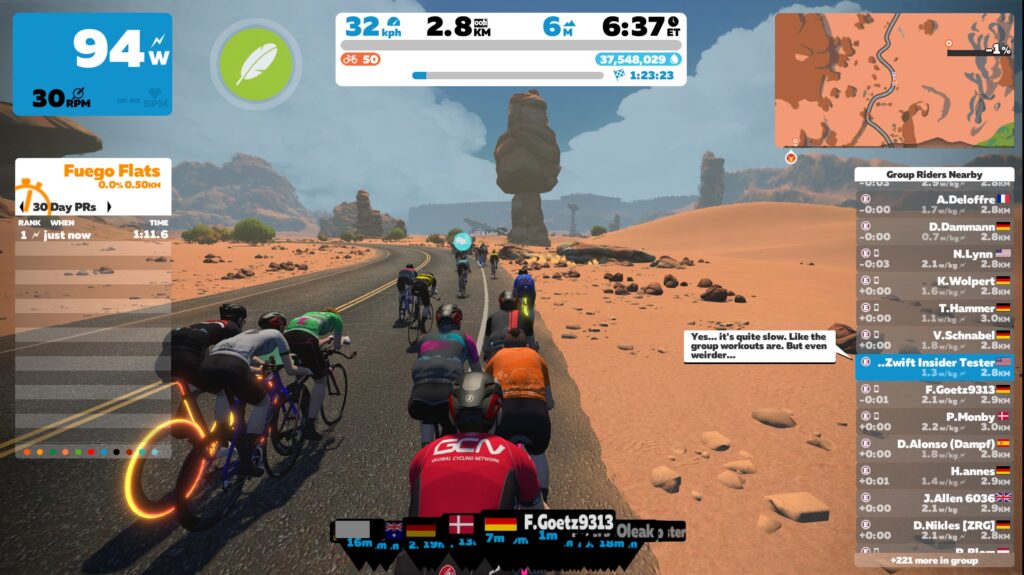
I recorded this early in the ride. There are a few things going on here:
Everyone is being rubber-banded together, similar to a group workout feel
The group speed is unrealistically slow – anywhere from 25-30kph. No group rides on Zwift roll that slow! Again: this artificial slowdown is similar to group workouts.
Riders from outside the event are “leaking” into the event, which is odd. I’ve seen this happen before, but I want to mention it here because it’s a bit confusing seeing the blob moving together, while some riders fly through us.
It takes a few minutes, but eventually people start messaging, asking how the rubber banding works, why the group is so slow, etc.
Video 2
I decided to do a high-wattage test (using an ANT emulator), to see if I could break away from the group. In this video you’ll see me start off the back of the group, up the power to over 1400 watts, then move to the front of the group. Zwift flags me as having inaccurate data (nice work, Zwift!) but I keep the watts up to see what happens.
You’ll see I keep moving through the group (much slower than I would in a normal ride), but once I get to the front, I just sit there at 26-27kph on flat ground, holding 1413 watts!
Video 3
Finally, for the third video, I wanted to test how low my power could be while still hanging with the group. So I drop my wattage to 94W, then 63W, 31W, 19W, and 13W. When I drop it 6W the group suddenly rides away from me, so the threshold is somewhere between 6-12W.
Was It Good?
Based on this one experience, it’s clear this TEST_BIT_10 enables similar settings as Zwift’s group workout mode, resulting in a rubber banding effect for group workouts. I’m not sure what those settings are, but I’ve never liked the way they alter my speed in group workouts – which is why I haven’t done a full group workout on Zwift in years.
Would I participate in a group ride with this setting? Only for the sake of science. The artificially slowed speed was aggravating, and the speeds would sometimes increase or decrease dramatically for no obvious reason. Overall the experience felt unrealistic and overly slow – nothing like a typical Zwift group ride.
But all of this is based on a single test ride, on a single event using what I can only assume is some sort of test (beta) setting. Perhaps Zwift will dial it in so the experience is more enjoyable and natural in the future.
What Would Be Better?
Zwift’s TEST_BIT_10 has half of the rubber-banding solution done: riders aren’t able to jump off the front (even with massive watts) or get dropped (even with paltry watts).
But they haven’t cracked the speed side of the challenge yet, as far as I’ve seen. Speeds in group workouts and this particular test ride are much too slow, and they also change incomprehensibly (at one point our group speed dropped to ~15kph on flat ground).
The ideal solution would keep the group together (strong riders could still push big watts at the front, and weak riders could hang in with low watts) while moving at a speed that modulates naturally with terrain and group effort levels, and doesn’t feel too slow or fast.
Basically: it needs to feel like a natural group ride, except you can’t jump off the front or fall of the back.
There are lots of ways this could be done, on paper. Implementing any of it, unfortunately, is above my pay grade. I’ll leave that to the Zwift game developers who will need to use some combination of air density, draft strength, power averaging, and black magic to make it all work in a way that makes riders want to come back for more!
Your Thoughts
What do you think of the group ride rubber banding idea? Is it needed? How should is work? Share your thoughts below!
For many of us, the passion for cycling pervades every thought and influences almost every decision, causing the sport we love to become a metaphor for life and the way we live it. As Larry Parker describes it, “Life is like a grand tour, with wins and losses, pain and pleasure, joy and sadness, love and hate, with stage after stage forcing us to keep pushing the pedals one meter at a time.”
With routes through sunflower-lined roads and scenic mountain passes replaced by intimidating institutional hallways and hospital rooms, the decisive selections of Larry’s life have been made with a positive perspective which covered the attacks threatening all that was important to him.
Prologue
Larry as a US Marine
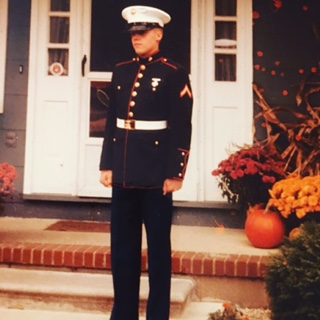
Larry grew up in a New Jersey shore community and recalls “from the time I was old enough to walk I knew I wanted to be a cop like my Father.” Just prior to his 18th birthday, Larry enlisted in the United States Marine Corps and served four years as a tactical operator. Following discharge, Larry embarked upon a 23-year career in the Stafford Township Police Department and ascended to Commander of the Patrol Division.
“Learning is lifelong and if I wanted to be the best at my career I knew education was integral to my success,” explains Larry who received a PhD by taking night and summer classes while working rotating shifts leaving “very little opportunity for sleep or personal time.”
Stage One: Larry’s Diagnosis
With only his dissertation left to complete, Larry became severely ill and was diagnosed with Congestive Heart Failure with complications causing kidney failure and traumatic brain injury, requiring implantation of a defibrillator to assist heart function and prevent fatal arrhythmias.
“Due to the diagnosis of renal failure I was unable to be placed on the heart transplant list and was sent home after months in the Cardiac ICU with an oxygen machine and a prognosis of 5 years to live.”
Stage Two: The Diagnosis of Larry’s Daughters
Daughter Kianna
Forced to retire from the police department and “in the fight of my life,” Larry laments, “my 4-year-old daughter Lola was fighting for hers.” Lola contracted brainstem encephalitis and following multiple prolonged PICU admissions, countless diagnostic tests, and specialty hospital consults, she was diagnosed with a rare immune deficiency.
Unable to protect herself from infection, Lola has spent the last 8 years in quarantine without any personal social interaction.
Larry’s oldest daughter, Kianna, was home as well with special needs stemming from severe non-verbal autism. Larry also has an older son named Tyler.
Stage Three: The Diagnosis of Larry’s Wife
While dealing with the medical issues affecting her family, Larry’s wife Cheryl was diagnosed with a 10mm tumor on her breast and underwent mastectomy following the PICU discharge of Lola.
Despite extensive treatment and numerous reconstructive surgeries, a second mass was discovered a year later requiring another mastectomy.
“The news hit us like a ton of bricks,” explains Larry, “and me with CHF, a 7-year-old daughter with a fatal immune disorder, and a 13-year-old daughter with non-verbal autism, it caused us to feel overwhelmed mentally and physically.” Cheryl retired with 10 years on the police force and is now 2 years cancer-free.
The Queen Stage: Larry’s Worst Experience
Swinging a sledgehammer to install a drainage pipe in the backyard of his home on a hot summer day, Larry describes hearing a loud beeping sound emanating from the defibrillator implanted in his chest, and before he could make it to safety “the defibrillator fired and knocked me off (my) feet.” By the time medics had stabilized him for helicopter transport he had received 12 shocks and was only moments away from “dying alone in the backyard.”
When asked to describe the memory of his worst experience, Larry states, “I can’t accurately describe the mental stress of knowing I was in fatal arrhythmia and preparing to die alone. But nothing can compare to being told that your child is dying due to a rare fatal disease, your wife has breast cancer again, and your other daughter will never speak a word to you. I would endure the physical pain of being shocked every day so as not to hear those words.”
The Zwift Stage
Larry began cycling when he “had the brilliant idea of attaching a baby buggy filled with books to a mountain bike and pulling it up the hills by (my) house” as a way to strengthen his heart. Larry capped his comeback from near death with a victory earlier this year as a member of the Saris-The Pro’s Closet team, just one of the 46 wins which have propelled him to 2nd in the 50+age group and 22nd overall in A.
In addition to crediting his incredible fitness to Zwift, Larry is thankful for the opportunity to accomplish his dream of competing on an elite team against the greatest racers in the world, while avoiding the risk of being shocked while on the road and always being available for his family. “Zwift plays a huge part in the health and happiness of my family,” Larry says. He admits he could not contemplate a life without it.
The Post-Race Communiqué
“My life is what I make it,” Larry answers when asked how he maintains perspective, “and what is important is not the event but how I respond to it.” Profound words from this humble and unassuming hero who has overcome incredible challenges with dignity.
And what a journey he’s had, with the help of Zwift and its community support! He went from being unable to climb a flight of stairs to elite status, all the while prioritizing the lives of his wife and children over his own.
Thank you for your service Mr. Larry Parker. Ride ON!
What About You?
How do you maintain a positive outlook when the going gets tough? Comment below with your strategies for coping in the face of adversity during this uncertain time, and give thanks to Larry for his service while you are at it!
In this Catch-Up, Matt calls in a very special guest… Jordan Rapp! The two Power Up Tri hosts catch up on what Jordan is up to, including his recent career shift. Jordan shares insights and experiences from his 4 years at Zwift.
About the Podcast:
The Zwift PowerUp Tri Podcast is hosted by former pro triathlete Matt Lieto and Zwift Academy Tri mentor Sarah True. Both are passionate about lending their in-depth knowledge of the multisport to the Zwift Tri audience.
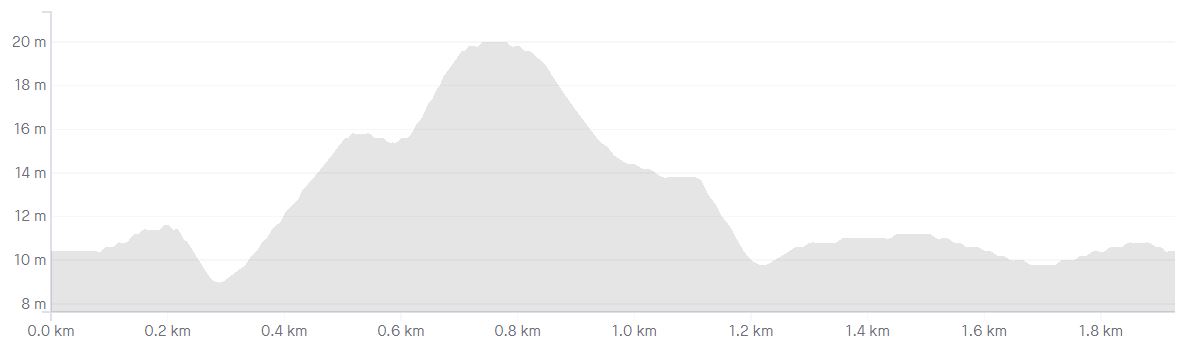
Our newest Rebel Route is the shortest route currently in-game (inclusive of official routes and Rebel Routes), shorting the Crit City routes by just 2-3 meters. This quick circuit would be perfect for crit-style races, closely matching the Crit City circuits in terms of lap distance and elevation gain.
About Rebel Routes
“Rebel Routes” are Zwift rides which are not available on Zwift’s routes list, thus requiring manual navigation.
The reward for your rebel ride? Exploring a new route, knowing you’ve gone where few Zwifters have gone before. And a Strava segment rank in the tens or hundreds instead of the thousands! They are included as a separate category on our Veloviewer Route Hunter leaderboard.
Route Description
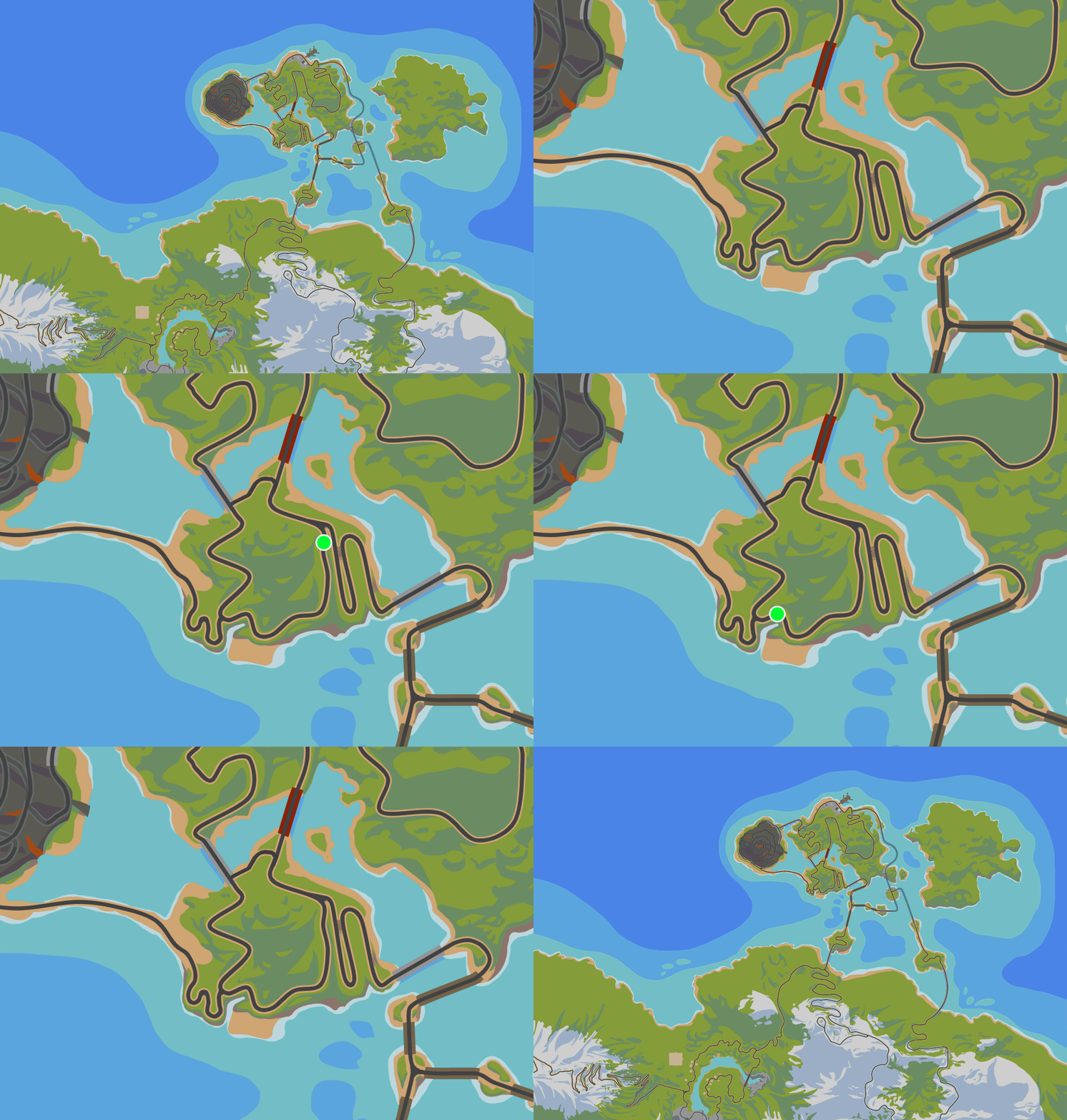
You’ll have a short lead-in before you can begin the circuit, and you’ve got options, with four different directions roads all feeding into this circuit! (The Esses, the Volcano, Ocean Boulevard, the Hilly KOM all drop you onto this loop eventually.)
The quickest way to get here, though is to select the Two Bridges Loop route. This will take you over the Esses and the JWB bridge. Flip a u-turn after you go through the sprint banner, then turn a quick right onto the new bypass road to start the circuit.
The circuit starts and ends at the green sprint banner. From the banner you’ll hang quick right past the sea lions, then ride along the water before turning right at the fountain to head back toward the Italian Villas.
On the cobbles of the Italian Villas
You’ll hit a couple small rises here, then descend in similar fashion past the waterfall and onto the cobbles of the Italian Villas. Planning to sprint? Time to rev up those watts – the start line is just up the road!
The Watopia Sprint Forward segment begins just before you enter the tunnel, then it’s an all-out effort for 350 meters. That’s one lap… how many more do you have left?
Sprinting to the line
Profile
Getting Started + Lead-In
There are many ways to get to this circuit, but the quickest is to start by choosing the Two Bridges Loop route. This will take you over the Esses and the JWB bridge. Flip a u-turn after you go through the sprint banner, then turn a quick right onto the new bypass road to start the circuit.
Turn by Turn
Here are the turns you’ll need to make to successfully complete the Italian Villas Sprint Circuit, starting in downtown Watopia after selecting the Two Bridges Loop:
Straight to Sprint
U-Turn after riding over bridge and through sprint banner (you are now on the circuit)
If turned into an official Zwift route, this circuit could be given an interesting lead-in which would make for exciting racing.
For example: in a short race, the lead-in could take riders over the Hilly KOM Forward, breaking up the race by making a selection of punchy climbers. Then organizers could select an appropriate number of circuit laps (perhaps 4-6) during which heavier, more powerful riders would have a chance to pull back that punchy breakaway.
A longer climb could become part of the lead-in as well, perhaps the Volcano KOM, finishing with several flatter laps of the circuit.
Rebel Route Suggestions
Got an idea for a great rebel route? Share it below and maybe we’ll publish a post about it!
As 2020 comes to a close, Matt Rowe sits down with Rapha CEO Simon Mottram to discuss the final challenge of the year: the Rapha Festive 500! It’s a challenge to ride 500km in 8 days over Christmas, and things have changed a little this year for the Festive 500 as virtual kilometers now count towards the challenge. So you can take part on Zwift, on the road, or a mix of both!
Matt also chats about riding for the Rapha team when he was younger and how he might be taking part in the Rapha Festive 500 so he can beat Simon by 1km.
About the Podcast
The Zwift PowerUp Cycling Podcast features training tips from host Matt Rowe (Rowe & King), with regular guest hosts Greg Henderson, Dani Rowe, and Kristin Armstrong.
Mountain, road, gravel, track — in my 25(ish) years of cycling, I’ve tried it all. There is one cycling discipline that remained unknown to me: virtual cycling. That’s right, I’m talking about the Zwift craze.
You see, I grew up in the cold, snowy, and wet state of Vermont. From November to April, I spent hours on an indoor trainer and rollers, ticking away the miles. I was scarred by those years of sweaty, boring indoor cycling. So, I was reluctant to jump into the world of Zwift, though I knew it would be more entertaining than the old radio player that kept me company while I spun on my rusty set of Kreitler rollers, 20-odd years ago.
I didn’t want to write off Zwift without giving it a shot, though.
For this challenge, which I facetiously named “Zero to Zwift Hero,” I took a month to try and learn how to ride Zwift. I’m raced every week in the USA Cycling Virtual Race Series (sponsored by STPC) and tracked my progress to share my insight with you. Did I become a Zwift Hero or will I get dropped like a rock? Read on for my weekly account of this Zwift exploration.
I might look “pro” with my STPC jersey, but I can assure you that I am not … at least in the world of Zwift.
My indoor cycling setup
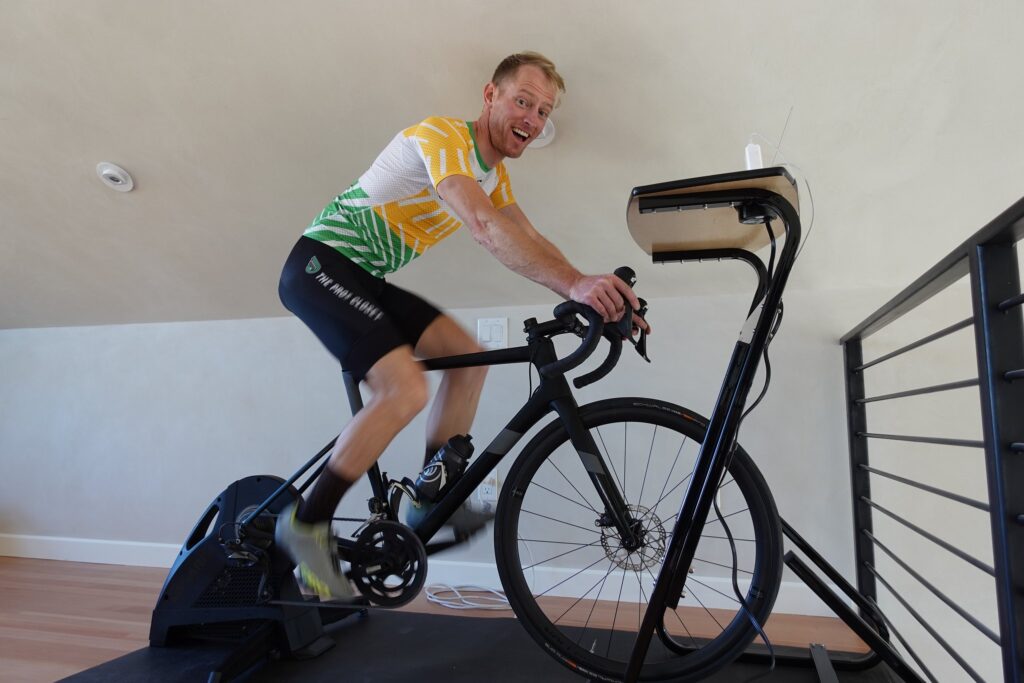
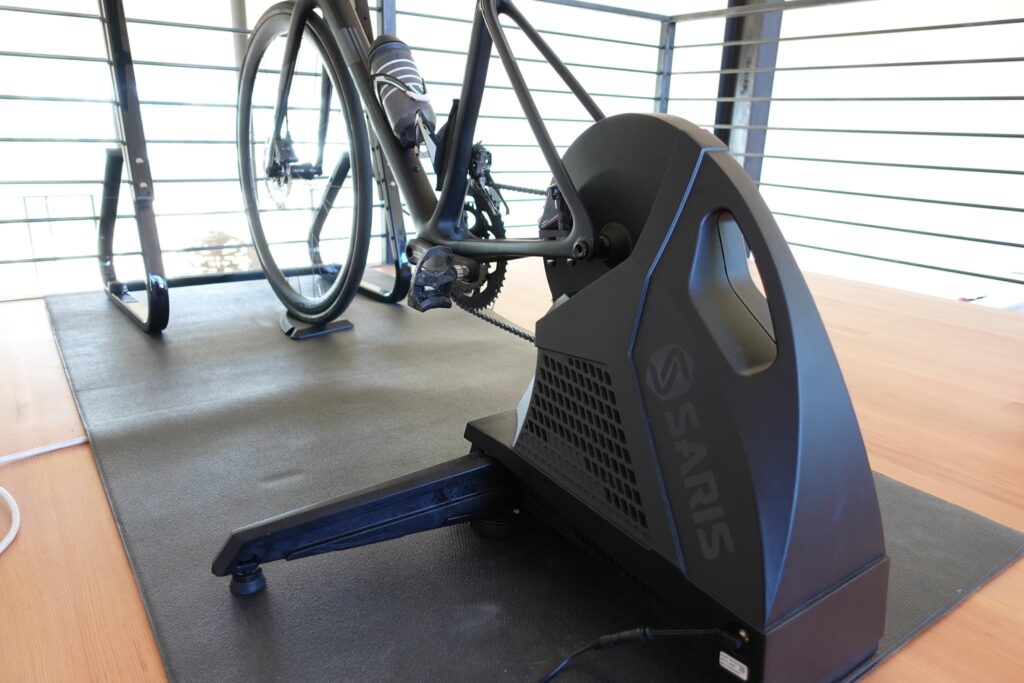
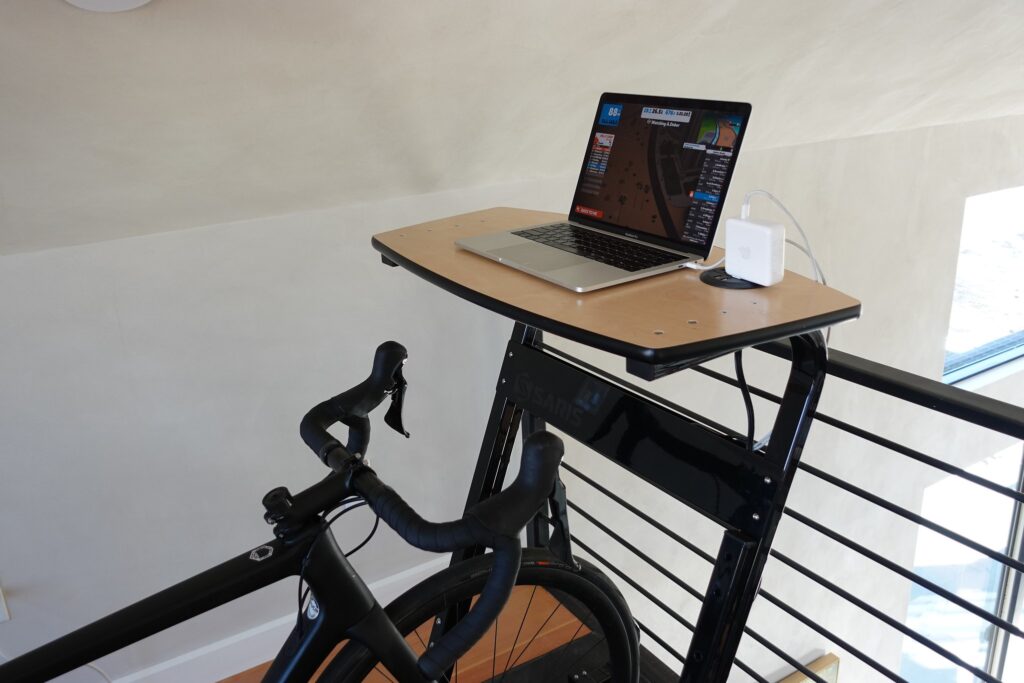
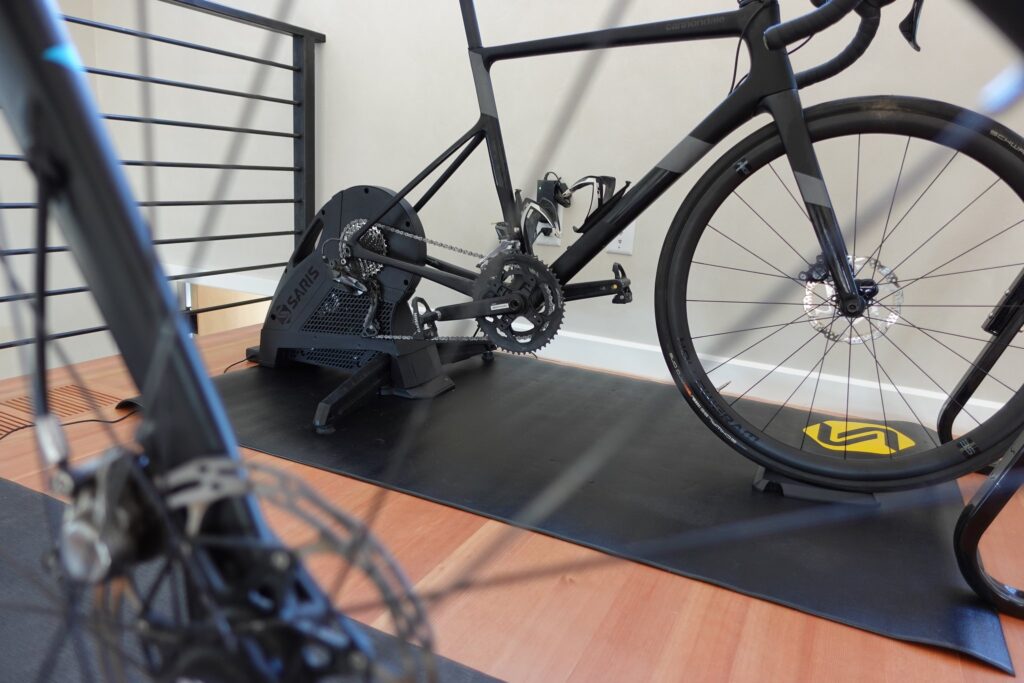
As you might know, TPC sponsors the Saris + The Pro’s Closet (STPC) Zwift team, so I have ample resources at my disposal to learn the world of virtual cycling. Saris was kind enough to send me an H3 trainer and a TD1 trainer desk. I also used a Saris trainer mat to keep the sweat off the floor and a couple of fans that were likely too small to make a difference.
The Saris H3 direct-drive smart trainer is one of the best setups on the market.
Saris’s TD-1 trainer desk positions my computer right above the front wheel for easy access.
A Zwift rider is born: Week 1 (Nov. 9-15)
Christmas came early — I got a few big boxes full of new toys, and the snow started to fall. The timing couldn’t have been much better for my Zwift challenge to begin.
It wasn’t necessarily difficult to set up my new Saris H3 direct-mount smart trainer, but took a little time to get all the details right. After the basic unboxing, I mounted a cassette to the trainer and installed the appropriate end caps to fit my bike’s dropouts. The trainer desk bolts together easily enough. Having just moved into my new house, I’ve had lots of practice assembling furniture lately.
Beyond physically assembling my Zwift gear, I needed to set up the guts of this high-tech equipment. I recovered my password from the dormant Zwift account I opened five years ago. I signed up for Zwift Power, which organizes virtual racing and rankings. I downloaded the Saris app, which lets me calibrate the trainer. Surely it was wrong… there’s no way my power is this low! But yes, it was right. I also downloaded the Zwift app for my computer and smartphone. Everything pairs nicely with either Bluetooth or Ant+.
Then, I dove in head-first — riding, racing, group rides, I packed it in this first week! Partly, that was due to some terribly windy and cold weather that made riding outside a nonstarter. Also, I was just curious to try something new, and boy was it new. It has been a really long time since I felt like a beginner in the realm of bikes, and I learned a few things the hard way:
Take it step by step
I wanted to dive right into Zwift racing, but STPC rider Matt Gardiner slowed my roll and recommended I first learn the dynamics of riding in a pack and “drafting.” The easy way to get started is to join a ride with a Zwift pacer bot. These bots are set to ride a consistent pace based on watts per kilo (w/kg). I hopped on with one of these robot riders and quickly started to feel how I should modulate my power to stay positioned in the group.
Third time’s the charm
Having raced bikes for decades, I couldn’t hold back my competitive urge. On day two of Zwifting, I thought “why not try this KISS race.” At least it would help me shake out the bugs before Wednesday’s USAC event. So I lined up, was ready to go, and then everyone else in the race vanished. I was alone. Turns out I had downloaded the wrong Zwift app! There are two — Zwift and Zwift Companion. The former is a mobile option for riding in the game. The latter is a way to augment your computer’s app with chat, maps, and more. I had the normal Zwift app running, and it kicked me off the race and took over. So, be careful which app you run. The blue Companion app is what I have up alongside my computer when I’m Zwifting.
My second racing fail came a day later in the USAC event. If you follow the TPC Instagram, you might have watched as I lined up and then suffered a virtual “flat tire” right before the start. Imagine being at the start of a ride or race with a flat tire and then having no idea how to remove your wheel, what a tube was, or even how to attach a pump and air it up. That was me when I had a power drop-out. The trainer was fine. I could tell I was putting out wattage. But Zwift said 0 watts. I believe I did two things wrong: My Ant+ stick was too close to a fan, which can cause electrical interference, and it was too far from my trainer — they say three feet or less is best. I disconnected my trainer, then reconnected it, which solved the issue, but I had a long, hard, and lonely ride to finish that race. From now on, I’ll stick to Bluetooth, which has been good so far.
Finally, on Friday I got it right. I hopped in the Team IRL Without Borders race, rolled out with the group, no problem. And then I promptly got dropped on the climb. It turned out to be an exceptionally mountainous route. Nowhere to hide for a Zwift newbie like myself. It was brutally hard, but fun. I even successfully deployed an Aero Helmet power-up in the finish to win the sprint for 64th.
A Zwift-piphany
So, the racing didn’t go super smoothly this week. Even when I sorted my technical mistakes, I was getting dropped like a rock. But I did have one major epiphany the day after my disastrous USAC race — call it a Zwift-piphany.
I realized that group rides are one of the best things you can do on Zwift.
My first was SlowTwitch’s Hilly Vanilli ride. As you’d expect, there’s some climbing, up Zwift’s volcano, but it wasn’t as miserable as what I’d face the next day in that IRL event. Every group ride has a leader, who is pretty strict about keeping the pace within a giving w/kg range. You know what you’re getting into, because every group ride has that pace listed up-front. Wouldn’t that be nice to know when you roll up for an unfamiliar group ride on the open road?
Zwift group rides helped me continue to develop my pack skills, which can be downright entertaining. They’re also very social with people chatting from start to finish.
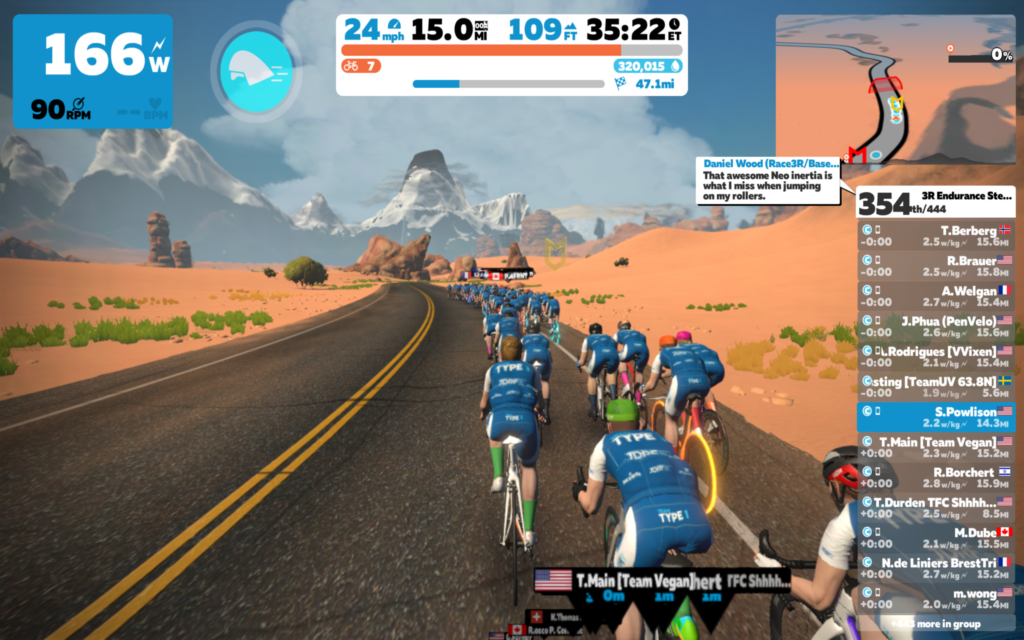
400+ people in a virtual group ride on Zwift? Just another Saturday, I suppose!
I couldn’t resist signing up for another on Saturday as the howling Colorado wind kept me inside, and to my shock, I got through a 63-mile 3R Endurance ride and actually enjoyed it! I cannot remember the last time I logged an indoor ride over two hours, but this one flew by as I worked on maintaining position and using the draft.
Looking forward to week 2, more snow is in the forecast, and I’m hoping I can find a race that suits my strengths a little better than the brutal seven-mile climb that crushed me in the IRL race. Stay tuned, and let me know if you have any questions or suggestions in the comments!
Week 1 stats:
Level 8 (out of 50)
Ranking: 159,053rd
15-second power: 8.33 w/kg
1-minute power: 5.29 w/kg
5-minute power: 4.08 w/kg
Now the hard work begins – Week 2 (Nov. 16-22)
In a lot of ways, Zwift isn’t quite like “in real life” (IRL) riding. Unless you have an elaborate setup, there’s no steering or balance required. You’re constantly drenched in sweat unless you have an industrial fan (I don’t). And accidentally unplugging your trainer can totally ruin a planned group ride. (Yep, that happened to me this week).
But when I get dropped in a race, well, that feels pretty familiar to me, and it’s just as demoralizing.
After overcoming my first-week learning curve on Zwift, I was starting to feel pretty good about myself. My setup was dialed. I was starting to understand how to “draft” other riders in the bunch. My second attempt at the USA Cycling Virtual Race series went pretty well. I hung with the small but strong B group until the final climb. After that result, I got a little cocky and decided to take on the IRL Without Borders weekly race again. That’s when I got humbled.
With 80+ riders on the start, it was a stacked field. I thought I had a chance with the relatively flat London course. I was wrong. Even though I produced my best power output numbers so far, I watched the group ride away from me as we sped past the “Thames.”
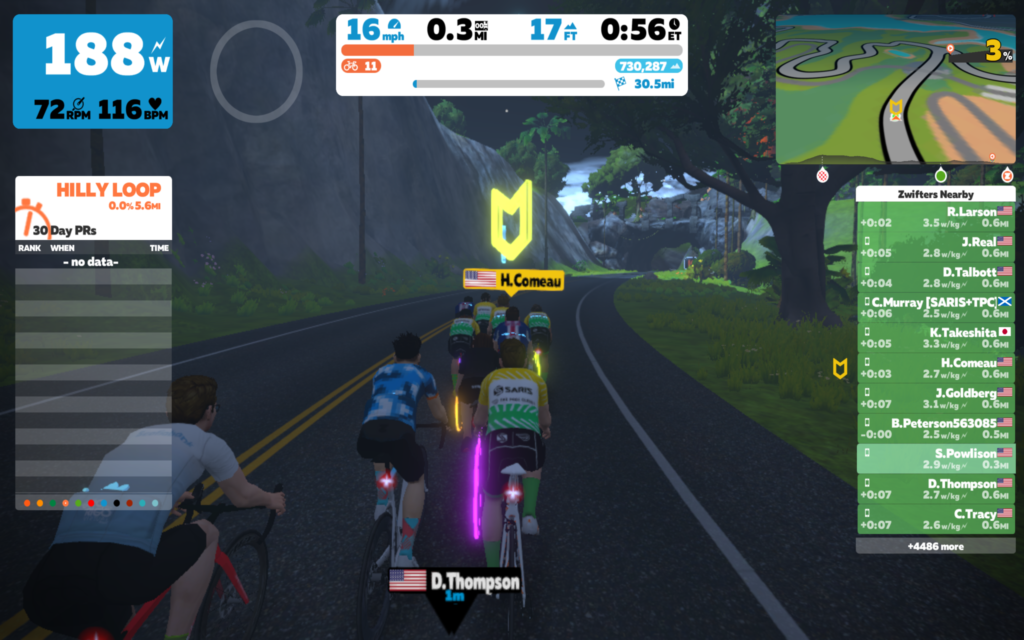
Clearly, I still have a lot to learn. So, I called up U.S. national Zwift champion Holden Comeau, who rides for our Saris + The Pro’s Closet team. Comeau suggested a couple of drills to use in group rides that could help me work on my pack riding skills. I can only put out so much power, but if I practice Zwift and find ways to ride efficiently, at least I can make the most of what I’ve got.
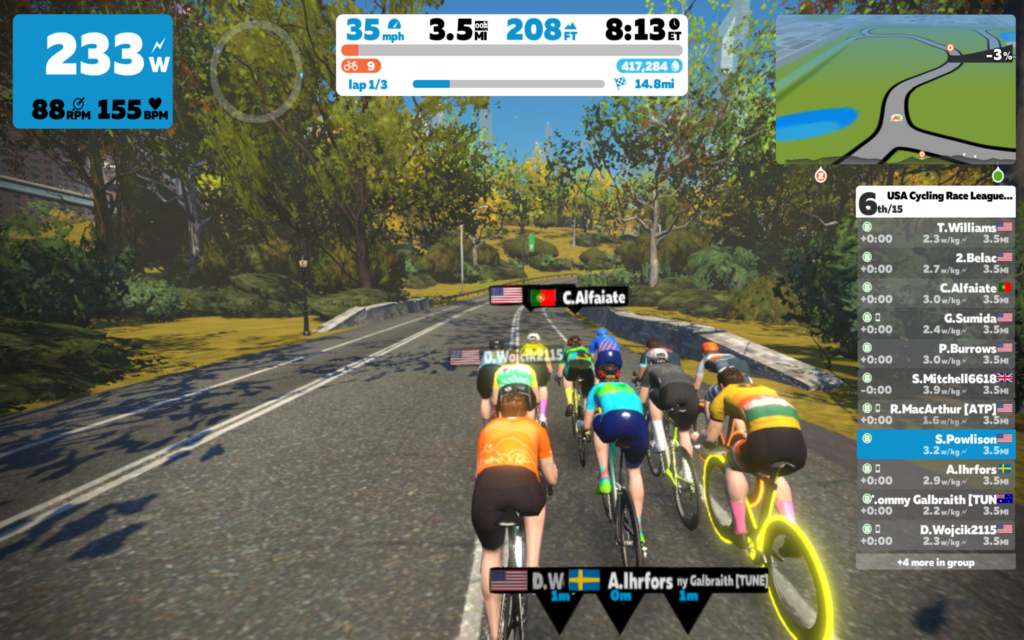
The second round of USA Cycling’s Virtual race series went far better than the first one.
Zwift drill #1: The washing machine
Experienced road riders know the washing machine effect. In a group of cyclists, people swell to the front of the group while others are swallowed up and drift back. The pace ebbs and flows, making it challenging to hold position. Ideally, you stay near the front of the group, but out of the wind. The same idea applies to Zwift.
Comeau suggested finding a position toward the front of the group, perhaps 5-10 riders back from the front. The objective is to modulate your power output to remain in that position, no matter who moves up and who drifts back.
This drill requires a lot of focus and some pretty precise pedaling. I found myself overdoing it at first and ending up on the front of the group, rather than a few wheels back. It’s also easy to lose focus for a moment and drift back 10 riders before you know it. I certainly found this made trainer time fly by!
Start by playing this game for short periods of time, like five minutes. That way fatigue doesn’t creep in and lead to sloppy riding. Give yourself little breaks to avoid mental (and physical) fatigue.
Zwift drill #2: The shadow
This second drill is more difficult, so try to master the washing machine first. Comeau suggested choosing a rider in the group and then shadowing them as they move throughout the peloton.
One practical consideration: Most Zwift group rides have all of the riders wearing the same kit, so sometimes it’s tricky to find someone with a distinctive helmet or bike to spot in the bunch. I have been finding that the “Tron” bikes really stand out.
As you follow your rider through the bunch, you’ll find they surge and fade rather unpredictably. Watch their avatar carefully and respond quickly with either more or less power. If they are drifting back faster than expected, it can help to coast briefly to cut speed. Your accelerations have to be carefully modulated as well.
Zwift drill #3: Leapfrog
Here’s a bonus drill that I came up with on my own while riding with a pace partner group on Sunday. The object of the drill is to move up in the group with precision.
Set yourself up toward the front of a group, perhaps 10 riders back. Look at the riders in front and pick one that will be your target. Then, using a precise acceleration, move past the riders in between so you end up on your target rider’s wheel.
I find this is easier to do in a slower group, so maybe start with a group ride that’s a category below where you usually ride or race. The Pace Partner groups also work well because they’re steady rides that are less prone to unexpected surges. Remember, this is a positioning drill, not a sprint workout. It’s easier to practice power control when you aren’t on the rivet!
Week 2 stats:
Level 9 (out of 50)
Ranking: 44,924th
15-second power: 8.87 w/kg
1-minute power: 5.49 w/kg
5-minute power: 4.35 w/kg
I think I’m addicted – Week 3 (Nov. 23-29)
I think I am addicted to Zwift. I can’t believe it, but in my third week of Zero to Zwift Hero, I logged six rides on the virtual cycling platform. Four of them were races. The funny thing is, I’m really not that good at racing on Zwift.
My biggest achievement so far has been making it to the final lap of Friday’s crit in the main bunch. I just keep getting dropped in these races, whether they’re mountainous, hilly, or flat, and regardless of whether there are 100 starters or 10 starters. So, as silly as this sounds, finishing with the bunch (okay at the back of the bunch) was cause for celebration.
Rather than discourage me, this continuous drubbing has made me stubbornly determined to figure this thing out. I think I’ll need more than the one-month timeframe I set out for myself in this project to get faster and more experienced, but so far, the challenge keeps me motivated.
In the meantime, I can impart a little bit of wisdom from my experience that might help you get more out of riding Zwift. For this week, let’s talk about the Zwift Companion app.
What is the Zwift Companion app?
This might sound confusing at first but bear with me — there are two Zwift apps for your smartphone. The one that’s an orange icon, “Zwift: Ride and Run,” works the same as the Zwift app that you download onto your laptop or desktop. It’s good to have, but that’s not what we’re talking about here.
The Zwift Companion app is shown as a light blue icon and it works in support of the Zwift app as you run it on your computer. The Companion app lets you do a variety of things, both before, during, and after your virtual ride.
Three ways I like to use the Zwift Companion app:
1. Find races and rides
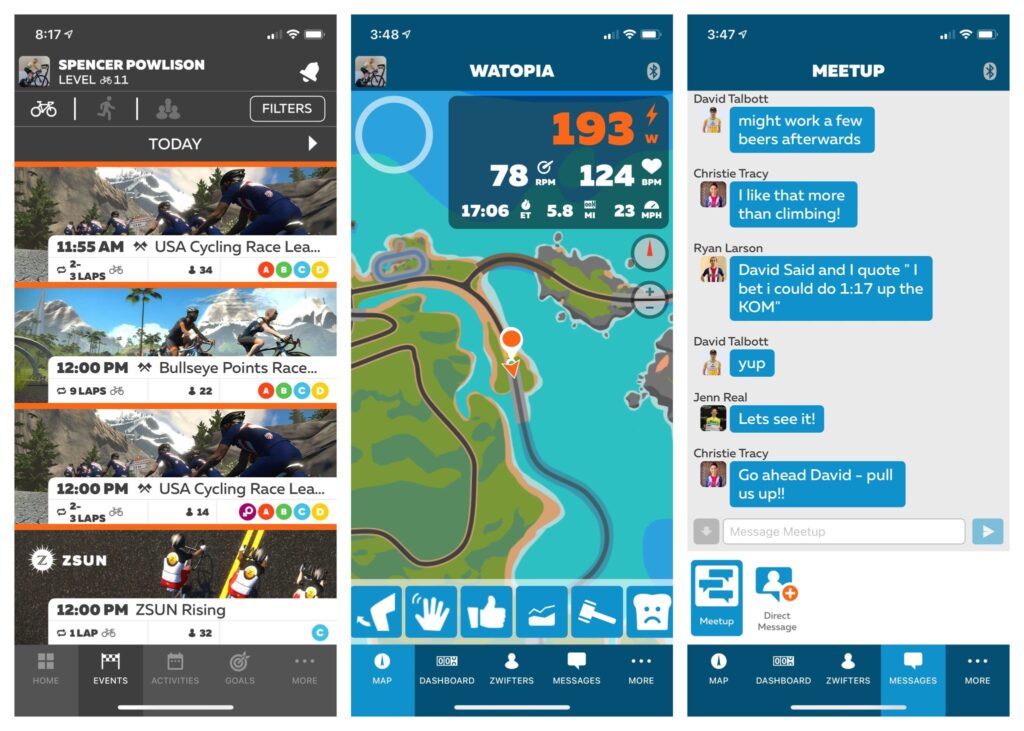
I think part of my Zwift obsession is directly related to the Events tab on the Companion app. I find myself compulsively browsing the upcoming rides and races, which is easy to do in the app. At a glance, you can see what category a ride or race will be, lettered A-E based on the watts/kilogram average pacing. You can see how many riders are signed up and what the duration or distance will be. Tap on a race or event and you’ll see more details about the route, including a map. There will also be an event description followed by the oh-so-tempting “+” buttons that let you easily register to participate. Using this feature, I have found a bunch of great events, like Zwift founder Eric Min’s Thanksgiving morning group ride, which attracted more than 3,000 riders.
I use the Zwift Companion app to find group rides and races, control the game, and chat with other riders (L-R).
2. Use the game controller to say “ride on!”
Once you start riding, menu options on the Companion app will change. I usually have my app set on the Map tab, which as you’d expect, shows a more detailed map of the world where you’re riding, along with basic riding stats like wattage, heart rate, time distance, and more. But perhaps more importantly, this view offers buttons at the bottom that let you control your avatar. You can flip a U-turn if you don’t want to climb the Epic KOM to the top. Or, you can give nearby Zwifters a “ride on” or a wave. The only trick to these buttons is that you need to hold them down for a few seconds to get them to actually work. I realized that after I tried tapping them a few times to no avail.
3. Get social with chat
Zwift is an incredibly social platform, which has surprised me more than perhaps any other aspect of the game. On a big group ride, the chat tab of my Companion app is constantly blowing up. Those chat messages also display on your computer’s game screen, but if you don’t read them right away, they’ll disappear. The entire chat history is shown on the Companion app. You can also easily reply to the conversation there. Well, maybe “easily” is an understatement. Typing and riding is certainly a skill that I have yet to master!
There are likely many other features on the Zwift Companion app that I have yet to discover. For instance, you can set goals or adjust your workouts on the fly. But for now, it’s enhanced my Zwift experience by encouraging me to participate in more events and connecting me with the thousands of other riders out there in the world of virtual cycling.
Week 3 stats:
Level 11 (out of 50)
Ranking: 32,633rd
15-second power: 8.87 w/kg
1-minute power: 5.49 w/kg
5-minute power: 4.46 w/kg
Week 4: The end, but also the beginning
I have a confession. I did not embark upon this one-month Zwift challenge in good faith. In the beginning, I tried to be open-minded. Of course, in these blog entries, I was positive and upbeat about Zwift. But in my heart of hearts, I really didn’t like the idea of virtual cycling one bit. Take a month, give it a fair shake, and then be done with Zwift — that was my plan.
To my surprise, I discovered that I enjoy virtual cycling far more than I ever imagined.
Thirty days is definitely not enough time to notably change my physiology, to boost my power output or fitness, but it was enough to change my perspective.
If your indoor cycling studio is set up and ready to ride, it’s tempting to hop on Zwift nearly every day (if your legs can handle it).
Zwift will never completely simulate the feeling of balance, speed, and motion. It will never take you to a new place (at least a physical place). And you sure can’t Zwift ride to the grocery store or the office. But Zwift is wonderful because it is welcoming, social, interactive, challenging, and downright convenient, especially if you live somewhere with real winter weather or have a busy schedule.
If you have riding experience, you can bring the fundamental toolkit to this new realm. But there will be a lot to learn and many miles to go before you can truly master it.
Some of the lessons I learned in this last month of Zwift sound all too familiar in hindsight. I should have known better than to try and race myself into shape rather than setting out a specific training plan. You need to pick a course that suits your strengths and know it well to succeed if you’re racing. And, like any form of cycling, it’s always more fun when done with friends, new, old, and virtual.
To me, cycling is all about the challenge. Chasing my limits inspired me to race all kinds of bikes, to ride more than 200 miles on gravel roads in a day, and to tackle the rockiest mountain trails in my area. Zwift is just the latest way for me to continue exploring my limits. A way to feel like a novice again.
So for all of you Zwift novices out there, here are some tips, thoughts, and suggestions:
Want to try racing?
Don’t do what I did. I jumped in too fast, which can be discouraging. (Fortunately, I’m stubborn.) Start by riding with a Zwift Pace Partner that matches your anticipated watts per kilogram (w/kg) pacing. These bots ride a steady power, which will let you get the hang of riding in a pack. Next, find a group ride that is the right w/kg pace and work on your skills there. The pacing will be more variable, which is the next progression of pack riding skills on Zwift. Finally, when you’re ready, find a race that will suit your skills — are you a climber? Do you prefer flat routes? Maybe something with short hills will be best? Then, before you race, ride that course to learn its ups and downs. Failing that, find the course on Zwift Insider and familiarize yourself with its key features.
This way, when you’re ready to race, you’ll have practiced the skills, picked the best course for you, and studied up on what to expect.
Want to just ride Zwift?
I never really enjoyed riding Zwift alone without any purpose. It might be different for you, so give it a try, but if you find yourself a little bored (like I did), find a group ride to join. The Zwift Companion app is one of the easiest ways to browse the ride schedule, as I mentioned in an earlier entry. If you don’t feel like riding with strangers, you can also organize a meet-up with friends. In either case, riding Zwift becomes a lot more fun when you do it with others and can chat (and heckle) along the way. There are also structured workouts available in Zwift for those who’d rather focus on improving their fitness. This is something I’ll explore in the future because I’ve definitely been discovering my weaknesses over the course of a month of racing. I really need to improve my sprints and short, maximal efforts.
Riding with the STPC team … Makes me feel a little out of my league!
If I were king of Watopia
Finally, I’ve given Zwift a lot of thought over the last month or so, and I have a few ideas of how I’d change the game if I was in charge of things.
First of all, I’d offer a way to compensate for high-altitude riding. I know this isn’t a typical issue, but personally, I think I’m at a disadvantage because my trainer set-up in my home is about 7,000 feet above sea level. I’ve got a lot less oxygen at my disposal!
Second, although it’s impressive how realistic Zwift can be, I think the game should have the option to spice things up a little bit. Wouldn’t it be fun if we could chase monsters or freeride on the Redbull Rampage course? Imagine a Mario Cart and Zwift mashup! The hours (and miles) would fly by if you were dodging Koopa Shells and banana peels.
Finally, along those same lines, I think racing should be a little more forgiving — at least some of the races or race series. Nearly every time I’d race, I’d end up dropped about halfway through. Then, it was a long, lonely trudge to the finish line. While I wouldn’t want to take away from the achievements of the riders who are actually fighting for the win, it sure would be cool if dropped riders like me could get a second (or third!) chance to hop back in the group and at least follow along to the end, even if we didn’t get a result. For example, sometimes when you race an IRL criterium, you can tag onto the back of the group when you get lapped, just to ride with them a bit longer. Imagine just hitting a button on Zwift to transport you back to the peloton so you aren’t so lonely.
This week in the best of Zwift videos, watch Zwifters challenge themselves to ride 6 hours, 112 miles, and 200 kilometers. How did they fare and what problems did they run into?
Also, get a quick glimpse at everything you can unlock with XP as you level up in Zwift, plus some advice from a community racer brought to you by a new streamer.
THE LONGEST ROUTE ON ZWIFT IN 6 HOURS CHALLENGE
When MAAP challenged cyclists to ride 6 hours in two weeks, members of the Botje Racing Team decided to do it all in one day. Martijn (“Fernwee”) set up a Meetup on London’s PRL course, where the team rode together on Zwift and talked using Discord. See how they did!
I rode 112 miles INDOORS on Zwift
Eric Abbott challenged himself to ride on Zwift for 112 miles – the length of an Ironman triathlon bike leg. What could go wrong?
What I learnt riding 200km on Zwift (And it’s not what you’d think)
Anthony Walsh (“RISE Revolutions”) rode 200 kilometers on Zwift this spring. See what advice he’d give to others who want to do the same!
EVERY ZWIFT UNLOCK From Levels 1 to 50 with pictures
Sarah LaRoque (“Everything Is Photogenic”) does an illustrated rundown of everything you unlock as you level up in Zwift cycling (so far). For a quick reference list, check the Zwift Insider post XP, Levels, and Unlocks in Zwift Ride.
Community Division Coaching Tips with Adam Dawson of Team AHDR
Young streamer “Zwift Race Place” passes along a quick tip about positioning in Zwift races. It’s one you may not have heard before!
Got a Great Zwift Video?
Share the link below and we may feature it in an upcoming post!