Join Us for Achterbahn and a Zwift Insider Kit Unlock at Saturday’s Z Badge Hunt Event
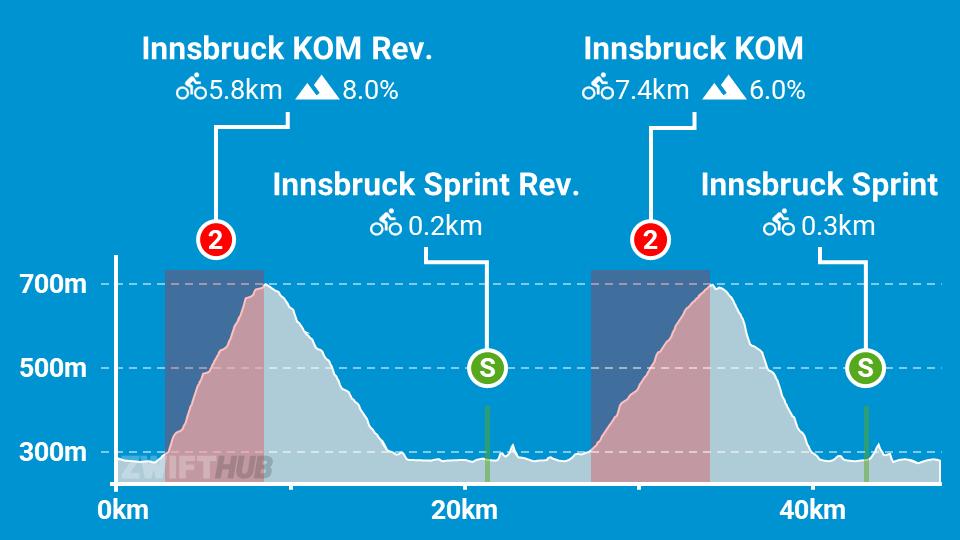
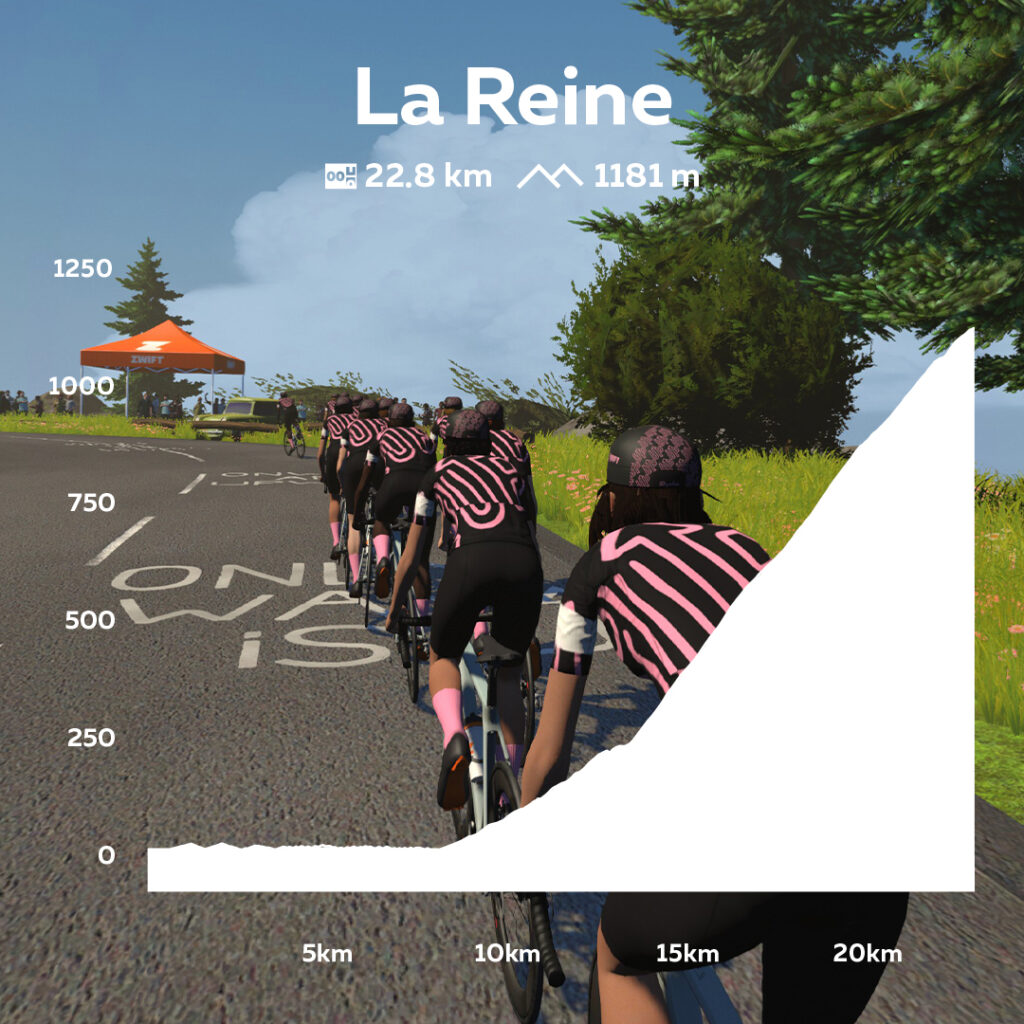
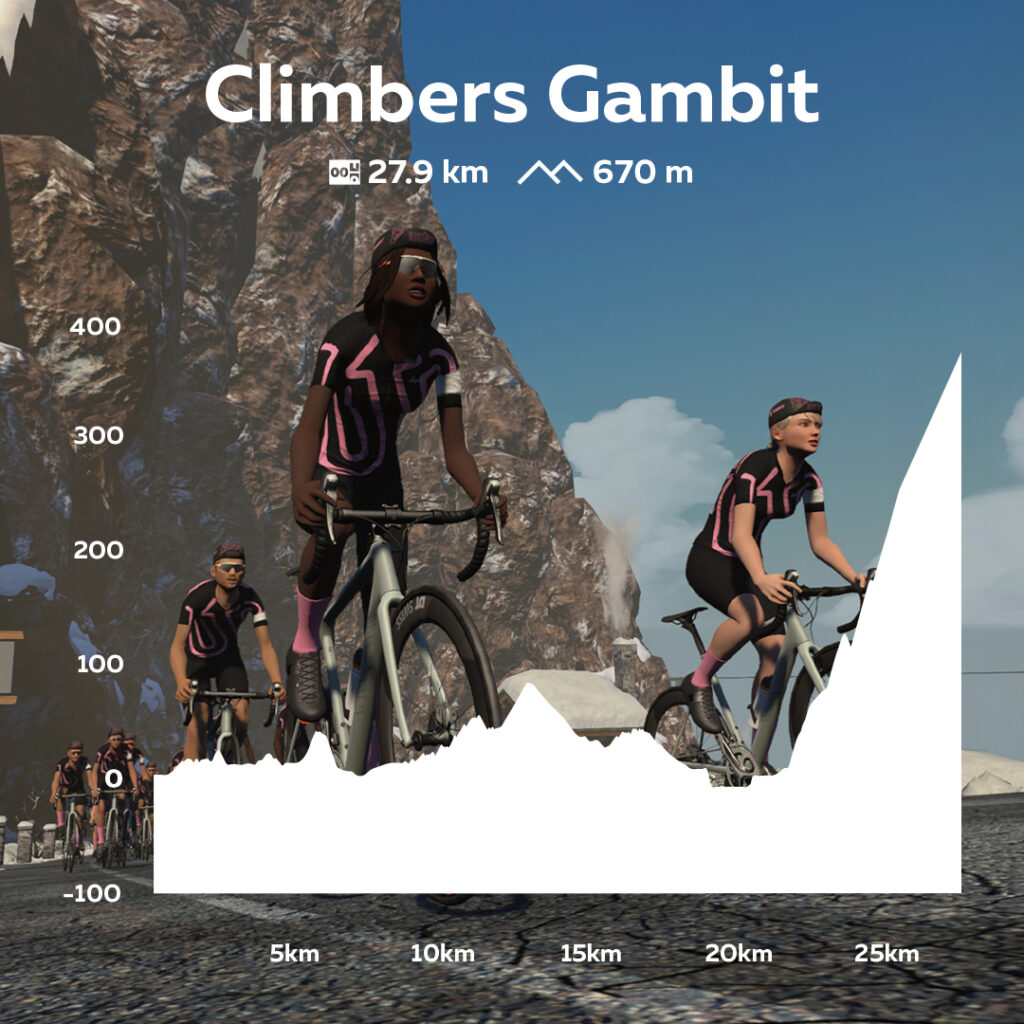
Innsbruck’s Achterbahn route isn’t the toughest ride in game, but it’s far from easy, requiring not one but two climbs up Innsbruck’s KOM. This explains why so many Zwifters haven’t yet earned the Achterbahn route badge!
We’re hoping to help you remedy that situation with another Zwift Insider-hosted Z Badge Hunt event Saturday, February 26th, at 7am PST/10am EST/3pm GMT.
And as a bonus, completing the event will unlock the new Zwift Insider in-game kit… for the first time ever!
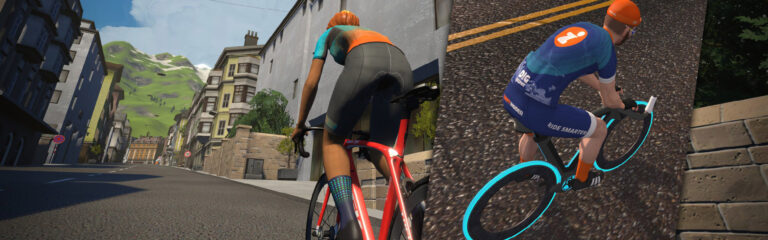
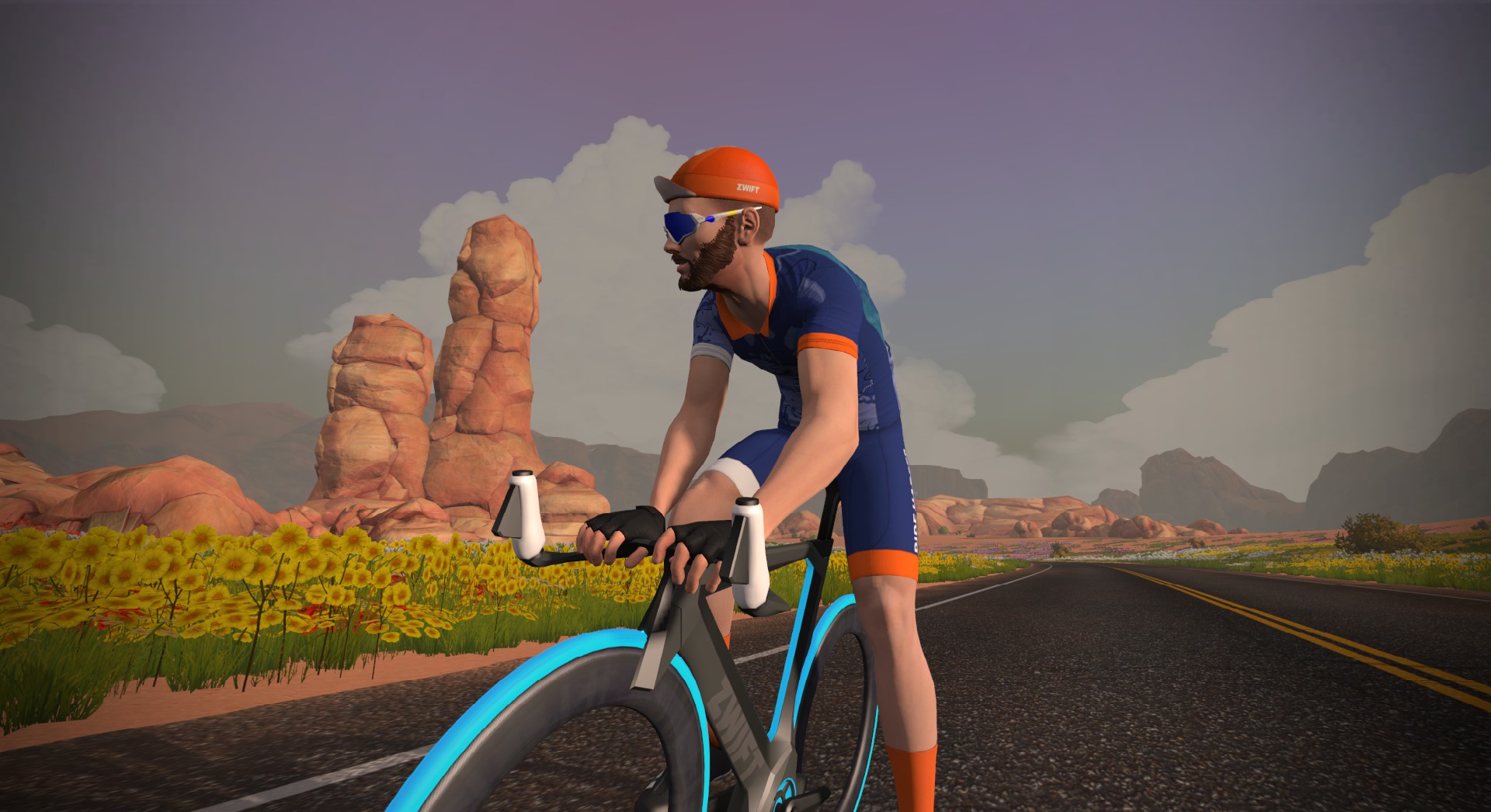
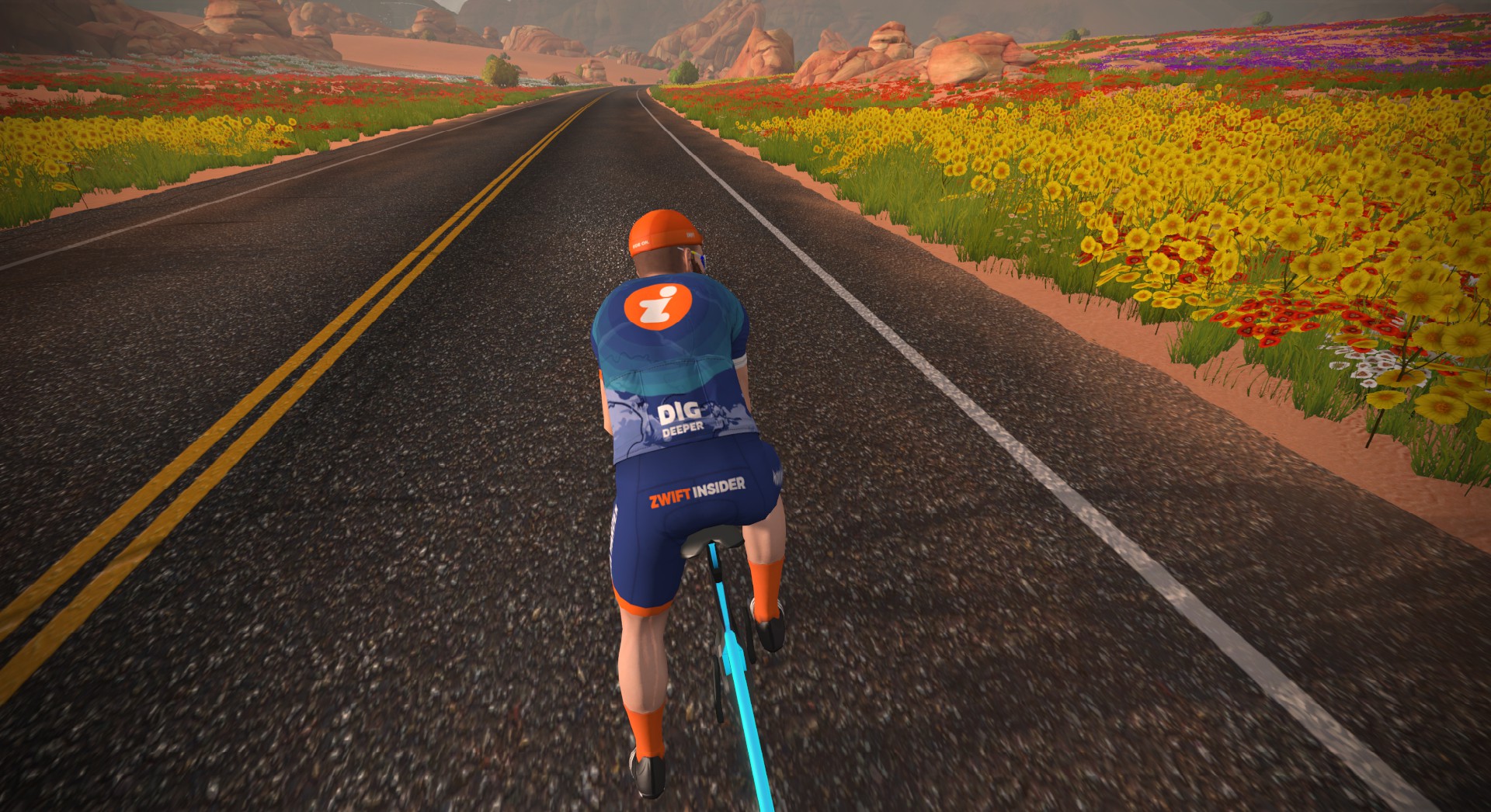
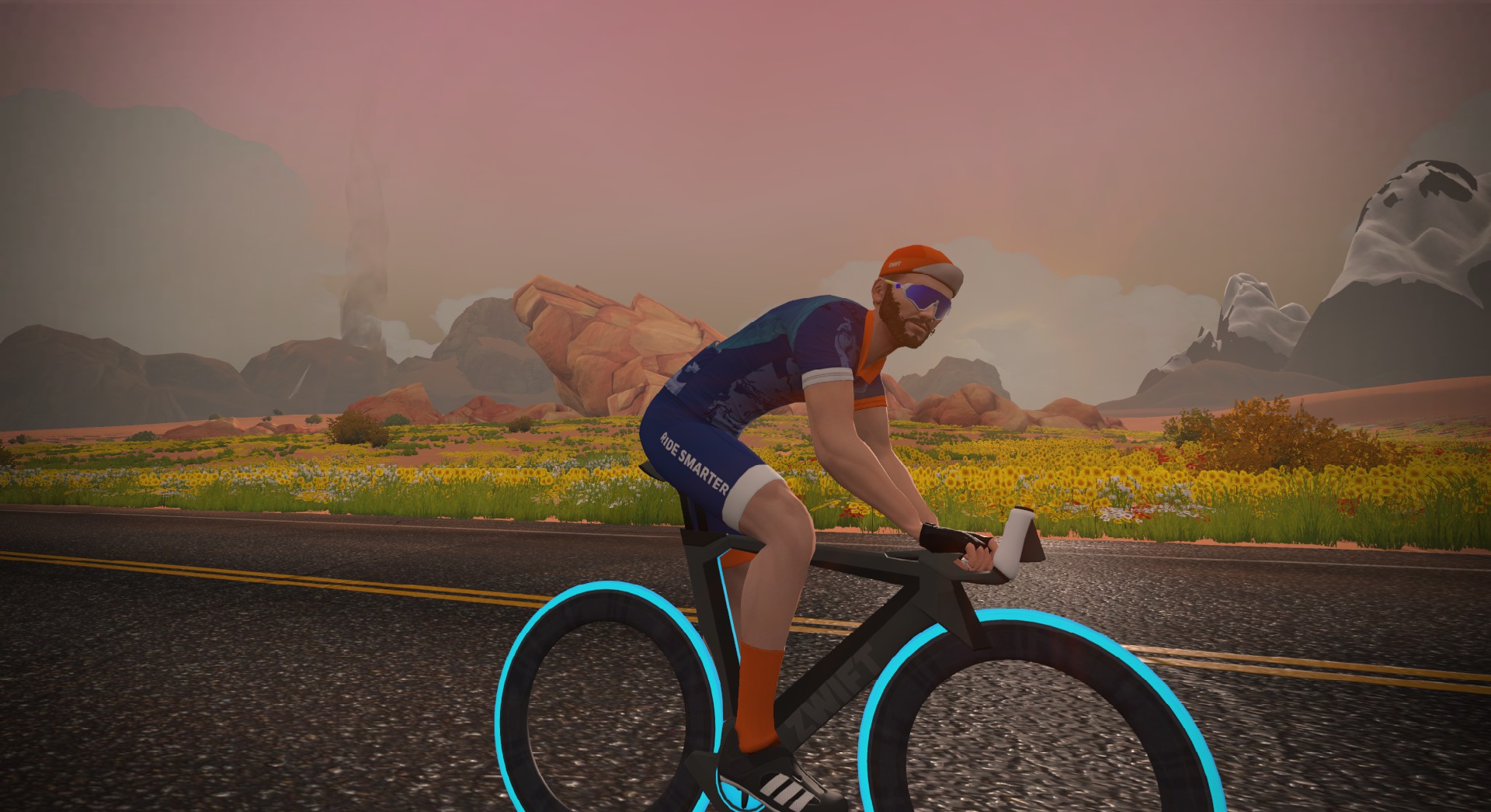
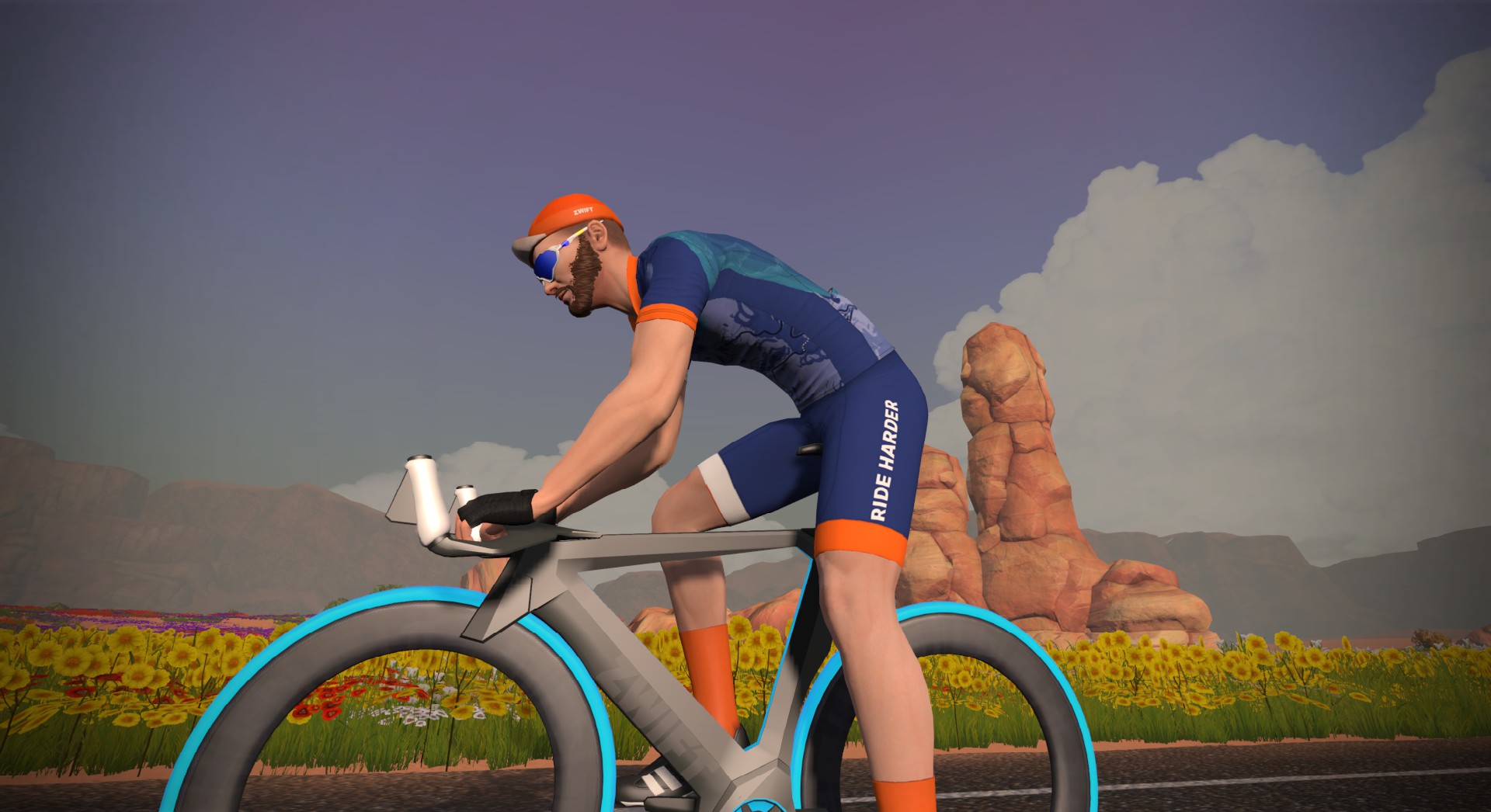
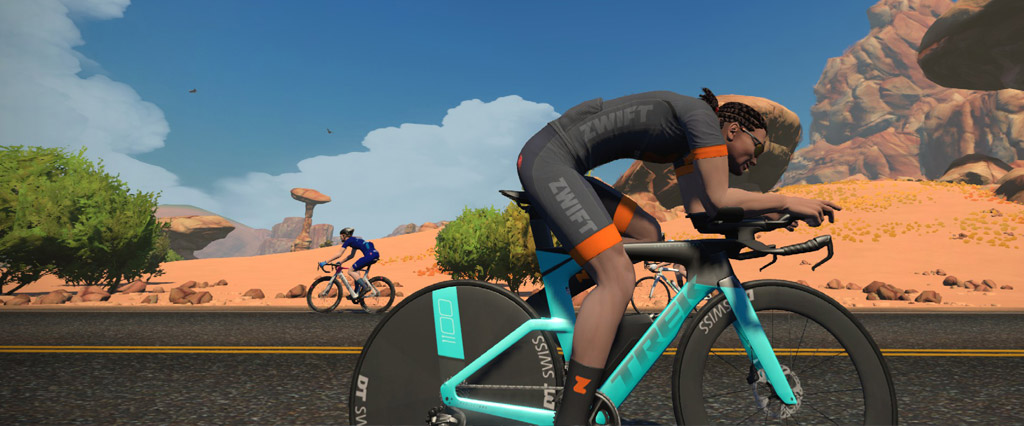
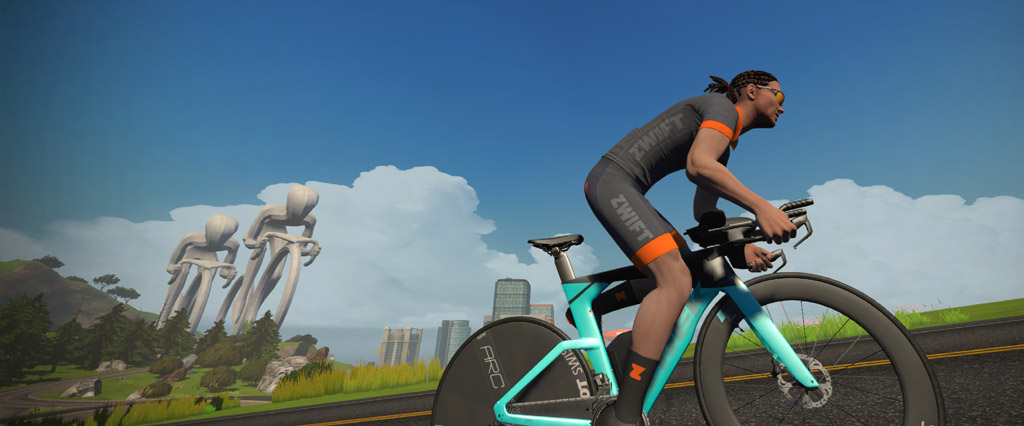
The Zwift Insider kit was added to the game in February’s release, but as of right now only ZI’s Eric and Monica have the kit. This is the very first event to provide a ZI kit unlock (Zwift has not yet provided us with a promo code to unlock the kit). Here are some shots of the kit:
About the Route
“Achterbahn” is German for rollercoaster, but this challenging route is a lot more work than any rollercoaster you’ve ever taken. Covering all Innsbruck roads in both directions, this figure 8 route is almost 20km longer than Watopia’s Figure 8, with 4x the elevation gain!
This is the longest route in Innsbruck. It begins at the start/finish line, but takes you over the steep reverse KOM first, then over the forward KOM before ending at the start/finish. Along the way you’ll hit the sprint next to the Inn river in both directions.
There are just two categories for this event: an open category, and one for ladies only.
More Ride Specifics
Show up on time, because there is no late join for this ride. Why? Because if you late joined more than a minute or so into the event, you wouldn’t unlock the route badge! And we don’t want that on our conscience.
This will be a double draft ride, so sit in with others on the flats in order to conserve your energy.
Steering is enabled, to make it more engaging and fun!
We’re serving up a custom mix of only useful powerups, evenly split between the Feather, Van, and Helmet. Use them for a bit of relief.
This is not a race – it’s a group ride. You can treat it as a race if you’d like, of course, but the ride will break up naturally into pace groups. Find riders working at your target pace and work together.
Based on the VeloViewer Leaderboard we can see that top riders crush Achterbahn in under 1.5 hours. But most mortals require closer to 2 hours.
Discord
Zwift Insider’s Discord server will be used for voice chat during the ride. This really helps pass the time, so we highly encourage joining in, even if it’s just to listen!
If this ride’s start time doesn’t fit your schedule, there are additional (not Zwift Insider-hosted) Z Badge Hunt PRL Full events happening this weekend at these times:
Saturday 6am GMT
Saturday 4am PST/7am EST/12pm GMT
Saturday 10am PST/1pm EST/6pm GMT
Saturday 4pm PST/7pm EST
Saturday 7pm PST
But only the one 7am PST timeslot includes the Zwift Insider kit unlock!
The 2022 Cycling Canada Esports World Championship Team
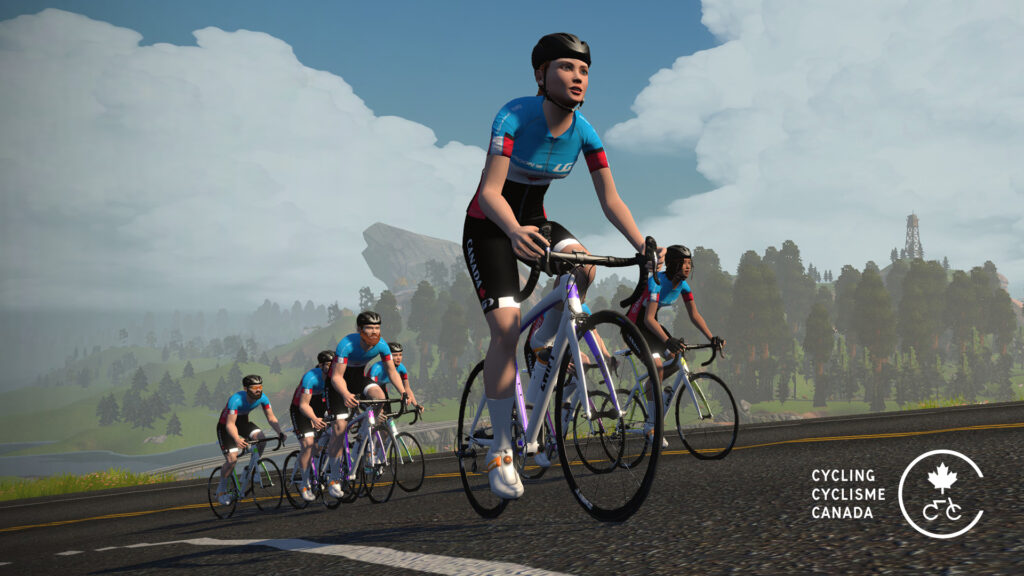
One special thing about the Zwift platform is that it allows people from diverse backgrounds and geographical locations to come together to participate in sport on an equal footing. This is no better embodied than with Cycling Canada’s 2022 Esports World Championship Team.
I have been fortunate to speak to the entire team to discuss their pursuit of victory in the upcoming UCI Esports World Championship hosted on Zwift on 26th February.
It’s worth mentioning that the interview was unique and a privilege because everyone made themselves available during their busy working days. In Esta Bovill’s case, she is a Plastic and Reconstructive surgeon based in North Vancouver, British Columbia, and was soon to be going into theatre when we spoke! This is a prime example of the diversity of the team.
The Team
Both teams consist of 5 riders. Unlike other international federations, Cycling Canada released their list of riders early (January 2022), well in advance of the Championships.
The Women’s team is well-rounded and has a blend of Esports specialists including as Esta Bovill and Monilee Keller (who is also an accomplished triathlete). There are athletes that have previously competed on the international stage such as para-cycling pilot and Parapan American Games medalist Evelyne Gagnon, Masters Canadian Road Champion Josée Rossignol, and Adèle Normand, who rides for Emotional.fr Tornatech – GSC Blagnac (ETB)
Similar to the women’s team, the men’s has a range of riders which include Léandre Bouchard (2016 Olympian and current Canadian Mountain Bike champion), road cyclists Oliver Dowd and Kris Yip, mountain biker Noah Ramsay, and Esports athlete Thomas Thrall.
Leading the team in the Directeur sportif role is Tristen Chernove, a four-time Paralympic medalist and 11x World Champion on road and track. Tristen came to cycling after a successful career in paddle sport (pre neurological impairment) and is based in the Canadian Rocky Mountains. He recently retired from cycling and has a solid understanding of the mechanics of the Zwift platform, being a user since the beta days.
Proving the team is genuinely diverse, the athletes representing Canada range in geographical location, age, profession, and background. For example, Adèle joined the interview from Spain’s cycling hotbed of Girona and is the youngest member of the team aged 20, while Noah Ramsay was calling from Toronto. Esta Bovill is a former Brit but now a naturalized Canadian of 9 years, and spoke to me from her work in a hospital in Vancouver, whilst Monilee, an IT Professional originally from Nova Scotia working for Microsoft, was calling from Seattle, USA, and at 45 years old is the oldest member of the team. Monilee commented that as a working professional who can not travel due to her commitments, with 3 young children aged between 5 and 11, “this is an amazing opportunity that wouldn’t normally be possible.”
Interestingly, both Esta and Monilee really focused on Zwift during the global pandemic with Esta explaining “this was a project and I came late into the sport and age has not been a barrier.”
The age factor is a common theme with Tristen explaining that as a para-cyclist, they tend to peak later in life and he now is a better athlete, despite being older, because he is able to better balance life and believes “age is not a disadvantage.”
Thoughts on the Event
Noah is “looking forward to the race but is a bit nervous.” No stranger to large-scale international events, Evelyne stated that she is “excited about the race.” Oliver, meanwhile is happy to “get the jersey unlock as there are few opportunities.” (The jersey unlock that Oliver is referencing is the coveted National Team jersey that he will be able to wear in Zwift.) Adèle is equally looking forward to competing, viewing it as a “good gauge” to compare herself to other athletes, noting that half of the Women’s field consists of riders from the World Tour.
The overall team vibe was one of positivity, mixed with nerves and a dash of pragmatism regarding the task at hand.
Qualification
Cycling’s governing body, the Union Cycliste Internationale (UCI), gave Canada 4 slots for the men and 4 slots for the women, based on their qualification system for the event.
Cycling Canada, who host regular events on Zwift, and whose use of the platform is integral to developing the sport within Canada, used their regular events as qualification for the World Championship Team. From these events, all 8 slots were filled.
However, Canada gained an additional 2 team places via the Continental Qualifier, with Monilee Keller and Thomas Thrall demonstrating their Zwifting skills to secure these coveted places. Despite qualifying through the competitive Continental Qualifying route Thomas explained that “I appreciated the multiple avenues to qualify.”
The fair and transparent process for qualification that was adopted has been well-liked by the athletes, with the lesson learned for next year that it would be advantageous to host the qualification event on an exact replica of the World Championship course . As Esta noted, to succeed you had to demonstrate “Zwift craft as well as being an excellent racer.” The “Zwift craft” which Esta commented was in reference to the use of PowerUps, which is a debated topic. Speaking of which…
PowerUps
One of the repeating topics in my interviews with Worlds riders is the use of PowerUps. These give a small bonus to your performance when deployed, in theory giving you a tactical advantage during the race. They are awarded when you go under a course arch and are usually randomly generated, however in the World Championships, the randomness of what each rider gets is removed, with everyone getting the same items at each banner. One point which Thomas noted was that “It’s good that there is a level playing field with everyone getting the same, but what is the point if everyone is going into the final climb with a feather?”
Interestingly, it’s Directeur sportif Tristen who is relishing their use and has the challenge to bring order to the PowerUp chaos, whilst Esta has accepted that “it’s an important feature.”
Zwift have explained that “We have regularly surveyed Elite fields, including both esports racers and world tour riders. While not all like PowerUps, the majority are in favour. Actually knowing where the PowerUps will appear will help riders and teams pre-plan strategies based on these locations. Holding PowerUps and deploying them when most people will likely have another can make for unpredictable racing. For example, using an Aero PowerUp to launch an attack when you know the majority of racers will actually have the Feather.”
Whilst this topic is entirely a matter of opinion, regardless of the pros and cons of the use of PowerUps Esports is evolving and this one area appears to be hotly contested amongst both fans and riders.
The Course
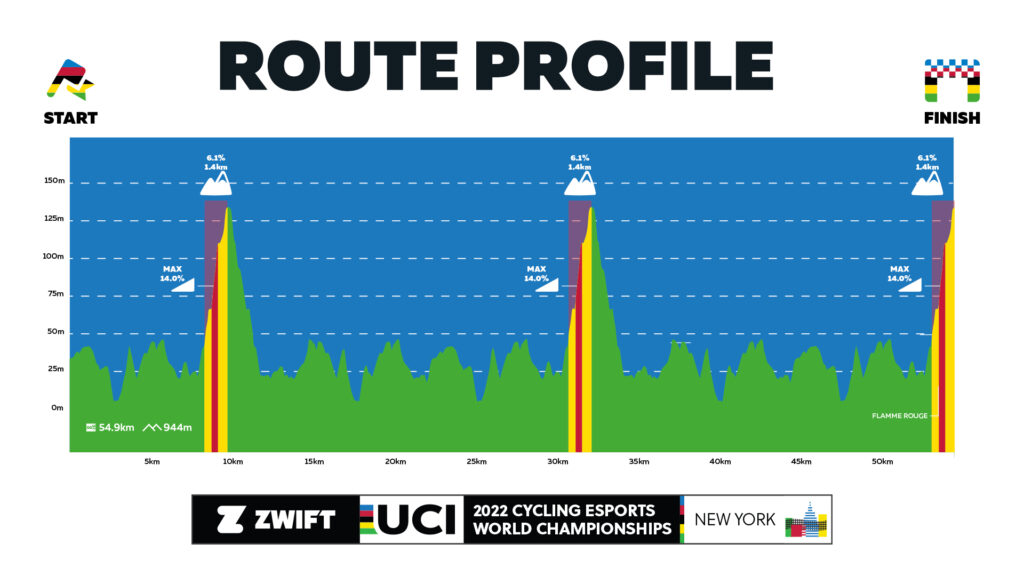
As well as the use challenge of when to use PowerUps, the undulating nature of the course is going to significantly impact the race, which is 54.9km in length and includes 944m of climbing, on Zwift’s New York Knickerbocker course, which is 2.5 laps and finishes on the NYC KOM Forward.
The undulating course is well suited to those who can undertake repeated bursts of speed and recover. Noah noted that his mountain biking background, which involves a lot of 1–2-minute power bursts, will “help on the course.” This was echoed by Evelyne, who noted there were many sections that required strong 3-minute efforts and it was important to “watch out for the kickers”.
Tristen noted that with the team’s diversity, there are many opportunities to get a good result depending on how the race unfolds. He thinks the first climb will be decisive. I concur with him, having raced the course myself! If you are not in the front group as you hit the summit, the speed carried by the group on the descent will mean that the race is over for some before it gets going.
Fair Play and Technical Challenges
To ensure that everyone is operating on an equal playing field, Zwift in partnership with Wahoo has shipped every participant (200 riders) a Wahoo KICKR V5 smart trainer to use.
Esta mentioned that she uses a Saris smart trainer and her new KICKR5 VR has not worked, creating this additional level of anxiety around the event but fortunately, her replacement trainer was due to arrive that day and she was looking forward to trying it. Thomas commented that he was concerned about the KICKR’s autocalibration. This is an interesting point because it shows how in-tune racers are with their own turbo trainer and how using one they are not accustomed to adds an additional dynamic to the event.
Yet another dynamic was highlighted by Esta, who explained there was a requirement to have the trainer set to 100% difficulty and that “you need a few rides to get used to it.”
There are further checks to ensure fair play with Zwift explaining that “every rider on the start list will still be part of a UCI anti-doping pool and subject to no notice anti-doping testing, but there is flexibility this time round as the UCI have agreed a new and innovative approach with the ITA, with the aim of making the event more accessible to top esports riders.”
To ensure that they would not be hampered by any technical issues and thus impact their performance, Evelyne has upgraded her internet service provider, paying for maximum bandwidth. And Adèle even temporarily relocating her Zwift setup to ensure she is not hampered by any power cuts that frequent the old part of her village! As she said, “I am moving to another location to stop the stress of tech problems.”
Summing Up
It was a privilege and fun to interview the team, and it was fascinating to see the dynamic that has quickly formed. Having now met and spoken to the riders, I will be watching closely to see how they progress. It seems fitting that the final word should be left to the Team’s Directeur sportif Tristen, who emphasised that “Zwift is doing a fantastic job of bringing athletes from a broad range of sport backgrounds together in a safe competitive environment.”
The UCI Cycling Esports World Championships will be broadcast live across Eurosport, discovery+, GCN+ and Zwift’s YouTube channel on Saturday 26th February 2022.
Rahsaan Bahati spoke to KRT/QRT founder Curran J about how he found cycling and how he combined his love for cycling and fashion to build a club like no other which is now creating a valuable space for black cyclists. Packed with pearls of wisdom!
About the Podcast
The Zwift PowerUp Cycling Podcast features training tips from host Matt Rowe (Rowe & King), with regular co-hosts Greg Henderson, Rahsaan Bahati, Dani Rowe, and Kristin Armstrong.
Rapha Rising 2022 3-Day Race Series Announced February 24-27
Tomorrow a Rapha-powered race series launches on the biggest climbs in Zwift. Three races in three days, with 9603′ (2926 meters) of elevation gain. Are you up for it?
Along the way you’ll unlock the new Rapha Rising kit. There’s also GC competition on ZwiftPower, and a prize giveaway too. This series ticks all the boxes… which is why over 2500 riders have signed up for the first event (tomorrow)!
Categories, General Classification, and More
These events use the standard ZwiftPower categories based on rider FTP:
A: 4+ w/kg
B: 3.2 w/kg
C: 2.5 w/kg
D: below 2.5 w/kg
There is also an “E” category for women only.
These are doubledraft events with staggered starts, so categories will not be mixing.
A General Classification has been set up on ZwiftPower to rank riders across all three stages. Riders who are registered on ZwiftPower will be listed in the overall GC for the series.
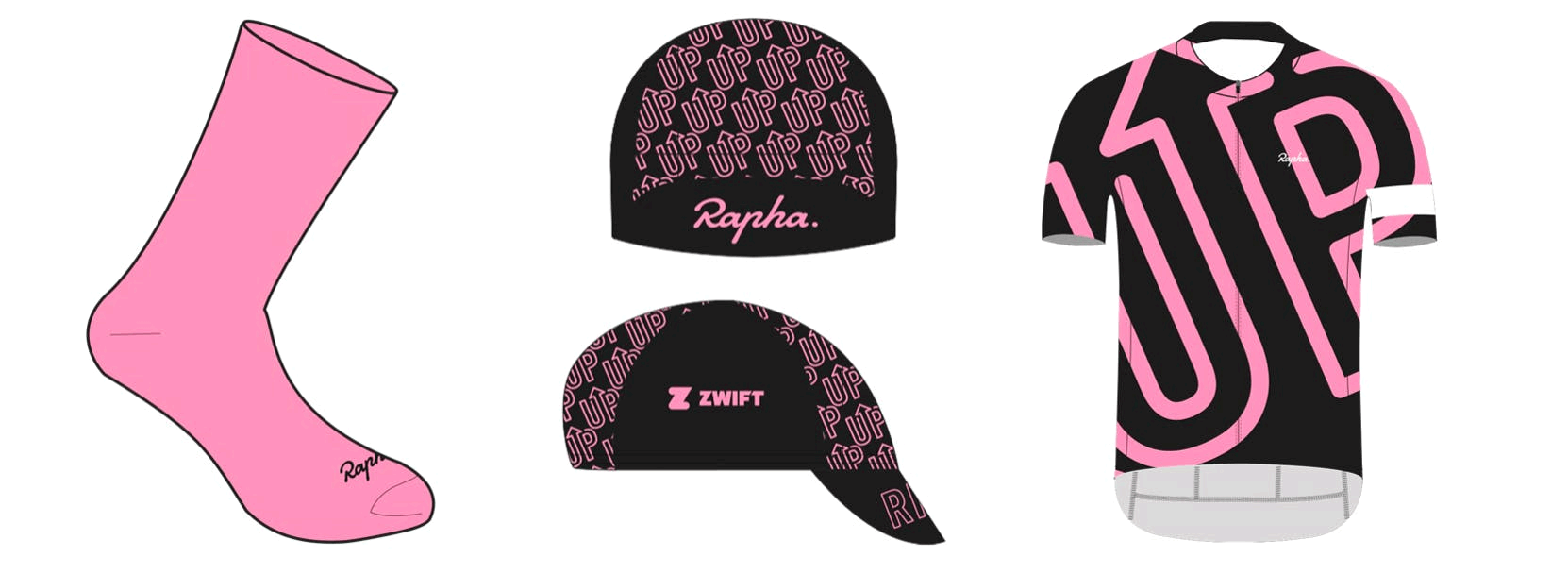
Riders will progressively unlock the 2022 Rapha Rising kit as they complete stages:
One stage: 2022 Rapha Rising socks
Two stages: 2022 Rapha Rising cap
Three stages: 2022 Rapha Rising kit
Prize Drawing
Rapha will be holding a prize drawing for those who finish all three events. Enter the drawing via Rapha’s website for the chance to win the grand prize: a £1,500 voucher. Alternatively, you can receive one of five runner-up prizes of a £500 voucher.
Restrictions may apply. Stay tuned for more info via email upon completing one or more stages. (If you don’t receive emails from Zwift, find out how to change your email preferences here.)
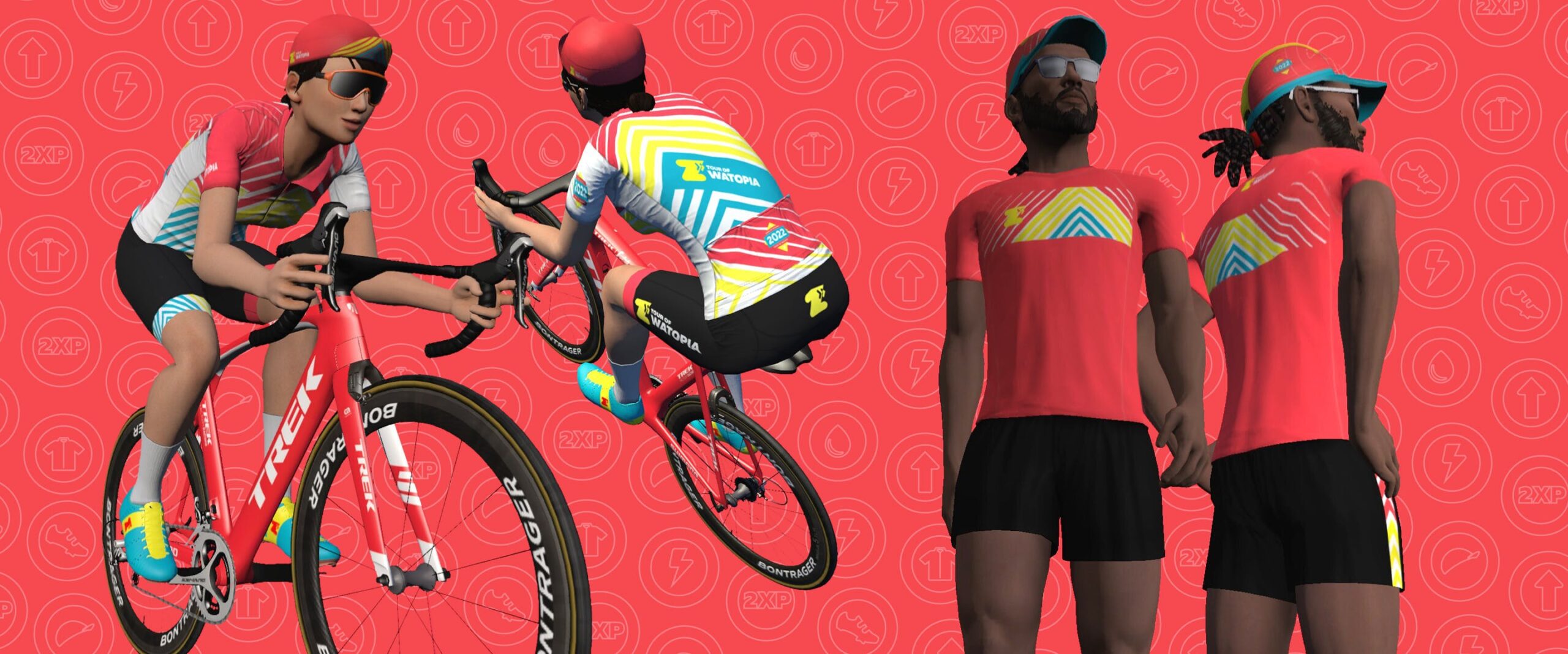
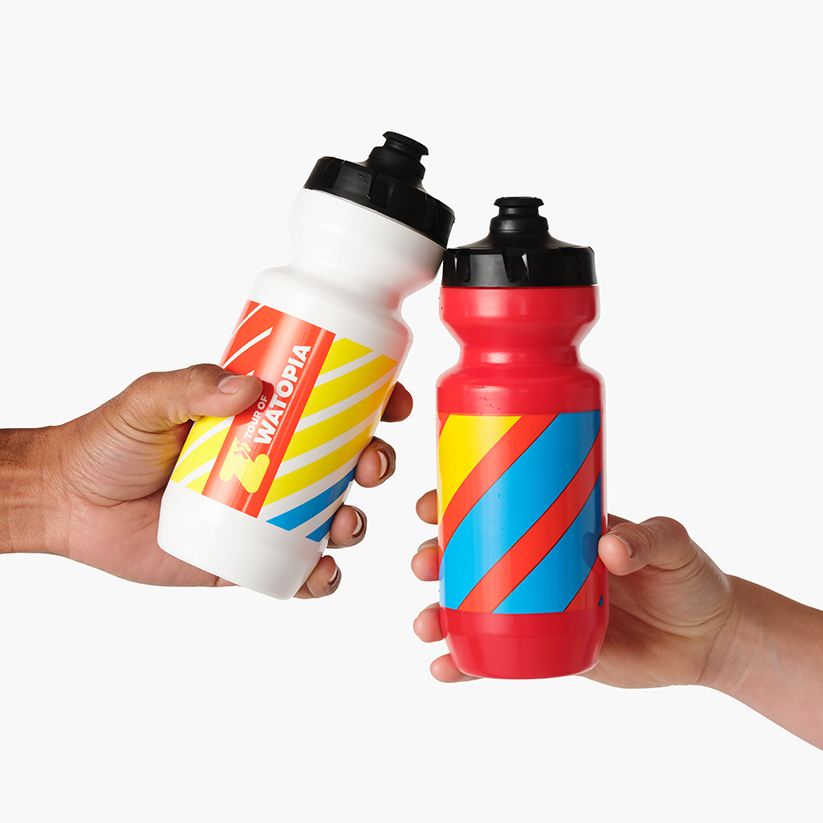
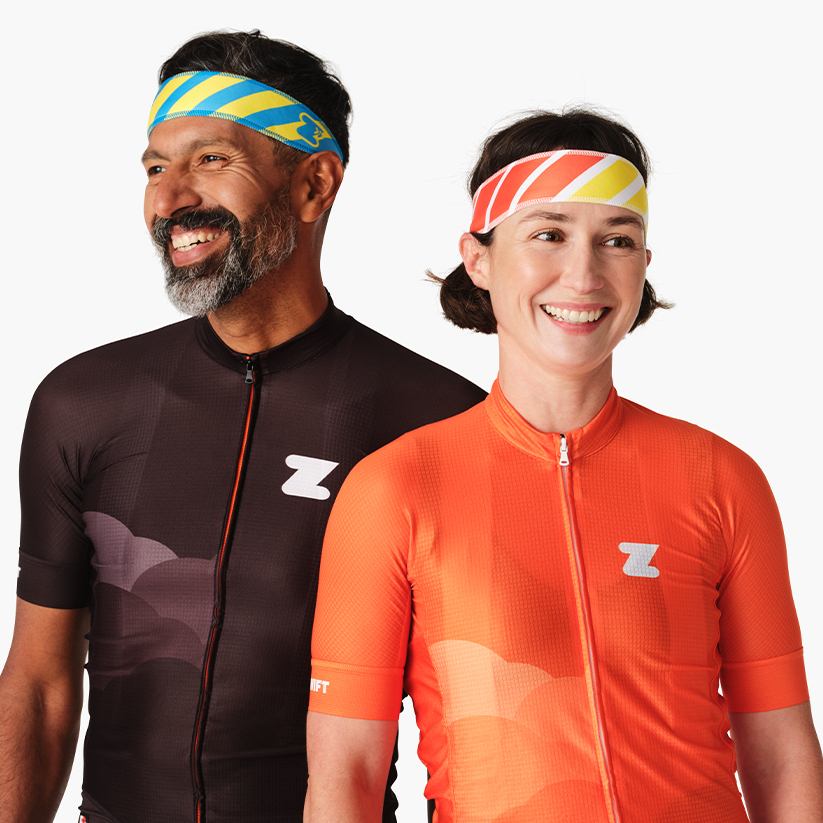
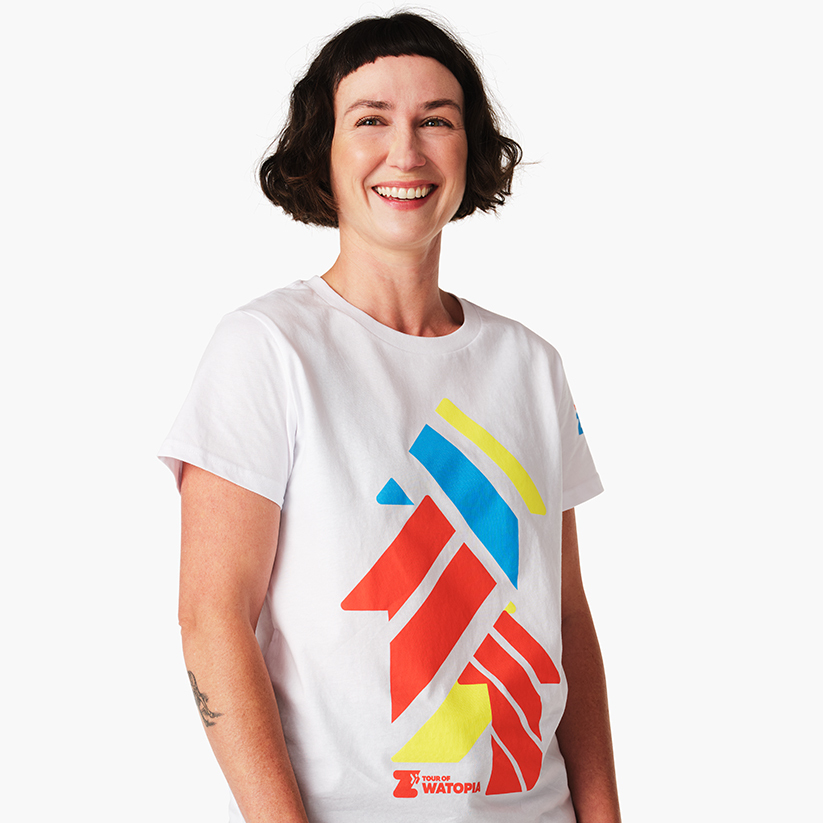
Zwift has just announced its next major event series, and it’s a crowd favorite: the Tour of Watopia featuring double XP!
The 5-stage tour begins March 9 and runs through April 3. With several new routes introduced, PowerUps doubled in duration, and double XP on tap, you can bet Zwifters will be putting in the work to complete stages, earn points, and level up. Because everyone wants those fast bikes and level 50 status!
Registration
Registration is now open at zwift.com/tour-of-watopia/, although ToW events are not yet on the calendar.
Note: registering really just sets you up to get some email reminders of upcoming stages – you will still need to sign up for specific events in order to ride or run the ToW.
Double PowerUps
For the first time ever, this year’s ToW includes “double PowerUps” – that is, your PowerUps will last twice as long as usual. Here’s a list of PowerUps and their doubled lengths:
Lightweight (feather): reduces your weight by 10% for 30 seconds. Use on climbs, when weight matters the most.
Draft Boost (van): increases the draft effect you are experiencing by 50% for 60 seconds. In a double draft event, this powerup will give you 3x the standard draft effect. Use at higher speeds (flats and descents) when you are already drafting off another rider (since this powerup only helps when you are drafting.)
Aero Boost (helmet): makes you more aerodynamic (reduces your CdA by 25%) for 30 seconds. Use at higher speeds (flats and descents), especially when no draft is available (although it is still useful when drafting.)
Double XP
Typically riders are awarded 20XP per kilometer or 30XP per mile, depending on whether you have units set to metric or imperial. In ToW events, riders receive 40XP per kilometer/60XP per mile.
For the first time ever, the ToW is featuring 6 Rebel Routes which have just been added to the game (these are marked below with a *). You will receive an XP bonus upon completing these routes for the first time, and that XP bonus is roughly equal to the distance-based XP you receive while riding/running the route.
With distance-based XP being doubled in ToW events, completing these new Rebel Routes for the first time means you’ll effectively earn triple XP since your distance XP is doubled and you receive bonus XP at the end of the route. It’s time to level up!
New Gravel Surface
Zwift’s press release for ToW includes this intriguing line: Zwift will be laying down gravel over existing dirt for a new way to experience the jungle.
Our sources inside Zwift tell us this is a new event-only surface material never before used in Zwift. We aren’t totally surehow it will behave, but since it’s called “gravel” instead of “dirt” our guess is Zwift will make it perform better for gravel bikes than mountain bikes. We’ll have to ride it to find out!
Ride Stages
Cycling events for ToW use the following category/group setup:
Group A: Longer Ride
Group B: Standard Ride
Group C: Shorter Ride
Group D: Women Only (same route as Group B)
Stage 1: March 9-12 “Iconic Routes”
A: Three Little Sisters* – 37.7 km (23.4 miles), 401 m (1,316′), Lead-In: 0.7 km (.43 miles)
B and D: Figure 8 – 29.8 km (18.5 miles), 234 m (768‘), Lead-In: 0.2 km (.1 miles)
C: Two Bridges Loop (2 laps) – 14.2 km (8.8 miles), 146 m (480‘)
Stage 2: March 13-16 “Flat Stacks”
A: Watopia’s Waistband (2 laps) – 51 km (31.6 miles), 190 m (624‘), Lead-In: 2.4 km (1.5 miles)
B and D: Triple Flat Loops* – 33.9 km (21.1 miles), 134 m (439‘), Lead-In: 2.4 km (1.5 miles)
C: Tick Tock – 16.8 km (10.4 miles), 44 m (144‘), Lead-In: 2.4 km (1.4 miles)
Stage 3: March 17-20 “The Queen”
A: Tour of Fire and Ice – 25.5 km (15.8 miles), 1,161 m (3,809‘), Lead-In: 2.8 km (1.7 miles)
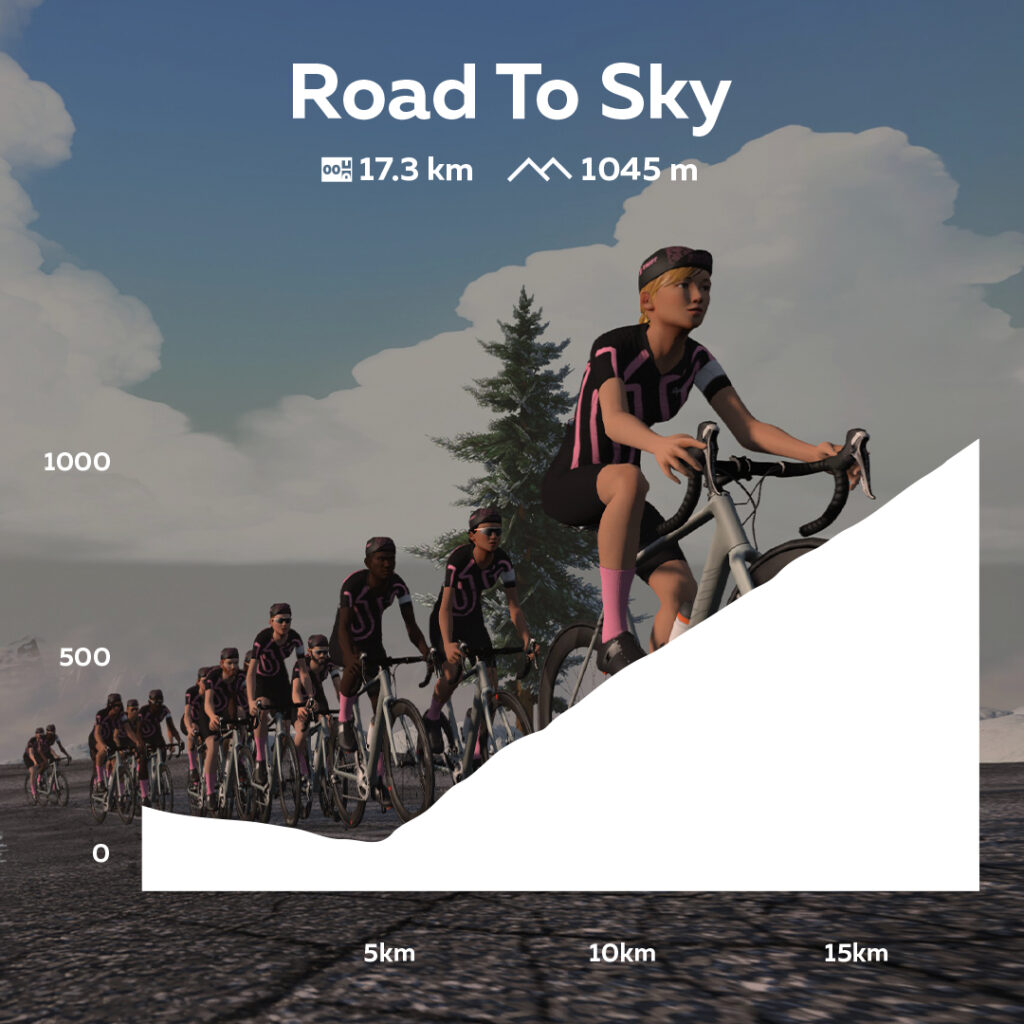
B and D: Road to Sky – 17.3 km (10.7 miles), 1,045 m (3,428‘), Lead-In: 0.1 km (0.1 miles)
C: Downtown Titans* – 24.6 km (15.3 miles), 254 m (834‘), Lead-In: .8 km (.5 miles)
Stage 4: March 21-24 “Dirt Drippin’”
A: Handful of Gravel (5 laps) – 30.5 km (19 miles), 367 m (1,205‘), Lead-In: 4.3 km (2.6 miles)
B and D: Handful of Gravel (3 laps) – 18.3 km (11.4 miles), 220 m (723′), Lead-In: 4.3 km (2.6 miles)
C: Handful of Gravel (2 laps) – 12.2 km (7.6 miles), 147 m (482‘), Lead-In: 4.3 km (2.6 miles)
Stage 5: March 25-28 “High Life”
A: Eastern Eight* – 51.7 km (32.1 miles), 340 m (1,115‘), Lead-In: 2.4 km (1.5 miles)
B and D: Legends and Lava – 24.5 km (15.2 miles), 321 m (1,053’), Lead-In: 0 km
C: Whole Lotta Lava – 12.3 km (7.6 miles), 160 m (525‘), Lead-In: 4.9 km (3 miles)
Missed a stage or two? Or maybe you just want more of that sweet double XP? Make-up stages will be held from March 29-April 3. During those six days, Zwift will host multiple events covering all 5 stages.
Kit Unlocks
There are both cycling and running kits to unlock. Kit unlocks are progressive as you complete the stages:
Complete 1 Stage: cap
Complete 3 Stages: off-road/gravel shoes
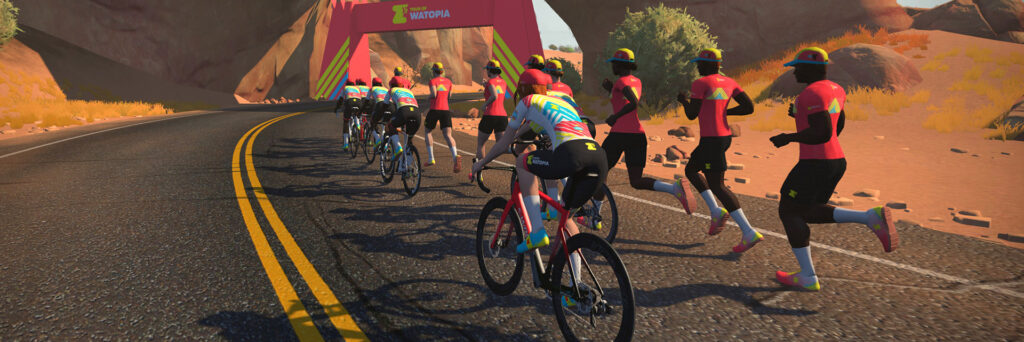
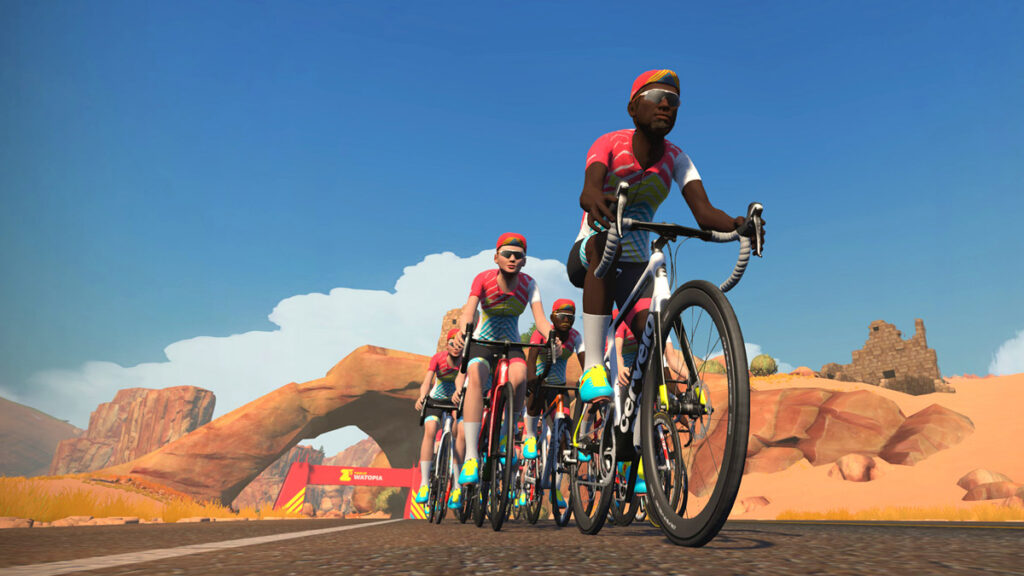
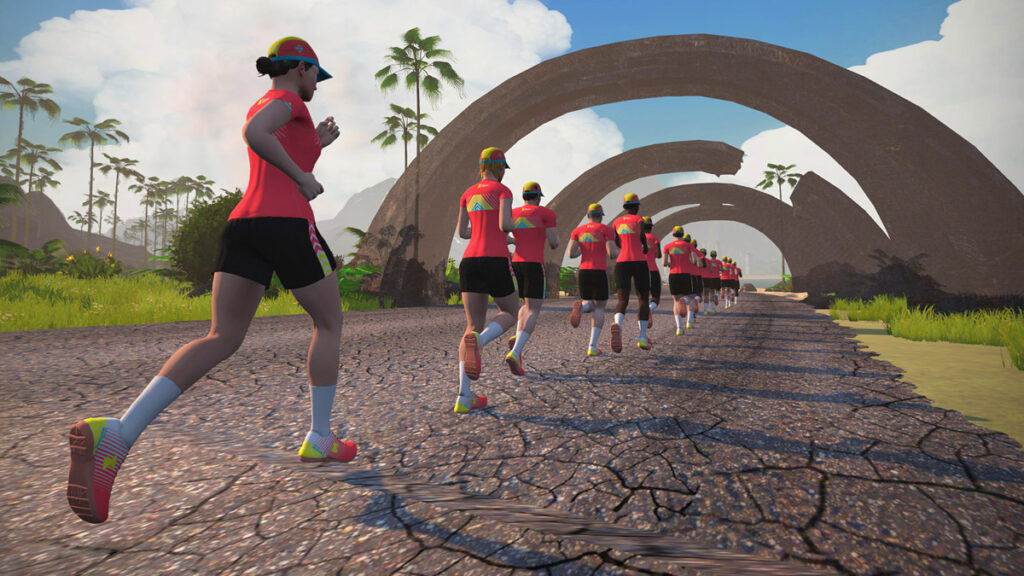
Complete 5 Stages: 2022 Tour of Watopia Kit/Running Shirt
We’ve shared everything we know above, and will update this post with new info as it becomes available.
Still got questions? Post below and we’ll try to get them answered. You might also check out the Tour of Watopia 2022 FAQ discussion in the Zwift forums.
In this bumper episode, Freddy Ovett shares how he has been preparing for redemption at the upcoming UCI Cycling Esports World Championships. Maud Oudeman also talks about how her recent Zwift Academy win has shown she can be a true contender when she hits the start line in a few days
About the Podcast
The Zwift PowerUp Cycling Podcast features training tips from host Matt Rowe (Rowe & King), with regular co-hosts Greg Henderson, Rahsaan Bahati, Dani Rowe, and Kristin Armstrong.
Wahoo Releases KICKR ROLLR Smart Roller and POWRLINK ZERO Pedals
Thanks to two years of Covid craziness we haven’t seen many new hardware products in the Zwift space (think trainers, power meters, and pain cave accessories). But today Wahoo made some waves by releasing not one, but two new products. Let’s dig into the details…
Wahoo KICKR ROLLR Smart Roller
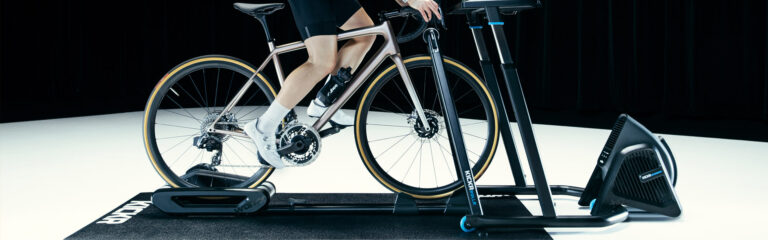
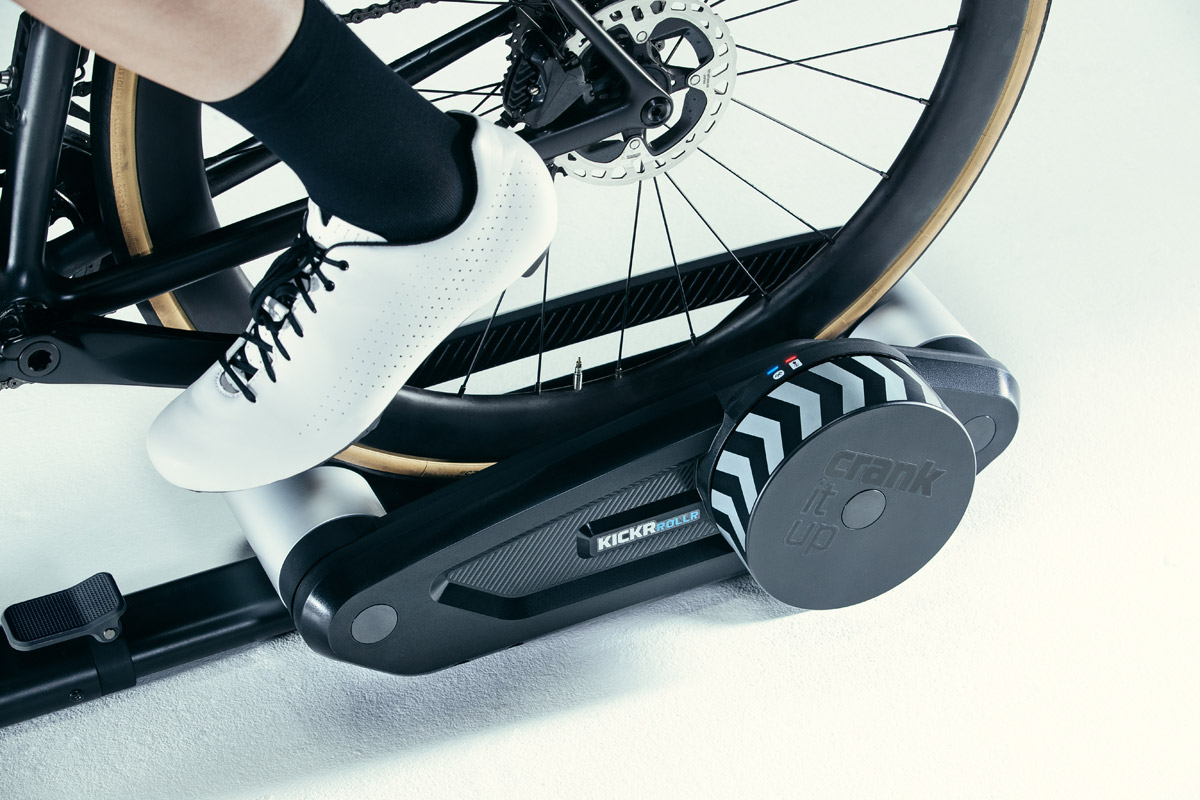
The Wahoo KICKR ROLLR is a smart roller system, but perhaps not quite what you think of when you think “smart roller”:
Your front wheel is locked in (not spinning), so this isn’t a “full bike” roller but rather what Wahoo calls a “dual roller” design. This makes it easier to hop on and ride without worrying about the inevitable roller crash, but it also means you don’t get the more realistic outdoor feel provided by “full” rollers, which are a great way to work on pedaling smoothness and your ability to hold a line.
The ROLLR has no built-in power meter (it’s smart… but not that smart). Rollers simply aren’t good at accurately detecting power, so Wahoo didn’t even attempt it. Instead, they let the ROLLR pair to your power meter, and the ROLLR then re-broadcasts your power meter’s numbers as its own. This is “smart” – but the ROLLR is also smart because it broadcasts speed and its resistance is controllable, allowing it to simulate hills or work in Erg mode when paired to a power meter.
Product Gallery
Technical Specifications
Connectivity: ANT+ FEC, Bluetooth, Direct Connect
Speed/distance are metrics are always available, but power and cadence require an external power meter
When used with a power meter, resistance is controllable via external apps like Zwift for simulation and Erg mode. Without a power meter the ROLLS delivers constant resistance.
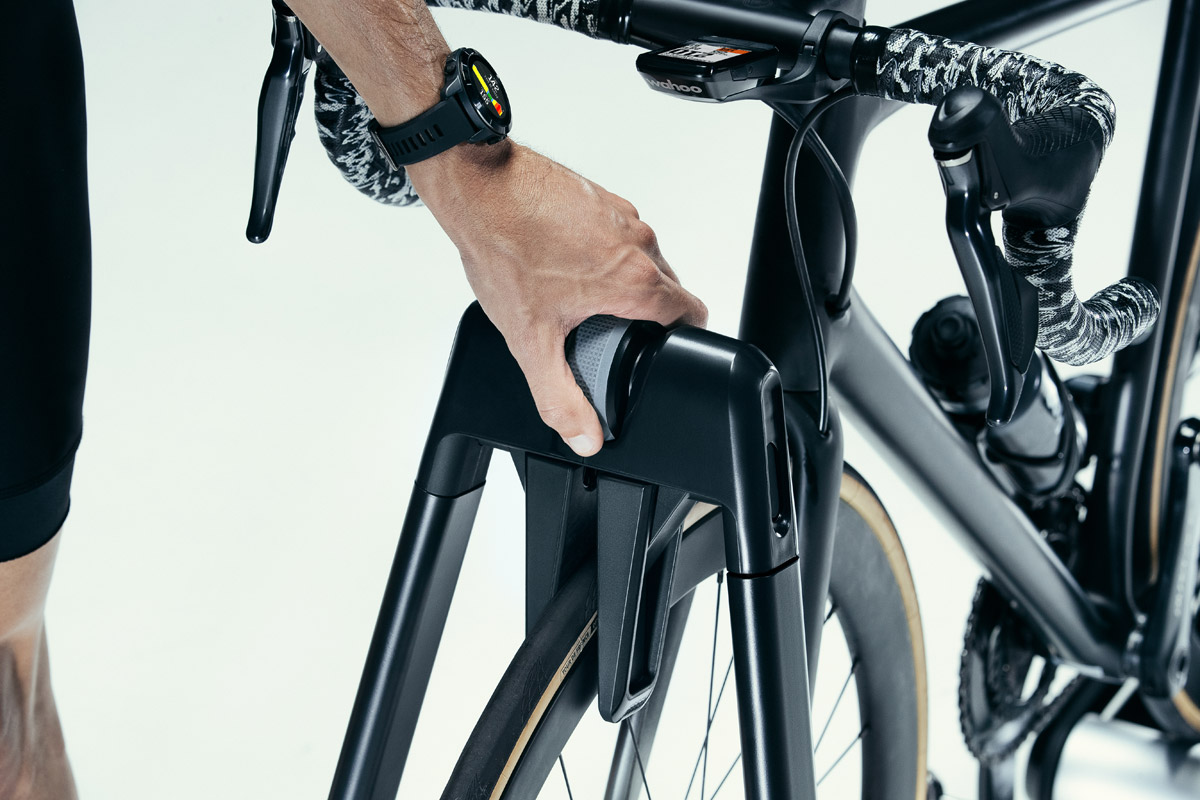
Placing your bike on the ROLLR is a quick and easy operation. Additionally, the ROLLR is easily adjustable via a quick-release wheelbase clamp so it can accommodate a wide range of frame and tire sizes. So this product may be a good fit for Zwifters who don’t want to take their bike apart to put it on a trainer, or households with multiple riders who want a single setup that can easily accommodate multiple bikes.
It’s also a handy product for use in pre-race warmups (think track cyclists and pro riders, where we’ve already seen this product being used).
Expert Reviews
We’ve just received a KICKR ROLLR to test and review, but until that happens, here are today’s review videos from GPLama and DC Rainmaker:
Wahoo POWRLINK ZERO Pedals
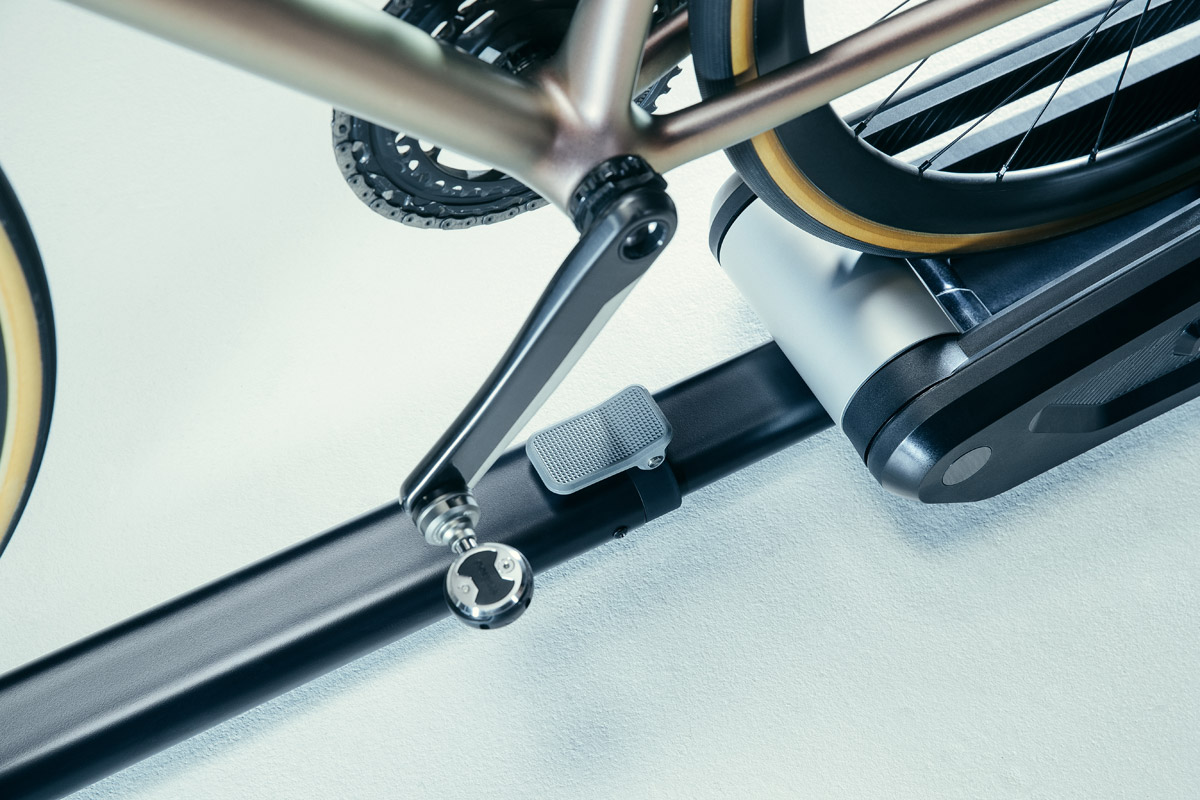
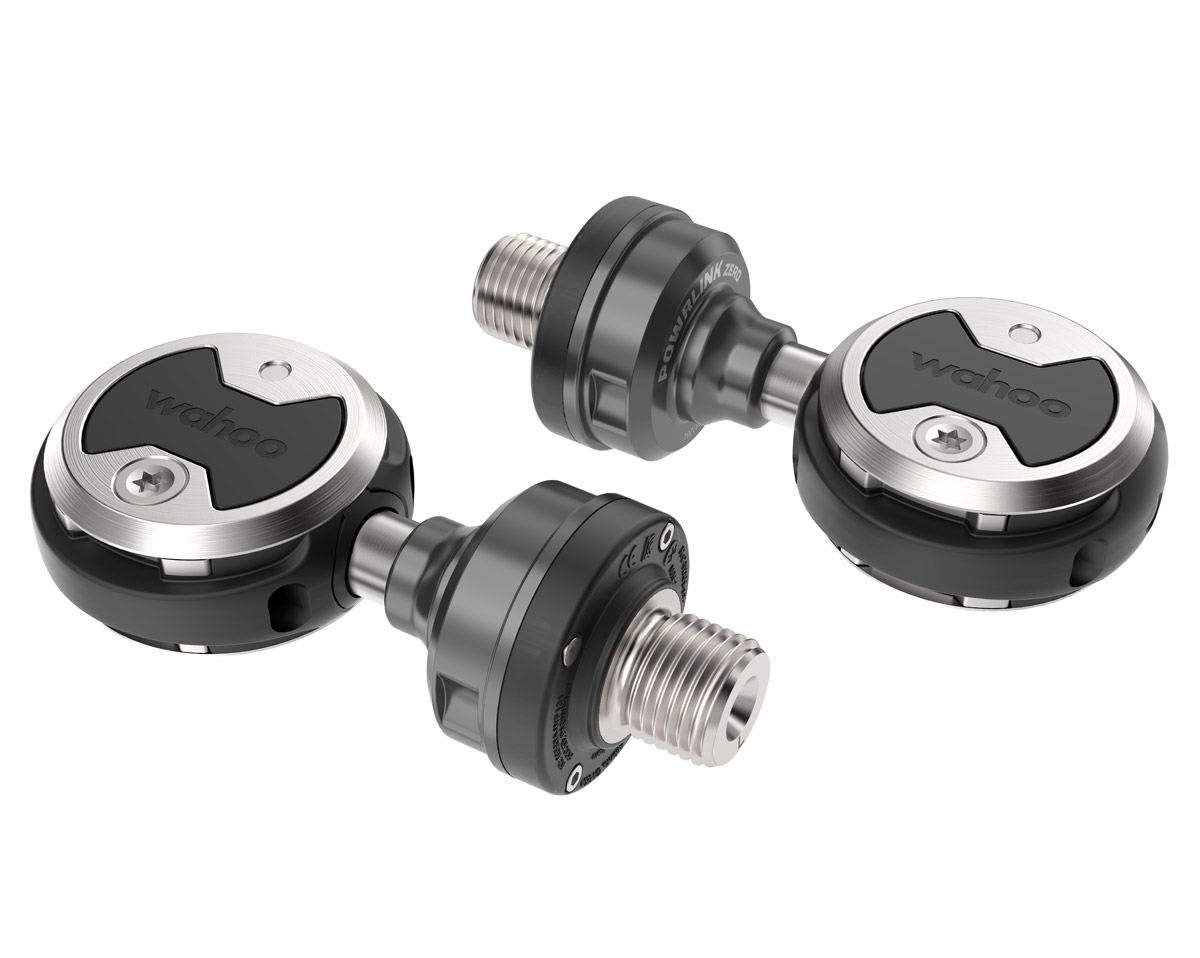
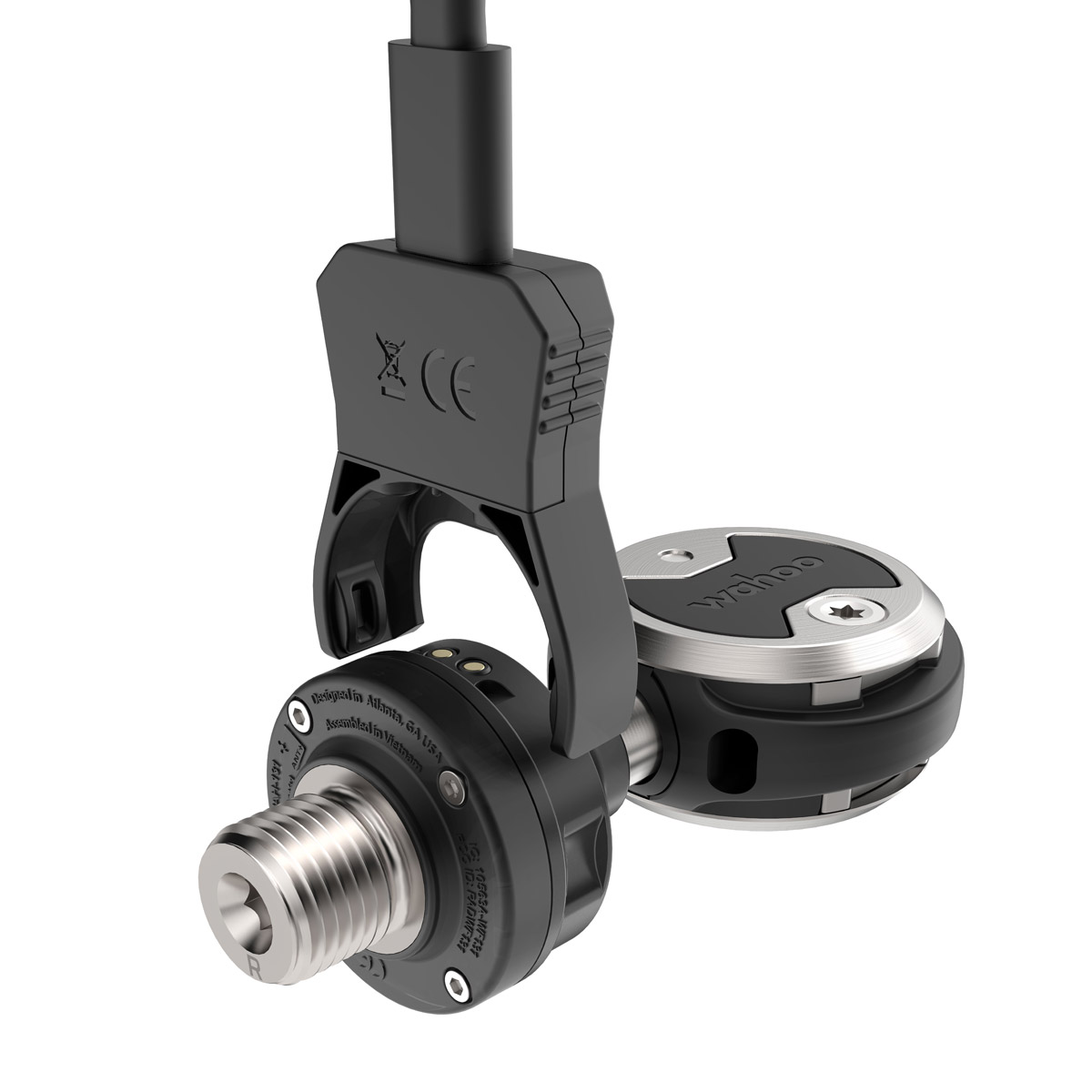
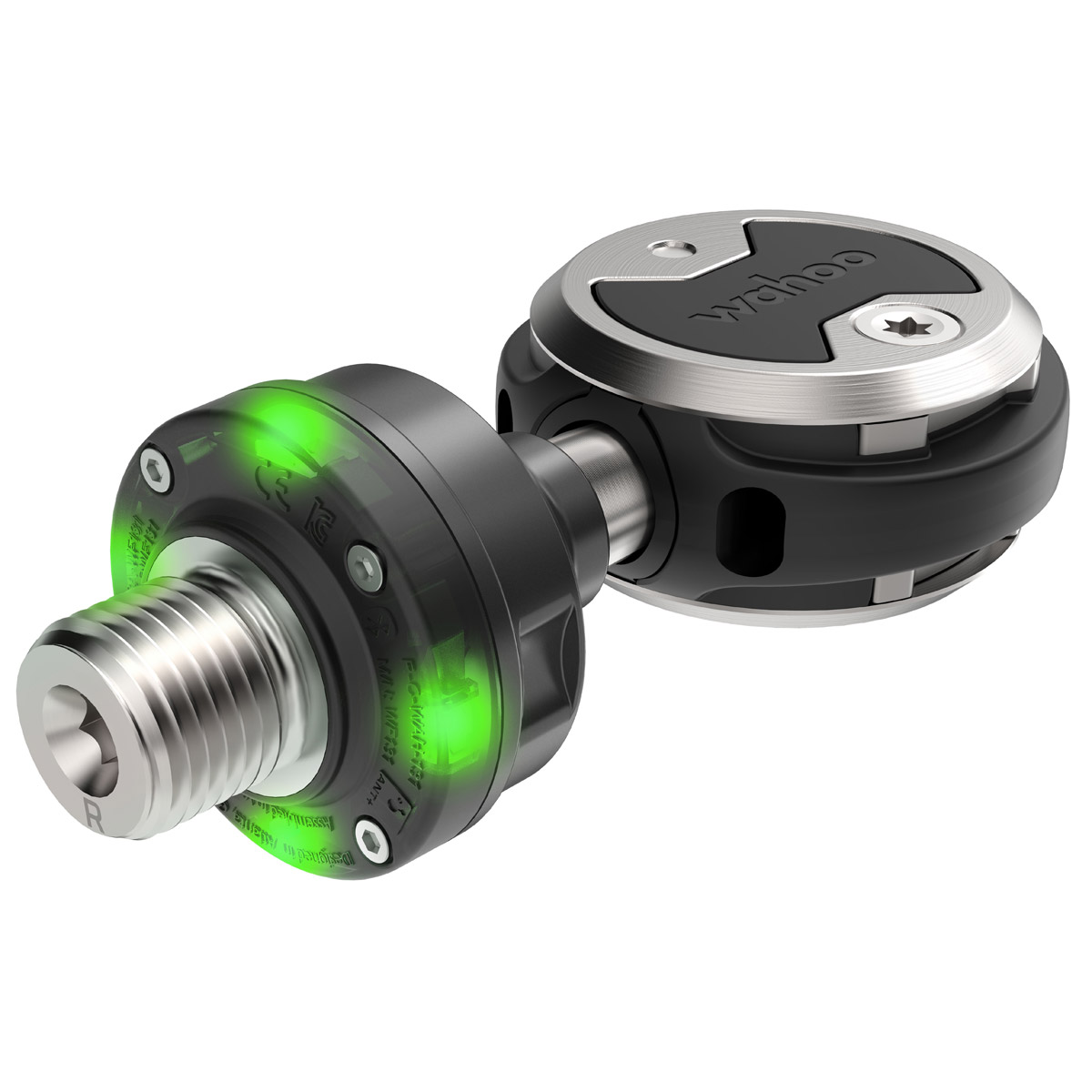
When Wahoo announced its acquisition of Speedplay back in September 2019, everyone assumed that Speedplay-style power meter pedals would be coming soon. And indeed they were, with reviewers like Shane Miller getting his own set of power meter pedals to test around a year ago. Unfortunately, supply chain issues have stopped Wahoo from releasing the product to its full audience until today.
The Wahoo POWRLINK ZERO pedals are available in both single and dual-sided versions, and their arrival means there are three quality power meter pedals available on the market today: Garmin Vector 3, Favero Assioma, and the POWRLINK ZERO.
Product Gallery
Technical Specifications
Connectivity: multiple Bluetooth (up to 3 connections) and ANT+
Broadcasts power and cadence
Power accuracy: +/- 1%
Cleat compatability: Speedplay standard (included) or easy tension (sold separately)
The pedals have built-in temperature compensation as well as auto-zero, so you don’t have to mess around with calibration. Early reviews show the pedals to be very accurate and reliable, so if you’re a Speedplay lover looking for a pedal-based power meter, your solution has (finally) arrived.
Expert Reviews
We’ve just received a set of POWRLINK pedals to test and review, but until that happens, here are some long-term review videos from GPLama and DC Rainmaker:
How the Race Was Lost: Surprise HRM DQ in Crit City
It was Sunday morning, and I had a hankering for a hard Zwift race after being forced to skip my typical long Saturday session. The Companion app showed a list of the usual Sunday morning races:
KISS 100, which I desperately want to attempt but runs too late for my Sunday church schedule
Restart Racing Sunday Classic: a possibility, but there weren’t many signed up
Crit City Race: the old standby
Herd Winter Race Series: scheduled a bit late for my taste
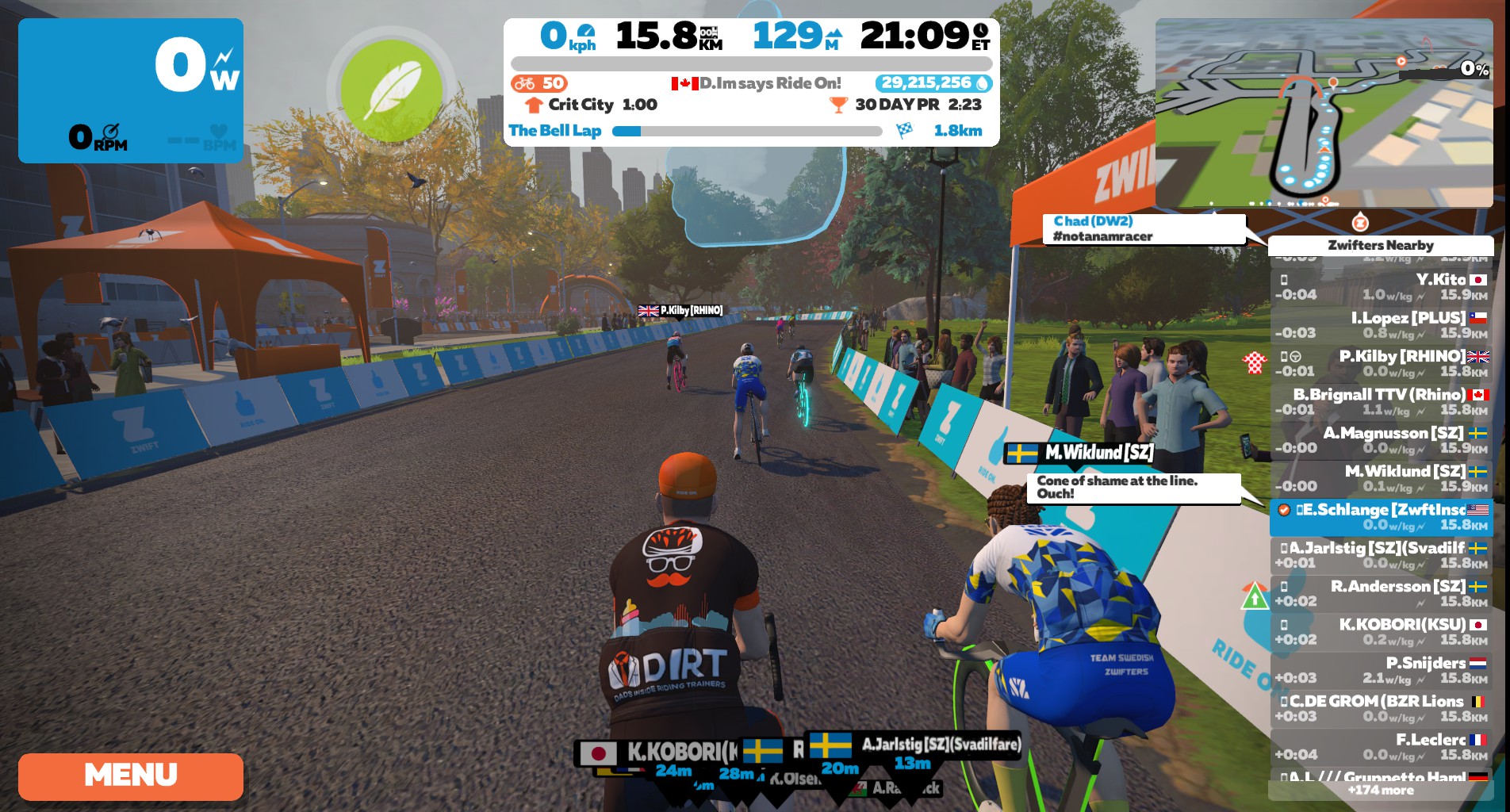
Crit City it was, then. Eight laps of The Bell Lap route. Let’s do this!
The Warmup – Is My Heart Broken?
While warming up I noticed my Wahoo TICKR wasn’t showing any HR in Zwift. I figured it would work itself out eventually as I started to sweat, so I continued my warmup. But as I clicked to enter the start pens, I realized my HR was still not working.
Wondering if this mattered or not, I checked the event description on ZwiftPower. No mention of HR requirements. If this was ZRL I would have figured out a solution! But this was just a quick Crit City race, and it looked like HR wasn’t even a factor. All good to race.
Racing with the Big Boys
While I was in ZwiftPower I checked the rankings of signed-up riders. We had some real hitters signed up, including Robin Andersson (SZ), the 7th-ranked B in the world. He had two SZ teammates in the race, both super strong guys ranked in the 130s, plus we had Christophe De Grom (BZR) on the list. All riders ranked better than me, so I knew this wouldn’t be an easy podium. But there were ranking points to be had!
The Start + Middle
Most of the race wasn’t remarkable. Just a few highlights to call out:
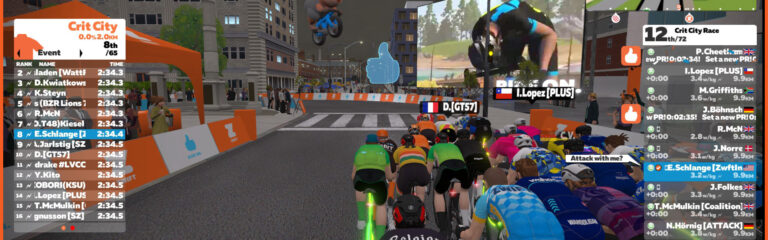
I saw several cones of shame – the green cones handed to riders who are performing outside of the 1 or 5-minute power windows designated for each category. It’s been a while since I’ve seen any cones in a B race.
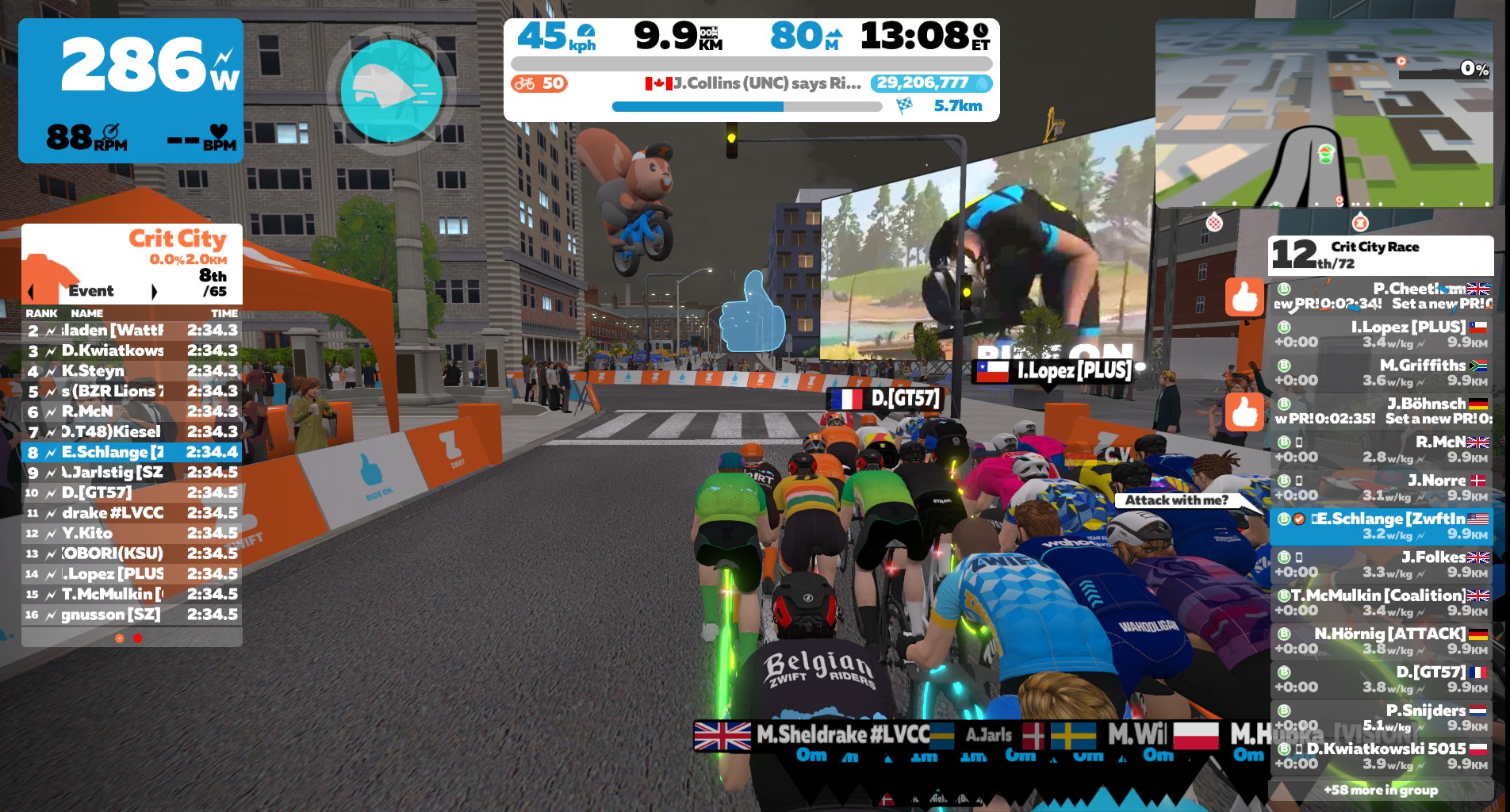
I tried one small attack a little over halfway through, messaging the group “Attack with me?” beforehand. It worked, shedding a few riders, but my legs weren’t feeling great so I eased up after a minute.
With two laps to go, we still had a front pack of ~30 after starting with 72.
Team SZ had four strong riders in the race, so I kept watching for a team attack, especially as we got into the final laps. But they just sat in, biding their time.
The Finish
The Zwift gods had granted me an aero powerup halfway through the race. I’d held onto it for the finish, knowing I’d need all the help I could get against the strong riders in this field.
Last lap. Nobody went early on the twisty climb or the brick descent. I kept my eyes glued to the screen, planning to jump on the wheel of any rider who went early – especially if they were from team SZ!
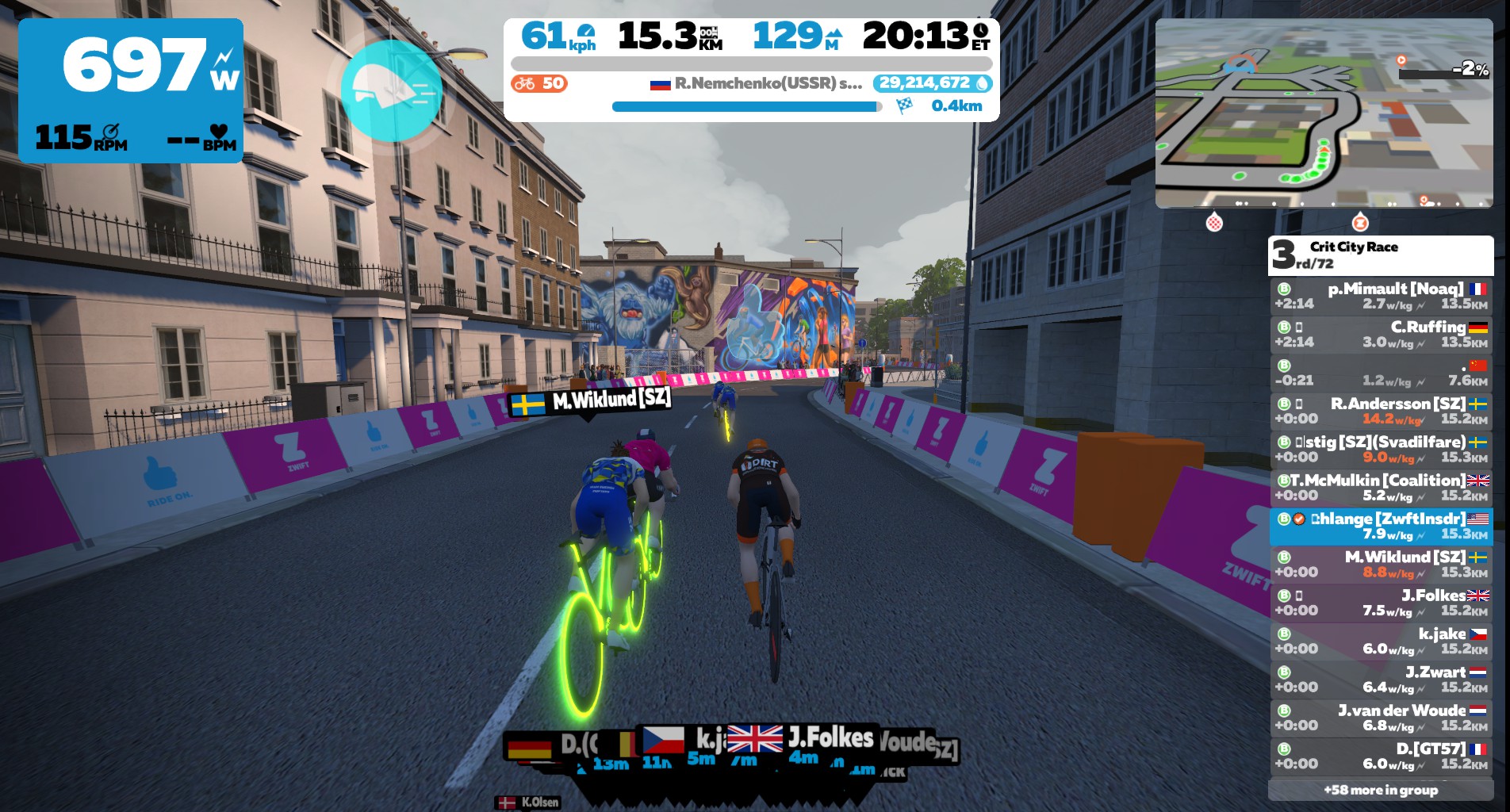
Soon enough, an SZ rider went orange and sprinted off the front. Hard. I was too slow to catch their wheel, but I hammered anyway, hoping I could make the catch. Then as we neared the hard left turn I activated my aero powerup and went all-in.
The final sprint
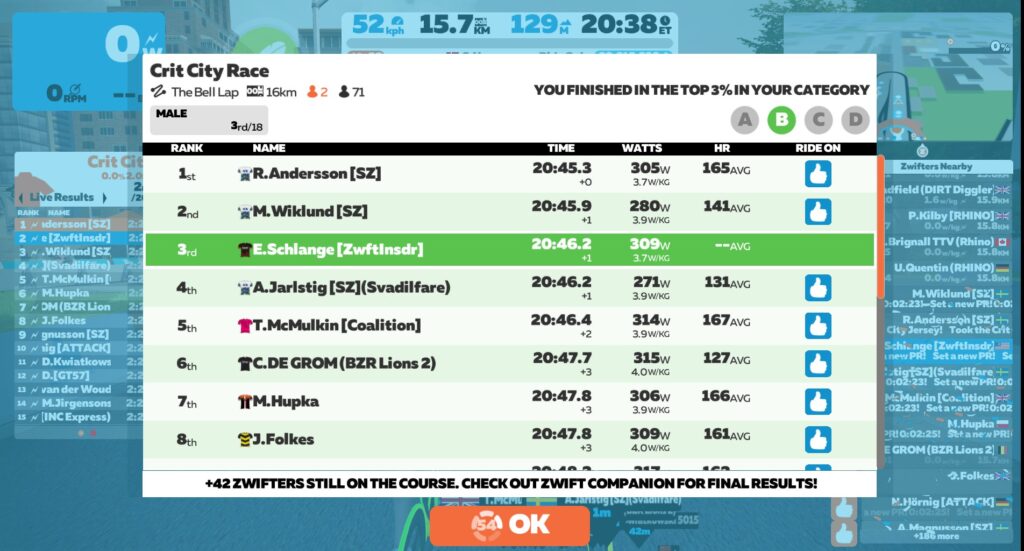
As we neared the finish, a green cone popped up next to Andersson’s name. He crossed the line in first. I crossed third.
Stoked with a podium against such strong riders, I popped over to ZwiftPower to look at the race results. How many points had I earned?
And that’s when I saw it. Or, more accurately, didn’t see it. Where was my name?
I had to click “Unfiltered” to see it, with a big “HR” next to it. I’d been disqualified for not having a heart rate monitor connected. Adding insult to injury, once the points were calculated I saw I would have earned a result of 149.79 – the best I’ve had in the past 90 days!
And this is where some questions need to be asked. Two, specifically:
Why was I disqualified for no HR, when nothing in the event said HR was required?
Why did the first place rider get coned, but get to keep the win?
To be clear: the points result or podium position aren’t a big deal to me. This really isn’t about this one particular race at all. But what this race did was surface two issues I believe Zwift needs to fix.
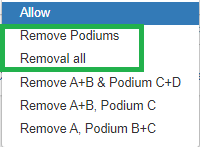
First: if HR is required, that needs to be stated in the event description and on ZwiftPower. ZwiftPower has several options that event owners can set when it comes to requiring HR:
Apparently only the first two settings (those in green) show up on the event detail page, while the rest do not. This Crit City race is managed by ZwiftHQ, and event organizers tell me ZwiftHQ doesn’t manage the ZwiftPower settings for most of their events. So these Crit City races are just set to some default HR requirement option which isn’t visible in ZwiftPower’s event summary.
Second, if a rider gets coned, they shouldn’t show up in the race results in Zwift or ZwiftPower. (Now, we can debate whether the coning itself is accurate. It’s been in use for almost 2 years now, which means Zwift should have the data to show whether it is or isn’t. If it isn’t, it shouldn’t be used at all. But if it is, then it needs to have an effect on the results sheet.)
I want to reinforce that I’m certainly not questioning whether Andersson deserved the win. He’s a strong B with killer 1-minute power, and a legit B rider according to ZwiftPower’s parameters. He won the race fair and square, following all the stated rules.
Again, it’s not about this race. But I think it’s worth pointing out the weirdness of being disqualified by an unstated rule, while another rider can trip an anti-sandbagging control in the game and win the race with a cone over their head. Zwift can do better.
Asking Zwift
I’ve got a great relationship with the folks at ZwiftHQ, so I reached out to them about this race and the issues I’ve outlined above.
And as I was composing my email to them, I realized it’s quite possible ZwiftHQ has decided, for these small weekly races, the in-game results are the “final” results, and ZwiftHQ doesn’t manage ZwiftPower settings at all. After all, the event description does say, “Results are shown as you cross the finish line.”
The more I’ve thought about it, the more I think this is the case.
But this hasn’t been confirmed by ZwiftHQ. While they acknowledged receipt of my email, I haven’t heard back from them yet with an answer to my questions.
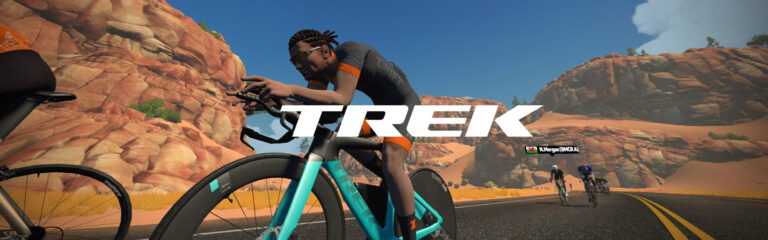
Zwift’s February update included the 5th frame in game from US-based Trek. Named the “Speed Concept SLR 9”, this is Trek’s first TT frame in Zwift.
Here’s how it is described in Zwift’s Drop Shop:
“Speed Concept SLR 9 is an aerodynamic carbon triathlon bike engineered for incredible speed and seamless integration. Every bit of this bike – from the light aero frame to ride-smoothing IsoSpeed to cutting-edge fuel and hydration systems – has been painstakingly designed to help you beat your PR again, and again, and again.”
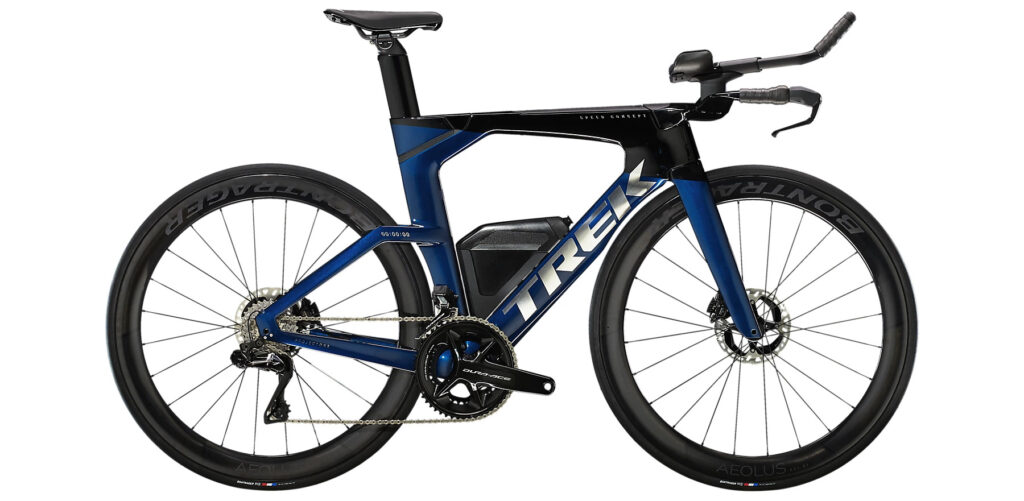
The Trek Speed Concept SLR 9 in real life
This frame is priced at 958,500 Drops, and level-locked at 32. Like all TT bikes currently in game it is rated 4 stars for aero and 1 for weight.
But Zwift’s star ratings aren’t precise enough to communicate actual performance in game in a useful way, and when it comes to time trials, there’s no excuse for not choosing the absolute fastest rig. So we ran the Speed Concept SLR 9 through our battery of speed tests.
Here’s everything you need to know about the performance of the new Trek Speed Concept SLR 9 frame in Zwift.
Aero (Flat/Rolling) Performance
The Speed Concept turns in the 4th-fastest flat test time of any TT bike in Zwift.
Its test time of 49:45.5 is 30.5 seconds faster than the default Zwift TT frame. By comparison, the current fastest TT frame in Zwift (Canyon Speedmax CF SLX Disc) turns in a time of 49:41 on our test course, which is two laps of Tempus Fugit, totaling 34.6km.
Climb Performance
Trek’s Speed Concept SLR9 is described as having a “light aero frame”, but it doesn’t perform like a lightweight bike in our climb test! Its time places it dead last on the list of TT frames in Zwift, with the closest frame 7 seconds ahead.
The Speed Concept SLR 9 turns in an Alpe climb time of 50:42. The fastest TT climber is the Specialized Shiv S-Works at 50:02.
Note: all test results above are from a 75kg, 183cm rider holding 300W steady using Zwift’s stock 32mm carbon wheelset.
Conclusions
While it performs well on flat ground, the Trek Speed Concept SLR 9 isn’t as fast as the Canyon Speedmax CF SLX Disc which is available at a lower level and slightly more affordable. Additionally, its climbing performance is startlingly bad, which makes us wonder if perhaps Zwift has misconfigured the frame.
On the plus side, it has a color slider. But be warned: once you move the slider, you wont be able to find that original red color again.
The Speed Concept will be added to the following posts, and it can also be found on our Master Zwift Frames List:
Important note: this post contains speed test results for Zwift frames or wheels. These results may change over time, and a bike's performance relative to others may also change. We don't always revise posts when performance rankings change, but we do keep current, master versions of our speed test results which are always available. See the frame charts, wheel charts, and Tron vs Top Performers for current performance data.