Home Blog Page 232

Pace Partner “Dynamic Pace” Testing Begins Monday

Pace Partner “Dynamic Pace” Testing Begins Monday

Pace Partners are arguably the most popular feature Zwift has rolled out in the past two years. With multiple paces to choose from, their pace groups have turned into “always on” group rides where you’ll see the same folks showing up at the same time to warm up, cool down, or put in some miles while chatting with others.

On Tuesday, Shuji announced in Zwift’s forum that Pace Partner “dynamic pace” testing will begin next week. This is exciting news, as it heralds the next step in Pace Partner evolution. Here’s the full text of Shuji’s post:


Hi Pace Partner fans –

We’re testing a new feature for Pace Partners starting next week called Dynamic Pace, and ask for your feedback on this thread.

With Dynamic Pace, rather than holding a constant pace as elevation changes, the Pace Partner will adjust its effort to maintain a smoother ride with the goal of keeping the group together. On constantly rolling, mildly hilly terrain, this more closely resembles how many cyclists ride in real life.

  • Currently, C. Cadence rides at 2.5 Watts / kg no matter the terrain.
  • We’re going to increase the pace slightly on uphill grades to about 2.7 W/kg.
  • C Cadence will let the group know to increase the pace on climbs.
  • On downhills, the 2.5 W/kg pace will resume.
  • This test will begin Monday, March 28 @ 05:00 UTC. Convert to your local time zone here
  • The test is only for C. Cadence on the three Watopia routes she uses: Tempus Fugit, Tick Tock, Sand and Sequoias.
  • Depending on your feedback, we may make further adjustments to her pace.

Future implementations of Dynamic Pace may be different depending on the route being used, and the Pace Partner leading the ride. We’re looking forward to your feedback on this test!


What About Downhills?

Some Pace Partner lovers will immediately question why Zwift is only increasing the power on the climbs, and not decreasing the power on the descents. If you’ve ridden much with a Pace Partner on hilly terrain, you’ve probably noticed that the group tends to surge ahead of the bot on the uphills, then the bot surges to the front on the downhills. This is because riders naturally up their power on climbs and decrease power on descents due to the resistance fluctuations on their smart trainer.

Here’s what Shuji had to say about this question:


Since several of you have already asked: we have done some internal testing with easing the pace on the downhill. The net effect of dipping below 2.5 W/kg on descents can vary depending on the section of the road you’re on. A subtle pace reduction that feels just right on short rolling hills is probably too slow on a lengthier downhill where gravity gives you free speed with no pedaling effort.

In this phase of testing, we’re focusing on the climbing pace. Adjusting pace for the descent is already being planned, don’t worry!


More to Come

In chatting with members of Zwift’s game development team, it’s clear they have plenty of great ideas for Pace Partners. This “dynamic pacing” is just the start of making Pace Partners more useful and smart, and the possibilities are virtually endless. Pace Partners could announce short sections of higher effort, greet new Zwifters who have joined the pack for the first time, respond to gradient changes in various ways, and much more.

But we have to begin somewhere. And that happens Monday!

Got Feedback?

After you’ve tried C. Cadence’s dynamic pacing, chime in with your thoughts on the forum thread so Zwift hears your feedback. You may also be prompted for feedback within the game itself at the end of your C. Cadence ride.

Questions or Comments?

Share below!

Customize Your Pain Cave with Velo Mats

Customize Your Pain Cave with Velo Mats

When you look up “Pain Cave” in the Urban Dictionary it says, “A grueling physical workout intended to make you a better athlete. Usually done at home or the gym, and we call that place the ‘pain cave’.”

There are many different pain caves; some extravagant, some simple, some large, some small.  It really doesn’t matter your individual setup, it’s simply a space for you to enjoy your training.  However, I have found that there are certain things that we get accustomed to and the thought of not having it, doesn’t “feel right”.  In my case, it’s having a small table to my right, where I can put my supplies within easy reach. 

Along with my table, a sweat mat is also a necessity.  The reason being is that it saves ruining my floor.  My mat is an Elite one that is bright red.  It’s perfectly functional and does what is required.  But it’s not special.  There is nothing unique about it. In fact, my Direto and RIZER setup with the Elite mat looks like a page from Elite’s marketing campaign!  There is absolutely nothing wrong with that, but I felt it was time to personalize and this is where I discovered Velo Mats.

Who are Velo Mats and what do they do?

Velo Mats are an Australian company situated outside Melbourne that manufacture cycling mats.  They don’t just make any mats, but are in the business of making fully customizable mats designed to order for use in your pain cave.

The company is relatively new and has been in operation for 2 years. Director Reece Conlan, a keen cyclist, also runs a successful printing business.  Like many businesses the world over, at the start of the global pandemic, due to the impact on his printing business, Reece was forced to come up with a new print solution offering for his business.  Being a keen cyclist, he turned to Zwift for relief and used his skills to manufacture his own training mat to use with his Zwift setup.  Impressed with what Reece had manufactured, his friends soon requested their own customised mats.  At this point, Reece realised he had a product that people wanted and his new business, Velo Mats, was founded.

The company has expanded and they now have a Design, Sales and Marketing team.  In addition to this, the product is easy to obtain because Reece has established global distribution for the product and it can be obtained in all major geographical locations such as the UK, US, Canada, Australia, and also Europe, which is going to begin shortly.   

About the Mats

Reece explained that the mats are made from 2.5mm PVC rubber, custom printed with a special satin laminate coated finish to protect the printed surface. Because he and his company are very environmentally conscious, the mats are printed using eco-friendly methods (HP latex inks). 

The material that is used is specific floor matting material that is used throughout the market and manufactured originally in Europe. Unlike some competitors, their mats are thin enough to be rolled up and stored away after use without issue, and their laminate finish enables easy cleaning.

Customisation

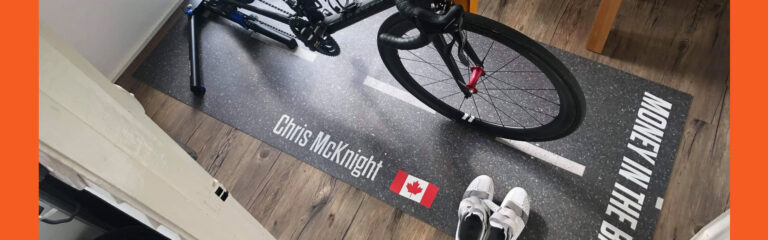
What makes these mats unique is the fact that they can be fully customised and personalised.  This customisation includes your name, country flag, personal tagline, your team’s sponsors, even motivational phrases and graphics.  Reece explained that he produced a mat for a man whose wife had passed away from cancer and a poem that he had written was printed on his mat as his daily inspiration. 

Whatever you want, within reason, can be printed. Each mat follows the same process which is:

  1. Customer places an order on the Velo Mats website choosing from a large range of existing templates. (Customers can also contact Velo Mats with a design idea, which is mainly done for group/bulk orders.)
  2. All designs are managed in Australia, by their inhouse design team.
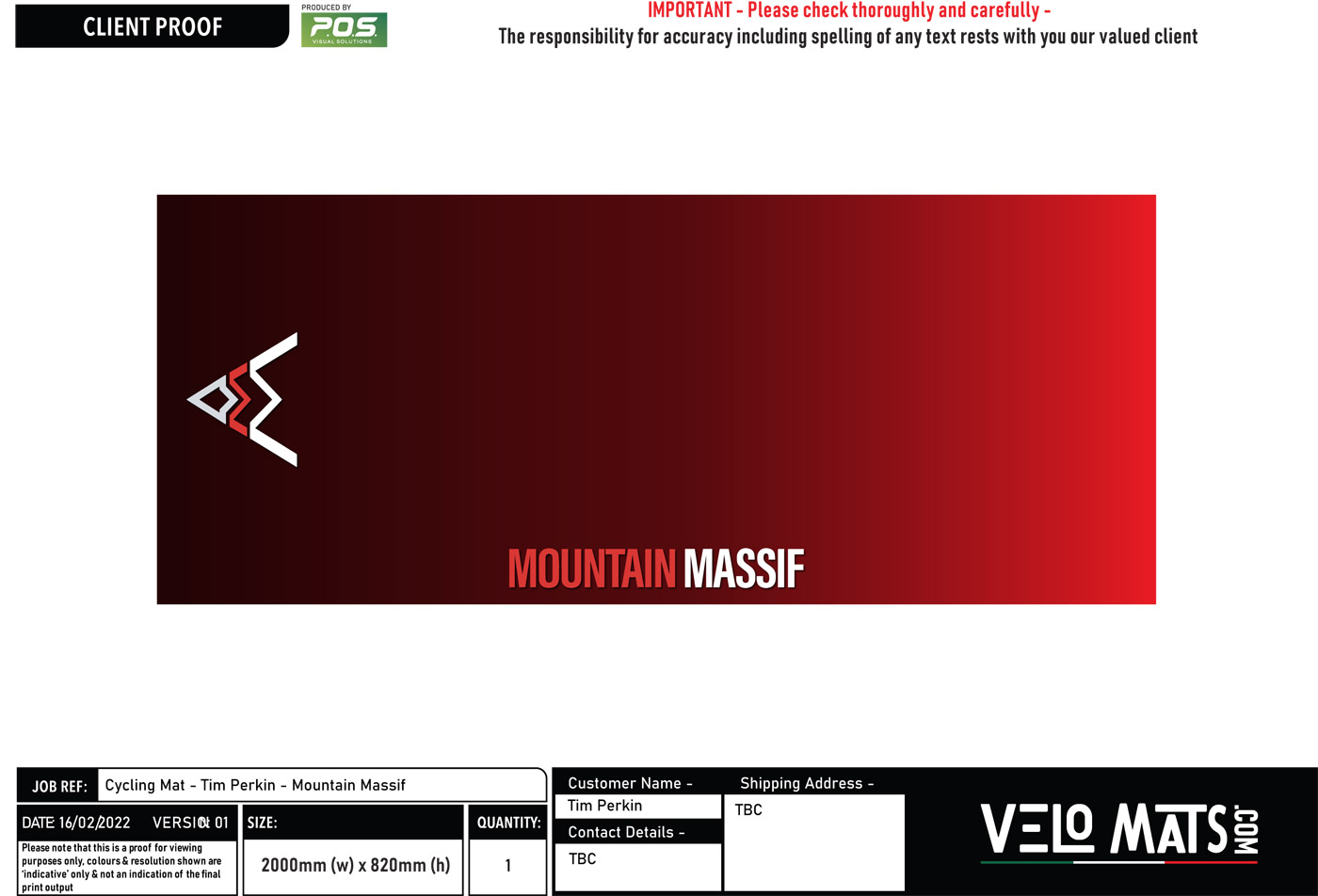
  3. Design is sent to customer for final approval.
  4. Once approved, the design file is sent for print production.
  5. The mats are produced and shipped from one of their global production/distribution hubs and sent to the customer.

If you are not creative, remember the templates that can be customised. 

My Velo Mats design proof

Future Developments and Sponsorship

Currently, Reece and his team have been trying to solve a problem that has plagued the cycling mat production industry: the cleat.  Those of you that have mats have probably seen over time that the spot where you get on and off the bike gets worn as the cleat cuts into the mat. As Reece noted. “the cleat is not the friend of any mat, and we have tested most of them!”  Velo Mats are experimenting with different techniques to try and resolve this issue. 

In addition to looking at enhancing their mats, the team produce desk mats to customise your work space and are looking at producing murals that can be purchased and stuck to or hung off your walls, to further customise your pain cave. They are currently developing a bank of images where you can select a graphic that will be printed and shipped directly to you, for use in your space. 

Velo Mats are growing organically and meeting the demand from customers, which has stayed constant, despite the world slowing opening up after the global pandemic.  As a result, Reece and his team are working with various partners and are active in the market.  An example of this can be seen with WTRL. Many who race in WTRL events may be familiar with Velo Mats because they currently sponsor WRTL events. This is something that Reece is proud of, given the presence that WTRL has within the indoor cycling community.

Velo Mats has also partnered with Zwift Insider, and you can get 10% off your Velo Mats purchase by using discount code ZWIFTINSIDER.

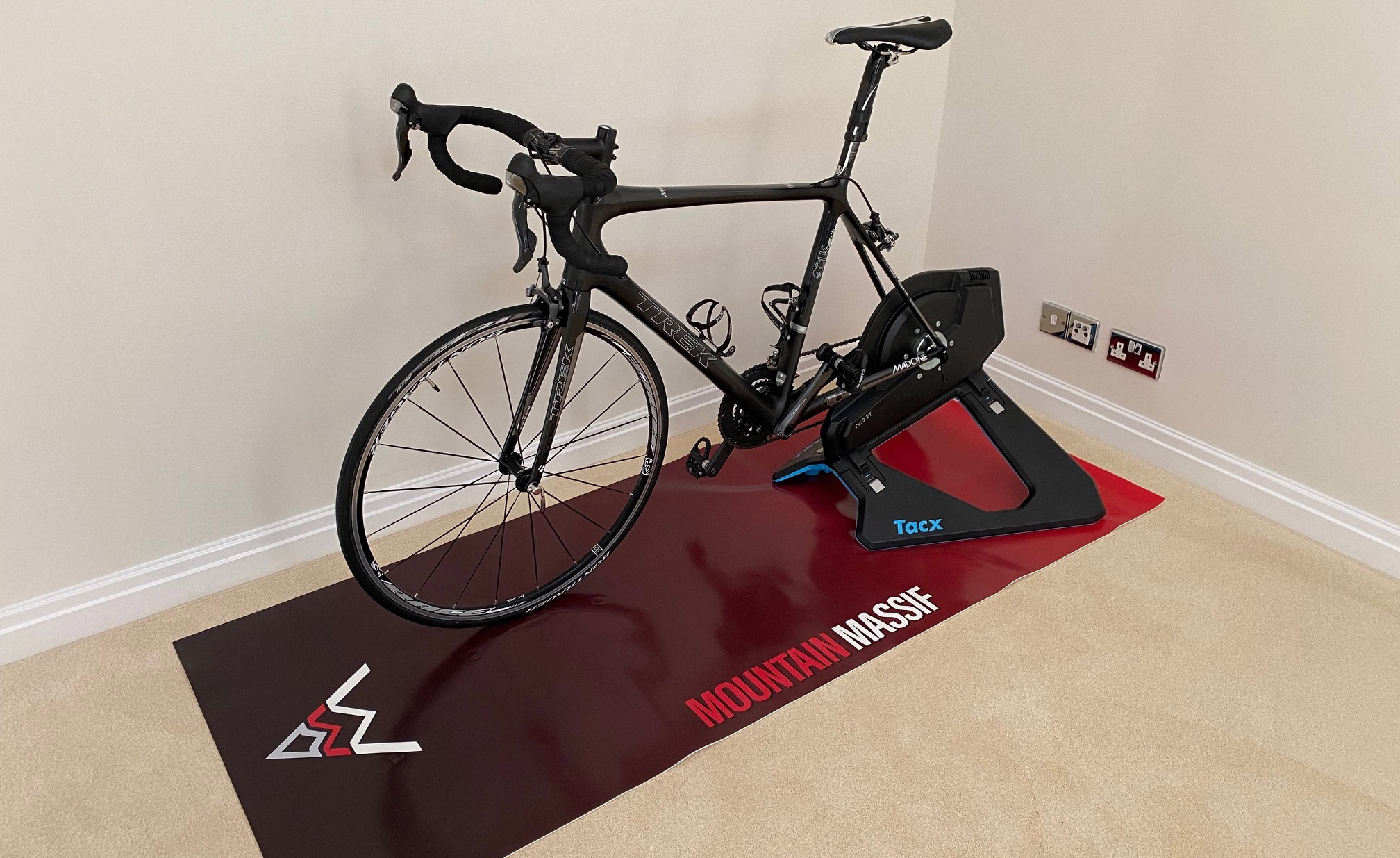
My mat in place

Summing Up

The fact that business is going well and has expanded to have a global reach indicates that the Velo Mats product has been well-received.  I have even taken the opportunity to improve my own pain cave with a mat adorned with my Mountain Massif logo.  I couldn’t think of anything more motivational than competing in my own event and seeing my logo in front of me as I battle up the climb. 

If you’re looking for similar motivation, Velo Mats is the “go-to” place.

Velo Mats has also partnered with Zwift Insider, and you can get 10% off your Velo Mats purchase by using discount code ZWIFTINSIDER.


Top 5 Zwift Videos: Not Giving Up, Using Workout Mode, and a Tron Trick

This week, our Top 5 Zwift Videos include two determined mountain climbs in the Zwift Racing League. Also see a guide to workout mode, a trick that can get you more elevation faster, and a tour of one Zwifter’s indoor riding and streaming setup.

The COMEBACK?! Kind Of… || Plus Zwift Racing Tips!

Katie Kookaburra got dropped during the Zwift Racing League, but she didn’t give up. There was a mountain climb ahead, and she knew she might be able to claw her way back. Watch and see what happened!

Mountain Climb For MY ZWIFT RACING COMEBACK! Every Point Counts in Zwift Racing League

In the same ZRL stage, KOM Hunt TV fights for every point he can get for his team, even near the back of the field.

How to get Zwift Tron Bike in under 3 months | No slow suffering up the Alpe Du Zwift

Trying to earn the Zwift Concept Z1 “Tron” bike? Master Tofu has a trick for people wanting to rack up elevation faster!

ZWIFT WORKOUTS – How to get the most out of workout mode

For a thorough guide to using Zwift’s workout mode, check out this video by Everything Is Photogenic.

Pain Cave Tour and Streaming Setup – Zwift

Bradford Redpath shows off a well-equipped setup for a Zwift “pain cave” and streaming studio.

Got a Great Zwift Video?

Share the link below and we may feature it in an upcoming post!

The Herd Racing League Announces “The Omnium” March 26-27

The Herd Racing League Announces “The Omnium” March 26-27

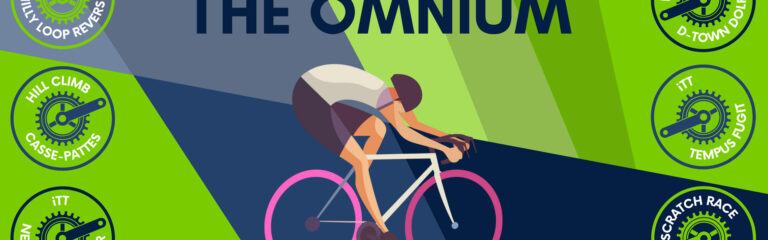
The Omnium is one of the great tests of cycling fitness. With six events over two days, the event is normally completed in a velodrome, but The Herd has created their own version in Zwift!

Taking place on the 26th and 27th of March, all Zwifters are invited to join in what is sure to be utter carnage and a heap of fun.

Race Details

Day 1 (March 26th)

  • Event 1: Sprint Race – A short race with a single lap of the Watopia Hilly Route Reverse course. Score points for your finishing position, with the finishing line shortly after the peak of the KOM.
  • Event 2: The Hill Climb – Completed on the Casse-Pattes route in France, only your time up Petit KOM will count against those set by your competitors!
  • Event 3: iTT – We take on a 16.1km (10 mile) Individual Time Trial on the Neokyo All-Nighter route. This will use the Time Trial module, so offers a staggered start without draft.

Day 2 (March 27th)

  • Event 4: Points Race – 10 laps of Downtown Dolphin with points scored each lap only for the time (vs competitors) on the uphill prime segment.
  • Event 5: iTT – A very simple 3km Time Trial on the Tempus Fugit route. Set the best time, win all the points!
  • Event 6: Scratch Race – A simple lap around the Figure 8 Route in Watopia. First over the line takes the points!

Time Zones/Scheduling

The Omnium will be run across four different leagues in ZwiftPower, each covering a different timezone, with each day’s events taking place at 1100, 1500, and 1900 local time. Click a league for a list of events:

Important note: you must enter the same timezone for each event that you take part in, otherwise your points will not count.

ZwiftPower Leagues

Track rider rankings at the following links:

Note: you must be signed up for ZwiftPower in order to show up in race results. Need help signing up for ZwiftPower?

Good luck and have fun!


All About Tour of Watopia’s New Gravel Surface

54

All About Tour of Watopia’s New Gravel Surface

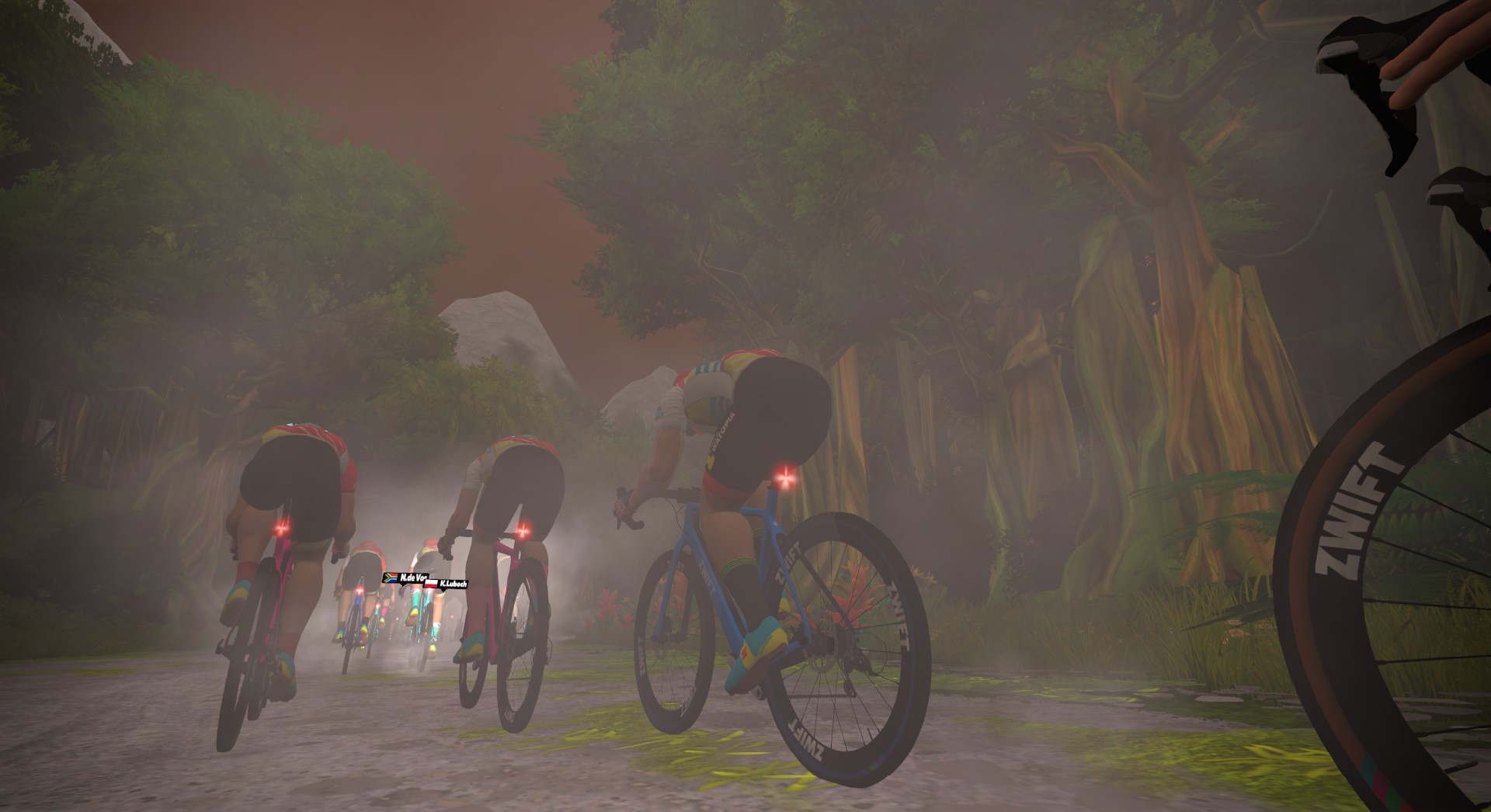
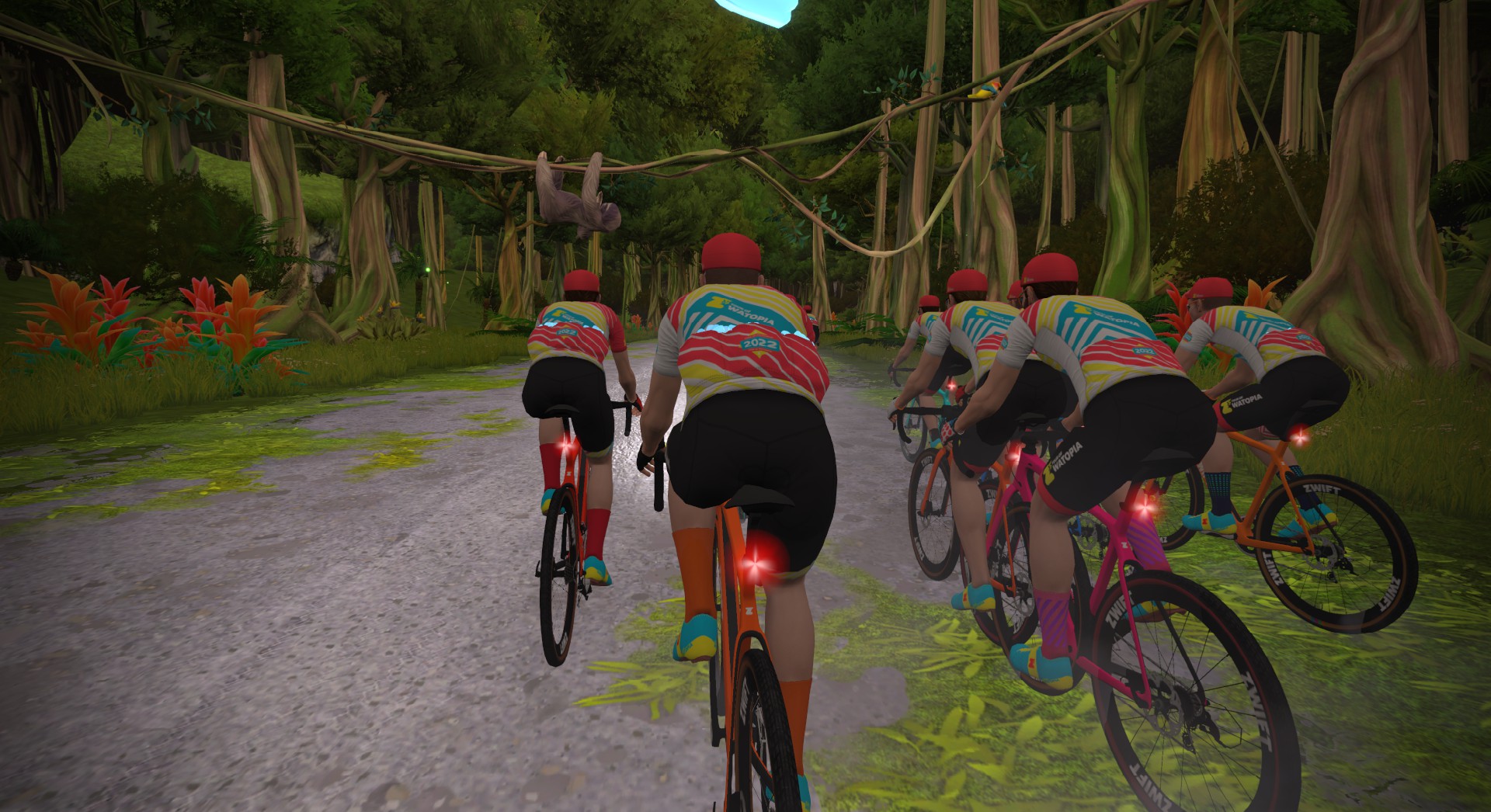
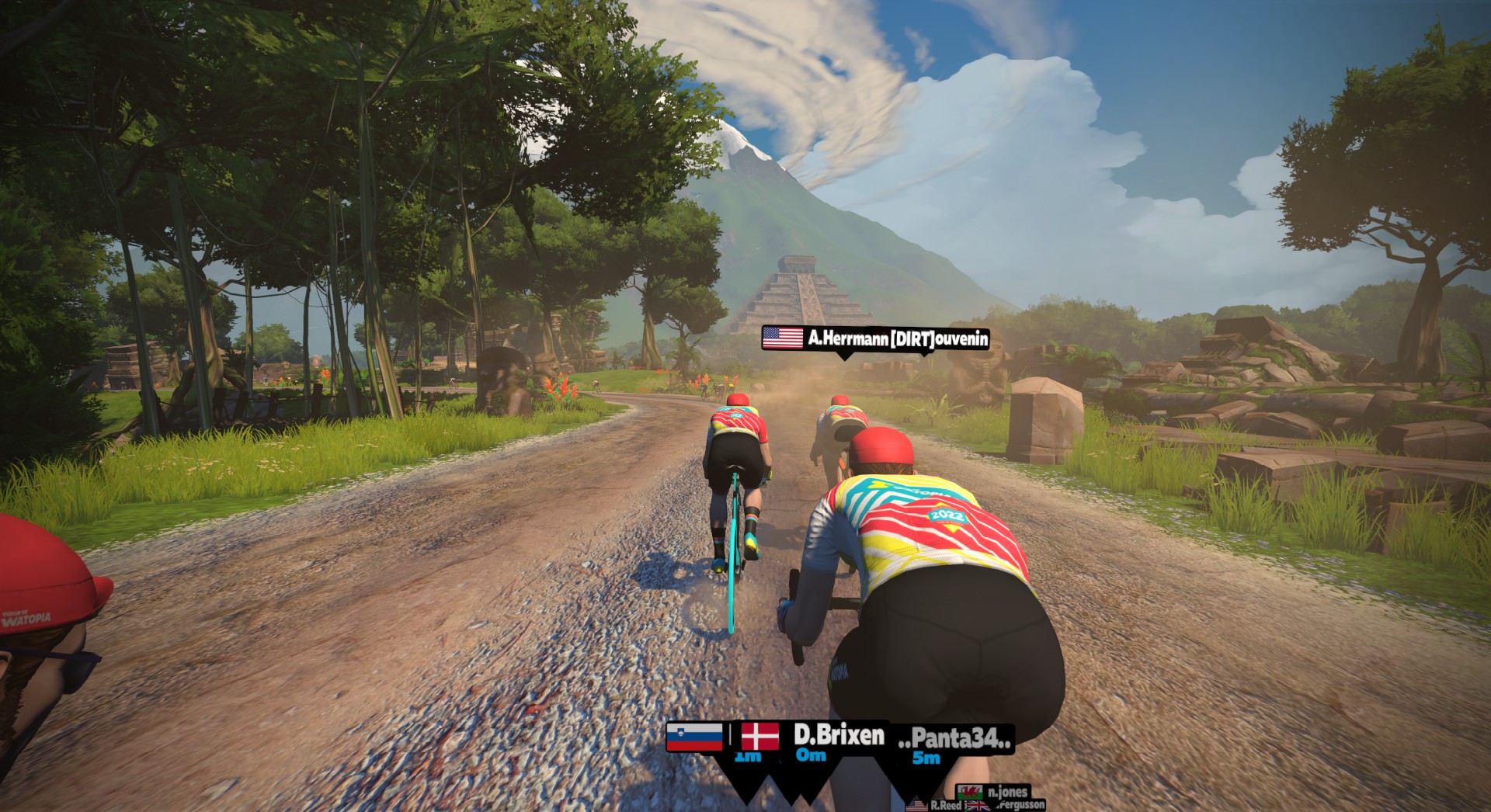
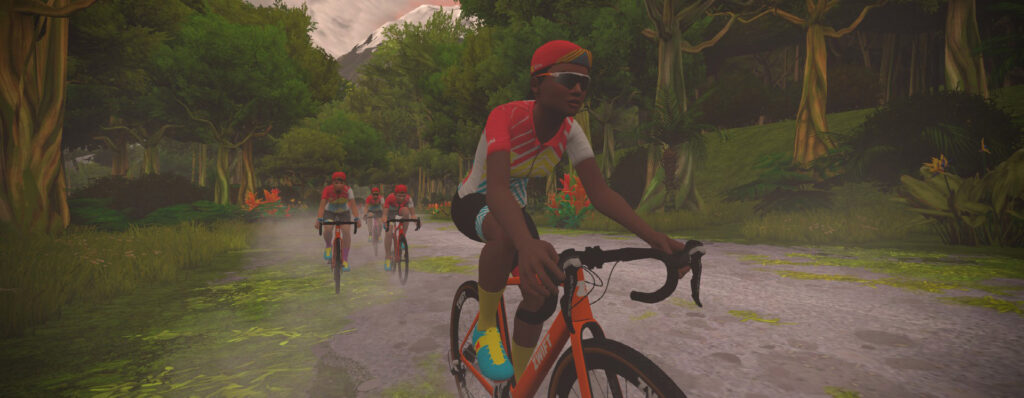
Observant Zwifters riding Stage 4 of Tour of Watopia this week may notice subtle changes to the Jungle’s dirt roads. Here’s are some screenshots:

Do you see the difference? The ToW surface (we’ll just call it “gravel”) is a greyish color instead of red/brown, and the gravel is more grown over with green plants.

Some riders felt the new gravel was dustier than the standard Jungle dirt, but we’re not sure this is the case – we think there’s just a lot of dust because there are a lot of riders in the ToW events.

New ToW Gravel:

Standard Jungle Dirt:

New Surface Is Big News

If you free ride or do a non-ToW event in the Jungle today, you’ll be riding on the standard Jungle dirt. But if you ride in the Jungle during a ToW Stage 4 event, that dirt magically transforms to the new gravel surface.

As far as we know, this is the first time Zwift has rolled out a new surface for a specific event. Presumably, this is a programmatic surface swap – that is, both types of surfaces are defined game-wide in terms of Crr, sounds, and visuals, and every bit of “path” in Zwift’s worlds has a default surface type. For this event, a custom setup flag was set, effectively saying “If surface type = dirt, swap it for gravel”.

This is an interesting development. Let’s consider what it could lead to:

  • Just having a “gravel” surface type makes sense – it’s something Zwifters have been pushing for for a long time. There should be gravel roads on Zwift where gravel bikes outperform MTB, then rougher roads (perhaps only singletrack trails?) where MTB outperform gravel bikes. Maybe this is a step in that direction.
  • Events with custom road types: the Jungle could be paved. A cobbled climb up Alpe du Zwift. Swap all dirt on a route for pavement… and swap pavement for dirt! Or a super fast glass road for a Tempus Fugit TT.
  • Swapping surface types could change the very nature of many routes on Zwift, creating attack points where none existed before.
  • If surface types change, so does rolling resistance. Not a huge deal if you put in a surface type with higher Crr, but if you use a lower Crr riders will be setting PR times on courses which they can never beat.

The Big Difference: Lower Crr

While the gravel is visually different from the standard dirt, perhaps the biggest difference is one you can’t easily spot. The new gravel surface has lower rolling resistance (Crr) than the standard dirt.

Read all about Zwift Crr >

The stock Zwift Gravel wheels (which everyone uses for ToW Stage 4) have a Crr of .018 in the standard dirt. But on this new gravel surface, their Crr is .012! That’s a significant reduction in resistance which is noticeable in terms of how much power it takes to hold a particular speed on course.

By our calculations, a solo rider holding 40kph on standard Jungle dirt would be putting 147W into overcoming rolling resistance. But when the Crr is lowered to .012, the same rider only needs to put in 98W to overcome rolling resistance.

No Bike Choice? No Big Deal.

For Stage 4, Zwift is placing everyone on the stock Zwift Gravel frame and wheelset. Some Zwifters have complained about this, because they wanted to use the “faster” new gravel wheelsets which Zwift recently released (read about those here and here).

But here’s the thing: we don’t actually know if those new wheelsets would be faster on the new gravel surface or not! Remember, they roll faster on dirt (.016 Crr vs the standard .018). But if they roll at .016 on the new gravel surface, that would make them significantly slower than the stock Zwift Gravel wheels which roll at .012.

So don’t sweat the bike choice thing. Everyone’s on the same setup, and the new gravel surface makes for a faster trip around the Handful of Gravel route than you could have with any other setup. Get dirty, and have fun!

Questions or Comments?

Share below!


All About Zwift’s New Mosaic RT-1d Frame

Zwift’s March update included the first frame in game from Mosaic Cycles, a bespoke bike builder based in Boulder, CO. Named the RT-1d, this is the disc version of the Mosaic’s flagship titanium RT-1 road bike.

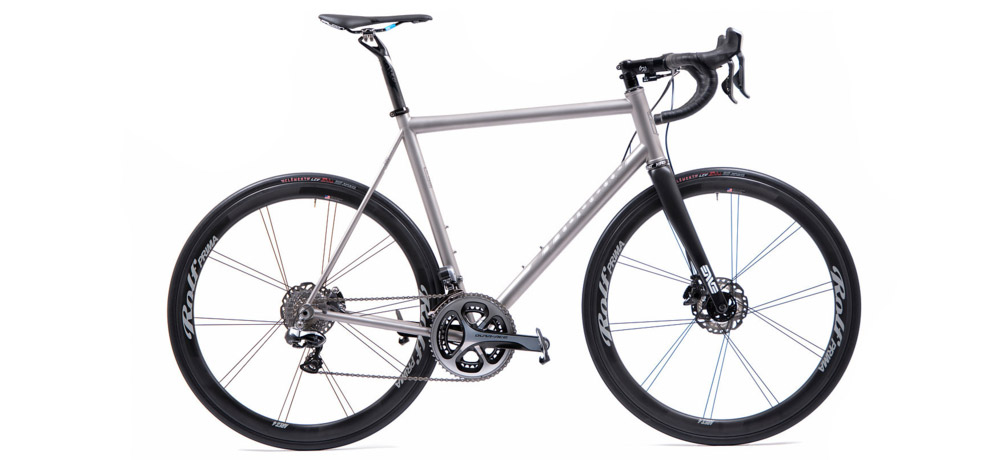
The Mosaic RT-1d in real life

This frame is priced at 852,000 Drops and level-locked at 15. It is rated 2 stars for aero and 2 for weight, which would indicate that it’s not going to perform particularly well on either climbs or flats. That said, we still ran it through our normal tests.

Here’s everything you need to know about the performance of the new Mosaic RT-1d frame in Zwift.

Aero (Flat/Rolling) Performance

Rated only 2 stars for aero, we didn’t expect much speed from the RT-1d. In the end our flat test results matched those of several other frames in game, including the recently-released Moots Vamoots and Van Rysel EDR CF. All of those frames are at the 24th percentile in terms of aero performance.

Its test time of 51:34.5 is just 1.5 seconds faster than the default Zwift Carbon frame given to all Zwifters. By comparison, the current fastest frames in Zwift turn in time of 51:17 on our test course, which is two laps of Tempus Fugit, totaling 34.6km.

Climb Performance

We didn’t expect much in terms of climbing performance, since the Mosaic is rated 2 stars for weight. It turned in the same time as the Moots Vamoots, placing in the dismal 6th percentile against the universe of Zwift frames.

The RT-1d turns in an Alpe climb time of 49:35. By comparison, the fastest climber in game (Specialized Aethos) completes the test is 48:50.

Note: all test results above are from a 75kg, 183cm rider holding 300W steady using Zwift’s stock 32mm carbon wheelset.

Conclusions

The Mosaic RT-1d is the second titanium frame to be released in Zwift. While Ti is legendary in the cycling world for its blend of lighter weight, quality ride feel, and durability, none of those characteristics transfer well in terms of Zwift performance. So these titanium frames are really here to add some visual variety to the peloton – an aesthetic twist – and there’s nothing wrong with that.

Pick up the Mosaic if you want to ride a virtual frame that few in Zwift have seen. It even has a color slider so you can dial in whatever look you’d like.

The Mosaic RT-1d’s numbers will be added to the following posts, and it can also be found on our Master Zwift Frames List:

Questions or Comments?

Share below!

Important note: this post contains speed test results for Zwift frames or wheels. These results may change over time, and a bike's performance relative to others may also change. We don't always revise posts when performance rankings change, but we do keep current, master versions of our speed test results which are always available. See the frame charts, wheel charts, and Tron vs Top Performers for current performance data.

All About Zwift’s New Reserve 25 GR and CADEX AR 35 Gravel Wheelsets

All About Zwift’s New Reserve 25 GR and CADEX AR 35 Gravel Wheelsets

Zwift’s March 2022 game update included two new gravel wheelsets, making a total of five gravel wheelsets available. This month’s new gravel wheels are:

  • Reserve 25 GT (11,400 Drops, no level requirement, rated 3 for aero, 1 for weight)
  • CADEX AR 35 (21,300 Drops, no level requirement, rated 3 for aero, 1 for weight)

Let’s look at how these wheels perform in game…

Speed Test Results

Both wheelsets perform identically in our tests, and their times match last month’s new wheelsets (the ENVE G23 and Roval Terra CLX). To put it simply: these two new gravel wheelsets precisely match the performance of last month’s wheelsets. So none of the new gravel wheelsets offers any advantage over the other, but they are significantly faster than the stock Zwift Gravel wheels on dirt thanks to their lower Crr (see below). Jungle Circuit times using Zwift Gravel frame:

  • Reserve 25 GR wheels: 13:56
  • CADEX AR 35 wheels: 13:56
  • Zwift Gravel wheels: 14:15

So the dirt is where these wheels really shine. Pair them with a faster gravel bike like the Canyon Grail and you’ve got a rig that’s a few seconds faster than any mountain bike on a lap of the Jungle Circuit.

In our tests on flat pavement they essentially matched the existing Zwift Gravel wheelset (just 1/2 second faster over 50 minutes). And on the Alpe du Zwift climb test they were just 2-3 seconds faster than the Zwift Gravel wheels.

So on pavement, these wheels don’t offer any substantial performance advantage. But on dirt, it’s another story!

Custom Dirt Crr

Like last month’s new ENVE G23 and Roval Terra CLX wheels, the Reserve 25 GR and CADEX AR 35 have a lower rolling resistance on dirt than the stock Zwift Gravel wheels.

The Zwift Mountain wheels have a Crr of .014 in dirt, while the Zwift Gravel wheels have a dirt Crr of .018. These new gravel wheelsets have a dirt Crr of .016. And this makes them much faster than the stock Zwift Gravel wheels on dirt.

Based on our calculations, the difference between a Crr of .018 and .016 works out to a watt savings of around 15W if you’re a 75kg rider traveling at 40kph. Heavier riders or higher speeds could increase that power savings to ~25W.

High Availability

These new gravel wheelsets have no level requirement, and they’re very affordable. Zwift is clearly saying, “We want all Zwifters to have access to these wheels.” But we’re not entirely sure why, because Zwift’s biggest upcoming gravel event (Tour of Watopia stage 4) will supposedly be placing everyone on the stock Zwift Gravel frame and wheels.

Zwift could make it much more interesting by letting riders pick their wheels for this stage. We aren’t sure why that’s not happening. But clearly Zwift is putting more emphasis on gravel these days, which makes sense given its huge popularity, especially in the USA.

Questions or Comments?

Share below!
Important note: this post contains speed test results for Zwift frames or wheels. These results may change over time, and a bike's performance relative to others may also change. We don't always revise posts when performance rankings change, but we do keep current, master versions of our speed test results which are always available. See the frame charts, wheel charts, and Tron vs Top Performers for current performance data.


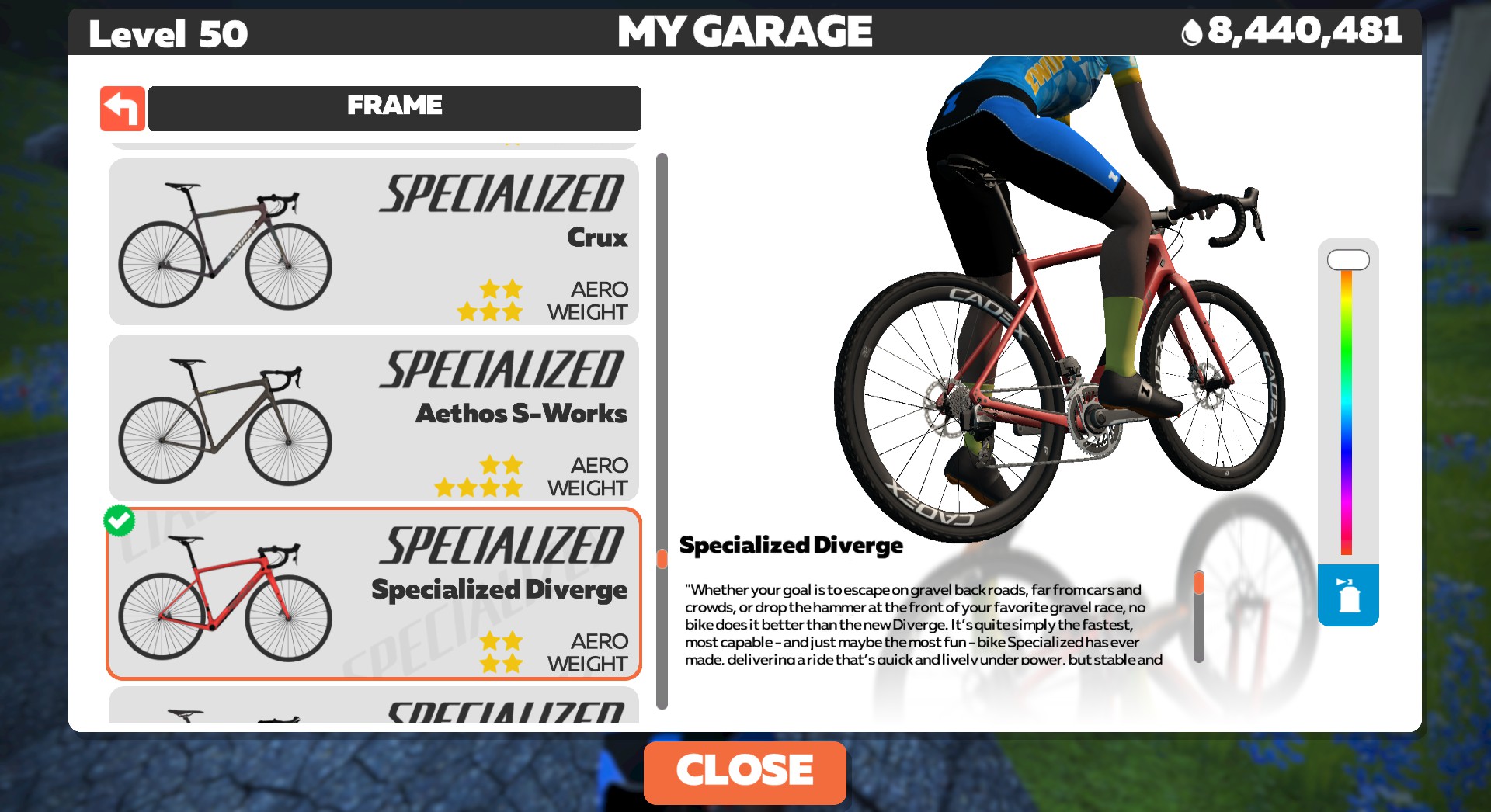
All About Zwift’s New Specialized Diverge Frame

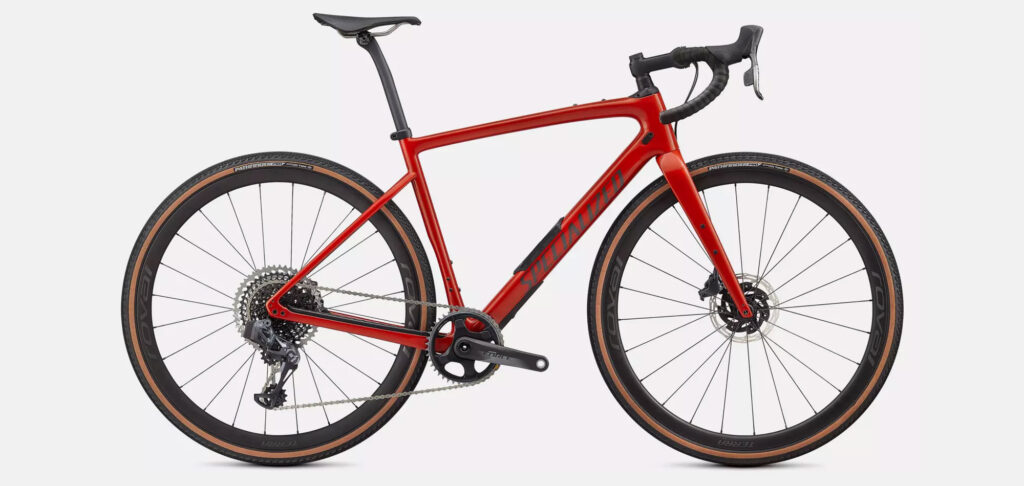
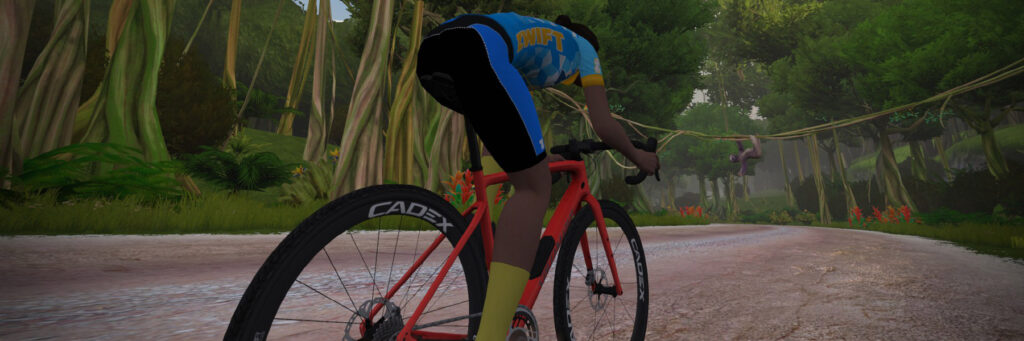
Zwift’s March update included the second gravel frame from Specialized: the Diverge. This comes hard on the heels of last month’s release of the Specialized Crux. What’s the difference between the two bikes? In real life, the Crux is a CX race bike that works as a gravel racer, while the Diverge is sort of a do-anything drop bar bike great for more casual gravel riding.

The Diverge modelled in game is the Diverge Pro Carbon. We won’t include the full Drop Shop text description here, but you can read it on the bike’s homepage at Specialized.com.

The Specialized Diverge Pro Carbon in real life

This frame is priced at 532,500 Drops and level-locked at 12. It is rated 2 stars for aero and 2 for weight, which would indicate that it’s not going to perform particularly well against other gravel bikes in game, most of which have 3 stars for at least one of the ratings. So we ran the frame through our standard tests to see exactly how it performs.

Here’s everything you need to know about the performance of the new Specialized Diverge frame in Zwift.

Aero (Flat/Rolling) Performance

Rated only 2 stars for aero, the Diverge comes in with a flat test time just behind the Canyon Inflite and just ahead of the stock Zwift Gravel frame. This places it in 5th place out of 7 gravel frames currently in game.

Its test time of 53:53.5 is just 0.5 seconds faster than the Zwift Gravel frame. By comparison, the fastest gravel frame (Cervelo Aspero) turns in a time of 53:47 on our test course, which is two laps of Tempus Fugit, totaling 34.6km.

Climb Performance

We didn’t expect much in terms of climbing performance, since the Diverge is rated 2 stars for weight. It climbed slower than the Cervelo Aspero, but faster than the Zwift Gravel and a few other frames. This places it in 4th place out of 7 gravel frames currently in game.

The Specialized Diverge turns in an Alpe climb time of 51:51. By comparison, the fastest gravel climber (Specialized Crux) completes the test is 51:18.

Note: all test results above are from a 75kg, 183cm rider holding 300W steady using Zwift’s stock 32mm carbon wheelset.

Broken Color Slider

Like the new BMC Teammachine, the color slider on the Diverge isn’t currently working. Slide all you want – the color won’t change! We’re sure Zwift will get it fixed.

Conclusions

While it makes sense for Specialized to want both of their gravel frames in game, the benefits of the Diverge (mainly comfort and flexibility) don’t really apply on Zwift. With the Crux outperforming the Diverge on flats and climbs, there’s no reason to choose the Diverge instead, unless you prefer the look of it or want to match your IRL bike.

The Specialized Diverge has been added to the following posts, and it can also be found on our Master Zwift Frames List:

Questions or Comments?

Share below!
Important note: this post contains speed test results for Zwift frames or wheels. These results may change over time, and a bike's performance relative to others may also change. We don't always revise posts when performance rankings change, but we do keep current, master versions of our speed test results which are always available. See the frame charts, wheel charts, and Tron vs Top Performers for current performance data.

Roll with Castelli March Epic Announced

0

Roll with Castelli March Epic Announced

Since January, a day doesn’t go by where there isn’t a Castelli ride to join in the Companion app.  They have introduced new rides to see those in the Northern Hemisphere through the worst of winter, and these rides have been well attended and enjoyed by all.  Their Tuesday monthly “Epic ride” has remained constant and this month sees the Castelli team leading us up the Alpe du Zwift, on the “Road to Sky” route.

The ride will be paced around 2.5-3 w/kg which means it will take probably 80 minutes to ascend the mountain.  I have to say, if you have not done a group ride up the Alpe, it’s certainly something to try at least once.  It’s pretty special seeing and being part of a huge group of riders all ascending together!

The event is hosted on Tuesday 22nd March at 7:25pm CET/6:25pm GMT/2:25pm EDT/11:25am PDT.

Sign Up Here >

Kit Unlock

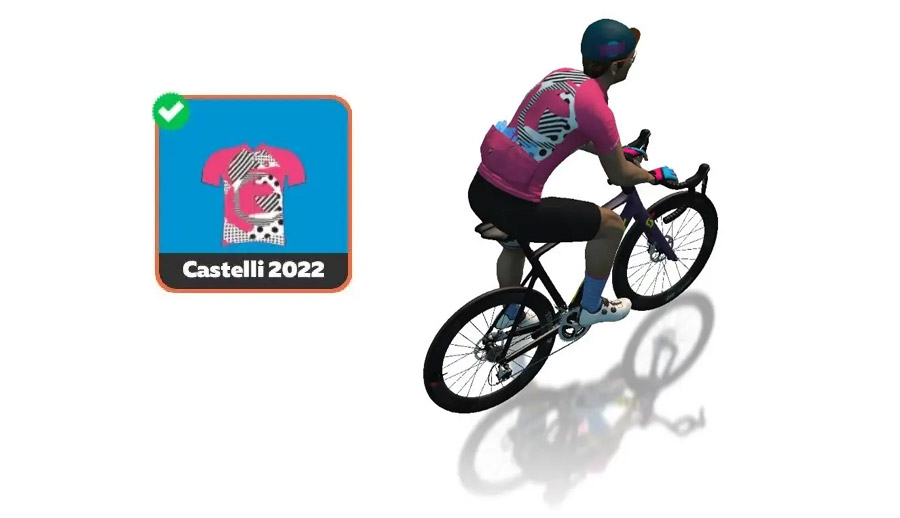
Complete the ride to unlock the Castelli 2022 kit.

Prize Giveaway

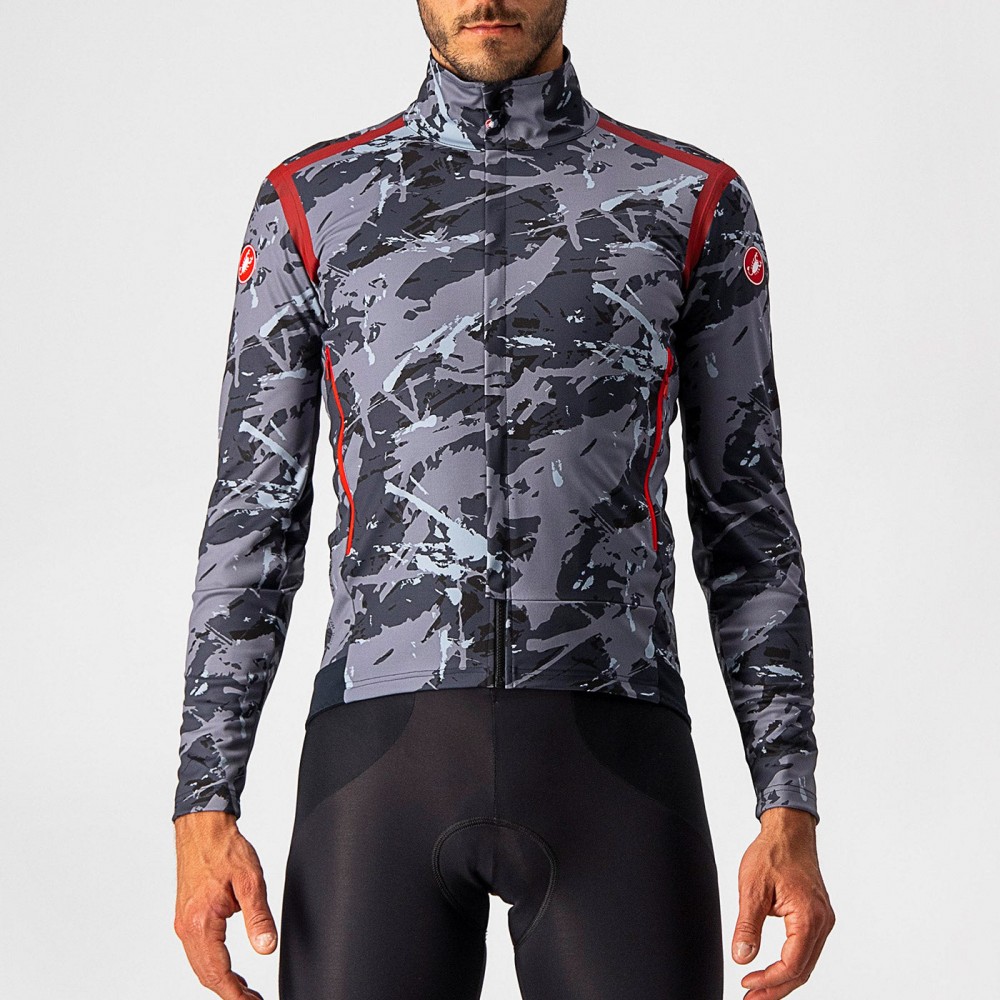
As customary, those who undertake the ride have a chance of winning a prize as a reward for their effort, since Castelli always holds a giveaway for a premium item of clothing. This month a long-sleeved jacket called the PERFETTO RoS LONG SLEEVE (Men’s version)  / PERFETTO RoS LONG SLEEVE (Women’s version) is up for grabs!

About the Perfetto RoS Long Sleeve Jacket

These items of clothing have brand new designs and I must say they’re pretty jazzy with their urban camouflage theme.  This item is from Castelli’s Premium line and as such comes with a premium price tag attached.  In Castelli’s own words, “It’s the one jacket that does everything well.”

Understanding the design of the jacket makes for some interesting reading, with Castelli noting that they “initially designed it as a cool-weather training and extreme-weather race piece for pro riders.” However, they note that “it excels in many conditions thanks to its full wind protection, great fit through stretchy fabrics, and best-in-class breathability.”

“RoS” denotes Rain or Shine as the jacket works in both scenarios thanks to GORE-TEX INFINIUM™ WINDSTOPPER® fabrics Castelli worked with Gore to develop.

Notably, this is Castelli’s best-selling jacket.

How to Win the Jacket

To win the jacket you need to stay close to the yellow beacon and at a set point a screenshot will be taken and the person nearest will win the prize.  For more information, visit their Strava club page here: Fonzaso, Belluno, Italy Club | Castelli Squadra Corse on Strava.


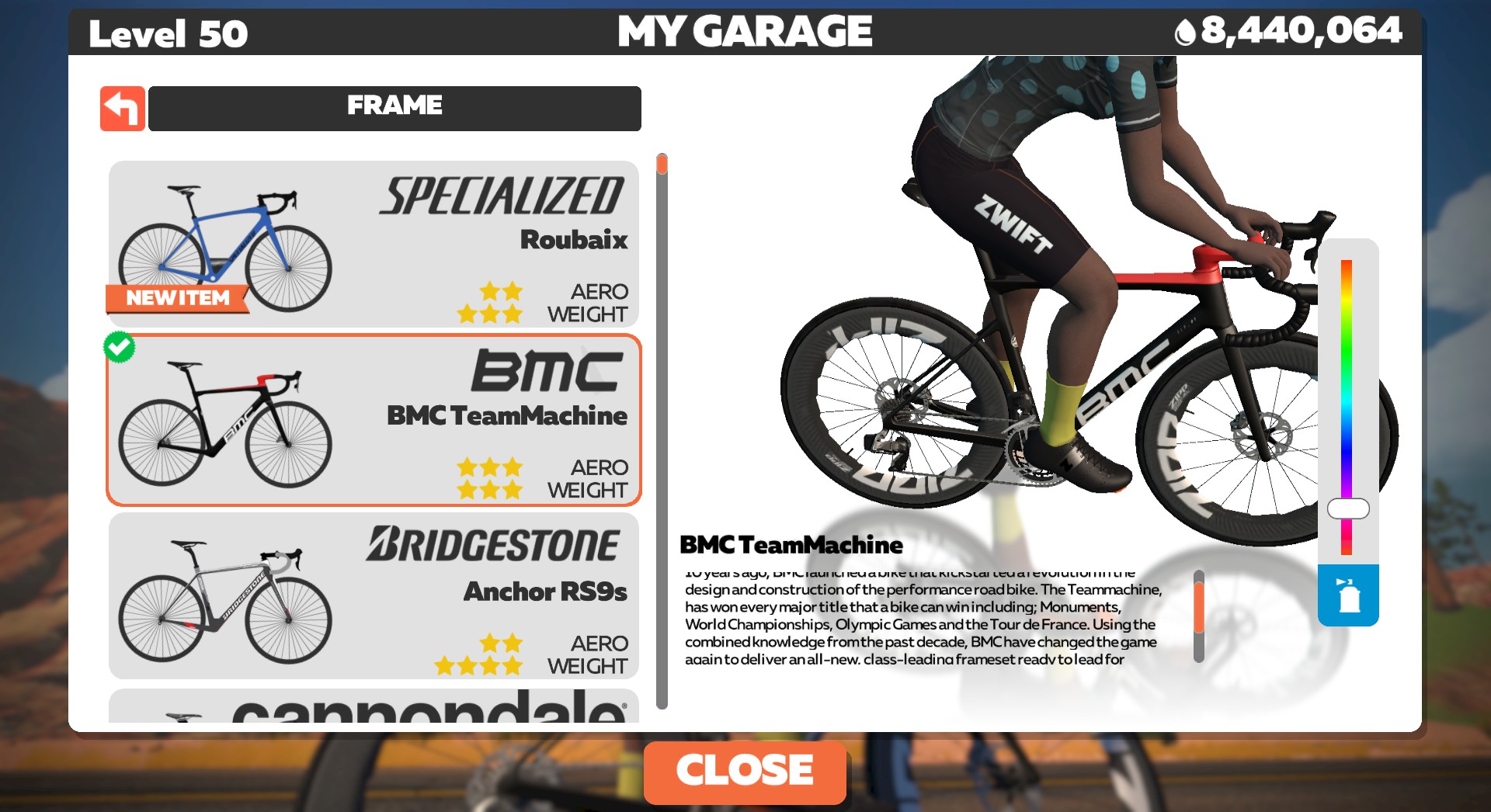
All About Zwift’s New BMC Teammachine Frame

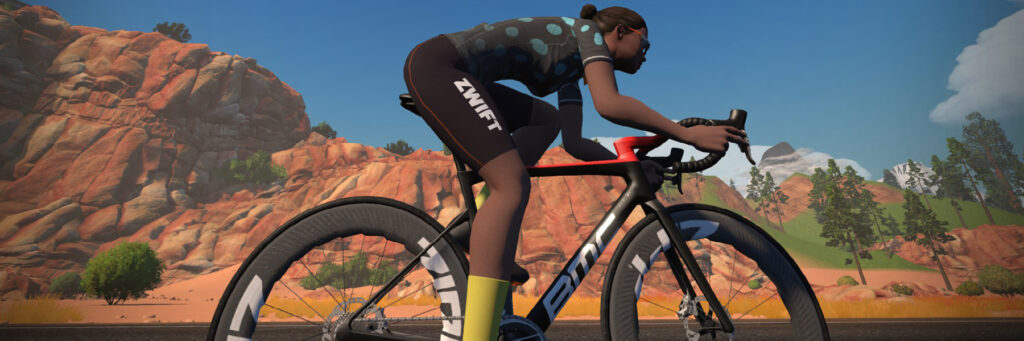
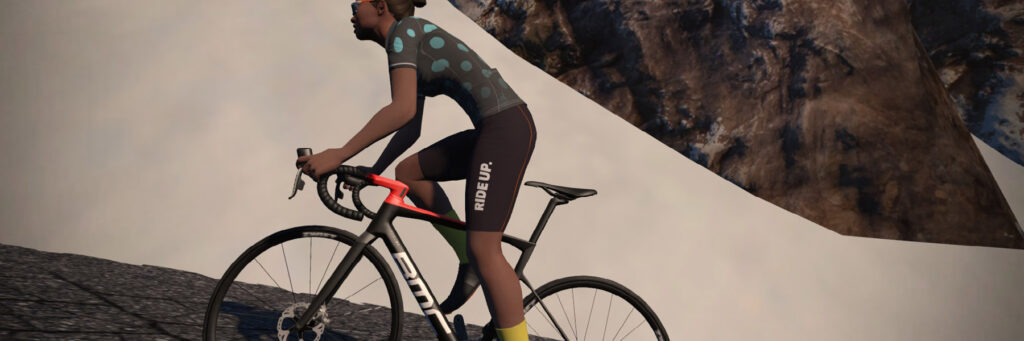
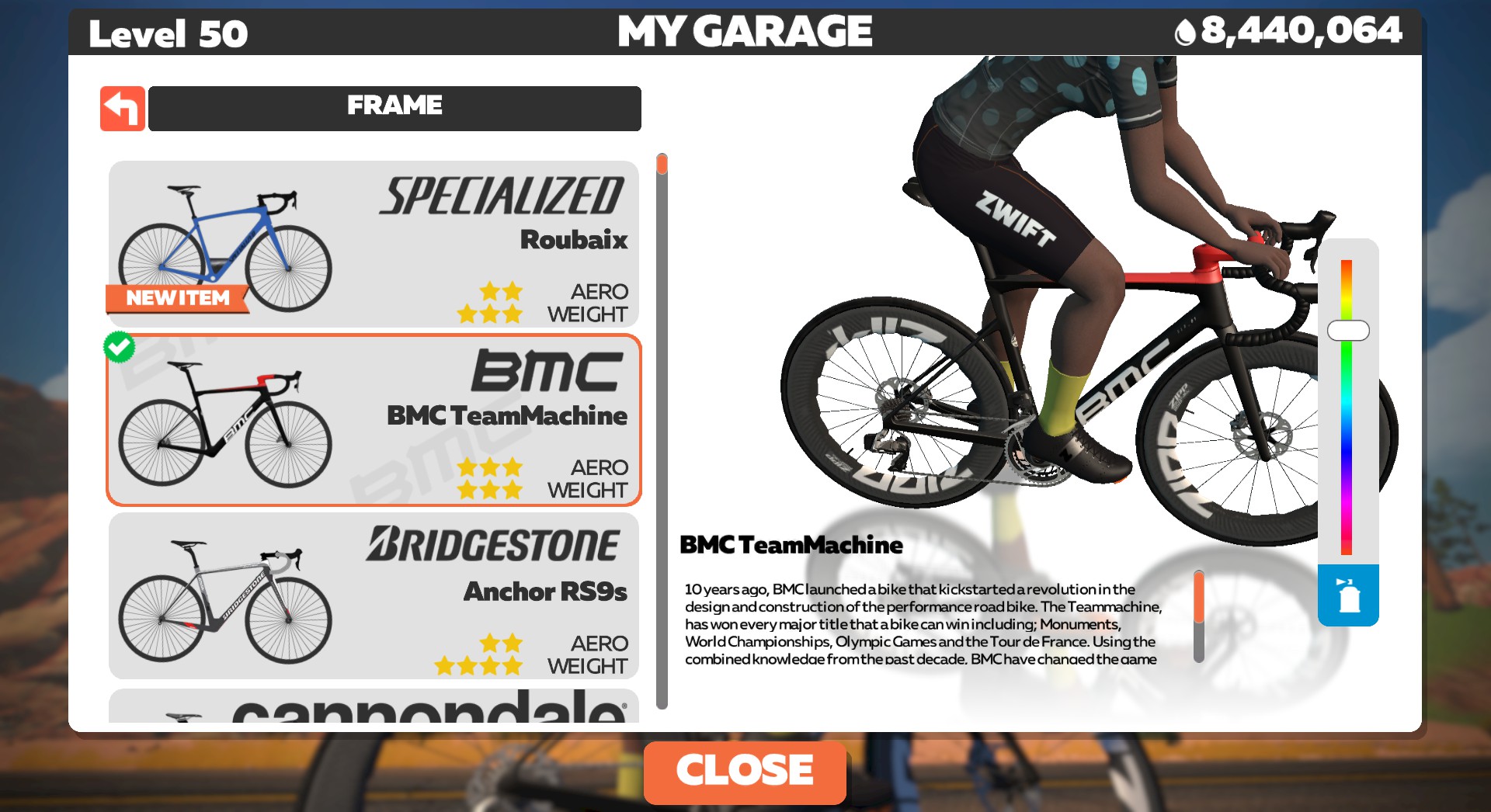
Zwift’s March update included the fourth frame in game from Switzerland’s BMC. Named the “Teammachine”, this frame is the updated version of the in-game frame named the “SLR01”, which is really just an older Teammachine. (A bit confusing, but so are BMC’s bike names, so this is par for the course.)

Here’s how the BMC Teammachine is described in the Zwift Drop Shop:

“10 years ago, BMC launched a bike that kickstarted a revolution in the design and construction of the performance road bike. The Teammachine has won every major title that a bike can win including Monuments, World Championships, Olympic Games, and the Tour de France. Using the combined knowledge from the past decade, BMC have changed the game again to deliver an all-new, class-leading frameset ready to lead for another 10 years.”

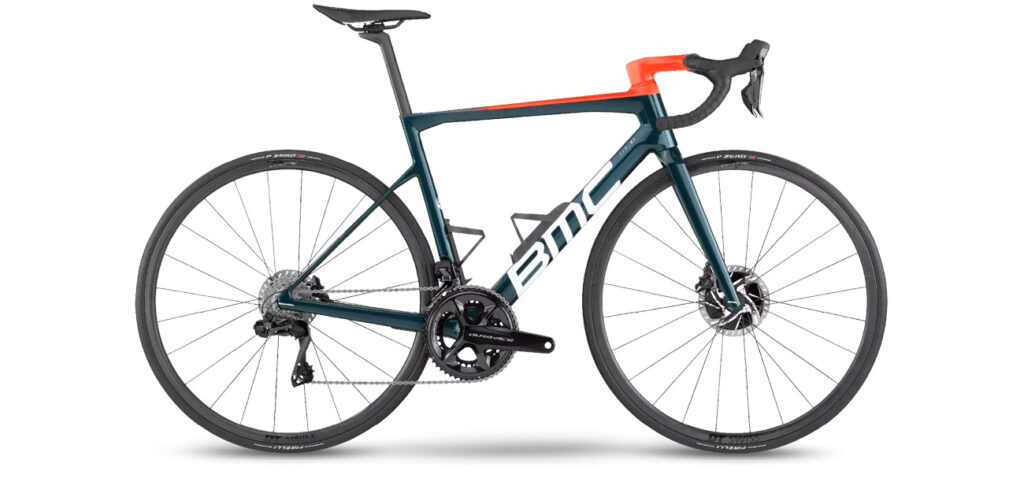
The BMC Teammachine SLR01 in real life

This frame is priced at 832,900 Drops and level-locked at 26. It is rated 3 stars for aero and 3 for weight, which means it’s at least somewhat aero and lightweight. But Zwift’s star ratings aren’t precise enough to communicate actual performance in game in a useful way, so we ran the new Teammachine through our standard battery of tests.

Here’s everything you need to know about the performance of the new BMC Teammachine frame in Zwift.

Aero (Flat/Rolling) Performance

The Teammachine turns in a mid-pack aero performance, matching the Liv Langma Disc at the 60th percentile.

Its test time of 51:29.5 is 6.5 seconds faster than the default Zwift Carbon frame given to all Zwifters. By comparison, the current fastest frame in Zwift (Specialized Venge S-Works) turns in a time of 51:17 on our test course, which is two laps of Tempus Fugit, totaling 34.6km.

Climb Performance

The frame’s climbing performance puts it in between the Cube Litening and Trek Emonda SL, which is to say its climbing performance is decent, but not great. The Teammachine ranks right around the 71st percentile compared to all the frames currently in game.

The BMC Teammachine turns in an Alpe climb time of 49:02.5. By comparison, the fastest climber in game (Specialized Aethos) completes the test is 48:50.

Note: all test results above are from a 75kg, 183cm rider holding 300W steady using Zwift’s stock 32mm carbon wheelset.

Broken Color Slider

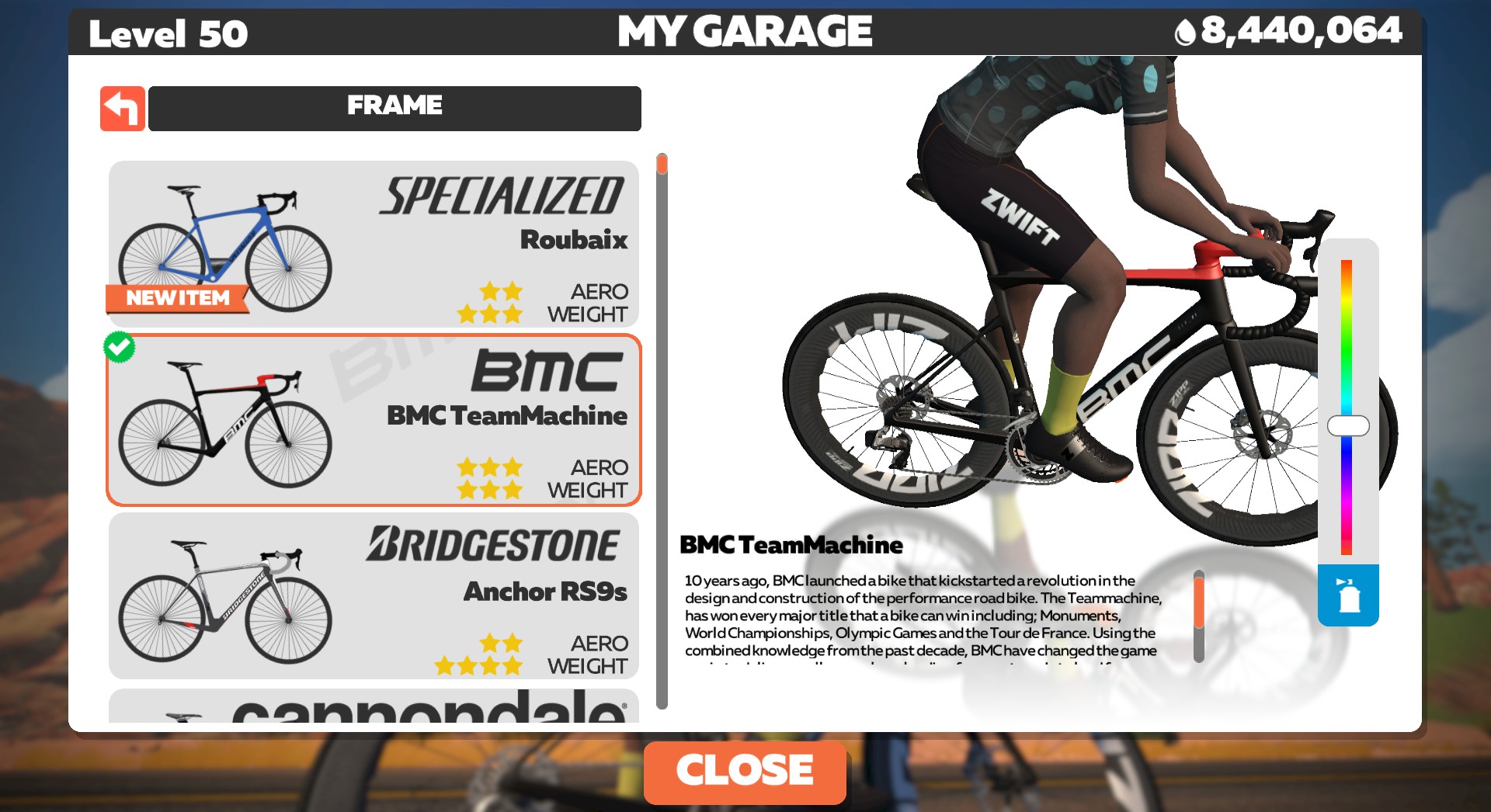
One odd bug with the Teammachine that we haven’t seen before with other frames is the broken color slider. No matter where you put the slider, nothing on the frame appears to change. Something for Zwift to fix in the next update.

Conclusions

The new Teammachine is an upgrade from the older “SLR01”, trimming 4.5 seconds off its climb time and 4 seconds off its flat time. So that’s a nice, sensible improvement if you’re a BMC fan.

But the frame’s overall performance doesn’t make it stand out from the crowd in any way. So we don’t think you’ll be seeing the Teammachine on Zwift’s roads in any significant numbers. It will be used in game mostly by sponsored riders and IRL BMC owners.

The BMC Teammachine’s numbers will be added to the following posts, and it can also be found on our Master Zwift Frames List:

Questions or Comments?

Share below!

Important note: this post contains speed test results for Zwift frames or wheels. These results may change over time, and a bike's performance relative to others may also change. We don't always revise posts when performance rankings change, but we do keep current, master versions of our speed test results which are always available. See the frame charts, wheel charts, and Tron vs Top Performers for current performance data.