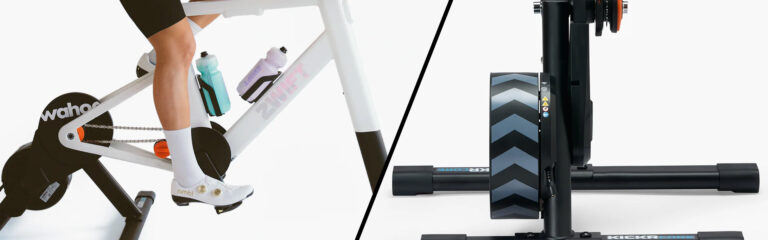
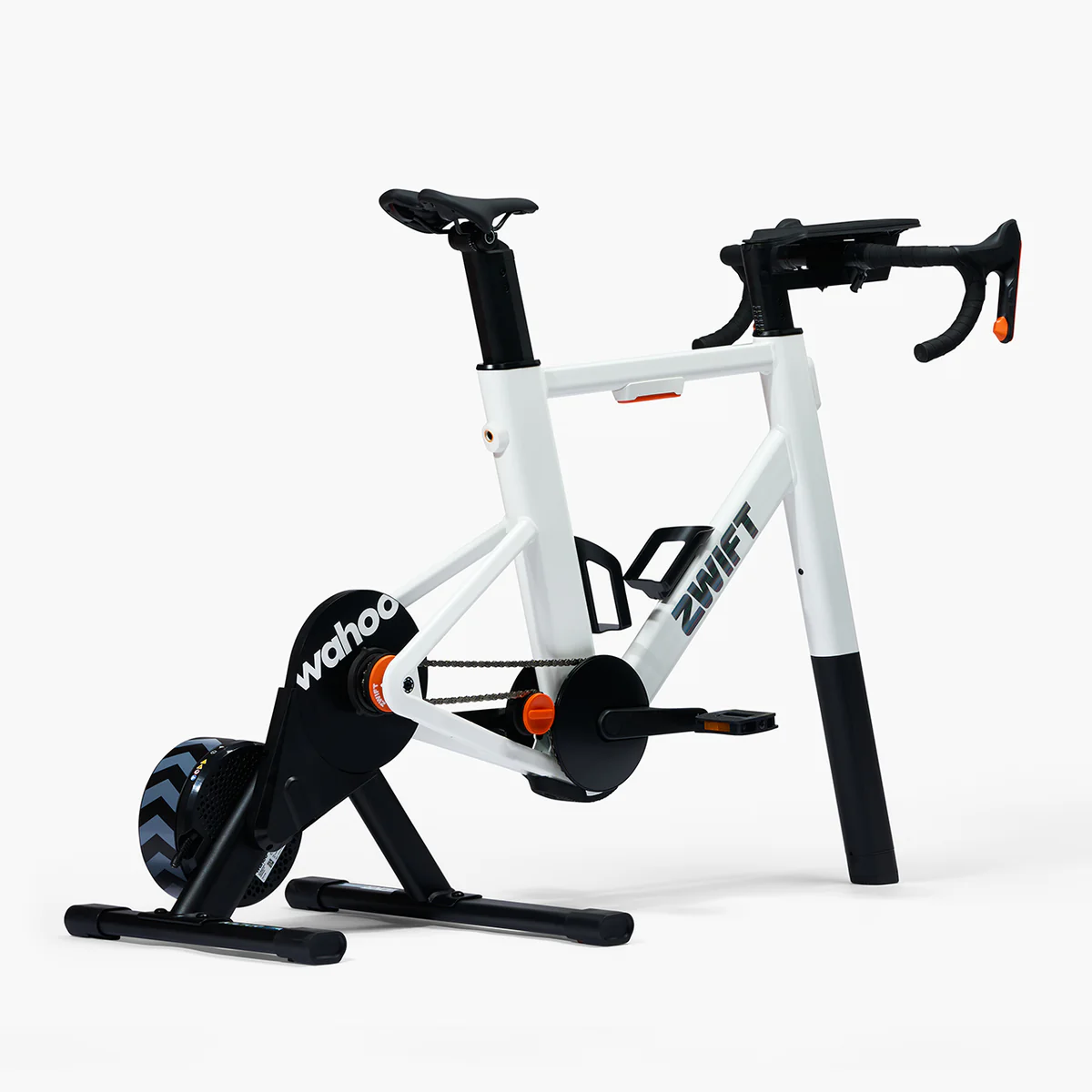
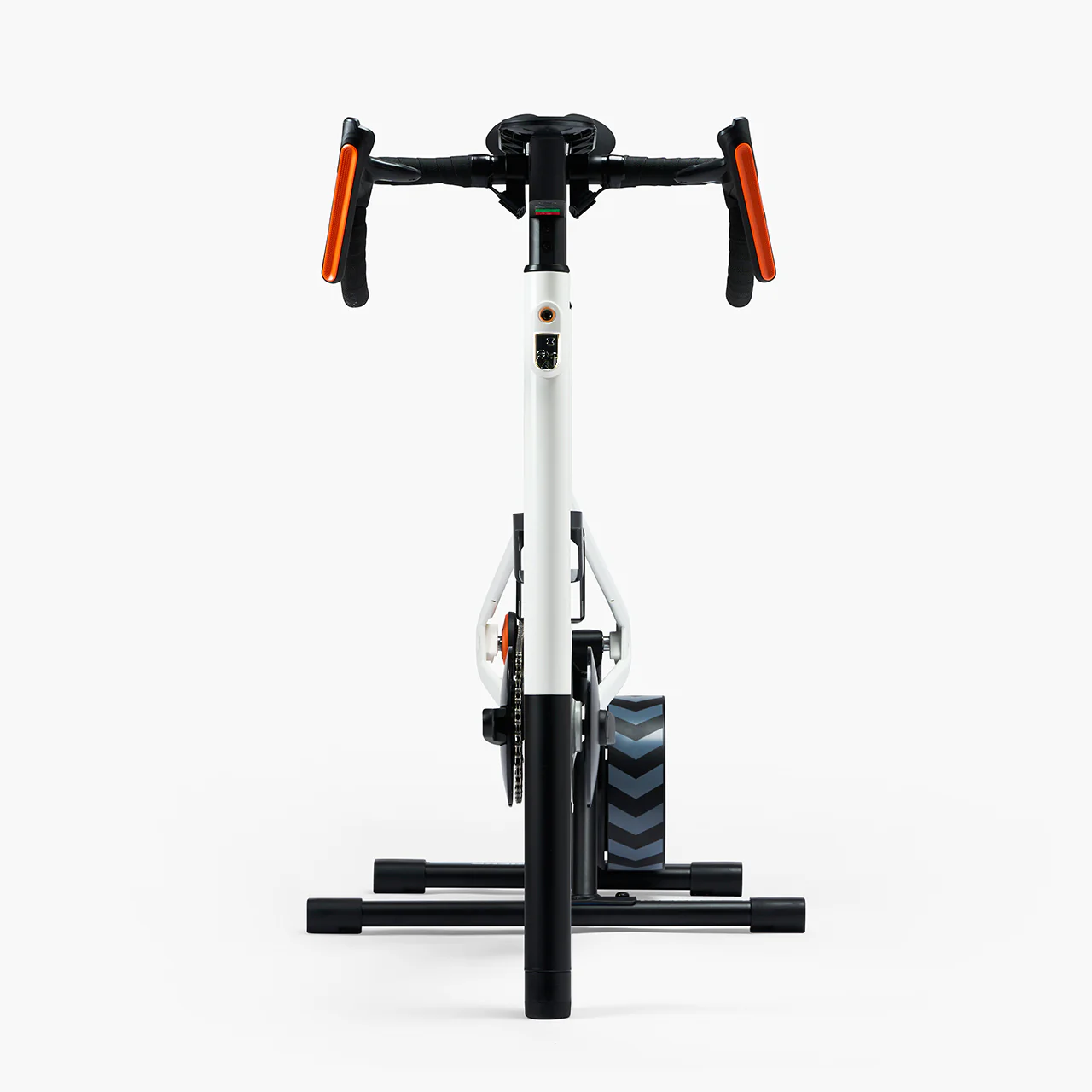
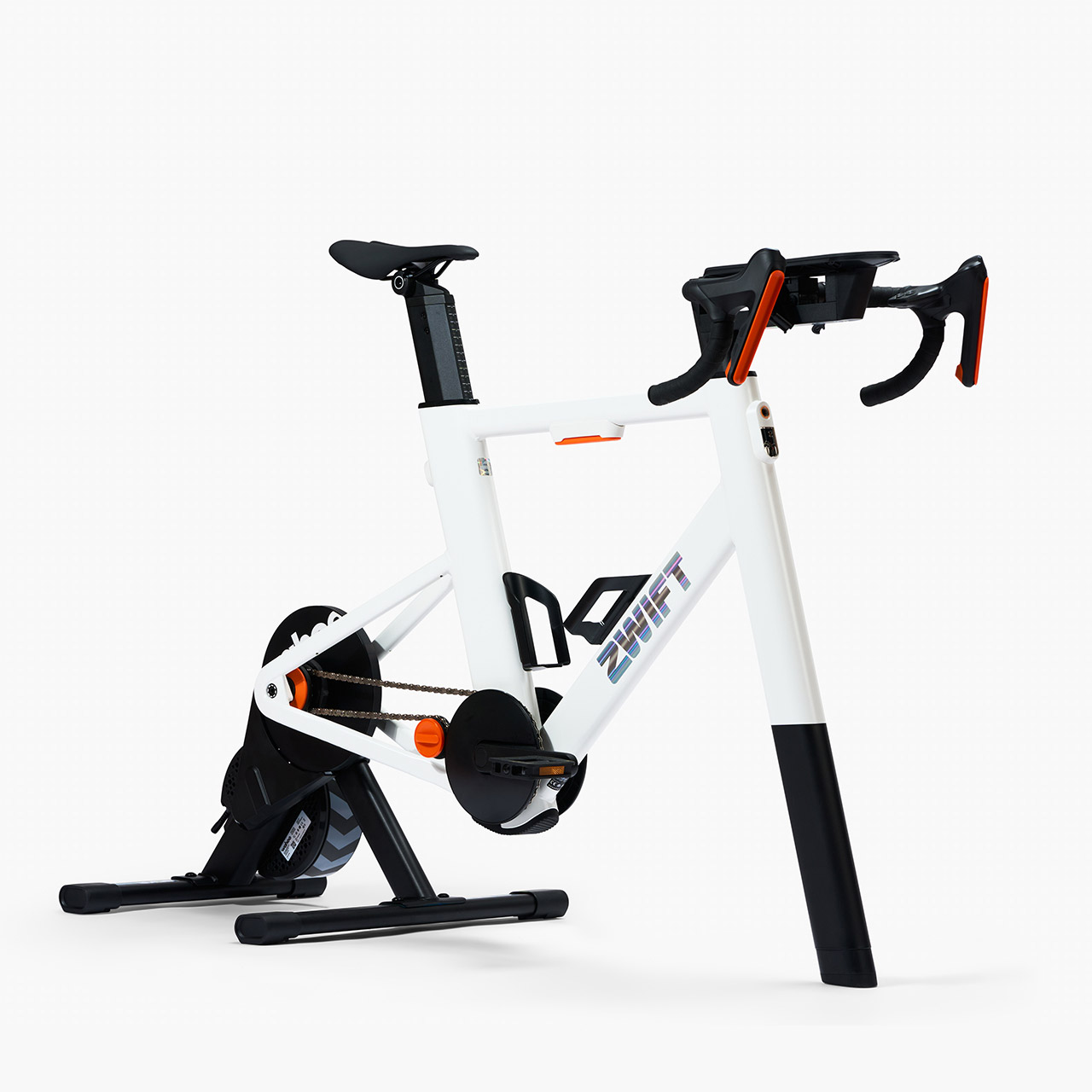
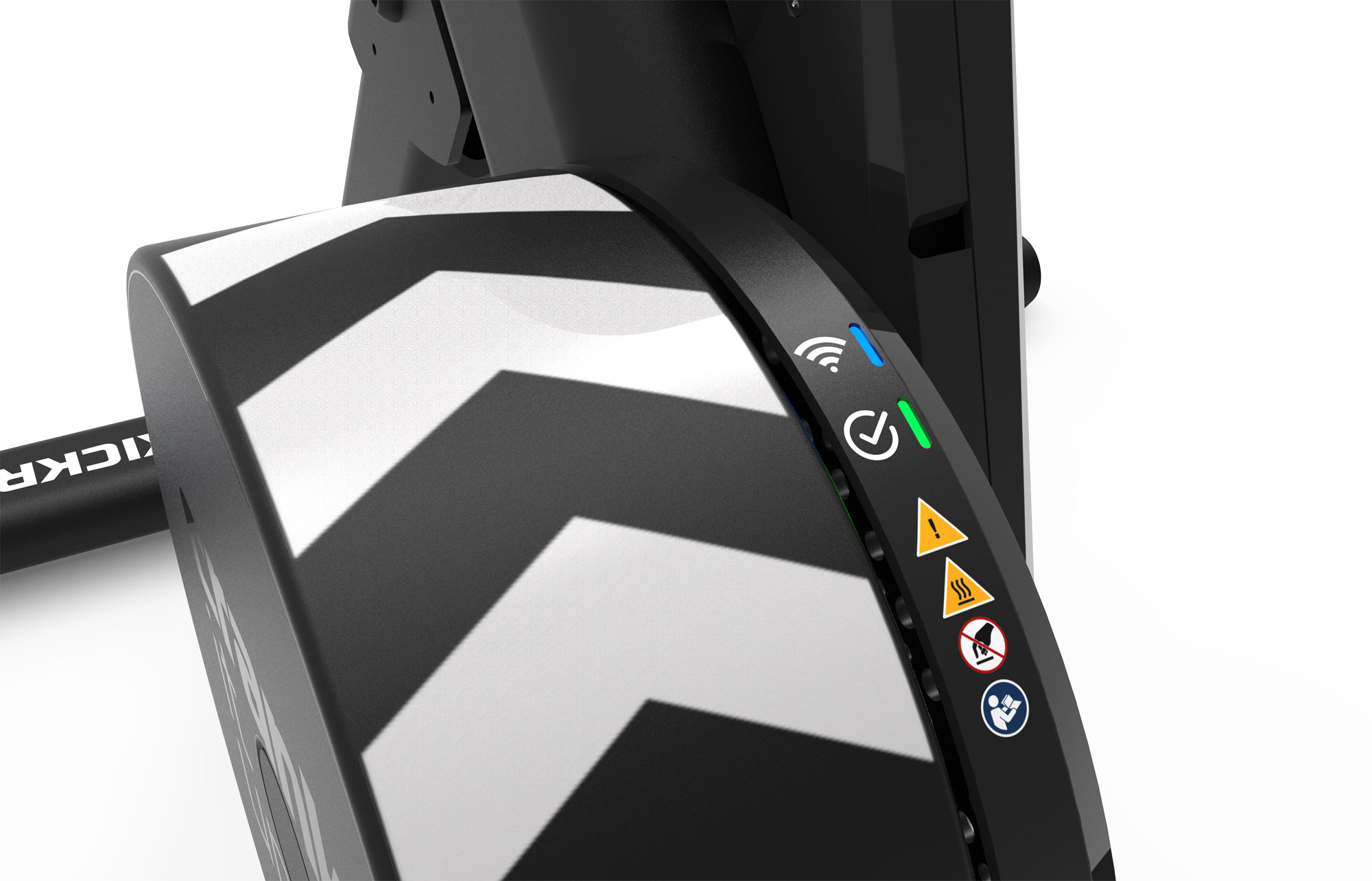
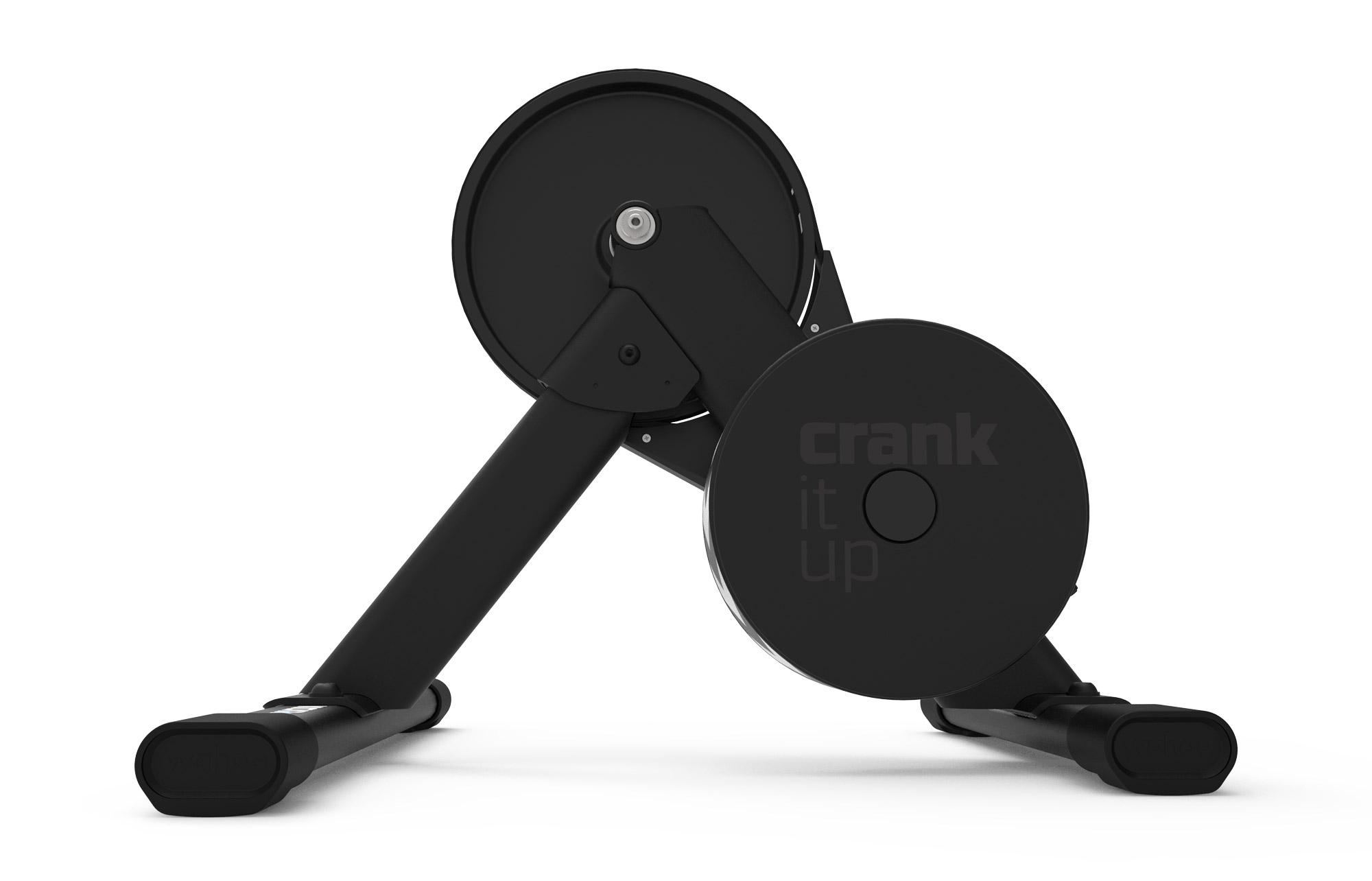
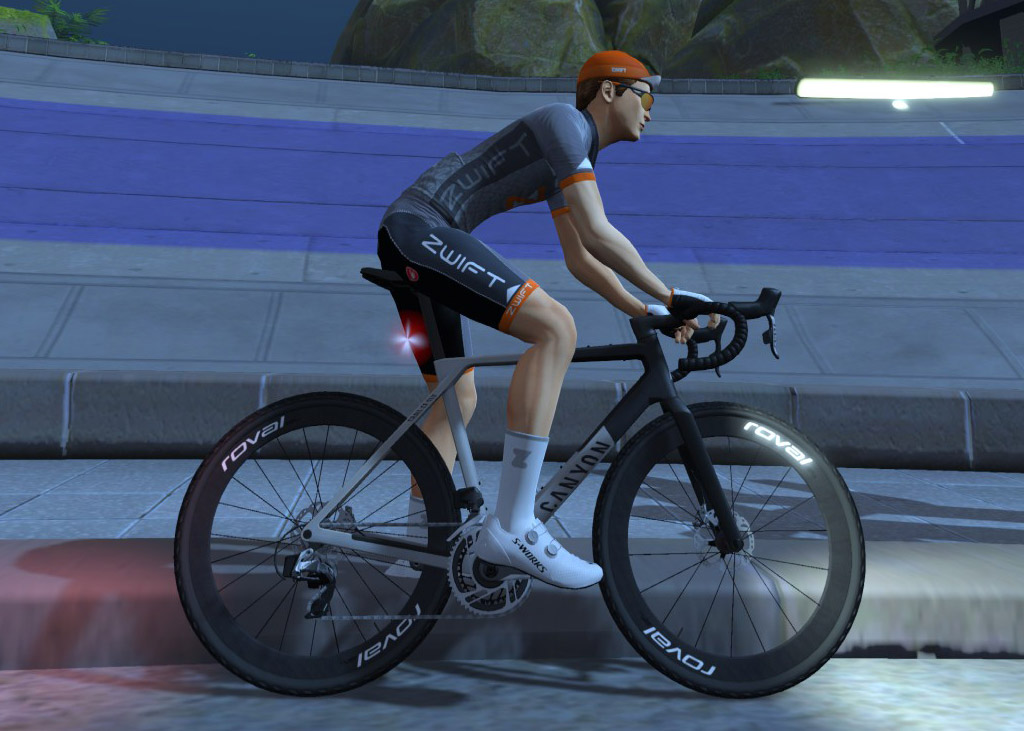
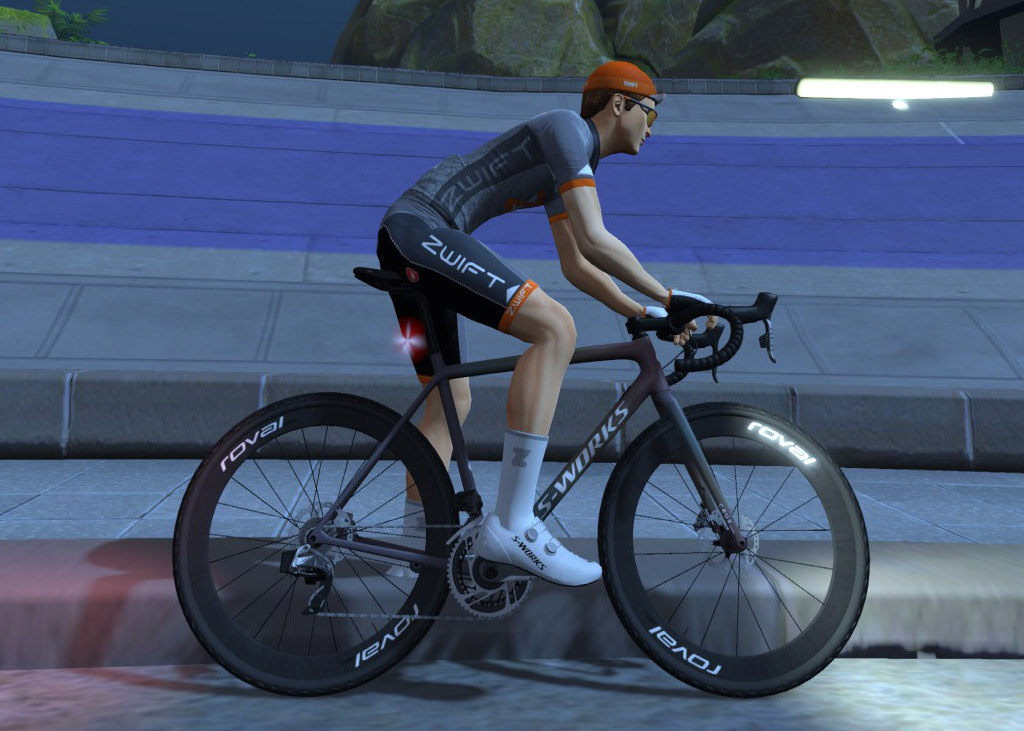
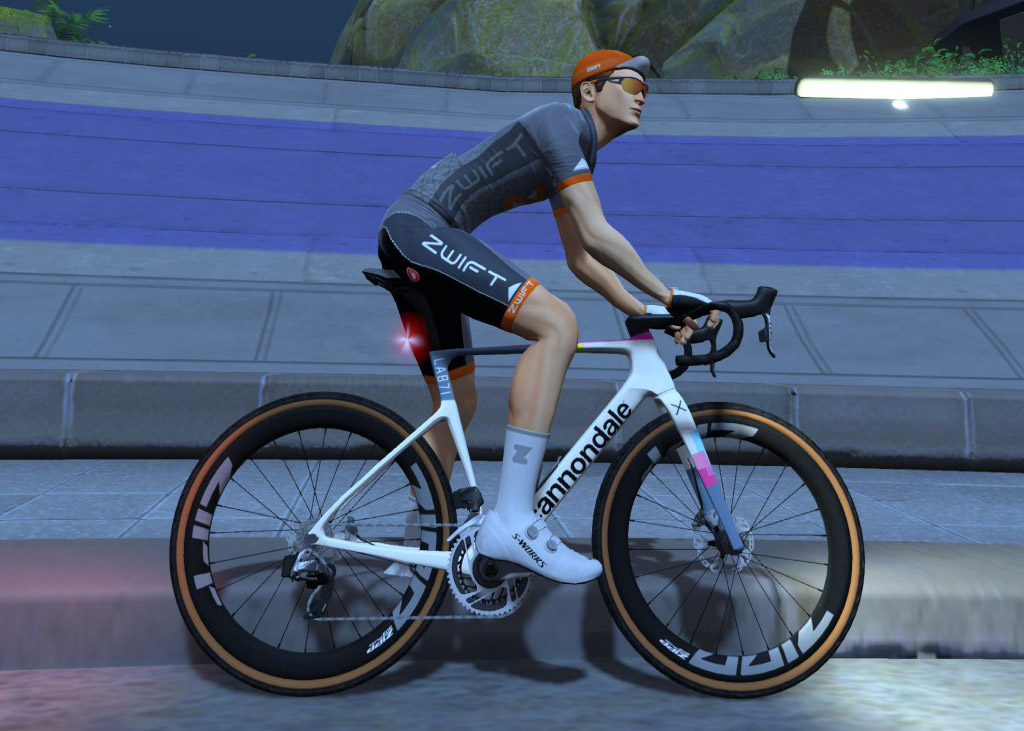
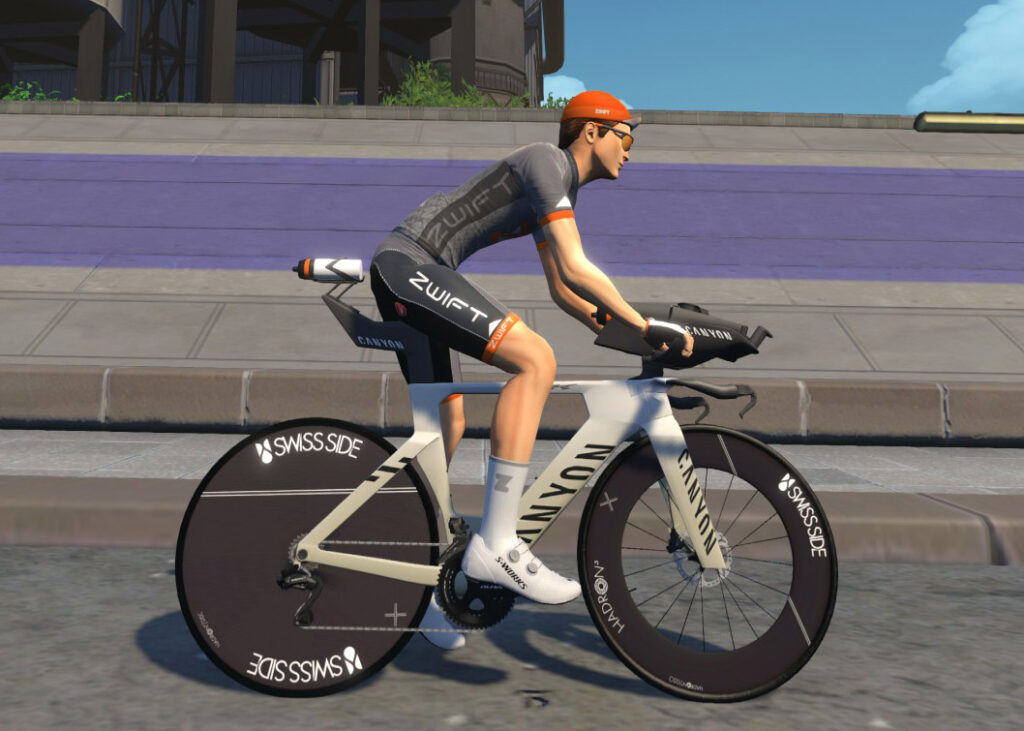
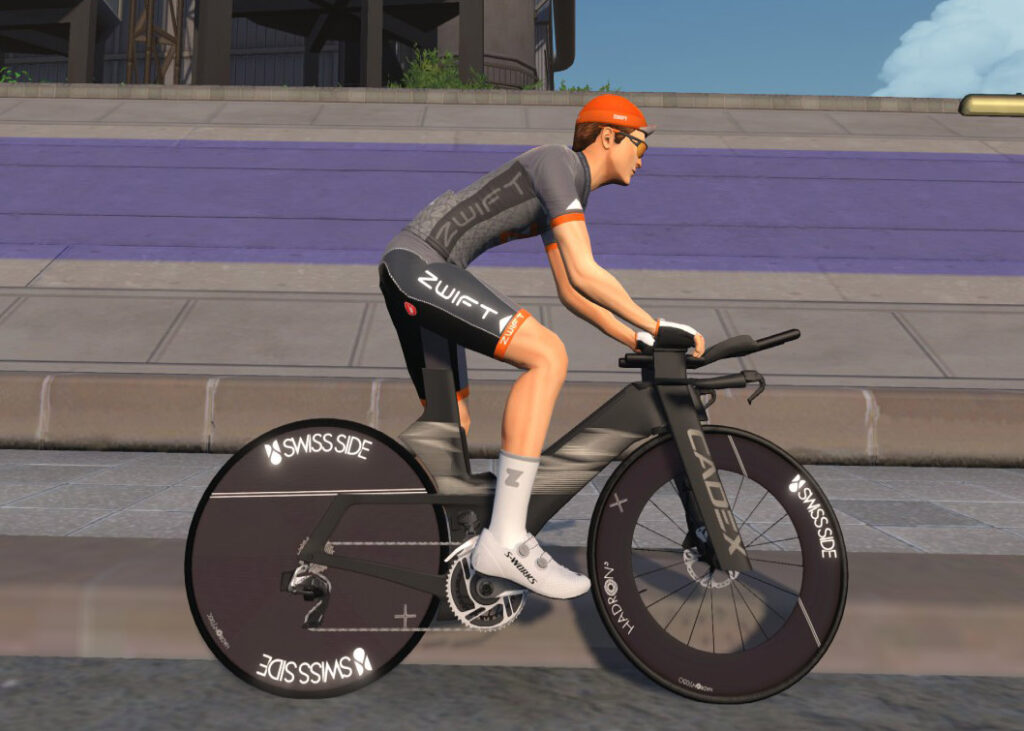
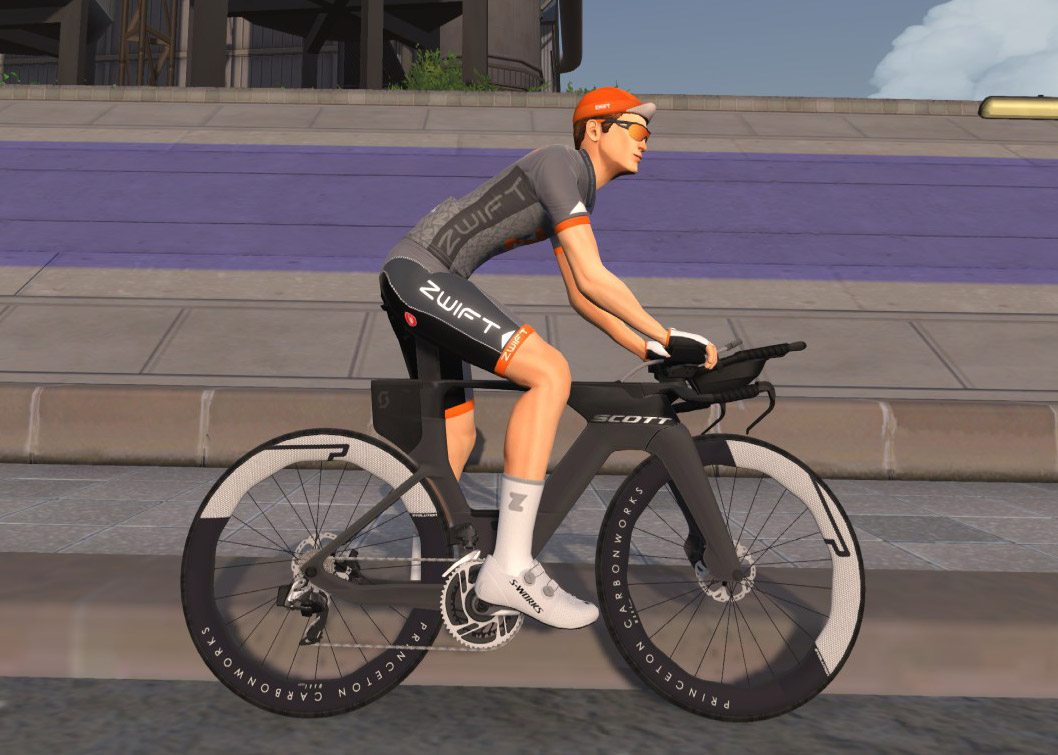
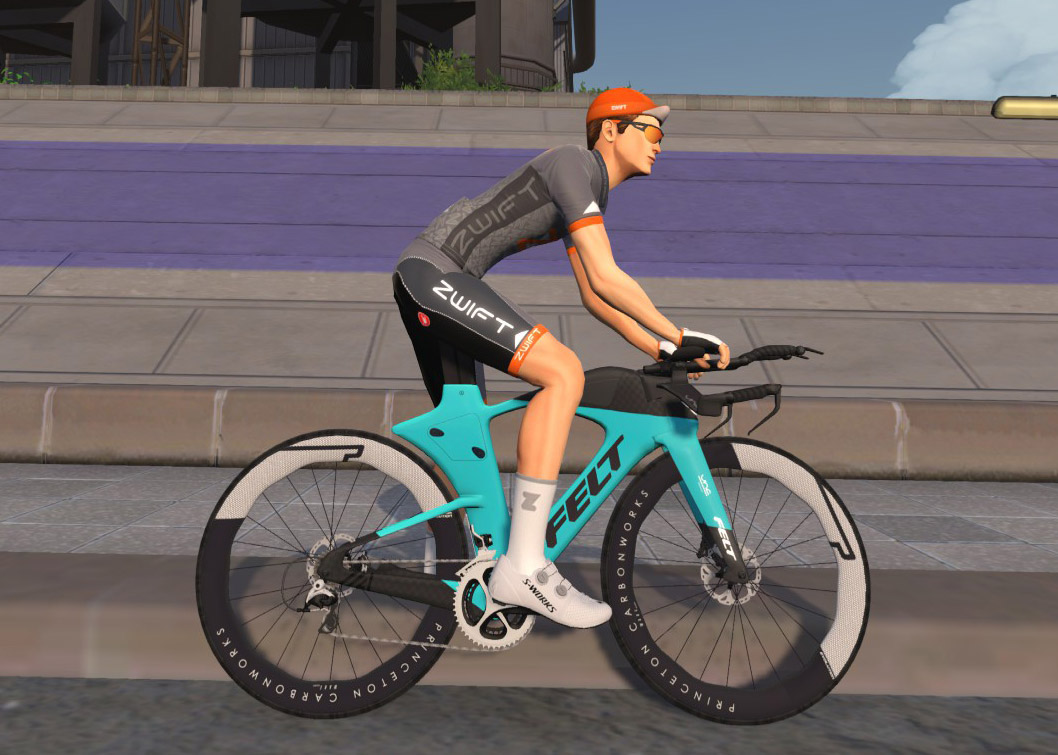
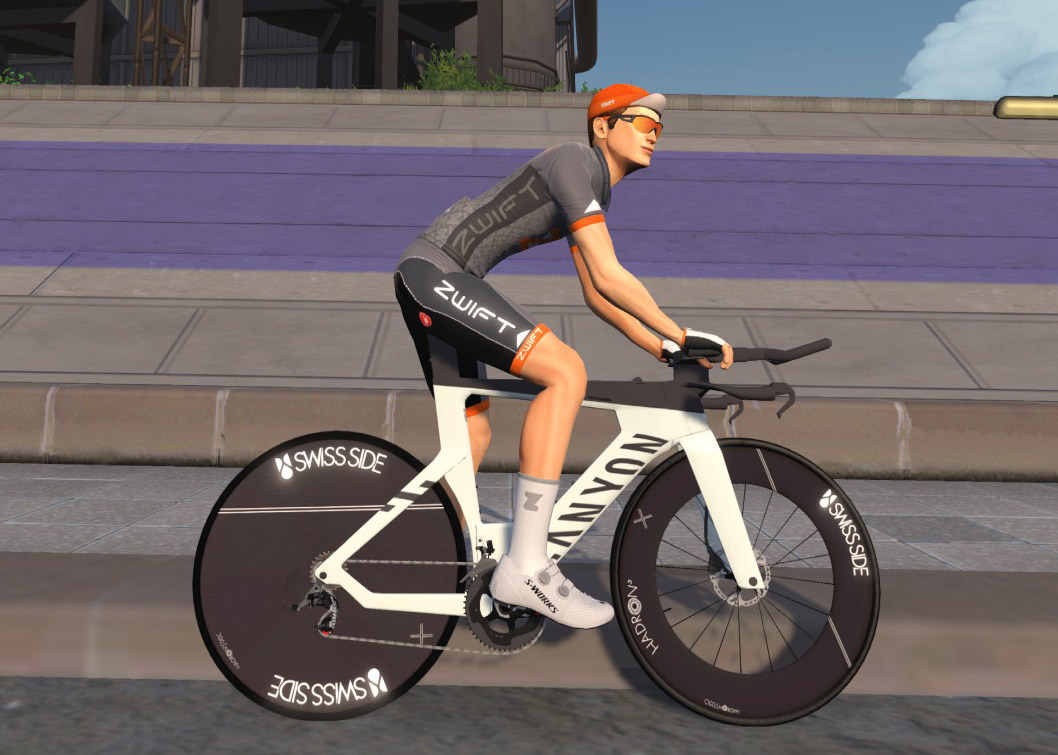
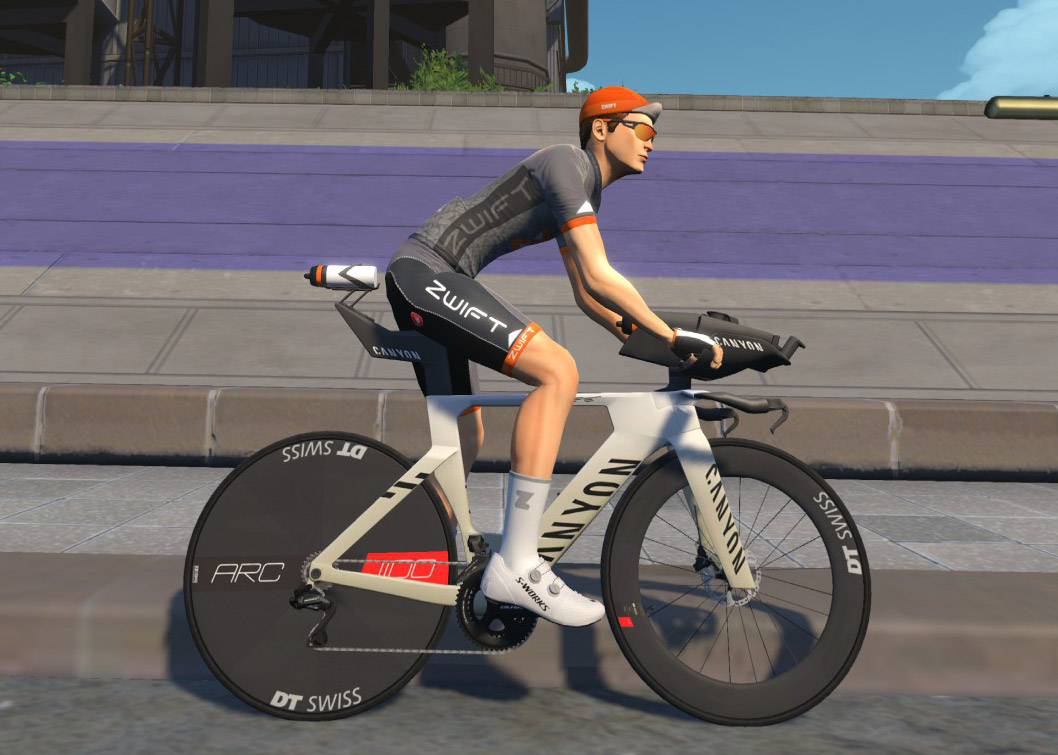
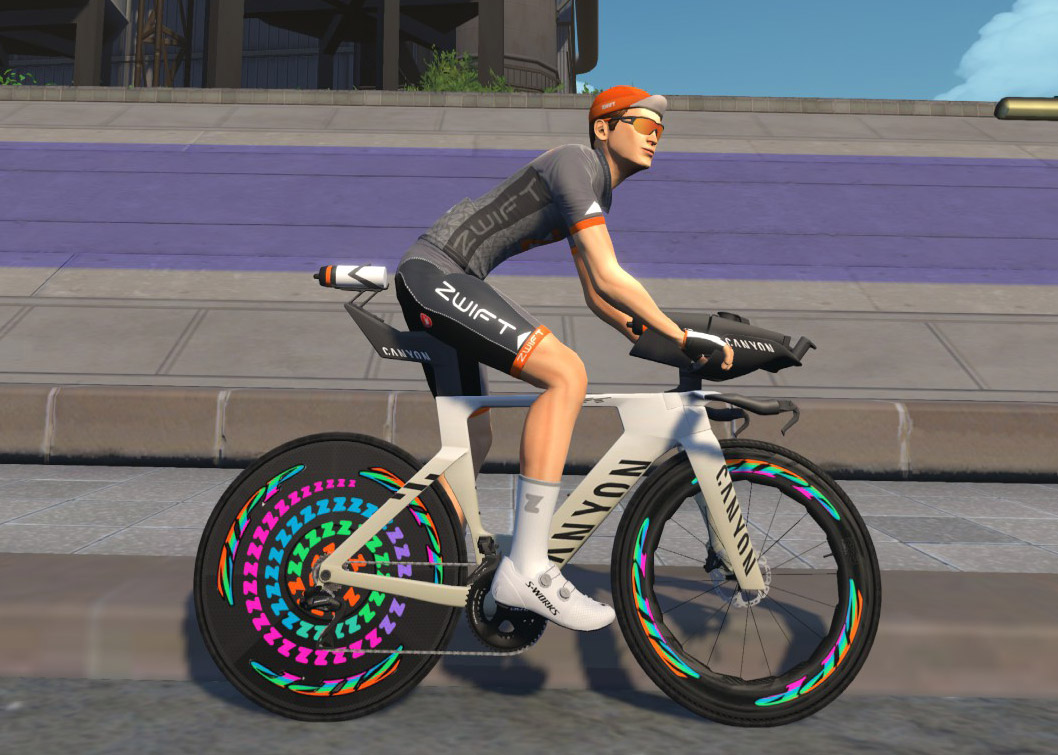
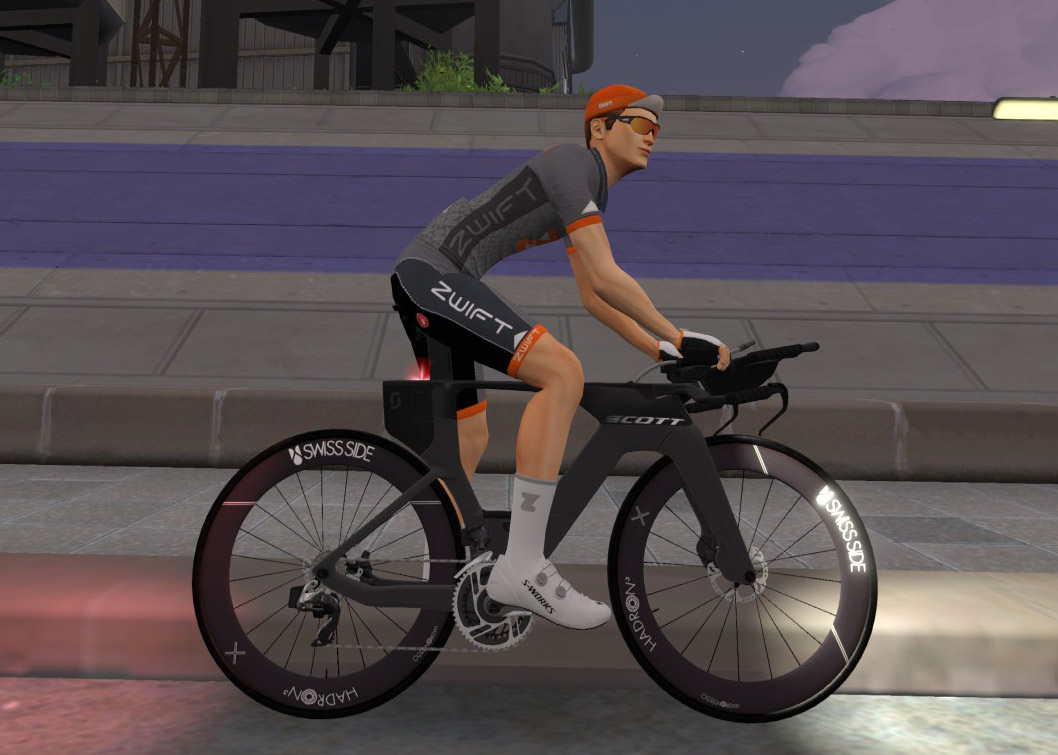
The Zwift Ride delivers a high-quality Zwift riding experience in a complete, full-featured package. That includes the smooth reliability of virtual shifting, the consistent connectivity of the KICKR CORE 2, and an easily adjustable frame so you can dial in your fit.
Note: if you purchase the Ride bundle via the links above, Zwift Insider will be paid an affiliate commission by Zwift to help support this site. Thanks!
Zwift offers three add-ons for the Ride frame:
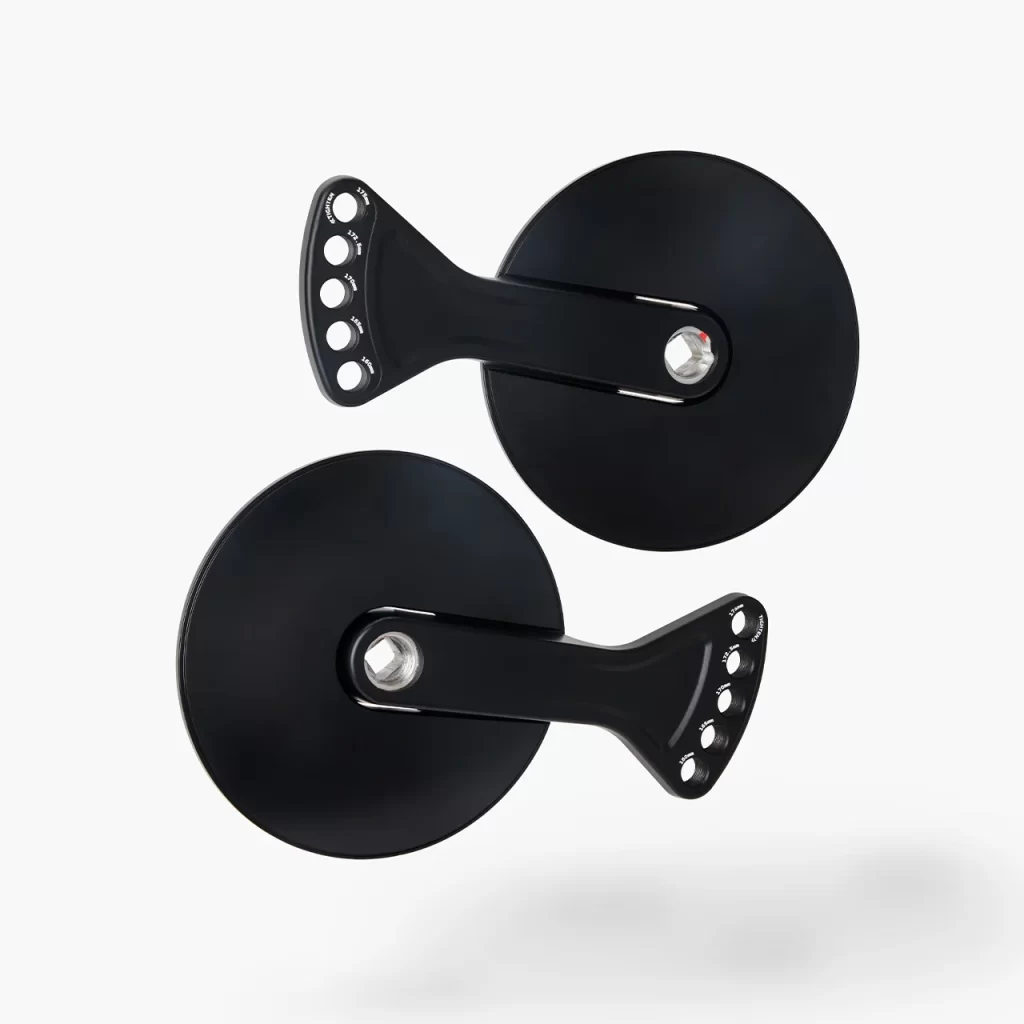
Adjustable Crank Arms
The Zwift Ride frame ships with 170 mm cranks, but you can purchase Zwift Ride Adjustable Crank Arms for $99US. These support 5 crank length options: 160 mm, 165 mm, 170 mm, 172.5 mm, and 175 mm.
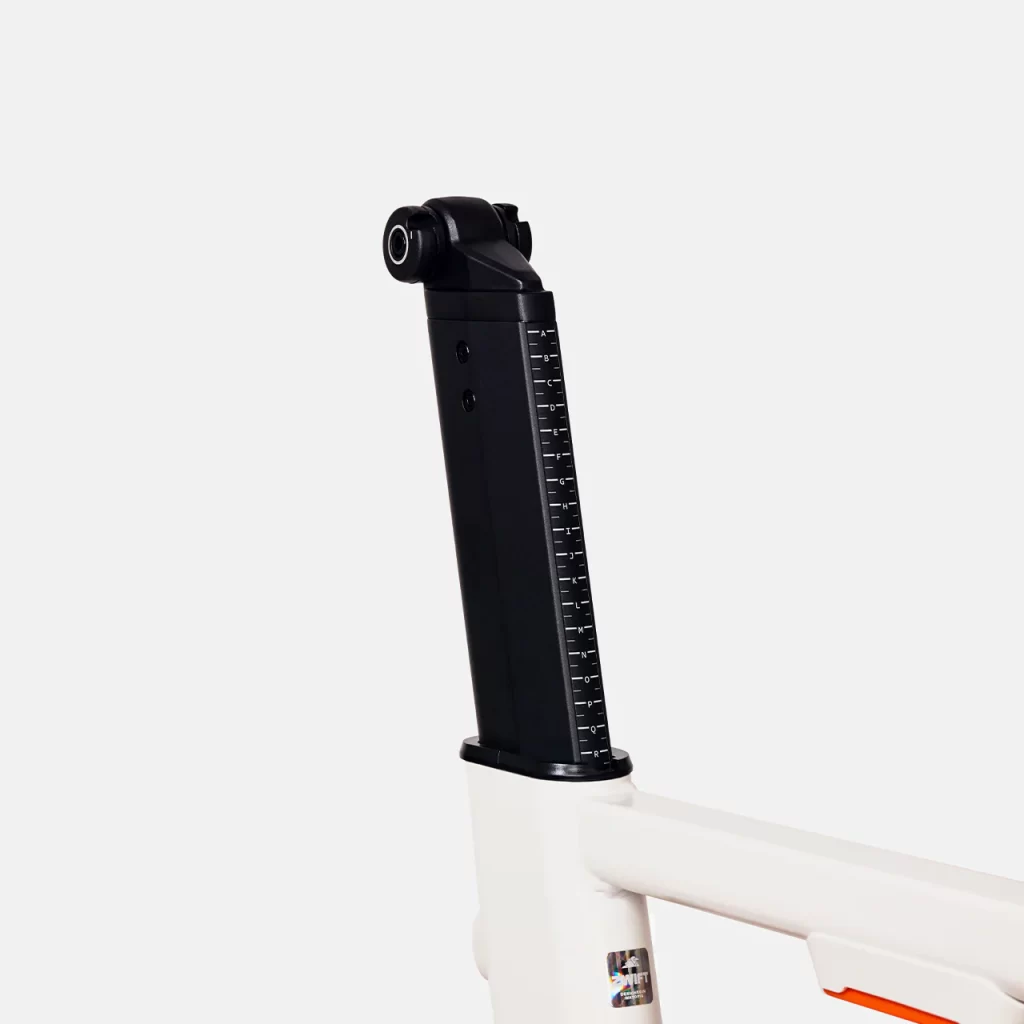
Multi-User Seatpost
The Zwift Ride frame is easily adjustable for riders of various sizes, but cyclists are often quite particular about which saddle they use. Households with multiple users may want to purchase an extra Zwift Ride Seatpost, so each user can mount their preferred saddle and simply swap out the entire post.
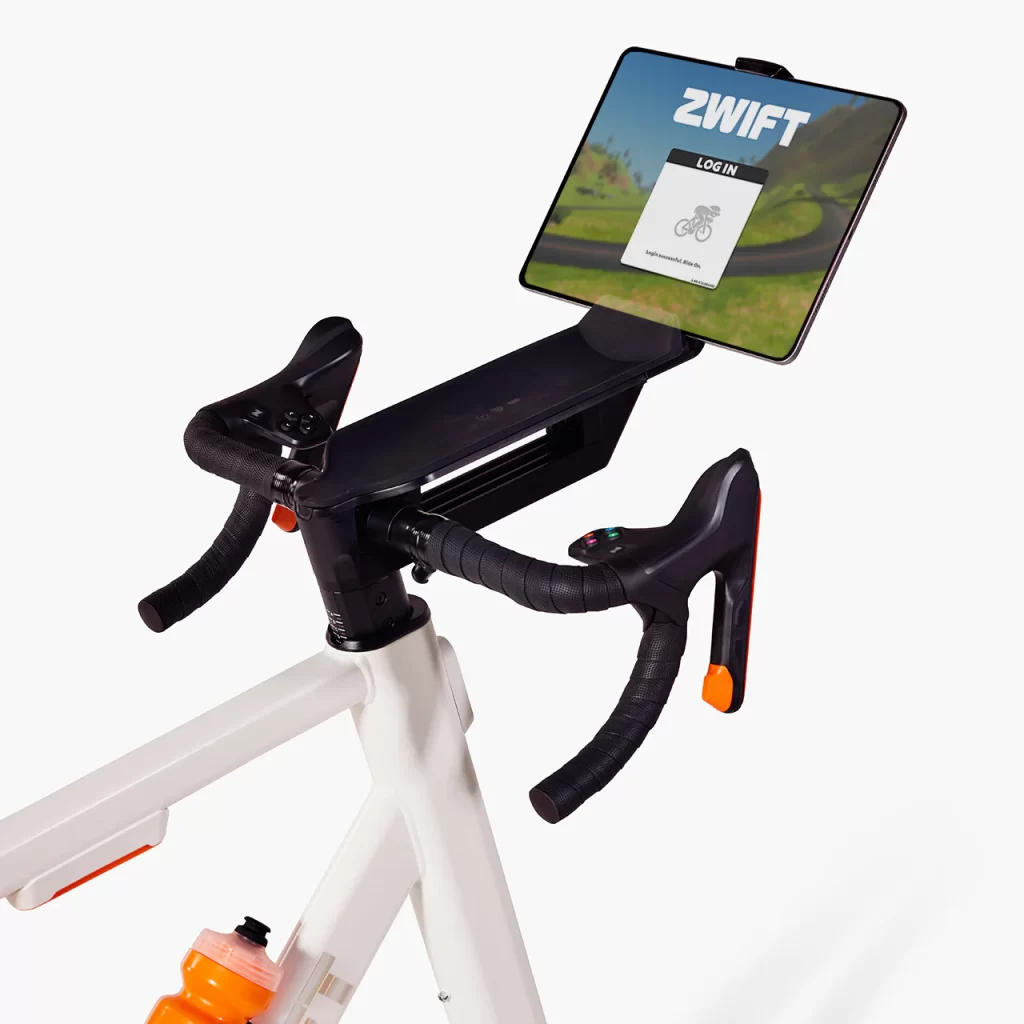
Tablet Holder
Zwifting on an iPad/tablet? The Zwift Ride Tablet Holder mounts securely to the front of the Ride frame, keeping your setup clean and compact.
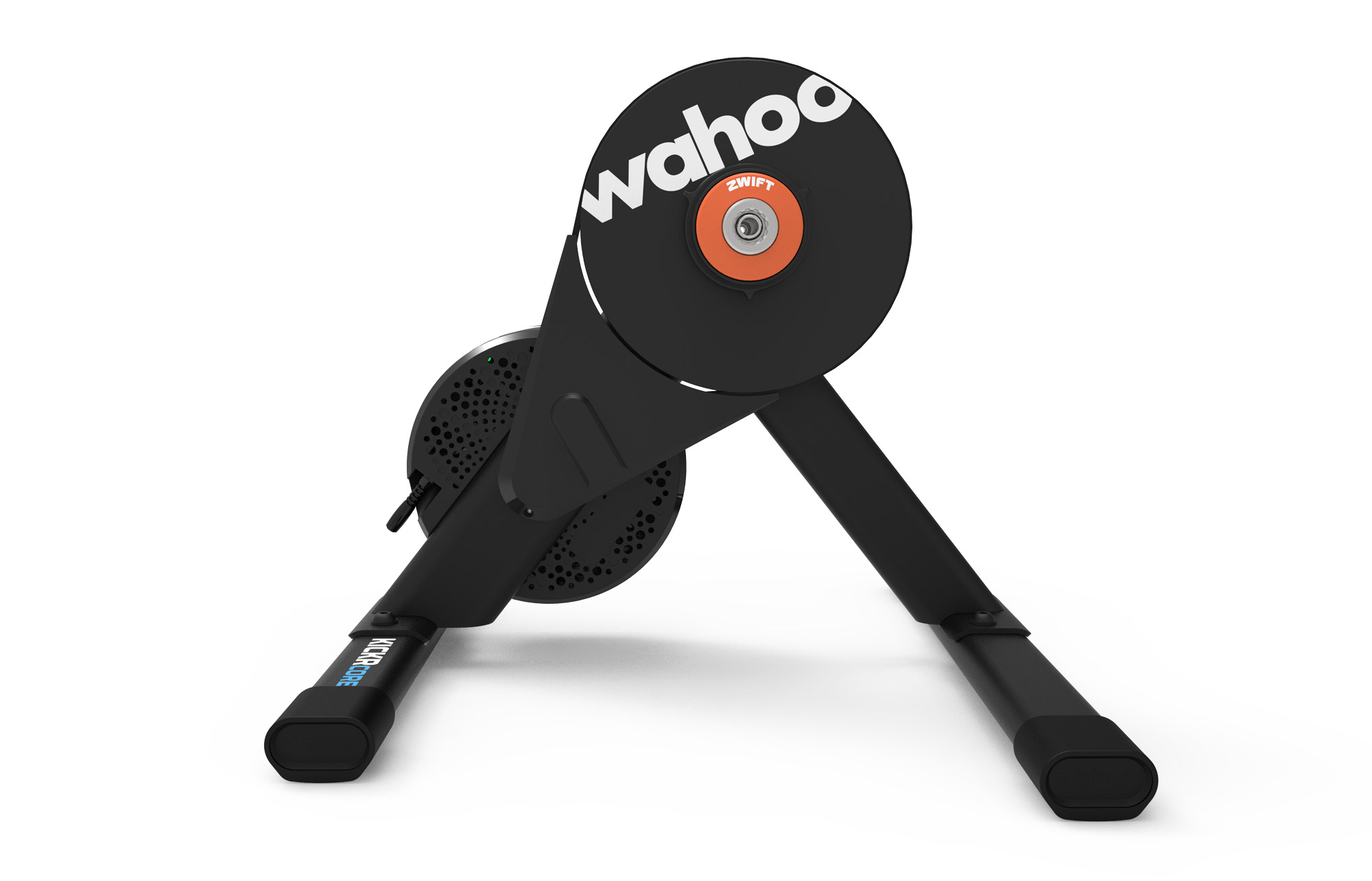
Wahoo KICKR CORE 2
Already have a bike, but want a reliable and affordable smart trainer? Wahoo’s latest CORE smart trainer builds on the reliable and well-regarded original CORE, adding integrated WiFi, more stability, and race mode for ultra-fast power data. Simply put: you won’t find a more reliable, accurate, and feature-packed trainer at this price.
Note: if you purchase the KICKR CORE 2 via the links above, Zwift Insider will be paid an affiliate commission by Zwift to help support this site. Thanks!
Your chosen bike frame and wheelset both affect speed in Zwift, so it makes sense for racers to do a little research and choose the best tool for the job. This is especially important in a time trial (TT) race, since there is no drafting and all your speed is entirely dependent on you and your bike!
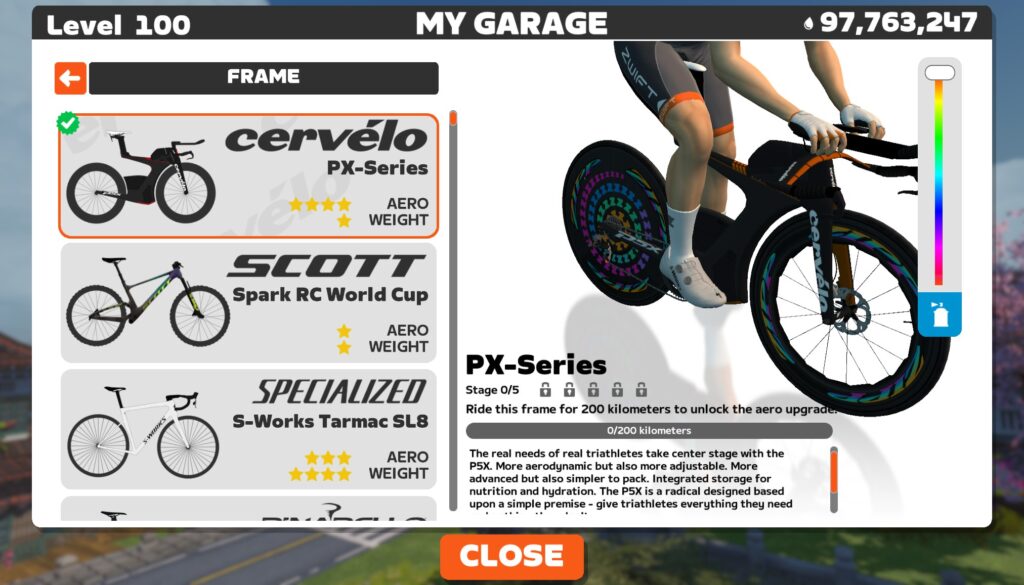
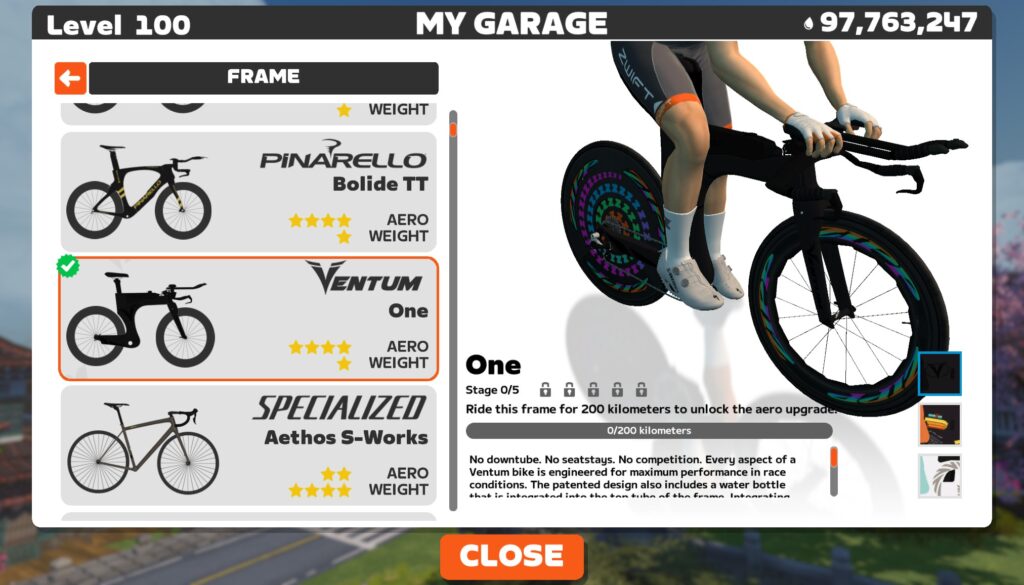
While Zwift’s 4-star rating system for weight and aero is simple and easy to understand, performance varies even among frames with the same star ratings, because the stars are just an approximation. On top of that, Zwift’s addition of bike upgrades means racers need to take into account how a frame will perform when fully upgraded, not only when it’s first purchased.
Therefore, we’ve created several charts ranking all the TT bike frames based on their performance on flat roads and climbs, in un-upgraded and fully-upgraded states.
If you’re just looking for recommendations on what to buy, here are some helpful posts:
Note: To simplify the charts, we have excluded frames no longer sold in the Drop Shop. Data on these charts is automatically updated as we perform fresh testing, so what you see below is always an accurate reflection of what’s in game.
Time Savings Over 1 Hour (Stage 0 Frames)
We begin with a simple chart showing how much time a particular frame will save you across 1 hour of riding at 300W (4 W/kg) compared to the most basic TT frame in game (the Zwift TT). These are “stage 0” frames, meaning no performance upgrades have been applied.
The chart is sorted from the best-performing frames to the worst, and you can sort based on flat performance or climb performance.
Time Savings Over 1 Hour (Stage 0 Frames)
Flat savings
Climb savings
Takeaways
When sorted by flat performance, you can easily see that the bottom ~5 frames have similar CdA (aero) settings in Zwift.
If you sort by climb performance, the speed falloff from one bike to the next is more even across the board. (This applies to road bike frames as well.)
The Canyon Speedmax CFR is the clear winner here, both on climbs and flats. The Trek Speed Concept and Ventum One, on the other hand, are both clear losers with their startlingly poor climbing performance.
Time Savings Over 1 Hour (Stage 5 Frames)
This chart is just like the one above, except these are “stage 5” frames, meaning all possible performance upgrades have been applied.
Use the toggle to sort based on flat performance or climb performance.
Time Savings Over 1 Hour (Stage 5 Frames)
Flat savings
Climb savings
Takeaways
We shouldn’t see any major rankings changes here in terms of flat or climb performance, since all frames receive the same upgrades between stages 0 and 5.
Except there’s a bug (see “Misconfigured Frames” below), which means the Cervelo PX-Series and Ventum One both drop several slots between stage 0 and 5 in terms of flat performance, while improving more than the other frames in climb performance.
Apart from the misconfigured frames, all other frames gain roughly the same performance improvements between stage 0 and 5. (This test data has a margin of error of approximately 1 second, so you’ll see the frames reshuffled a bit due to this.) That performance improvement is almost 50 seconds on the flats, which is huge in a TT!
Time Savings, Stacked (Stage 0 vs Stage 5 Frames)
Next, we have one of our favorite charts, ranking frames based on total time savings across our flat and climbing tests. This chart lets you easily see the best all-around performers, and whether their performance leans to the aero or climbing side.
Use the toggle to see data for stage 0 frames, or fully-upgraded stage 5 frames.
Time Savings, Stacked (Stage 0 vs Stage 5 Frames)
Flat savings
Climb savings
Takeaways
There is clearly one TT frame sitting at the top: the Canyon Speedmax CFR. The Cadex Tri, Felt IA 2.0, and Scott Plasma RC Ultimate follow afterward with similar overall time savings, although the Cadex gains its time in the flats, while the Scott and Felt gain time in the hills.
Time Savings for Climbing (2 W/kg vs 4 W/kg)
Some readers have asked us to show frame performance at lower power numbers, which is a perfectly reasonable request. Here’s a chart, sorted by climb savings, which you can toggle between 2 W/kg (150W) and 4 W/kg (300W).
Time Savings for Climbing (2 W/kg vs 4 W/kg)
Flat savings
Climb savings
Takeaways
Making this change has the interesting effect of making lightweight bikes move up the climb rankings while the more aero-focused bikes drop.
This makes sense, of course. At lower speeds (2 W/kg), wind resistance is much lower, so aero performance matters much less than it does at higher speeds (4 W/kg).
Misconfigured Frames
All of the TT frames on Zwift are supposed to be using the duration-based upgrade scheme. But for whatever reason (we assume it’s a misconfiguration), Zwift has configured the Cervelo PX-Series and Ventum One as distance-based upgrades, like standard road bikes.
This means that the upgrades applied to these frames as you progress from stage 0 to 5 are different than the upgrades applied to other TT frames. The end result? As mentioned above, the Cervelo PX-Series and Ventum One improve a bit more than their peers in flat performance between stage 0 and 5, while losing a bit in climb performance.
What About the Espada?
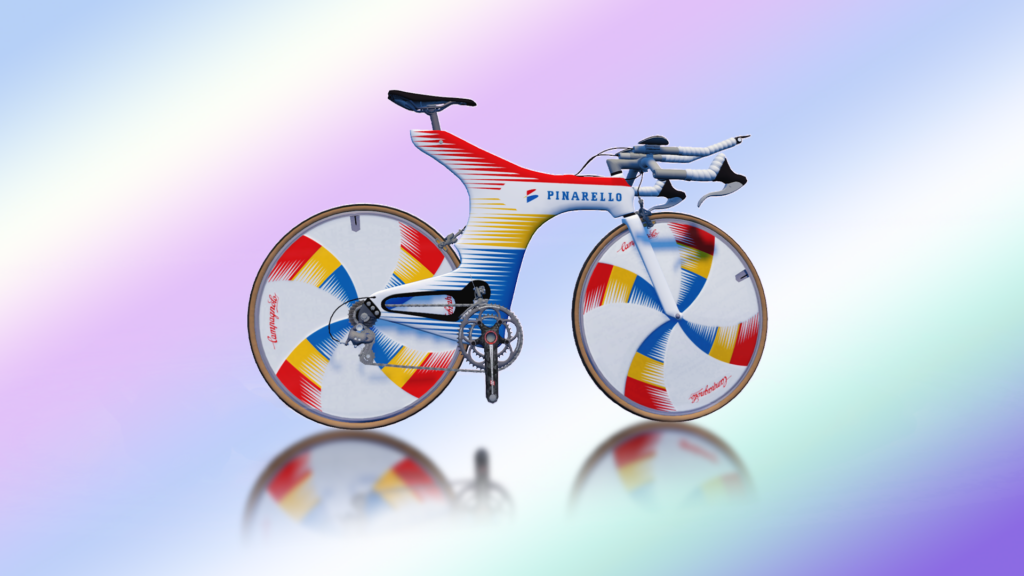
Pinarello Espada
The Pinarello Espada is the only TT Halo Bike currently in Zwift. It is not listed above because it’s impossible to test the Espada frame without also testing the Espada wheels, since they are inseparable.
The Espada, it could be said, performs like a top-quality TT frame from the 1990’s. It loses ~25 seconds to the fastest TT frames in game paired with the fastest disc wheels across an hour of flat riding, while losing ~20 seconds on an hour-long climb to those same fast frames with disc wheels.
Testing Methodology
The data above was generated using our standard bot testing procedure. Our bot rides alone on Zwift, set to 75kg weight, 183cm height, using the Zwift TT frame and Zwift 32mm Carbon wheels. The aero (flat) test route is Tempus Fugit, the flattest course on Zwift, while the weight (climbing) test is done on Alpe du Zwift since it’s a long, steep, and fairly steady climb.
This weekend wraps up the men’s Tour de France, so we’re featuring some rides in Paris held on virtual versions of roads the pros will ride. We’ve also got an interesting new race series beginning on Sundays, and more to see below.Scroll down for our picks!
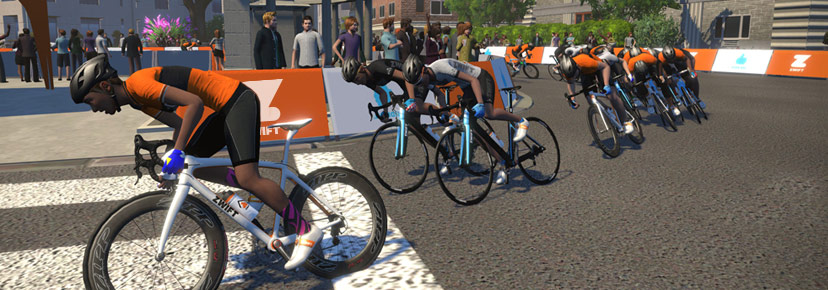
Zwift’s big Tour Fever series began last week alongside the IRL Tour de France, and everyone’s jumping into group rides and races!
This week we’re on stage 3, with Three Musketeers (37.8km, 208m) as the long route and Crepe Escape (19.6km, 123m) as the short route, which includes much of the finishing circuit the pro men will be riding on Sunday to wrap up the TdF.
Here’s a wild new race concept from the mind of Zwift events whisperer James Bailey: TEN back-to-back races, lasting a total of ~1 hour and 55 minutes. Riders are categorized using compound score, everyone starts together, but you’ll be able to tell who you’re racing against by the letter on their jersey.
Big heads are enabled, of course (this is an event from James, after all). And boost powerups as well, giving you a 1-second boost of power. (Two given at the start of each race.)
Races get progressively longer, starting at 2km and finishing at or over 5km. Sign up for all 10 events at once to keep things simple!
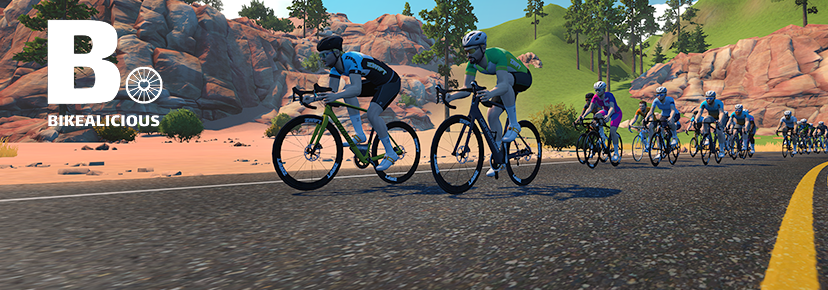
The friendly Bikealicious crew is leading a banded group ride on the brand-new Double Espresso route (33.7km, 232m). Grab this route badge if you haven’t done so yet, which comes with a 610XP bonus.
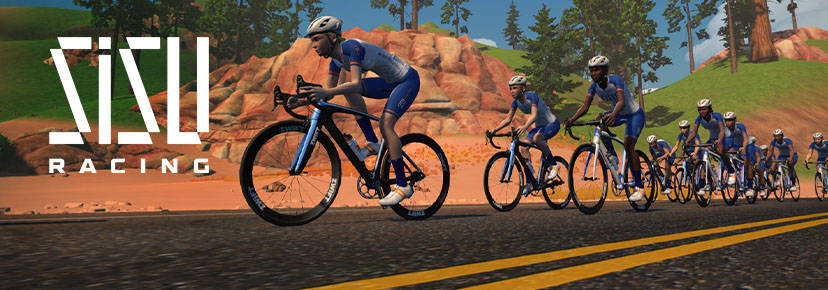
The final stage of the popular SISU Tour happens this weekend, and of course it’s being held on Paris’ Champs-Élysées route (5 laps for 36.3km, 208m). Ride the virtual Champs the same weekend as the pro men ride it to wrap up Le Tour!
Want to accumulate lots of miles quickly? Join this popular group ride, which puts everyone on the fastest TT bike in game (Canyon Speedmax CFR with DT Swiss disc wheels) with double draft enabled.
On the last Sunday of each month, the ride is extended to be a 100-miler, and finishers unlock the new WOW in-game kit.
Everyone is on Big Flat 8 this week, and there are four pace groups to choose from.
Bike upgrading hack: on rides with forced bikes, whatever bike you’re on when you join the event is the bike that accumulates the distance/elevation/time. So, for example, you could accumulate lots of distance toward a gravel bike upgrade while riding the Canyon Speedmax CFR in this event.
We choose each weekend’s Notable Events based on a variety of factors including:
Is the event unique/innovative in some way?
Are celebrities (pro riders, etc) attending/leading?
Are signup counts already high, meaning the event is extra-popular?
Does the ride include desirable unlocks or prizes?
Does the event appeal to ladies on Zwift? (We like to support this under-represented group!)
Is it for a good cause?
Is it just plain crazy (extra long races, world record attempts, etc)?
Is it a long-running, popular weekly event with a dedicated leader who deserves a shout out?
In the end, we want to call attention to events that are extra-special and therefore extra-appealing to Zwifters. If you think your event qualifies, comment below with a link/details and we may just include it in an upcoming post!
What happens when a Zwifter tries riding outside? In this week’s top video, watch as one rider takes to the roads of China.
Also included in this week’s picks: using an FTP test to set a baseline, opinions on the Paris expansion, racing a virtual “Tour de France,” and an intro to ZwiftPower.
Zwifter Tries Riding in Real Life (It Went Horribly Wrong)
After lots of Zwifting, Liam Shaw leaves the virtual world to ride the roads of China. Will the skills he has picked up riding around Watopia transfer to his riding on the real roads?
FTP Test By a (Very) Average Cyclist
Triathlete TMCreative tackles an FTP test to get a better understanding of where his fitness is heading into a big block of training.
Zwift Finally Made Paris Worth Riding?
Bike Bonk Biff rides the new Paris expansion. Is it now a world worth riding?
I Raced the Tour de France on Zwift for 9 Days Straight
As the pros tackle the iconic Tour de France, Mats & Miles embarks on his own challenge and races for 9 days straight on Zwift. Watch as he shares a recap of his 9 days of racing.
New to Zwift Racing? You Need to Know ZwiftPower
ZwiftPower is one of the best resources for Zwift racers. If you aren’t familiar with it, check out Titanium Ben’s latest video.
Got a Great Zwift Video?
Share the link below, and we may feature it in an upcoming post!
Your chosen bike frame and wheelset both affect speed in Zwift, so it makes sense for racers to do a little research and choose the best tool for the job.
While Zwift’s 4-star rating system for weight and aero is simple and easy to understand, performance varies even among frames with the same star ratings, because the stars are just an approximation. On top of that, Zwift’s addition of bike upgrades means racers need to take into account how a frame will perform when fully upgraded, not only when it’s first purchased.
Therefore, we’ve created several charts ranking all the road bike frames based on their performance on flat roads and climbs, in un-upgraded and fully-upgraded states. These charts are automatically updated with our latest speed data.
If you’re just looking for recommendations on what to buy, here are some helpful posts:
Note: To simplify the charts, we have excluded slow frames and frames no longer sold in the Drop Shop.
Time Savings Over 1 Hour (Stage 0 Frames)
We begin with a simple chart showing how much time a particular frame will save you across 1 hour of riding at 300W (4 W/kg) compared to the stock Zwift Carbon frame. These are “stage 0” frames, meaning no performance upgrades have been applied.
The chart is sorted from the best-performing frames to the worst, and you can sort based on flat performance or climb performance.
Time Savings Over 1 Hour (Stage 0 Frames)
Flat savings
Climb savings
Takeaways
When sorted by flat performance, you can easily see that the top 15 frames are very close on flat ground, separated by less than 3 seconds across an hour. There is also a big chunk of bikes near the low end which are all rather slow on flats, but perform within 2 seconds of each other. Our guess is they all have the same frame CdA value in Zwift, and any time differences are due to frame weight variation.
If you sort by climb performance, the speed falloff from one bike to the next is more even across the board. The Specialized Tarmac SL9 is king of the hill, but remember, this is before any performance upgrades. Let’s move on to the next chart to see which fully-upgraded frame climbs fastest!
Time Savings Over 1 Hour (Stage 5 Frames)
This chart is just like the one above, except these are “stage 5” frames, meaning all possible performance upgrades have been applied.
Use the toggle to sort based on flat performance or climb performance.
Time Savings Over 1 Hour (Stage 5 Frames)
Flat savings
Climb savings
Takeaways
We don’t see any major ranking changes in terms of flat performance, but that’s no surprise. The Bike Upgrading system is structured so that performance differences between different frame types increase as you progress through upgrade stages. To put it another way: climbing bikes become even stronger climbers, and aero bikes become even more aero.
Sort the results by Climb Performance, and you can see obvious evidence of this. The all-arounder Specialized Tarmac SL9 is no longer king of the hill at stage 5, as the S-Works Aethos has received more weight reduction upgrades than the Tarmac. And the Trek Emonda, the other climbing bike on the list, moves up dramatically in the rankings compared to its stage 0 counterpart, beating the S-Works Tarmac SL9.
The takeaway? If you want a true, pure climbing weapon in Zwift, you’ll want to upgrade the S-Works Aethos.
Time Savings, Stacked (Stage 0 vs Stage 5 Frames)
Next, we have one of our favorite charts, ranking frames based on total time savings across our flat and climbing tests. This chart lets you easily see the best all-around performers, and whether their performance leans to the aero or climbing side.
Use the toggle to see data for stage 0 frames, or fully-upgraded stage 5 frames.
Time Savings, Stacked (Stage 0 vs Stage 5 Frames)
Flat savings
Climb savings
Takeaways
The non-climbing bikes don’t move around a lot between the stage 0 and stage 5 versions of this chart, and this makes sense, since they all receive the same upgrades.
What you do see, though, is the climbing bikes moving up the rankings by several slots for stage 5, since they gain so much time on the climbs thanks to their weight reduction upgrades.
Time Savings for Climbing (2 W/kg vs 4 W/kg)
Some readers have asked us to compute time gaps at lower power numbers, which is a perfectly reasonable request. Making this change has the interesting effect on climb times of making lightweight bikes move up the rankings while the more aero-focused bikes drop.
Time Savings for Climbing (2 W/kg vs 4 W/kg)
Flat savings
Climb savings
What About the Halo Bikes (Tron, Project 74, etc)?
Halo bikes are not listed above because it’s impossible to test their frames without also testing their wheels, since they are inseparable.
The data above was generated using our standard bot testing procedure. Our bot rides alone on Zwift, set to 75kg weight, 183cm height, using the Zwift 32mm Carbon wheels. The aero (flat) test route is Tempus Fugit, the flattest course on Zwift, while the weight (climbing) test is done on Alpe du Zwift since it’s a long, steep, and fairly steady climb.
Speed Tests: Tron vs Top Performers Chart (Un-Upgraded and Fully Upgraded Versions)
Our wheel and frame performance charts are useful tools, but they don’t clearly answer one crucial question for many Zwift racers: how does frame X paired with wheelset Y perform compared to other top setups, including the Zwift Concept Z1 (Tron) bike?
Additionally, those charts don’t get updated as regularly as data elsewhere on our site (it’s a problem; we’re working on it). So we’ve created this chart, which pulls from current, live data on the very latest frames and wheels in Zwift.
The chart below compares the relative performance of un-upgraded and fully upgraded versions of the game’s fastest frame and wheelset combinations, allowing you to determine which setup works best for you. We’ve charted how many seconds each setup saves across an hour of riding compared to a basic bike/wheel setup (Zwift Carbon frame + Zwift 32mm Carbon Wheels). This means you’ll find the top performers higher on the Y-axis and further right on the X-axis.
Select frames and wheelsets below. Each frame you select (unless it’s a Halo bike) will be combined with all selected wheelsets, creating a single dot for each frame+wheelset combo. Hover for details.
Frames
Wheelsets
Select at least one bike to display the chart. Bikes with wheel combos also require a wheelset selection.
Observations
While the Specialized Project 74 is clearly a standout performer on the flats, it’s worth noting that moving to an all-arounder setup like the Specialized Tarmac SL9 + Princeton CarbonWorks Wake 6560 wheels costs 17 seconds on the flats, but gets you 70 seconds on the climbs (assuming both bikes are stage 0). Not a bad trade.
Next, you’ll notice that the Aethos regains its position as King of the Mountain when viewing fully-upgraded frame performance. The fully upgraded Aethos really is a climbing weapon, and moving from an all-arounder like the Specialized Tarmac SL9 to the Aethos means you’re basically just trading flat seconds for climb seconds on a nearly one-to-one basis.
Example: the Aethos + Swiss Side HADRON Ultimate 650 wheels lose 24 seconds to the Specialized Tarmac SL9 on the flats, but gain 21 seconds on the climbs. That’s a pretty solid trade if you’re a rider who struggles on the climbs more than the flats.
Of course, when considering performance, one must also consider the work that goes into upgrading the bike. Getting a fully-upgraded Tron is going to take significantly more riding than upgrading a production bike like the Pinarello Dogma F 2024!
There is certainly more to observe from this chart and our more complete wheel and frame charts, but for now I’ll leave it to the Zwift community to look at the numbers and share thoughts. Ride on!
Your Thoughts
What conclusions do you draw from this updated chart? Share your thoughts below!
Zwift version 1.118 begins its phased rollout today. This minor update contains mostly minor UI tweaks and bug fixes. Read on for details!
Bike Color Changes
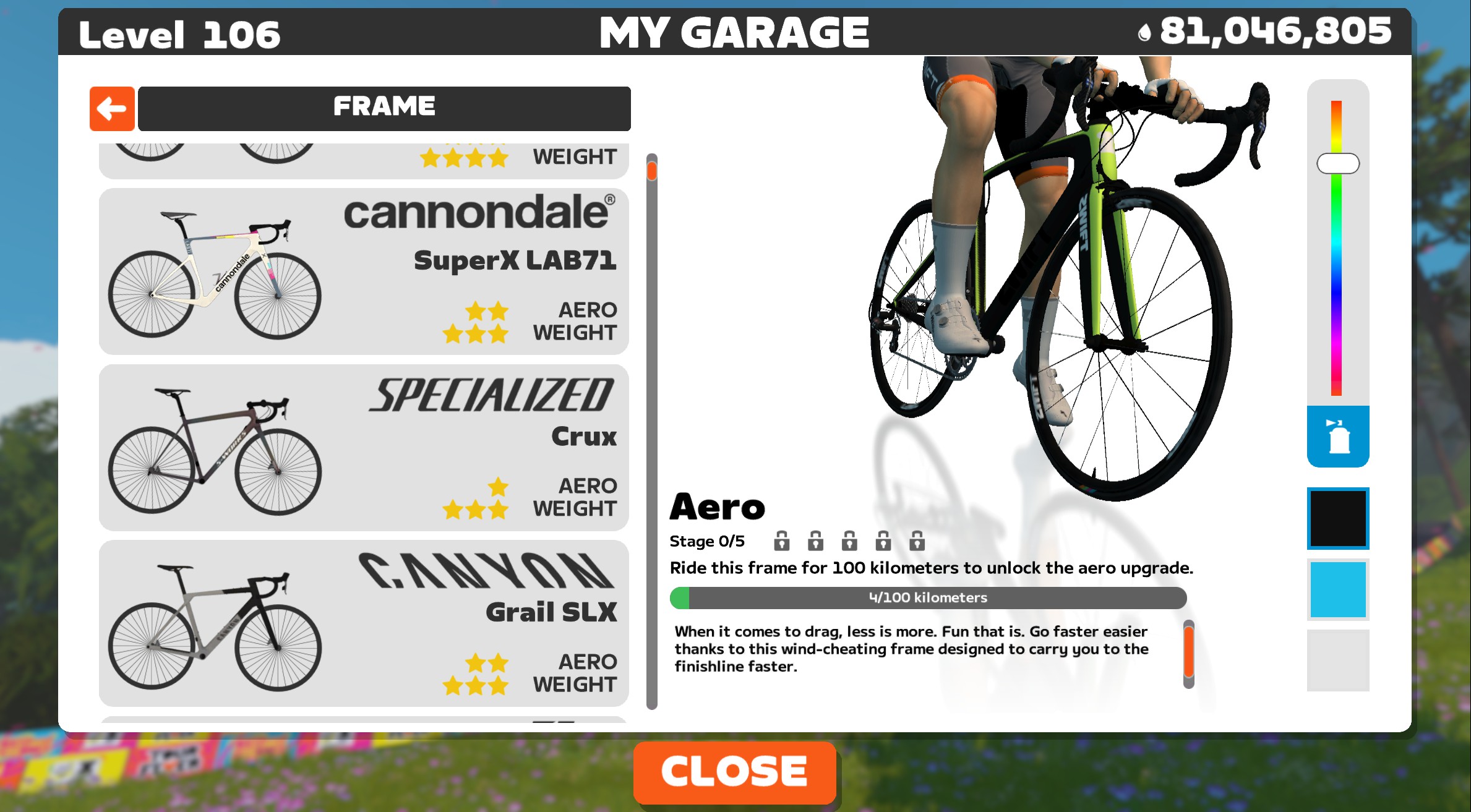
Zwift says, “When equipping a bike in the garage the last selected paint color for that frame will be restored. Clicking the paint icon to hide the color slider will also reset the equipped bike’s color to stock paint.”
The color slider does indeed work as explained, saving your last-selected color for each frame with a slider. Clicking the paint icon has always restored the bike’s stock paint, so that’s not a new feature.
There is still an issue that needs to be resolved, however. If you have multiple colorways for a frame (like the Zwift Aero above, with the black, blue, and grey boxes shown below the slider), the game doesn’t save your last-used colorway. That means each time you return to the frame, you’ll have to pick the desired colorway.
Release Notes
Zwift supplied these additional release notes:
Android/iPhone/iPad (touch devices) – Fixed end of ride screenshot selection toggling on drag instead of tap.
Secure BLE connection improvements on Windows.
Fixed reconnection bug with trainers’ relayed sensors.
Fixed an issue where some riders would be facing in reverse in event paddock
Your choice of virtual bike frame influences your Zwift speed significantly. And Zwift’s Drop Shop gives us access to a pile of bikes: over 125 if you include the Halo, TT, Gravel, and mountain bikes!
At Zwift Insider, we’ve tested every Zwift frame and wheelset using an accurate, repeatable procedure to determine how it performs in game.
Based on those speed tests, we’ve chosen the five best gravel frames in Zwift today, and the best wheelsets for gravel racing. This isn’t just a stack rank of the most aero or lightest gravel setups in game, although that is the primary factor. We also took into account how each item performs across a variety of gravel routes.
Without further ado, let’s get to the list! Drumroll please…
The best climbing gravel rig in Zwift currently, and it’s also the second-fastest on flats. Plus, the paint job is Cannondale-cool! What’s not to like?
Why it’s a winner: super lightweight, and strong aero performance as well
Just a fraction of a second slower on the flats than the Cannondale above, but it loses 3-4 seconds on the climbs, so it definitely plays second fiddle.
Why it’s a winner: strong aero and climbing performance
The most aero gravel bike in Zwift, and by a decent margin (3 seconds or more). The only downside is that it’s rather heavy, so if your gravel race includes climbs (and most do), you’ll probably want to trade off a bit of aero performance for easier climbing and go with one of the bikes above.
It’s the 4th-fastest gravel bike on flats and climbs, and available at a super low level compared to other fast gravel bikes. If nothing else, it deserves a spot on this list as “the gravel bike you buy until you can buy the very best.”
Why it’s a winner: strong aero and decent climbing performance at a very low level unlock
This is the only “older” gravel bike to make the top 5 list (the four above all came out in 2026). While it’s the least aero frame on the list, the Crux earns this spot by outclimbing every frame on the list, apart from the Cannondale SuperX LAB71. If Zwift ever brings the new Crux 5 into the game, it’ll no doubt be a real gravel weapon!
Why it’s a winner: strong climbing performance
The Best Gravel Wheelsets in Zwift
While we would have preferred to list the top five gravel wheelsets in Zwift, there are only two worth mentioning. The Drop Shop has seven gravel wheelsets available, but the oldest five all perform identically, while the two below are much faster (click for performance details).
Simply the best gravel wheels in Zwift. Their speed on flats matches the Zipp 303 below, but they outclimb the Zipps by ~4 seconds across an hour of riding.
Why it’s a winner: best aero+climb performance of any gravel wheelset
The same aero performance as the Roval Terra Aero CLX above, but a bit slower on climbs since the wheels are a bit heavier. Still, apart from the Rovals, the Zipp 303 is far and away better than all other gravel wheelset in Zwift.
Why it’s a winner: strong aero performance
Upgrading and Digging Deeper
If you’re concerned about race performance – and you’ve read this far, so I assume you are – it’s vital that you upgrade your bike frames. In fact, upgrading your gravel frame boosts your speed much more than buying any new frame or wheelset! The difference between an un-upgraded frame and a fully-upgraded one is approximately 33 seconds across an hour of Jungle Circuit riding. Learn more here >
We hope all you riders/racers found this post useful. Think there’s a frame or wheelset we should have included but didn’t? Got other questions or comments? Share below!
Important note: this post contains speed test results for Zwift frames or wheels. These results may change over time, and a bike's performance relative to others may also change. We don't always revise posts when performance rankings change, but we do keep current, master versions of our speed test results which are always available. See the frame charts, wheel charts, and Tron vs Top Performers for current performance data.
Your choice of virtual bike frame influences your Zwift speed significantly. And Zwift’s Drop Shop gives us access to a pile of bikes: over 125 if you include the Halo, TT, Gravel, and mountain bikes!
At Zwift Insider, we’ve tested every Zwift frame and wheelset using an accurate, repeatable procedure to determine how it performs in game.
Based on those speed tests, we’ve chosen the 5 best overall TT frames in Zwift today, and the 5 best wheelsets for TT racing. This isn’t just a stack rank of the most aero setups in game, although that is the primary factor. But we also took into account how each item performs across a variety of routes.
Without further ado, let’s get to the list! Drumroll please…
Simply the best frame in game, no matter how you look at it. Canyon’s new Speedmax CFR is the fastest on the flats, and also on the climbs! (It’s the only TT frame rated 2 stars for weight, after all.)
Why it’s a winner: it’s the fastest TT frame on any road
This frame loses a bit in aero performance to those above, but climbs strong, bested only by the Canyon Speedmax CFR. Good for use in climby TT races. Affordable, too, which is a nice perk!
Why it’s a winner: strong climber with decent aero performance
Almost identical in performance to the Scott Plasma above, this frame is just a fraction of a second behind. It climbs well, and doesn’t lose much in the flats. Also affordable!
Why it’s a winner: strong climber with decent aero performance
900,000 Drops, must be Level 39+ 1,000,000 Drops, must be Level 40+
If you’re looking for pure speed, these disc wheels are what you want. They both perform identically, so it’s just a question of which wheelset has the look (or price) you want.
Why it’s a winner: best aero performance of any wheelset in Zwift
Coming in just a couple of seconds behind the disc wheels above, the 858/Super9 are a colorful combo that sticks out in the crowd and are a bit more affordable than the DT Swiss/Swiss Side wheels.
The top non-disc hoops on our list, these “superwheels” lose 15-16 seconds to the disc wheels across an hour of flat riding, but they’re light weight, and climb around 30 seconds faster across an hour! So if your race includes significant climbing, you’ve got to do the math and figure out if these lighter wheels are the smart move.
Why it’s a winner: super strong climbers with decent aero performance
A few seconds faster on the flats compared to the Wake 6560 above, these HADRON hoops are also ~7 seconds slower on the climbs. Again, a strong wheelset that easily outclimbs any disc wheels, but you’ll need to do the math to decide if they work for your race.
Why it’s a winner: strong climbers with strong aero performance
Upgrading and Digging Deeper
If you’re concerned about race performance – and you’ve read this far, so I assume you are – it’s vital that you upgrade your TT frame. In fact, upgrading your TT frame boosts your speed much more than buying a new frame or wheelset! The difference between an un-upgraded frame and a fully-upgraded one is approximately 50 seconds across an hour of flat riding, and 25 seconds across an hour of climbing. Learn more here >
We hope all you riders/racers found this post useful. Think there’s a frame or wheelset we should have included but didn’t? Got other questions or comments? Share below!
Important note: this post contains speed test results for Zwift frames or wheels. These results may change over time, and a bike's performance relative to others may also change. We don't always revise posts when performance rankings change, but we do keep current, master versions of our speed test results which are always available. See the frame charts, wheel charts, and Tron vs Top Performers for current performance data.