The counter attack, part II (Skillz and Drillz – February 1)
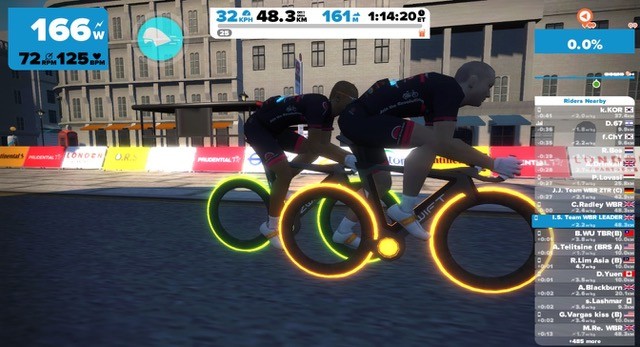
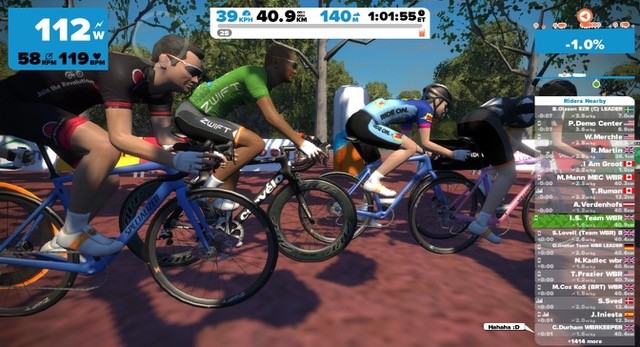
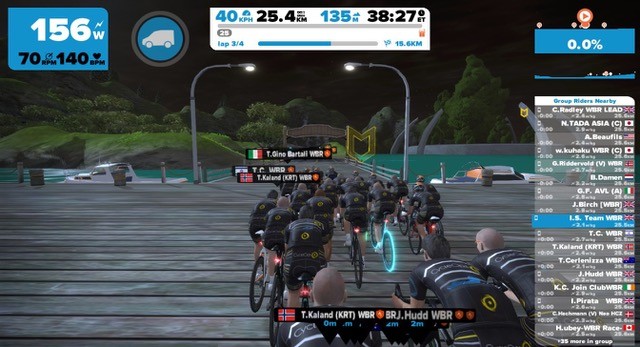
Today’s lesson was a continuation of last week’s introduction to counter attacking. We focused only on one of the two types of counter attacks, the “catch and counter,” and the ensuing effort needed to successfully get away. Being that I am traveling for work, I again ran into some technical issues, but we worked through it. Unfortunately, I was not able to type everything in the Zwift messenger, but it got sent over Discord to those on the app. To see a replay of what we did click here (be advised, though, that some of the music may have some adult language.)
Like I said earlier, I am on travel and attempted to run SDR from my phone while running laps around the park near where I was staying. It worked great for about 20 minutes, and then my battery was consumed. Had to run back to the room to plug in and finish off the class on Discord. In this case, it was ok, as the ride was not one that I designed for the group to stay together. In fact, the focus of the class lent itself to many more splits in the group, which I know was frustrating to some folks. But, not every SDR is the same, and some classes have a greater emphasis on the individual effort.
The Warmup
As usual, we left the starting pen at a 1.5 W/kg pace for our warm-up and practice maintaining position in the group. Today’s crew did a fantastic job staying together with only a few people going off the front. Maybe it was fear of the impending doom of the workout, but more probably folks were just following instructions. After our warm-up period ended, we began the class in earnest. To begin our counter attack work, I again implemented a 3.0 W/kg threshold cap. This cap would only be in place for the first few iterations, but it was necessary for the initial instructional portion of the class.
Part 1
Last week we discussed how to recognize the time to launch a counter attack, and we practiced the initial launch of the counter. This week, we focused on the actual effort needed to launch a counter attack. Too often, riders launch an attack or counter attack only having thought of the initial move. Thinking of the initial move is great, but it is only a very small portion of the actual effort. The best way to think about the effort is to visualize the start of every IRL crit and most Zwift races, crazy hard for a few minutes, followed by really hard, and settling into hard. Understanding how much effort one needs to put out and for how long is key to preventing a premature implosion. Here is how we attacked it.
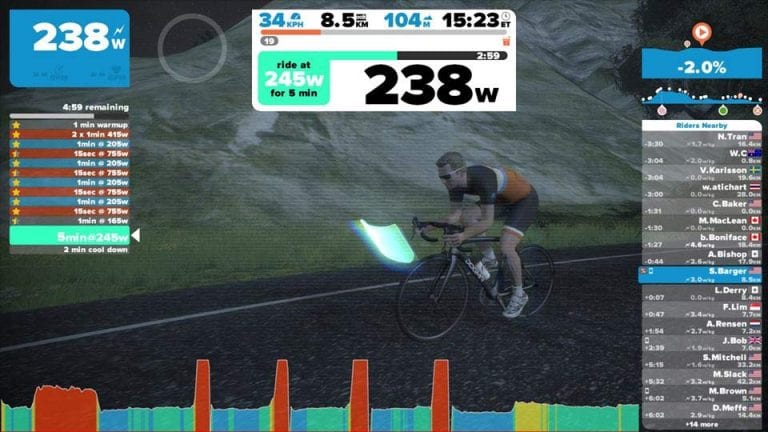
Keeping the group together, we ramped up our effort from a 2.5 to a 3.0 W/kg over a one minute time period. This simulated the chase closing in on the break and us moving up the field to launch. Once we “caught our breakaway” we lifted the pace to a 3.2 W/kg effort for a minute. This simulated the 105-110% of FTP effort that you will likely need to do to get away from the field. After the one minute, we settled back into our 3.0 FTP effort for one minute to simulate consolidation of our gap and then further dropped to our 95% effort for a minute to simulate our sustained effort. We repeated a few times before I removed the artificial FTP cap to begin the real meat of the class.
Part 2
Before I go into the next portion of what we did, let me explain the logic behind the effort breakdown. A counter attack, like any attack, can be broken down into three phases: the escape, the consolidation, and sustainment.
Escape
The escape phase is simply the phase where a rider attempts to go off the front of a group. More often than not, this phase starts with an explosive surge to create an initial gap followed by an effort of at least 105-110% of FTP. The more determined the group is to not let an escape go, the harder a rider must go to create a sizeable gap. However, around 110% of FTP for a few minutes is usually sufficient to reduce the chasers to a small group or discourage any full-on chase at all. Just remember, the escape phase is only the first phase of the move. Staying too long at the super-threshold level exacts a toll on the body, possibly not leaving enough strength for consolidation or sustainment.
Consolidation
The consolidation phase immediately follows the escape phase. During consolidation, a rider can expect to be riding at or just above FTP for an extended period of time. The purpose of this phase is to continue to expand the gap, albeit likely at a slower rate than during the escape phase, and make it clear to the chasers that the attacker is not going to give back the hard-won gap without a significant fight. I view the consolidation phase as the key phase in any move. Sure a strong attack can get a rider clear rather quickly, but if that rider begins to fade immediately, the chasers will have the confidence to pull the attacker back in rather short order. However, if the gap continues to grow during the consolidation phase, you may be able to break the will of the chasers, especially if the pace has been pretty hot for a while. Seeing that a chasing effort is having no effect often leads the group to throw in the towel and slow the pace just enough to seal their fate, reducing their aspirations to sprinting for the lesser placings.
Sustainment
Once the gap has been consolidated, the move transitions to the sustainment phase. During the sustainment phase, the riders off the front need to maintain a hard enough pace that any progress made by the chasers is slow and requiring significant effort. Losing one or two seconds per mile is not usually significant enough to inspire a chase group to go deep into the pain bank for a monster withdrawal. However, if the attackers begin giving up 20 seconds per mile or more, then the chase group will smell the weakness and unleash a fury that will lead to a catch and likely a drop of the attacking group. Therefore, riders must be cognizant of how hard they can hold and keep that motivation going, or the previous hard work will have been for naught.
To demonstrate these efforts, I laid out the following profile: 2 minutes at 90% of FTP, building to 100% inside the last minute, 3 minutes at 105-110% of FTP for the escape phase, 2 minutes of 100% FTP for the consolidation phase, and 2 minutes at 95% of FTP for the sustainment phase. Obviously, the timing on each phase does not necessarily reflect every race, but it is a pretty typical profile of the beginning of most Zwift races. We executed two of these iterations with 3 minutes of easy spin in between to try to get the legs to clear out some of the lactic acid and let the heart rate return to normal. Most of what could be heard on Discord during these two efforts was grunting and heavy breathing, so everyone seemed to understand the sensations that accompany this type of counter attack.
The Cooldown
After the second iteration, we cooled down with some easy spinning and talked through the execution of this type of counter attack. Obviously, the duration one will spend in each phase is dependent on the reaction from the group and how many people you are willing to take with you. Progress through the phases is not completely linear. You may have to step back into the escape phase if the group that made the jump with you is too big or the gap to the main chase group is too small. The consolidation phase may take ten minutes if the chasers are determined to not let you go, or it could take 30 seconds if the escape phase was so devastating that nobody wants to chase (or possibly you had teammates blocking the chase). Do not maintain a rigid plan for your counter attack. You will just have to see how it unfolds.
Looking Ahead
During the next Castelli SkillZ and DrillZ Ride, we will finish off our series on counter attacking and focus on launching the counter during the “lull” in the pace of the peloton. Like this week, it will definitely have more of a workout feel than purely a class feel. On 15 February, we will return to the more traditional class and focus on working in a pace line, and we will return to a live stream on Facebook. As always, thanks to Castelli Cycling for providing one lucky SDR rider some free swag and the impressive virtual kits for the class. I hope that everyone is having a productive winter of training on Zwift, and until next class, Ride On!

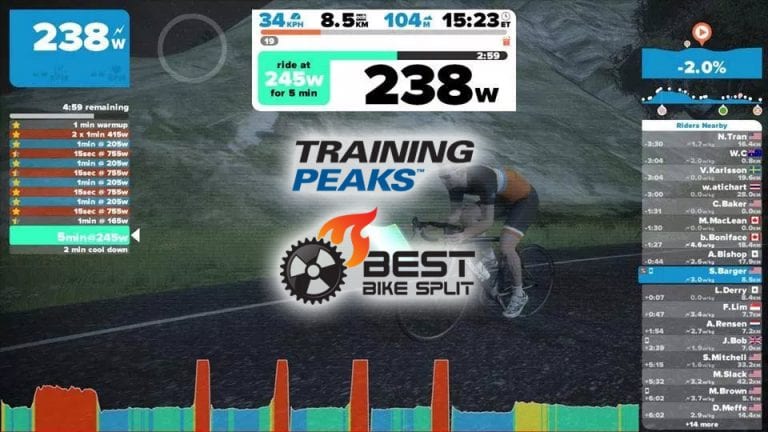
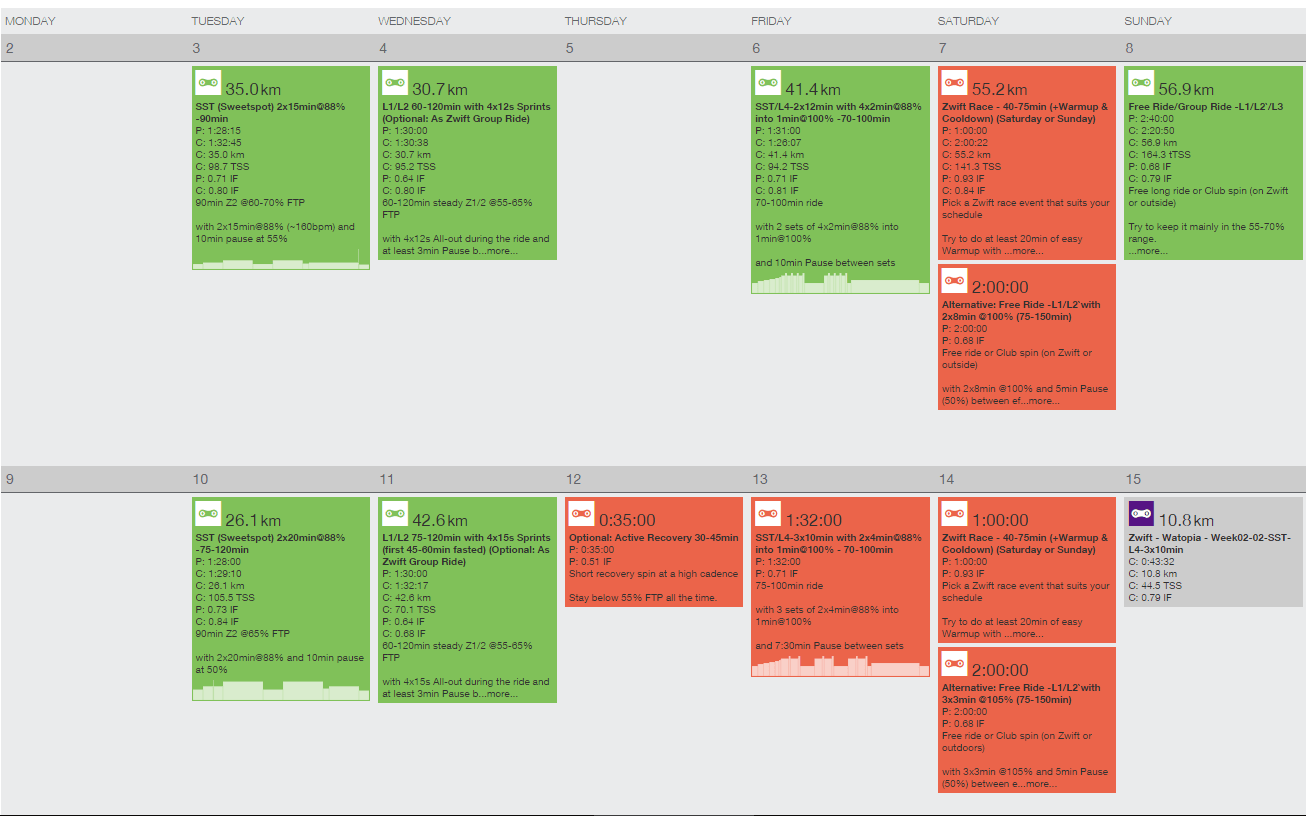
 Many coaches use TrainingPeaks to plan workout sessions. Additionally, TrainingPeaks offers many training plans for sale. Workout sessions created in TrainingPeaks’ Workout Builder can now be easily export to .zwo format.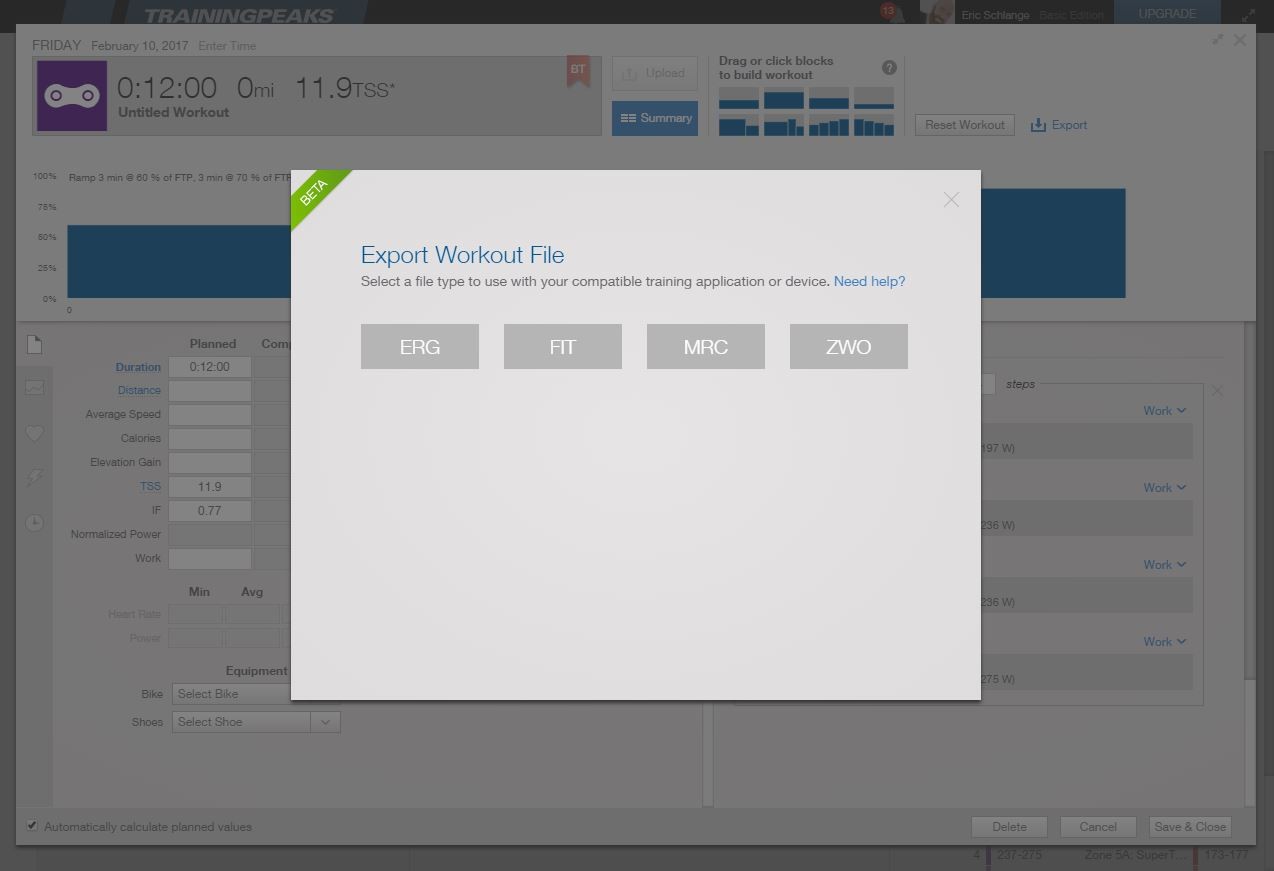
 BestBikeSplit’s additional of .zwo support means you can create a power-based workout file for any race course, allowing you to ride a Zwift workout which will guide you to hit the specific wattage targets that deliver your best race times for a given course, bike, and conditions.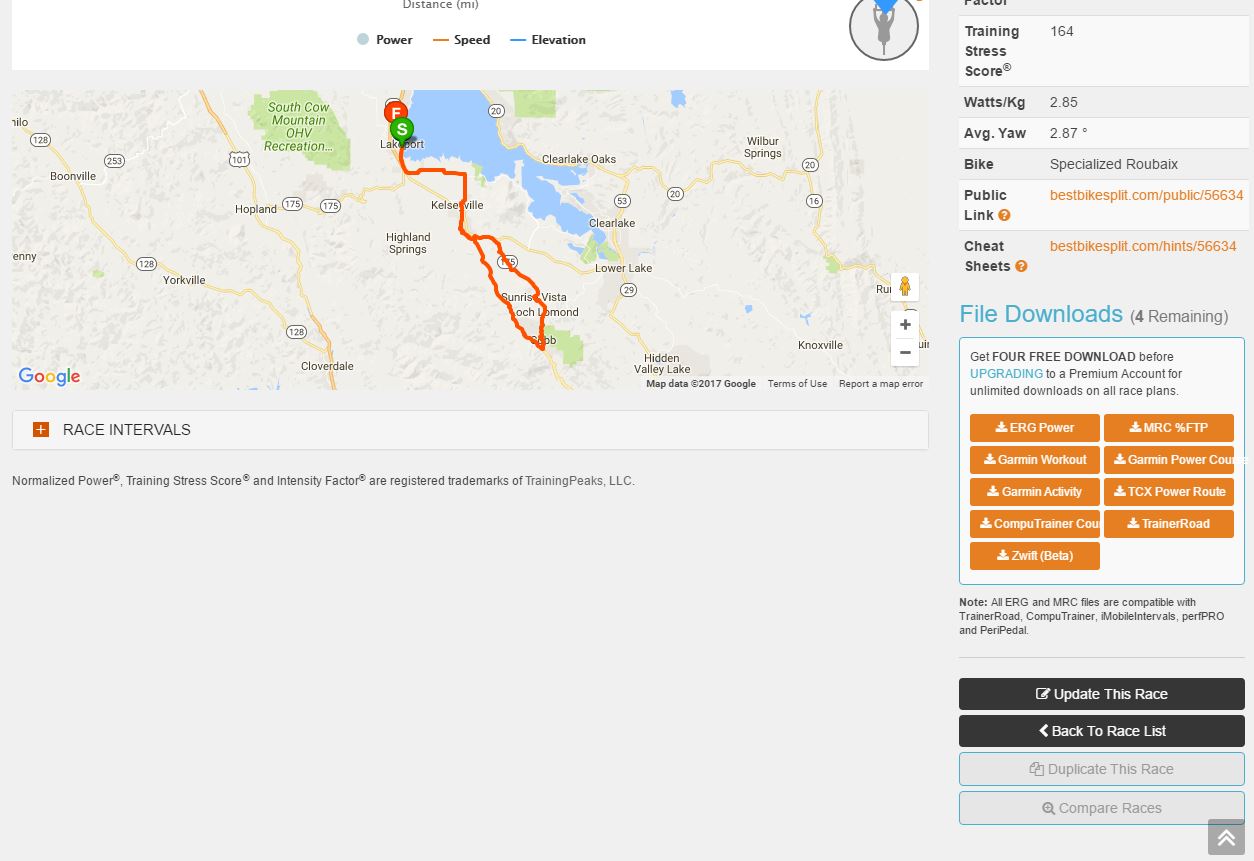
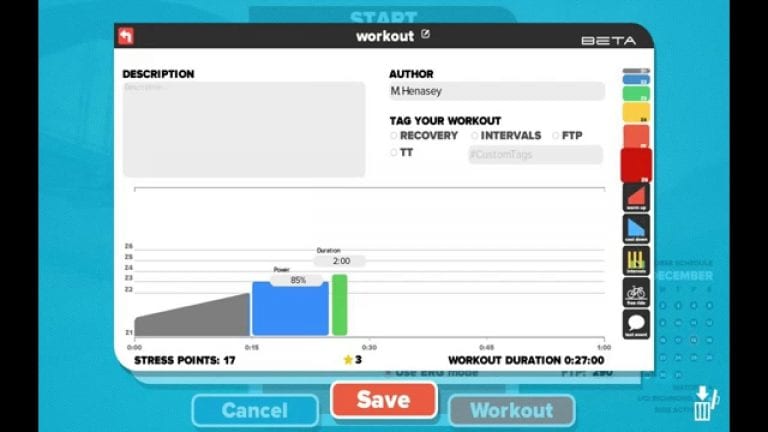
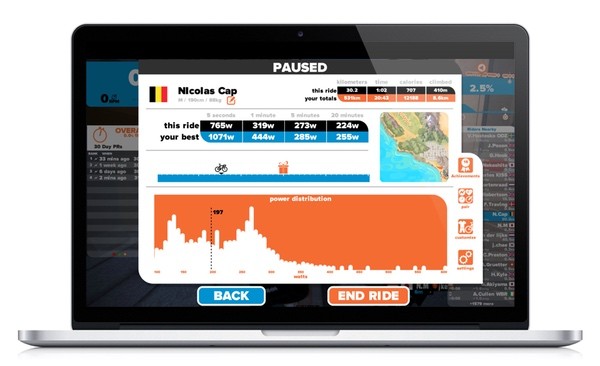



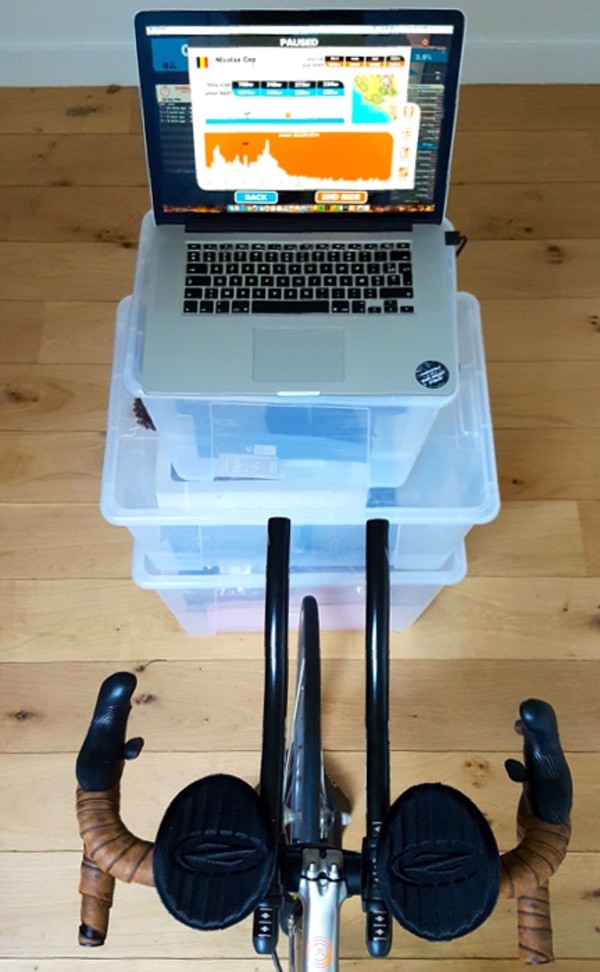
 Zwift merges indoor cycling with multiplayer online gaming. As a result, over the last few months every Saturday morning I’m virtually climbing the Box Hill near London together with a huge amount of other Zwift cyclists from all over the world. So, on the one hand it brings in a social aspect, while on the other hand the gamification keeps you motivated because of the segments and real time rankings while riding. This for only 10 dollars a month!
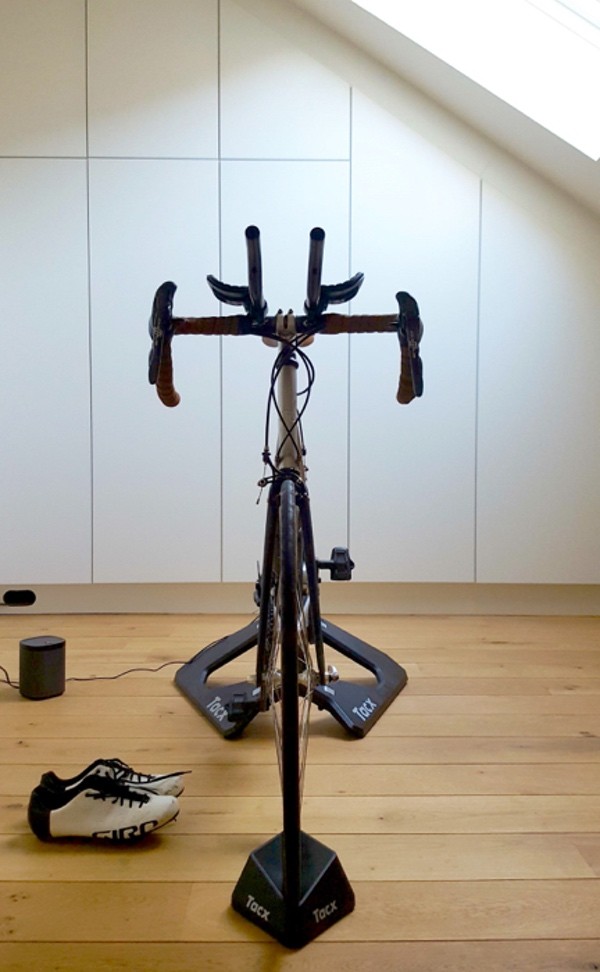
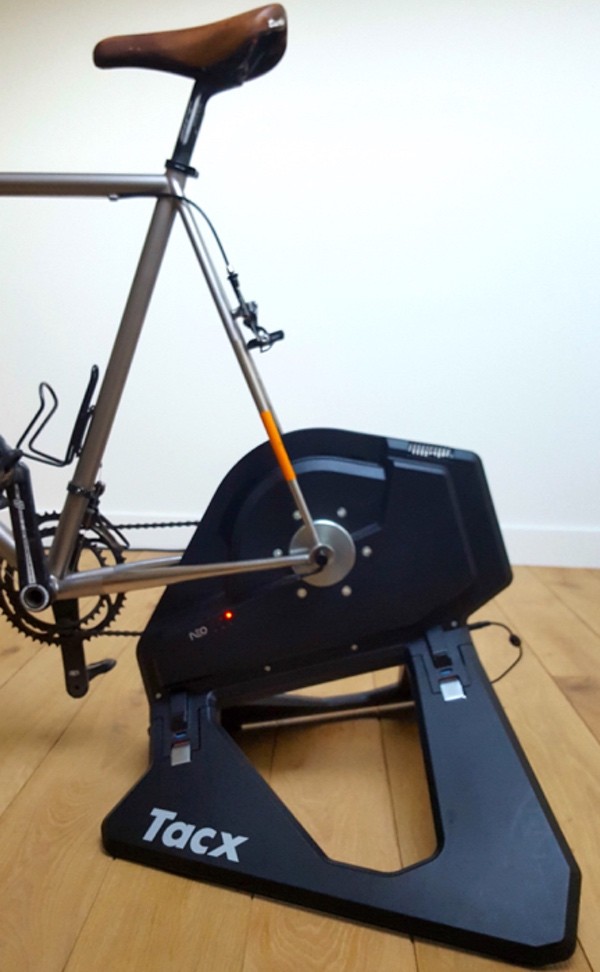
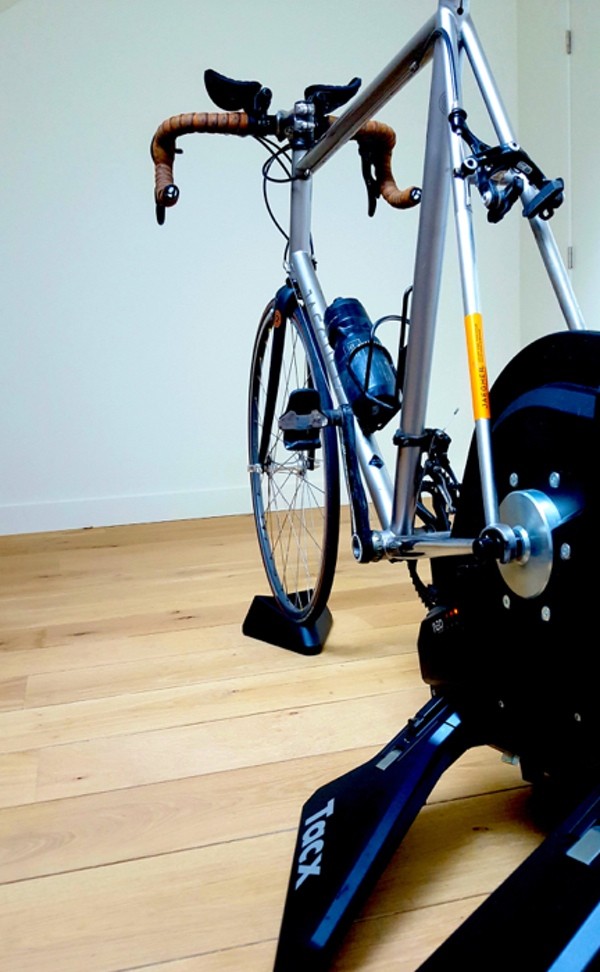
 In contrast to Peleton, with Zwift you ride with your own stationary trainer. As I didn’t have one yet, I had more fun diving into this topic as well. I quickly fell in love with the Tacx Neo Smart. An impressive product manufactured in The Netherlands. I listed some of my highlights below.