Zwift Offers Free Play Controllers To Level 85+ Riders (Discontinued)
Update (August 27, 2025): Zwift has discontinued this offer.
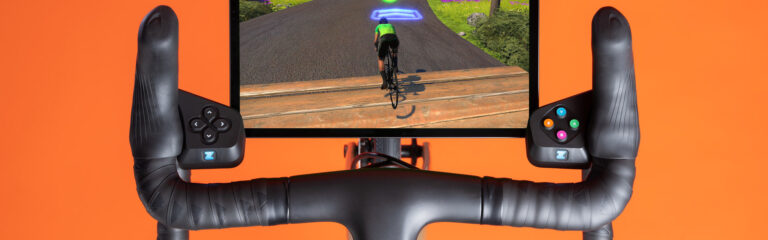
Back in February 2025, Zwift began sending emails to certain Zwifters who were at level 85+, offering them Zwift Play controllers free of charge (just pay shipping).
We initially assumed this was a short-term or one-time promo, but after hearing from a Zwifter who recently reached level 85 and received an email with a free Zwift Play promo code, I reached out to Zwift and confirmed that this program is still active.
So we’re publishing this simple post today to document that Zwifters hitting level 85 will receive an email with a discount code for free Zwift Play controllers, which currently retail for $79.99 but are on sale for $49.99.
After some confusion in the comments below, I’ve added this section for clarity, because it’s not quite as simple as “every Zwifter who hits level 85 gets free Play Controllers.”
There are actually three requirements:
You must be a level 85+ rider
Your country must be in one of the three shippable Zwift markets: US, UK, and EU
You must opt in to receive emails from Zwift (visit zwift.com/settings/emails), since they can’t legally send you “marketing emails” otherwise
If you meet these requirements but haven’t received an email with a code for free Zwift Play, I recommend reaching out to Zwift support, as that worked well for some of the commenters below.
Why Zwift Play?
The Zwift Play controllers put handy functionality at your fingertips, including steering, virtual shifting (on compatible trainers), Ride On bombs, powerup triggering, and more.
If you’re getting close to level 85 and have been contemplating a Zwift Play purchase, maybe this will provide a bit of added incentive to level up! Read XP Farming on Zwift for tips on earning more XP so you can level up faster.
What About You?
Have you taken advantage of the level 85 offer? Share your thoughts on the Zwift Play experience…
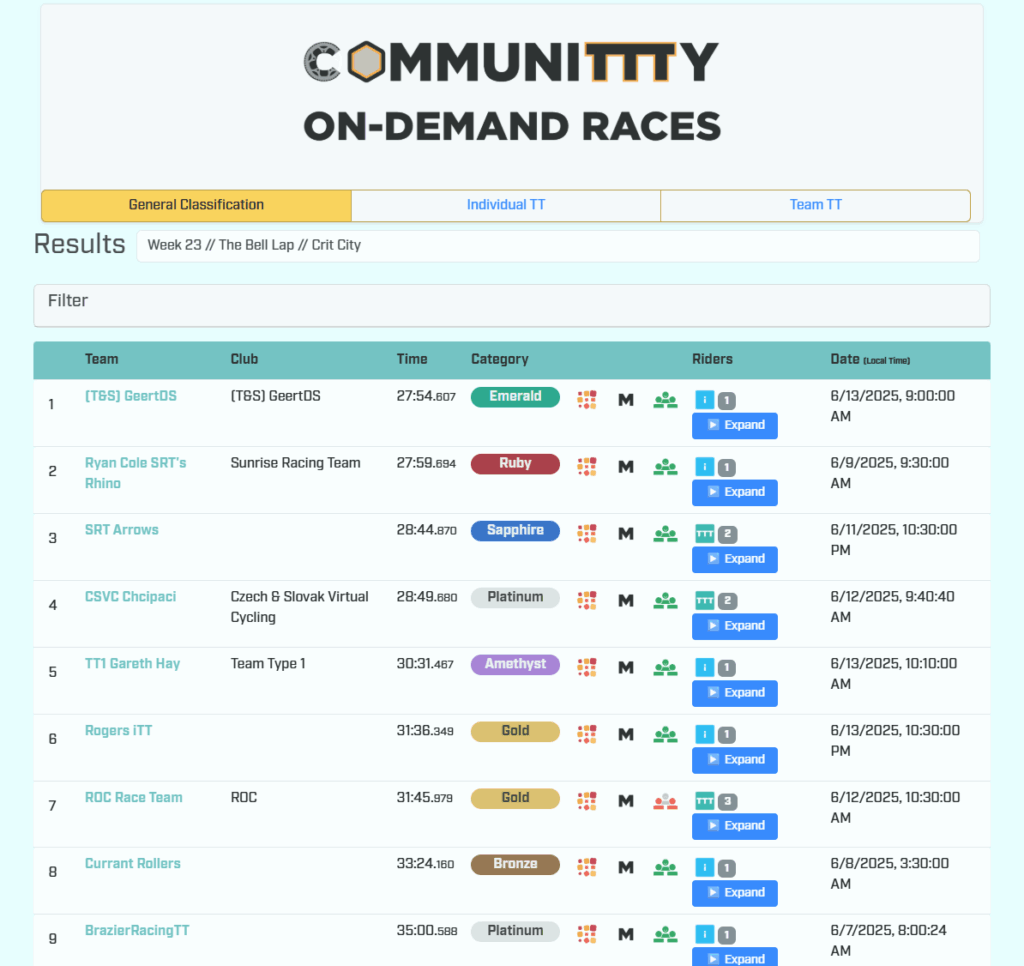
Join the CommuniTTTy: On-Demand Zwift Time Trialing!
A few weeks ago, we wrote about how Rhino Racing had teamed up with CommuniTTTy On-Demand races to deliver their 2-person “2UpTT” race series.
It’s worth mentioning, however, that CommuniTTTy races happen every week! They are a new take on both individual and team time trials on Zwift, with a number of unique race elements and a strong backend system powering it all.
The big need now is for more riders. Because of the nature of how CommuniTTTy events work, they don’t show up in Zwift’s public calendar. Therefore, they get limited exposure to the overall Zwift community. Although there is a robust, easy-to-use system in place to organize these events, the competition only happens when racers show up! So I’m publishing this post today to bring exposure to this innovative series…
On Demand Time Trialing
Zwift Insider published a post pondering the possibility of on-demand TT racing back in January 2025. It looks like the minds behind the Club Ladder leveraged the systems they’d already built and rolled out their on-demand TT format a few months later. I love it!
The simple concept behind “on-demand” time trialing is that you can schedule your race for any time you’d like, then everyone’s times get compiled together into a weekly leaderboard. The CommuniTTTy week starts and ends midday UTC Saturdays.
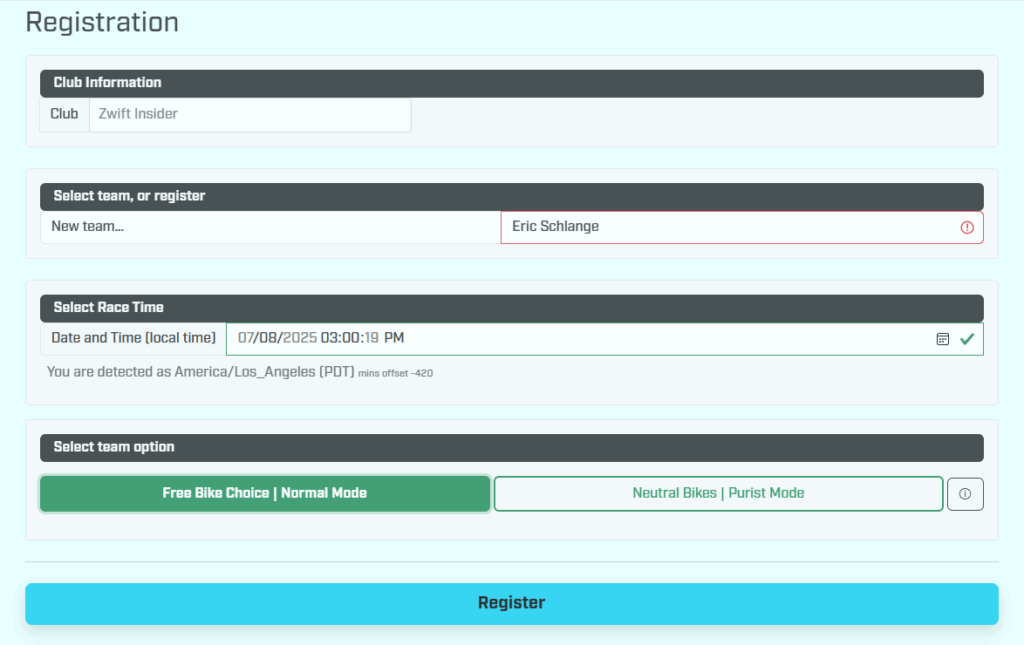
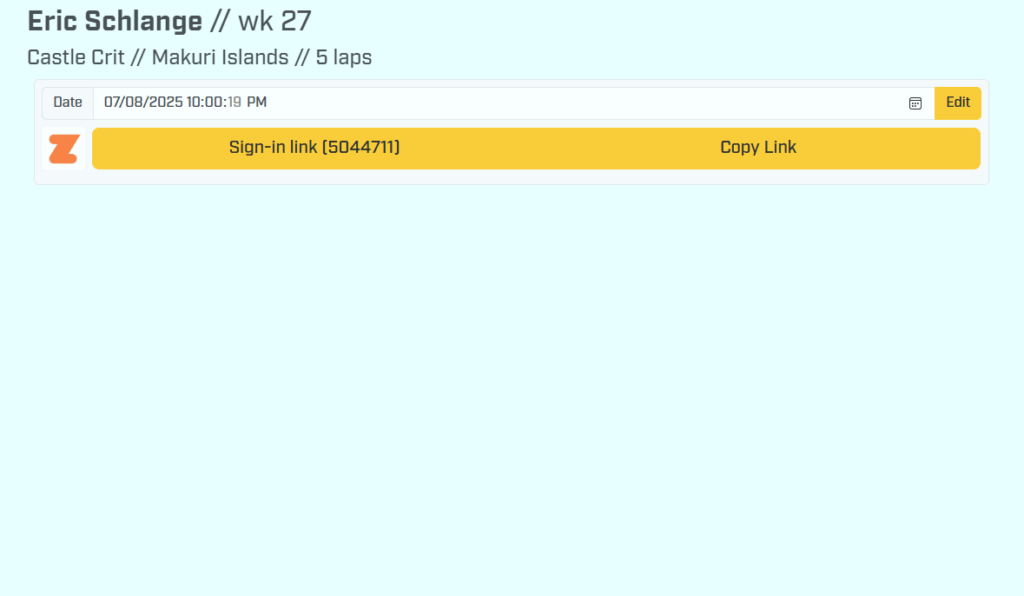
Scheduling your race is easy: on the registration page you pick the time, and the system hands you a Zwift event signup link. It takes just a few seconds:
Route Voting
The route each week is chosen by a community vote which occurs on the CommuniTTTy website (ladder.cycleracing.club/ttt/vote). Everyone is encouraged to vote for the route they’d prefer, and there is usually a choice of traditional TT routes as well as some more “left-field” suggestions.
By default, the CommuniTTTy races are set up to allow free bike choice, including TT bikes with draft and all the bells and whistles of Zwift, including steering and braking.
Organizers have just introduced an alternative Purist Mode which removes bike choice by assigning a neutral bike. You can still pick any bike in your garage, but it will perform as a completely neutral bike, much like the Zwift Games races. This mode also disables steering and braking. You can be sure that when you beat someone else in purist mode it was all down to your performance and tactics!
Results Filters
Results are shown on the CommuniTTTy site as a General Classification based on team (or individual) time, though the results can be sliced and diced in many ways:
Individual vs Teams (including the various team sizes)
Mixed vs Women only
Drop vs no drop (for teams only)
ZwiftRacing.app rank level (teams are given the rank of their highest-ranked rider)
Purist or Free choice bikes
Filter the results anyway you choose and fight whatever battles you choose. Want to be the best purist? Maybe the best Gold team, or perhaps the best “no drop” team? You decide how you test yourself against others.
Coming Soon
One feature coming soon is rolling leagues. There are some details to be worked out, but the main concept is you race each week and your times for the last 4 weeks are added together for a 4-week GC contest.
Get Started
This is available now to all Zwifters. All you need is a Google or Discord account to log in over at the CommuniTTTy website (ttt.cycleracing.club). More details are found over on the Discord for the series: discord.gg/2XvtsF3ck8.
Questions or Comments?
I’ll be doing my first on-demand TT this week, even though it’s on Castle Crit, a pitchy course that doesn’t suit me well. It’s a former Rebel Route, though, so I only have myself to blame!
Got questions about how all this works? Comments about it? Chime in below!
Zwift Will Not Be Hosting an Elite Zwift World Series This Fall
Last week, Zwift sent the following email to elite racers:
Dear Elite Racers and teams,
We know you will be starting to make plans for your next indoor season and therefore we must inform you that Zwift will not be hosting an Elite Zwift World Series this fall.
We understand many of you will be disappointed to receive this news about the series, so please know that this was a hard, but necessary decision for us to make.
For many years Zwift has invested substantially in broadcast production, broadcast distribution partnerships (e.g. GCN), prize money, performance verification and independent governance for elite level regular season racing events like Zwift World Series. Regrettably, the current level of audience interest and viewership for these events makes continuing to support this investment unsustainable.
At this time, the Zwift World Series is the only impacted series but we are considering multiple options for elite racing on Zwift going forward, including partnership.
Regardless, there’s a lot to be excited about this season – with a thriving racing scene, 2025/6 promises to be our biggest community racing season on Zwift yet. You’ll be able to take part in a whole host of new community racing events, each with top racing score categories and there are a number of exciting product developments in the pipeline that will take your racing experience to the next level – stay tuned for further details.
We look forward to seeing you all there.
Best Wishes, Sean Parry, Zwift Director of Racing
A Brief History of Elite Racing on Zwift
Elite racing has been happening on Zwift since the early days, but the early efforts were all community-organized. First there were the Zwift Worlds events organized by Tam Burns and Team ODZ in 2015, 2016, and 2017. There was also the CVR World Cup, a massive undertaking by Frank Garcia that included cash prizes and IRL finals.
It wasn’t until KISS Super League in January 2019 that the platform hosted a dedicated competition sponsored by Zwift featuring pro-level esports riders. A year later, Zwift would host the Virtual Tour de France thanks to Covid. And as the crush of new indoor riders heard the news of the brand-new Zwift Racing League (ZRL) launching for the 2020/21 season, the ZRL Premier League was also announced for elite racers.
This ZRL Premier League provided the most structured and long-running elite racing calendar Zwift had ever hosted, and it ran again for the 2021/22 season before elite racing was separated from ZRL, replaced by the Zwift Grand Prix for the 2022/23 and 2023/24 seasons.
The 2024/25 season saw yet another shift, with the Zwift Grand Prix being replaced by the Zwift World Series.
Zwift hosted other elite races along the way, of course, including the first-ever UCI Esports Worlds races (2021, 2022, and 2023). But I did say this was a “brief” history, so we’ll leave it there.
ESports ROI
Zwift has poured more investment than anyone else into the broadcast/marketing side of cycling esports, but as the email clearly states, it’s this need for ongoing investment in “broadcast production, broadcast distribution partnerships (e.g. GCN), prize money, performance verification and independent governance for elite level regular season racing events” that has caused Zwift to drop the World Series for the upcoming season.
Showing a positive return on investment for elite-level cycling esports sponsorship has always been a challenge, in some of the same ways it proves challenging in outdoor cycling. Sponsorships of these sorts of events are often justified as a sort of “loss leader,” as the event loses money but brings exposure to the sport and (hopefully) new customers down the road.
But these sorts of investments play out over years, not days. And even if the ROI is positive (and that’s a big if), measuring it precisely is difficult if not impossible. The result? Top-tier bike teams and major races may struggle to line up reliable sponsorship, and even Zwift may question ongoing investment in elite-level racing on their platform.
What’s Next?
A year ago at this time, Zwift was announcing the Elite Community Racing Calendar for the 2024-25 season. Zwift’s elite racing plans are much fuzzier today, as Zwift’s email above states, “We are considering multiple options for elite racing on Zwift going forward, including partnership.”
On the plus side, it sounds like new Zwift race features are coming, as Zwift states, “… there are a number of exciting product developments in the pipeline that will take your racing experience to the next level – stay tuned for further details.” Is this referring to in-game points or elimination racing? Automatic performance verification? The mythical velodrome? Your guess is as good as mine.
In the email, Zwift encourages elite racers to participate in community-level racing. Will Zwift’s features and robust community racing scene be enough to keep elite racers on the platform? Or will they move to alternatives that offer stronger performance verification (TrainingPeaks Virtual), big prize money (MyWhoosh), real-world race courses (Rouvy), or other benefits?
We will have to wait and see, but one thing is certain: in this next indoor season, more elite racers than ever will be taking a hard look at Zwift, TrainingPeaks Virtual, MyWhoosh, and Rouvy to decide where to best invest their time, money, and racing effort.
Your Thoughts
I’m keen to hear what the Zwift community thinks about all this, so please chime in with your thoughts below.
This year at Eurobike, the indoor cycling industry saw two notable product launches: Garmin’s Tacx Alpine and Elite’s Rivo. In this week’s featured videos, learn all about the latest indoor cycling tech.
Also included in this week’s top videos are videos about racing an IRL time trial, a review of the Tacx Alpine gradient simulator, a Zwifter’s first race, and thoughts on staying motivated as a solo triathlete.
New Elite Rivo Smart Trainer at Eurobike: Hands-on Details!
Ray, aka, DCRainmaker, takes a look at Elite’s new budget direct drive smart trainer, the Rivo, at Eurobike 2025.
I trained on Zwift… then raced a real time trial.
After doing almost all his training on Zwift, Ollie, aka Not Tadej Pogacar, races a real-life time trial. Has his Zwift training prepared him well?
Garmin TACX Alpine Review // Is The Best Indoor Cycling Experience Worth It?
DesFit takes a look at the recently announced Tacx Alpine incline accessory. Is it better than Wahoo’s KICKR Climb?
My First Zwift Race | Journey back into Cycling
As Andy Ivey continues his journey back into cycling, he decides to tackle his first-ever Zwift race. Can he keep up with the group?
How I Stay Motivated When I Train Alone
Training with a group is often one of the best ways to hold yourself accountable and stay consistent with training; however, as someone who trains mostly solo, Simon Shi shares how he stays motivated and committed.
Got a Great Zwift Video?
Share the link below and we may feature it in an upcoming post!
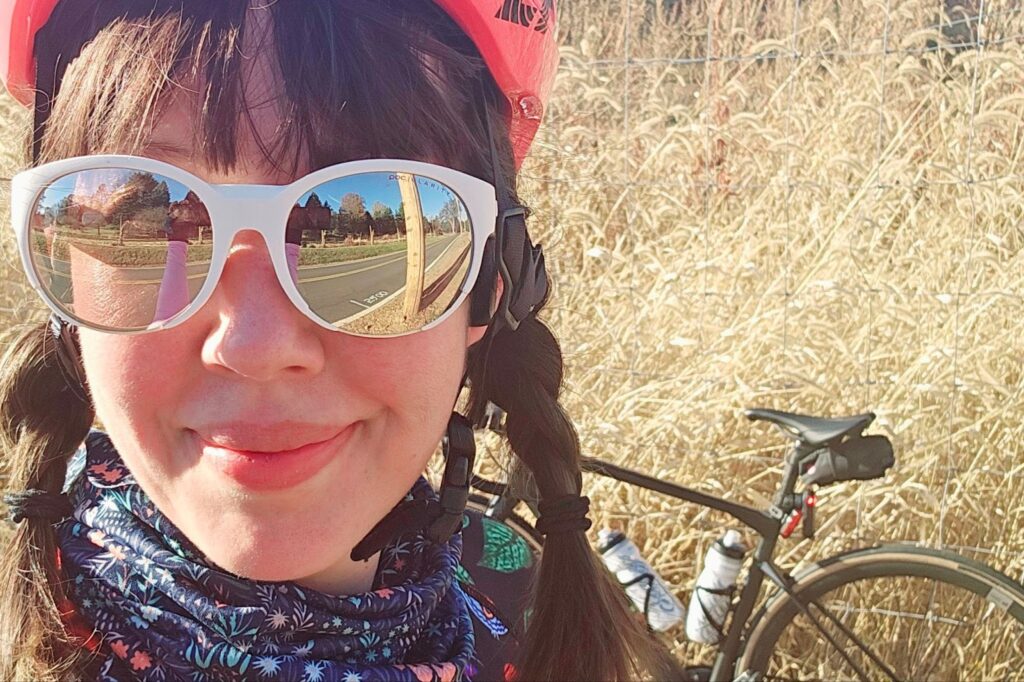
How did you get into cycling? About 20 years ago, while living in Los Angeles, my sister spontaneously signed us up for a 3–4-hour bike ride that wound through art galleries, music venues, and local eateries. Later, during my time in upstate New York for medical school, I joined a weekend cycling club. We rode through the scenic beauty of the Niagara Falls region, often on long, meandering routes. Back then, I rode a low-tech classic steel bike—no cadence sensors, power meters, speedometers, or GPS. Biking was always just one part of my overall fitness routine. I balanced it with swimming, weight training, running, and yoga.
But about three years ago, something shifted. My local gym hosted a month-long cycling competition—both indoor and outdoor—with the goal of riding the most miles during the Tour de France. Post-COVID, my training had felt stagnant, and this was the spark I needed. Being naturally competitive, I went all-in, riding twice daily, before and after work. I ended up winning the competition, and in the process, rediscovered my passion for biking. That’s when cycling became my primary sport. I joined Zwift last year, and honestly, it’s been a game-changer. Now, I easily rack up 8-10 hours a week of structured training—rain, snow, or shine.
How many years have you been racing on Zwift? I only started racing this year, but I’m a quick learner!
Are you part of a Virtual team? Yes! I ride for Coalition, both on the mixed team and the women’s team.
What do you love most about racing? Racing is not just about the competition—it’s about seeing how much I can improve. You push yourself harder when you’re surrounded by others fighting for that finish line. There’s also a wonderful camaraderie among teammates, and let’s not forget the post-race endorphin rush.
What is your favourite style of race (e.g. points, scratch, iTT, TTT, Chase, duathlon)? I really enjoy Team Time Trials (TTTs). They’re like an hour-long over/under workout—constant shifts between effort levels while working together. I also like scratch races, especially mid-duration ladder formats. These require strategy, sharp team coordination, and knowing your own capabilities. Before a race, I always recon the course, analyze my power metrics, and study my opponents. I’ll sketch out possible attack points, estimate the power I need to hold, and even use a bit of AI modeling to build my plan. Of course, races rarely go as planned, but preparation builds confidence—and better pacing.
What is your favourite Zwift women’s race series? Right now, I’m loving the Women’s Mini Races || p/b FemmeCycle Collab. They’re short scratch races, and I like slipping one into the middle of a Zone 2 day. Keeps things fresh.
What is your most memorable racing experience, inside or outside or BOTH? In one recent Zwift race, I was 10 seconds behind the lead group with a few kilometers to go. I stayed focused, pushed hard, and managed to bridge the gap just in time to sprint past at the line. It’s still my favorite reminder to never give up—you’re never really out of it until the race is over.
What is your favourite food to eat post race? Anything I want! Usually something carb- and protein-rich. After endurance efforts, your muscles are like sponges, ready to soak up nutrients. It’s all about replenishing glycogen stores and repairing muscle fibers. I’ve been known to hit up a restaurant and order two entrees—often plates of pasta. People might be surprised to see a petite woman devouring that much food, but hey, I get hungry!
What advice would you give to a woman entering her first Zwift race? First: just have fun! Draft as much as you can, and don’t put pressure on yourself to win. Afterward, look at your performance and those who finished a few spots ahead. Did they average lower watts/kg but out-strategize you? There’s so much to learn and always room to grow. Also, don’t underestimate pre-race prep. Carbohydrates and hydration are key. I usually drink a caffeine-free pre workout—look for ones with glucose, maltodextrin, or dextrose for sustained energy without the stimulant crash. Caffeine-free keeps my heart rate from spiking unnecessarily. And electrolytes are essential, not only because you’re sweating, but because balanced sodium, potassium, and magnesium levels optimize muscle contractions and recovery.
Any upcoming race you are looking forward to? I’m really looking forward to the next season of Zwift Racing League.
Where can people follow your racing adventures? Follow me on Strava to keep up with all my training and races!
One commenter astutely noted that the chart didn’t include Zwift’s Climb Portal, and that was indeed correct. While the Climb Portals are rideable in Zwift, they aren’t quite the same “roads” as you find elsewhere in the game (they don’t include surrounding scenery, and what’s the road surface, anyway?) Including them in the road construction timeline didn’t feel right.
In fairness to Zwift, though, lots of rideable roads have been added via the Climb Portal since mid-2023. So here’s a follow-up post charting Climb Portal growth over time.
Zwift Climb Portal Growth: Total Length and Count
A few notes:
Zwift’s rate of Climb Portal growth has remained relatively steady since its launch, with approximately 200km of new Climb Portal roads being released each year. This is nearly 4x the rate of new “standard” roads released in Zwift’s biggest release years.
If the Climb Portal roads were added to our chart from the earlier post, Zwift’s rate of construction from mid-2023 to present would be dramatically increased over previous years. In fact, here’s what it would look like (a bit messy, but you get the point):
Zwift Road Construction Timeline (Including Climb Portal)
Making the Library More Attractive
Zwift created the unique look and feel of the Climb Portal so they could easily add iconic climbs to the game without investing their art team’s time in replicating real-world surrounding scenery. Based on the 4x expansion rate noted above, it’s clear that the Climb Portal’s setup does indeed allow for quicker development and release of new “roads.”
But there’s a lot Zwift could do to make these new roads more attractive to riders. They recently adjusted the powerup probabilities, removing a key incentive for some Zwifters. I’d love to see Zwift implement some of the ideas from My Big List of Climb Portal Feature Requests, including letting us choose which portal we’d like to climb, giving us achievement badges for portals, and even having leaderboards in the Companion app.
Your Thoughts
Are you impressed by Zwift’s rate of Climb Portal growth? Does it take the edge off of their slowing expansion in regards to “real” roads outside of the Climb Portal? And what would you rather have: more Climb Portals, or more features to make Climb Portals more attractive?
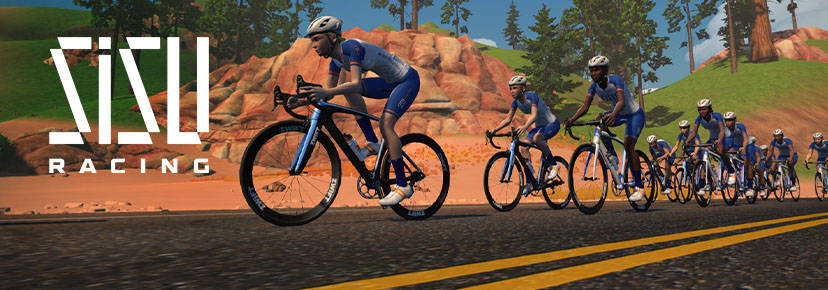
The 7-stage SISU Tour kicks off on Saturday with a scratch race on 1 lap of Bon Voyage (31.4km 155m), and these races have more signups than any other on Zwift’s public calendar.
Chasing Yellow kicks off on Saturday with a rolling opener on Sand and Sequoias (42.5km, 352m). Run by the innovative ECRO platform, this race encourages teamwork.
Look, I’ll be honest – I mostly picked this event because I’ve just finished my own 100km ride (the Thursday Pizza Burner) and I’d love some cheesecake.
But this is also a unique sort of ride, and one worth mentioning. This event offers two different pace categories (2.7-3.2 and 3.5-4.5). Both groups ride the Eastern Eight route for 100km, but the faster group starts several minutes after the slower group, making it a sort of chase race/group ride.
Looking for a group ride on a route you haven’t ridden yet? This popular event is held on the NYC KOM After Party route and is 60 minutes long. While the stated pace is only 1.2-1.7 W/kg, it’s a banded ride, so you can go as hard (or easy) as you’d like, and you’ll stay with the group.
Note: If you want to finish the route, you’ll probably need to keep riding once the 60 minutes are up, since this route is 37 km long with 480 m of climbing.
The friendly Bikealicious crew is leading a banded group ride on the Richmond Loop Around route. At 42.7km with 556m of climbing this is not a short route. But with the ride being banded, everyone can ride at whatever effort they’d like, and the group will stay together. Ride on!
We choose each weekend’s Notable Events based on a variety of factors including:
Is the event unique/innovative in some way?
Are celebrities (pro riders, etc) attending/leading?
Are signup counts already high, meaning the event is extra-popular?
Does the ride include desirable unlocks or prizes?
Does the event appeal to ladies on Zwift? (We like to support this under-represented group!)
Is it for a good cause?
Is it just plain crazy (extra long races, world record attempts, etc)?
Is it a long-running, popular weekly event with a dedicated leader who deserves a shout out?
In the end, we want to call attention to events that are extra-special and therefore extra-appealing to Zwifters. If you think your event qualifies, comment below with a link/details and we may just include it in an upcoming post!
The recent few months have seen a flurry of Zwift updates. In this week’s top video, get a rundown of the latest changes to Zwift.
We’ve also chosen videos about life after winning Zwift Academy, racing in the ECRO Chasing Racing series, progress after a year of cycling, and the benefits of heat training.
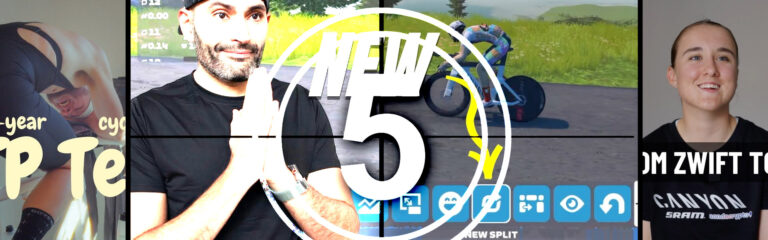
Tariq from Smart Bike Trainers shares everything you need to know about the latest Zwift updates, including the addition of the splits feature and Zwift Cog support on Tacx trainers.
Emily Dixon: Life as a Pro after Winning Zwift Academy
Emily Dixon shares an inside look at what life looks like as a professional cyclist after winning Zwift Academy in 2024.
Josh Harris provides commentary on his recent race in the ECRO Chasing Suisse series.
FTP After 1 Year of Cycling | Lost 17.7kg of Weight
After a year of training, Daniel Cycles China tackles an FTP test and shares his progress.
Heat Training Will Make You Faster. Here’s How to Do It The Right Way
Now that we are into some of the hottest months of the year, Dylan Johnson highlights some of the benefits that heat training can provide, along with tips and tricks for maximizing your heat training.
Got a Great Zwift Video?
Share the link below and we may feature it in an upcoming post!