It’s a big weekend on Zwift, quite literally. It’s Gran Fondo weekend and the chance to ride the Esports World Championship route in the Tour de Zwift. Best to get the supplies in, as there are plenty of kilometers to cover!
TdZ Stage 8: Big City Champs
Stage 8 is special as you get the chance to ride the 2022 Cycling Esports World Championships course, which is 55km in length and rarely flat. Get a taste of what the world’s best will be taking on February 26th!
Two different sessions to try, hosted on the Temple and Towers route on Makuri Island. Both look hard and uniquely different.
The “Thomas” has several sustained efforts, probably more suited to the TT or Climber type riders, whilst the “Van Baarle” is certainly designed with the Sprinters in mind.
This is proving to be a popular series, previewing the next week’s Zwift Racing League course. With a large number of sign-ups already in, it’s going to be a competitive event! This week racers take on a lap of the “Temple and Towers” route on Makuri Islands.
This is, without doubt, the biggest ride of the weekend. With three new routes to tackle this year, the big question is… which one to ride? A unique jersey on offer for finishers makes this the “must do” event of the weekend.
ZwiftPower’s individual point rankings drive other rankings on the site, including team rankings. But did you know ZwiftPower uses the rankings of signed-up riders to calculate the “quality” of upcoming races, and you can use this to help boost your ranking faster?
Why Quality Matters
To understand why race quality is important, let’s start with a comment I received from one Zwift racer:
…I have recently been focusing on improving my race ranking and have read the ZP system for ranking a couple times. I think I have a good understanding of it but still trying to figure out when choosing a B race, how do I know the “quality ” of racers signed up? I did a ______ race and came in 3rd which I was incredibly happy with but my points weren’t as good as other races. There were over 24 B riders in the race. Is there a tip on choosing the best race other than by course & number of riders?
If you’re concerned with improving your ranking as a Zwift racer, then the quality of your competition is an important consideration. Because as the Zwifter above learned, winning against a field of poorly-ranked riders may not improve your ranking one bit. On the other hand, finishing off the podium against a field of high-ranked riders can give you a major ranking boost!
To put it another way, there are two basic ways to boost your ZwiftPower points results in any particular race:
Improve your finishing position (for example, finish 4th instead of 12th)
Race against stronger competition (for example, race against someone with a ranking of 200 instead of 300)
And lucky for us, when it comes to #2, ZwiftPower can display the quality of upcoming events so we can easily find the toughest competition. Let’s dig in!
ZwiftPower Event Rankings
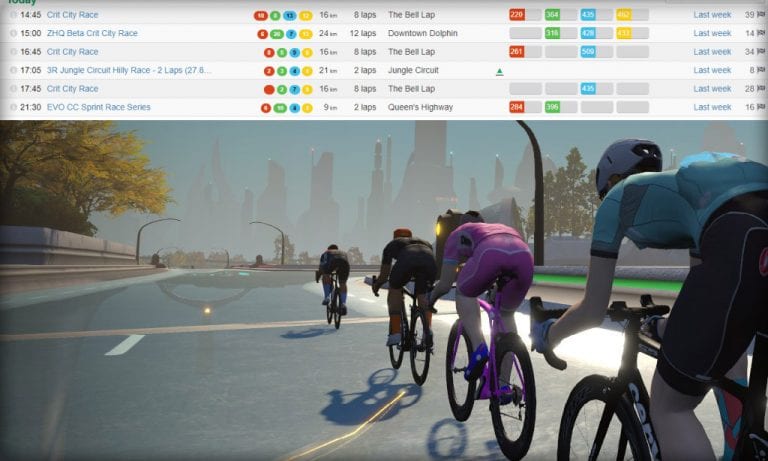
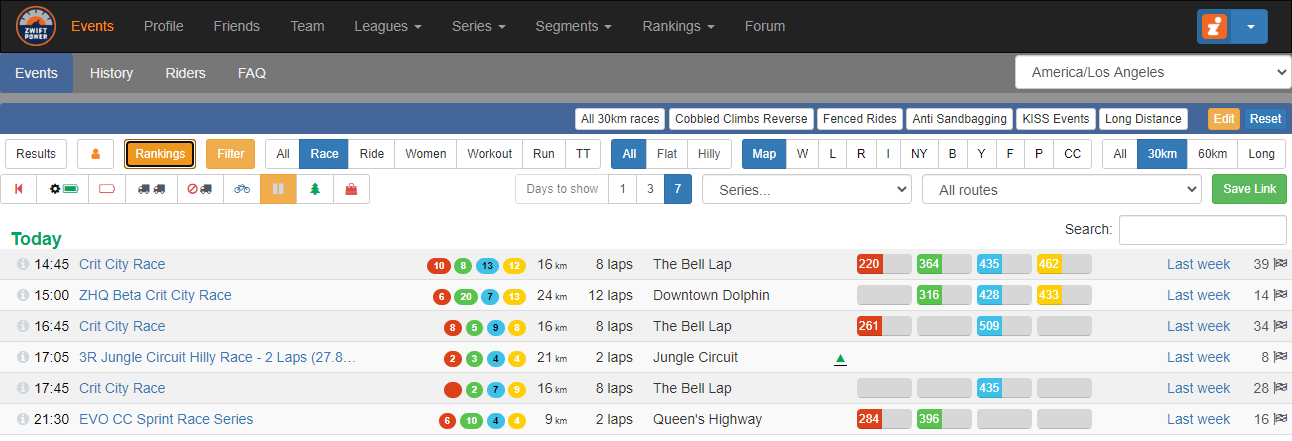
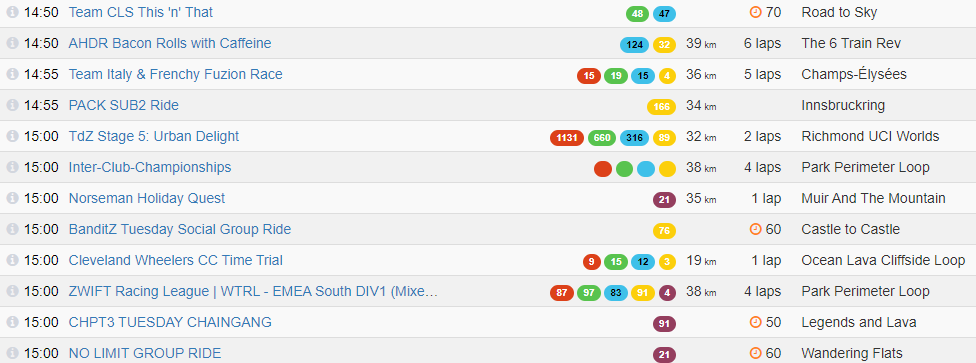
Log into zwiftpower.com and click the “Rankings” button to enable the event rankings charts. You will see the quality stats next to each event – a different number for each category in the event:
The lower the number, the higher the race quality. (This is because event ranking scores are based on the individual rankings of riders in the signup list, and the lower a rider’s score, the higher their ZwiftPower rank.)
So if you want to find a high-quality race, just scan the ranking number for your category, and find the lowest one on the list. You may also want to click “Filter” so you can shorten the list of events – to only display races, for example. Here are the results of a filter showing the rankings of upcoming races under 30km long with staggered category starts:
Based on this list, a B racer should enter the ZHQ Beta Crit City Race if looking for the most competitive B race.
Gotchas
ZwiftPower’s event rankings aren’t a perfect system, of course. Nothing is! One reason is last-minute signups – the ranking charts are based on current signups, and a good percentage of racers don’t sign up until minutes before the event.
And if you mouse over one of the ranking numbers, it will display something like “Estimated Race Quality – 48% of upcoming events”. Here’s the thing: that percentage, as well as the actual ranking number… nobody seems to know how those are calculated. The percentage isn’t terribly helpful (we would go so far as to say it’s not even accurate, on many occasions). And the actual ranking number doesn’t tell you something useful, such as the points result earned for taking first place.
So don’t take the numbers too seriously; instead, simply use them as a relative judgment of the comparative quality of upcoming races.
One Giant Leap
The numbers clearly show something Rick Wenger wrote about in his popular “How to Become a Top 20 Category B Racer” post. If you’re consistently performing well in your category, then the way to really boost your ranking is to race up a category. This is because you stand to improve your ranking more when competing against higher-ranked riders than those in your current category.
Whether you’re looking for a more competitive race experience or want to boost your overall rider ranking, ZwiftPower’s race ranking charts can help you choose the best race. Good luck!
The fifth race of Zwift Racing League 2021/22 Round 2 happens Tuesday, February 8th and it’s the first “climbing race” of the season. With three KOM segments and zero sprint intermediates, this week is all about watts per kilo… and smart racing.
Let’s dig into the race, including tips for bike choice, bike swapping, powerups, strategic options, and crucial segments:
Looking at the Route: Makuri Islands’ Temples and Towers
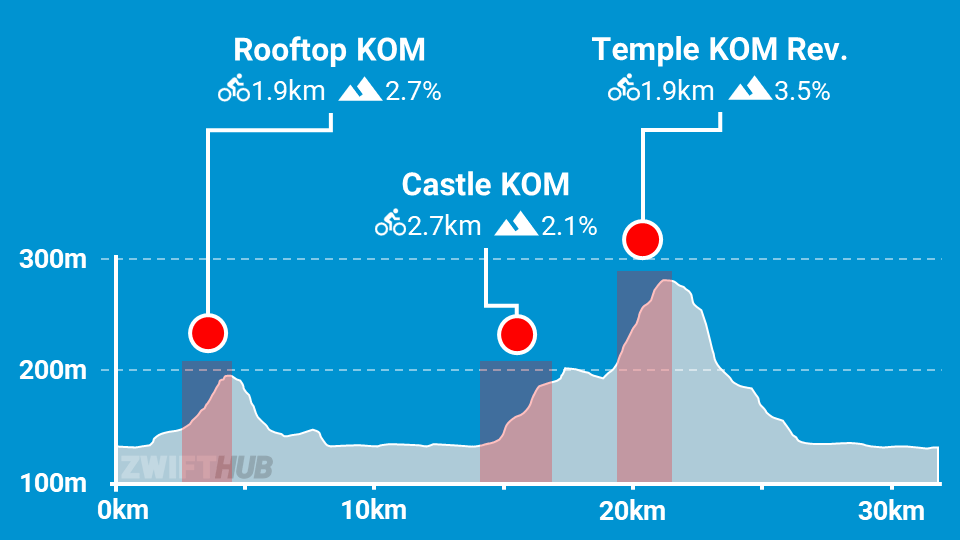
Makuri Islands’ Temples and Towers hits all three KOMs on the map, covering a total distance of 32.6km with 280m of elevation. All categories will be racing the same course, which is just one lap of the route.
Rather than taking you through a turn-by-turn, let’s just discuss the three KOMs, since that’s where the action will happen. We’ll also talk about the finish a bit…
First, the Rooftop KOM. At 1.87km and 2.7%, this is the “easiest” of the three KOMs. It’s a very draftable climb, especially on the first half, which is a series of steps.
The first selection of the race will happen here, but it won’t be a huge selection. There will still be a sizeable front pack by the time we hit the flat roads at the bottom.
Second, the Castle KOM. At 2.67km and 2.1%, this climb comes in two parts. The first, flatter half is draftable, and the pack typically stays together. The second half, especially after the hairpin left into the Castle area, is where things string out.
Expect a second selection here.
Third, the Temple KOM. This is the big one! 2.5km at 3.6%, this climb is all dirt and thus will take around twice as long to complete as the Castle KOM. ZRL riders will be familiar with this climb, since we raced it last season on the Countryside Tour route.
Strong climbers will put in their biggest attacks here, in a bid to shrink the front pack’s size substantially and grab some segment points.
The finish is set in a custom location for these ZRL events, so it comes before the typical finish if you were to ride the route for one full lap. When you exit the roundabout after the tunnel, you’ll have less than 600m left to go. Watch your distance to go, watch the pack, and sprint smart.
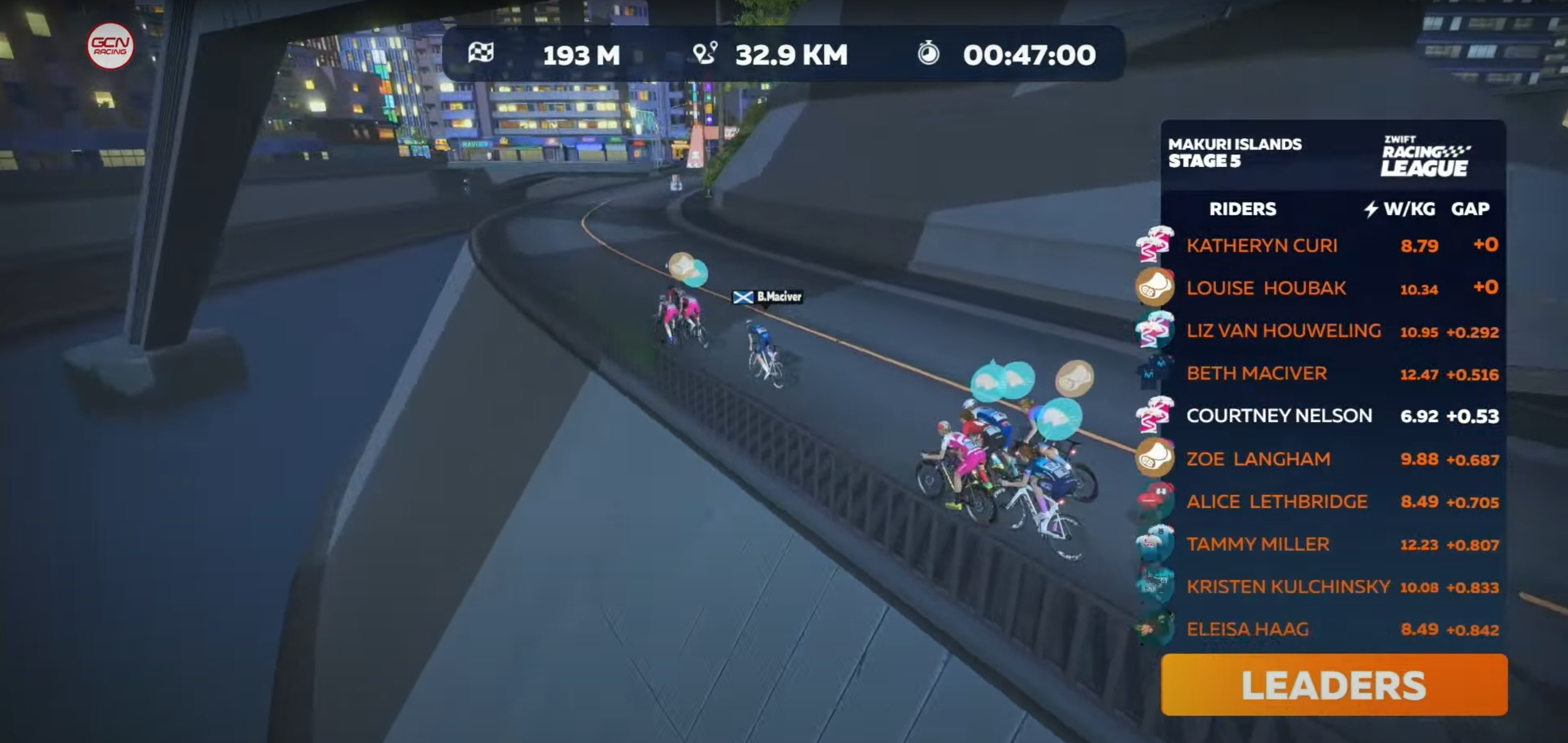
The finish arch just coming into view as the Premier League ladies sprint for the line
The finish banner only comes into sight with around 200m to go!
Riders will be awarded powerups through each segment banner, meaning we’ll get 5 powerups during the race (one at the top of each KOM, one through the Railway sprint banner, plus one more as you go through the Castle KOM banner on your way home).
Three powerups will be randomly given out at each banner:
Aero Boost (helmet): makes you more aerodynamic (reduces your CdA by 25%) for 15 seconds. Best used when you’re going fastest and air resistance is highest. Very handy in sprints and attacks off the front.
Burrito: turns off draft effect for riders within a 2.5m radius for 10 seconds. Use when attacking off the front so opponents have to work harder to follow you, or use it in the group to make nearby riders work harder for a bit.Be careful to avoid suicide by burrito!
Steamroller: reduces Crr for 30 seconds so you roll as fast as a road tire on pavement regardless of wheels or road surface. If you’re on a road bike, use this when you hit a dirt patch. (It also provides an advantage on cobbles, bricks, ice/snow, etc.) Most advantageous on the final KOM of the race, since it’s dirt.
Bike Frame + Wheel Choice
An all-arounder setup is your best bet here, since you want something decently fast for the flats and descents, but light enough that it won’t hurt you much on the key climbs.
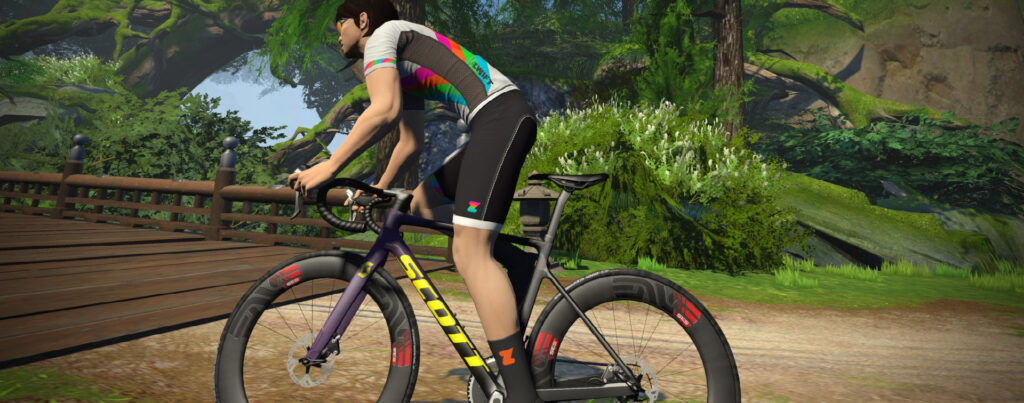
The Tron bike is a good all-arounder. We also like the Scott Addict RC + ENVE 7.8 wheels – a combo which climbs slightly (less than 1s) faster than the Tron on this route’s KOMs. See our Tron vs Top Performers chart for details on the performance of various top frames and wheels.
The most aero setup in game (Specialized Venge S-Works plus DT Swiss disc combo) loses 2.5s to the 2.5s to the Scott+Enve combo on the Temple KOM, so we wouldn’t recommend going pure aero.
To Swap, Or Not To Swap?
This is the question many are asking. If it’s not worth riding a gravel bike from the start, is it worth swapping to the gravel bike before the Temple KOM, to take advantage of its speed on the dirt? And if so, should you swap back to a road bike… and when?
The answer is… it depends. Let’s run through three likely scenarios…
Scenario 1: Starting the KOM in a large pack (10+ riders), and you are a strong enough climber to possibly get FTS points. Swapping may work, but it’s a big maybe. It would only make sense to swap if you were to stop before the KOM start line, swap, then chase back onto your pack and finish at least 10s ahead of them at the top, so you can swap back to a road bike after the KOM banner and get back into the group. If you can do all this from the front group (and that’s a big if!), you’ll earn FTS and FAL points, still be in the pack you started with, and on a road bike that lets you contest the finishing sprint.
Scenario 2: Starting the KOM in a large pack (10+ riders), and you are not a strong enough climber to get FTS points. If you’re just praying to remain with your group over the top, don’t swap. Because even if you match the power of others in your pack, you’ll probably still be dropped due to the time cost of swapping off the gravel bike. Put another way: the best that can happen if you swap is to “break even” and finish the climb in the same pack you started with. Better to keep it simple and work to hold your position in the pack.
Scenario 3: Starting the KOM alone or in a very small group (less than 10 riders), and you are not in the front group. If you’re in this position, your drafting on the climb will be minimal and you probably aren’t strong enough get FTS points on this KOM anyway. Don’t worry about swapping. Just work to maximize your finish position.
More Route Recon
Many events are now being planned each weekend on the upcoming ZRL route. If you’re not familiar with this course, jump into one of these events and do some recon! Here’s a list of upcoming Temples and Towers events.
Looking for a video recon, with lovely British commentary to boot? Check out Si and Sherpa’s recons below:
Si Bradeley
Sherpa Dave
Strategic Options
Points Distribution, Week 5
The maximum points a team of 6 could earn in this race.
As you can see from the chart above, KOM points make up a large majority of the overall points. Winning teams will be those whose riders climb well in the 2.5-7.5 minute range.
So what strategies will riders employ in race 5? Here’s what we predict:
Smash-n-Ease First Two KOMs: riders strong enough to chase KOM FAL and FTS points will attack the second half of the first two KOMs, but not work to stay away from the pack afterward. It’s not worth the effort to stay away when they know they’ll drop weaker climbers on the final KOM anyway.
Hanging ’til the Finish: riders who aren’t strong climbers will be doing all they can to hang with the front pack over the KOMs in order to find themselves in the front group on the flat lead-in to the finish. If sprinters can make it over the top with the front group, they should be able to grab high finishing points.
A Strategic Final 11km: once we finish the final KOM, we expect to see a small group of climbers off the front, with a group of “flatlanders” chasing. Whether those groups come together or not in the final 11km will be a question of teamwork and strategy. Is it smart for a sprinter in the chase group to work to bridge up to the front if he has teammates in that group? What if you aren’t a sprinter? What if you don’t have teammates in front? Lots to consider.
Destroy the Gravel Riders: if a strong competitor begins the race on a gravel bike, it would be smart to push the pace on the pavement, particularly on the climbs, in order to drop that rider before the Temple KOM. (This gets extra-interesting when you consider that Zwift caches other riders’ bike selections, so what you see on screen may not be entirely accurate…)
Smart PowerUp Usage: riders will be hoping for a steamroller powerup before the dirt Temple KOM, as it gives you a huge advantage for 30s. In a perfect world, riders would get an aero boost atop the Temple KOM, for use in the final sprint.
Watch the Premier Division Race
Zwift’s top racers will go head to head in the Premier Division the day before the community races. Watch it on GCN Racing’s Youtube channel.
Your Thoughts
Any insights or further thoughts on this race? Share below!
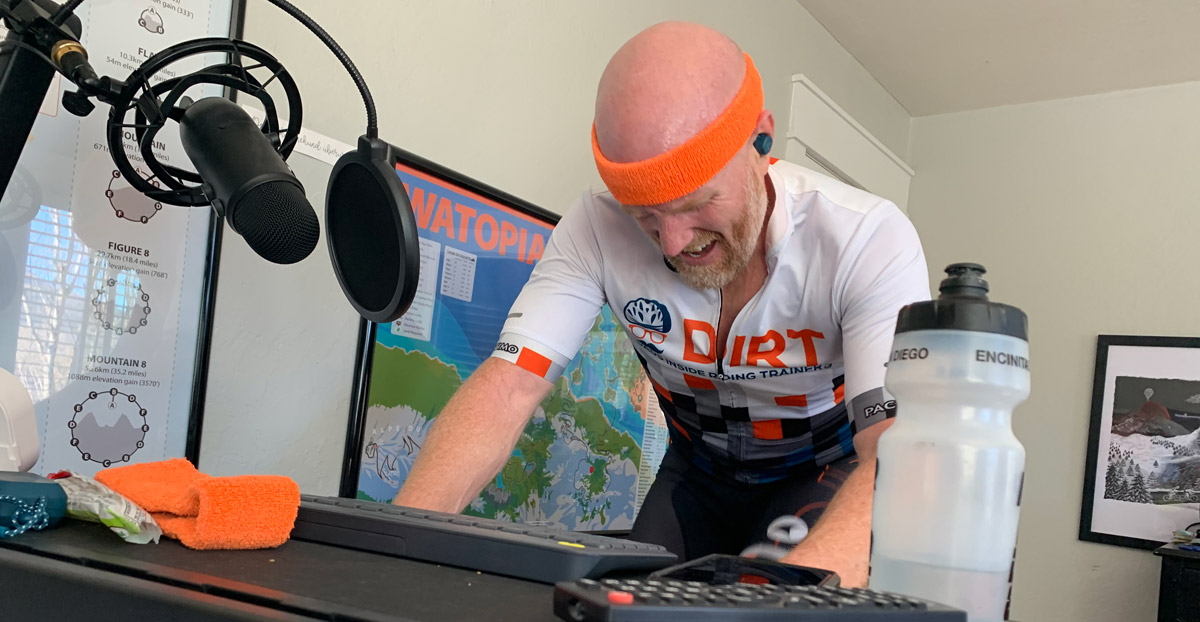
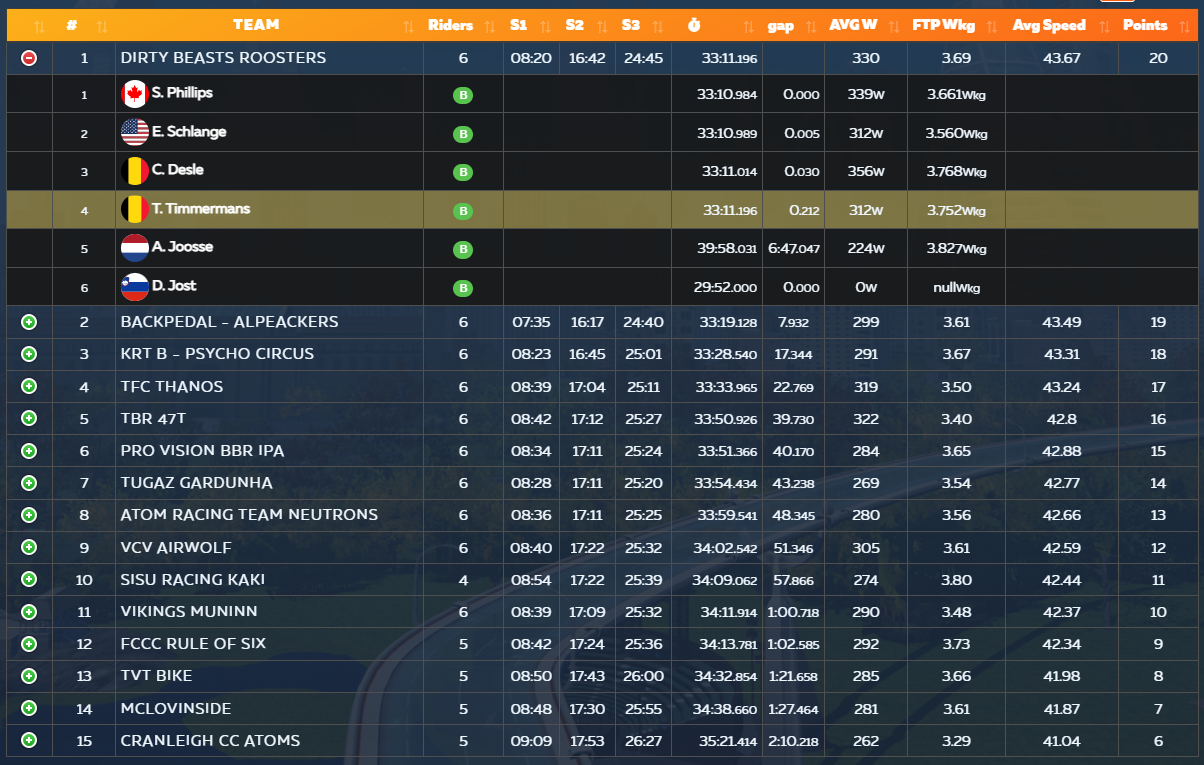
Yesterday’s team time trial on France’s Douce France route was the first of the ZRL season. My team (the DIRT Roosters) was in first place in our EMEA W B2 division, but that didn’t give us much confidence because everyone knows the teams who win scratch races often don’t win TTTs.
They are two very different beasts. Scratch races reward smart sprinters, punchy climbers, and (occasionally) those with a high FTP w/kg. TTTs reward good planning, teamwork, and (usually) pure watts.
The Warmup
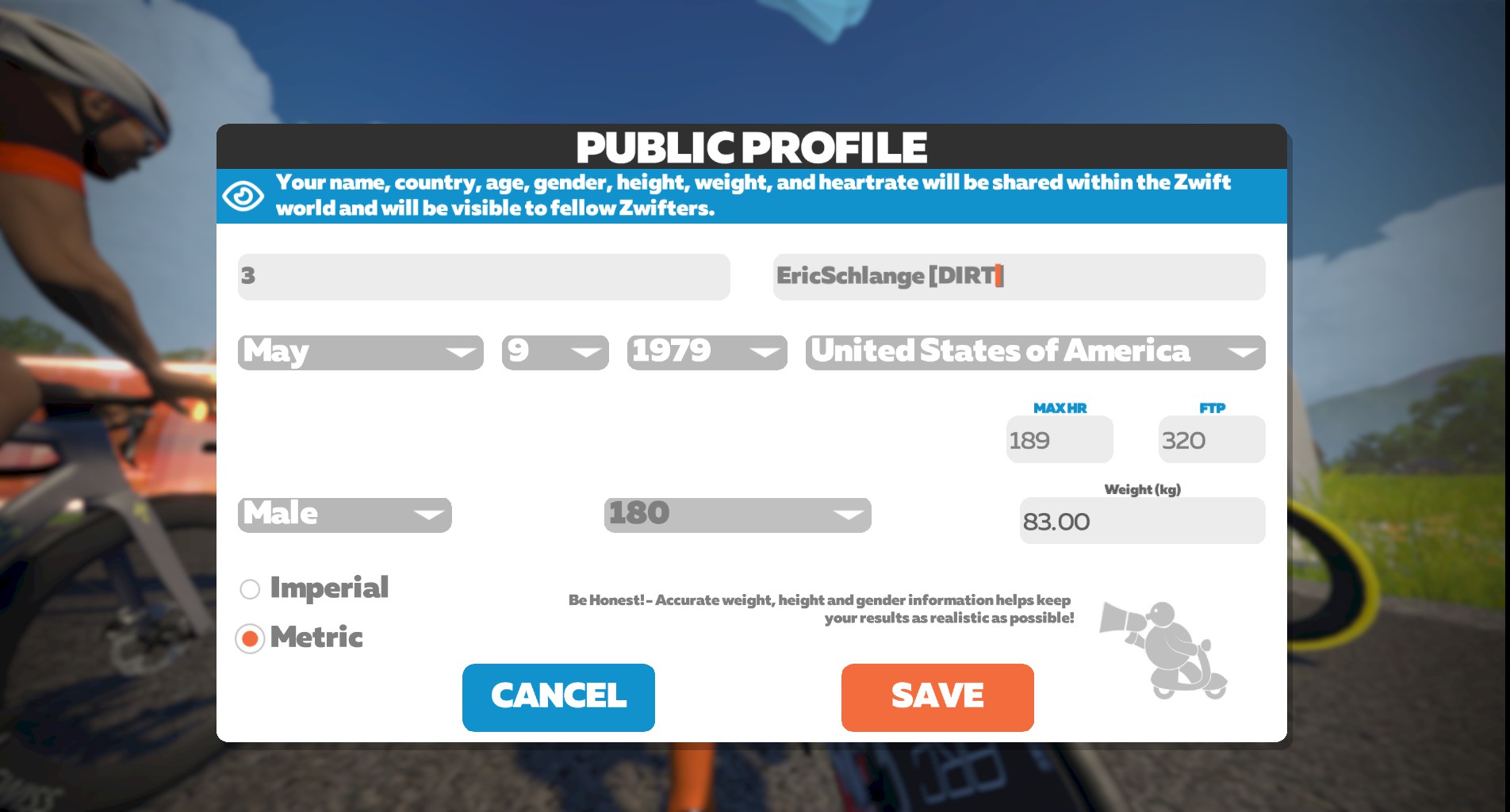
Changing my in-game name to include my pull order and team
This being a TTT, and this being ZRL, I knew I’d be pushed to the limit. So I tried to go into it with fresh legs (only partially succeeded), and of course I followed my typical pre-race routine:
A clean, carby oatmeal breakfast
Beet juice two hours before the race
Caffeine gum – two pieces, one hour before the race.
PR lotion on my legs about 45 minutes before the race. More bicarb=less burning.
A nice 30-minute warmup with the C. Cadence crew, including a few spinups to get the heart rate up
I even waxed my chain the night before, ensuring ultimate drivetrain efficiency.
In the days before we had worked out our pull order and power targets via Discord chat. Now I was signed into voice chat, and it was time to join the start pen and see how we stacked up against our division. Let’s go!
The Start
For the first time that I can recall, WTRL started teams with the top-ranked team going first, next ranked going second, etc. This is the opposite of what they’ve done in the past, when they’ve done the start order similar to what you’d see outdoor in a stage race, with the top-ranked team going last.
We’re currently #1 in our division, so we were off first, after a 1-minute wait. Teams were also spaced by 1 minute instead of the usual 30 seconds, meaning very few (if any) teams would get overtaken in today’s race.
TTT Formations
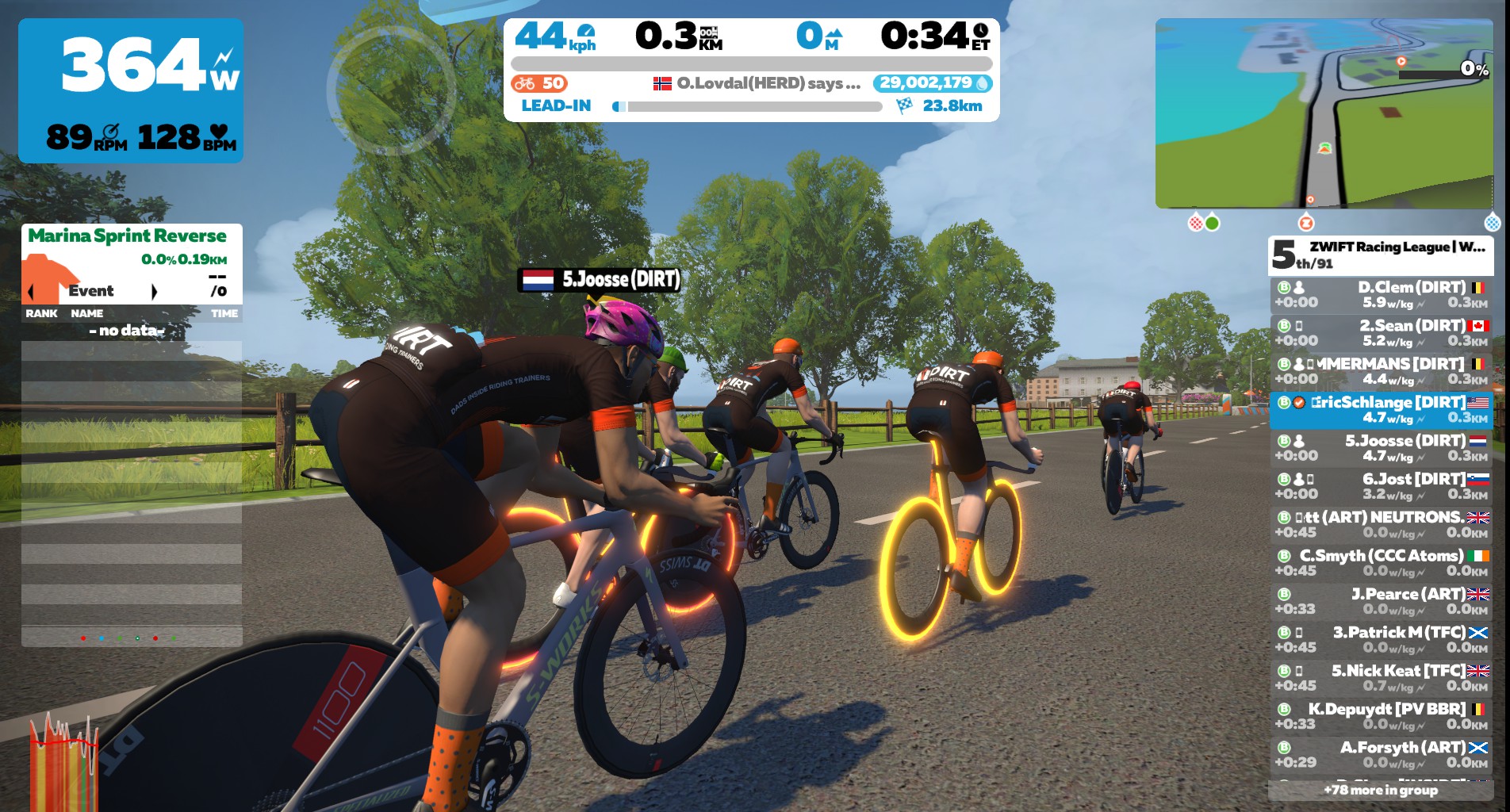
The Roosters had a smooth start, hammering out of the pens and getting up to our target speed of 44-45kph quickly. On the twisty, rolling Les Intestins section we had one designated pulling rider rotating every 30s, but everyone else just tried to stay in the draft and ride efficiently.
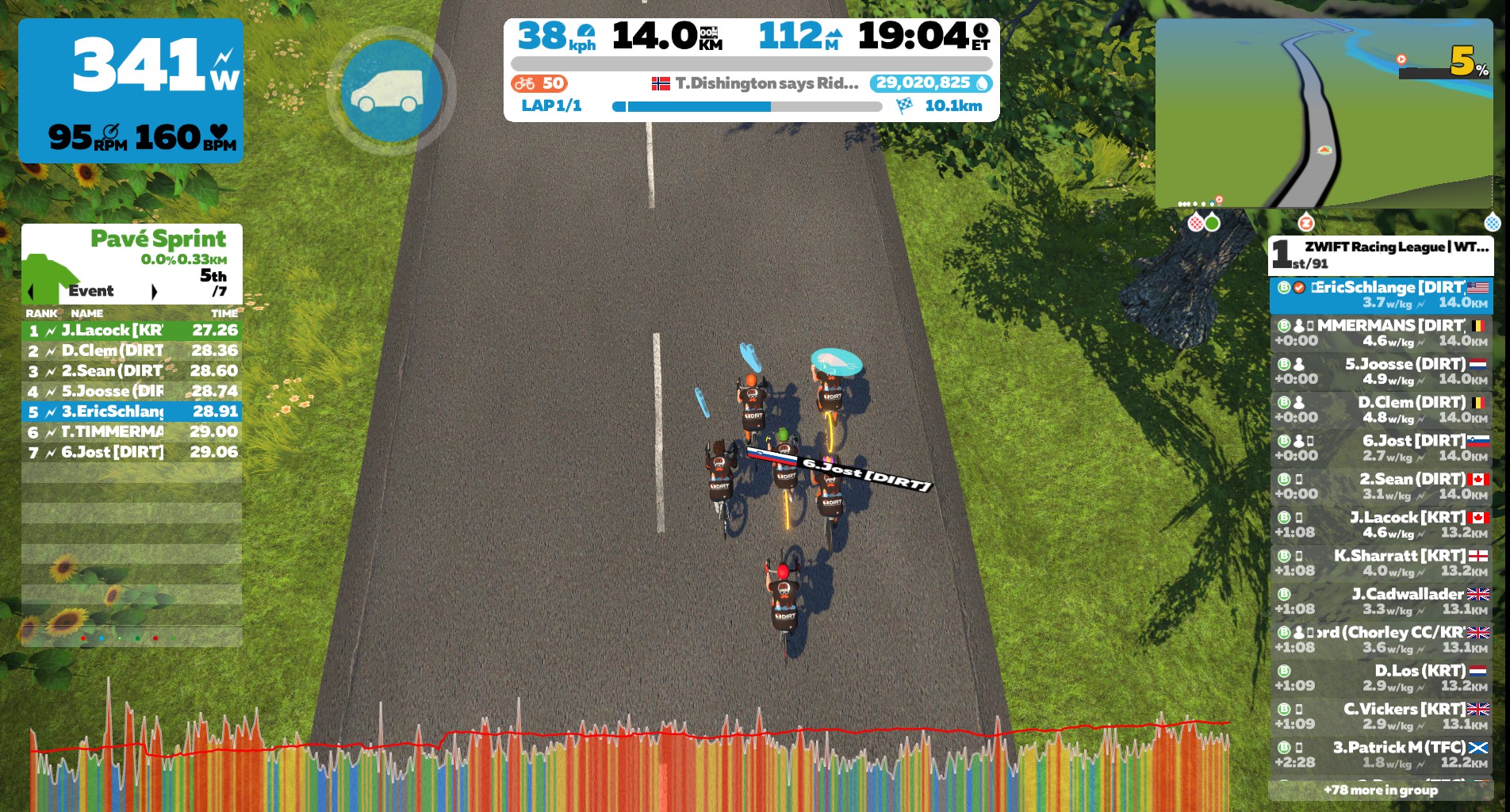
Then it was into our “ugly paceline” formation once things got flatter and straighter. That meant the designated puller, the on-deck rider, and the third rider tried to ride single file, while everyone else just stayed in the draft behind. It’s uglier and slightly less efficient than a perfect paceline, but it’s also much easier to do.
Up the Aqueduc KOM it was every rider for himself, just going hard to keep our speed up while staying together. I used my feather powerup (powerups in a TTT?!), then we went through the KOM banner, got another powerup (van), and recovered on the descent.
Bunched up on the Aqueduc KOM
Steady, Steady
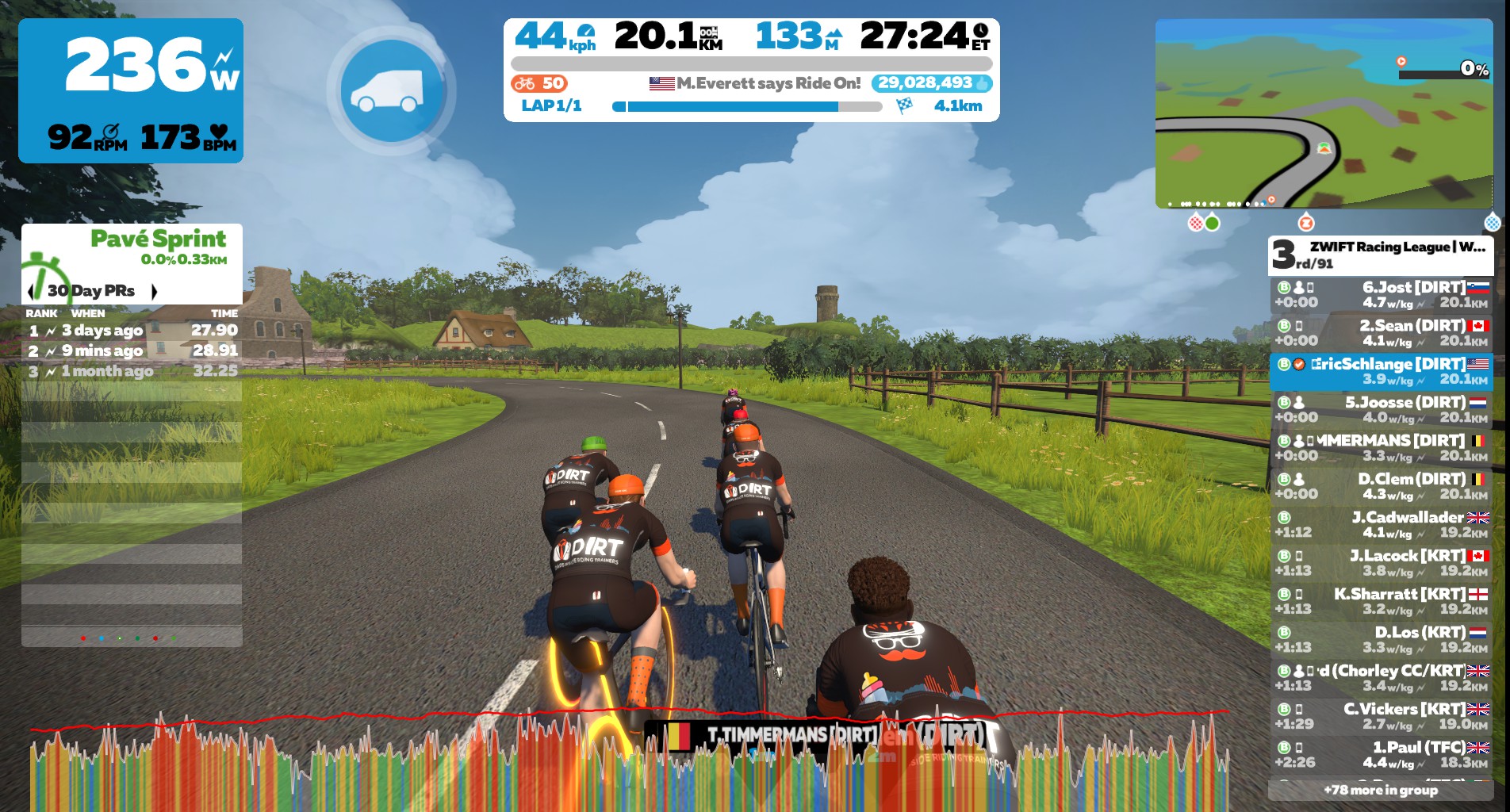
Now we were on the back half of the route. The flat half. Here it was about holding our ugly paceline formation, keeping our speed steady and our power on target.
Glancing at the rider list on the right, I could see we were around 10 seconds ahead of the KRT squad who had started second, and maybe 15 seconds ahead of TFC who had started third. That was a good sign, but we also knew there might be other strong TTT teams who were off our radar. We couldn’t let up.
We had one rider struggling (Dejan). With team captain Antoine not riding but acting as DS, Dejan was instructed to rest up in the draft, then take one final suicide pull.
The idea with a suicide pull is to put in one last hard effort, as long as you can go, then blow up and drop off. Since your team’s time is taken off the 4th rider, often you’ll have one or two riders who are struggling and won’t make it to the finish. Once they’re unable to take turns on the front, the best thing they can do for the team is one final suicide pull.
Dejan doesn’t talk much on Discord, and he didn’t warn us about his suicide pull either! Instead, as we whizzed past the Carnac stones of France’s Brittany area, he rocketed through the group, activating his aero powerup and gapping us off the front.
Dejan takes his final pull
Fortunately teammate Sean chased him down, with me just behind, and we were still able to benefit from Dejan’s work.
Not long after Dejan’s suicide pull, Arjen managed to smack his ANT+ cable with his phone, disconnecting his power readings and dropping hard. That quickly took us from 6 riders to 4. There was no room for mistakes now!
The Finish
The final kilometers of a TTT are always brutal. This is where everyone is struggling to hit their power targets, the pull rotation gets messy, and the brain is low on glycogen. But you’ve got to give everything you’ve got!
And that’s what we did. With 2km to go it was just a matter of going hard on the front if you had the legs, or sitting in the draft if you didn’t. I put in one final pull then eased off, digging deep to gut out the final 500m.
Sorry, no race video this week. My PC was acting up with poor framerates whenever OBS was running, so I binned it and concentrated on the race.
Putting in one final pull…
Team Result
Based on the time gaps we’d seen during the race, we figured our time was good enough for a podium spot. When the final results were posted, we were super stoked to see our name at the top of the list!
Takeaways
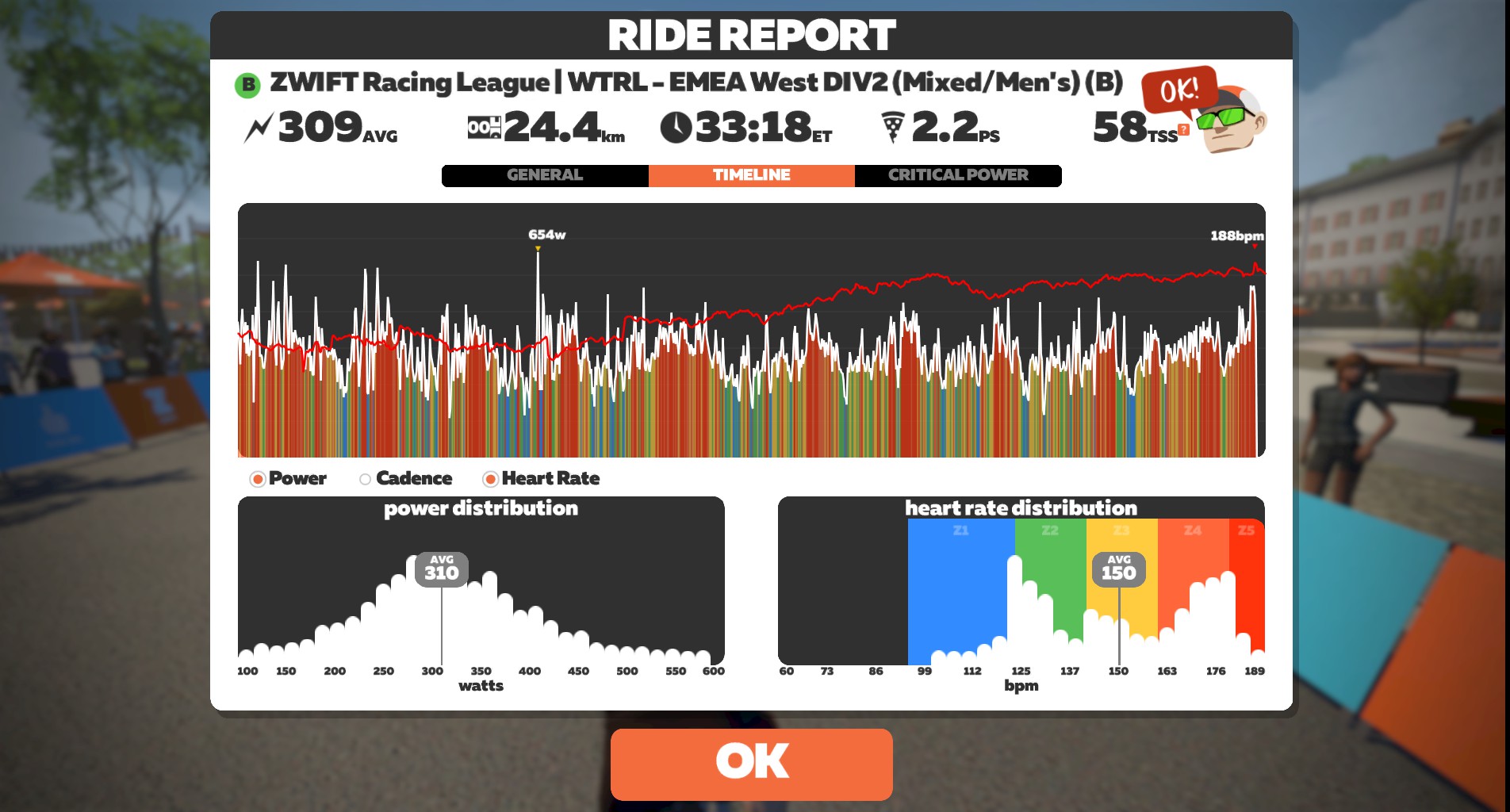
Although my legs were a bit sore from previous days’ efforts (including an ill-advised hike), I was able to hit my power targets for this event. I think I may just be fully recuperated from my (admittedly light) Covid infection. Fingers crossed.
See where I took my pulls? New 6-week power PBs from 14 minutes on…
The Roosters rode well together, with new teammate Sean Phillips slotting right in, taking strong pulls just ahead of me, covering gaps, and overall riding a really heads-up race. Sean recently upgraded from a C to a B, and he crossed the finish line first in our team. Since we were the fastest team on the day, does that mean he won his first B race? I think it does!
There are still places where we could improve as a TTT unit, and the next TTT of the season (on Richmond UCI Reverse) will be a challenge for everyone with its multiple climbs. TTT is a challenging format, with riders expected to stay together but also put in max efforts. It’s a constant give and take of recovering then going hard, and it’s never perfect. But this week, it was good enough. Go Roosters!
Your Thoughts
How did your ZRL TTT go? Got questions or comments? Post below!
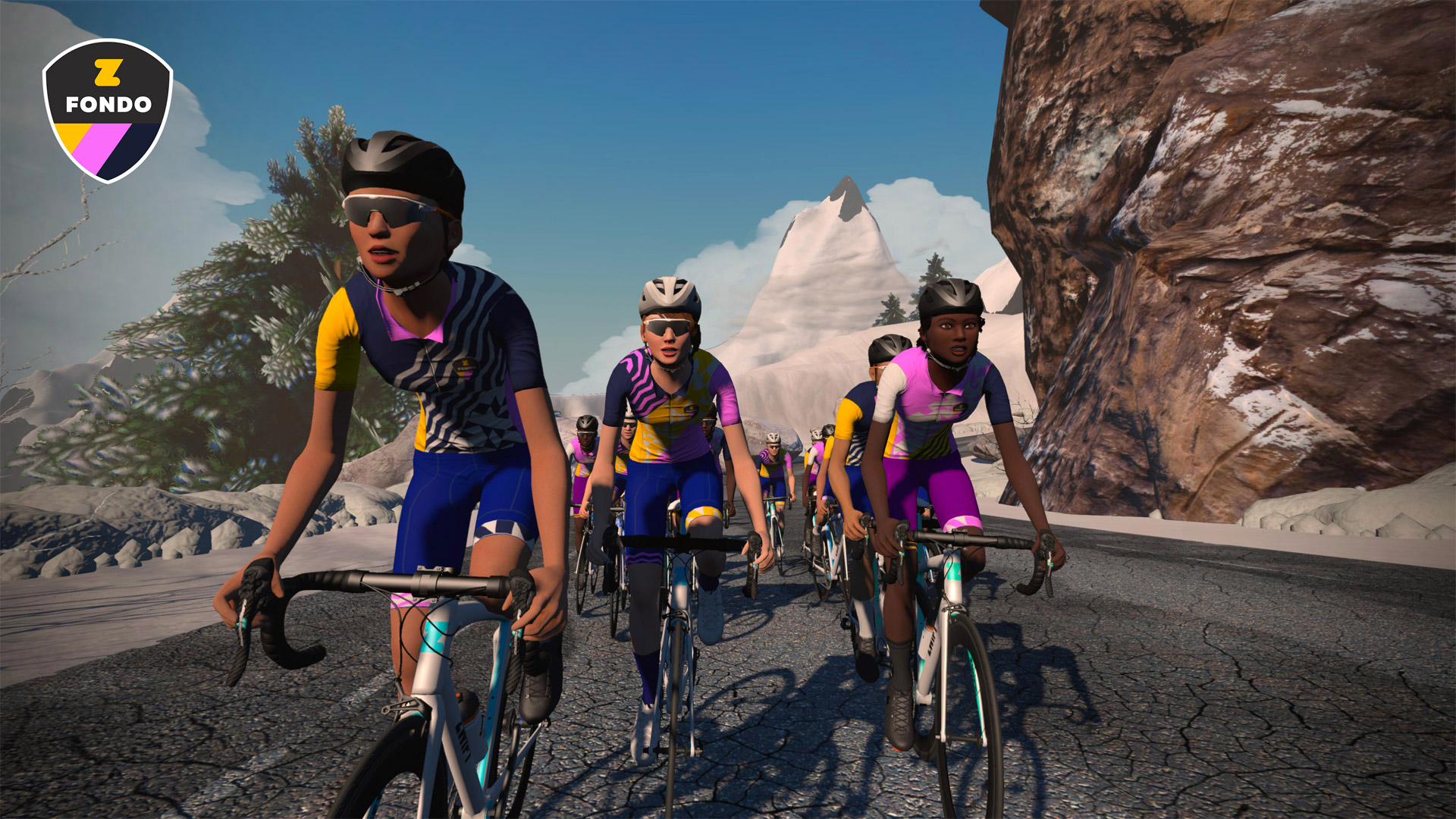
Zwift’s 2022 zFondo series is three months long (January-March), with a weekend each month dedicated to fondo events. This weekend is February’s fondo weekend, so don’t miss your chance to join thousands of Zwifters working together to put in big efforts.
Along the way you’ll unlock an exclusive jersey and build your fitness in ways only long rides can. Allez allez!
February Fondo Schedule
February’s set of Zwift Fondo events kicks off at 12am Friday, February 3, which is 7pm EST/4pm PST February 2.
Events repeat every 5 hours until February 6th at 10pm GMT/5pm EST/2pm PST. There are a total of 15 events currently scheduled.
This is a 3-month series, and each month’s fondo has its own unique kit unlock. These kits are exclusive, meaning they will never be available anywhere else in game. A true badge of honor! Here’s a shot of all three kits:
From left to right: March, January, and February kits.
Routes
Zwift Fondo events have three categories (A, B, and C) which are open to all riders. These categories don’t refer to rider strength or speed – they determine which route you will ride.
And this year Zwift has created a fresh set of fondo routes! Here they are (click for route details):
A: 2022 Gran Fondo - 94km (58.4 miles), 1,141m (3,743′)
B: 2022 Medio Fondo - 77.2km (48 miles), 924m (3,031′)
C: 2022 Bambino Fondo - 52.3km (32.5 miles), 400m (1,312′)
Is this a Race?
Officially, no. But hundreds (possibly thousands) of riders will turn out for each of these popular “fun race” events, and the front of each category will certainly be filled with strong riders going all out.
As Zwift says, in the end “This is not a race, but some will choose to ride it like one. Do what’s comfortable, and go at your own pace.”
These events have double draft mode enabled, so be sure to work with others when possible, since this conserves energy.
Upcoming Fondo Dates
March’s Zwift Fondos will happen on March 4-6, 2022.
Fondo Training
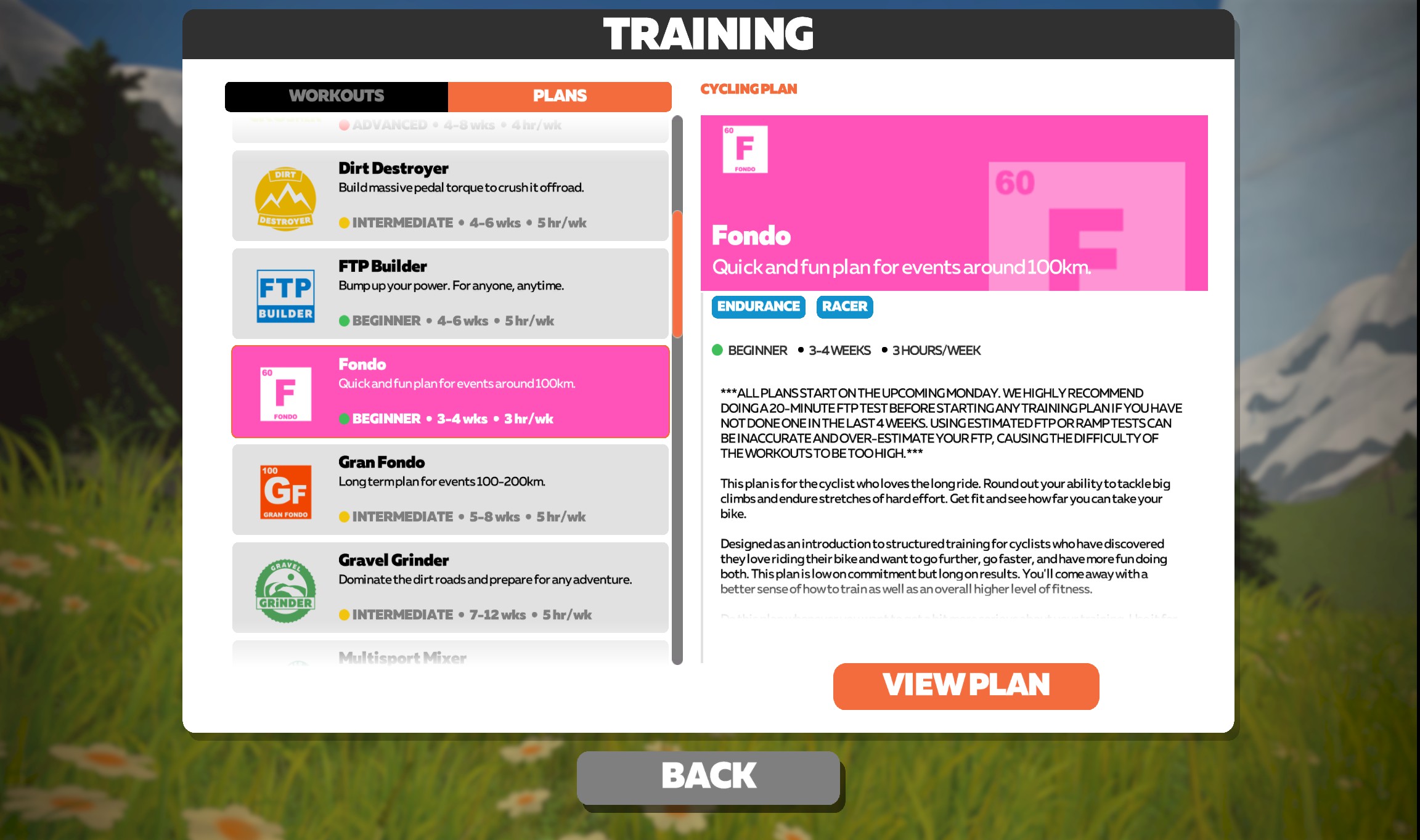
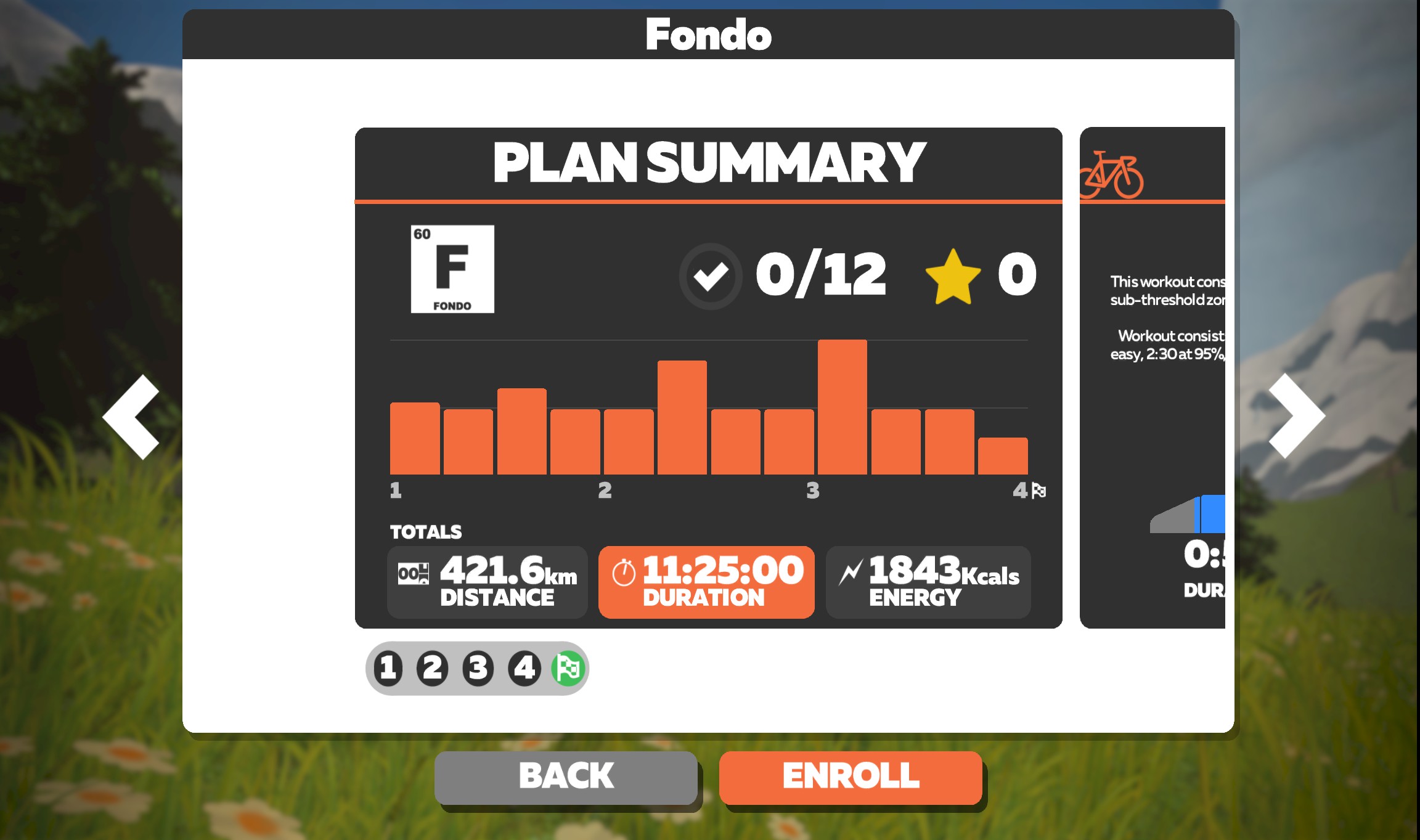
Want to take on a Zwift Fondo, but you’ve never done such a long ride? Check out the Fondo Training Plan in Zwift. It’s 3-4 weeks long, 3 hours/week of work, and will get you prepped to take on your first fondo:
Take the World Cancer Day Solidarity Challenge, February 4
Current statistics in the UK say that 1 in 2 people will be impacted by cancer in their lifetimes in some way. That percentage is staggering when you consider the UK population is 60 million people. When expanded to a global scale, it is estimated that 10 million people die per year as a consequence of cancer, with estimates increasing to 13 million by 2030.
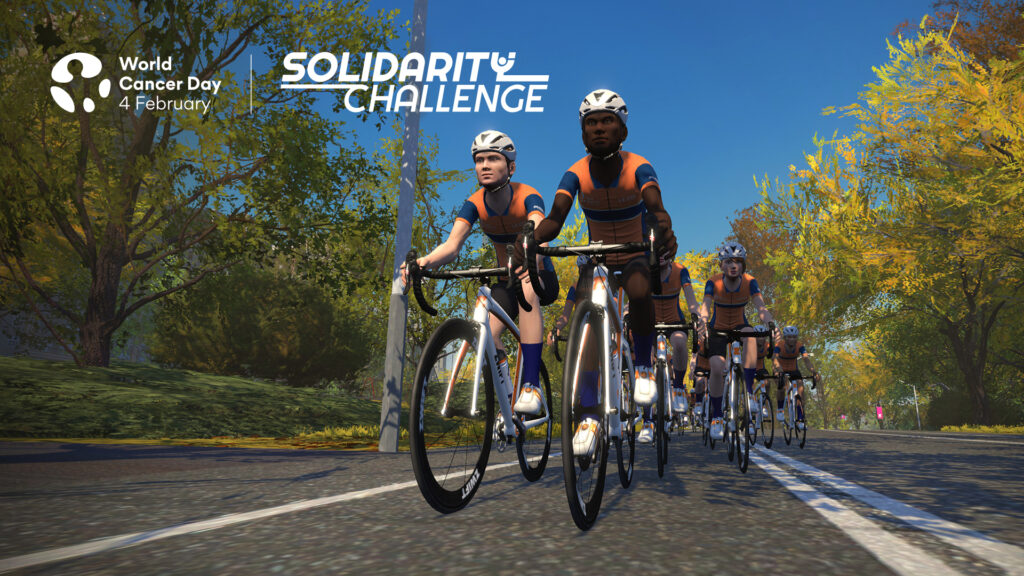
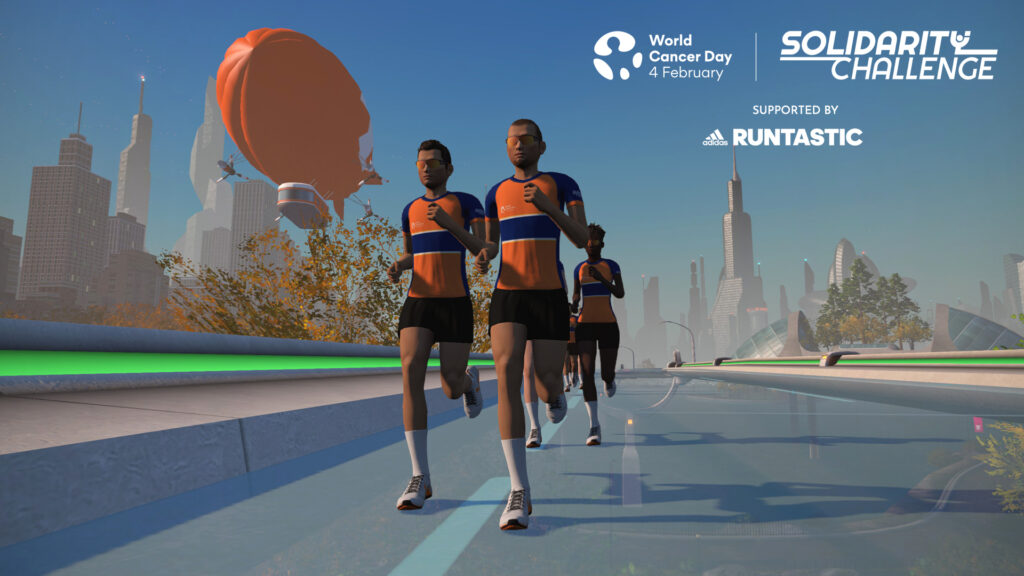
Friday, February 4 is “World Cancer Day” and Zwift is supporting this important day by connecting with the Union for International Cancer Control (UICC) to raise awareness and try and help prevent millions of people from dying prematurely. To achieve this, Zwift and the UICC are uniting to host the “World Cancer Day Solidarity Challenge”.
This year, the theme is “Close the Care Gap”. It’s all about raising awareness of the disparity of care affecting millions in high, low, and middle-income countries.
Schedule, Routes, and Special Guests
The World Cancer Day Solidarity Challenge consists of six rides and six runs hosted at different times throughout the day to enable Zwifters worldwide to participate.
But like any cancer journey, Zwift events aren’t solo efforts. To represent this fact, participants will be joined by a host of sporting superstars such as Alistair Brownlee, Kristian Blummenfelt, Lucy Charles-Barclay, Lawrence Dallaglio, Jan Frodeno, Martin Johnson, Robert Pires, Nicola Spirig, Paula Radcliffe, Carla Suarez-Navarro, Lauren Steadman, and DeAngelo Williams.
The rides and runs will take place in the New York world map. Rides will use the Park Perimeter Loop while runs will use the Park to Peak route. Each run and ride event will last for 45 minutes.
Rides:
• Ride 1: 6pm Eastern Australian Time – Sydney (GMT/UTC +11) with Alistair BROWNLEE, Nicola SPIRIG, Kristian BLUMMENFELT & Lucy CHARLES-BARCLAY • Ride 2: 6pm Singapore Standard Time (GMT/UTC +8) with Lawrence DALLAGLIO, Paula RADCLIFFE, Robert PIRES, Carla SUAREZ-NAVARRO, Simon CARR* & Julius VAN DEN BERG* • Ride 3: 6pm Gulf/UAE Standard Time (GMT/UTC +4) with Mikel LANDA* & Gino MADER* • Ride 4: 6pm GMT with Chris OPIE, Lauren STEADMAN, Martin Johnson & Matt STEPHENS • Ride 5: 6pm EST with DeAngelo WILLIAMS* & Chris HARKEY* • Ride 6: 6pm PST with Heather JACKSON* (*) Ride Captains for each ride
Finish any event of the series to unlock the in-game 2022 World Cancer Day kit.
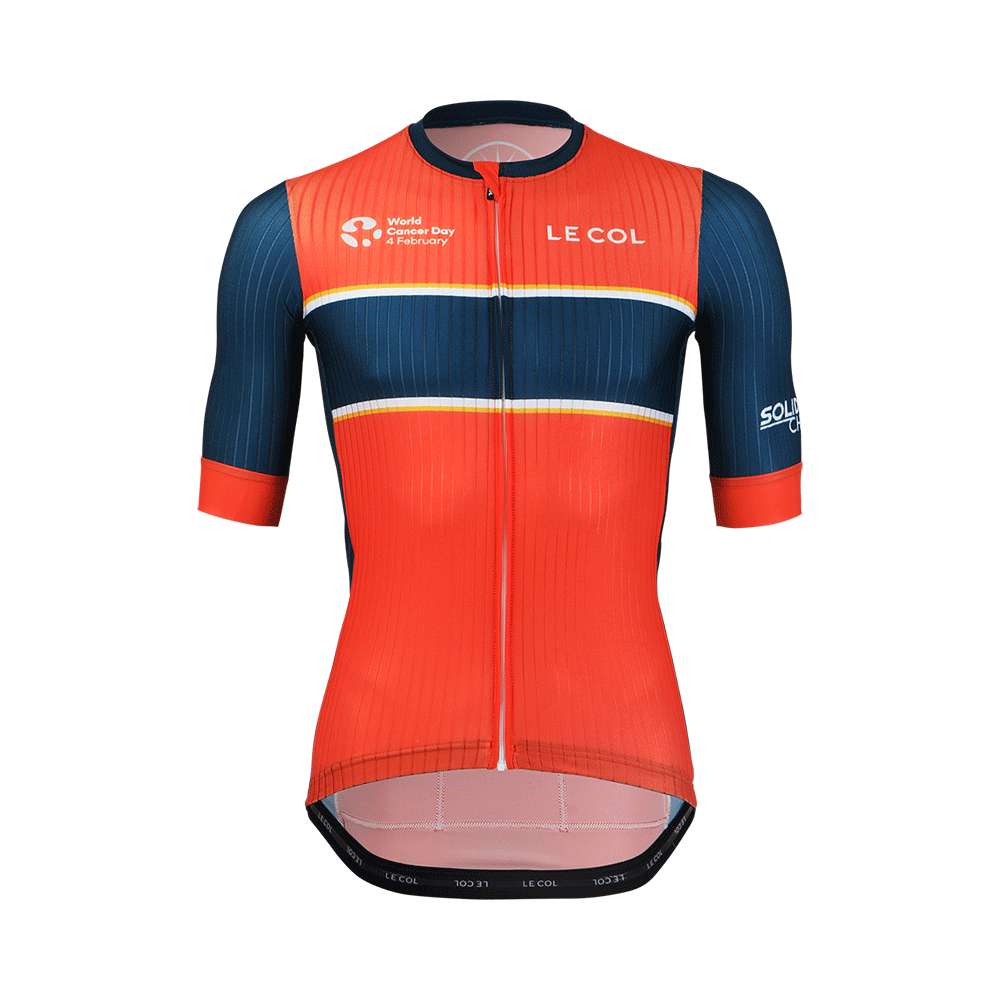
Le Col have created a bespoke IRL jersey you can purchase, with part of the profits donated to the charity. Here is the link to the jersey.
About the UICC and Zwift
The UICC “represents the world’s major cancer societies, ministries of health and patient groups and includes influential policymakers, researchers and experts in cancer prevention and control.”
In their own words they “unite and support the cancer community to reduce the global cancer burden, to promote greater equity, and to ensure that cancer control continues to be a priority in the world health and development agenda.”
I spoke to Nicole Engelbrecht, Head of Communications and Marketing at the UICC who explained that following their very successful collaboration with Zwift in 2021, it seemed natural to continue because “the global nature of Zwift helped raise awareness to the cancer challenge.” Nicole noted that as a consequence of the global pandemic, traditional fundraising methods have not been able to happen and UICC member organisations have had to utilise other mediums and embrace new technologies to raise much-needed awareness and revenue to help fight cancer.
We discussed the new World Cancer Day theme “Close the Care Gap” and noted how even in Western societies, there are different levels of cancer treatment and care, which includes not just the physical impact of cancer but also addressing the psychological challenges it brings. As Nicole explained, “the campaign wants to highlight and help address the significant barriers that prevent many people around the world from accessing life-saving preventive services, diagnostics, treatment and care. These barriers lead to wide discrepancies in the risks of developing and surviving cancer. That is the essence of the ‘Close the Care Gap’ campaign.”
According to the official website, “all donations raised through the World Cancer Day Solidarity Challenge go directly to the Union for International Cancer Control, the world’s oldest and largest cancer-fighting organisation. Help by making an individual donation or fundraise amongst your community, friends and family.”
Summing Up
I am full of praise for the excellent events that Zwift are facilitating in partnership with the UICC, because they effectively unite the community and raise awareness for an important global issue. Furthermore, I think it’s great to see the UICC exploring opportunities, despite facing unprecedented challenges, to secure much-needed revenue to ensure the cancer battle continues. I for one will be donating and undertaking multiple rides to support those like myself who have been directly or indirectly impacted by cancer.
Zwift Premier League, Week 3: The Cheating Episode
Season 2 of the 2021/22 Zwift Premier League runs from January 10th to February 14th. As a quasi-contributor to Zwift Insider and a rider/director of a newly promoted Premier League team, I wanted to give an unfiltered behind-the-scenes look at the action. Look for a recap each week here on Zwift Insider.
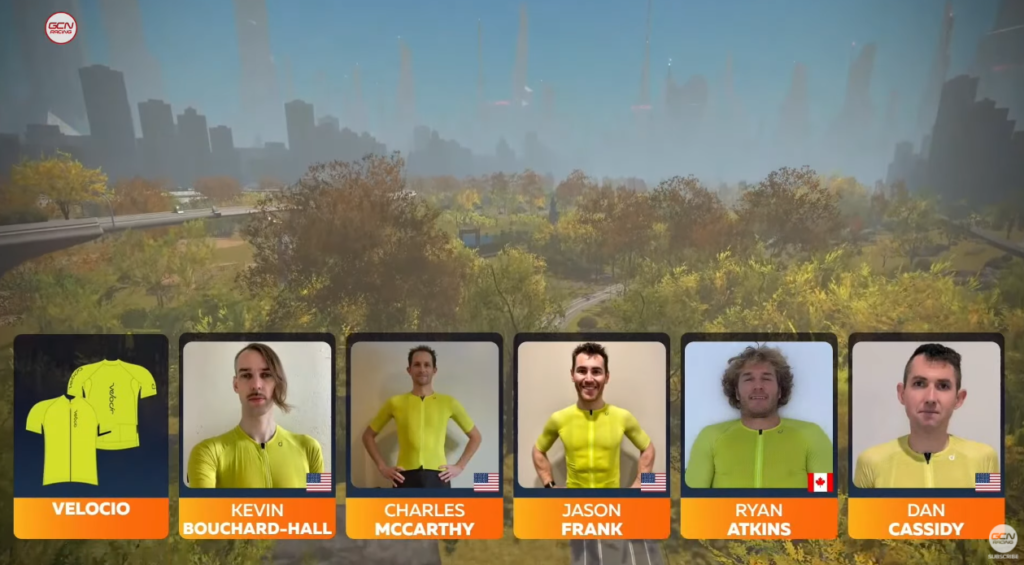
Race 3 of the Premier League started with a bit of GCN coverage of the Velocio team (watch the full GCN stream here). Our fashion crimes and mostly unsuccessful aggressive racing have made us pretty visible. The team standings have us right at the line of relegation and we are on pace to be AFC Richmond in Season 1 of Ted Lasso. If I was to cast each of our team members as someone in the show, I would cast them as follows:
Ryan Atkins as Sam Obisanya. Supremely talented,principled, and impossibly nice.
Charles McCarthy as Higgins. Underappreciated talent and a foundation of the institution.
Jason Frank as Jamie Tart. Only problem here is Jason wouldn’t want to play Jamie Tart, why would he want to be anyone other than himself?
Dan Cassidy as Keeley Jones. Sassy, looks good in a dress, super talented and is bound for bigger and better things.
KBH – I don’t fit a singular character but I would describe myself as “If Ted Lasso and Roy Kent had a baby”.
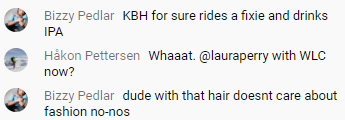
YouTube chat
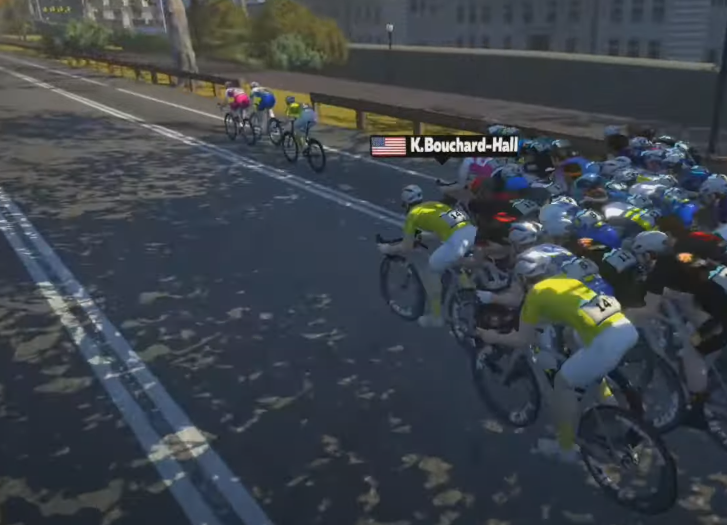
This week’s race was on the NYC Park Perimeter Loop. A rolling course with 4 total sprints that doubled in value every lap. This led to some interesting tactical decisions on how to best score points. Basically earlier points would likely be less competitive but also less rewarding. The last lap points came right before the finish so going for those would cook you for the finish, to quote Dave Towle “it was the Gambler’s Prime”. The unique point structure made it exciting to nerd out on the best strategy to attack this race.
As soon as the race started it became clear this was going to be a more traditional race. After a very aggressive week 1 and 2, we saw little in the way of breakaways. Moves were given no leash. I think the power of the downhill killed most breakaway gaps, but we also had a pack dynamic bug that might have changed how fast the pack was. Apparently the pack dynamics were the old dynamics which historically made breaks impossible. From what Zwift told us, the server was running the new dynamics but all of our clients were running the old dynamics. So what we saw on screen in game and where we actually were wasn’t accurate. We learned about this because the visual of the winner and the actual winner were quite different. When things are very, very close it is common to have a small discrepancy because what happens on the server and is then shown to the client has some lag. But this time, it was bike lengths, not tire widths.
Team on broadcast
Margins of Truth
And this brings up something I want to talk about in Zwift racing. Accuracy, error, and cheating!
I know many people in the Zwift racing community hate to talk about cheating because it tears down what can be fantastic, and dare I say it, real racing. The assumption many cyclists make is that zwift is so fast because everyone is cheating. I think there is some truth to that, but not in the Premier League. I think we are seeing pretty fair racing. What isn’t talked about is the limitations of current technology and the gray area it opens up.
Out in the community races poorly calibrated power meters, wheel on trainers, patently false weights, and ZPower run rampant. It can be a bummer but there is no money on the line and no major rules against it. It can be the wild west but it can also make for some hard training.
In the Premier League there are weigh-ins 2 hours before the race. You have to use a trainer with at least 2% accuracy as your primary power source. You need a secondary power meter to check your trainer power data. You have to do a workout with a series of max efforts to create a power profile you are capable of, in addition to getting a record of how your trainer and power meter work. This substantially reduces the riff-raff.
So how are they cheating? I think they mostly aren’t. What we are seeing is what +/-2% accuracy looks like. It doesn’t sound like much. But when everyone is so close in performance, these small differences can be race-changing. So what do I mean by
+/-2%? We all like to assume all of our devices work as intended. I think what most of us believe is our own scale reads too high, our own power meter reads too low and everyone else’s is the opposite. But in truth there is a variance from trainer to trainer and brand to brand. What is stated as 1% accurate might be true for the test unit, but is it for all units in all batches? We make a lot of assumptions that everything works as they say it works.
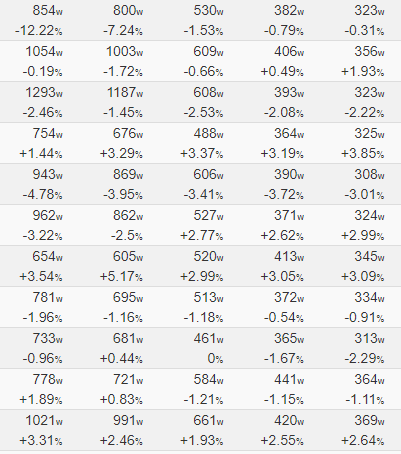
In reality, some units will read high, some low. The hope is a separate power meter should shed light on whether or not a unit is off, but the power meters have the same variance. So what does 2% look like? At an FTP of 400 that’s 8 watts. The difference between 400 and 408 FTP is huge. That is the entirety of gains I can expect to see in a season of training. But in esports, that can just be the trainer you use. Compared to an unlucky competitor with a low reading trainer, you can have two people with the same FTP that are racing with an effective power difference of 392w to 408w. Compounding this with possible bodyweight scale error, we can see some wild variation without any actual physical differences. It should also be said the generally accepted dual variance is 5%! So double the difference stated above.
So what happens is a new gray area of manipulation. Most of the Premier racers all know this. Most of us just use what we have and hope it is close. Calibrate, use as intended, pay attention to any wild changes. Newer units tend to be better. But there are also those that change sources often and “fish” for the highest reading products. Maybe because they are just playing the game, or maybe because they’ve deluded themselves into believing the highest numbers possible are their real numbers. There are prominent teams with trainer sponsors that don’t use their sponsor’s product. But I must admit, how do we know what the real numbers are? Again, we assume the highest dual recording number is right for us and the lowest dual recording number is right for others. The truth is, we don’t know.
Some duals from the race
So what is okay and what is not? I switched to a waxed chain and saw about a 1% increase in trainer power. If I wanted to get divorced I could buy a $1000 ceramic derailleur cage too. What about using a sauna or getting an enema before weigh-in? How about sandbags on your trainer? They are all weird but if you want to do them, have at it.
To me the clearly wrong behavior is using something you know is reading high willingly. If you have to adjust the slope of your power meter to match your trainer you are cheating. If you manipulate your data from the trainer to the game, you are cheating. If you try and tune the calibration of your trainer/PM to read high, you are cheating.
All of these things are hard to prove, I think. But since everyone in the PL is an excellent cyclist, these small gains turn in some phenomenal wt/kg numbers and this is where people have gone wrong. Riders doing numbers off the Coggan chart (a historical chart that ranks human cycling performance) or showing substantial gains in performance in short periods of time. Recently one of the top-ranked Zwifter women in the world was banned precisely for this. In 8 months she got 35% better and put numbers off the Coggan chart. I don’t think they could ever prove how she did it, but the numbers were so unbelievable, they were simply, not believable.
In outdoor racing, no one has ever been banned for incredible performances. There are many out there that should have been, but it only happened because of drug testing, police raids, or whistle-blowers.
In esports, we are number generators. The sport is the numbers and how they are made and what they are is where the cheating happens. Anti-doping in outdoor racing has bio passports. If something changes wildly they can look into foul play. In esports we have power profiles and when performances improve wildly we can assume foul play.
Many elite riders can be world-beaters in esports with the right equipment and world-beaters can be average with the wrong. The best will always have extra scrutiny and it is important to remember racers are mostly just hoping their equipment is working as intended. So when the game client and the server have a hard time showing who won a race where 25 people finished within 1 second of each other, just remember all those numbers that got them there vary by many times more than that winning margin.
Chasing the Gambler’s Prime
Back to the race. Our team split up the primes to give our best chance at points. There never ended up being any easy sprints though. The plan for myself was to sit in and go all out for the Gambler’s Prime. Jason would focus on the finish. Each of the laps I practiced the positioning into the sprint without going all out. I was trying to get a feel of where I needed to jump and from where in the pack I would start that jump. I quickly learned an early jump was causing a separation from the pack, but the front of that split got swarmed. So I needed to make that early surge but not hit the front till 200m to go.
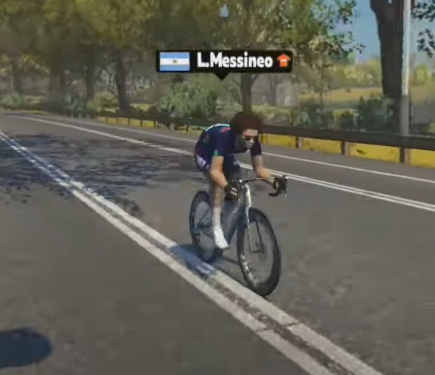
Unbelievable move
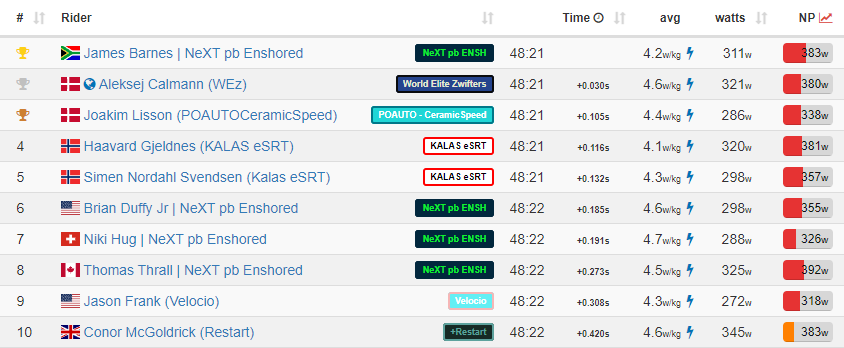
The only move to make it to the points was Leandro Messineo – WeZ Oral. He launched a vicious attack after Harlem Hill and held on to take top points. On the stream he was in the orange the whole time and my team Discord was wowed by the move. It was unbelievable. Turns out, it was. His result was annulled by ZADA this week. WeZ Oral is not happy and is fighting it.
Esports is a new world, people are judged on their numbers. Zwift is numbers. In his ZADA test, his best 4 min effort was 400w. In the race he did 447w for 3.5 minutes. You can’t judge intent, but a 10% performance gain is not reasonable. I commend ZADA for acting on something that clearly didn’t pass the sniff test. The fact that they do this actually supports the other amazing performances we see, because it implies it believes in them.
André Greipel is not impressed
After committing myself to a passive race of boredom the last lap meant game on for me. I focused on my plan and made the early jump and followed wheels into the sprint. I hit the front at about 300m however, and I just couldn’t hold it. Those with more patience/watts came roaring by and I went from 2nd to 5th. I made the points, but they fell off hard. First was worth 40 points but my 5th was worth 4. I did my best 30-second power ever (by 2.5%, not 12%) and my positioning was pretty good. I was just beaten by better riders and that’s okay, this field has a lot of those.
Attempting to come around.
Coming around.
Out of gas.
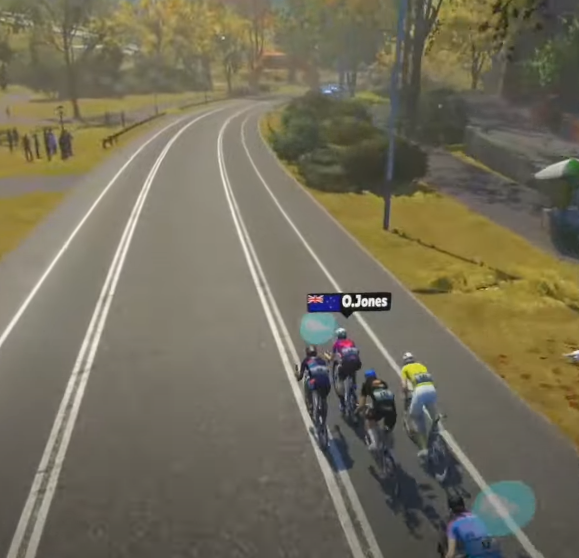
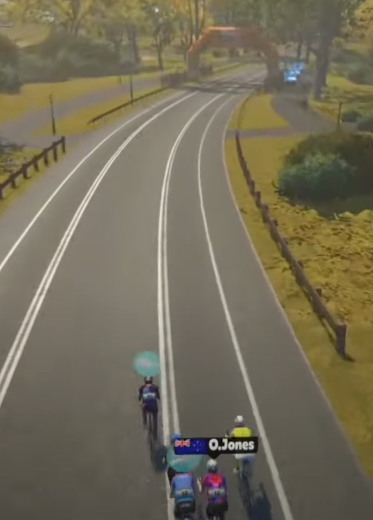
This left us with a huge gap on the field and Ollie Jones – Canyon made a solo move to the line. I wanted to go but got greedy thinking I could sprint once more. The brave thing to do was to go for it. I am mad at myself for being weak. He ended up being caught but that is the style of racing I really respect. Kudos to him for sending it.
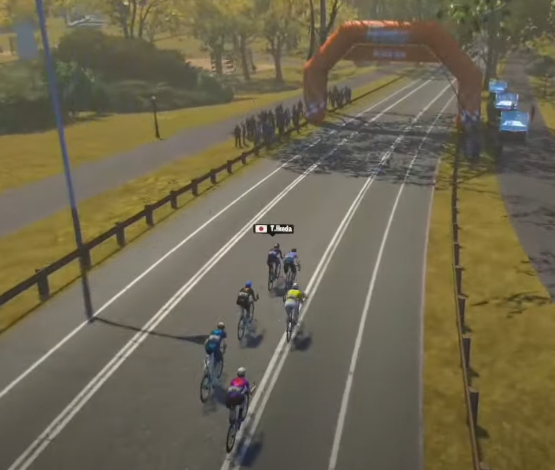
In the final sprint I focused on all the right things and had good timing but the power was gone. It was pathetic and I finished 40th, 0.6 seconds out of the points. Jason had another monster sprint and finished 9th. The team placed 11th and we continue to sit just above the line of relegation. Hopefully Jamie Tart doesn’t swap teams and knock us out.
Next week is the TTT and a chance to see how our watts and communication stack up. I am excited for it.
The Zwift Racing Landscape, Part 1: Racing Population and Popular Events
Zwift has rapidly grown as a platform over the course of the pandemic. A virtual world full of thousands of cyclists at all hours of the day riding in social groups or just squeezing in a quick workout, it may also hold the distinction of being the largest virtual world where participants’ avatars largely use their real names, linked to real life accounts – food for thought for those exploring various iterations of places claiming “metaverse” status.
For a small but growing segment of the virtual population, Zwift is also a significant competitive outlet in the form of racing. Structured race events each with often up to a hundred participants kick off multiple times per hour, including a weekly professional circuit with live races streamed to thousands of viewers.
For those looking in from the outside, and even from participants themselves, the whole landscape can be confusing and chaotic given much of it has simply grown organically – events are organized and hosted by 3rd parties, and riders largely self-select into categories and events, often popping into a race minutes before it kicks off.
As a frequent participant and esports and number enthusiast, I had a lot of questions on the overall landscape of Zwift racing that I logged into every week. While data at scale is currently difficult to access, some random sampling from zwiftpower.com helped attempt to answer some basic questions about this wonderful world of Zwift racing:
What does the overall population of Zwift Racers look like? How big is it? How often are most people racing?
What is the deal with the almost overwhelming number of events available? Which events/series are the biggest? Which tend to have more serious vs. more casual racers?
In a separate follow-up analysis, we look at:
How do I climb the Zwift Racing “Ladder” (defined by “Race Ranking”)? Which events should I ride in?
The “Race Ranking” has some confusing overlaps across categories – are they actually predictive of performance? What does that blurry line look like between categories (e.g. the “top ranked” riders in Cat B vs. “bottom ranked” riders in Cat A)?
While much of the analysis below is not statistically bulletproof, hopefully the broad strokes answers to some of the above questions can help put some framing in place and serve as a baseline from which we can observe where it grows from here.
The Zwift Racing Population
Over 80,000+ individual racers from across the globe competed and scored points in racing events in the last 90 days on the Zwift virtual cycling platform.
These 80,000 racers come from all across the globe but represent only a small portion (5-10%) of the likely 500k-1M monthly riders in Zwift’s virtual worlds (based on some rough assumptions around average hours/month ridden and the data in this recent article by Sigurd).
A much larger number, 350k+ according to ZwiftPower, rode in events and have opted into ZwiftPower but may not have scored points for any number of reasons (no HR monitor, joined an event, but not a race, raced in the wrong category, didn’t finish, event had less than 5 racers in their category, etc.).
[Methodology note: to find this total population number of 80k and the geographic breakdown, I found the lowest race ranking Zwift racer I could find from each country with a ranking better than the minimum (600) and looked at their overall, country, and category ranking – e.g. one rider with a race rank of 599 was shown as ranked 85,569th across the entire platform. Interestingly once you start looking at riders in the 550ish range you drop down to ~50,000th, implying that almost 40% of ranked racers have a rank between 550 and 600.]
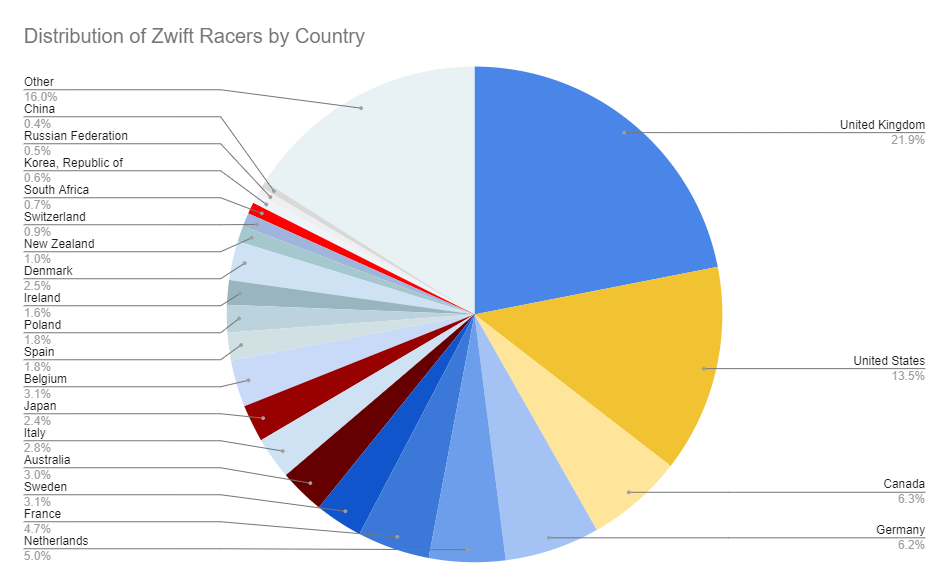
The racers come from all around the globe representing a truly global audience:
This pales in comparison to the tens of millions that compete in more “typical” video game esports like League of Legends or Dota, but sits comfortably nearby other “tier 2” esports such as car racing, real time strategy, or fighting games which often have similar sized ranked ladders and online players at a given time.
The major difference being, of course, that every pixel a character moves in Zwift is driven by muscles in real life pushing against real-world pedals on various flavors of stationary bikes, often at close-to-max heart rates!
To get a sense of what this average Zwift racer looks like, I took a random sample of events from a single day, then selected a random sample of riders from each of those events. More details on methodology and scaling the results to account for frequency below, but the average racer from within the 80k population appears to generally be ~165lbs and putting out a little over ~3.0 w/kg over a 30min race at an average heart rate of 155-160bpm. While not Olympic caliber (international pros tend to have w/kg outputs of ~6+ w/kg according to this article), these appear to be relatively healthy “players” putting in significant physical efforts every time they compete.
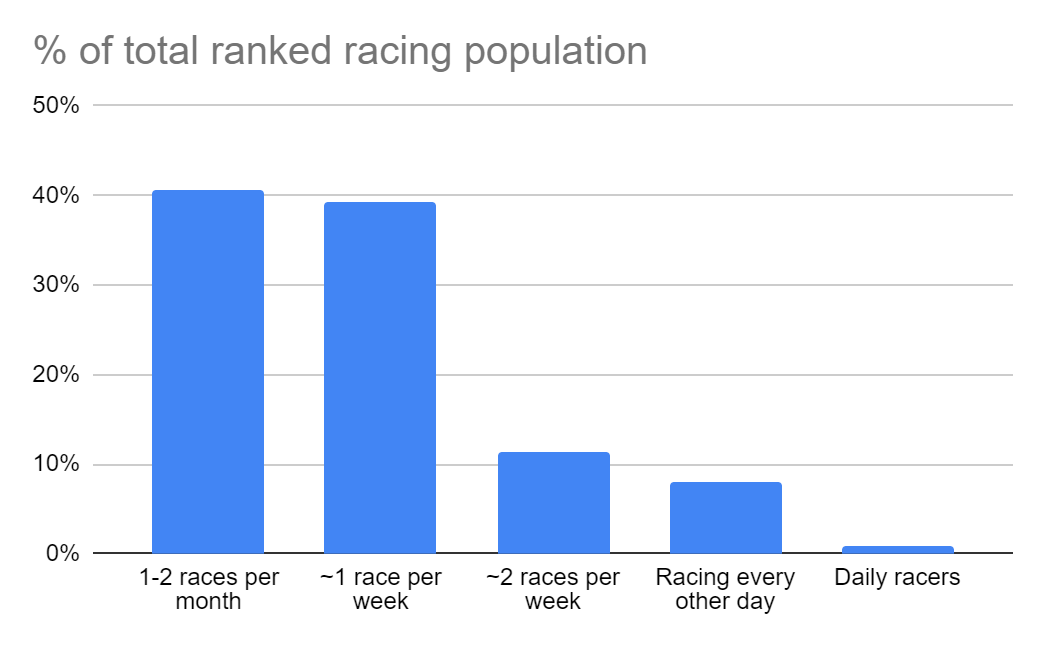
This has interesting implications on how often the “game” can be played relative to other esports. Zwift racers typically compete in one ~30min race per week. A smaller percentage (10-15%) compete in several races per week, while 5-10% are racing daily or every other day. As expected, this pales in comparison to top video games where average players often compete multiple times per day and can easily rack up hundreds of hours weekly.
[Methodology note: To get a picture of the average Zwift racer I chose a single day and randomly selected a set of events that occurred during that day, then collected data from the profile page of a randomly selected 10% of the racers from that event. That gave me a picture of the average racer on a given day – which is naturally biased towards racers that compete more frequently. To try and account for that bias in the averages, I categorized each racer’s profile by race frequency, then weighted their contribution to the stats by the likelihood they would have raced on that day. So while only ~20% of the racers I randomly selected raced 1-2 times in the last 30 days, this group of riders likely represents 40-50% of the total race population. On the other hand, a different ~15% of the riders I randomly selected raced almost every other day on average, but because the sampling method was so biased towards choosing them, they likely account for only ~5% of the total racing population.]
So that’s the “average” Zwift racer you might see sweating around the virtual course in one of many events. The next section takes a look at those events, and how the riders break down within racing categories across those events.
Zwift Racing Event and Category Overview
Zwift races occur within scheduled events of which there are a huge number (~1000 per week), kicking off at all hours of the day (~4-5 start every hour). Participation in these events varies by category, which are largely self-assigned designations based on watt output. Most races tend to allow a rider to join as either an A, B, C, or D, and trust the racer to choose an appropriate category. Racers racing below their category can be disqualified after the fact but there is no indication within the race itself. While the results are tabulated within a category, depending on the event you may actually see (and race against) riders from other categories. There is also a separate “A+” category for elite riders that often get lumped in with the broader “A” category.
Category
Total Ranked Population (% of total)
w/kg threshold
Average races/month
A+
1,500 (2%)
4.6+ w/kg
~9
A
7,500 (7%)
4.0+ w/kg
~9
B
35,000 (43%)
3.2+ w/kg
~4.5
C
30,000 (37%)
2.5+ w/kg
~3.5
D
8,000 (10%)
open
~3.0
Two points of note – one is the absolutely huge portion of the overall ranked population (almost half) that competes in B. The second is due to the frequency at which the average category A racer races on average, they end up accounting for a large portion of total races, despite being only ~10% of the total racing population.
So that brings us to the actual events themselves. While we all wait breathlessly for the new Zwift homepage redesign that may make finding events somewhat easier, right now, prospective racers are confronted with a long and highly variable list of potential events to enter at any given moment. As of this writing there were 12(!) events starting just within the next 10 minutes. But within these events, there are a few regular organizers that account for a substantial portion of the total races.
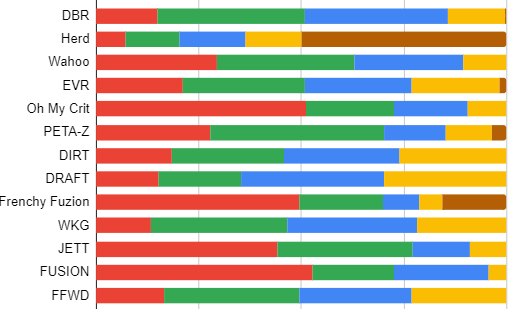
#1: WTRL
% of total Racers: 38% # of Races / week: 98 Avg racers per race: 193 Average Distance: 34km Category distribution:
WTRL is the official organizer of the Zwift Racing league (ZRL) as well as several other series of races. The Premier League of the ZRL is live-streamed to thousands of viewers and includes many professional cyclists. Entry into the ZRL races requires being on a team. Relative to other event organizers, these events are much more biased toward higher category participants. In fact, over 50% of the total Cat A race entries were in WTRL events over the course of this week.
#2: 3R
% of total Racers: 12% # of Races / week: 151 Avg racers per race: 38 Average Distance: 28km Category distribution:
3R is one of the most prolific event organizers, with races starting almost every hour. These races tend to occur on popular courses and typically have group (mass) starts – while results are calculated within a category, racers will see, and start with all of the other categories out on the course. These events are a great choice for those in between categories looking to try and keep pace with a higher category than their current one.
#3: Zwift HQ
% of total Racers: 9% # of Races / week: 95 Avg racers per race: 45 Average Distance: ZHQ: 22km Crit City: 18km Category distribution:
Zwift itself organizes a regular series of races, both on the standard Crit City courses as well as experimental races testing new features including steering, anti-sandbagging, or removal of the HUD. These races tend to be relatively short, relatively well attended (except for category A), and feature separated starts so the majority of people you race against are within your category.
#4: Evo
% of total Racers: 3% # of Races / week: 37 Avg racers per race: 45 Average Distance: 18km Category distribution:
Evo is another regular organizer of races that tend to focus on shorter courses, ideal for racers looking for quick <20km rides that fit within your schedule. Similar to the Crit City/Zwift events, these are separated starts and tend to be well attended outside of category A with even more of a bias toward category C and D riders.
#5: KISS
% of total Racers: 2% # of Races / week: 14 Avg racers per race: 74 Average Distance: 45km Category distribution:
KISS is one of the original race organizers on Zwift and has fewer races overall, but they tend to be on the larger size with an average of ~75 attendees and are very popular with category A riders. These races also tend to be much longer than other popular series.
Other
There are a huge number of other event organizers such as DIRT, DRAFT, DBR, EVR, Wahoo, etc.putting in tons of work with high quality and creative events. ~⅓ of total racing occurs in these other series, some of which happen many times per week.
% of total Racers: 36% # of Races / week: 413 Avg racers per race: 43 Average Distance: 45km Category distribution:
[Methodology note: For this data, I downloaded the event result list from the past 7 days (max available on ZwiftPower at any given time) for the time period 1/16/22-1/22/22. Admittedly this is a somewhat weird time in the Zwift racing calendar given the ZRL kicking off, but again an interesting look at the common races Zwifters are competing in.]
Wrapping It Up
To summarize the current Zwift racing landscape:
80,000+ ranked racers from around the world
Each racing about once a week
Largely in categories B and C
With racing split roughly in thirds between the ZRL, the other top event organizers (3R, ZHQ, EVO, KISS), and a long tail of smaller event organizers
In the next post, we look at how Zwift racers are ranked, what the distribution of those ranks looks like, and the blurry lines between categories.
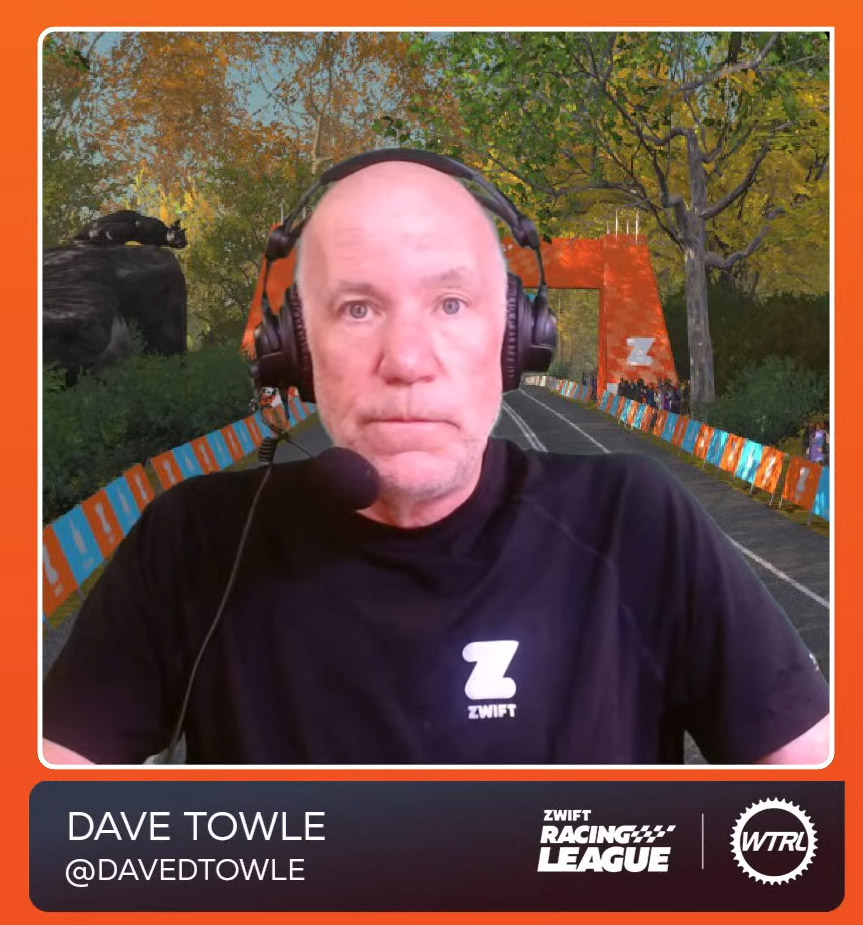
Dave Towle, the Voice of Zwift Racing (Nowhere Fast Episode 30)
Episode 30 of the Nowhere Fast Podcast is live!
Dave Towle, one of the voices of Zwift racing, joined the pod to chat about how he got into Zwift race announcing, covering the Zwift Premier League, and adapting to the modern racing landscape in the USA.
Dave has an infectious enthusiasm, kindness, and passion that can easily be heard… and it shows in his work.
About the Podcast
Nowhere Fast is a part of the Wide Angle Podium network and focuses on virtual bike racing. It includes Zwift commentary, interviews, and coverage of real races on fake bikes. Get it on Apple Podcasts, Podbean, Spotify, or anywhere else fine podcasts are shared.