Home Blog Page 126

Notable Zwift Events for the Weekend of February 10-11

0

Once again, we’ve got lots of fun events to choose from on Zwift this weekend. Tour de Zwift is wrapping up (but still very busy with all the Rebel Route badge hunters), Levi’s GranFondo has entered the building, and the Tiny Races are on a new route for the first time ever. See our picks below!


🥇🤝 Tour de Zwift Races (and Rides)

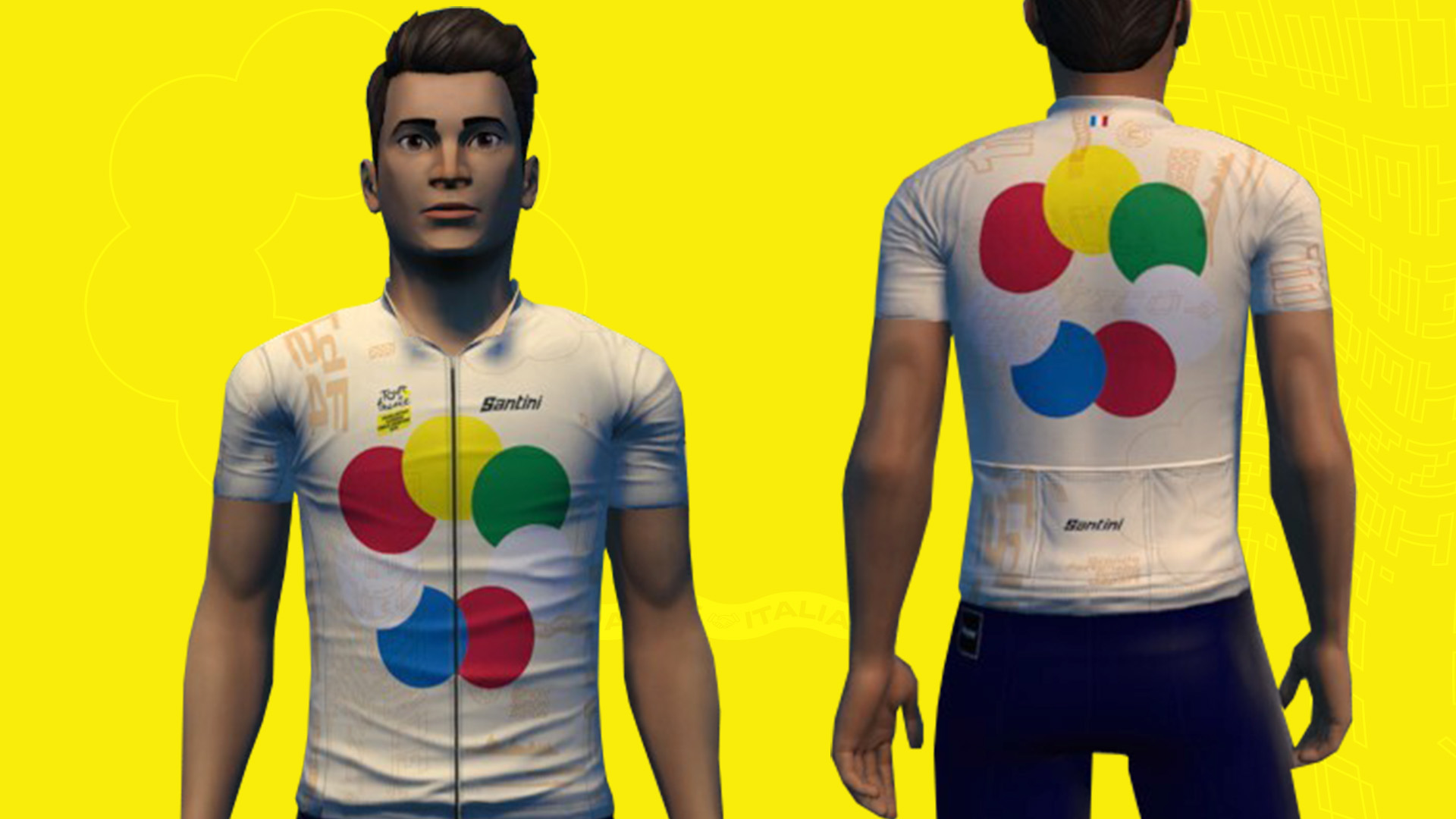
✅ New Route  ✅ Popular Event  ✅ Kit Unlock  ✅ Highly Competitive

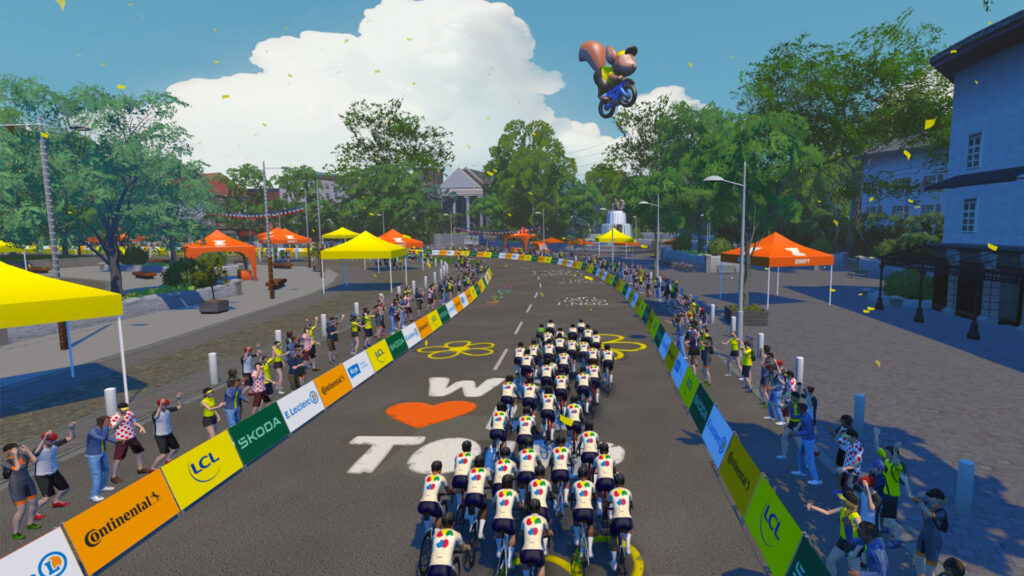
Tour de Zwift 2024 is almost over, and lots of riders are still showing up for every event. This weekend the “Epic” races continue. Choose from Stage 7’s race on New York’s Everything Bagel (34.3km, 543m) or Stage 8 on Watopia’s Spiral into the Volcano (55.6km, 324m).

If you don’t want to race or are just looking for a shorter TdZ route, check out the TdZ group rides this weekend. They have a special place in our heart, since they’re all former Rebel Routes that have just been added to the game!

Multiple time slots all weekend
Tour de Zwift: Ride details and event signup at zwift.com/tour-de-zwift/ride


📊 Squadra Castelli

✅ Endurance Workout  ✅ Kit Unlock

If you’re training for a longer-distance event like a sportive or granfondo, the Squadra Castelli workout series will get you there. They’re in a 12-week L’Etape du Tour training plan currently which features two mid-week workouts and a longer weekend workout.

This weekend’s workout is a 90-minute effort on Shorelines and Summits. It’s a structured workout (Erg mode) with lots of green, blue, and grey efforts… but also a bit of yellow and red!

Saturday, February 10 @ 9:25am UTC/4:25am EST/1:25am PST
Sign up at zwift.com/events/view/4177992


🤝 60-240km Audax powered by The Jet-Squad

✅ Endurance Effort  ✅ Unique Event

These new group rides are friendly long-distance endurance challenges to help with your winter base build. The Jet (coach) leads the ride at a pace of 2.8-3.2w/kg on flat roads, 3.8-4.2w/kg on climbs. Hang with his group, or just ride at your pace and push yourself.

5 distance targets are set for the ride. How far can you go? 60km (Entry Level), 100km (Contributor), 160km (Manager), 200km (Director), 240km (Walking over water).

Saturday, February 10 @ 8:20am UTC/3:20am EST/12:20AM PST
Sign up at zwift.com/events/view/4177957

Sunday, February 11 @ 8:20am UTC/3:20am EST/12:20AM PST
Sign up at zwift.com/events/view/4180877


🤝 JOIN Cycling Class | Gran Fondo

✅ Popular Event  ✅ Endurance Effort

JOIN app users have been training for this event, and now the big day has arrived. All Zwifters are welcome to join! Choose between three different route lengths, on three different routes.

Sunday, February 11 @ 8am UTC/3am EST/12am PST
Sign up at zwift.com/events/view/3939415


🥇 Tiny Races on Castle Crit

✅ New Route  ✅ Highly Competitive  ✅ Kit Unlock

Our Tiny Races are some of the most popular race events on Zwift, and this weekend sees our first-ever races on the new Castle Crit former Rebel Route. Do you have what it takes to survive this punchy course and contend for the podium?

Multiple timeslots this weekend
Learn more at zwiftinsider.com/tiny

How We Make Our Picks

We choose each weekend’s Notable Events based on a variety of factors including:

  • Is the event unique/innovative in some way?
  • Are celebrities (pro riders, etc) attending/leading?
  • Are signup counts already high, meaning the event is extra-popular?
  • Does the ride include desirable unlocks or prizes?
  • Does the event appeal to ladies on Zwift? (We like to support this under-represented group!)
  • Is it for a good cause?
  • Is it just plain crazy (extra long races, world record attempts, etc)?
  • Is it a long-running, popular weekly event with a dedicated leader who deserves a shout out?

In the end, we want to call attention to events that are extra-special and therefore extra-appealing to Zwifters. If you think your event qualifies, comment below with a link/details and we may just include it in an upcoming post!

Woman Racer Spotlight: Jillian Howland

2

Woman Racer Spotlight: Jillian Howland

Name: Jillian Howland (McGee) or Jillibean (Zwift, Strava, ZwiftPower)

Hometown: Kalamazoo, Michigan, currently in Madison, Wisconsin

How did you get into cycling? My twin brother was a high school cyclist, while I was an equestrian athlete. Unfortunately, I lost my equine teammate to a neurodegenerative infection just before my brother transitioned out of competitive cycling, and when he went away to college, I began commuting to community college on his race bike – a bike that I raced on up until I broke the frame during my 2023 season. The only thing I learned was how much I actually hated bike saddles, in comparison with real saddles. Eventually, I also went away to college, and had reinvested myself into running and swimming, having also been a cross-country runner with one brother, and a swimmer with another brother, while in high school. Following college graduation, unlucky experimentation with a mountain bike, a busted helmet, and a torn quad muscle, put running on the shelf for me. Toward the end of my crash recovery, I found my twin’s bike in my parent’s garage and resurrected my fitness by agreeing to accompany my mom on the 500mi, 45th annual RAGBRAI, with a total of three rides, post-crash, under my belt. It wasn’t until the following year, in 2019, with much more training and another agreement to accompany my mom on the 46th annual RAGBRAI, that the sport finally struck gold.

I can confidently credit the strangers (now friends) I shared tandem bikes with during that week in Iowa for my confidence on two wheels and the nudge I needed to begin my racing career, just as the season ended in 2019. As everyone knows, 2020 proved to be a worthless year of racing IRL, so it wasn’t until 2021 that I began what I consider to be my “actual racing career.” I briefly raced the outdoor gravel series in Michigan before I fell head over heels (literally at times) for criterium and stage racing, although you will still find me at a local Dirty Donut gravel race defending my title for fastest female in the donut division when the stars align in my favor.

How many years have you been racing on Zwift? Three. I jumped on the Zwift wagon at the end of 2019 to learn how to train for races, but it wasn’t until the end of 2020 that I joined my first e-sports team. I’ve raced fairly consistently for the past three years, as my outdoor season and other platforms have allowed.

Are you part of a virtual team? Used to be, yes. I was an original member of the Finesse Wahoo women’s team back in 2020 when an IRL friend connected me to local Zwifties. Then Agowatt was born in 2021, I helped build a women’s-only squad with friends I made during my first ZRL season. Agowatt is where I also began building my skills for becoming a Directeur Sportif (DS) and race/course/strategy analyst, and bike guru. Eventually, I went on to build out the lower category women’s teams of Absque Fines p/b Wolfe; again with more wonderful friends from adjacent teams. Having recently parted ways with AF p/b Wolfe, I currently guest ride and DS for a few teams where I have friends: BMTR and Coalition to name a couple.

What do you love most about racing? Selfishly, the adrenaline, and non-selfishly, the teamwork. I go into a race with expectations and a goal—sometimes it’s to win, sometimes it’s to create chaos and test out tactics. I build relationships with each of my teammates so we can play to the riders’ strengths and come out with positive experiences, even if the goal is simply being a menace to boring racing. I firmly believe that everyone is good at something, but you have to be willing to get uncomfortable and figure it out. The best part about racing Cat B and lower is that the breadth of talent widens, so the strengths become more diverse. Higher diversity means more cards to play with, and for a strategist, this means more unexpected outcomes for our competitors.

What is your favourite style of race (e.g. points, scratch, iTT, TTT, Chase, duathlon)? The Team Time Trials will always have a special place in my heart since some of my most fond memories with teammates and friends have been our “Sip ’n Pull” social WTRL time trials. Grab a snack and a beverage (usually wine or margaritas) and let’s noodle around the Greater London Flat while socializing.

For pure racing, give me a scratch race any day! I love driving my sprint home.

What is your favourite Zwift women’s race series?  Hands down, it is the Tour de Boudicca Stage Race the Warrior Games hosts each year. As an IRL stage racer, TdB is the top event for women to experience stage racing from the comfort (and discomfort) of their own homes. It is scored as a true stage race, and it is the same event across the categories (the race category A races is the race category D will race).

What is your most memorable racing experience, inside or outside or BOTH? Inside: Winning the Queen’s Stage of TdB in 2022 will always be a very bright, glimmering memory because I’m not a climber by physique, only by heart. It was neat to experience my heart win.
Outside: Setting the world records for fastest female relay team across (and back) my home state of Michigan, with two of my closest friends and our wonderful record officer, will always be a beacon of light in my memory. There is nothing that brings friends closer than suffering toward a common goal. 

What is your favourite food to eat post-race?  If I’m coming from a cold race, a big bowl of Pho, but if it’s hot outside (or inside), a popsicle or ice slushie! I’m not really a foodie, so if I could figure out how to eat the feeling of “laying down with my knees up,” I’d choose that.

What advice would you give to a woman entering her first Zwift race? I would begin with a few questions, then some advice.

  1. Are you comfortable with being uncomfortable, or are you ready to learn how to operate when uncomfortable? Discomfort is an unmentioned part of racing, yet one of the more frequent feelings during an event. Be ready for it, or how to learn through it. Dissociate from the feeling and you will be pleasantly surprised how far your body will take you.
  2. Do you know the game? Zwift is a video game; you are the controller. If you want to become good at playing, you need to practice the gaming aspects of the platform. Learn how to move through pelotons or play with positioning around corners so you avoid experiencing new game-related nuances during the race. Practice riding rollers (rolling hills) and understand the aspects of the draft so you don’t waste energy in events. Learn what a powerup is and when to use it. It also helps to know what type of race you are signing up for… do some background research – so much information can be found with quick Internet searches.
  3. What happens when you have a bad race? What happens when you fail, or you have technical/mechanical failures? Will you give up, or will you give yourself grace, get back on the horse, and try again? You will have a bad race, eventually. Sometimes, like for me, it was my first one, and second one… 7th, and 8th one… I was terrible when I first began, but that didn’t mean I always would be. Unfortunately, as breathing bags of biochemistry, we will have our off days even when we come in prepared – especially individuals with menstrual cycles. Discouragement is meant to pass, but you have to let it pass.
  4. Why are you racing? List as many reasons as you like, but one of them must be “for fun.” Those who race for the fun of it have already earned a step up in the game.

Woman Racer Spotlight: Lou Bates

0

Woman Racer Spotlight: Lou Bates

Name: Lou Bates (ZwiftPower Profile)

Hometown: Nottingham UK

How did you get into cycling? When I retired from rowing, I started triathlon to stay fit and still be part of a club/community.  Eventually, I struggled to fit all 3 sports around work, so I decided to concentrate on cycling as it was the discipline I enjoyed the most.

How many years have you been racing on Zwift? Since 2020-  my cycling friends were all on Zwift and I was very dismissive of it until I tried and it and was immediately hooked!

Are you part of a virtual team? I am part of a number of Zwift teams/clubs.  My first and ‘home’ team is 3R, one of the OG zwift teams.  I had no clue about racing on Zwift when I joined, but the team welcomed me and were so enthusiastic and supportive!  At present I race for Coalition Alpha in the Zwift GP and other elite races.

What do you love most about racing? I love the intensity and just knowing everyone is out there suffering and giving it everything together. I love the team aspect of things like ZRL and GP as it means you really have to think tactically, and also many types of riders can shine!

What is your favourite style of race (e.g. points, scratch, iTT, TTT, Chase, duathlon)?  Favourite style of race is a hilly points race.  I like the fact that points races require riders to not just sit in till the finish. They reward aggressive racing.

What is your favourite Zwift women’s race series? I haven’t done a lot of the women’s series but I have watched many Tours of Boudicca and I love the format and spirit of those races.

What is your most memorable racing experience, inside or outside or BOTH? I have too many!  Most memorable experience indoors has to be competing in the eSports Olympics in Singapore.  It was mindblowing and the camaraderie between all of the zwifters there in person was incredible and something I will never forget. Outside likely Ironman Lanzaorte and National Hill Climb 2016.  Lanza was my first-ever IM and I wasn’t sure I would make the distance at all; the hill climb was in the middle of a town and the crowd was incredible, just a wall of noise!

What is your favourite food to eat post-race? Post race – anything savoury: pizza, omelette, etc. During a race, I usually have gels or energy drinks and am sick of sugar/sweetness!

What advice would you give to a woman entering her first Zwift race? Just do it… don’t be worried about how you do, the result does not matter one bit.  Know that everyone gets nervous, even those of us that race a lot, but that you will feel amazing afterwards! And know once you’ve done one you’ll be hooked!


Wahoo KICKR Core Firmware Update Delivers Auto Calibration, Virtual Shifting

39

Wahoo KICKR Core Firmware Update Delivers Auto Calibration, Virtual Shifting

Wahoo’s KICKR Core is one of the most popular smart trainers in the world, and this week, Wahoo issued a firmware update (version 1.3.17) for the trainer, expanding its capabilities.

See Wahoo’s firmware release notes >

The firmware release coincided with the announcement of the new KICKR Core Zwift One trainer, so it would be easy to miss the news if you are one of the tens of thousands of Zwifters who already own a KICKR Core.

See below for details on the new features delivered by firmware version 1.3.17 and instructions on updating your KICKR Core’s firmware.

New Feature: Auto Spindown Calibration

With automatic spindown calibration, you no longer need to do manual spindowns to ensure accurate power readings from your KICKR Core. Instead, the trainer will automatically calibrate itself as you ride. (This is the same tech built into Wahoo’s flagship KICKR v5, v6, and MOVE trainers.)

How does this work? Wahoo says, “The trainer continuously monitors the motion of the large pulley wheel and flywheel. When the trainer detects coasting, it measures the drag in the system (resistance in the wheels, belt, etc) which allows us to recalibrate. This process only takes a second or two.”

Short answer? It just works. There are no downsides here… just more accurate power, automatically.

New Feature: Virtual Shifting

Virtual Shifting is a Zwift-specific feature that requires either the Zwift Click or Zwift Play Controllers. With virtual shifting, your chain doesn’t move between different rear cassette cogs when you shift. Instead, a virtual shift changes the resistance on your KICKR Core so it feels like you’ve changed cogs.

There are lots of benefits to virtual shifting, including flawless shifting, less drivetrain wear, and an expanded gear range. We’ve covered these benefits in more detail elsewhere, so if you’re curious, see “Virtual Shifting Expansion” on this post.

Upgrading Your KICKR Core Firmware

Installing the new firmware is easy using the Wahoo app (available for iOS and Android). Add your KICKR Core to your list of sensors if you haven’t already done that, then click it for details. From there, click the “Update Firmware” button and follow the instructions.

Note: when I installed the update, the app hung on the “Finishing up…” screen. After waiting for around 10 minutes, we restarted the app (which is a scary thing to do in the middle of a firmware update) and it showed the firmware as installed. The KICKR Core has been working fine ever since.

Questions or Comments?

Post below!


Tiny Race Series – February 10 Routes and Last Week’s Results

0

Tiny Race Series – February 10 Routes and Last Week’s Results

See zwiftinsider.com/tiny for current Tiny Race details.


Zwift Racing League 2023/24 Round 3 Week 4 Guide: Innsbruckring

2

The fourth race of Zwift Racing League 2023/24 Round 3 happens Tuesday, February 13. We’ll be in Innsbruck for a three-lap scratch race on the Innsbruckring circuit.

There’s much to discuss including bike choice, strategic options, and crucial segments. Let’s go!

Looking at the Route: Innsbruckring

Each lap of Innsbruckring is 8.8 km (5.5 miles), and all teams will race 3 laps (26.6km, 231m elevation).

Innsbruckring is popular for races and thus well-known to most Zwift racers. While the route profile may look quite lumpy, in reality it’s quite flat and uneventful for most of the lap. Especially in a scratch race, where only your finish position matters, the Leg Snapper climb will be the key selection point on each lap:

The Leg Snapper KOM begins when you cross the short bridge and the road tilts sharply upward around 5km into your first lap. At 430 meters long with a steady average gradient of 6.9%, this climb will force a selection each and every lap! Be prepared for an all-out 45 to 75-second effort to stay in touch.

Keep hammering over the top of the Leg Snapper to get back up to speed, then you can recover a bit on the descent and even through the sprint if you’re in the front pack, as riders won’t be pushing as hard since this is a scratch race.

The pack will be strung out and gaps will have formed thanks to the Leg Snapper. This is where riders are faced with a decision. If you’re in the front group, do you keep pushing to hold the gap? If you’re in a chase group, do you try to bridge up? Typically in scratch races on Innsbruckring a group of riders is dropped over the Leg Snapper, then rejoins the front pack a few minutes later after the front pack eases.

Wash, rinse, repeat each lap. Until the last lap, that is! This is when the front pack keeps the pressure on, and the dropped riders stay gapped.

The finish always feels like a drawn-out sprint. Riders often try to go long, but are unable to hold it. Patience is crucial here, and you’ll want to maximize the use of whatever powerup you’ve got (see notes below). Holding an aero powerup will be crucial for the finish!

Read more about the Innsbruckring route >

PowerUp Notes

Every rider will receive a powerup at each arch, and there are three arches per lap (start/finish arch, Leg Snapper KOM arch, and sprint arch). That means all riders will receive up to nine powerups in this race.

Aero Boost (helmet): makes you more aerodynamic (reduces your CdA by 25%) for 15 seconds. Use at higher speeds (flats and descents), especially when no draft is available (although it is still useful when drafting.) This is the powerup you want to be holding going into the finish.

Lightweight (feather): reduces your weight by 10% for 30 seconds.
Use on climbs, when weight matters the most. This is a handy powerup for the Leg Snapper, and it’s long enough to last for the majority of the climb.

Cloaking (ghost): makes you invisible to other riders for 15 seconds. Use when you want to get away from one or more riders. Deploy then hammer, in hopes that you will create enough of a gap that your opponents can’t grab your wheel. Keep in mind this powerup is disabled within 400m of the finish line, so it’s useless at the very end of your race!

Bike Frame + Wheel Choice

This is a mostly-flat route, and the Leg Snapper is short enough that speeds remain high (30 kph + for B and A riders), so a climbing rig won’t outperform an aero machine.

Go with the most aero bike you’ve got. Need help figuring out what that is? Read Fastest Bike Frames and Wheels at Each Zwift Level.

More Route Recons

Many recon rides are now being planned each week on the upcoming ZRL route. If you’re unfamiliar with this course, jump into an event and do some recon! Here’s a list of upcoming Innsbruckring events.

Si Bradeley

Strategic Options

How will these races unfold, and what strategies will riders employ in the fourth race of round 3? Here’s what we predict:

  • Aero hoarding: riders wanting to be in contention in the final sprint will want to hold onto their aero powerups. The question is, if you get an aero powerup early in the race, do you use it and hope for another?
  • Close the gap: In typical Zwift races, the pack is broken up over the Leg Snapper + Sprint, but chase groups will often rejoin the front group in the “uneventful” 6.8km that follows. We predict that happening on laps 1 and 2.
  • Four hard kilometers: lighter riders who don’t fancy their chances in a pack sprint may want to attack on the final Leg Snapper, then try to stay away to the finish. The ensuing chase will make the final 4km of the race difficult for everyone.

Your Thoughts

Any insights or further thoughts on this race? Share below!
Wahoo KICKR CORE Zwift One Smart Trainer Announced

76

Wahoo KICKR CORE Zwift One Smart Trainer Announced

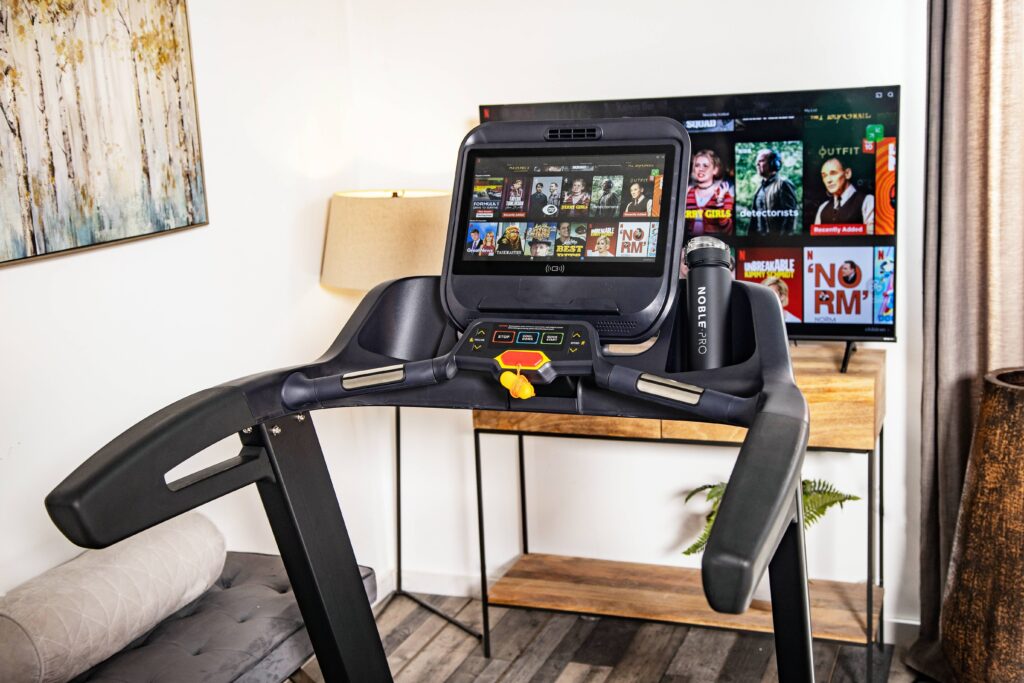
Zwift and Wahoo have announced a new smart trainer which is a collaboration between the two indoor cycling juggernauts. Named the Wahoo KICKR CORE Zwift One, this trainer combines Wahoo’s well-respected hardware and broad distribution network with Zwift’s innovative virtual shifting.

The result? A very capable smart trainer that is available to more Zwifters than ever before.

Today we’ll look at the new trainer’s specs and availability. A more in-depth review of the new trainer will be published separately.

What’s In a Name?

Wahoo KICKR Core Zwift One. The name is quite a mouthful, but it also describes this trainer nicely. The main “trainer” hardware is the same Wahoo KICKR Core we all know and love. But instead of a standard cassette, the single-cog Zwift Cog is installed, with a Zwift Click included for virtual shifting:

Simply put, the Wahoo KICKR Core Zwift One is a KICKR Core with a Zwift Cog installed. I’ll be calling it the CORE One for the rest of this post to keep things simple.

CORE One Specs

Built on Wahoo’s well-established KICKR Core line, the CORE One has all the capabilities required to deliver a high-quality Zwift experience. Here are the trainer’s key specs, with new features in bold:

  • Zwift Click included for virtual shifting
  • Calibration: automatic
  • Cassette: Zwift Cog (compatible with most 8-12 speed bikes)
  • Accuracy: +-2%
  • Flywheel: 12lb
  • Max Wattage: 1800 W
  • Max Incline: 16%
  • Cadence: built in
  • Communication: ANT+ and 3-Channel Bluetooth
  • Axle Compatibility: 130/135mm quick release, 12×142/12×148 thru-axle
  • Weight: 18kg
  • Physical Dimensions: 9″L x 23″W x 21″H (closed), 20″L x 23″W x 19″H (open)

Low Price, High Availability

The CORE One is priced very competitively at $599/£549/€599, the same price as the KICKR Core and the Zwift Hub. This price includes one year of Zwift. It is now available on zwift.com and wahoofitness.com.

The big news, though, is availability. Thanks to Wahoo’s distribution channels, the CORE One will be available via wahoofitness.com to customers in Australia and Canada beginning in late March! This is great news to Zwifters in both markets who haven’t had access to the Zwift Hub (which is only sold in the US, UK, and EU).

Virtual Shifting Expansion

Wahoo is now rolling out a firmware update (version 1.3.17) for all KICKR Core owners which, among other things, enables virtual shifting in Zwift. If you own a KICKR Core and Zwift Plays or Zwift Click, you can begin using virtual shifting as soon as you update your firmware.

What exactly is virtual shifting? With virtual shifting, your chain doesn’t move between different rear cassette cogs when you shift. Instead, a virtual shift changes the resistance of your smart trainer so it feels like you’ve changed cogs. This is how smart bikes like the Wahoo KICKR Bike, Wattbike, StagesBike, and Tacx NEO Bike have always worked.

Why do Zwifters like virtual shifting? Because it beats mechanical shifting in several ways:

  • Fast, smooth, quiet: with no chains skipping between cogs, your shifts are completely silent, perfectly smooth, and lightning-fast.
  • Less wear and tear: your chain won’t wear out as quickly, and neither will the Zwift Cog, since it is built beefy because weight is not a concern.
  • Shift under full load: no need to ease off the pedals when shifting under power, as your chain isn’t going to “skip” when virtual shifting like it can with mechanical shifting.
  • Compatible across many bikes: no more spinning out on your low-geared mountain bike, or needing to swap cassettes if you swap bikes. Virtual shifting works with almost any 8-12 speed bike and auto-calibrates to your physical gearing.
  • No more fine-tuning: many riders have to fine-tune their physical shifting when moving between outdoor riding and a direct-drive trainer, since the cassettes aren’t lined up exactly the same. The Zwift Cog doesn’t require any such fine-tuning… just shift to a physical gear that has your chain lined up straight on the Cog and you’re ready to ride.
  • Expanded gear range: Zwift’s virtual shifting currently supports a virtual 24-speed setup, which is more gears than most riders have on their outdoor setups. Additionally, the gear ratio range is very wide (from .75 to 5.49), meaning everyone should find that virtual shifting offers more easy gears and more hard gears than your mechanical gearing.
  • In-game visualization: with Zwift’s virtual shifting, you can always see what gear you’re in on screen.

Zwift’s virtual shifting was rolled out to the Zwift Hub in late 2023, and it’s arguably the most significant technological advance we’ve seen in smart trainers in years. The CORE One is the first non-Zwift trainer to support virtual shifting, and that’s big, good news for Zwifters. I bet virtual shifting will be rolled out to many more trainers, with Wahoo’s flagship KICKR being one of the first, as consumers begin demanding this functionality.

CORE One vs Hub One

Wahoo’s CORE One compares favorably to the Zwift Hub One, matching or improving on the Hub One’s specs in almost every area:

CORE OneHub One
Accuracy+-2%+-2.5%
Max Wattage1800W1800W
Max Incline16%16%
Flywheel12lb10.4lb
ConnectivityANT+ and BluetoothANT+ and Bluetooth
Bluetooth Connection Limit31
CadenceBuilt InBuilt In
CalibrationAutomaticAutomatic
Virtual Shifting Capable YesYes
10Hz Race ModeNoYes
HRM BridgingNoYes
KICKR Climb CompatibleYesNo

As you can see, the Hub One only wins when it comes to offering 10Hz race mode and heart rate monitor bridging. (Both of these features could be added by Wahoo via a firmware upgrade. But Wahoo may choose to reserve those “premium” features for their high-end trainers.)

You may recall that back in November 2023, Wahoo dropped the price of the KICKR Core and began offering it with your choice of cassette. At the same time, Zwift stopped selling the Zwift Hub classic, effectively replacing it in their store with the repriced Wahoo KICKR Core.

Zwift still has the Hub One trainer listed for sale, but the new CORE One will be replacing the Hub One. (Zwift says they will continue to support the Hub and issue Hub firmware updates for the next two years.)

Buying a Zwift Cog for Your KICKR CORE

Zwift tells me a Zwift Cog + Click upgrade pack will be available in the future for KICKR CORE owners who wish to replace their cassette with a Zwift Cog, but it is not yet in stock. It’s worth noting that the Zwift Cog for sale on Zwift.com will not work with KICKR CORE trainers, as the freehub is incompatible.

For now, you can enjoy virtual shifting using your Play Controllers and existing cassette. I’ve done it myself, and it works swimmingly.

Conclusions

Today’s announcement is all good news, as I see it. The Wahoo KICKR CORE Zwift One is a capable successor to the Zwift Hub One: more accurate, more connected, compatible with the KICKR Climb, and backed by Wahoo’s industry-leading support. It will also be available to more Zwifters, including riders in Canada and Australia!

And while the new trainer offering may grab the headlines, the bigger news may be virtual shifting arriving for a huge new chunk of Zwifters. With thousands of KICKR Core trainers already in use on Zwift, virtual shifting is now just a firmware update (and perhaps a Zwift Play purchase) away!

As I said above, I’ll be publishing a review of the CORE One soon. Until then, here’s a review from our favorite Aussie Lama:

And DC Rainmaker:

Questions or Comments?

Share below!

Zwift Announces Workforce Reduction, Eric Min to Continue as Sole CEO

98

Zwift Announces Workforce Reduction, Eric Min to Continue as Sole CEO

Yesterday, Zwift announced a sweeping workforce reduction and key leadership changes. They issued the following statement:

We shared with our team this morning that we are making a reduction in force. This was difficult news to deliver and we regret having to part ways with some incredibly talented and passionate people. Their contributions to our mission were substantial and we’re grateful for their work.

Eric Min will continue as sole CEO and Kurt Biedler has chosen to resign. Zwift remains a healthy, global business with a passionate community. We have seen accelerated growth over the last year but in the current environment, we must focus on sustainable and efficient growth. Zwift will be more agile and focused on delivering great things for our community.

They also posted a forum topic on the workforce reduction with a few additional details.

Past Layoffs

This is the fourth substantial workforce reduction we’ve seen at Zwift.

  • March 2020: long-time Zwift executives including Mike McCarthy and co-founder Scott Barger leave the company, along with several key high-level employees including the Director of Global Business Development and VP of Digital Commerce.
  • May 2022: 150-worker, 20% reduction with a “pause” on hardware projects and a refocus on core software, including co-founder Jon Mayfield returning to leadership.
  • March 2023: 80-worker, 15% reduction with heavy cuts in Marketing, Creative, and People Teams. Heading into this reduction we saw the hire of Co-CEO Kurt Beidler (ex-Amazon), Mike Lusthaus (also ex-Amazon) as Chief Technology Officer, and former Director of Product at Meta, Manlio Lo Conte, as Chief Product Officer. Not long after the reduction we saw the exit of some long-time Zwift executives.

What’s Next?

Zwift isn’t offering much detail beyond their press statement, but the statement itself tells us this latest reorg is about two things: co-founder Eric Min returning to the helm, and rightsizing the business for sustainability.

Kurt Beidler coming on as Co-CEO in December 2022 was big news, and strong platform usage for 2023 was supported by a respectable number of game updates released at a steady cadence. But his choice to resign clearly shows that the board’s unconventional decision to go the co-CEO route hasn’t worked out as planned. The good news is that Zwift co-founder and avid Zwifter Eric Min seems very well-positioned to strongly guide the company’s vision and culture.

Zwift says they “remain a healthy, global business” but also, “in the current environment, we must focus on sustainable and efficient growth.” Their forum post expands on this by saying:

The business is healthy and our community is growing. At the same time, growth has not rebounded at a fast enough pace to justify all of the investments that we have been making. As a result, we are taking action to become leaner with a continued focus on delivering great experiences for our community.

It’s no secret that the indoor cycling space has struggled since Covid highs (Saris being sold in bankruptcy and Peloton’s stock dropping 97% from Covid peaks are two examples). In an environment where investor capital is drying up, Zwift must forecast cash flow years into the future and rightsize their staff now in order to reach profitability.

Can a “more agile and focused” Zwift deliver more for the average Zwifter? Time will tell. Zwift can say anything they’d like, but in the end they must deliver innovative features, much-needed game improvements, and compelling content on a stable platform to remain viable long-term. Here’s hoping that’s exactly what happens.

Your Thoughts

Share below!


Top 5 Zwift Videos: Race Wins, Repack Rush, and Zwift News

Attacks often feel like they never work on Zwift. But Ed Laverack is here to prove us all wrong with his breakdown of a recent Zwift Racing League win! Also selected this week is one Zwifter’s attempt to finish Repack Rush without pedaling, GPLama’s details of the latest game release, a run-down of Wahoo’s new treadmill, and a trailer for the Zwift Academy Finals.
Win your next Zwift race (as a non-sprinter)

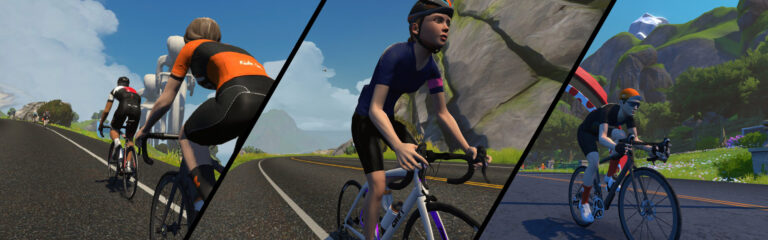
In a recent Zwift Racing League event, Ed Laverack put in a massive race-winning attack near the end of the race. Watch as Ed breaks down his race, explaining how he won without being a sprinter.

Can I Finish Repack Rush Without Pedaling?

Scott, aka, Zwifter, attempts Repack Rush with only a few pedal strokes at the start. Are the speed boosts enough to keep him rolling to the finish line?

Zwift Game Updates v1.57 // Peak Zwift 2024 RESULTS // Willunga Climb Portal

Shane Miller, GPLama, goes over all of the details of Zwift version 1.57. He also covers the results from this year’s peak Zwift, and compares the Willunga Climb Portal climb to the IRL climb!

Wahoo KICKR Run Hands-On

Wahoo has just announced its latest innovation – the Wahoo KICKR Run. Chase the Summit unpacks all of the details of this new treadmill.

Teaser: Chasing Down a Dream | Zwift Academy 2023

With the Zwift Academy Finalists recently announced, it’s time for the final stages of selection for the 2023 Zwift Academy. Get a preview of this year’s finals!

Got a Great Zwift Video?

Share the link below and we may feature it in an upcoming post!

Quick Release vs Thru Axle: How To Set Up Your Bike on a Smart Trainer

Quick Release vs Thru Axle: How To Set Up Your Bike on a Smart Trainer

With more and more Zwifters coming online, we’re seeing more and more questions about how to get set up on the platform.

One common confusion involves getting your bike mounted onto your smart trainer. Specifically, riders who purchase a direct-drive trainer must figure out how to connect their frame to the trainer properly. If you aren’t a seasoned cyclist, this can be an intimidating task!

But never fear. This article covers identifying what sort of trainer and axles you’re working with, then explains how to mount your bike securely on the trainer.

First things first: what sort of trainer are you using?

  • Direct-Drive Trainer: any trainer that requires you to remove your bike’s rear wheel so the trainer can mount directly to your frame via the rear axle. These are called “direct-drive” because your bike chain is mounted onto the trainer’s cassette, directly driving it like it drives your rear wheel outdoors. See our top picks for budget direct-drive trainers and premium direct-drive trainers >
  • Wheel-On Trainer: as the name indicates, your rear wheel stays on with these trainers. The trainer detects power based on how fast your wheel causes the tension roller to spin. See our top picks for wheel-on trainers >

This article only covers setting up your bike on a direct-drive trainer.

Types of Axles: Quick Release and Thru Axle

Modern bicycles use one of two axle types: quick release or thru axle.

Quick Release

Quick release was the standard axle used on most bikes for decades. A quick release axle is a thin metal skewer that runs through the wheel’s hub. The skewer is held in place by an acorn nut on one side (the right-hand side, if you’re sitting on the bike) and a cam lever on the other. Two small springs sit on either side of the hub.

A pair of quick release levers.

Quick releases are cheap and allow you to easily remove and replace wheels quickly without any tools. Frames that use quick-release levers have slots for the wheel axles to slide into, vs holes used by thru axles setups.

Note: if you are a heavier rider and/or put down bike watts, we recommend using a heavier-duty quick release with a steel skewer on your trainer vs the lighter aluminum or titanium skewers that often ship with bikes. Read more about this topic >

Thru Axle

Thru axles are a newer technology, having arrived on the scene in the early 2000s as mountain bike frames became stronger and disc brakes demanded better performance from wheel axles. A thru axle is a thick pin with threads on one end. You insert this pin through your frame’s hole on the left side, through your wheel, then thread it into the frame on the right-hand side.

Thru axles are much thicker than quick release axles, and they don’t run the risk of your wheel dropping out of the quick release frame slot since they’re threaded directly through the frame.

Thru axles generally perform better than quick releases in all scenarios, which is why you’ll find them on most mid to high-end bikes sold today. That said, they’re also more expensive, heavier than quick releases, and make wheel removal a slightly more time-consuming task.

Determining Axle Length

When setting up your bike on a direct-drive trainer, you’ll need to know the length of your axle to install the correct adapters and ensure a snug fit. These adapters typically ship with your direct-drive smart trainer and are labeled for easy use.

Axle length is measured from the inside of the frame where the quick release dropouts or thru axle holes are found. While the world of bikes uses a variety of axle lengths for the rear wheel, just four are considered “standard” today. Frames using quick releases are typically 130mm or 135mm wide at this measurement point, while thru axle frames are typically 142mm or 148mm wide.

Installing Your Rear Axle

For quick-release users, once you have your frame mounted on the trainer, hand-tighten the quick-release before clamping down the lever to finish the installation. Important notes:

  • Ensure your bike frame is seated level on the quick release adapters before clamping the quick release lever.
  • You want the quick release to be tight enough that it leaves an imprint on your hand when you close it. That said, it shouldn’t be so tight that opening or closing it is arduous work! Overtightening your quick release can damage your frame’s dropouts, while having it too loose can allow your frame to come off the axle under heavy load, possibly causing major damage.

For thru axle users, installation is more straightforward. Line up the frame with the holes on the trainer then thread your thru axle through the frame and trainer, tightening it down snugly as you do when installing your rear wheel.

Questions or comments?

We hope this article clarified quick releases and thru axles for you, and helped you get going on Zwift more easily. Got questions or comments? Share below!