Editor’s note: Ian Murray is using Zwift to train for the International Triathlon Union Long Course World Championships held in Odense/Fyn, Denmark July 2018. His weekly Zwift Insider series discusses the previous week’s training and the plan for the upcoming week.
Remember, how I keep saying that I don’t like recovery weeks? And, how I said that I am not always smart? Yeah, I should never schedule a recovery week when I have a 3-day weekend. That is a recipe to blow the recovery week.
Recovery week hammerfest?
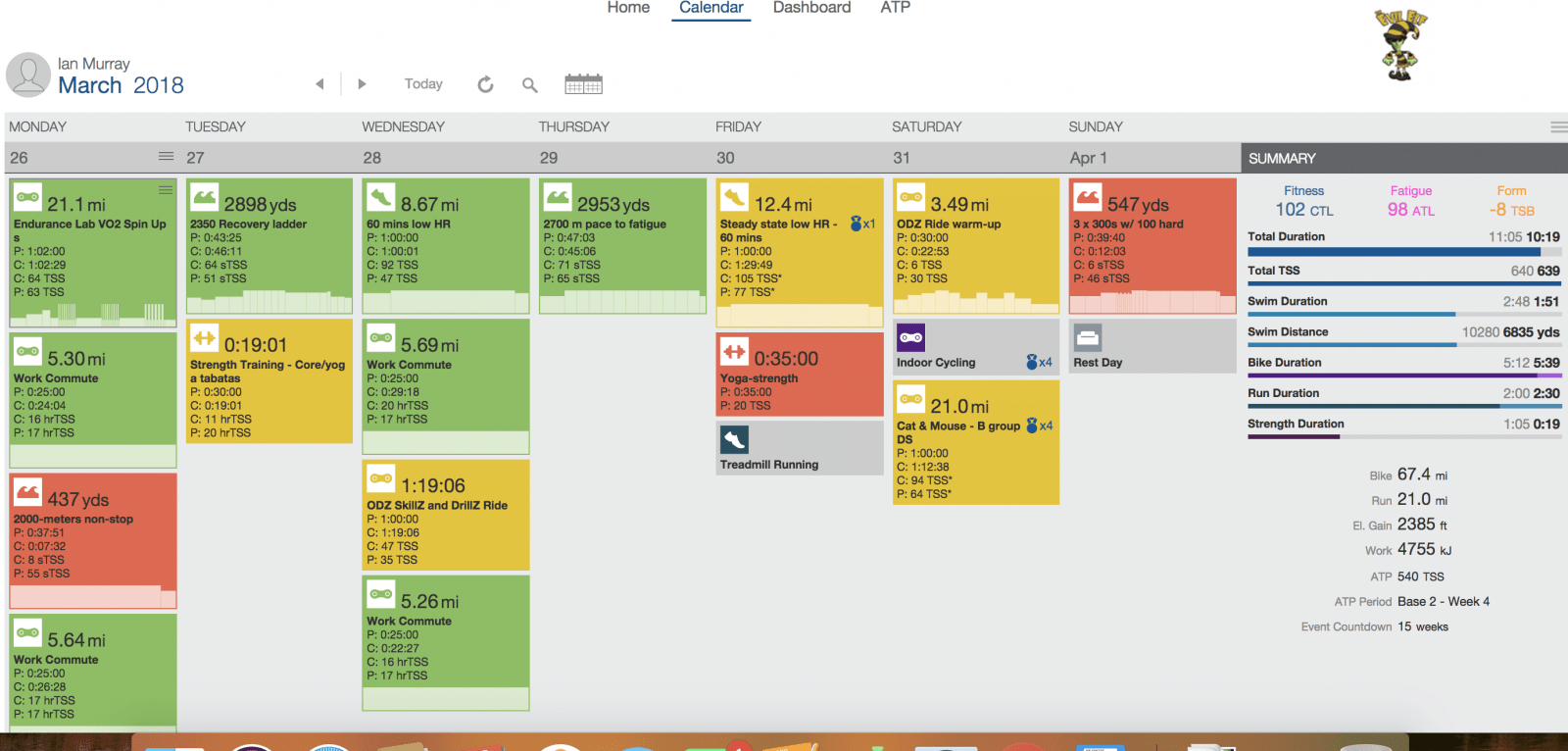
I started off the week in full-on behavior mode. I did the VO2max spin ups on Monday, but I kept the rest of the day easy. The next day, I got in the pool and kept it fairly easy, too. I did swim a little extra, but it wasn’t hard. Even the strength training was pretty low key. On Wednesday, though, I got a little antsy. I felt really good, so I picked up the pace during my morning run. Now, I didn’t hammer, but I certainly wasn’t cruising. I ran about 10K of the 14K at a low 6 min/mile pace. The rest of the day was relaxed, as planned, and Thursday’s swim was pretty good.
That brings us to Friday, the beginning of stupid. I planned to run for about an hour, but I selected the new course up Zwift, the Alpe du Zwift, which is based on the Alpe d’Huez. At the same time, some of my TeamODZ teammates were riding up it, so I decided to continue on just to finish up the climb. I didn’t run it particularly hard, but I ended up adding an extra 50 percent to my run.
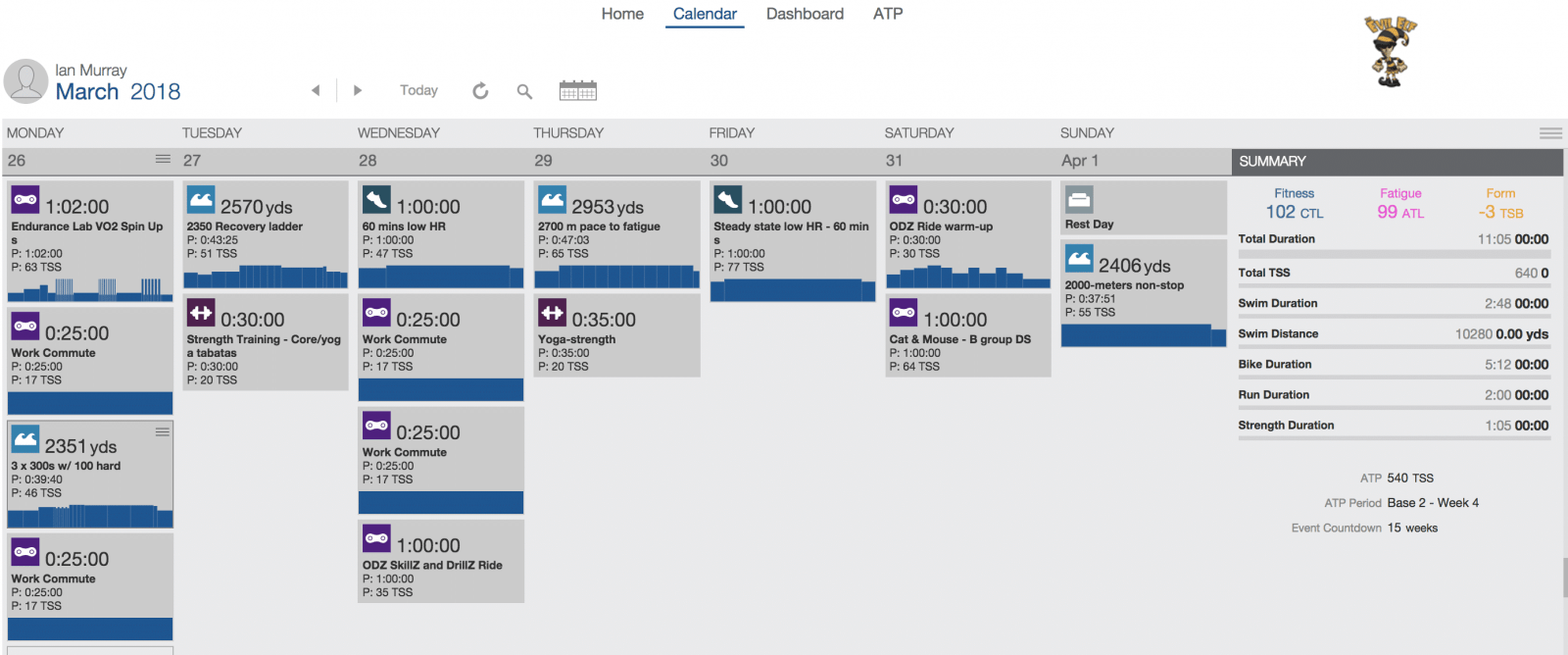
Oh well, Saturday was planned as a relatively easy day, serving as the director for the Bs in the Cat & Mouse Race. If you remember, a few short sentences ago, I said that Friday was the beginning of stupid. Instead of signing up to direct the B group, I joined up with the A group. It was a flat course, so I figured I would just sit in for a while and maybe do a pull or two. Yeah, it didn’t work like that. We ended up only having four of us at the start. Fortunately, we had a B group rider miss his start, so he joined in the effort. Knowing that the Volcano CCW course doesn’t really suit my finishing abilities, I dedicated my day to keeping the pace high and working for my two teammates. Basically, I buried myself for 40 minutes. Not exactly taking it easy. I made up for it the next day by cutting my swim short. I don’t think that was really a great idea, as the swim is my weakest event, but I wanted to keep my TSS close to target this week. Planned TSS 640; Completed TSS – 639
A week for goals
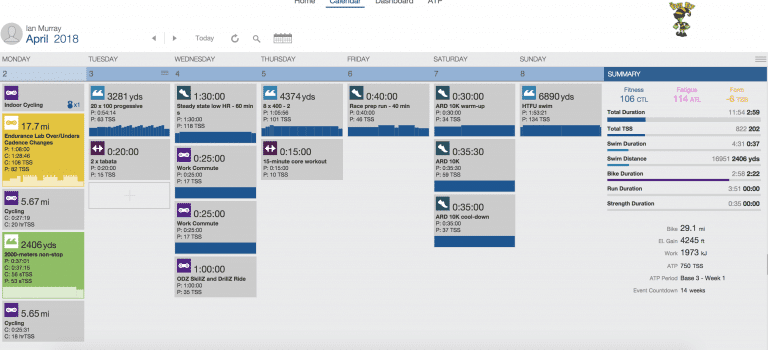
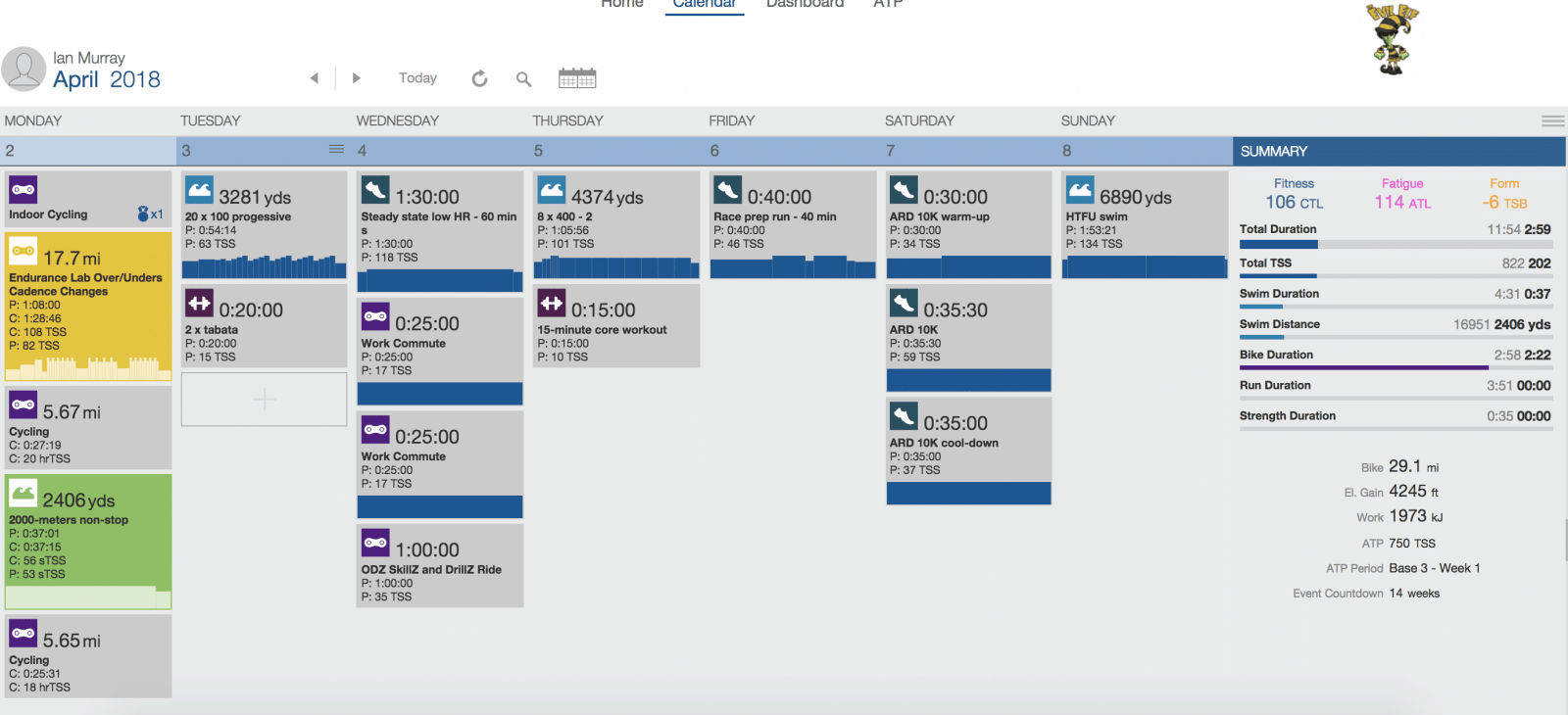
Being that I am in another build cycle with no real racing for more than three months, I decided to set some random goals. This week, I have targeted the KOM for running up the Alpe du Zwift, hammer a 10K, and swim nearly 7K. Coming off of the recovery week, I’m feeling pretty good. It’s time to put the body back to work and stop being lazy. Planned TSS – 822
Big things coming up
After this week, there are some big training days coming up. We’re getting closer to race day, so it’s time to throw down and practice the distances at effort. Time to get at it. I’ll be doing a lot on Zwift over the next few weeks, so join me if you see me on course.
Many Zwifters have never trained with power until they purchased a smart trainer for Zwift. When the weather is nice and it’s time to ride outside, you can feel a little lost without those power numbers to inform your training.
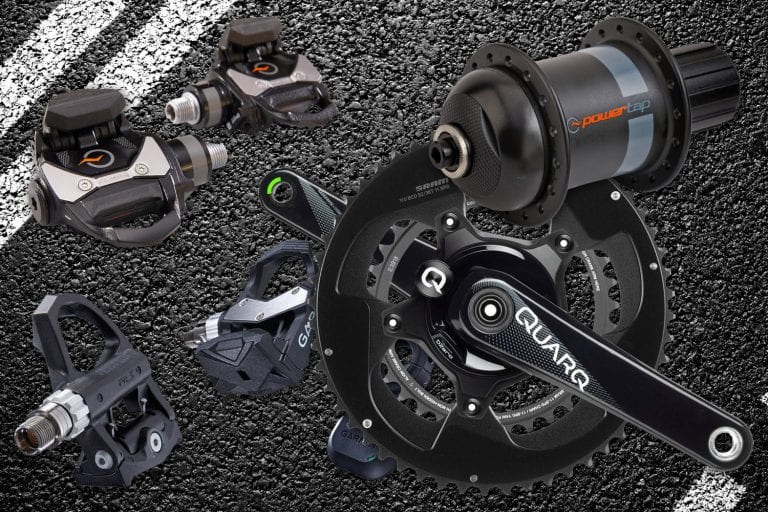
As Hunter explains, there is no perfect power meter. Each solution has pluses and minuses given your situation. Hunter gives us four questions to answer:
What is my budget?
Where do I want to measure power? Pedal power meters are great, but if you like your current pedal setup this may not be an option. Wheel-based meters are great, but if you’re swapping wheels you don’t want to buy multiple power meters.
Do I want to measure left and right?
Is this going to fit on my bike frame? How long will I be keeping my bike?
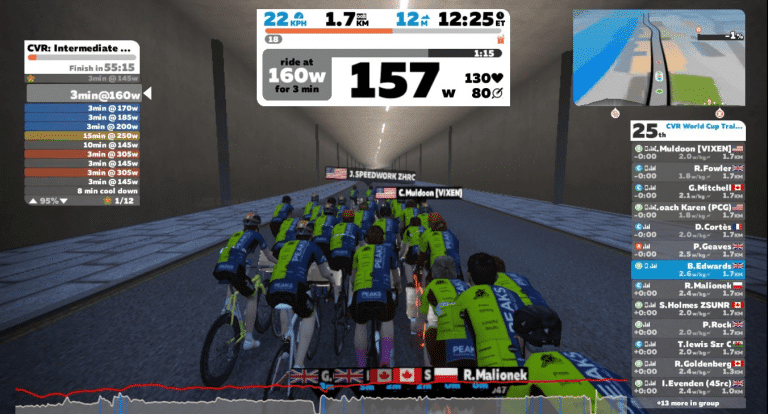
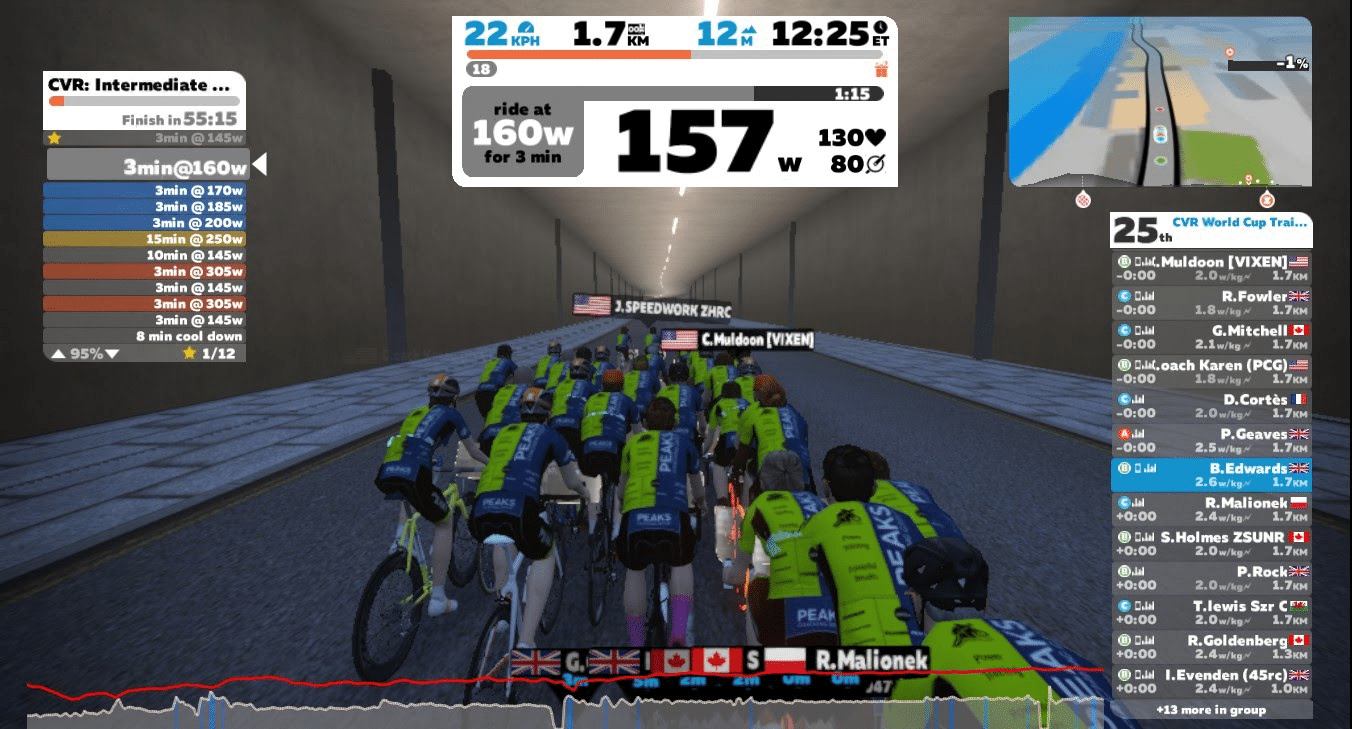
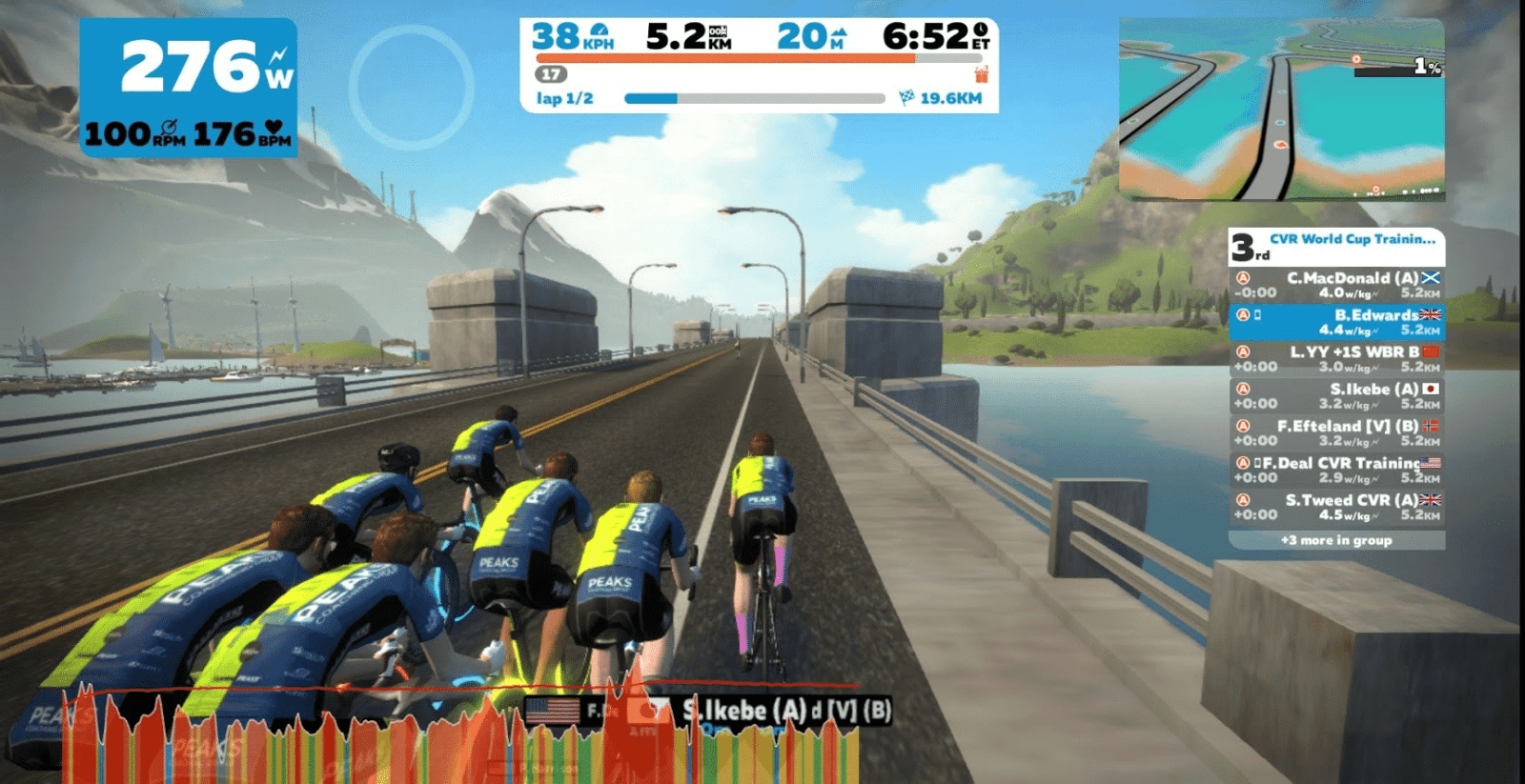
This article is not so much a “review” but more my reflections and opinions on the CVR’s cycleFAST training plan (a structured 8-week training plan designed by Peaks Coaching and delivered through Zwift) which I undertook at the beginning of the year. I’ll tackle what didn’t work so well before discussing my personal performance improvement then making some recommendations on what to consider when thinking of signing up for the plan.
Why I Signed Up
In late December I had just recovered from a bout of illness and the usual festive excesses when I got an email advertising the CVR (Cycligent Virtual Racing… I think) training plan. The subject line read as follows “Attention- CVR WC League Participants- Please Read.” The CVR World Cup League is a Zwift race series spanning 8 weeks for the main season. Races take place on Tuesdays across 8 time zones and there is a focus on encouraging live-streaming and turning Zwift racing into a true e-sport. Race categorizations are decided by your race history (much like IRL systems) and this attracted me as I have a good FTP but generally was getting my arse kicked in the A cat (see “Why am I getting beat by people with lower W/kg”)! Having signed up for the CVR league some weeks before I was intrigued and read on… “You are in the League. However, I want to help you punch your ticket to enter the ‘Performance’ bracket.” I had no idea what this meant but read on and what was being offered was the following:
Pay $79 for an 8-week training plan designed by Hunter Allen and his team at Peak Coaching Group (I bought his book “[amazon_textlink asin=’1934030554′ text=’Training and Racing with a Power Meter’ template=’ProductLink’ store=’zwif-20′ marketplace=’US’ link_id=’f975e06e-38e8-11e8-83fd-7d8117bdf4dd’]” when I got my first power meter 2 years ago so I knew his reputation).
Get a chance to compete in the CVR World Cup Final in Los Angeles in the “performance bracket” which includes a cycling training camp and travel expenses.
The way the scoring for the live final selection works is a bit complex, but first riders are categorized based on their power profile from the data collected during the training plan. Then, within your category you score points to rank you against your power peers based on how many of the workouts you completed, race results in CVR races, attendance to some mandatory group workouts (more on this later) and your improvement from your initial to your final test results.
A power band for men and a power band for women is chosen at random and the top 10 people in the band get to go to camp and race in a live final!
To me this was a very much a “why not” type of situation. First of all I’d never done a structured training plan before but to me $79 for a plan designed and “tailored” by Hunter Allen sounded like a bargain. Then throw in the chance to go to a training camp and race in a live final… why not! I answered a brief questionnaire to determine which plan to put me on and signed up.
A Wobbly Start
The first day of the plan was the 1st of January which, as Hunter explained in a later webinar, was perhaps slightly ambitious. Basically things weren’t quite ready. It took me quite a while to work out how to access the “training app” and actually access the workout sessions. When I did run into problems I found the forum was very active and a good place to find help with Hunter himself making an effort to reply to the queries which was great to see. Overall the learning curve for getting up and running (or riding) wasn’t too steep.
So I embarked on my training quest. Week 1 was a testing week to establish your baseline fitness and your FTP which is used to scale the workouts to your ability. The testing brought more teething problems. The CVR workouts seemed to be transferred from Training Peaks and converted into a Zwift workout .zwo file. In the test file some of the free ride “test” periods had already been prescribed wattages (confusing and meaningless for erg mode), also some of the recovery steps had been removed and it was generally a bit of a mess. Luckily I had examined the file beforehand in the workout editor, spotted some of the mistakes and put them right. I managed to get 285W for my 20 minute effort (271W FTP) down from my all-time PB of 300W (285W FTP) achieved last summer. As the plan went on the workouts improved in terms of mistakes but there were still some problems and annoyances which I won’t bore you with here. Basically it looked like whoever was transferring workouts from Training Peaks to zwift were not familiar with performing or creating workouts in Zwift.
The rough template of the week for me was as follows:
Typically scheduled
Typically completed
Mon
Rest day!
Rest day!
Tue
FTP workout (1.5 hrs)
CVR race (1hr + 0.5 WU+CD)
Wed
VO2 max, SST or endurance workout (1.5 hrs)
Spin legs to recover from race! (1-1.5hrs)
Thu
Group workout (1 hr)
Non scheduled in my timezone so solo workout of choice (1.5 hrs)
Fri
Rest day or endurance with sprints (1.5 hrs)
Rest day or endurance with sprints (1.5 hrs)
Sat
Outdoor ride with some efforts or endurance ride on trainer or training race weeks 4 and 8 (2-3 hrs)
Outdoor ride with some efforts or endurance ride on trainer or training race weeks 4 and 8 (2-3 hrs)
Sun
Outdoor ride with some efforts or endurance ride on trainer or training race weeks 4 and 8 (1-2 hrs)
Outdoor ride with some efforts or endurance ride on trainer or training race weeks 4 and 8 (1-2 hrs)
In addition to this the 8 weeks were organized as follows:
Week
Scheduled
Completed
1
Testing week
Testing week
2
Training week
Training week
3
Training week
Training week
4
Rest week + weekend race
Training week + weekend race
5
Training week
Rest week
6
Training week
Training week
7
Training week
Training week
8
Testing week + weekend race
Testing week
Goodbye Training Camp: Variable Mandatory Criteria!
Week 2 I did my second CVR race on Tuesday then noticed that each Thursday I had a group workout scheduled. I checked Zwift events to see which one I could attend… 12 noon and 2am CET on Wednesday/Thursday (I live in France). Given that I work full time and value a reasonable daily routine this was out of the question. Eventually the organizers responded and workouts were added on a Wednesday evening European time (although probably too early for UK riders to make it home from work) and on Saturday afternoon (which is fine if you have no plans). However, due to my schedule these “catch all” group workouts were introduced a bit too late in the program to be useful. In the end I managed 2 group workouts over the 8 weeks. This was despite it being revealed halfway through the plan that 5 group workouts were mandatory for a chance to go to the training camp.
Group workout, good banter with a global training community
It was originally stated that CVR racers (racing in the world cup league) would be scored on their top 2 race results and that the other participants would have to undertake 2 CVR training races.
This was then changed in week 3 and all racers had to do a special weekend race on week 4 or 8 (which I did on week 4). This was changed again in week 7 and all participants had to complete at least 2 special training races on weekends 4 or 8. I had known for some weeks that I would be away that final weekend so again I was unable to complete the second mandatory criteria for a shot at the final.
CVR training race
The final aspect of the scoring I want to discuss (complain about) was the “compliance” criteria based on how closely you had stuck to workouts. Again what wasn’t made clear from the beginning was that if there was a workout on your plan for a specific day you had to upload a .fit file of 90% or more of the planned duration to score compliance points. If you do 2 or 3 workouts that day that add up to the planned duration it doesn’t count unless 1 of the files is at least 90% of the length of the planned duration. I suspect this is from a wish to do everything “automagically” – as Hunter is fond of saying. But ultimately this seems nonsensical and surely it can’t be difficult to devise a system to add up activity durations… and again the scoring system for this only became clear towards the end of the plan. I think my compliance scoring was around 50% in the end despite exceeding the weekly hours on the plan in all weeks but 1.
The most annoying thing wasn’t that I’d failed to meet the criteria to go to LA because the criteria was never clearly communicated from the outset, it was the lack of an apology or admission from the organizers that they had made a mistake; instead the attitude was “just get on with it.”
Mistakes are to be expected. This is the first time, to my knowledge, that anyone has attempted the mass commercial distribution of training plans through Zwift or tried to work out how to rank trainees against each other, but my impression was that ultimately all this rule changing and moving goalposts were to make the organizer’s lives easier without a thought for the demands on the lives of the paying customers who are balancing training with work, their social life, family and relationships.
The Payoff: #statattack!
So that’s quite enough whinging about the scoring, the big question is: did I get any positives out of the training plan? In a word YES. Not only did I get to do some new sessions both indoors and outdoors (6×6 FTP session outdoors was one of my favorites), and get to try out a structured training plan, I also saw some impressive gains. First I accidentally took a PR on one of my favorite training climbs (I was going hard but not expecting a PR). I then targeted some other favorite climbs in the area and took convincing PBs. I also got a new PB in the final FTP test of 304 for the 20 mins (289). Watch my FTP test below…
For the data nerds here is a summary of my improvement over the plan duration:
First week [W | W/kg]
Final week [W | W/kg]
% increase of W/kg
5 seconds
789
12.3
888
14.6
18.7
1 minute
527
8.23
548
8.98
9.11
5 minute
333
5.20
337
5.52
6.15
20 minute
285
4.45
304
4.98
11.9
The numbers don’t lie and I was ecstatic with the results I yielded over such a short period of time, going from feeling below my best to smashing summer PR’s on power numbers and Strava segments. I’m also performing a lot better in races, being initially placed in the D category in the CVR league (I had a low ranking based on previous race performance in conventional A cat – in reality I should have been placed in at least C but that’s another story). I will be competing in the B cat next season and have had much better results in some non CVR A races (i.e. not last!).
Also a shoutout for Zwift racing: I’m convinced that a large part of the improvement I saw was as a result of racing on Zwift. If you haven’t tried it yet I thoroughly recommend it for a fantastic workout. Another consideration is that the consistency of the training plan along with minor changes in my diet resulted in weight loss that helped improve my performance.
In Summary:
The good:
I’ve learned a lot about the effectiveness of structured training and periodization and it’s given me the confidence and some baseline experience to devise my own annual plan.
I’m now probably the strongest on the bike I’ve ever been. It’s only March.
I enjoyed the sessions and there’s no better training motivation than knowing you’re being scored on your training (however flawed).
Hunter was active in the forums and the team were quick to react to the early technical issues. I expect that they learned a hell of a lot from the first training plan and that things will only improve in future iterations.
On each calendar week there was a summary of the main week goals which helped give the sense of working towards something instead of blindly following workouts.
The bad (with some additional points):
Incompatibility with Apple TV and mobiIe IOS devices: due to the way the workouts are delivered into Zwift you really need to be on a PC or Mac to follow the sessions. Some Apple users on the forum paid their money only to realize they couldn’t access the workouts (when signing up it was stated you needed a computer but maybe they should have explicitly said that iOS devices were not supported).
The initial teething problems were frustrating but I expect these to be solved in future iterations.
In the workout descriptions there is a lot of jargon which those who are used to training with power may be familiar with but for the layman may be confusing.
I feel that on the back end they are only scratching the surface of things they could do to add value to the experience. For instance at no point during the training plan was there any feedback on what I had been doing or an assessment of what type of rider I am and maybe where I should be focusing to reach my personal goals. This engagement, in my opinion, would add real value to the plan.
The ugly (i.e. the scoring):
In the future, before purchasing the plan, the time slot requirements of the mandatory training aspects (races, group workouts) should be made very clear so if someone does want to go for live final they can assess whether their schedule permits it.
The scoring system for compliance points should be transparent from the outset; my impression is they only worked this out for themselves towards the end of the plan (moving goalposts).
For compliance this should be based on a combination of duration and intensity, simply the weekly duration rather than reaching a daily duration in a single .fit file. This would allow the flexibility for people to plan the training around their lives, and be more reflective of the actual work people are putting in.
I still have no idea (4 weeks later) which power band was chosen for the live final. I don’t even know if it matters that I didn’t complete all the mandatory criteria as I know many others who didn’t as well.
Would I recommend the plan?
…yes and no.
Yes if your primary motivation is improving your training, getting stronger and getting a taste of what you can achieve with structured training and don’t already have a coach.
No if your primary motivation is getting to the live final and you also lead a busy life, work, travel, especially if you live in Europe (unless they address the aforementioned flaws which I hope they do).
Am I glad I paid my $79 and took part? Absolutely! I love that people are using Zwift to distribute quality training plans at a reasonable price to a global community and simultaneously trying to grow Zwift racing as an e-sport. I can’t wait to see how it develops and to follow the live finals.
Zwift isn’t just a fitness tool… it’s also an MMO: a massively multiplayer online game. But just how massive is it?
We know it has grown quickly. When there used to be just a few hundred riders online we now see two or three thousand. But that’s just a snapshot of users during a ride. How many people are signing on around the clock, and how long are they riding? The answers may surprise you!
I was reminded of just how popular Zwift has become when I took a peek at my recently-created Strava segment for the Alpe du Zwift climb yesterday. The segment had existed for only five days, yet it had already been ridden by nearly 20,000 people. This surprised me, since it’s not an easy ride. 20,000 people riding a new flat route would not surprise me. 20,000 riding a climb that takes most people more than an hour to complete? That’s surprising.
Here are a few more recently-disclosed stats (as of February 2018):
Rider Count: roughly half a million people have gone for a ride on Zwift
Locations: Zwift has participants from over 195 countries (that’s 2 more than officially recognized by the United Nations)
Total Distance: Zwifters rode over 125 million miles in 2017 (more than 5,000x around the Earth). In early 2018 we’ve been averaging approximately 1 million miles per day.
Running: over 6,200 Zwifters complete about 50,000 runs totalling over 225,000 miles (almost 10x around the Earth).
What about Alpe du Zwift? Well, as of yesterday morning it has been ridden over 33,000 times. Not bad for being released less than a week ago!
And here’s the exciting thing: this is just the beginning. Think of all the cyclists and runners you know who don’t use Zwift. Our community will continue to expand, and as that happens Zwift will continue to improve gameplay and expand options for users. More Zwifters also means more opportunity for third party groups like CVR to create big events with amazing prizes.
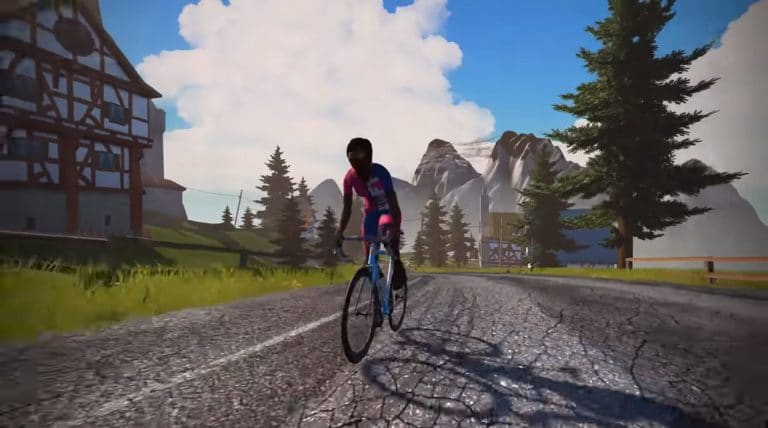
If you’ve been paying attention at all you already know Alpe Du Zwift was released last week… but it’s always a big deal when we get new roads, so we’re featuring the release video from Zwift.
Zwift Academy was one of the highlights of the early trainer season. How is Tanja Erath doing now that she’s actually starting her first year as a professional?
CVR held their big final in Los Angeles last weekend at the Olympic Velodrome. Zwift Insider’s Eric Schlange was there and put together this post about the final day. Here is the race broadcast.
While people are ending their season on Zwift, others are just getting started. Some newbies begin with so much excitement that it’s a pleasure to watch! Samuel Keene has just joined the Zwift community. Who else is cycling on their balcony?
Editor’s note: Ian Murray is using Zwift to train for the International Triathlon Union Long Course World Championships held in Odense/Fyn, Denmark July 2018. His weekly Zwift Insider series discusses the previous week’s training and the plan for the upcoming week.
This week was about trying new nutrition and building up some volume. I also decided to pick up a bit of intensity, but that wasn’t necessarily part of the plan. Anyway, let’s get to the suffering. That’s why you’re here.
Let’s Make it Hurt, But with Taste
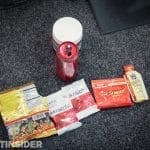
So, one of the best things about my wife is that she is an active participant in the crazy train that I call my athletic life. In that light, she has been talking about how to improve my nutrition to train better. Actually, she keeps saying that I am getting too skinny and wants to find more ways to push calories on me. Last week, we made our first set of Skratch Labs portables, the apple cinnamon rice squares, and they turned out ok. This week, though, we switched to the blueberry-chocolate ones. I love rice, blueberries, and chocolate, so I was looking forward to them. My goal was to get my stomach accustomed to them so I used them to fuel my long ride as well as using them as snacks in the afternoon.
Monday started off a bit frustrating with a few more Zwift crashes. Eventually, I got through my workout, but it was frustrating as all get out. I think the bug that was causing the crashes has been fixed, though, as I haven’t had any recent issues. At the end of the day, I headed down to the pool and met up with my Monday swim partner. He’s the 16-year old son of a coworker, and the kid can flat out swim for someone new to the sport. He’s pretty close to the same speed as I am, but he’s wearing boardshorts instead of jammers. It’s a good match-up, as we push each other. He has me at shorter distances, but I work him over once we get past 400 meters. Ah, old man endurance! You’ve gotta love it.
I followed up a good swim on Monday with a long swim on Tuesday morning, 3 x 1K descending. I was a bit brutalized after the swim, and the subsequent workout in the gym at lunch made sure that sensation remained. On Wednesday, I decided to channel my inner Lionel Sanders. If you haven’t seen it, he’s got a great video of him doing 6 x 1K at around 3 minutes per 1K. I didn’t go that crazy. I did 4 x 1K on 200m walking rest, descending from 3:15 to 3:09. I tell you, I felt great after that workout. I might have been able to do one more, but I was already well over my TSS target for the day. SkillZ and DrillZ later that day helped flush the crap out of the legs, and I set out to drown myself the next morning, doing 16 x 100m in the pool. Not my fastest splits, but I was pretty much hammered poo at the end of it.
Friday was another doozy. The plan called for 7-8 miles in 60 minutes. Nice and easy. Well, let’s just say that my brain didn’t let that happen. No, I had some work anger to deal with, so I let loose the demons. Ok, I didn’t go all out, but I did finish up with nine miles in just over an hour, including a first mile at 8:30/mile pace. So, I definitely put in some work. I’m glad I did that, though, because I definitely did not have any desire to start the next day’s ride with legs that resembled anything close to fresh. No, I thought it much better to be a bit wrecked before starting a 120K ride… in the heat… and the humidity… on a 6-mile out-and-back course. Yeah, you read that right. Saturday morning consisted of 75.8 miles with most of it on a course that went one way for 3 miles, a 180-degree turn, and 3 miles back. I felt like I was swimming. Holy crap was I bored. I should have brought an audio book or music. Instead, I just had my Wahoo Element Bolt chirping at me at the end of every interval. The ride went well, though. I wasn’t hammering it particularly hard, just trying to find race pace and practice nutrition. The worst part was the wind. It was quite literally a crosswind the entire time. At least I only had three miles with it on a side.
I closed out the week with a nice little run of ten miles and change. It was insanely hot and humid out, so I did a little over seven outside and finished up on the treadmill. Had I known I was so close on the TSS, I would have run the extra two-tenths of a mile to end it at 11 miles. Oh well, it was still a good week.
Planned TSS – 911; Completed TSS – 909
Yay! It’s Recovery Week
Normally, I can’t stand a recovery week. I usually dread them. I need this one. Work has been anything but helpful with stress management, and I am tired. I only wish I could schedule in more naps. Outside of Monday’s Endurance Lab ride and Thursday’s swim, it’s a pretty relaxing week. I will ride the ODZ Cat & Mouse race on Saturday to inject a little fun, but I don’t plan on lighting up the race by any stretch. Planned TSS – 640
We’re plowing through the weeks, and ITU World Championships continue to close in on us. Plane tickets are bought, uniforms will be purchased soon, and lodging has been reserved. The only thing I don’t know at this point is when I will leave Santo Domingo, as I will be in the middle of moving when we go to the race. That should be fun. Ok, off to enjoy a relaxed week!
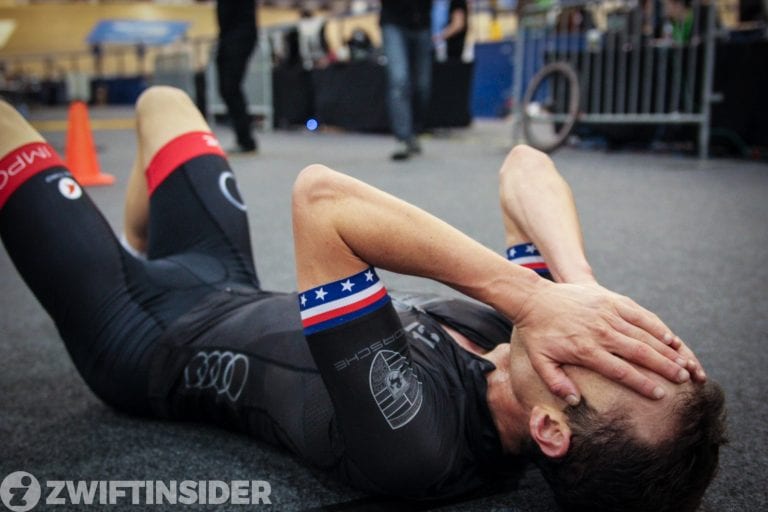
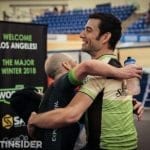
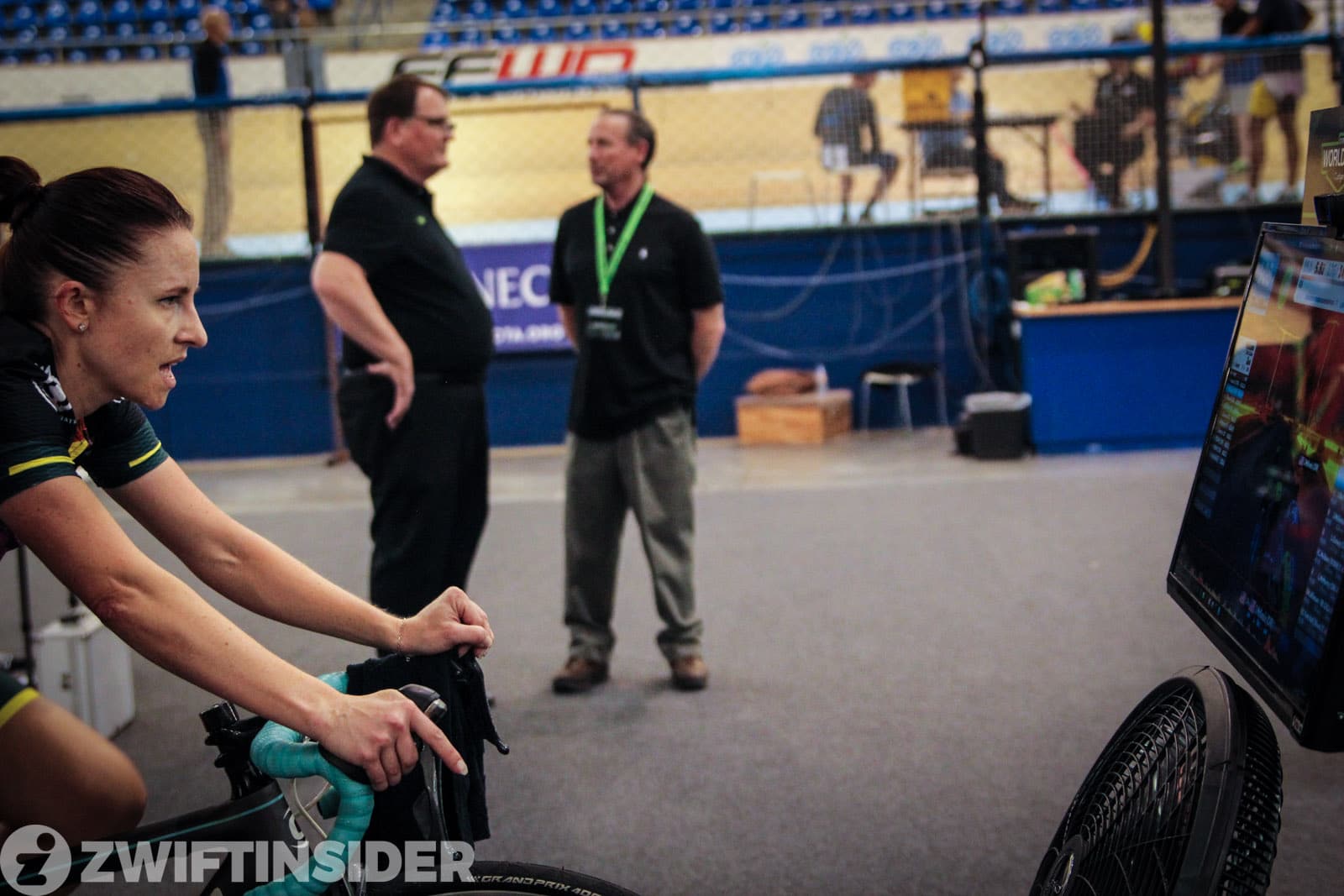
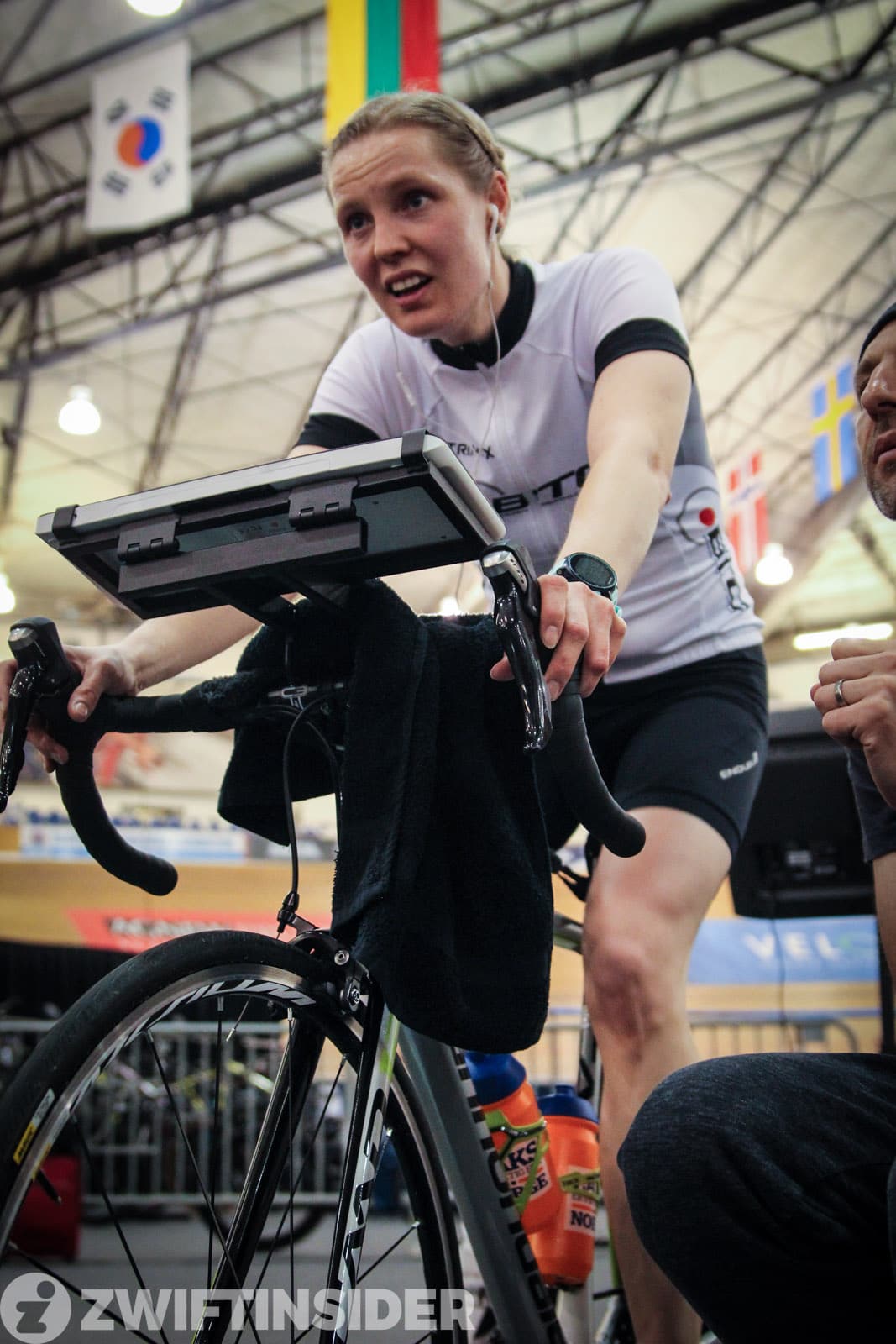
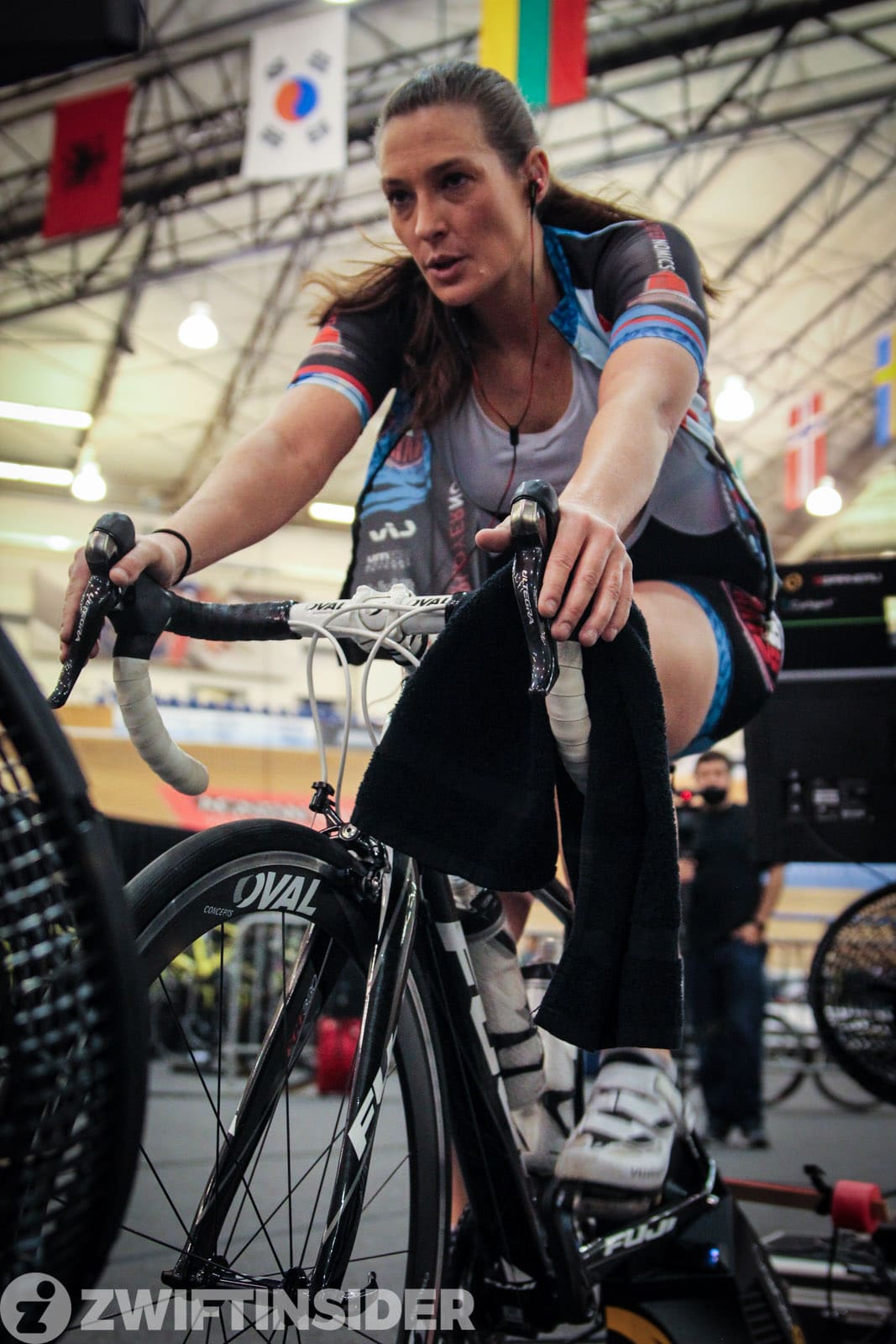
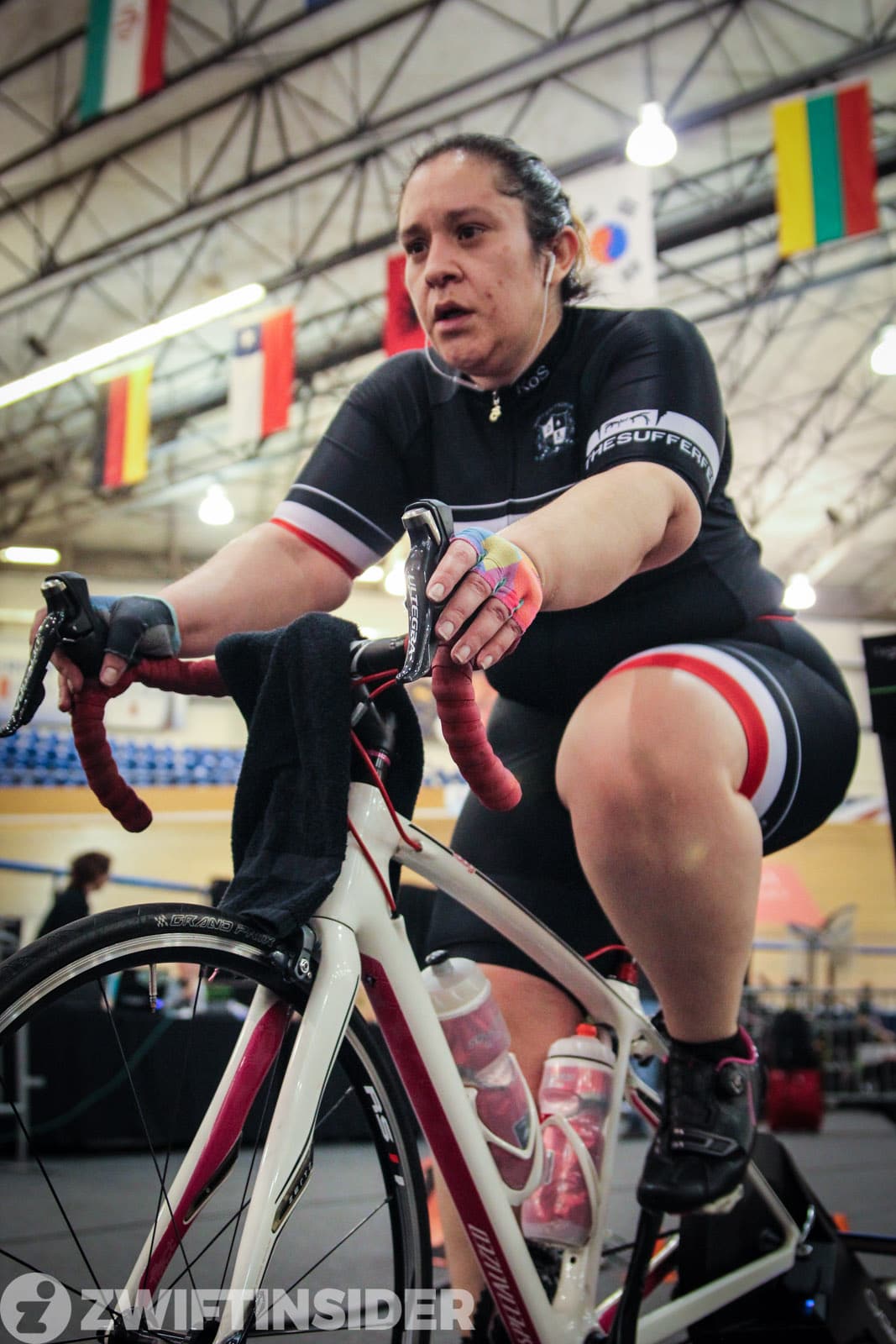
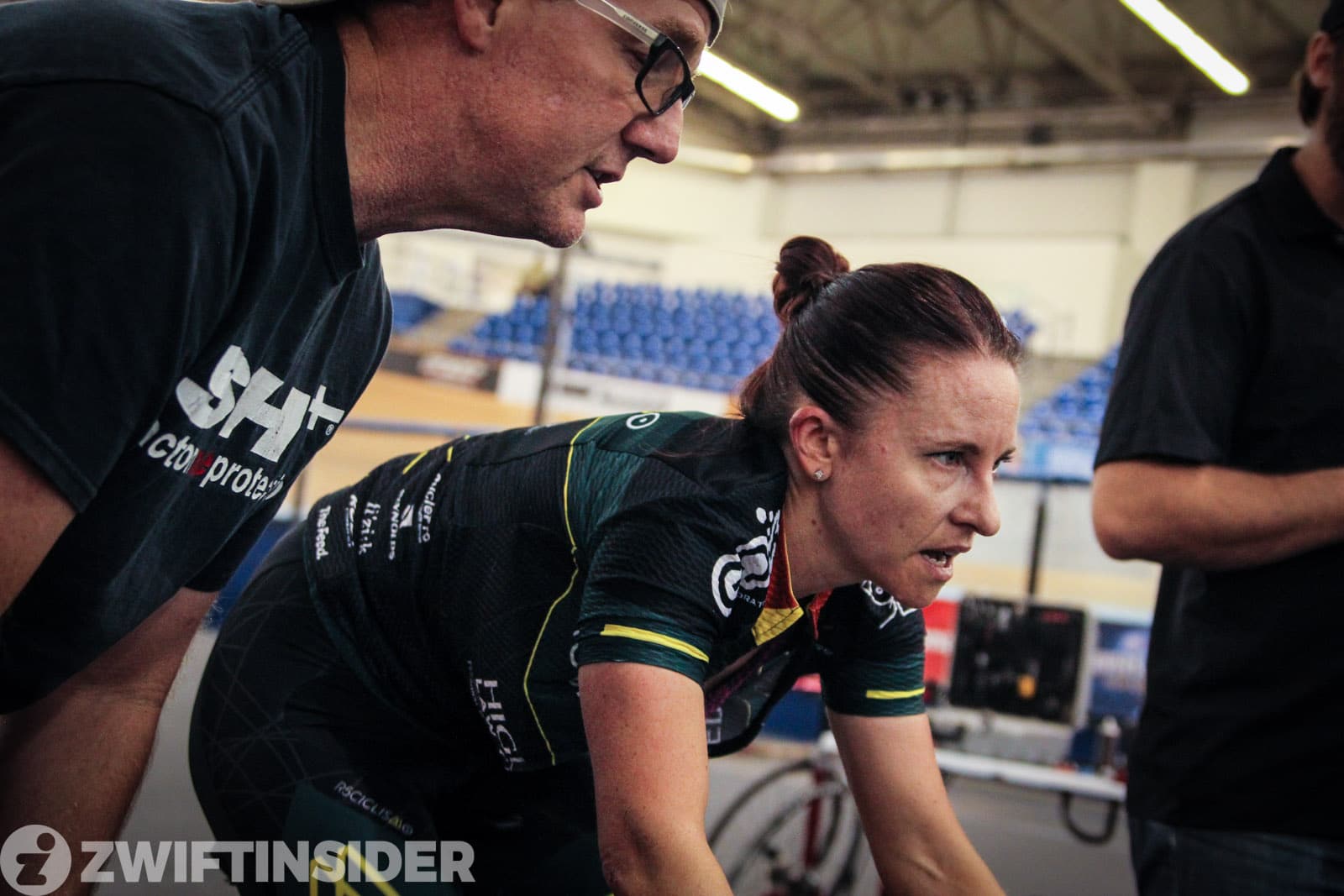
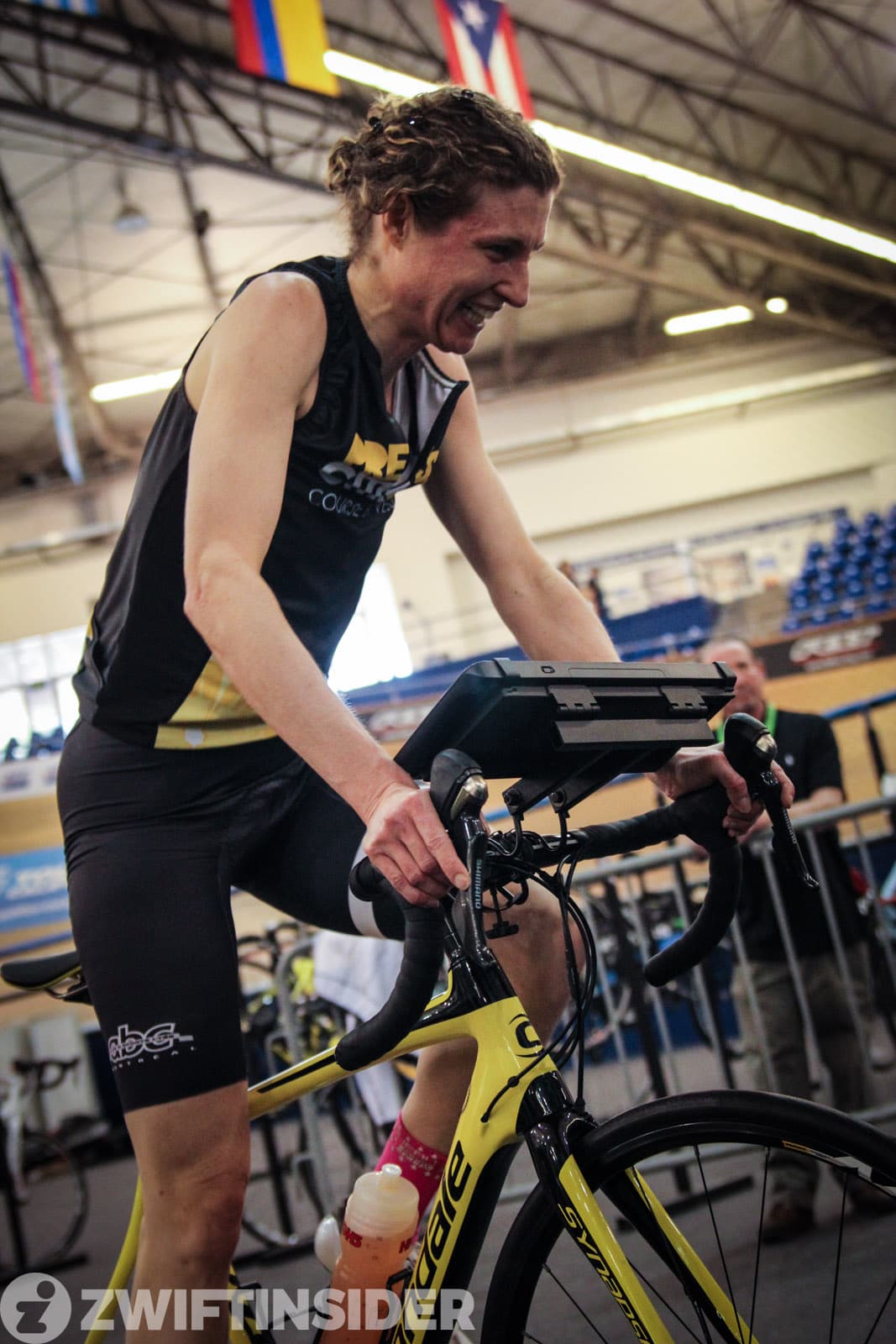
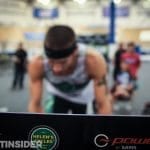
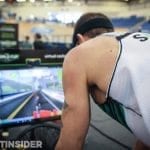
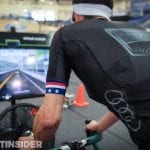
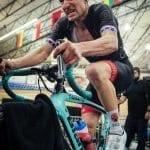
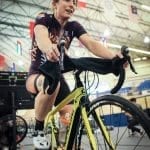
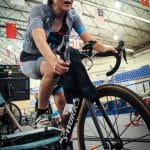
Sunday morning, March 25, 2018: Monica and I arrive at the Stubhub VELO Sports Center for the second and final day of CVR World Cup racing. Yesterday’s qualifying heats have placed each of the 40 riders into their brackets, and now it’s down to this: meeting up in person to race in a virtual world for real money. And it’s no small amount of cash–over $72,000 in cash prizes will be awarded to today’s racers, with everyone winning a prize of at least $1,276.17! When was the last time you took part in a race with payouts like that?
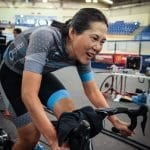
In the first stage Ikebe quickly rides away from the field, showing that same smile-inducing form he displayed yesterday. Ikebe is here all the way from Japan, and despite his constant smile he’s not messing around! (His trainer is feeling the effort, though, as Ikebe rocks back and forth and taps out a tempo that forces the other riders to suffer.) Ambroisine tries to catch Ikebe before the finish, but Ikebe stays away. Stage podium: Ikebe, Ambroisine, Norris.
The pack stays together on the second stage until they hit the big reverse hilly KOM and Davis attacks in a big way. Goldenberg, Stefanov and Gros get dropped. Levick gets dropped on the second lap’s climb, and Ikebe goes off the front with a pack of five chasing. They can’t catch Ikebe though, who finishes first with a pack of five sprinting for places behind him. Stage podium: Ikebe, Pikelney, Ambroisine.
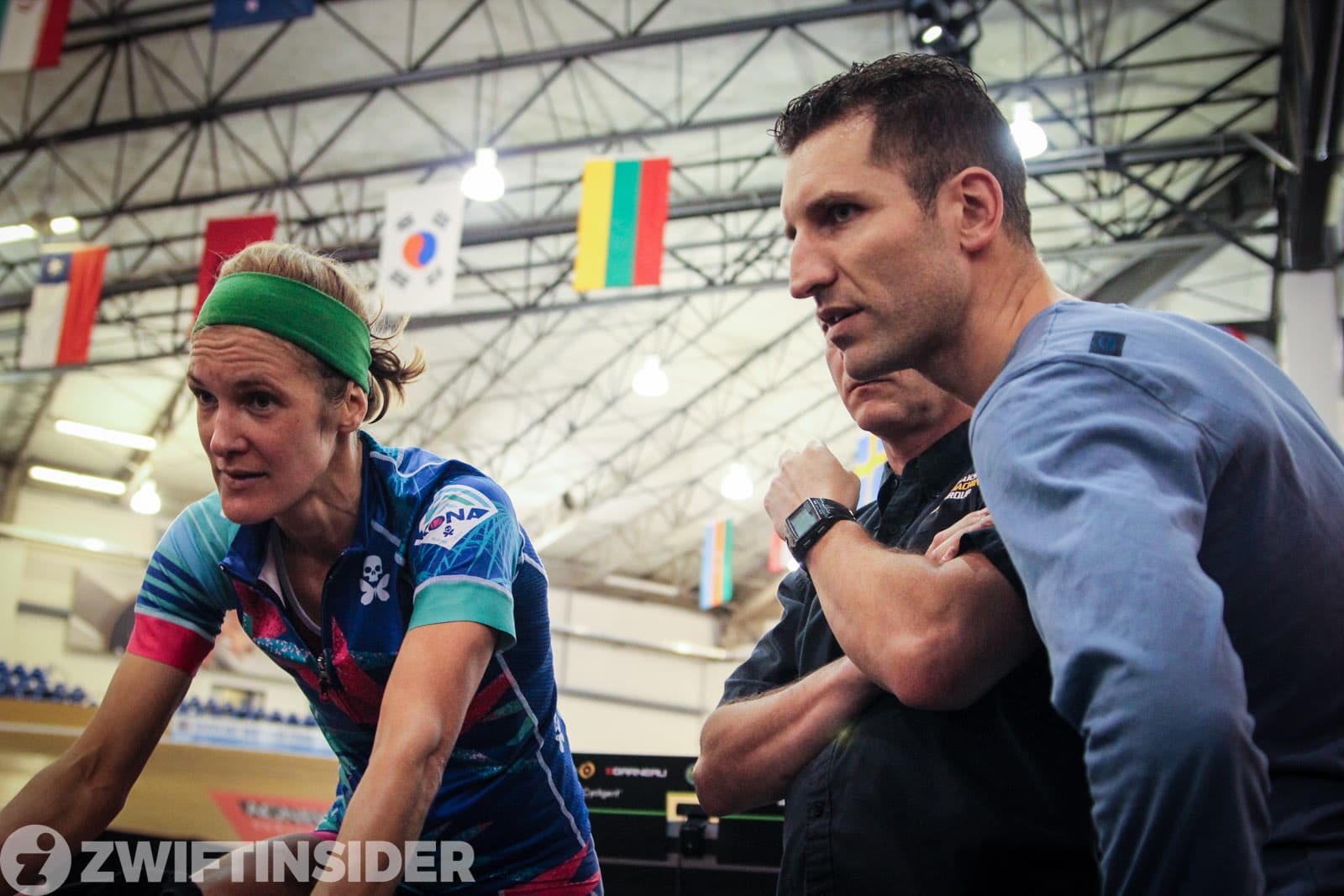
We have a pack of nine together for most of the final stage, which gets whittled down to seven near the end when Ikebe jumps off the front for a long break. Racer Alison Kubota and I are standing next to Frank Levick as he nears the end of the race with the pack, and Alison asks him, “Do you have a good sprint?” He shakes his head no. With only a few hundred yards left to go, Alison and I both tell him, “Frank–you’ve got to go now! Surprise them with a long break, give it everything you’ve got!” Frank goes… and wins the pack sprint with us yelling in his ears! Stage podium: Ikebe, Levick, Norris.
Men’s Performance Final Results and Payouts:
Sadao Ikebe ($1,374.41)
Greg Ambroisine ($1,369.86)
Tim Norris ($1,293.52)
Motti Pikelny ($1,297.31)
Frank Levick ($1,327.24)
Mike Davis ($1,303.23)
CJ Tully ($1,295.21)
Bill Gros ($1,269.20)
Stefan Stefanov ($1,268.19)
Ryan Goldenberg ($1,276.17)
Watch the entire race broadcast:
Mike Davis
Hunter Allen interviewing Frank after his incredible stage 3 finish
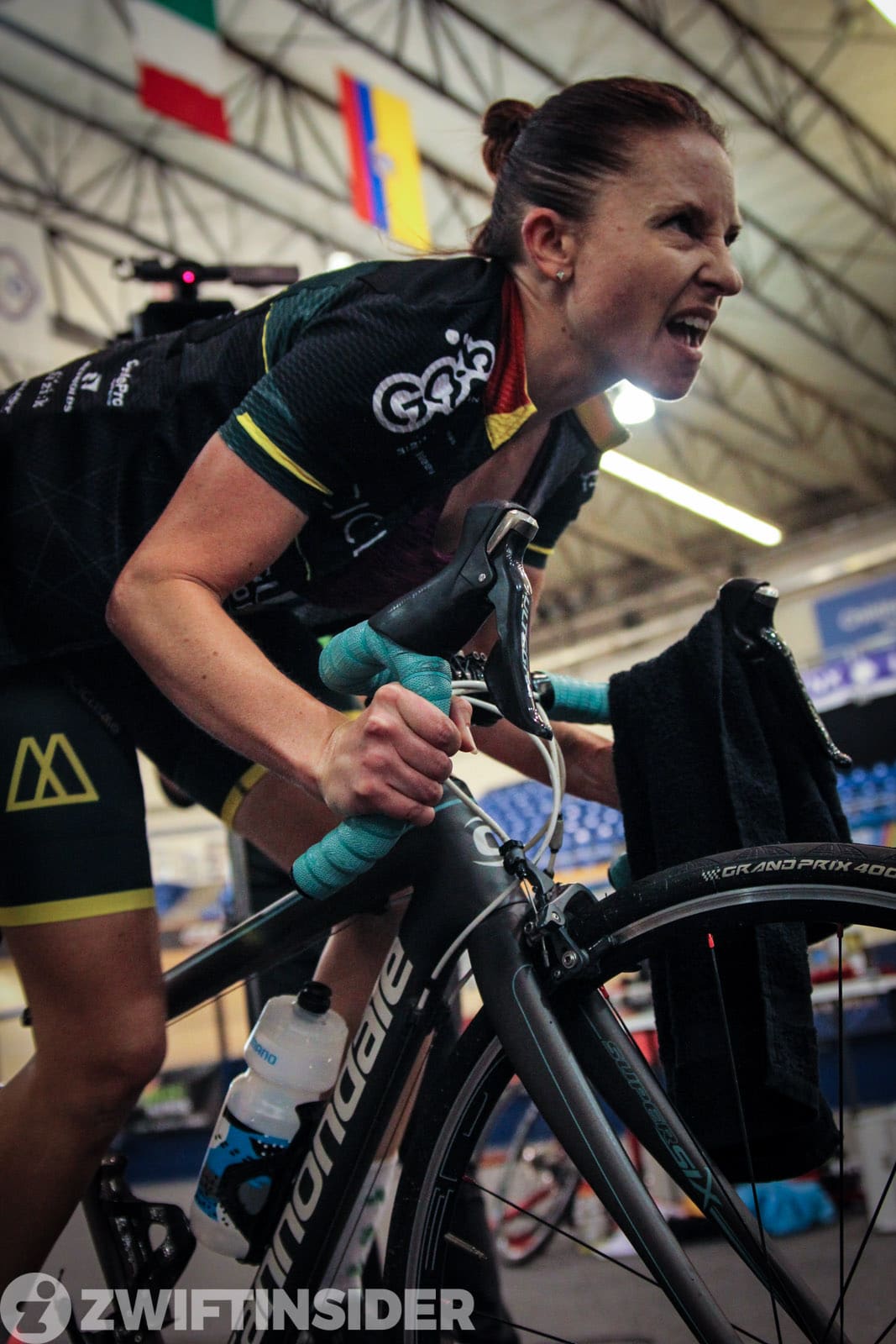
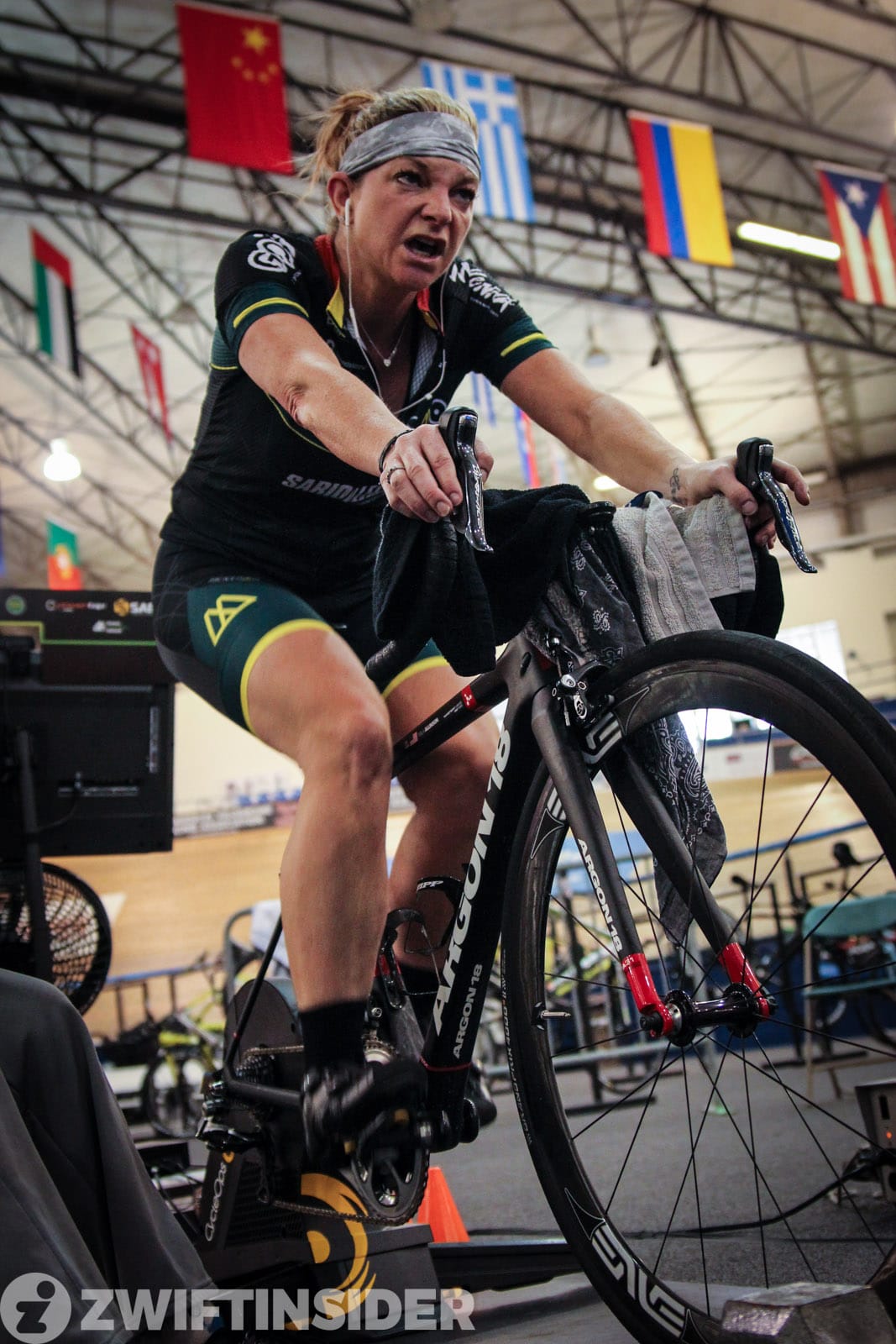
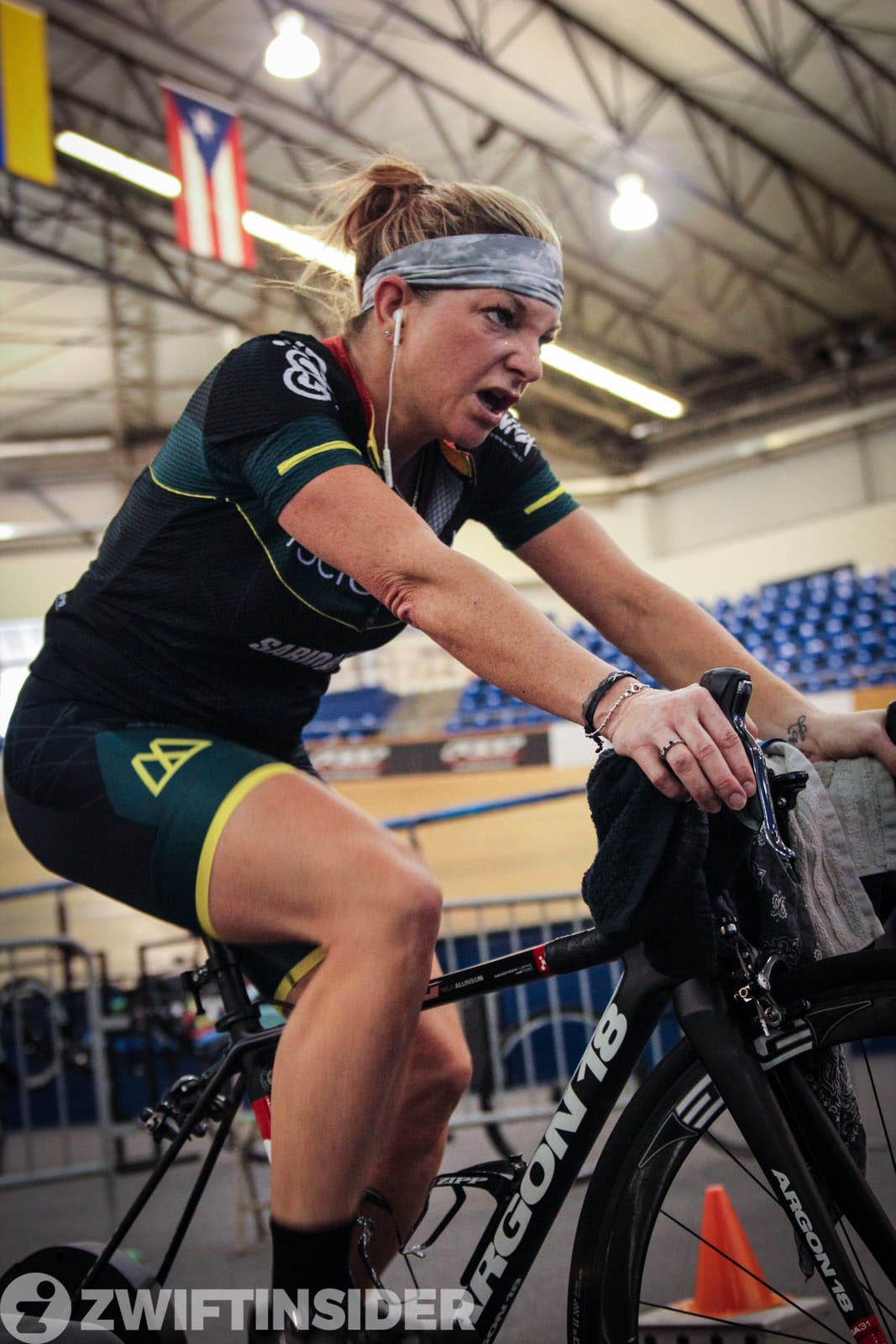
In the first stage Fortier (who wins the “Best Women’s Pain Face” award) quickly climbs away from the field. Gabel chases and keeps the gap close, but is disappointed at the end because she had more to give (she thought the race ended at the top of the KOM, not at the castle!) Stage podium: Fortier, Gabel, McMurtry.
After the first lap on the second stage a pack of eight is in the lead, with York and Rice off the back. Everyone knows the reverse KOM is where it’s going to break apart, and that’s what happens: Fortier goes off the front with Gabel, Rod and McKenzie chasing. The pack can’t catch Fortier, though, who takes first again. Stage podium: Fortier, Rod, McKenzie.
We have a pack of nine together for most of the final stage, despite Fortier putting in some attacks hoping to shrink the final field. Conway jumps early but can’t hold it, then Rod flies through the group with a strong sprint that wins the day. Stage podium: Rod, McKenzie, Fortier.
Women’s Performance Final Results and Payouts:
Catherine Fortier ($1,374.80)
Julie McKenzie ($1,338.06)
Ingelin Rod ($1,315.59)
Holly Gabel ($1,343.32)
Lauren McMurtry ($1,305.22)
Cheryl Muldoon ($1,381.21)
Mila Allinson ($1,371.19)
Laura Conway ($1,286.17)
Liz Rice ($1,285.15)
Jessica York ($1,308.13)
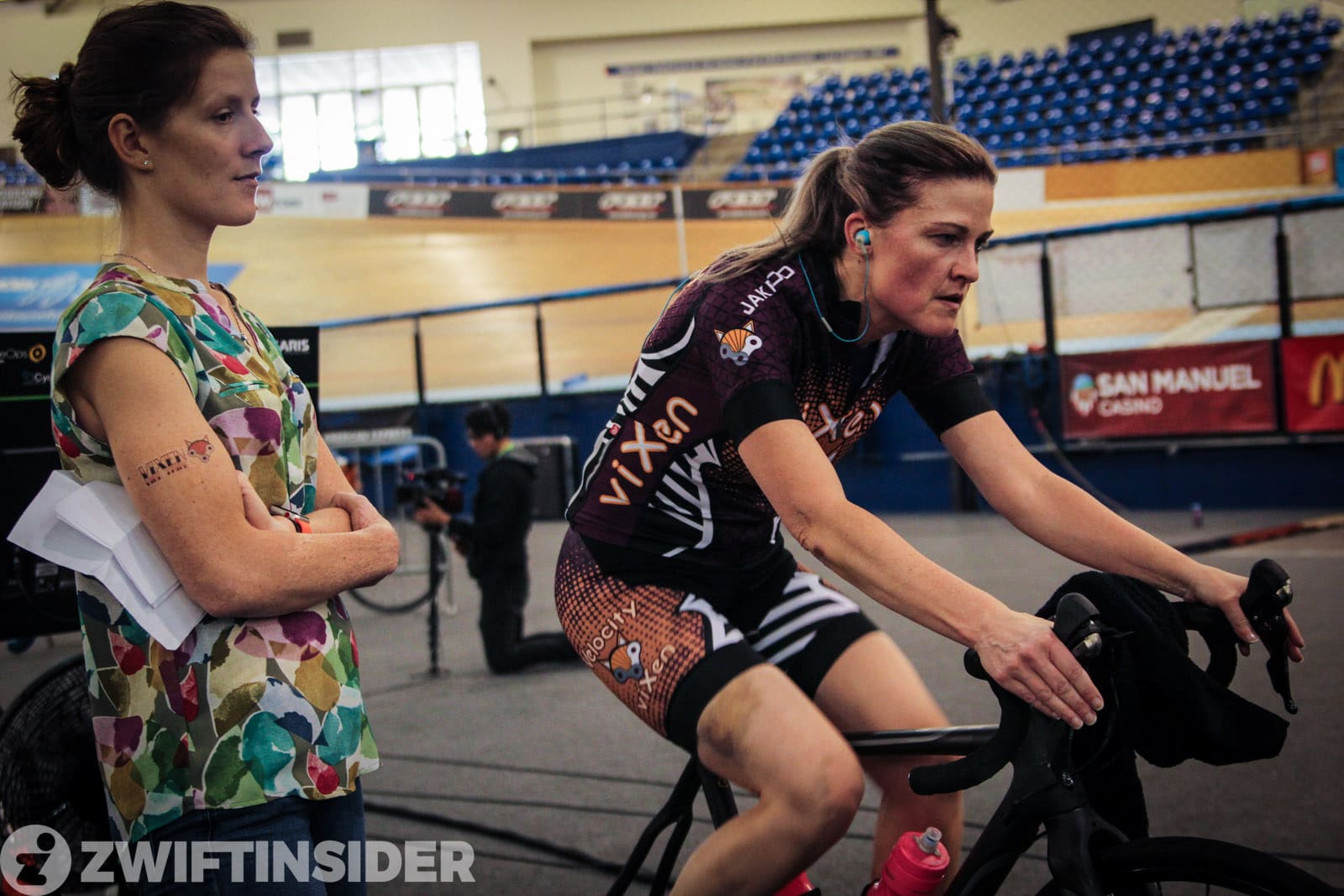
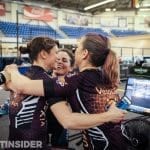
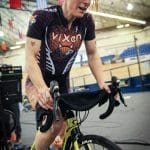
Team Vixen’s Cheryl Muldoon wins the grit award for this race, riding with massive bruising in her upper right leg that made even walking very difficult. She tells me, “If this was any other race I would just skip it.”
Watch the entire race broadcast:
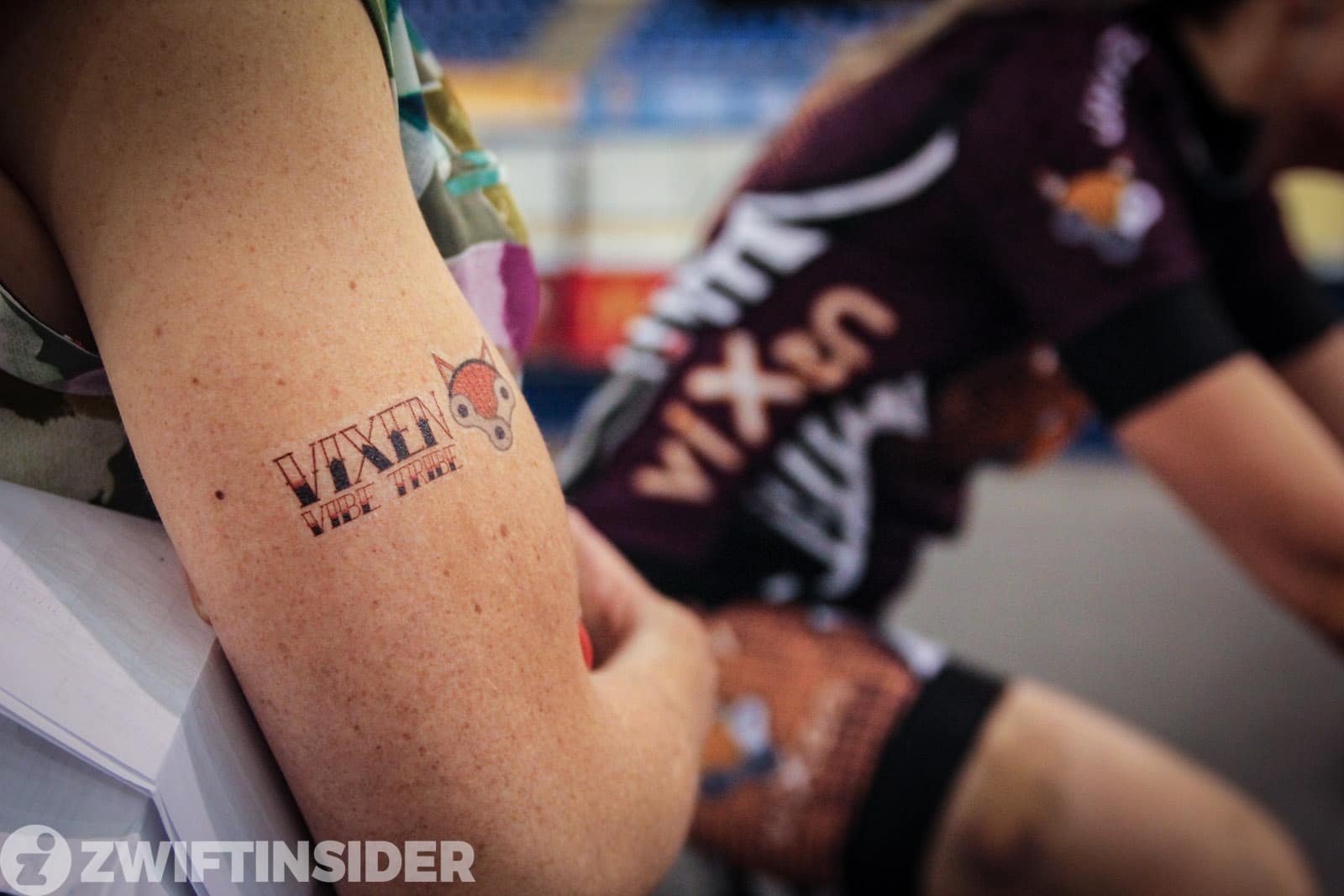
Velocity Vixens were out in force!
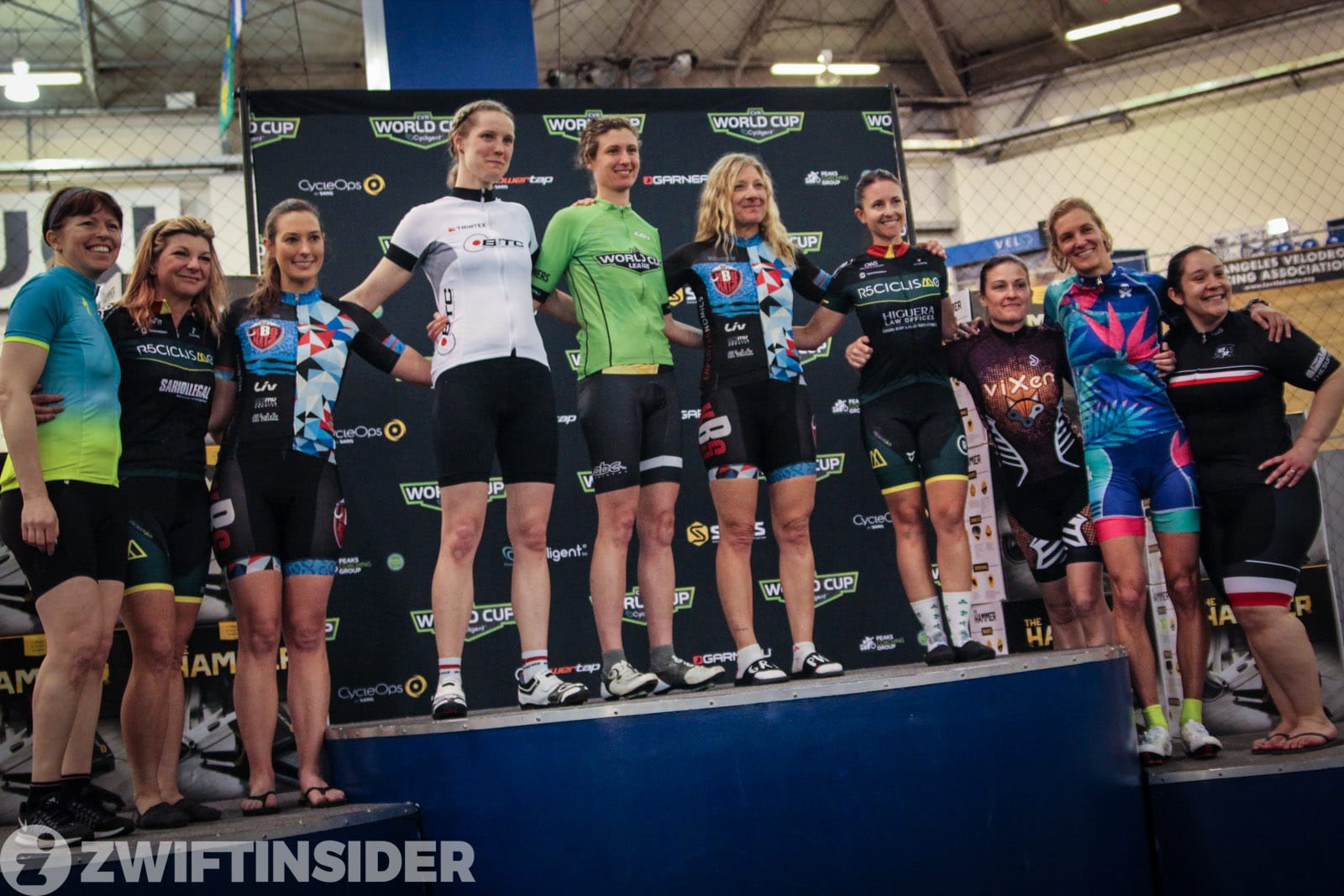
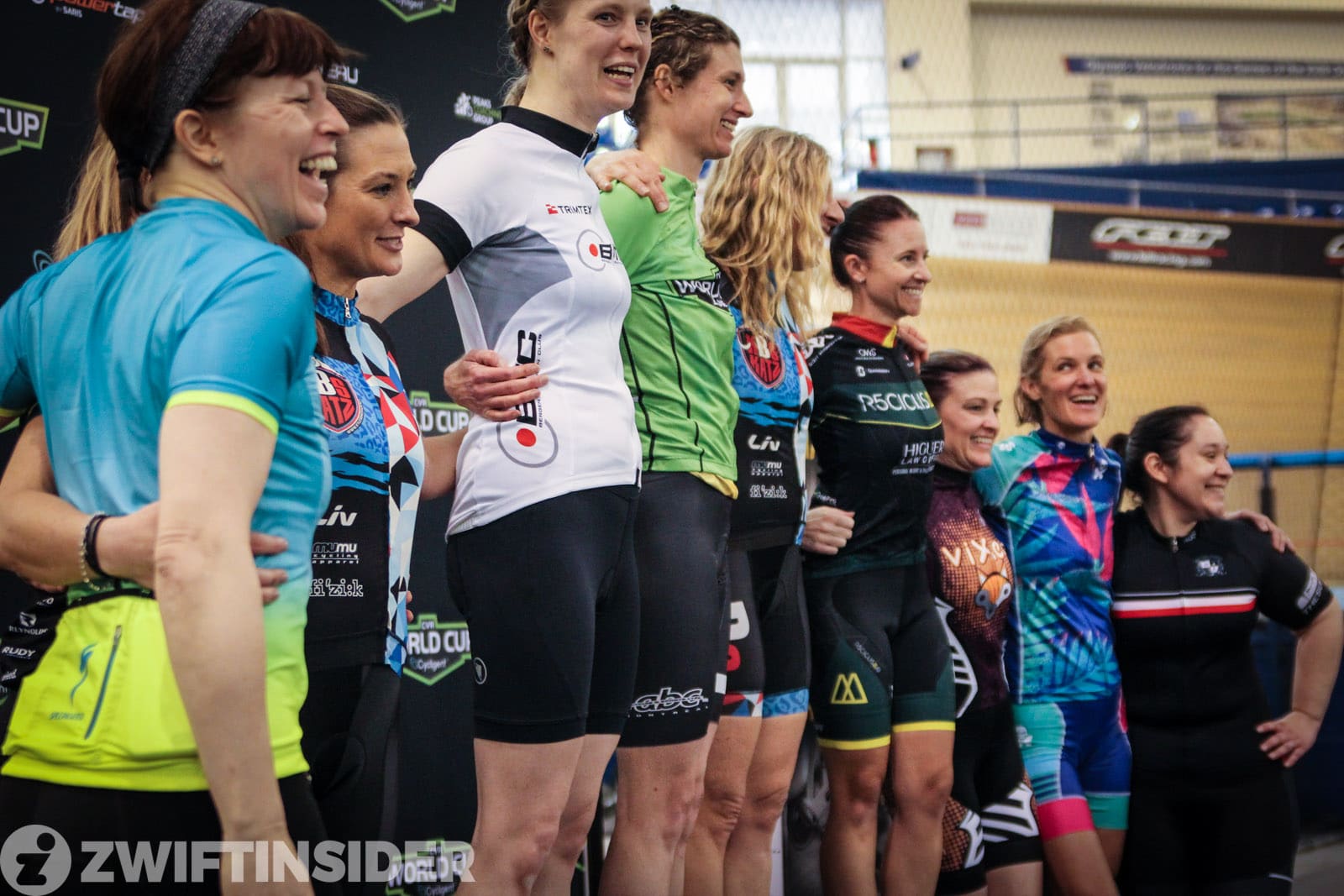
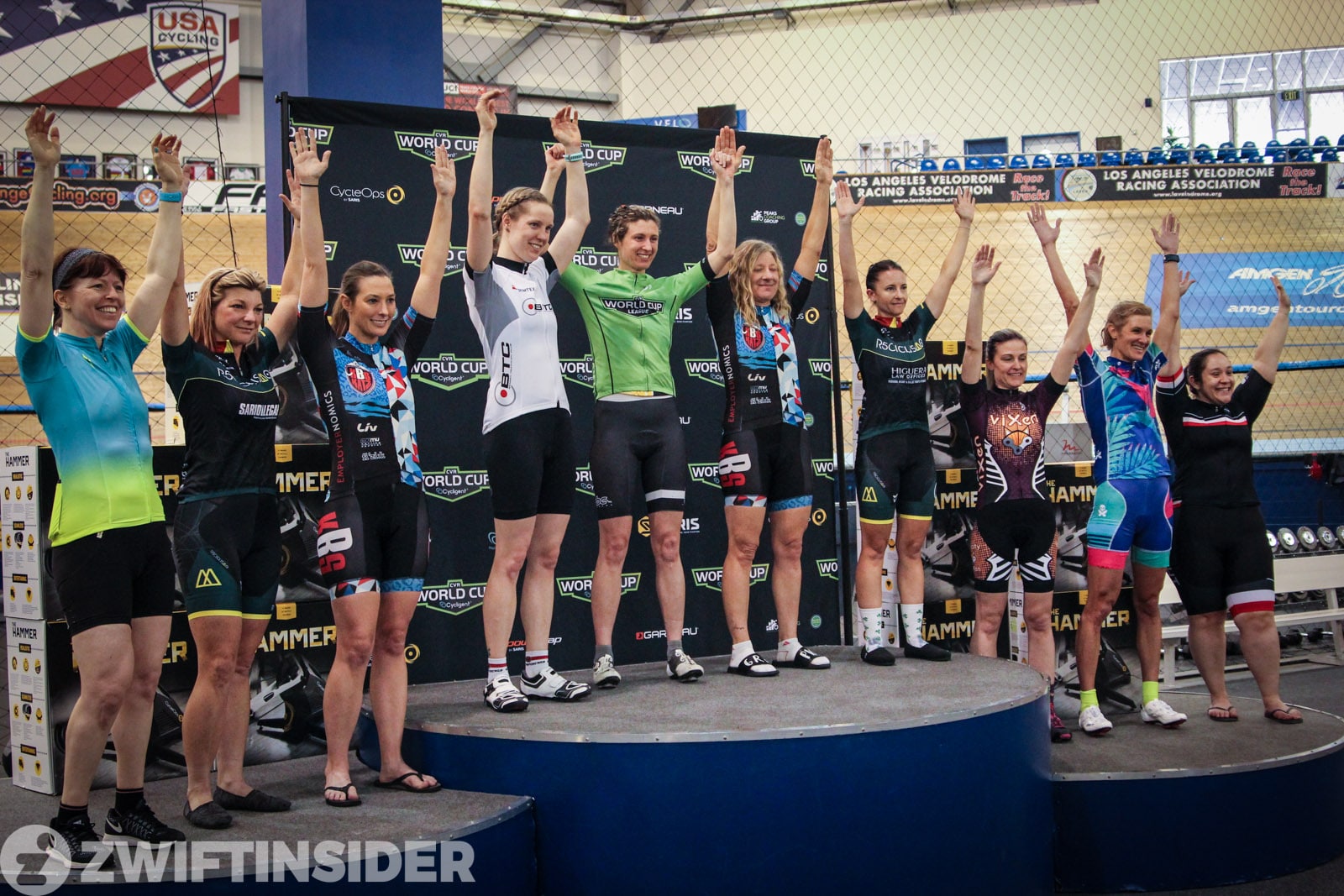
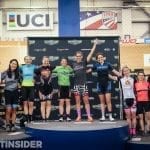
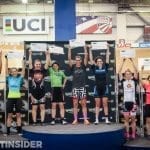
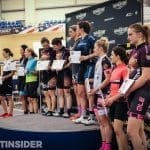
Women’s Performance podium
Women’s Performance podium
Women’s Performance podium
Holly Gabel
Holly Gabel
Holly Gabel
Ingelin Rod
Laura Conway
Race fuel
Jessica York
Lauren McMurtry
Liz Rice
Catherine Fortier
Mila Allinson
Mila Allinson
Julie McKenzie didn’t want anyone nearby after her finishing sprint!
In the first stage ITU World Champ Lionel Sanders simply rides away from the field–and nobody is surprised. Lionel is a TT machine, so the hill climb stage is his to lose. The question is, can he get on the podium in stages 2 or 3? Stage podium: Sanders, Gardiner, Zimmerman.
The second stage sees several non-CVR racers involved in the event, which is an annoyance. Zwift needs to allow for “private” events! The attacks hit on the first KOM, and Drujon is off the back, deciding to rest for the final stage. Little, Bay and Arber get popped off the back as well, so a lead group of six heads into the second lap. Sanders throws down major attacks to get away knowing he won’t win a pack sprint, but the experienced riders are marking him and holding his wheel. A pack of five contests the finishing sprint, and Zwift veteran Schumm takes it. Stage podium: Schumm, Netzer, Zimmerman.
The entire pack of ten elite racers stays together for the full final stage, with Sanders again throwing down multiple attacks in a desperate attempt to get away. And once again non-CVR racers are involved in the event–this time possibly effecting the race outcome as “T. Teipen (Atlanta)” jumps early in the sprint and Drujon mistakenly chases him then has to softpedal when he realizes his mistake. I’m standing next to Adam Zimmerman as we head into the final sprint, and I yell myself hoarse as USA Zwift Champ Zimmerman throws down an incredibly strong sprint to take first and the overall win. Stage podium: Zimmerman, Drujon, Bay.
Men’s Performance Final Results and Payouts:
Adam Zimmerman ($7,750.09)
Lionel Sanders ($2,706.03)
Casey Schumm ($1,754.22)
Dan Netzer ($1,608.02)
Soren Bay ($1,533.42)
Matthew Gardiner ($1,698.44)
Mathieu Drujon ($1,607.91)
Eric Sorenson ($1,473.88)
Kim Little ($1,558.85)
Gavin Arber ($1,499.82)
Watch the entire race broadcast:
Men’s Elite Podium
Men’s Elite Podium
CVR organizer Frank Garcia with the Men’s Elite podium
In the first stage Behring shows her superior watts/kilogram, just putting out enough effort to stay ahead and win. Padouvas, who had made it into the Elite race despite being a Performance pick, puts in a mighty effort with the encouragement of a large crowd around her but eventually overcooks it. She’ll come back and race well though! Stage podium: Behring, Meisels, Real.
On the second stage, the first KOM sees Jansen, Meisels, and Pothier dropped from the pack. (I’m just happy to see Pothier able to race decently after yesterday’s massive effort.) The pack stays together until the second lap’s KOM, where Conabeare attacks and Kubota gets dropped. The pack of six contests the sprint finish, with Conabeare putting in a massive sprint to take it. Behring is a stronger rider in terms of pure w/kg, but this is going to come down to race ability and teamwork. Stage podium: Conabeare, York, Behring.
For the final stage of the day, a pack of nine stays together for the entire flat stage. Once more Conabeare takes the sprint with a massive jump off the front, taking the stage and the overall win. Well done, Team Velocity Vixens. Stage podium: Conabeare, York, Meisels.
Women’s Performance Final Results and Payouts:
Carey Conabeare ($7,801.83)
Claudia Behring ($2,645.61)
Beth York ($1,687.15)
Esther Meisels ($1,930.77)
Jennifer Real ($1,530.07)
Emily Joyner ($1,467.52)
Alison Kubota ($1,590.48)
Athena Padouvas ($1,505.45)
Katie Pothier ($1,484.42)
Inge Jansen ($1,453.38)
Watch the entire race broadcast:
Women’s Elite Podium
Women’s Elite Podium
Women’s Elite Podium
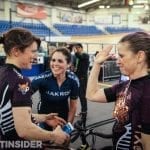
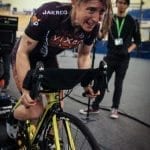
Velocity Vixen teammates Conabear and York congratulate each other
My cycleFANTASY team got second place overall, winning me $220. Well work, team!
These Are Real People
This was our first time attending a CVR event, and Monica and I thoroughly enjoyed ourselves. It was fun to talk with riders from around the world and hear their stories. On top of that, my mind was expanded as I spoke at length with some key race organizers, discussing what the future looks like for CVR and Zwift racing.
Our favorite part, though, was standing near the riders as they raced, cheering them on and (in some cases) giving them a little guidance when their glycogen-depleted brains weren’t quite working right. It felt like we were really able to be a part of it all, and even help out in some small way.
The Future of eSports
Zwift has caused a stir in the eSports world, due in no small part to CVR’s pioneering efforts. I say “Well done” to Frank Garcia and his team, and I do hope CVR and Zwift can work together to further develop this side of the Zwift world.
As more riders participate and sponsors join in, the opportunity for exciting races with large payouts will continue to grow. Larger prizes means more and more participation from top riders: how long will it be until we see world tour pros at Zwift race finals? It’s coming, but not overnight: Zwift and its community must work together to build the technology and audience first.
A Few More Photos
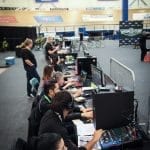
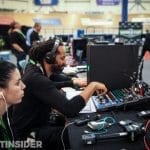
The tech crew did an incredible job!
It takes a lot of human and tech firepower to pull something like this off.
Jesper Anker
Race fuel
Vixen teammates
CVR Founder Frank Garcia
UCI World & National track record holder Ethan J. Boyes stopped by and chatted
How The Alpe Du Zwift Was Made (Zwiftcast Special)
Zwifters love new roads more than anything else – so it’s perhaps understandable that occasionally there’s frustration that the development team can’t churn out new tarmac faster.
A new Zwiftcast video provides some insight into why new features like the massive climb of the Alpe du Zwift don’t get out the door of the Long Beach HQ quicker.
“Painstaking doesn’t quite describe it,” says Simon Schofield of the Zwiftcast, after he was given a behind-the-curtain look at the making of the new route.
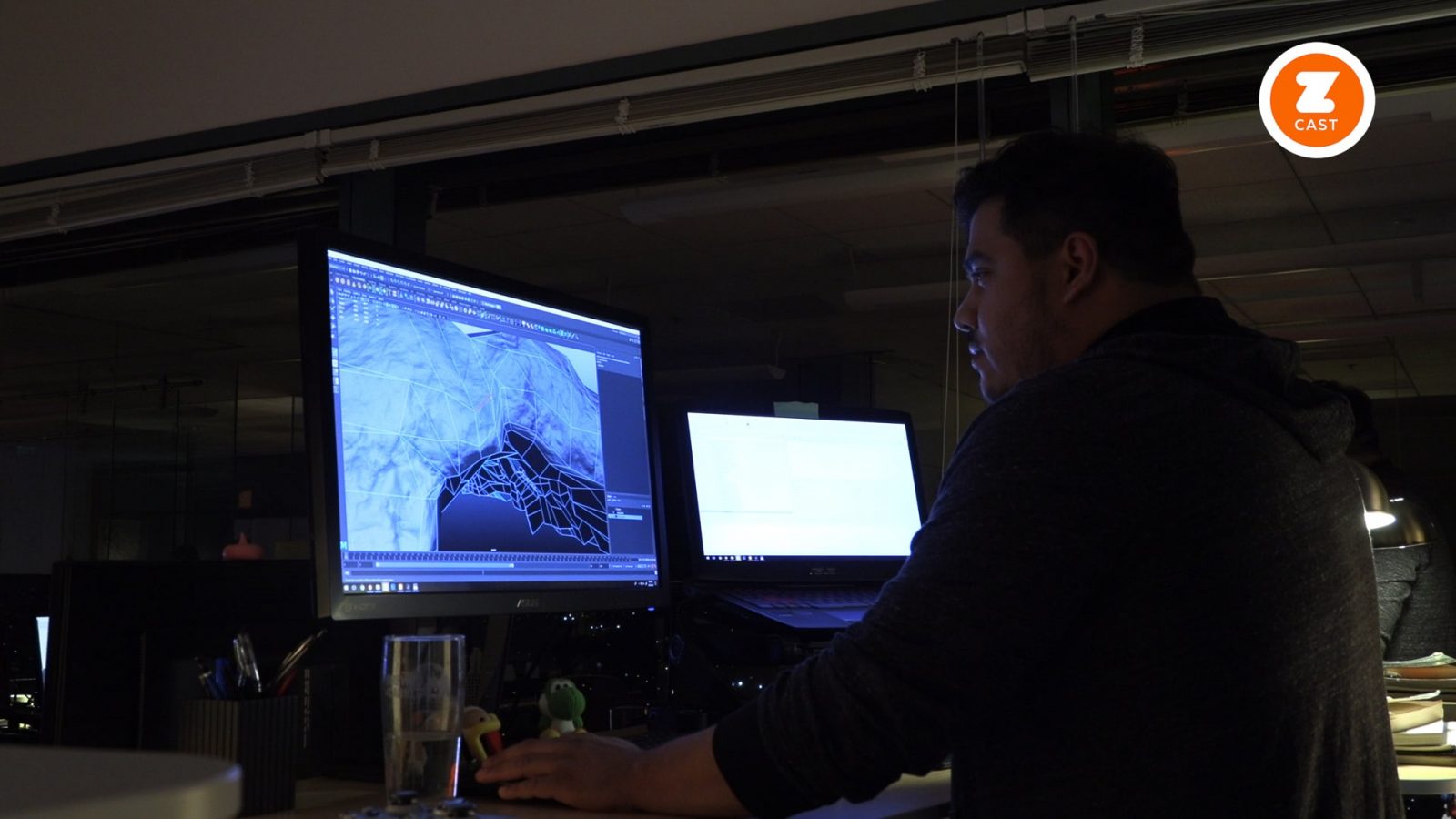
“For example – every single ‘prop’ which is a piece of scenery like a fence post and rails, or a bush, or a tree, is hand drawn on 3D modelling software, Maya. Then it’s painted and textured in Photoshop, then it’s placed carefully, at the right size and in the right proportions and at the right angles, into the scenery.
“And there are literally thousands of these props,” says Schofield. “And if the road has to be changed for some reason, then it’s back to the drawing board for the props associated with the changed stretch.”
But there’s more. Because Zwift runs on everything from iPhones to gaming rigs, the developers have to use special tools to deliver the best possible experience across a variety of machines with different capabilities.
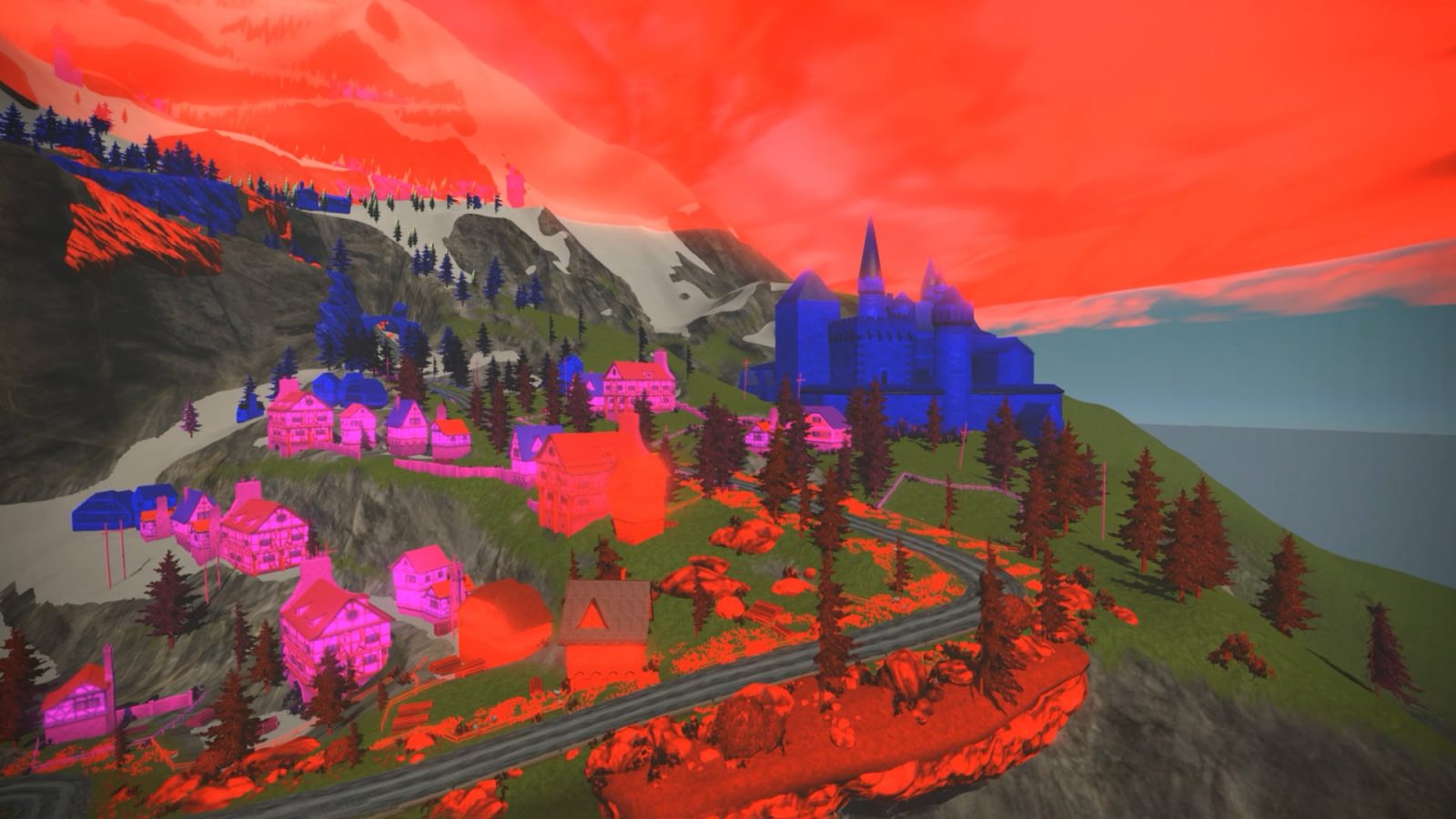
“I was shown the Level of Detail mode,” says Schofield. “The entire landscape is colour coded to show how much detail the software needs to draw to keep all users happy. It’s mind-blowingly complicated.”
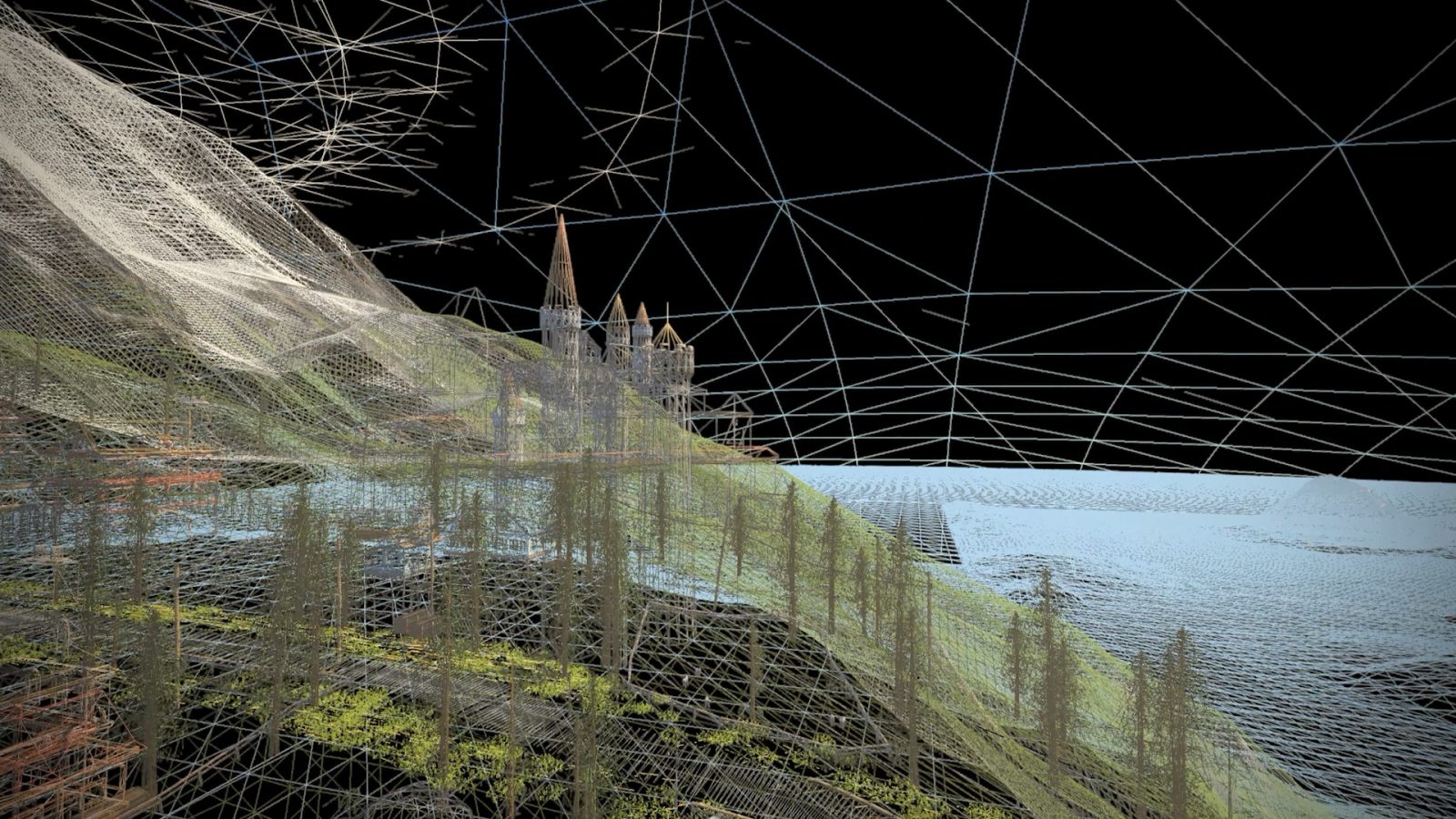
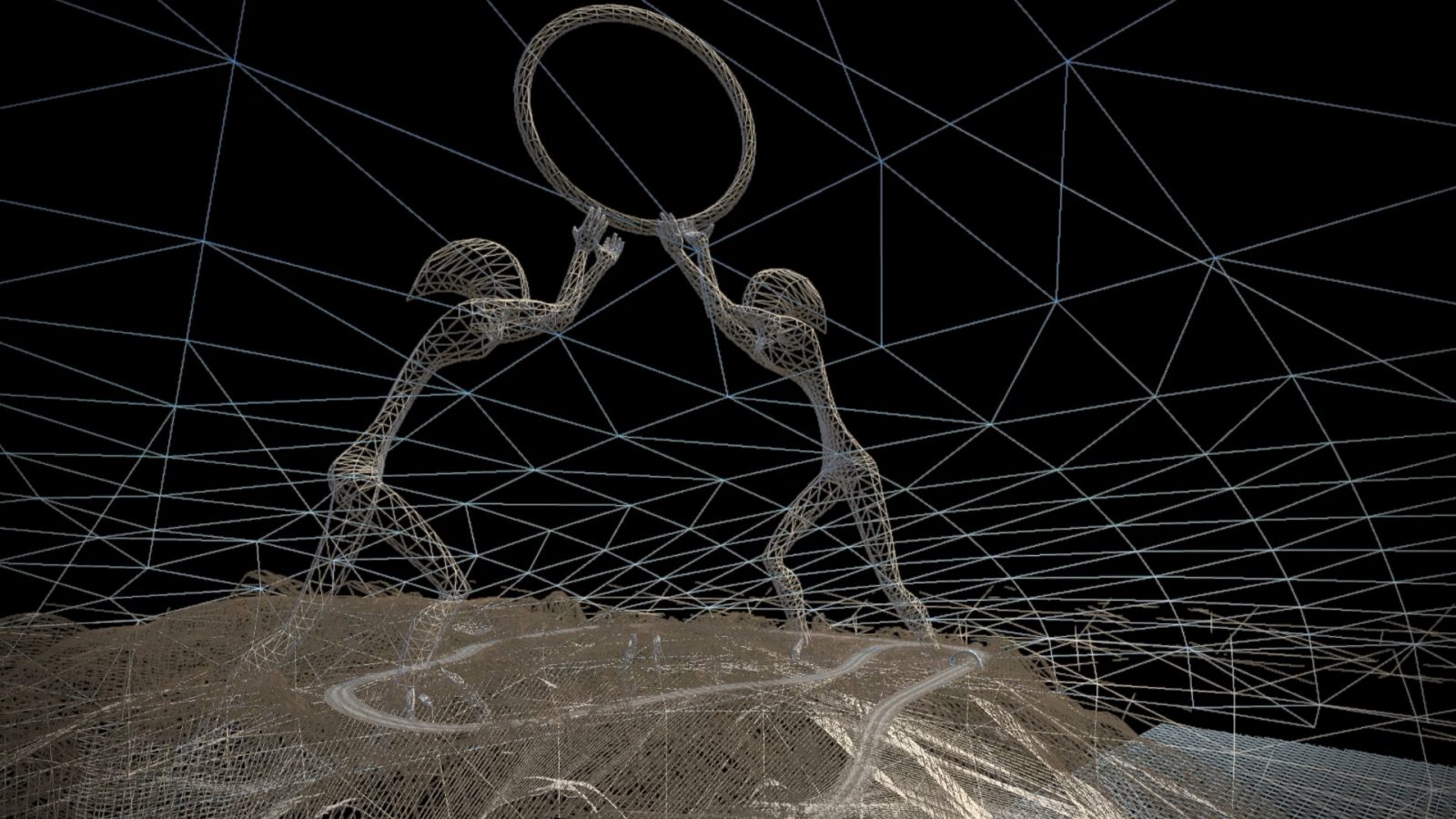
The Wireframe Mode is another tool the devs use to keep things optimised. This shows how dense the polygons (building blocks of objects in video games) are, and whether that density is too much, not enough or just right – for the whole range of machines Zwift runs on.
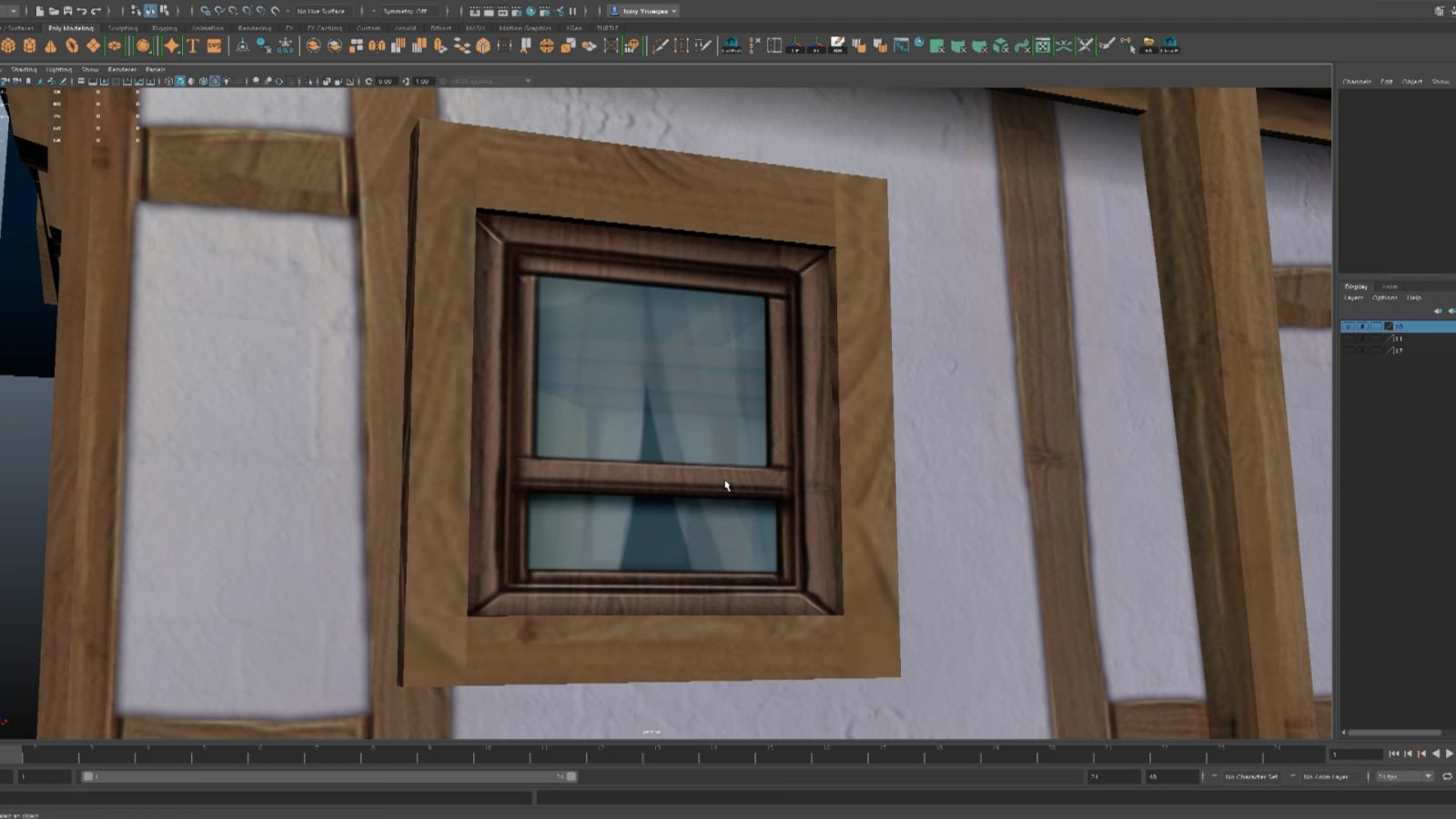
Finally, the level of detail in the game is something that Zwifters may not notice – but they would if it was wrong, says Schofield. “I was shown a zoom-in to a small window on one building. As well as the life-like, or at least Zwift-like, texturing of the wood and glass, the artists had drawn a reflection of a building opposite on to the glass.
“You’d never notice it riding past – but it contributes to the immersiveness of the game.”
The whole experience was a real eye-opener, says Schofield. You can see how all the tools and techniques work in the Zwiftcast Special: How The Alpe Du Zwift Was Made.
And if you watch the video to the end there are a couple of fascinating insights into the things that DIDN’T make it into the Alpe… maybe they will one day.
The Real-Life Finale of the “Flanders Race De Ronde”
As the dark winter days were getting behind us and we welcomed the first rays of spring sunshine it was time to conclude the “Flanders race De Ronde” Zwift racing series with a grand finale. The concept was simple: during the winter months, we held a weekly race. Each race you could gather points. At the end of the winter, the top 10 of each category were invited to contest the finale.
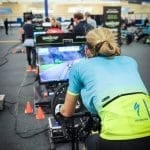
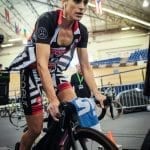
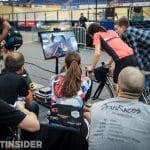
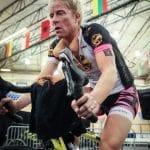
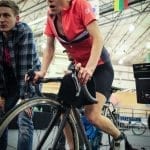
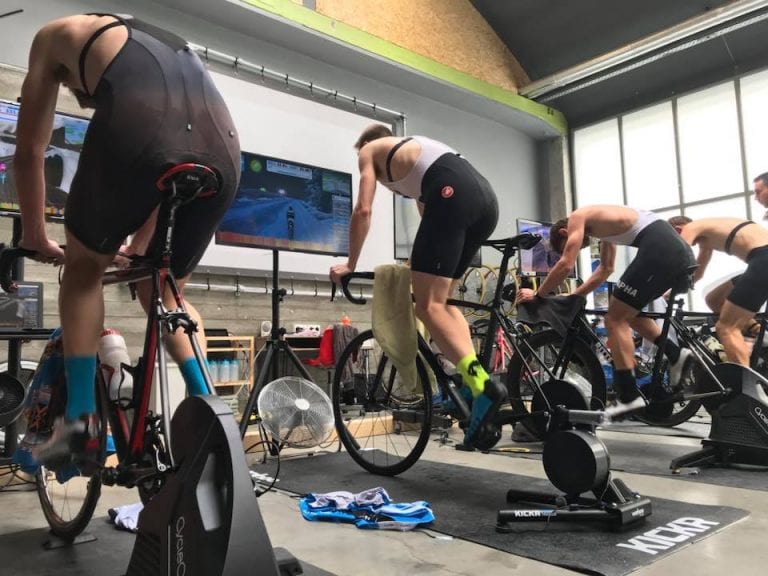
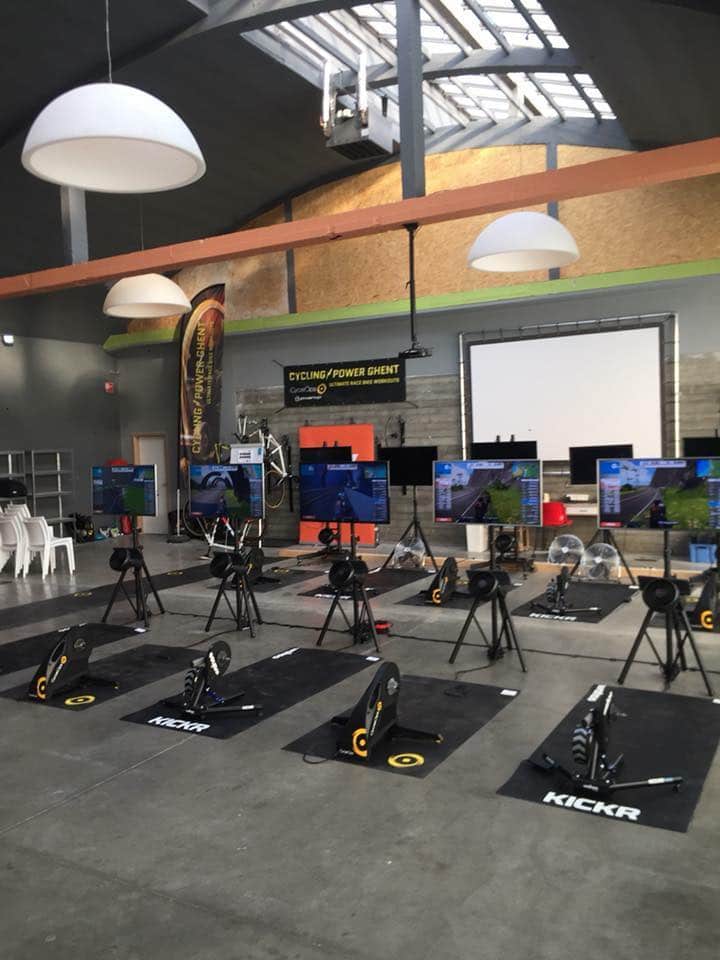
The finale took place in the Cycling Power Ghent training center in Belgium, where we had access to 10 full-blown Zwift stations: Kickr or CycleOps smart trainer on a trainer mat, big screen on a tripod and a fan. All trainers were calibrated, and everybody had to go up on the scales to check their body weight. Time to discover if those online virtual winter wattages match what you produce in real life.
Race 1: The Epic KOM
The first race of the day was food for the climbers. We started at the pier, and had to climb the epic KOM. The finish of the race was around 900 metres behind the epic KOM banner, meaning you still had to conquer the first 13% gradient section of the climb to the radio tower. A nasty surprise for those who thought the finish was at the banner!
Race 2: Two Laps of Watopia Flat Reverse
Second race of the day was a flat race where the sprinters could make up for the time losses of the climb. There were bonus seconds for the first 3 finishers (20″, 10″ and 5″ seconds). As the events were open for everyone (Zwift has no private events), it meant you not only had to race against your fellow finalists, but also against ‘outsiders’ with fresh legs.
And as everybody who has some experience with flat Zwift races knows, once you get dropped on the flat the time gaps can become quite large. As such, this race was a matter of giving it all to make sure you could stick with the pack, and keep your fingers crossed you would have some energy left in the tank to sprint at the end of the race.
Race 3: One Watopia Hilly TT Lap
A one lap race sounds easy… but not if you already did 2 races that day. And since you cannot draft with the TT bike, there was no hiding in the pack. If you were running on empty, you would lose a lot of time in this race.
We had a bit of bad luck with the TT. During this time slot there was also a Fondo event on Zwift, and the servers were clearly struggling with it. While everybody could do the race, we could not see the names kits of other riders during the race. That made it nearly impossible to see who around you was in the general classification, as you had no idea who was who.
Luckily it didn’t have much effect on the final results. Each of the category winners was clearly the strongest guy that day, and a well-deserved winner.
For everyone that ever has the chance to attend such a Zwift event, I can highly recommend it. Even for spectators it is great. For example seeing the A-category fight for the win is something unique. While the typical B and C races are won by riding at a high but relatively steady speed and hoping the rest would get dropped, the A’s really put in cruel attacks.
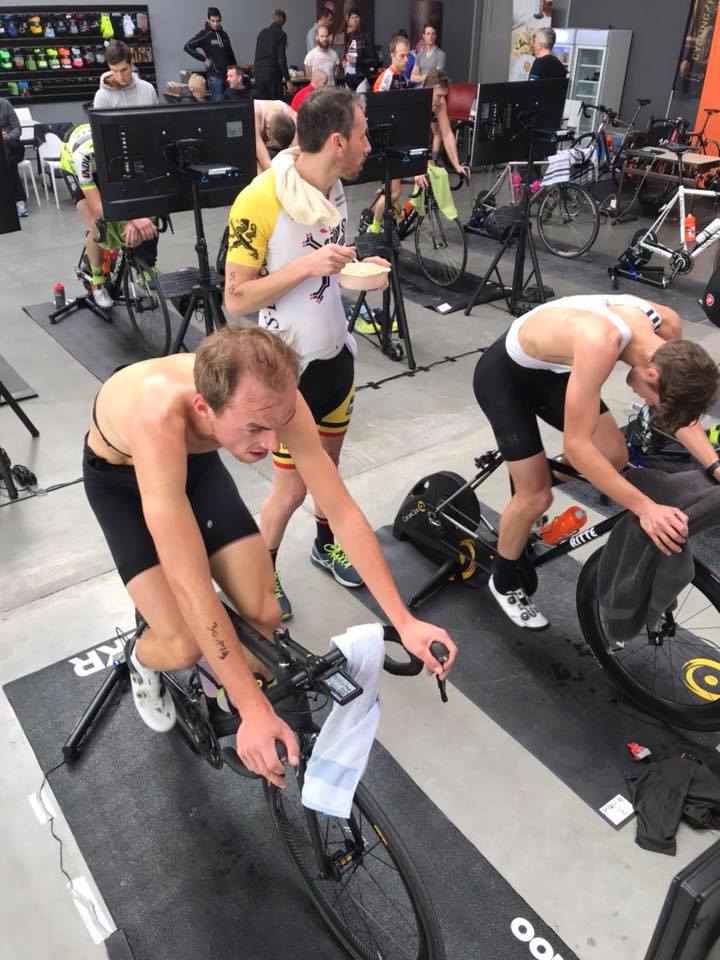
And if you have 10 A riders in a room, it means that each time somebody shifts and stands up to accelerate, all the others hear it and react immediately. Before you know it, the whole room is filled with the sound of smart trainers getting tortured and people dancing on the pedals with the occasional swearing. This can be seen in the video below, which was recorded at the end of the flat stage in the A category:
For the racers themselves, it also brings an extra dimension. If you can see the pain face and hear the breathing and suffering of the guys you are racing, you are really motivated to bring on the pain and ride that little bit harder. This resulted in some real FTP increases. Some only by 1 Watt but we also had people who managed a 20W increase.
Some photos of the event can be found in this Facebook album. We were lucky enough that one of the participants is also a professional photographer, and he has put a huge collection of high quality photos in a separate Facebook album.
Last but not least I want to thank Stephan Tytgadt, owner of the TS-Bikes bike shop, for finding the time to setting up this racing series, and organizing the finale. It was an amazing event, and I heard nothing but positive reactions from all the attendees. He even invited a professional barista and his coffee machine. What more can you wish for ?
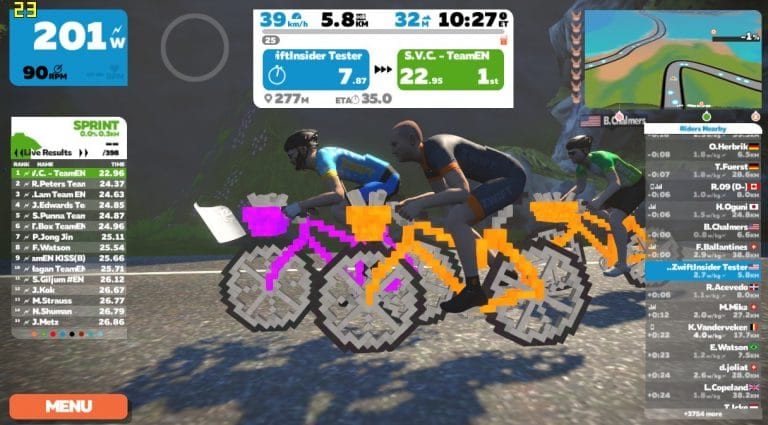
But it’s also April 1st, and Zwift traditionally does something zany for April Fool’s Day. 2017 we had big heads, 2016 gave us the old-timey effect, and 2015 we rode big wheels on Jarvis. What about today?
Today we’re playing Paperboy… or at least, a very simplified Zwifty version of Atari’s 1985 classic. We’ve got lo-res bikes and targets to toss newspaper towards. Hit F2 to throw the paper. If you hit the target, you get 50XP. Here’s a video of me missing the target…