Home Blog Page 256

How the Race Was Won: Small Pack Tactics

How the Race Was Won: Small Pack Tactics

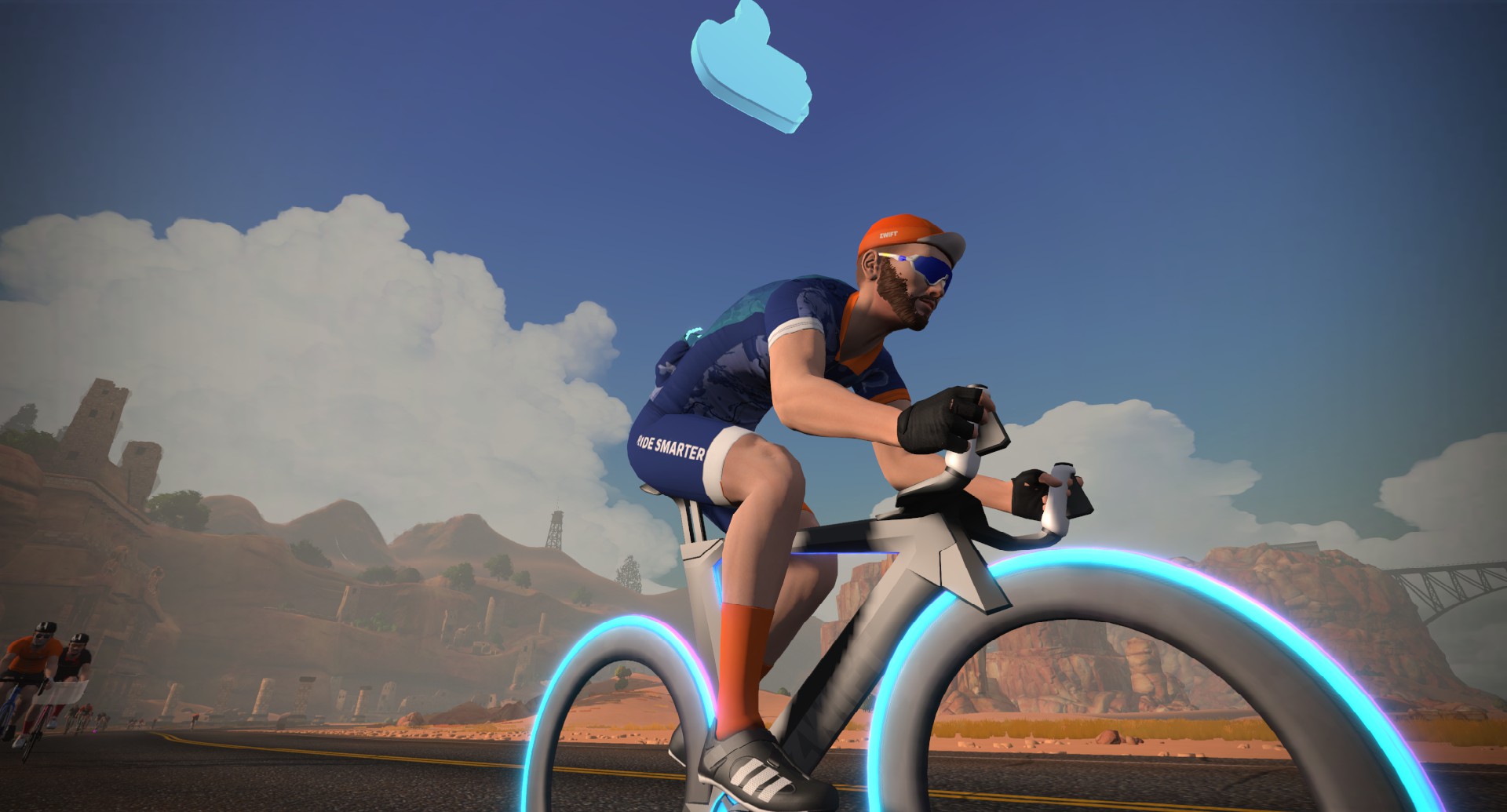
This race was a bit different from most I’d been doing… but it was a welcome change. Instead of 60+ B riders on a ZRL course or Crit City, it was a small pack on two laps of New York’s Astoria Line 8 route.

The pack was small, the race was short (23km)… and I’ll try to keep this short, too. Let’s get to it!

Start + Lap 1

The race start was easy enough, and our pack of 9 B’s quickly started ticking off the miles as we made our way around Central Park.

Just 1.1km in, an A rider named Duffin came flying up from behind, through our pack, then eased off to sit in. I’m not sure what the story was with Duffin – he seemed to disappear occasionally, then reappear. Perhaps internet connection issues? But Duffin would play a part in how the race unfolded, so I wanted to mention his arrival.
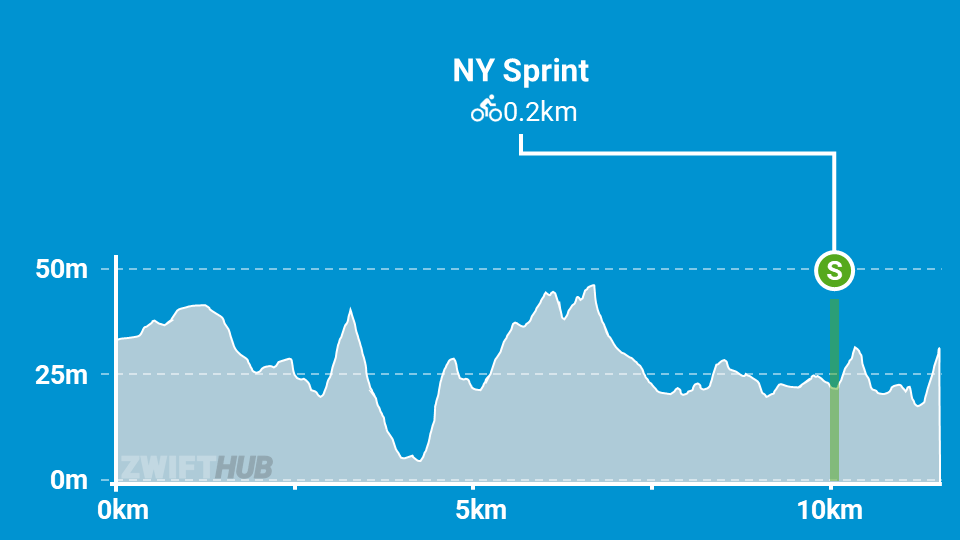
Astoria Line 8 course profile. (The big descent around 3km is Harlem Hill, then the climb immediately following was my attack point on each lap.)

I knew the Astoria Line 8 route well, having raced NYC’s ground-level roads many times. I particularly like this route, as it includes the punchy Harlem Hill section to the north. This is a great place to put in digs and drop riders. And that was exactly my plan.

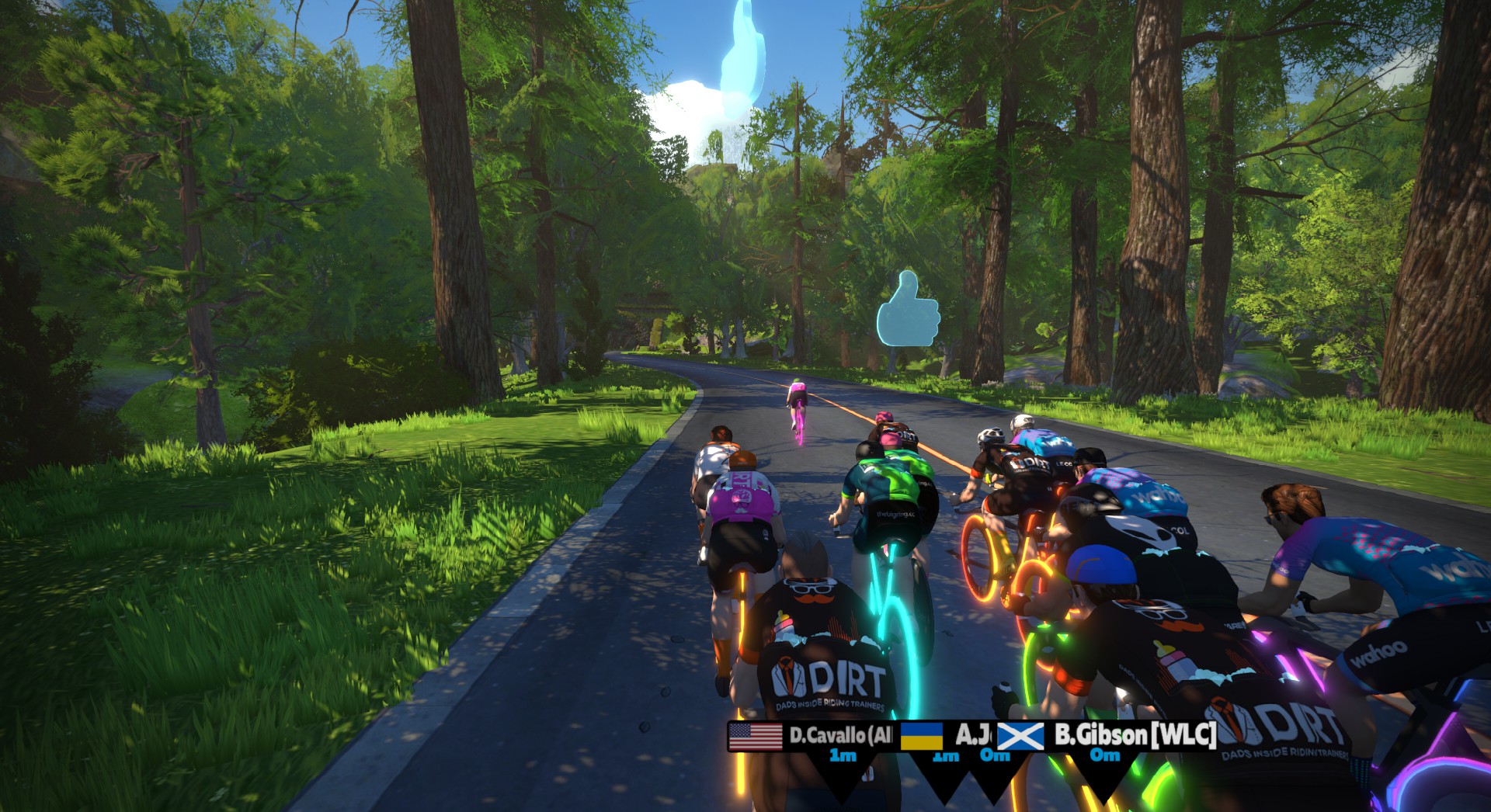
We descended Harlem Hill, then began climbing up the East Drive climb (I’m not sure if locals have a better name for it). That’s when I launched my attack, going off the front hard. Only two B’s followed: Curtiss and Machala. Duffin, our lone A passenger, also hung on. And we caught Cross, another A, at the top of the climb.

Now the question was: could we stay away from the 6 chasing B’s? With two A riders sitting in, and probably the three strongest B’s, I figured we had a good chance. We kept pushing on and I watched the gap to the riders behind slowly dwindle from 5 seconds to 2. But then a rider named Ferreira jumped across to our group, and the gap began to stretch out again.

7 seconds… 10 seconds…

Ferreira was on the front pushing hard, and by the time we crossed the lap banner the chase group was 30 seconds behind. They’d given up.

Lap 2 + Finish
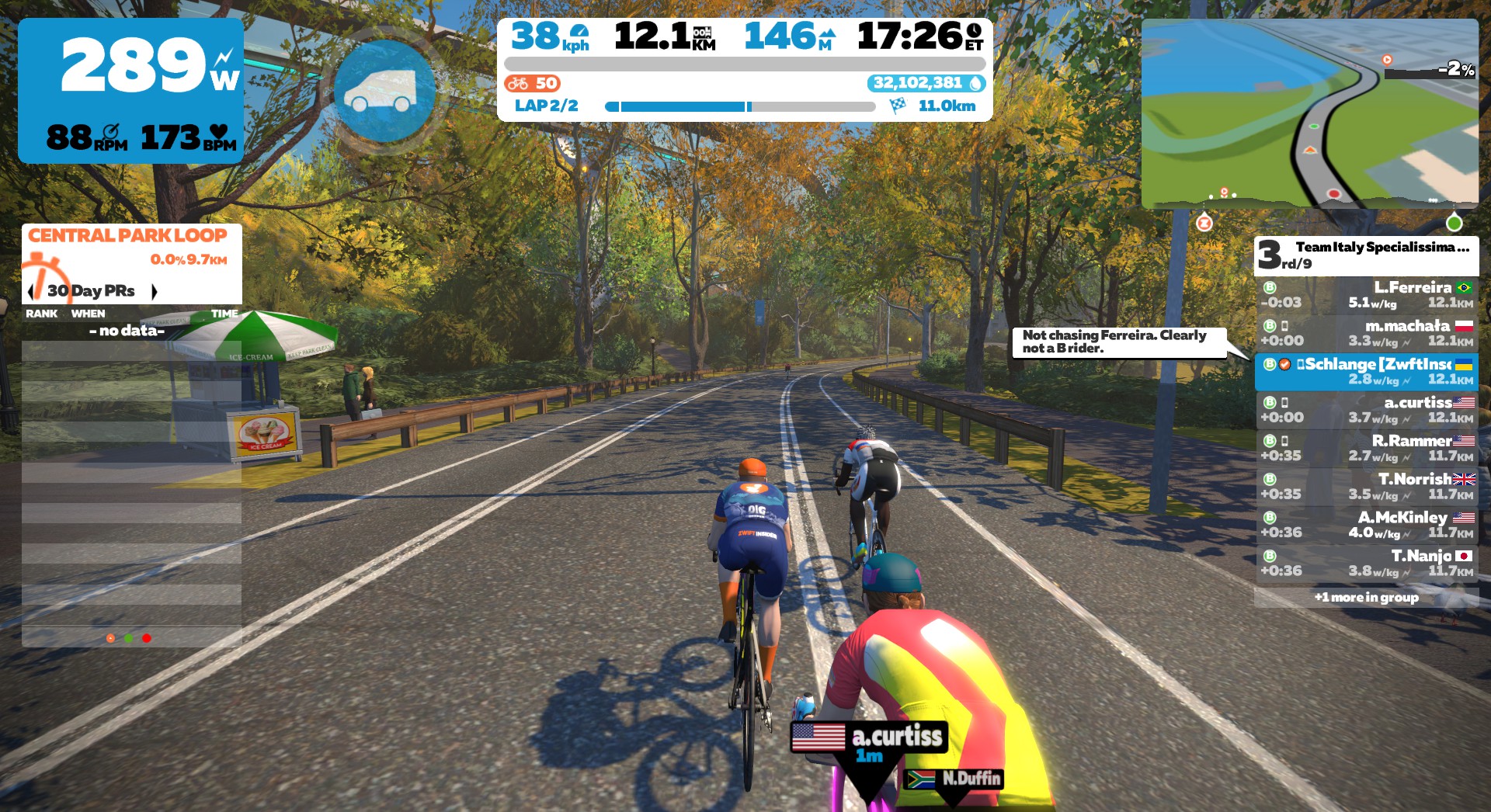
Letting flyer Ferreira go

Ferreira was keeping a furious pace at the front, and I noticed as we started lap 2 that he was on virtual power and basically holding 4.9 w/kg (around 315W). Also, no heart rate!

Clearly Ferreira was not a legit B rider. (That’s what I get for entering a race without category enforcement!) Ferreira had gapped us off the front, and I messaged our group, “Not chasing Ferreria. Clearly not a B rider.”

“Thx”, said Curtiss.

And there we were. It was now us three B’s, with Duffin floating off the back, occasionally riding through our group and sitting on the front.

When we hit the East Drive climb for the second time I put in another dig, but Machala and Curtiss hung with me. It looked like I wouldn’t be able to shake these two, so it would come down to the sprint finish.

I picked up a feather powerup at the sprint arch. Not my preferred powerup, but also a pretty handy one on NYC’s punchy little uphill finish.
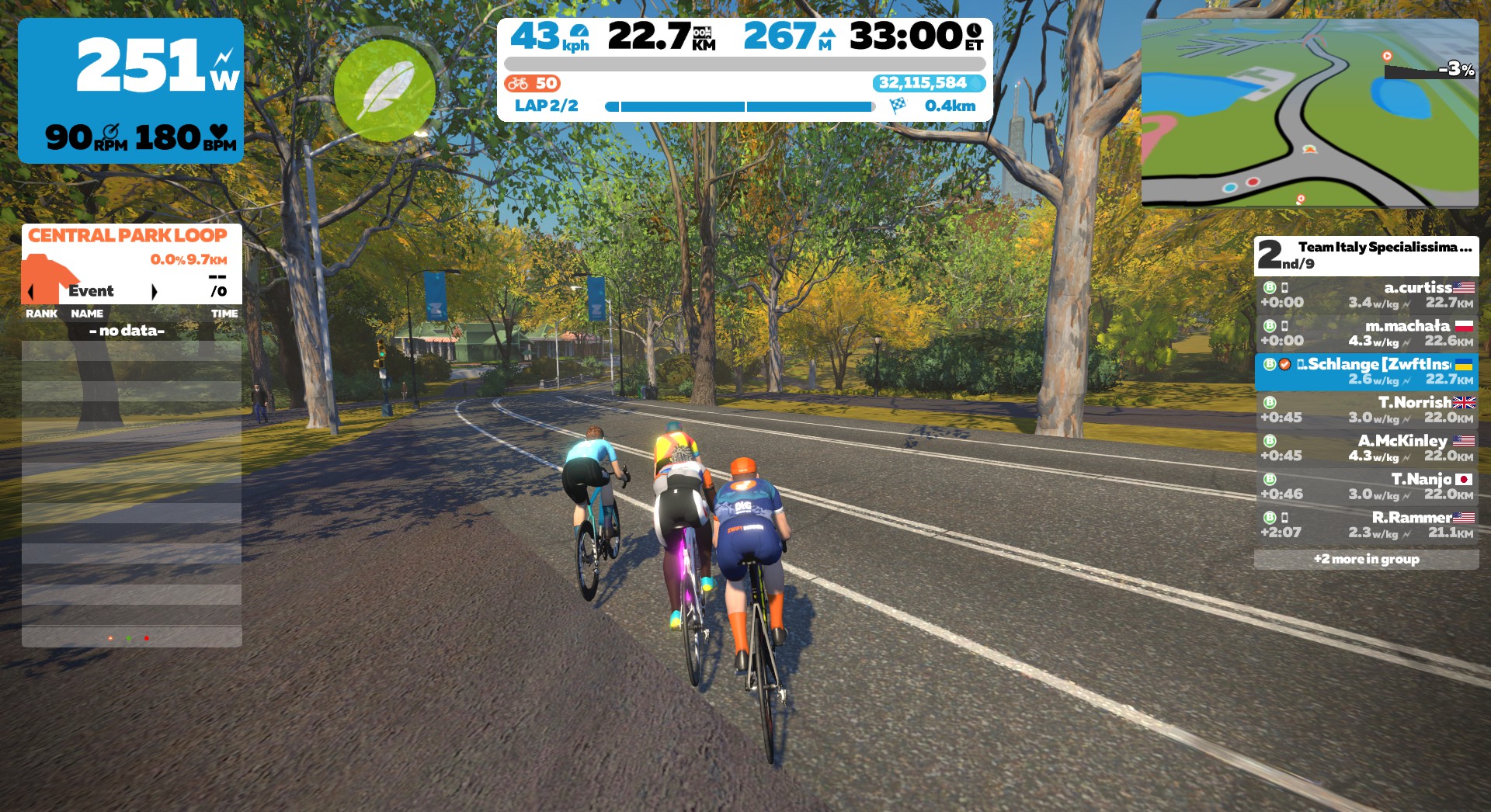
Heading into the final sprint

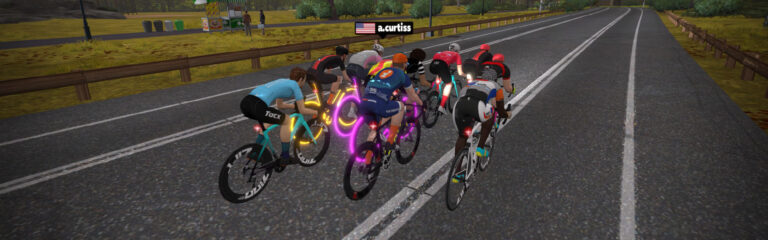
Now it came down to tactics and timing. I didn’t want to attack off the front without an aero powerup, so I sat in and watched the other riders, looking to grab their wheels if they attacked. Curtiss activated his draft powerup and I eased up even more, making sure he wasn’t benefiting from my draft.

Then his numbers went orange, and I hit the pedals hard to grab his wheel! Punched the spacebar to activate my feather, and as the road turned steep with 100 meters to go my avatar came around Curtiss’.

I crossed the line in second, a minute behind Ferreira – but I considered it a win. And so did ZwiftPower!

See ride on Zwift.com >
See activity on Strava >
See results on ZwiftPower >

Watch race video

Takeaways

In a normal year we see reduced race participation on Zwift from around April thru September. Where every B race has 50-100 riders in January, most have 10-20 during the northern hemisphere’s sunny months.

Personally, I enjoy this change.

Big pack races have a certain feel and challenge to them. The pack speed is high, so you can’t attack and stay away. Instead, efficient riders can tailgun most of the race and simply sprint at the end. And you don’t really focus on individual riders, because there are too many names to track. Instead, you focus on your position in the group.

Small races have a totally different feel. You can sort of get to know each rider. And in a race like today’s, a handful of strong riders can actually make an attack stick if the conditions are right.

And if that attack sticks, you’re faced with a finale where it’s just you versus a few other riders, instead of you against 30 others. That makes the finish much more tactical and interesting.

The downside of small pack races is that they don’t really help me when it comes to ZwiftPower ranking points, because there just aren’t enough well-ranked riders in small events. But that’s alright – it’s not all about ranking points anyway. Today I enjoyed riding a more tactical race, and it fell in my favor in the end, which was just icing on the cake.

Your Thoughts

Do you like small races too? Share your thoughts below!

Top 5 Zwift Videos: Alpe Dog Challenger, Wahoo Direct Connect, and Racing

This week in our Top 5 Zwift Videos, a new team takes on the record for fastest man and dog up the Alpe du Zwift. For more videos of Zwifters getting competitive, check out a Crit City race analysis and GCN vs. Movistar. You can also see an example of a tough workout and learn all about using the Wahoo KICKR Direct Connect with Zwift.

Racing the World’s Fastest Man and Dog up Alpe du Zwift

Watch Mitch Boyer chase a unique record! Last year, Mark Lewis added his dog’s weight to his own and rode up Alpe du Zwift with the pooch on his back. Now, Mitch and his own dog set out to beat their time.

Zwift Adds Wahoo KICKR Direct Connect Support: Details // Dropout Tested!

Zwift now supports Wahoo KICKR Direct Connect! Shane Miller (GPLama) explains this network adapter, shows how to use it, and gives it a test. Can it handle signal interference from a microwave oven?

Sprints and VO2Max training on Zwift | #12 Road to TUSCANY TRAIL

Zwift’s workout mode lets you import your own .zwo files so you can do sessions created by your coach or yourself. Maarten Overweg tries one that combines sprints and VO2Max training.

Can a Long-Range Sprint Take the Win? // Zwift Race Analysis

A thoughtful analysis by ZRace Central takes a look at a race where he tried to get the jump on the pack with a long sprint.

We Raced Team Movistar & This Is What Happened

A couple of months ago, Global Cycling Network (GCN) raced members of the Movistar eTeam on Zwift. Which team claimed victory?

Got a Great Zwift Video?

Share the link below and we may feature it in an upcoming post!

Turbo 200 Challenge: Cecilie Uttrup Ludwig (Zwift PowerUp Cycling Podcast)

0

In this special run of weekly episodes, 18 pro riders will be taking on the Turbo 200 Challenge, where they have 2 minutes to answer as many of the 200 randorm, quick-fire questions as possible. In this week’s episode: FDJ rider Cecilie Uttrup Ludwig!  

About the Podcast

The Zwift PowerUp Cycling Podcast features training tips from host Matt Rowe (Rowe & King), with regular co-hosts Greg Henderson, Rahsaan Bahati, Dani Rowe, and Kristin Armstrong.

Wahoo Acquires RGT Cycling, Rolls Out Wahoo X Subscription

60

Wahoo Acquires RGT Cycling, Rolls Out Wahoo X Subscription

Today Wahoo announced big news in the indoor cycling space: they have acquired Zwift competitor RGT (now “Wahoo RGT”) and are integrating RGT access into a new monthly subscription dubbed “Wahoo X”.

Priced at $14.99/month, but with a discounted annual plan, Wahoo X with its RGT component is a clear move from Wahoo to compete head to head with Zwift in the training software space. Let’s unpack this news and its implications for indoor cyclists.

Software: RGT vs Zwift

RGT has been Zwift’s strongest, most “Zwifty” competitor for quite some time. Sure, there are others out there (Rouvy, VirtuPro, MyWoosh, Bkool, BigRingVR, Fulgaz, and OneLap), but RGT seems to have more participation than any other non-Zwift platform, by far.

A few comparisons between RGT and Zwift:

  • RGT has, until now, had a small team and budget, while Zwift is the 800-pound gorilla in the indoor cycling space with a large team and hundreds of millions of dollars in VC funding
  • RGT is based on the Unity engine, while Zwift’s engine is proprietary
  • RGT has built-in routes with basic graphics, but also supports “Magic Roads”, an (admittedly clunky) feature that lets users create a course based on a .gpx data file. Zwift has its own curated set of courses with highly detailed artwork.
  • RGT’s physics are generally considered more realistic than Zwift’s when it comes to drafting, cornering, and (auto) braking, while Zwift’s visuals are more realistic than RGT’s.
  • Both platforms run on AppleTV iOS, Android, Mac, and PC.

Pricing

The new Wahoo X plan has the same monthly USD price as Zwift: $14.99.

But Wahoo, in a move we’ll probably see repeated in the coming months, has zeroed in on a pain point for Zwifters – no annual membership discount – and offered a $50 discount for annual Wahoo X memberships.

Wahoo X membership includes access to Wahoo SYSTM, formerly known as Sufferfest, which Wahoo revamped/rebranded after acquiring it back in July 2019.

Hardware

With Wahoo manufacturing the industry-leading KICKR smart trainer line and Zwift working to release their first hardware offerings, things could get interesting with both companies also owning competing virtual cycling software platforms.

Thus far, Zwift has said they intend to stay on good terms with their hardware partners, allowing any standards-compliant smart trainer to be used on the platform. Wahoo, we assume, will do the same. (It’s the only smart move when your core market already owns smart trainers after COVID lockdowns forced hundreds of thousands of riders indoors.)

But we would expect to see Zwift offer some Zwift-specific features on their hardware, and we would expect Wahoo to do the same for RGT. These features might include custom lighting, braking, or steering that use proprietary protocols.

One could easily see a future in which the training platform users select is influenced by the hardware they already own. And if that’s the case, Wahoo has a huge first-mover advantage.

Concluding Thoughts

While Wahoo RGT looks to be Zwift’s toughest competitor to date, Wahoo will need to pour plenty of resources into building out and marketing Wahoo X if they want to take on Zwift head-to-head. If anyone can do it, Wahoo can: but they will need to leverage all of their strengths, including their hardware division (and its market penetration), industry-leading UI design, strong marketing chops, and solid relationships with pro teams.

Zwift, for their part, will need to consider implementing long-standing feature requests (level 51!) and taking other steps to keep loyal users on board while continuing to build out their offering with expanded maps and training programs. While Zwift’s user base is many times larger than RGT’s, users can be fickle. Zwift’s vibrant community is its biggest strength, and Zwift will need to fight now, more than ever, to maintain its loyal user base.

Competition in business is like competition in cycling: it forces you to work harder. It also makes you work smarter, giving up certain things so you can pick up other things. Wahoo recently did just that, announcing a pile of job cuts in order to “right-size” its business.

This new level of competition will force both Wahoo and Zwift to think harder about priorities, but in the end, the win goes to us as consumers as we reap the benefits of software and hardware improvements.

Your Thoughts

What does today’s news mean for Zwift, Wahoo, and cyclists? Share your thoughts below!

Announcing the Zwift Insider Rebel Race/Ride Series!

Announcing the Zwift Insider Rebel Race/Ride Series!

Mark your calendars, Zwifters. For the first time ever, we at Zwift Insider are organizing our very own race/ride series. And it’s a special one… for two reasons.

First, all events are held on Rebel Routes – those routes originally created by community members and published here on Zwift Insider before they were officially added to the game.

Second, all event finishers will unlock the Zwift Insider kit. It’s a kit that speaks to what we’re all about here at Zwift Insider! Ride smarter. Rider harder. Dig deeper.

The series is six weeks long, with each week dedicated to a different Rebel Route. Here are the details…

Race and Recon Ride Schedule

Each week features two recon rides on the week’s featured route:

  • Thursday @ 6:10pm GMT (7:10pm BST/2:10pm EDT/11:10am PDT)
  • Friday @ 1:10am GMT (11:10am AEST/2:10am BST, Thursday 9:10PM EDT/6:10pm PDT)

These are leaderless group rides at no stated pace. Ride them as a recon for Saturday, or just because you want to earn a route badge, grab the Zwift Insider kit, or ride with friends!

The races happen in three timeslots each Saturday:

See all upcoming events in the series >

Zwift Insider Kit Unlock

Complete any of the recon rides or races and unlock the new Zwift Insider “Ride smarter, ride harder” kit!

Race Rules and Specifics

The rules for this series aren’t much different from other Zwift races, but here’s what you need to know:

  • Races are using Zwift’s new category enforcement tools to reduce sandbagging.
  • Categories will start separately.
  • Three race-friendly powerups will be given out at each banner: aero (helmet), draft boost (van), and lightweight (feather).
  • Heart rate monitor required if you want to be included in the final results.
  • Smart trainer or power meter required. ZPower riders will be removed from final results.
  • Final results will be available on ZwiftPower.

League and Scoring

These are typical “scratch races”. You can treat each race as a standalone event, or go for the overall series win!

See the Zwift Insider Rebel Races league page on ZwiftPower for current GC standings >

Team Participation

While these aren’t team-based points races like ZRL, there will be teams participating including DIRT, SISU Racing, and others. Bring teammates, implement tactics, work together to support your GC rider(s), and make the races interesting!

Questions or Comments

Share below!


Kiwi Crew Ride – Ella Harris (Zwift PowerUp Cycling Podcast)

0

In this Kiwi Crew Ride special episode, Greg Henderson takes the listener through what it’s like to take part in the group ride which turns into a 10 minute, all out, sprint race.

In the newest iteration of the Kiwi Crew Ride, a podcast with a Kiwi guest automatically plays when the ride starts (for this episode, the special guest is Ella Harris). Then as the ride transitions into the sprint, Greg Henderson sticks around to DS riders while heart-pumping techno music blasts.  

About the Podcast

The Zwift PowerUp Cycling Podcast features training tips from host Matt Rowe (Rowe & King), with regular co-hosts Greg Henderson, Rahsaan Bahati, Dani Rowe, and Kristin Armstrong.

Update (April 2022): Current Status of Category Enforcement for Zwift Racing

Update (April 2022): Current Status of Category Enforcement for Zwift Racing

The first category enforcement test races on Zwift were announced in late February, and the initial test was a success by anyone’s definition. For the first time in Zwift’s history, riders were restricted in their choice of race category based on their historic power data.

Since those early trials, Zwift’s category enforcement tools/features have been evolving, as has their documentation.

Today, with many positive reviews from community members, category enforcement is being used in more and more races each week. Currently there are 623 races happening in the next 7 days, with 145 of those races using the new category enforcement tools. Category enforcement is an option for event organizers to use on request, but it is not yet the default.

Next Steps

I reached out to James Bailey (originally a Zwift community member and now working at Zwift as an Event Operations Specialist) for an update on category enforcement. Here’s what he told me:


We currently have 15+ organisers with approximately 185 events running Category Enforcement. This assigns an estimation of critical power (CP) from looking at the Zwifters 2-50 minute power curve. This determines their category based on both CP and MAP using the below values:

  • A: (4w/kg CP OR 5.4w/kg MAP) AND 250w CP
  • B: (3.2w/kg CP OR 4.1w/kg MAP) AND 200w CP
  • C: (2.5w/kg CP OR 3.9w/kg MAP) AND 150w CP

Whilst not quite “fully baked” the feedback we have received from the vast majority of users who have taken part in Category Enforcement races has been extremely positive.  A large number have said how much more enjoyable they have found racing and how their events haven’t been stretched early on by riders who shouldn’t have entered that category.

Prior to promoting outside of the Futureworks banner there are a number of areas that we need to work on. These include:

  • Category Enforcement in Women’s races
  • Support material explaining how CP and MAP are calculated.
  • Better integration and visibility in ZwiftPower and minimizing discrepancies in category sign ups
  • Ability for Event Organisers to customise limits

Additional Next Steps

On the “Next Steps [February 2022]” forum post, James shared that the goal is to make category enforcement the default setting for Zwift races, so organizers would need to turn it off on purpose. But before that happens, Zwift has a short list of things they want to get in place. Here’s what James listed on the forum thread:

  • Riders without data automatically go into E (rather than A)
  • Better information presented when signing up for an event, rather than just being told that you can’t
  • Ability for Support to “forget” an effort when it’s been caused by a miscalibrated trainer, or similar
  • Adding CE for Women’s races
  • Support documentation that isn’t “ask James or Flint”

Critical Power

The use of Critical Power (CP) instead of FTP is an interesting move, and one that will have reverberations throughout the cycling world just as Zwift’s focus on FTP has made it a more prominent metric. While CP and FTP are sometimes used interchangeably, they’re actually two very different metrics.

CP and FTP are typically within 10% of each other for any given cyclist, but they are calculated using very different inputs. An explanation of CP is outside the realm of this post, but you can check out this BikeRadar post for a more in-depth look at the Critical Power metric.

If you don’t know your CP, you might check out intervals.icu as a free service that can calculate your CP and many other metrics. Tip: find your CP by going to Power>Options, and choosing “Morton’s 3 Parameter CP” as the “power model used to estimate FTP”.

How does CE actually work?

To put it simply: Zwift looks at your last 60 days of activities to determine your minimum category. That’s the essence of category enforcement as it currently stands.

As often happens with early-stage projects, there was very little documentation available for category enforcement when it was originally trialed. One Zwifter (James Eastwood) pushed Zwift hard for more details, then put together a thorough post explaining how category enforcement works – or more specifically, what the Critical Power (CP) and MAP/VO2 category boundaries are, and how those are calculated.

If you’re wanting to dive deeper into Zwift’s use of these metrics for category enforcement, read James’ post.

Finding Category Enforcement Races

Zwift has no easy search filter built into Companion, etc to list only those races using category enforcement. But ZwiftHacks, as always, comes to our rescue! Here’s a custom ZwiftHacks search showing all upcoming category enforcement races.

Questions or Comments

Have you tried category enforcement races yet? How was your experience? Share below!


Notable Zwift Events for the Weekend of April 23-24

0

This weekend there is a focus on long group rides, but I have thrown in one race for those who want to try something that they might not have done before.  Enjoy the selection!


Watch Party Podcast Rides

A nice group ride with the objective of helping achieve the 100km Ride Mission currently underway on Zwift, these rides feature podcast episodes celebrating 100 days until the start of the Tour de France Femmes avec Zwift.

What is special is that if you complete the mission, you will be entered to win a grand prize of a VIP Thomson Bike Tours trip to watch the Tour de France Femmes avec Zwift IRL and ride the most iconic roads of France. Completing the mission plus one of these series rides earns you a second entry!

Sunday and Sunday, April 23-24 – Multiple Timeslots
See upcoming events at zwift.com/newrules-mission#podcast


KOM ZwiftThai Road Race E-Cycling – Stage 2

I am highlighting this because I have ridden Tempus Fugit course more times than I care to remember, it is my “go-to” course for warming up before a race.  I have raced plenty of Time Trials, but never an out and out race, so this might be exciting.  For sure it’s going to end in a bunch sprint, but how exciting is a mass sprint going to be? 

Saturday, April 23 @ 1:05pm BST/8:05am EDT/5:05am PDT
Sign up at zwift.com/events/view/2919147


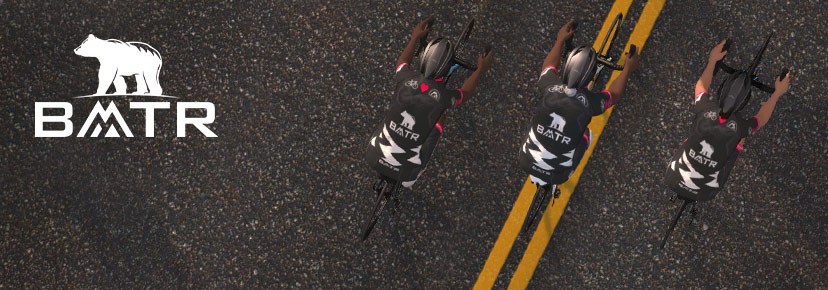
The BMTR Fundo

Top-down view of three cyclists in matching black BMTR jerseys riding on a road, with the BMTR logo featuring a bear on the left side of the image.

A big ride to fill the weekend, if you can’t get outside for one. Various distances to try with the longest distance being 106.2km. Hosted on the new “Eastern Eight” course. 

More about the UNBOUND series >

Sunday, April 24 – 1:10pm BST/8:10am EDT/5:10am PDT
Sign up at zwift.com/events/view/2960065


Vikings Valhalla Sunday Skaal

This is a very inclusive, relaxed-paced ride between 1.7-2.1 w/kg which involves 3 laps of the “Triple Flat Loops” route and totals 104.3km in length. 

This is a nice steady ride where a “no one gets dropped” approach is adopted.  Certainly a good ride to help find your way in the massive world of Zwift, so I would recommend it to anyone. 

Sunday, April 24 – 9:05am CEST/8:05am BST
Sign up at zwift.com/events/view/2959983

Your Thoughts

Got other events that stand out this weekend? Share below in the comments!

How the Race Was Won: Chasing the Sprint Points (ZRL Week 3)

6

How the Race Was Won: Chasing the Sprint Points (ZRL Week 3)

The third race of Zwift Racing League 2021/22 Season 3 was held last Tuesday, and it was a challenging mix of four sprints and a dirty climb on Makuri Islands Chasing the Sun route. My team (the DIRT Roosters) figured the course suited us well, and we had a plan we hoped would utilitize our team’s strengths to their fullest.

With three sprints before the big Temple KOM, our strategy could be summarized in two points:

  1. Grab as many sprint points as possible. Especially on the first two sprints, but if we survive the Rooftop climb with the main pack, grab more points on the third sprint if possible. Lastly, consider chasing points on the final Tower Sprint just before the finish, if it makes sense given the race situation.
  2. Attack the dirt Temple KOM for points if you felt you had a chance. Otherwise, just try to get over the top in a good position to set yourself up for a high finish position. Whatever your goal, swap if you think that’s the smart thing to do.

Of course, race plans rarely survive the real world. So here’s the story of what actually happened…

Race Prep

I did what I could to be fresh and prepared for the race, following my normal routine:

  • Easy effort the day before
  • Plenty of sleep the night before
  • A clean, carby oatmeal breakfast
  • Beet juice two hours before the race – nope, we were out of beet juice!
  • Caffeine gum – three pieces (300mg), one hour before the race
  • PR lotion on my legs about 45 minutes before the race. More bicarb=less burning.
  • Pick my bike setup (Tron, with the Specialized Crux+ENVE G23 for the Temple KOM) and join the start pens with 30 minutes to go to save my spot in front.
  • A nice 30-minute warmup with the C. Cadence crew

My legs felt fresh, and I knew the course well. My personal plan was basically this:

  • Attack the first two sprints for FTS points
  • Push only as hard as required to stay in touch with the front group on the Rooftop climb
  • Rest all the way to the end of the Country Sprint, staying in the front group with as little effort as possible
  • Swap to a gravel bike just before the Temple KOM in hopes of staying in touch with the front so I could be in the mix for the finish

The Temple KOM has consistently kicked my butt in races, so I knew I wouldn’t be able to hang with the front of the B1 beasts without swapping to a gravel bike. And even then, I didn’t like my chances! But I calculated that a well-orchestrated bike swap would allow me to finish the climb in a better position than no bike swap, so I planned to do it.

The Start

Blasting tamely out of the start pens

My prediction was that we’d see a really tough ~2 minutes for the start of this race, since the first sprint starts just a minute after the race begins. But instead, our start was surprisingly tame. I averaged 310W for the first 50s, then it was time to sprint! 754W for 26s and I had an Alley Sprint PR and 10th place in FTS.

10th wasn’t great. But it was better than nothing.

The next sprint came quickly. Five minutes after starting the race we were hitting the Railway Sprint, which is a long one. I had a draft van powerup and used it well, earning 9th in FTS with my 30s, 600W PR sprint.

9th wasn’t great either. But I was earning points, however meager.

Just as I was getting close to catching my breath, we began the Rooftop climb. I hoped no one would push hard here, since there were no points on offer. And nobody did! I averaged 302W for just over three minutes to finish in the front group, which now only contained about half of the original 70 riders.

The Climb

Everything was going according to plan so far, for the team and myself personally. We had grabbed lots of sprint points already, and five of us were still in the front group.

I got a useless ghost at the Rooftop KOM banner, and my legs needed some rest before the big Temple KOM. So I told my team I’d be taking the Country Sprint as easy as possible, getting ready for the long uphill push to the base of the Temple KOM.

As we turned onto the dirt I hit my “A” key, hitting the brakes so I could do a quick swap to my gravel bike. Captain Antoine joined me in swapping, and we started hammering up the dirt to get back in touch with the front pack.

Typically this is a climb Antoine just destroys, but his legs weren’t doing well today. I sat on his wheel for a while, then came around him as we started passing dropped riders.

Then disaster struck! Or rather: sweat struck. A drop of sweat hit Antoine’s phone, activating a macro button which brought up the Zwift pairing screen and brought him to a halt. Valuable seconds were lost as he fumbled with his computer to get going again.

But I couldn’t focus on Antoine. I had my own battle to fight! I had caught many dropped riders, but there was still a big bunch up the road. On the final bit of climb I went all-in, finally reaching the front bunch (though there was still a few attackers even further up the road).

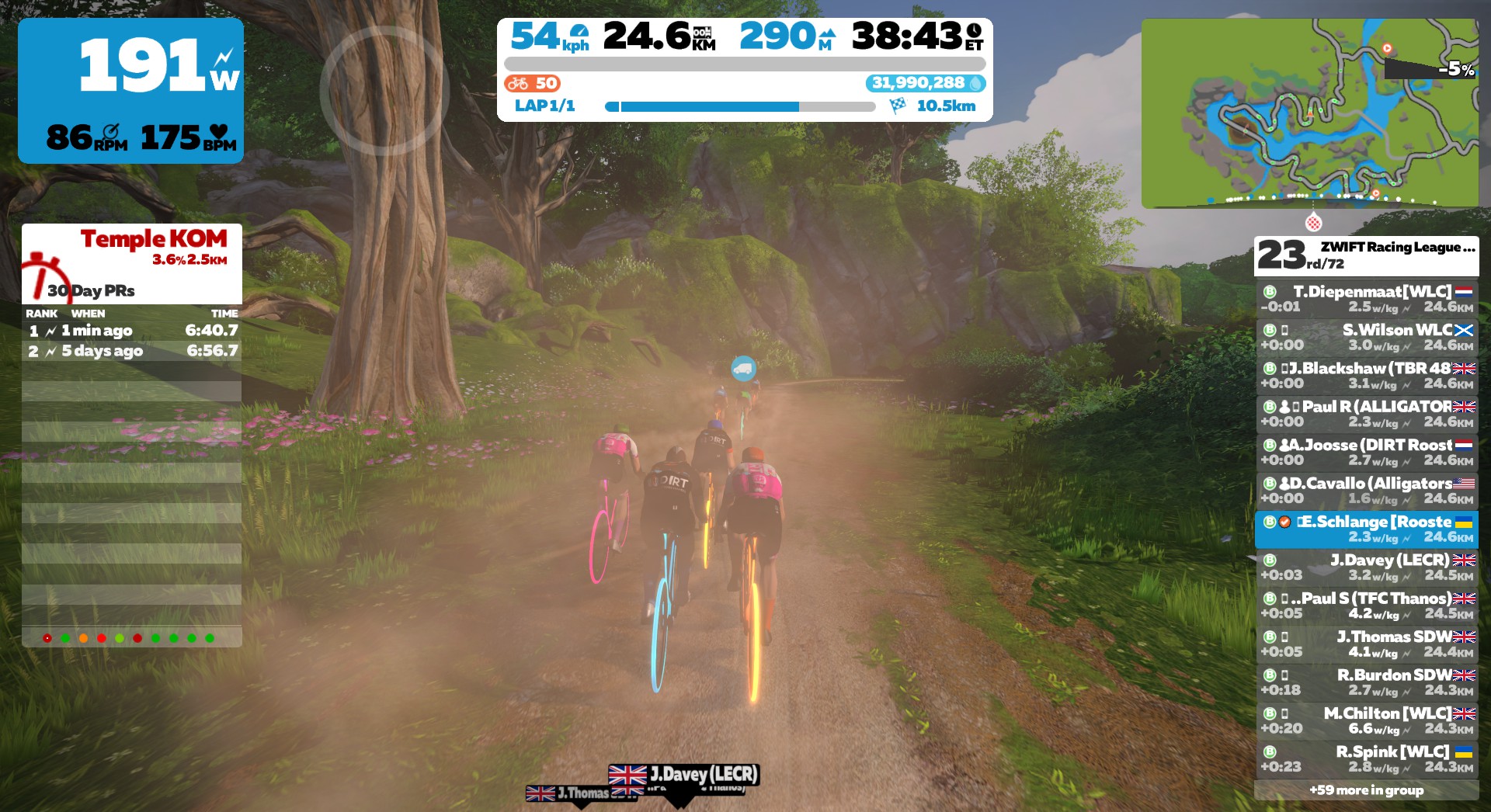
I crossed the KOM line in 13th place, hit “A” again, and swapped back to the Tron bike. I’d set a new Temple KOM PR (6:40), with an average wattage of 337W (4.1 w/kg). I lost the front pack in my swap, but caught the group just behind, and we began working together well, sweeping up other riders until we constituted places 11-23.

Descending the Temple KOM

The Finish

Up the road we had just one teammate (Sean). Arjen was in my group. Antoine and Dejan were in groups behind, and master sprinter Clem was way back and not on Discord.

Clem’s approach to this race was radically different from the rest of us. With his huge sprint power he had decided to only chase sprints. And he was doing very well, having grabbed two firsts, a second, and a third in FTS so far in four sprints!

Our small chase group had begun gaining on the front pack, but then the front pack started pouring it on in the final minutes, and it was clear we wouldn’t be catching them. Our group eased.

Arjen rolls off the front of our chase group. Note the black DIRT jerseys worn by the second DIRT team in our division (the Alligators).

Arjen attacked the Tower Sprint hard, grabbing first on FTS while I saved my legs for the finish. (Clem would come through solo several minutes later and beat Arjen’s time.)

I was holding an aero powerup for the final sprint and waited for one of my groupmates to start hammering out of the hairpin turn before I upped the watts and activated the powerup. I managed to outsprint all but one member of my pack, finishing 12th.

See activity on Strava >
See ride on Zwift.com >
See results on ZwiftPower >

(Unfortunately no race video this week: my computer ran out of hard drive space as I started the Temple KOM!)

Team Result

Going into this race the Roosters were in a three-way tie for first place in our league (EMEA W Division B1). And we had high hopes for this week’s result, as it included sprints, which are our strength, and a climb that suited Antoine.

While Antoine had a tough week, Sean killed it with his front-pack finish and a smattering of intermediate points. Clem’s “sprint first, finish last” approach worked well, earning him more points (90) than anyone else in the race despite finishing 67th out of 70 riders. (There’s a lesson there.) And the rest of us did our part too, grabbing intermediate points wherever we could.

We all earned intermediate points, in fact. And in the end, just like in past races, those were the points that won it for us:

Takeaways

I wasn’t 100% sold on the idea of bike swapping for this race, but now I can say with 100% certainty that swapping was a smart move for me. There’s simply no way I would have finished the climb where I did if I had stayed on a road bike.

Could I have raced it any better? In hindsight, yes. I could have pushed a bit more on the two initial sprints, knowing that the Rooftop climb wasn’t going to be all-out. But in the end, I’m stoked finishing 12th. And even more stoked that the Roosters took our first B1 win. Cock-a-doodle-doo!

Your Thoughts

Share below!


Zwift Racing League 2021/22 Round 3 Week 4 Guide: Libby Hill After Party (Giant Tips)

8

The fourth race of Zwift Racing League 2021/22 Round 3 is Tuesday, April 26th, and it’s got something for everyone. Lots of sprint points on offer, but a Libby Hill finish which means winning riders will likely be punchy climbers!

We’ve put together a complete race guide including tips for bike choice, powerups, and crucial segments. Ride smarter… ride harder. Let’s dig in!

Looking At the Route: Richmond’s Libby Hill After Party

The Libby Hill After Party route is basically 5 laps of the very flat Fan Flats circuit, followed by some flats and descents, with a finish atop the Libby Hill climb. It’s 32.9km (20.4 miles) long, with 118 m (387′) of elevation.

We think it breaks into three logical sections:

  • 0-24.3km: flat, fast laps of Fan Flats with 5 sprint intermediate opportunities and 6 powerup banners
  • 24.3-32.2: recovery as we’re done with the flat laps and make our way toward Libby Hill on flat roads and a long descent. Don’t miss the Broad Street Sprint, though, which awards intermediate points this season! Note: The last 2km here could get spicey if riders decide to attack early.
  • 32.2-32.9: Libby Hill climb

Out of 32.9km of racing, the first 32.2km are essentially flat or downhill. Sprinters can rejoice, but a punchy climber will likely take the win!

Read all about the Libby Hill After Party route >

PowerUp Notes

Riders will be awarded a powerup at each banner, which means 7 powerup opportunities during the race.

Every rider will receive one of these powerups at each arch:

A simple white helmet with a visor, shown in profile with three lines behind it to indicate speed, centered on a turquoise circle with a gray and white border.

Aero Boost (helmet): makes you more aerodynamic (reduces your CdA by 25%) for 15 seconds.
Use at higher speeds (flats and descents), especially when no draft is available (although it is still useful when drafting.) Highly prized for sprints!

Draft Boost (van): increases the draft effect you are experiencing by 50% for 30 seconds.
Use at higher speeds (flats and descents) when you are already drafting off another rider (since this powerup only helps when you are drafting.) Handy for sprints, especially when chasing FTS and starting from the back of the pack.

Burrito: turns off draft effect for riders within a 2.5m radius for 10 seconds.
Use when attacking off the front so opponents have to work harder to follow you, or use it in the group to make everyone work harder for a bit. Just be careful to avoid suicide by burrito.

Bike Choice

S-Works Venge + DT Swiss Disc

This route is obviously very aero-focused, with only 60-90 seconds of all-out climbing at the very end.

If you’re strong enough to contest sprint points, but don’t anticipate being in the FTS/FAL points for the Libby Hill climb, go with a pure aero setup to maximize your points. (Just choose the fastest bike you can get based on our “Fastest Bike Frames and Wheels at Each Zwift Level” list.)

If you’re not planning to chase sprint points, go with an all-arounder setup like the Tron bike (1s faster up Libby than the S-Works Venge with disc wheels), Canyon Aeroad 2021 with DT Swiss 62 wheels, or Scott Addict RC + ENVE 7.8 wheels. This should maximize your finish position atop the climb while helping you hang in there on the flats.

See Tron vs Top Performers Comparison Chart >

An all-arounder is also the way to go if you’re going to contest the sprints, but fancy your chances at some Libby Hill points. The Tron bike will be popular this week.

(One last note, based on questions we’ve had from the community: for goodness’ sake, do not choose a gravel bike for Libby Hill. Gravel bikes have a higher Crr than road bikes on cobbles, not to mention the bikes themselves are slower. Nothing about gravel bikes makes them a smart option on any part of Richmond.)

More Route Recon

Many events are now being planned each weekend on the upcoming ZRL route. If you’re not familiar with this course, jump into one of these events and do some recon! Here’s a list of upcoming Libby Hill After Party events.

Looking for a video recon, with lovely British commentary to boot? Check out Sherpa’s recon below:

Sherpa Dave

Si Bradeley

Strategic Options

Points Distribution

The maximum points a team of 6 could earn in this race. Since the race ends atop the Libby Hill KOM, we’ve added those FAL points to the finishing points total in the chart.

Based on the chart above, it’s clear this is a sprinters’ race. So what sort of strategies will we see employed?

  • All-in for the sprints: teams with strong sprinters will try to grab as many sprint points as possible, then simply maximize their finish position up the final climb.
  • Save it for Libby: non-sprinters will do their best to conserve energy for most of the race, so they can smash the watts per kilo in the final 60-90 seconds to take maximum points atop Libby.
  • Targeting Broad Street FTS: with 5 chances to earn FTS on the Monument Avenue Sprint, points will be very competitive, and strong sprinters may actually grab multiple slots in the top 10. But racers will only hit Broad Street Sprint once, so FTS are more attainable. Some racers may save their FTS attempt for this final sprint.
  • Powerup-inspired sprint attacks: the mix of powerups may inspire different approaches to the sprints. Got an aero? Attack through the pack and off the front. Van? Go for FTS from the back of the pack. Burrito? Start at the front then go into the wind, since nobody can sit in your draft.
  • Early sprint attacks: especially as the pack speed slows a bit in later flat laps, expect more riders to attack off the front on the sprints in an attempt to grab FAL points.
  • Long Libby Attack: there’s opportunity here for a full team, or perhaps just 2-3 riders, to attack early on the Libby approach and TT to victory. Will anyone be brave enough to attempt it? And will anyone be strong enough to succeed?

Your Thoughts

Care to share your thoughts about Tuesday’s big race? Comment below!

About This Series

The Giant Tips ZRL series is sponsored by Giant Bicycles and delivers helpful tips for upcoming Zwift Racing League stages so you can unleash your full potential.

Giant is the world’s leading brand of high-quality bicycles and cycling gear. Part of the Giant Group founded in 1972, the brand combines craftsmanship, technology, and innovative design to help all riders unleash their full potential. Learn more at giant-bicycles.com, or visit one of their 12,000+ retail stores around the world.