New to Zwift? In this week’s top video, hear from an experienced Zwifter as he shares 6 years of Zwift learnings.
Also included in this week’s top videos are picks covering a first ride for weight loss, an inside look at the Zwift x Bravur watch, riding the breakaway as a sprinter, and leaving Zwift.
5 Things I Have Learned From Riding on Zwift Since 2020
Over the last 6 years, Rough Draft Cycling has learned a lot about the platform. In his latest video, he shares 5 things in particular that he has learned from riding on Zwift.
Is Zwift Actually Made For Bigger People? | Honest First Ride
After recently receiving a Zwift Hub, Devrin Bradford rides on Zwift for the first time and shares his first impressions.
They Built A Watch With Every Zwift Easter Egg Hidden In The Dial | Bravur X Zwift
Hear from Casual Watch Reviews as he sits down with the founders of Bravur to get the inside scoop on the latest Zwift collaboration.
I Smuggled a Sprinter Into a 4-Man Mountain Breakaway
Watch as Liam Shaw fights to stay in the breakaway and battles for the win. Can he hang on with the breakaway as a sprinter?
I’m Leaving Zwift and I Need Your Help!
Cycling with Russ explains why he is rethinking his Zwift subscription and shares what he is looking for in an indoor cycling platform.
Got a Great Zwift Video?
Share the link below, and we may feature it in an upcoming post!
Indoor Outdoor Challenge Announced: 1000 Kilometers By September 30!
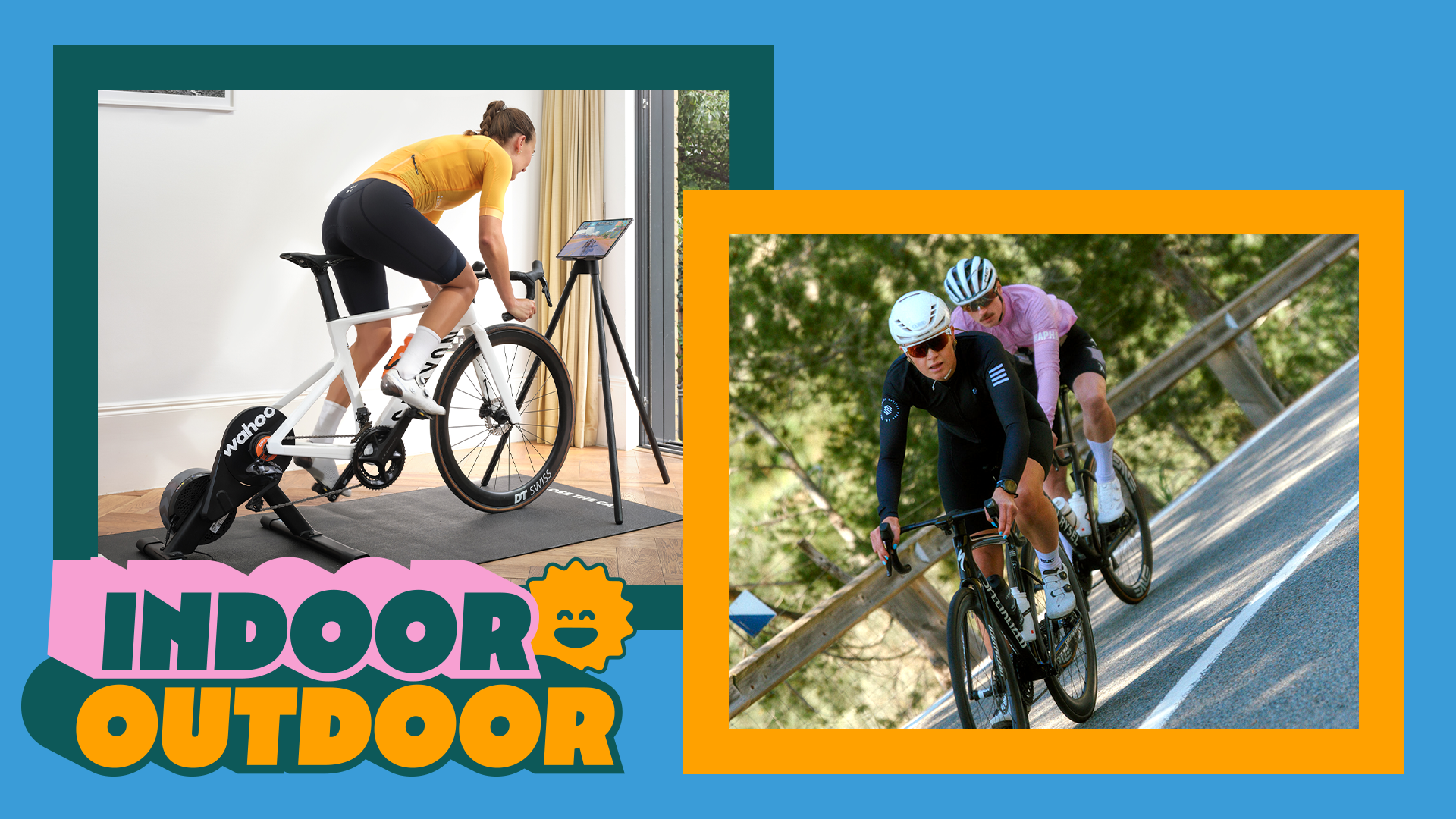
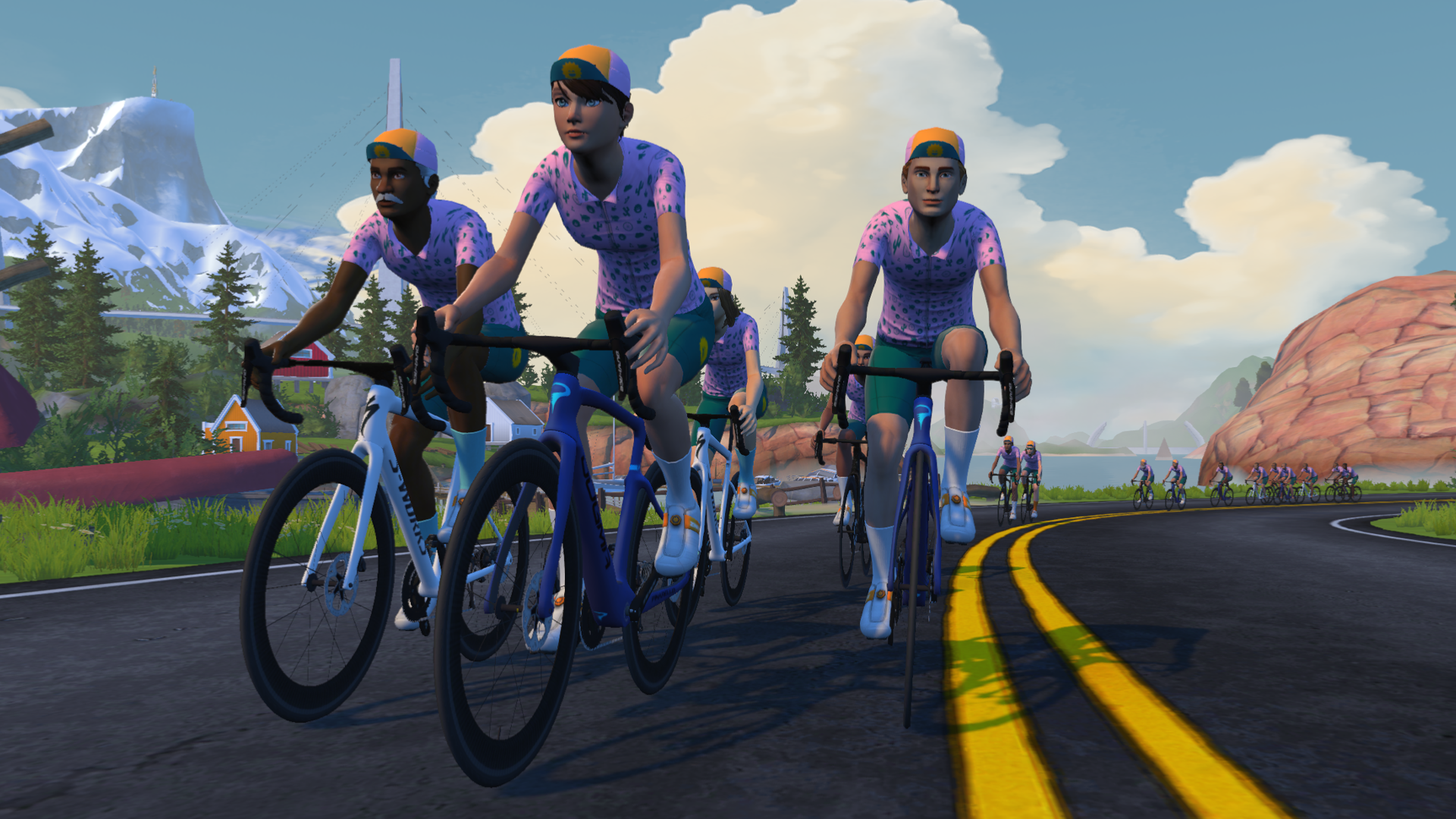
Today, Zwift unveiled their first challenge where outdoor miles count. Fittingly named the “Indoor Outdoor Challenge”, the goal is to complete 1,000 kilometers between indoor and outdoor rides or runs. You’ve got until September 30th to get it done. Read on for details!
One Challenge, Many Methods
Again, the goal here is simple: between July 1, 2026, and September 30, 2026, cover a total of 1000 kilometers by doing any combination of the following:
Zwift rides
Zwift runs
Outdoor rides or runs synced from Garmin, Wahoo, or Hammerhead
Unlocks and Rewards
You’ll earn rewards as you progress through the challenge:
250 km: 100,000 Drops
500 km: An exclusive cap + 20% off Maurten products (sent via email, be sure you’re opted in at zwift.com/settings/emails)
750 km: 5,000 XP
1,000 km: An exclusive in-game kit, a separate 20% discount off Maurten products, and an entry for a chance to win an unforgettable trip to L’Étape du Tour de France 2027, including airfare, lodging, and a $100 Maurten gift card (where eligible). Read terms and conditions >
Maurten Fueling
Zwift has partnered with Maurten for this challenge, and they’ll be sharing fueling tips to ensure you prepare properly for your long efforts and tackle recovery like a pro. Maurten is also offering all Zwifters access to the beta version of the Maurten Fuel Planner, where you can enter your ride or run and receive an ideal fueling recommendation.
Getting Started
A few important notes as you start the challenge:
If you are an active Zwift subscriber, you are automatically enrolled in the challenge.
Connect your Garmin, Wahoo, or Hammerhead account to Zwift so your outdoor activities count toward the challenge.
You can do this via the Companion app under Settings>Connections, or by logging into your account at zwift.com and going to Account>Connections.
If you’re not seeing your progress, try unlinking and relinking your Garmin, Wahoo, or Hammerhead account. You won’t lose any data by doing so.
Make sure you’re on the latest version of Zwift (v1.116). Zwift says, “If you are not on the latest game version, you may see the tracker in Zwift Companion, but no progress will be made towards the challenge until the game version is updated.”
You can track your progress on the Zwift homescreen (in riding mode, not running) or in the Companion app.
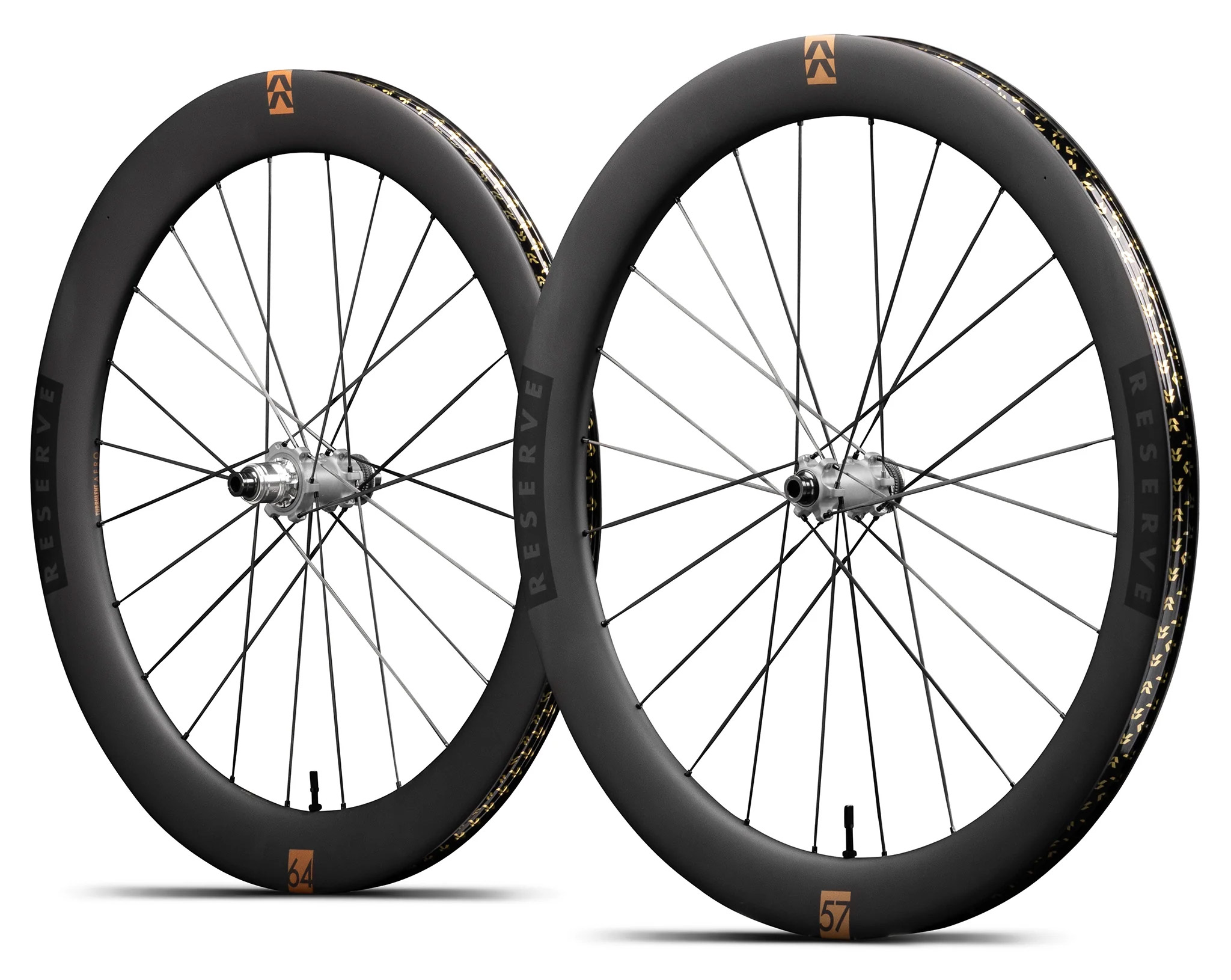
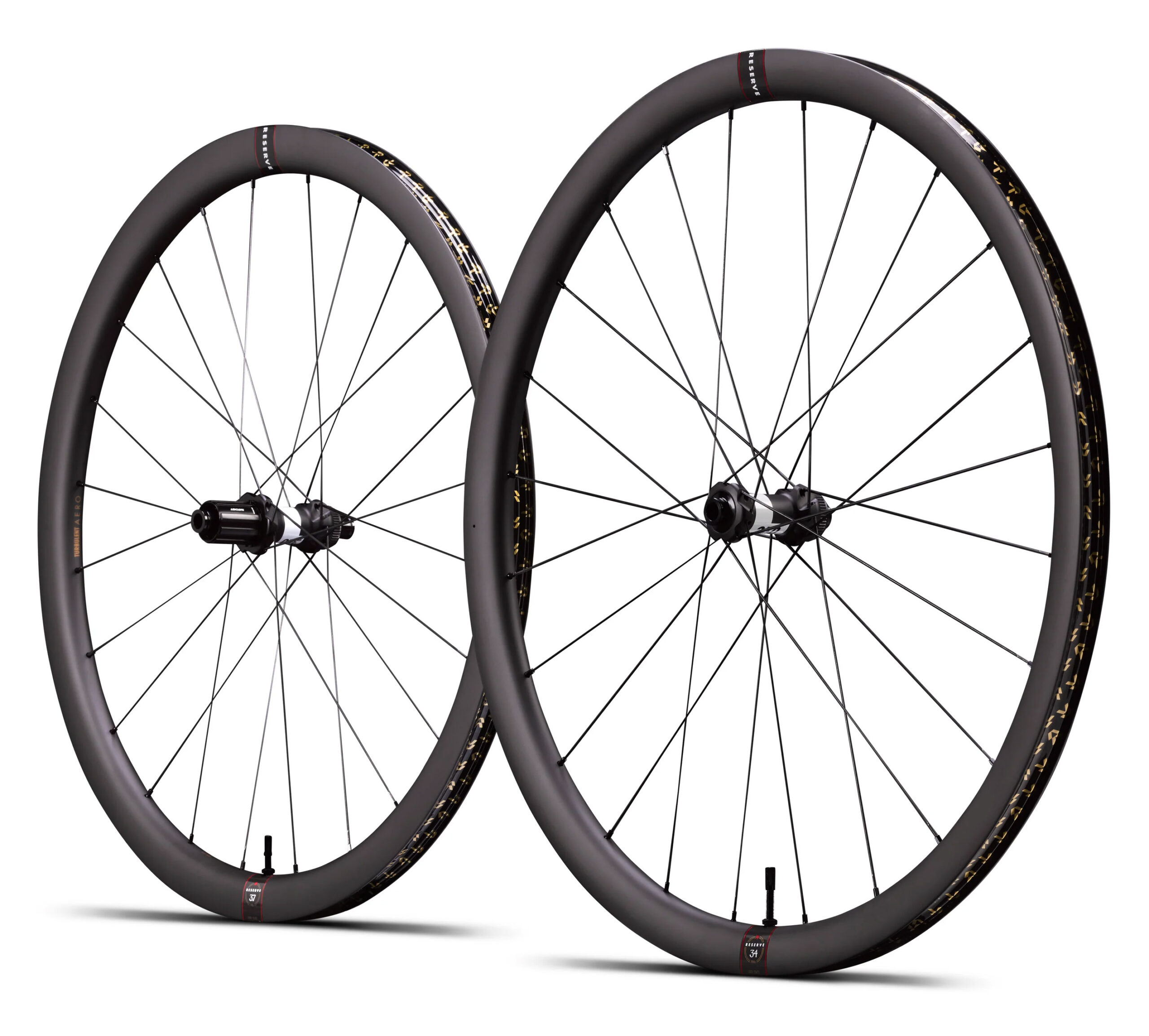
Zwift’s latest release added two new wheelsets from Reserve – the first road wheelsets from the company to arrive in game. Their 57|64 wheelset (57mm front wheel, 64mm rear wheel) is optimized for aero performance in road races:
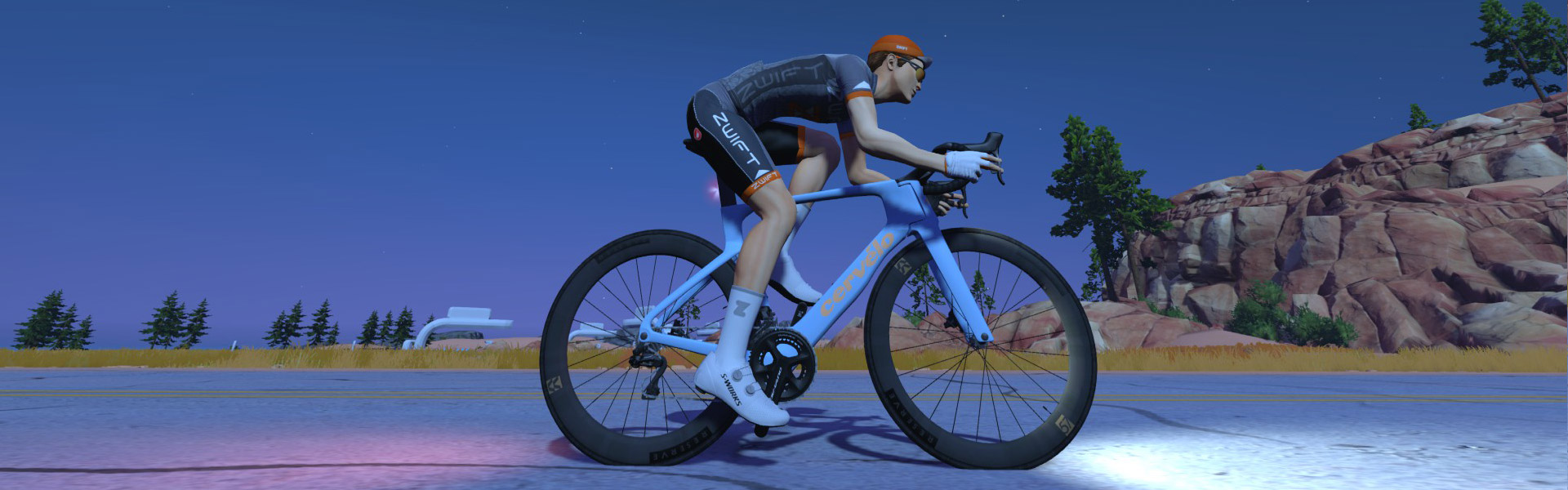
How good are these wheels IRL? You may have seen Jonas Vingegaard using these very hoops on his Cervelo S5 (also released in Zwift’s latest update) for flatter stages in last year’s Vuelta, which he won. So there’s that.
Here’s how the Reserve 57|64 wheelset is described in the Drop Shop:
When speed is the strategy, the Reserve 57|64 delivers. With deep aero profiles and race-ready stability, these wheels are made for high-speed breakaways, long pulls, and full-gas finishes. Developed with Turbulent Aero technology to stay composed in crosswinds, the 57|64 rewards riders who keep the power down and never look back.
The wheels are now available in the Drop Shop, accessible at level 29 and above, for 550,000 Drops. They are rated 4 stars for aero and 3 for weight, like other strong all-arounder wheelsets. But how do they compare? Since Zwift’s 4-star rating system isn’t precise enough for our tastes, we ran these wheels through our standard battery of tests to determine exactly how they perform in Zwift and stack up against other wheelsets.
Let’s dive in and learn all about the in-game performance of Reserve’s first aero road wheelset in Zwift!
Aero (Flat/Rolling) Performance
The Reserve 57|64 hoops turn in a strong aero performance on our flat tests, coming in with the fourth-fastest time compared to other non-disc wheelsets.
The 57|64 puts 41.8 seconds into our stock wheelset across an hour of flat road, which puts them just behind the new Miche Deva RD 62 at 43.1 seconds and just ahead of the ENVE SES 4.5 PRO at 40.2 seconds. In contrast, the fastest non-disc hoops (Swiss Side HADRON Ultimate 650) turn in a time savings of 46.8 seconds.
Climb Performance
The 57|64 wheelset from Reserve is heavier than the new wheelsets in its category, and its climb performance reflects it. In fact, it’s the slowest of the “aero all-arounder” wheelsets when the road gets steep.
The 57|64 puts 5 seconds into the stock wheelset, while other comparable wheelsets gain 7-12 seconds, and the best climbing wheels in game, the Princeton Carbonworks Alta 3532, gain 14.5 seconds.
Note: all test results above are from a 75kg, 183cm rider holding 300W steady using the Zwift Carbon frame.
So it’s hard to recommend them, especially priced at 550,000 Drops with a level 29 unlock, since they’re not much easier to unlock than other wheelsets with better performance. My guess is, you won’t see a lot of Zwifters rolling these new wheels, unless they’re big fans of Reserve and/or going for the nondescript (“reserved?”) look.
These wheels have been added to the following posts:
Important note: this post contains speed test results for Zwift frames or wheels. These results may change over time, and a bike's performance relative to others may also change. We don't always revise posts when performance rankings change, but we do keep current, master versions of our speed test results which are always available. See the frame charts, wheel charts, and Tron vs Top Performers for current performance data.
Route and Climb of the Week Combined Into “Ride of the Week” Challenge
UPDATE July 16, 2026: Zwift will be reverting back to the separate Route of the Week and Climb of the Week beginning July 20/21. See this forum post for more.
Yesterday, Zwift launched a change to the “Route of the Week” and “Climb of the Week” feature, combining them into a single challenge named “Ride of the Week”. Here’s how it works…
One Challenge, Two Rides, Lots of XP
The “Ride of the Week” challenge consists of a rotating selection of routes and climb portals. Each week, a fresh route is selected, as well as a fresh climb portal.
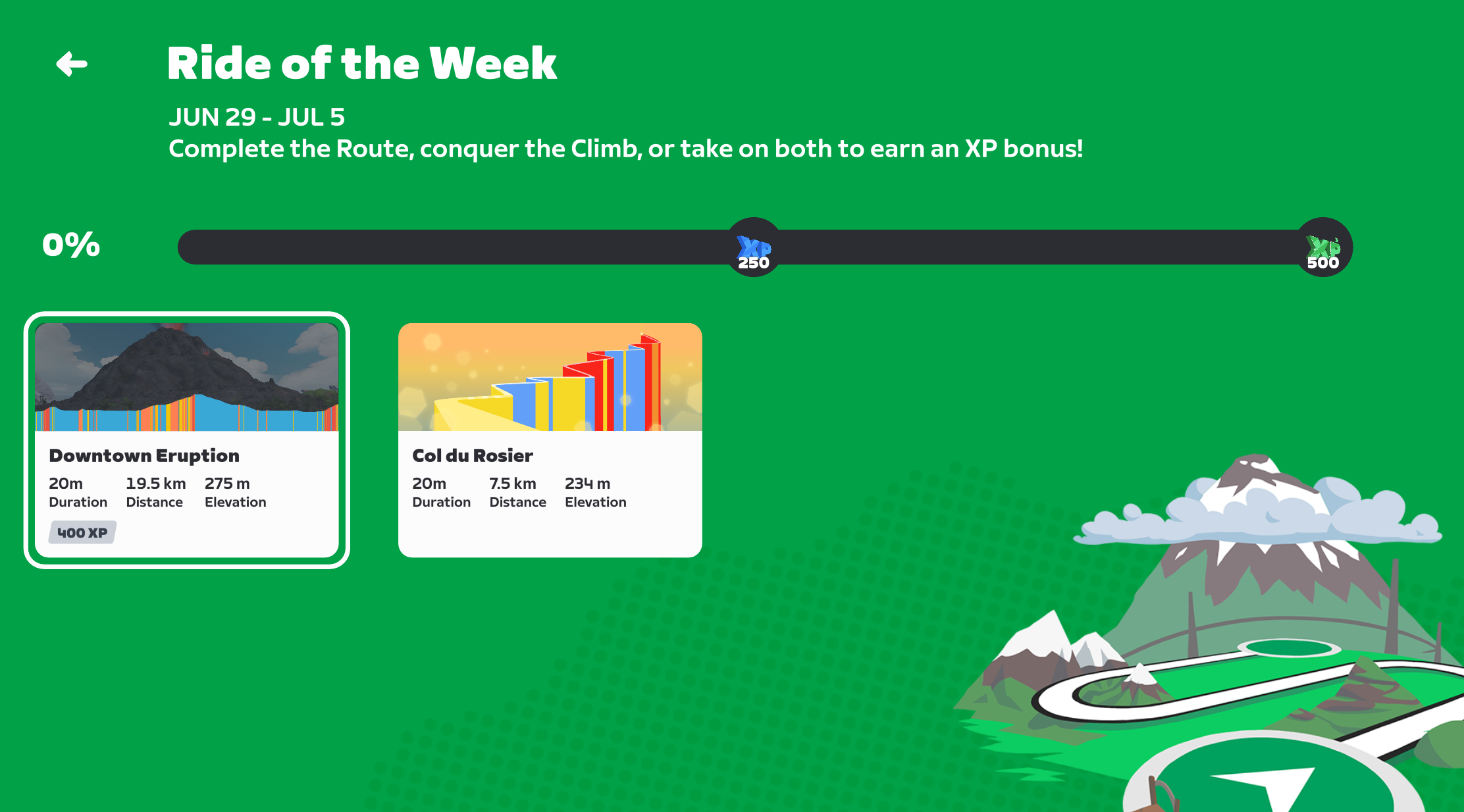
Ride one of them and you’ll earn a 250XP bonus. Ride both of them and you’ll earn an additional 500XP bonus!
Getting Started
Riding the featured route or climb in any fashion (in an event, as a workout, as a free ride, etc) will earn you completion credit and the XP bonus. You can only earn the bonuses once per week – that is, you will only get the XP bonus once when completing selected route and/or climb.
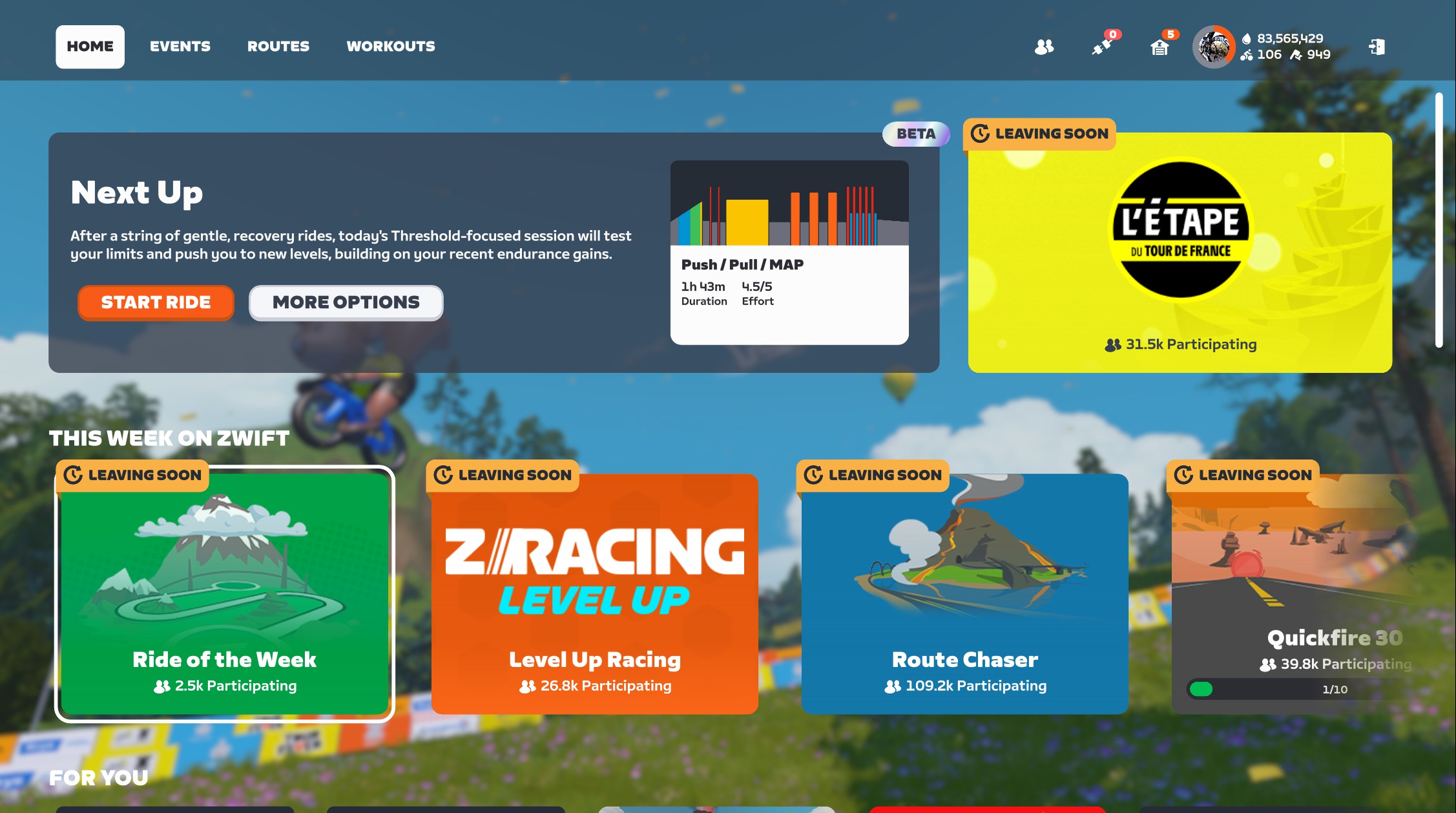
The best (and only) way to access the Ride of the Week selections and see your progress is via the challenge card on the homescreen:
From there, you can track your completion progress and choose a featured route or climb to ride:
Ride of the Week Calendar
Wondering which routes or climbs are featured in the coming weeks? Here’s a schedule:
Zwift’s latest release added two new wheelsets from Reserve – the first road wheelsets from the company to arrive in game. Their 34|37 wheelset (34mm front wheel, 37mm rear wheel) is optimized for climbing:
Just how fast are these hoops? Well, you may have seen Jonas Vingegaard sporting these very wheels on his Cervelo S5 (also released in Zwift’s latest update) on his way to winning last year’s Vuelta. That says something.
Here’s how the Reserve 34|37 wheelset is described in the Drop Shop:
Climb fast. Descend faster. The Reserve 34|37 is built for riders who want lightweight responsiveness without giving up free speed. Tuned with Turbulent Aero technology for stability in changing winds, these wheels feel right at home on punchy climbs, rolling terrain, and technical descents. The perfect setup for riders who want one wheelset that can do it all.
The wheels are now available in the Drop Shop, accessible at level 29 and above, for 550,000 Drops. They are rated 3 stars for aero and 4 for weight, like other top climbing wheelsets. But how do they compare? Since Zwift’s 4-star rating system isn’t precise enough for our tastes, we ran these wheels through our standard battery of tests to determine exactly how they perform in Zwift and stack up against other wheelsets.
Let’s dive in and learn all about the in-game performance of Reserve’s first climbing road wheelset in Zwift!
Aero (Flat/Rolling) Performance
The Reserve 34|37 hoops don’t stand out for aero performance. Like other newer pure climbing wheels, they finish sort of midpack in terms of a percentile ranking when the road is flat and fast.
The 34|37 puts 27.6 seconds into our stock wheelset across an hour of flat riding, which is comparable to the Princeton Carbonworks Alta 3532 at 28.8 seconds and the Zipp 353 NSW at 27.4 seconds. In contrast, the fastest non-disc hoops (Swiss Side HADRON Ultimate 650) turn in a time savings of 46.8 seconds.
Climb Performance
The 34|37 wheelset from Reserve performs nicely when the road tilts upward, clocking the 4th best time of any wheelset on Zwift.
The 34|37 puts 10.4 seconds into the stock wheelset across an hour climbing, which is less than 1 second slower than the new CADEX Max 50, and ~4 seconds behind the best climbing wheels in game, the Princeton Carbonworks Alta 3532.
Note: all test results above are from a 75kg, 183cm rider holding 300W steady using the Zwift Carbon frame.
Conclusions
On Zwift, Reserve’s 34|37 are strong climbing wheels with midpack aero performance. Their tested performance puts them just ahead of the Zipp 353 NSW both on flats and climbs, which means they’ll replace that wheelset on our list of Top 10 Wheelsets in Zwift.
But it’s hard to recommend them at a level 29 unlock when you’ve got the Princeton Carbonworks Wake 6560 super wheels available at level 35, the Princeton Carbonworks Alta 3532 as stronger pure climbers at level 32, and even the new CADEX Max 50 at level 29. All three of these wheelsets outperform the 34|37 in all respects, so unless you’re just a big fan of Reserve, or perhaps like the nondescript (“reserved?”) look, you probably won’t be rolling these wheels.
These wheels have been added to the following posts:
Important note: this post contains speed test results for Zwift frames or wheels. These results may change over time, and a bike's performance relative to others may also change. We don't always revise posts when performance rankings change, but we do keep current, master versions of our speed test results which are always available. See the frame charts, wheel charts, and Tron vs Top Performers for current performance data.
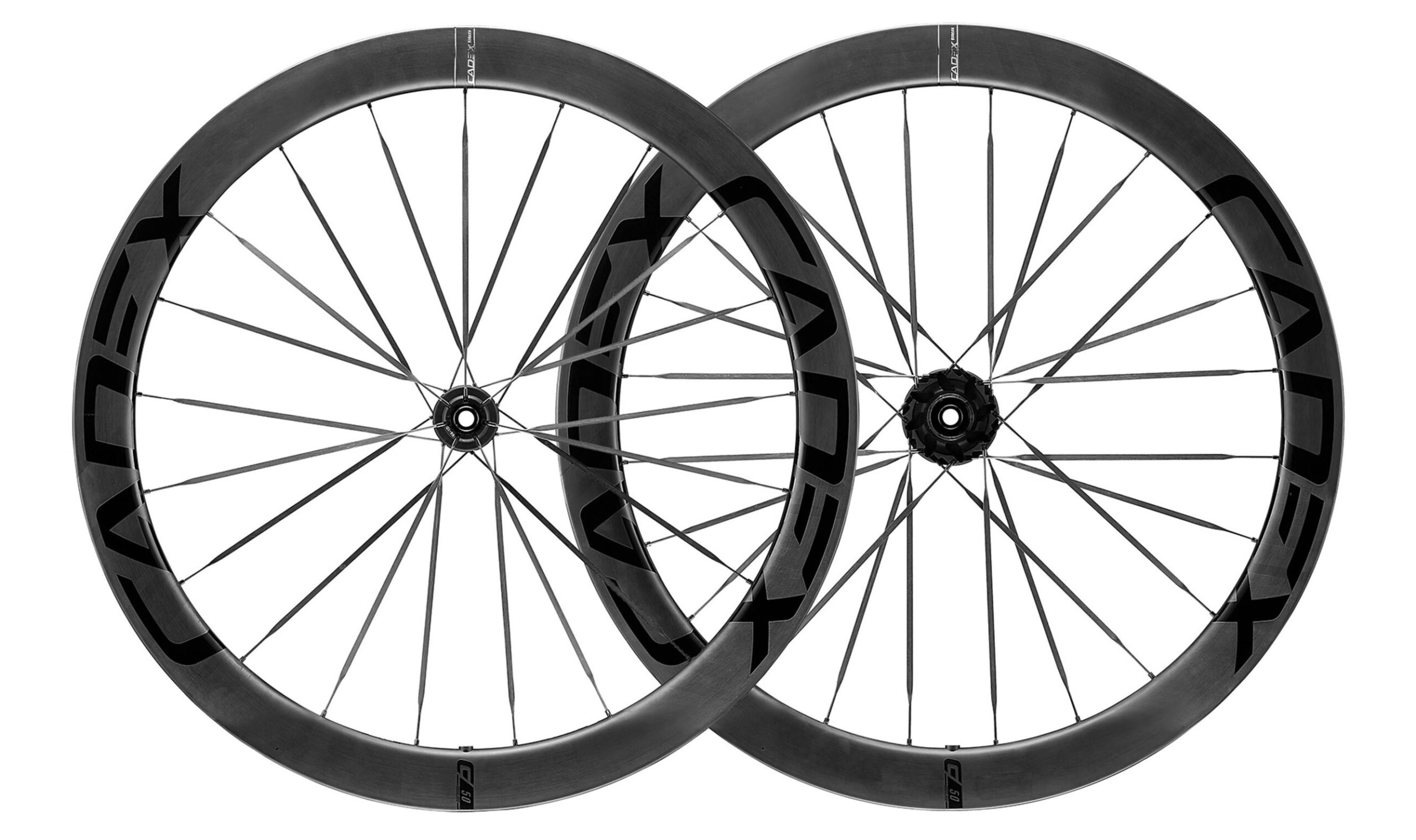
Zwift’s latest release includes a new wheelset from CADEX: the Max 50. Like other road wheelsets added to Zwift in recent months, these new hoops attempt to do it all, combining strong aero performance and light weight:
It’s been almost 5 years since the last CADEX road wheelset dropped in Zwift, so it’s good to see something fresh from the company in the Drop Shop. Here’s how the CADEX Max 50 wheelset is described there:
Max 50 represents the ultimate expression of CADEX performance engineering, combining exceptional aerodynamic efficiency, high stiffness, and ultralight weight. The integrated Max hub and spoke system is paired with Super Aero carbon spokes to transfer power efficiently and cut through the air with minimal drag as Dynamic Balanced Lacing delivers precise handling and a responsive ride feel.
The wheels are now available in the Drop Shop, accessible at level 29 and above, for 680,000 Drops. They are rated 4 stars for aero and 4 for weight, a very high rating only shared by two other wheelsets in Zwift. But since Zwift’s 4-star rating system isn’t precise enough for our tastes, we ran these wheels through our standard battery of tests to determine exactly how they perform in Zwift and stack up against other wheelsets.
Let’s dive in and learn all about the in-game performance of CADEX’s Max 50 in Zwift!
The CADEX Max 50 puts 31.8 seconds into our stock 32mm carbon wheelset across an hour of flat riding. By comparison, the top non-disc wheelset, the Swiss Side HADRON Ultimate 650, beats the stock wheelset by 46.8 seconds, while the DT Swiss ARC 1100 DICUT 85/Disc beats it by 50 seconds.
Climb Performance
CADEX is known for their amazingly light wheels, and the Max 50 are no exception. Their climb performance is impressive, beating all other wheels in the game except the category-leading Princeton Carbonworks Wake 6560 and the Princeton Carbonworks Alta 3532, which are the overall top climbing wheels in Zwift.
The Max 50 trims 11.1 seconds off our stock wheel’s climb time across an hour, while the Princeton Carbonworks Wake 6560 trims off 12.7 seconds, and the Princeton Carbonworks Alta 3532 trims off 14.5 seconds.
Note: all test results above are from a 75kg, 183cm rider holding 300W steady using the Zwift Carbon frame.
Conclusions
As an update to the CADEX offerings in Zwift, the new Max 50 wheels make the other CADEX wheels feel quite dated, since they outperform all those older wheelsets on both flats and climbs. This is what we would expect, though.
The wheels also perform nicely as climb-focused all-arounders, “trading seconds” with the Princeton Alta wheels, which are ~3 seconds slower on flats but ~3 seconds faster on climbs.
These wheels have been added to the following posts:
Important note: this post contains speed test results for Zwift frames or wheels. These results may change over time, and a bike's performance relative to others may also change. We don't always revise posts when performance rankings change, but we do keep current, master versions of our speed test results which are always available. See the frame charts, wheel charts, and Tron vs Top Performers for current performance data.
All About the New Miche Deva RD 62 Wheelset in Zwift
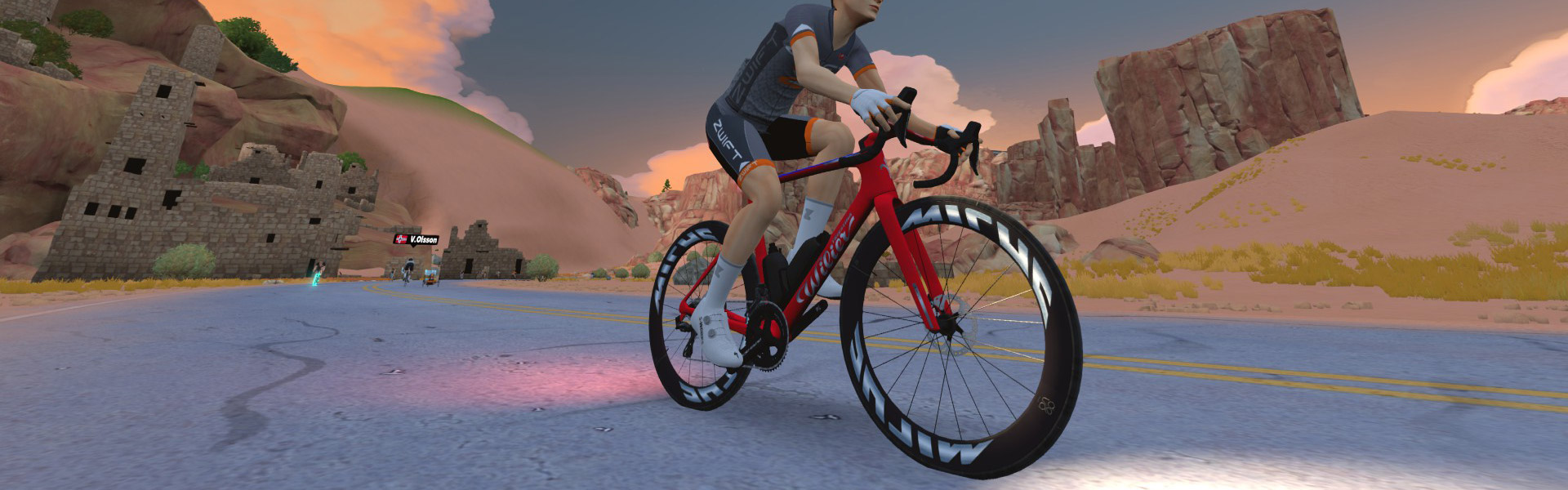
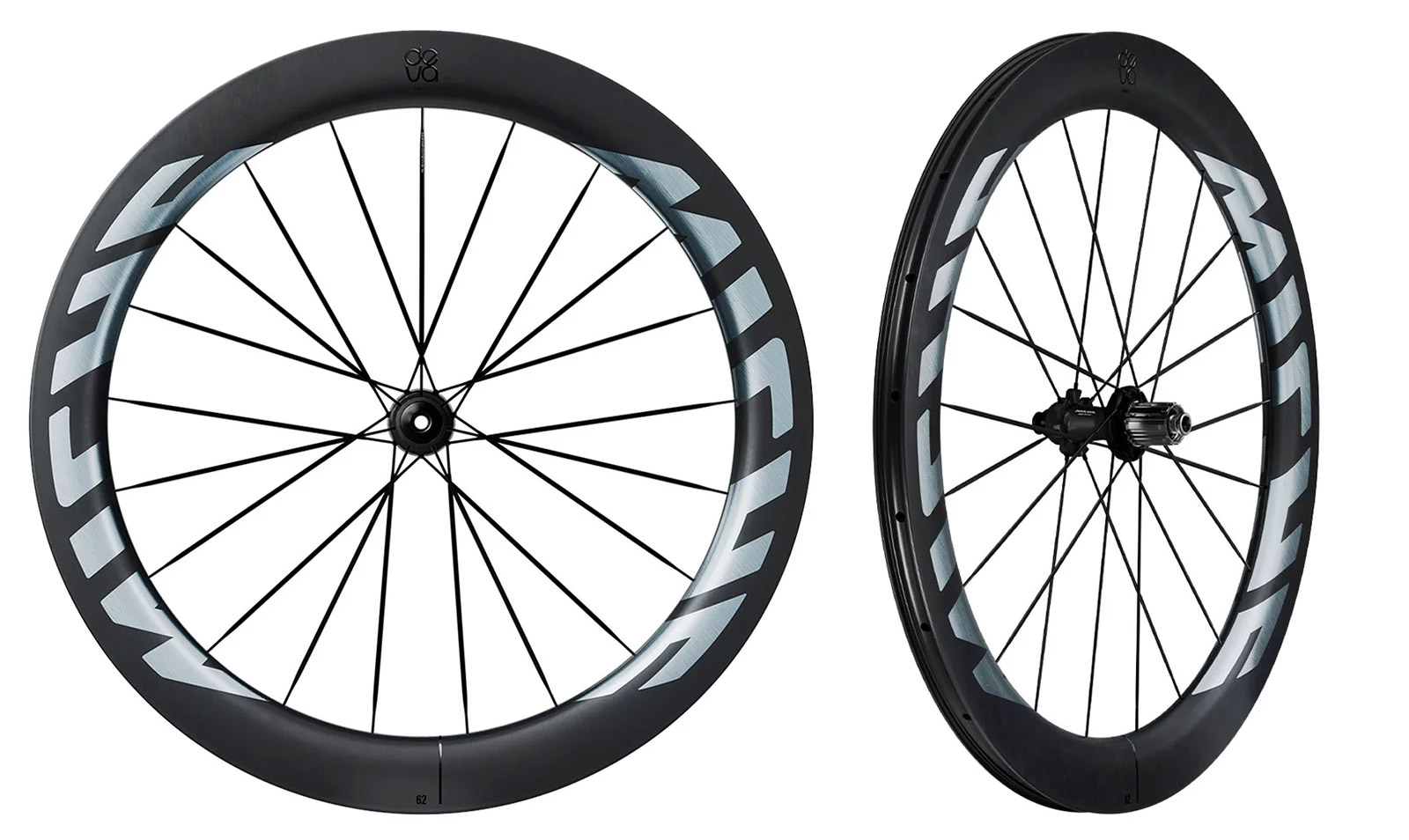
Zwift’s latest release includes the first-ever in-game wheelset from Miche. The Deva RD 62, along with the RD 52, are Miche’s flagship road-racing wheelsets:
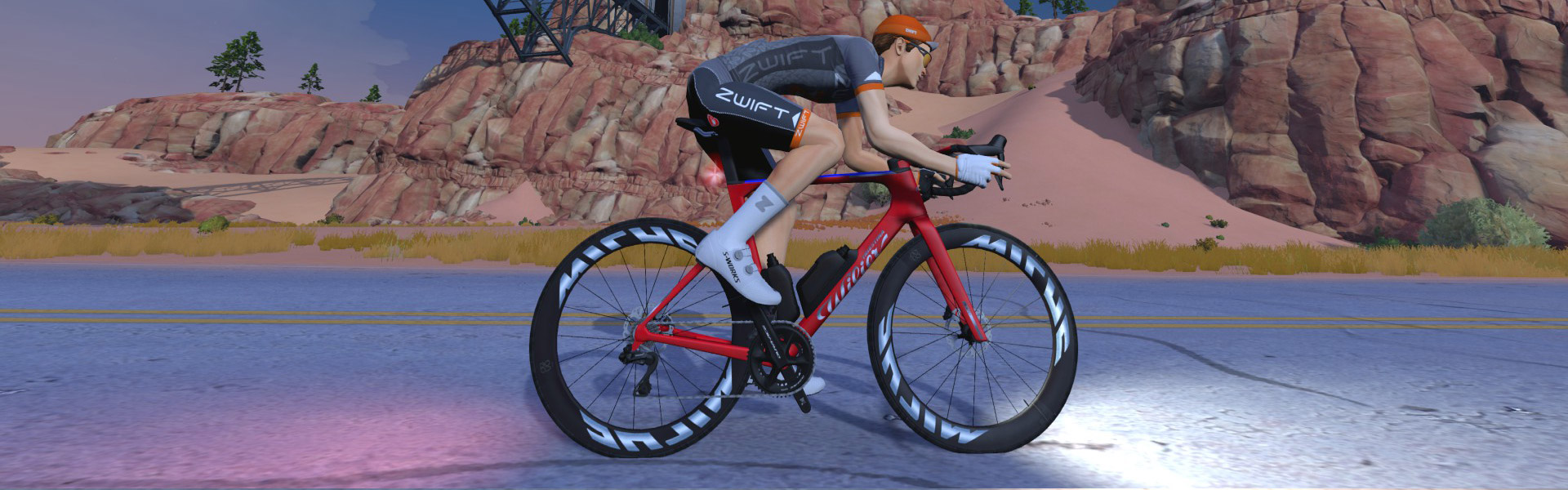
They saw their grand tour debut with the Groupama-FDJ United team in the 2026 Giro d’Italia, paired with the Wilier Filante SL ID2 frame which also debuted this week on Zwift. Here’s how the Miche Deva RD 62 wheelset is described in the Drop Shop:
Thirty years in the making. The Deva RD 62 uses Vonoa carbon spokes and the Miche Formula, a blend of CFD, wind tunnel testing, and real-world validation, to refine every detail. All with one goal: to create the fastest and lightest Miche wheel yet.
The wheels are now available in the Drop Shop, accessible at level 29 and above, for 650,000 Drops. They are rated 4 stars for aero and 3 for weight, just like some other top all-arounder wheelsets. But how do they rank? Since Zwift’s 4-star rating system isn’t precise enough for our tastes, we ran these wheels through our standard battery of tests to determine exactly how they perform in Zwift and stack up against other wheelsets.
Let’s dive in and learn all about the in-game performance of Miche’s first Zwift wheelset!
Across an hour of flat riding, the Deva RD 62 puts 43.1 seconds into our stock 32mm carbon wheelset on the flats. The top non-disc hoops, the Swiss Side HADRON Ultimate 650, are ~3.5 seconds faster than the Deva RD 62, while the fastest disc wheel (DT Swiss ARC 1100 DICUT 85/Disc or Swiss Side equivalent) is ~7 seconds faster.
Climb Performance
The Deva RD 62 holds its own on climbs as well, keeping in step with the current crop of “super wheels” sporting deeper profiles and light weight. These wheels come in just ahead of the Swiss Side HADRON Ultimate 650 on climbs, but still behind the category-leading Princeton Carbonworks Wake 6560.
In an hour of climbing, the Deva RD 62 beats our stock 32mm carbon hoops by 7.2 seconds. The Princeton Carbonworks Wake 6560 are ahead of the stock wheels by 12.7 seconds, while the best climbers in game, the Princeton Carbonworks Alta 3532, are 14.5 seconds ahead.
Note: all test results above are from a 75kg, 183cm rider holding 300W steady using the Zwift Carbon frame.
Conclusions
Miche’s Deva RD 62 are a strong in-game debut for the Italian manufacturer, holding their own against all but the very best all-arounders in Zwift. They could be seen as a more climb-focused alternative to the Swiss Side HADRON Ultimate 650, or a more aero-focused alternative to the ENVE SES 4.5 PRO.
These wheels have been added to the following posts:
Important note: this post contains speed test results for Zwift frames or wheels. These results may change over time, and a bike's performance relative to others may also change. We don't always revise posts when performance rankings change, but we do keep current, master versions of our speed test results which are always available. See the frame charts, wheel charts, and Tron vs Top Performers for current performance data.
This weekend’s picks include two different events on TT bikes – one with drafting enabled, and one without! We’ve also got a charity ride, a Volcano challenge, and a L’Etape event on Col de Sarenne. See our picks below…
Here’s a unique event – a mass-start time trial on Jarvis Seaside Sprint (15.3km, 131m). TT bikes provided, just bring your legs and be prepared to give it your all!
Riders are categorized, but everyone starts together, and drafting is disabled.
Want to accumulate lots of miles quickly? Join this popular group ride, which puts everyone on the fastest TT bike in game (Cadex Tri with DT Swiss disc wheels) with double draft enabled.
On the last Sunday of each month, the ride is extended to be a 100-miler, and finishers unlock the new WOW in-game kit.
Everyone is on Tempus Fugit this week. and there are four pace groups to choose from.
Bike upgrading hack: on rides with forced bikes, whatever bike you’re on when you join the event is the bike that accumulates the distance/elevation/time. So, for example, you could accumulate lots of distance toward a gravel bike upgrade while riding the Cadex Tri in this event.
Zwift’s L’Etape Challenge is underway, pushing thousands of Zwifters to complete in-game replicas of iconic Tour de France climbs featured in this year’s L’Etape du Tour event. This weekend features Col de Sarenne, a high mountain pass that provides a “back door” to the legendary Alpe d’Huez. In the 2026 Tour de France, it’s the last major climb of the Queen Stage (20).
The climb is 12.8km long, with 923 of elevation gain.
We choose each weekend’s Notable Events based on a variety of factors including:
Is the event unique/innovative in some way?
Are celebrities (pro riders, etc) attending/leading?
Are signup counts already high, meaning the event is extra-popular?
Does the ride include desirable unlocks or prizes?
Does the event appeal to ladies on Zwift? (We like to support this under-represented group!)
Is it for a good cause?
Is it just plain crazy (extra long races, world record attempts, etc)?
Is it a long-running, popular weekly event with a dedicated leader who deserves a shout out?
In the end, we want to call attention to events that are extra-special and therefore extra-appealing to Zwifters. If you think your event qualifies, comment below with a link/details and we may just include it in an upcoming post!
All About the New Giant Propel Advanced SL Team Frame on Zwift
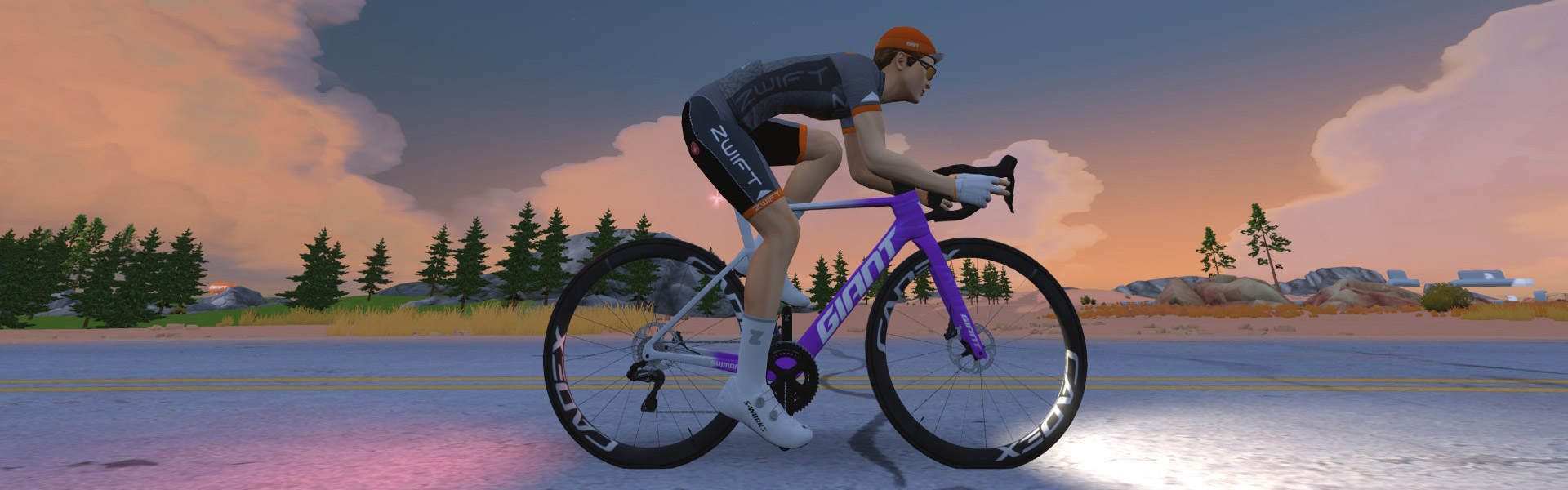
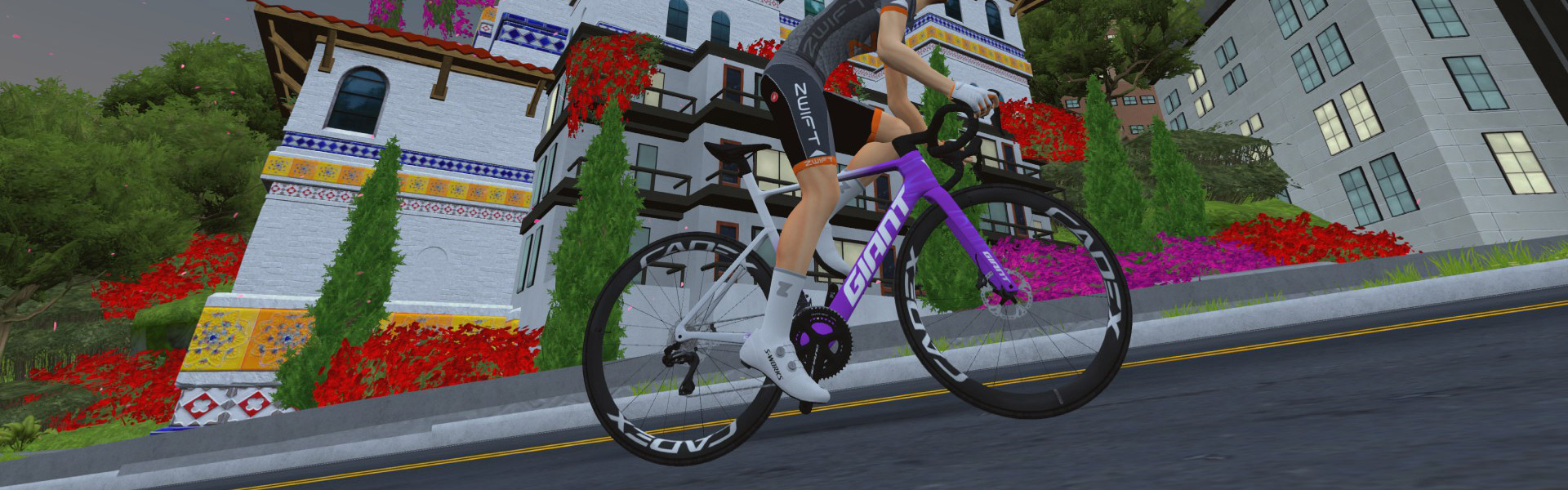
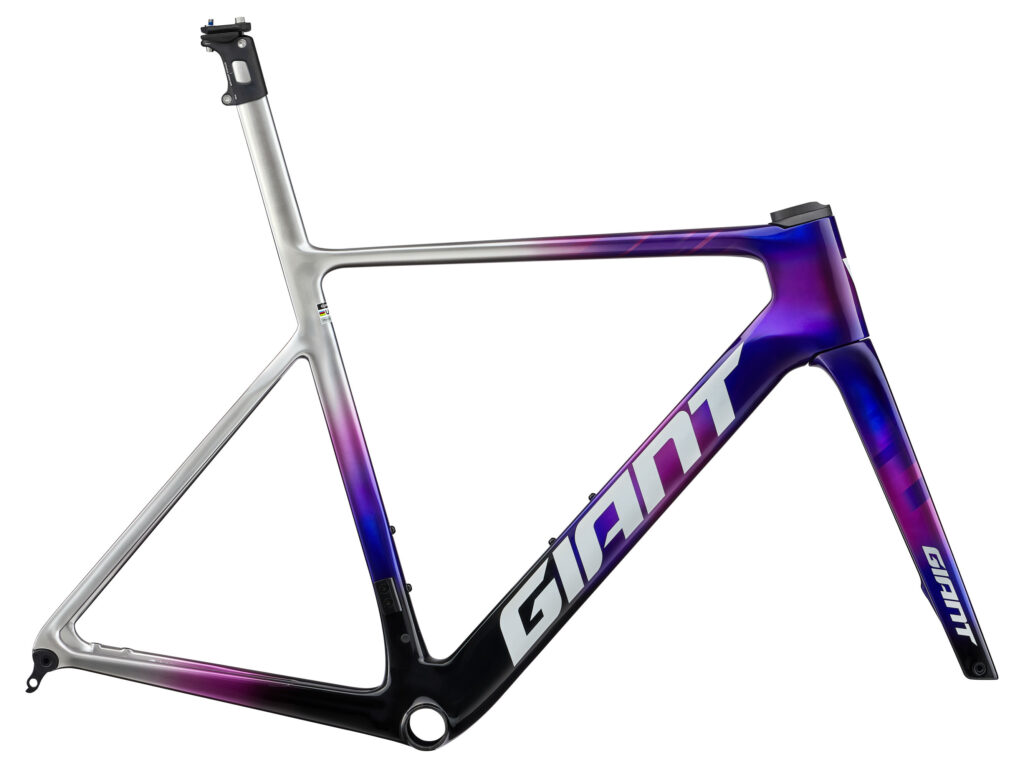
Zwift’s latest release includes an update to the Propel, Giant’s flagship aero racing bike. The new bike, named the “Propel Advanced SL Team”, is the latest 2026 version. It effectively replaces the Propel Advanced SL Disc in Zwift’s Drop Shop, which was based on Giant’s 2018 model. The Zwift colorway matches the IRL frameset available from Giant:
On Zwift, you’ll need to be updated to game version 1.116+ to see this bike in the Drop Shop. You’ll also need to be at level 40+ with 1,700,000 Drops to buy it. Here’s how it’s described in the Drop Shop:
From breakaways to the final sprint. On flat roads, climbs or descents. The reengineered Propel Advanced SL cuts through wind and maximizes watts, optimizing your energy through every dimension of speed. It’s a bike with pro pedigree and undeniable aerodynamic data, but the all-new Propel isn’t built only for the wind tunnel or the Tour de France. It’s engineered to deliver ultimate speed for all riders.
It’s rated 3 stars for aero and 4 stars for weight, like other top all-arounders on Zwift. But that’s actually a sizeable group of bikes at this point. So how does it actually perform? Since Zwift’s 4-star system isn’t the most granular performance metric, we ran this frame through our precise tests to measure performance in nerd-level detail. Let’s dive in!
Note: test results below are from a 75kg, 183cm rider holding 300W steady using Zwift’s stock 32mm Carbon wheelset on the un-upgraded version of the frame, unless otherwise noted. Test results have an error margin of approximately 1 second.
Aero (Flat/Rolling) Performance
The new Propel is a solid performer on the flats, reflecting its IRL aero performance. It puts ~5 seconds into the older Propel across an hour of flat riding.
The frame’s time puts it 61.7 seconds ahead of our baseline frame across an hour of riding. That’s just behind the handful of leading aero frames in Zwift, which are led by the new Cervelo S5 at 63.5 seconds.
Climb Performance
The latest Propel Advanced SL is lighter than previous versions, and this shows in how much its climb time improved over the previous Propel, trimming ~18 seconds off across an hour of climbing.
The frame’s climb test time puts it 43.5 seconds ahead of the baseline frame after an hour, which is ~14 seconds behind the Specialized S-Works Tarmac SL8.
Upgrading Your Giant Propel Advanced SL Team Frame on Zwift
Like all frames in Zwift, the Propel Advanced SL Team can be upgraded in five stages. It uses the Distance, High-End upgrading scheme, giving it the following characteristics:
Performance At Each Upgrade Stage
This chart shows how many seconds this frame will save across 1 hour of riding compared to our stage 0 baseline frames (Zwift Carbon or TT). This is based on a 75kg rider, 183cm tall, at 300 watts, riding on tarmac.
Upgrade Stages (Distance, High-End)
Stage
1
2
3
4
5
Totals
km
200
260
320
380
440
1,600
cost
100,000
200,000
350,000
500,000
750,000
1,900,000
upgrade
Aero
Weight
Drivetrain
Aero
Weight
200km: Aero Upgrade for 100k Drops
260km: Weight Upgrade for 200k Drops
320km: Drivetrain Upgrade for 350k Drops
380km: Aero Upgrade for 500k Drops
440km: Weight Upgrade for 750k Drops
Conclusions
The new Propel Advanced SL from Giant is a strong all-arounder, and the best-performing bike Giant has had in game thus far. That’s notable in itself.
It’s a strong improvement over the previous generation of the Propel Advanced SL, so if you’re a fan of Giant, this is the bike you’ll want to race on Zwift.
What do you think of Giant’s updated Propel in Zwift? Share below…
Important note: this post contains speed test results for Zwift frames or wheels. These results may change over time, and a bike's performance relative to others may also change. We don't always revise posts when performance rankings change, but we do keep current, master versions of our speed test results which are always available. See the frame charts, wheel charts, and Tron vs Top Performers for current performance data.