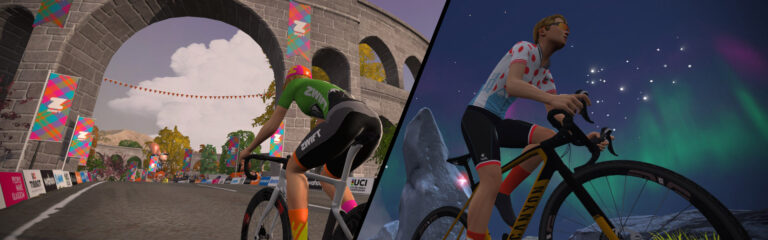
We recently announced the first-ever Zwift Racing League Route Design Competition, where Zwifters were invited to create the route to host the last race of ZRL’s first round of 2024/25.A total of 51 routes were submitted, and a panel of judges narrowed it to just three. Then the Zwift community voted for their favorites. And now, the results are in!
If you recall, riders were asked to rank the three routes in order of preference. The voting system assigned 1 point to the first choice, 2 points to the second choice, and 3 points to the third choice. That means the lowest total points wins. Final vote tally:
BRAEk-fast Crits and Grits (Scotland): 1190
Purettsueru (Makuri Islands): 1511
Sky Looper (New York): 1721
The majority of voters picked BRAEk-fast Crits and Grits as their first choice, making it the clear favorite:
BRAEk-fast Crits and Grits (Scotland): 402
Purettsueru (Makuri Islands): 211
Sky Looper (New York): 124
Why was BRAEk-fast Crits and Grits the big favorite? I can only speculate. It was the shortest and least climby of the three top routes (many Zwifters shy away from routes with a lot of elevation). It also has the fun feature of multiple laps of the Breakaway Brae loop, which I found to be especially cool. Lastly, including the key climb at the very start and very end will force riders to make strategic pacing choices early on.
Route Details
BRAEk-fast Crits and Grits is a 20.8km loop with 211 meters of elevation. But it also has a 1.3km lead-in up Sgurr Summit South which adds another ~50 meters of climbing to the front-end of any event. A tough start!
The plan is to use a community-designed route as the final race for each round of ZRL 2024/25. The route design contest for Round 2 is now open – submissions must be received by October 12, 2024. See details at wtrl.racing/zwift-racing-league/#routecompetition
Questions or Comments?
What do you think of the community’s route choice, and what do you think of the overall idea of having the community designing ZRL routes? Share your thoughts below!
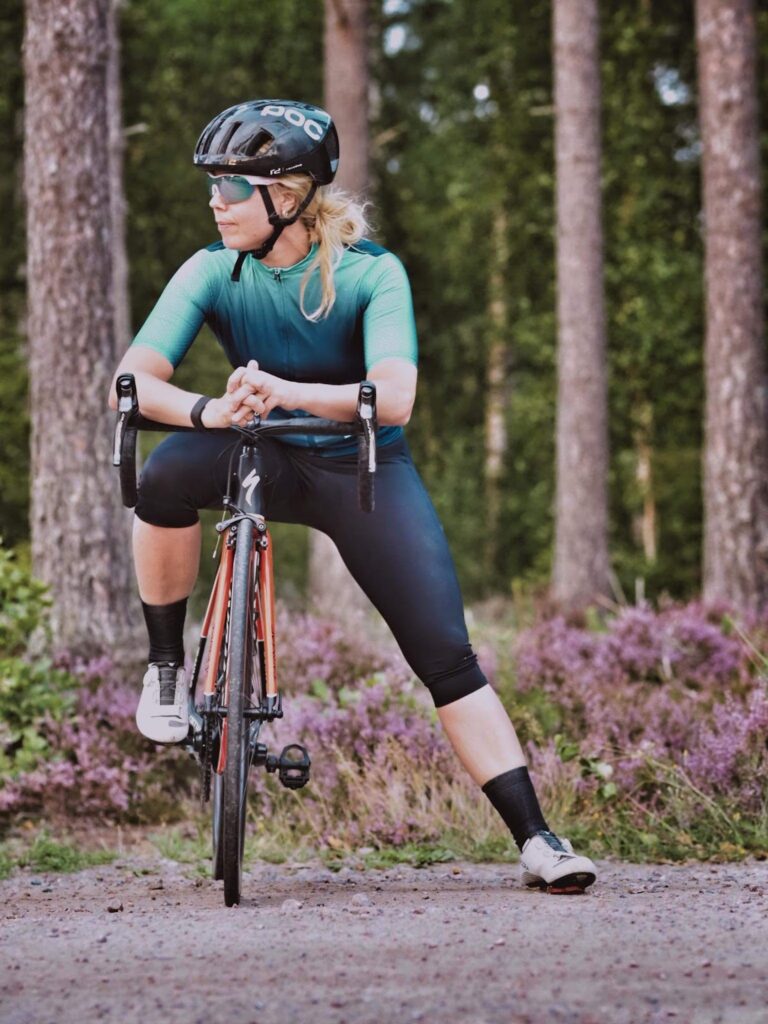
How did you get into cycling? During covid E-cycling was one of the few sports that had events and races. Never done any type of racing before but I tried it, loved it and also found outside biking after that.
How many years have you been racing on Zwift? 5 years
Are you part of a Virtual team? Yes, CRYO RDT
What do you love most about racing? Pushing the boundaries. I am amazed how strong our bodies are, and if you have trust and faith in it, it will be stronger than you think.
What is your favourite style of race (e.g. points, scratch, iTT, TTT, Chase, duathlon)? I am a steam locomotive. I can’t do sprints, but in iTT or TTT I can get good results.
Screenshot
What is your favourite Zwift women’s race series? In December and January we have Sweden cup with 8 races each week and that is the highlight of the Zwift season.
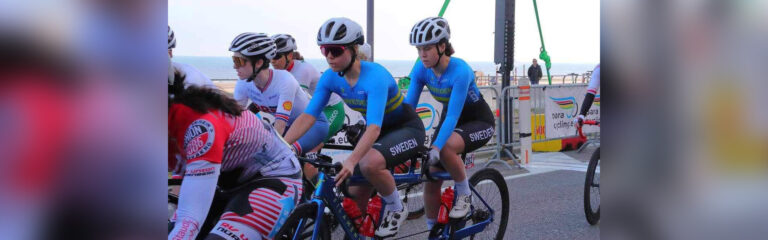
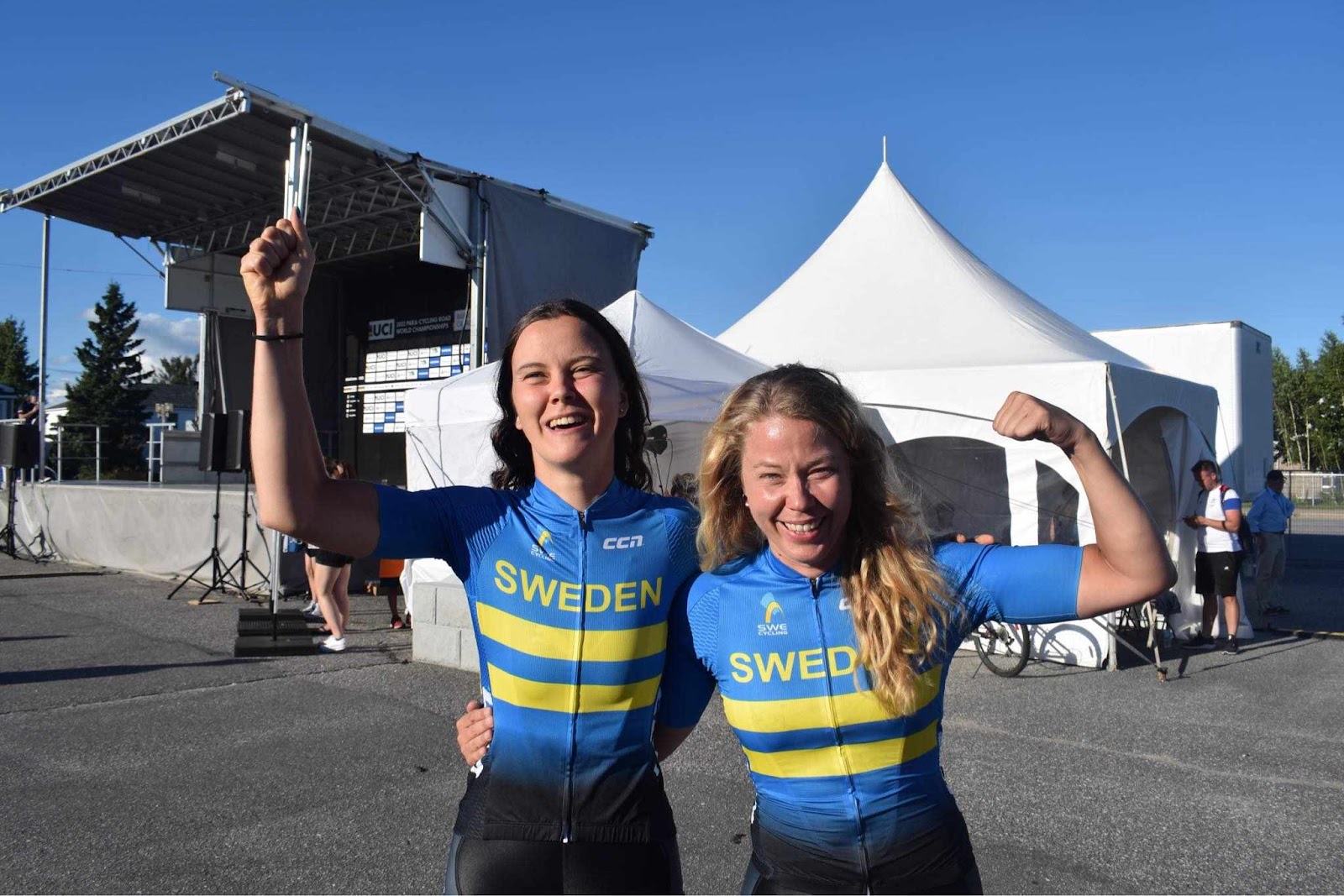
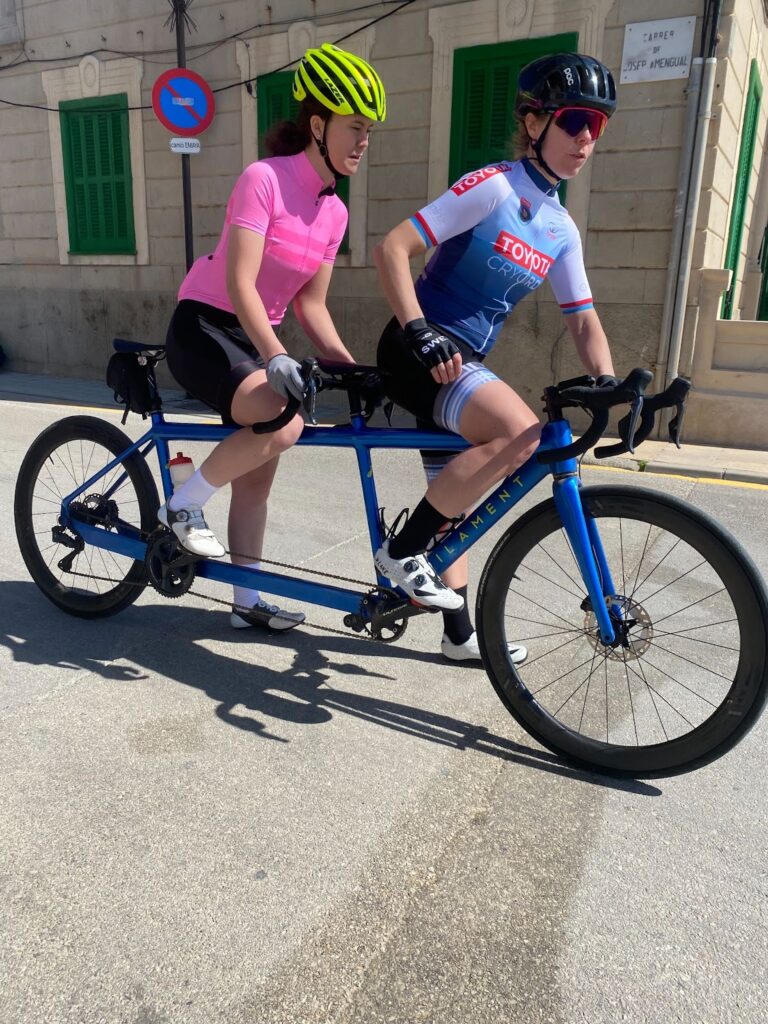
What is your most memorable racing experience, inside or outside or BOTH? Outside I race tandem with Louise Jannering, Louise is blind and we race in paracycling. Me in front as pilot and she in the back as stoker. In 2022 we won bronze in world championship in TT in Canada. So proud of that!
Louise (left) and Catrin
What is your favourite food to eat post-race? Nothing beats a cold glass of chocolate milk directly after a race.
What advice would you give to a woman entering her first Zwift race? Trust in your body. It can archive more than you believe, you just need to be brave enough to push it a little bit more. And also, don’t forget to have a lot of fun!
Any upcoming race you are looking forward to? Louise and I are excited to have qualified to race tandem representing Sweden in this year’s Paralympics in Paris. Time trial has been our favourite discipline, but since we started racing Zwift together, we have become better on road races too.
Zwiftcast Episode 204: the “Simon Switch” + thrills on the Alpe + all the Zwifty News
After the most thrilling finish to a Grand Tour for many years, perhaps ever, Simon and the Zwiftcasters assess the effect Le Tour de France Femmes avec Zwift is likely to have on the sport in the future. In one of their favourite metrics – bums on saddles – already huge progress is being made. But what more needs to be done? The Zwiftcast’s man on the ground Dave Towle files a personal report and we discuss the Tour and its aftermath.
One of the longest-running inside gags on the podcast – Simon’s non-ownership of a certain virtual bike – looks like it could be coming to an end (Simon thinks) as Zwift implement an autoenroll function for the Everest Challenge. Is it a Simon Switch or an Idiot Switch? The Zwiftcasters discuss.
Zwift is finally opening up its API to selected partners with a service aimed at tri-athletes the first to benefit. While the whole API thing sounds a bit nerdy, in fact the implications for everyday Zwifters are extremely significant. Simon, Shane, Nathan and Eric speculate on how fast changes may happen and what the possible nature of enhancements to the user experience may be.
The Zwiftcast ranges across the latest Zwifty news with coverage of UCI certification of trainers, enhancements to the women’s racing calendar and even a small bone HQ has thrown to runners.
In Correction Corner, the Zwiftcasters chew over the revised figures HQ delivered on the proportions of Zwifters at certain levels. There was amazement at the first version of these stats, which didn’t pass the Zwiftcast sniff test. The new version makes much more sense.
And how do you get to be a Zwift club with 1,000 members in 60 countries? Be more SISU seems to be the answer. Dave chats to one of the founders of one of the most successful clubs on the platform.
It’s a busy weekend as we head into September and the warm-up for Zwift season begins. Our picks below include the first races of Zwift Academy and Zwift World Series, plus a charity ride and some friendly group rides. Want to gain some elevation? Two of our event picks are on the Ven-Top route!
The Zwift World Series kicks off this week with race 1, held on the new Richmond Loop Around route! These World Series events happen only once a month, and they’re longer efforts. Sort of like a virtual classics race.
This new route has never been ridden in Zwift, although Richmond’s roads will be familiar to many riders. It’s a punchy, attritional course with key climbs that reward a high VO2 max. And at 42.5km with 550m of elevation, it’s no cakewalk. See route details >
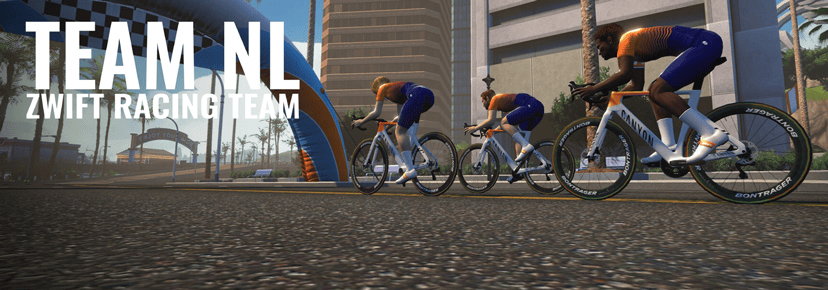
Team NL is hosting a charity ride of Zwift’s virtual Ventoux in support of Colsensation’s efforts against cancer. Join the pace group you’re most comfortable with, but all riders will be working to complete the Ven-Top route, which is 20.9km long with 1535 meters of climb.
You’ll unlock the Team NL kit, plus there are giveaways for IRL Team NL jerseys and bidons. The ride will be live broadcast on Team NL’s YouTube channel for your supporters and fans!
The supported charities, what they do, and how the money will be distributed can be found on the donation page.
The first race of Zwift Academy 2024 is here, and it’s a doozy! This is a 30-minute hill climb challenge on the Ven-Top route, which means after a short lead-in you’ll be climbing steadily for the remainder of the race. Bring your climbing bike!
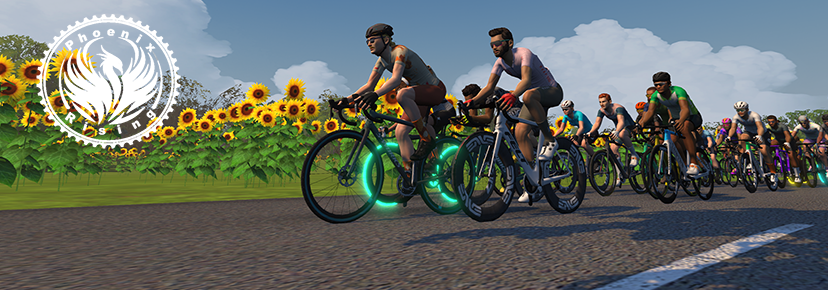
Join the Phoenix Rising squad for a challenging yet beginner-friendly group ride on the rarely-ridden London Pretzel route (57km, 531m). The leader beacon will keep a pace of 1.5-2w/kg, and may use the fence to keep the group together at their discretion. Join the team’s Discord channel during the ride to help pass the time!
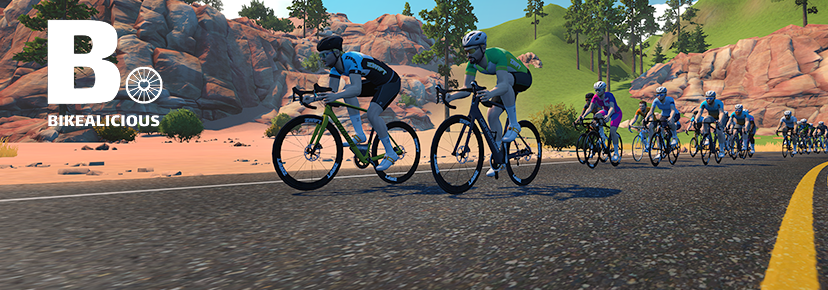
The friendly Bikealicious crew is leading a banded group ride on the fairly fresh route name Itza Climb Finish route (31km, 293m). Grab this route badge if you haven’t done so yet, which comes with extra XP.
We choose each weekend’s Notable Events based on a variety of factors including:
Is the event unique/innovative in some way?
Are celebrities (pro riders, etc) attending/leading?
Are signup counts already high, meaning the event is extra-popular?
Does the ride include desirable unlocks or prizes?
Does the event appeal to ladies on Zwift? (We like to support this under-represented group!)
Is it for a good cause?
Is it just plain crazy (extra long races, world record attempts, etc)?
Is it a long-running, popular weekly event with a dedicated leader who deserves a shout out?
In the end, we want to call attention to events that are extra-special and therefore extra-appealing to Zwifters. If you think your event qualifies, comment below with a link/details and we may just include it in an upcoming post!
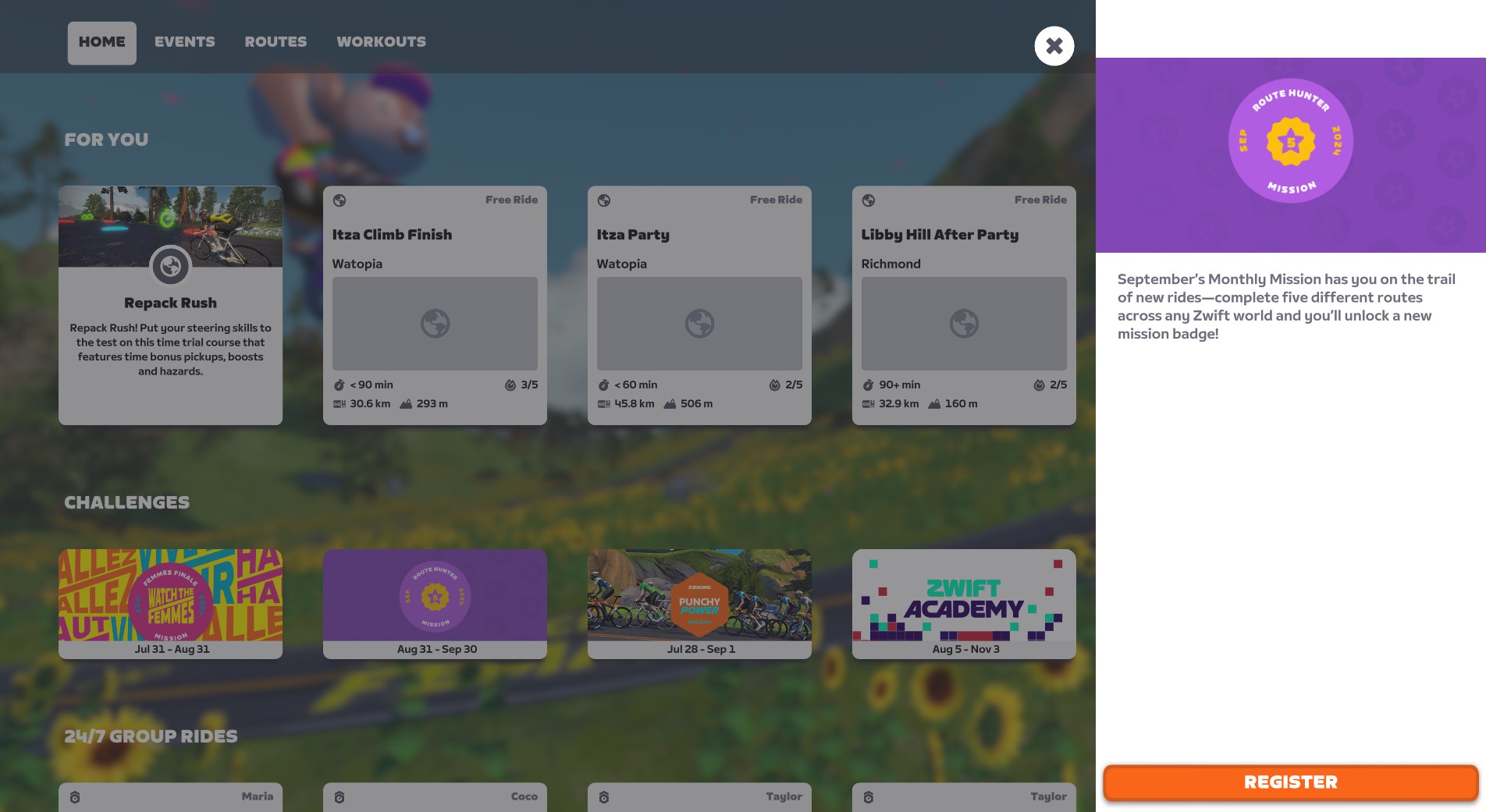
Zwift just rolled out a fresh Mission for September, and it’s all about route completion.
Note: signups opened earlier this week, but the Mission doesn’t begin until August 31.
Getting Started
To begin the Mission, select the mission card on your homescreen and click to register:
Once you’ve registered, clicking the mission card will show your Mission progress.
Completing the Mission
After registering for the mission, complete five different routes across any combination of Zwift worlds by September 30th. Completing the mission unlocks the mission badge for your achievements list.
“My List” Extra XP Tip
While this mission doesn’t require you to complete five routes you’ve never done before, when you complete a badged route you earn the achievement badge plus an XP bonus roughly equal to the distance-based XP you always earn while riding. That means you effectively earn double XP when completing badged routes for the first time!
Why not leverage the motivation of this month’s mission with Zwift’s recently released My List feature to earn extra XP while completing routes for the first time? Click Explore>Routes on the homescreen of the Companion app, then “All Routes”, then tap the filter icon at the top-right and check only the “Show Uncompleted Routes” box. This will show you all the routes you haven’t yet finished. Click to check them, adding them to your list, which shows up on your homescreen in game so you can easily ride the route.
“Pinarello Powered” ZRacing Series Details (September 2024)
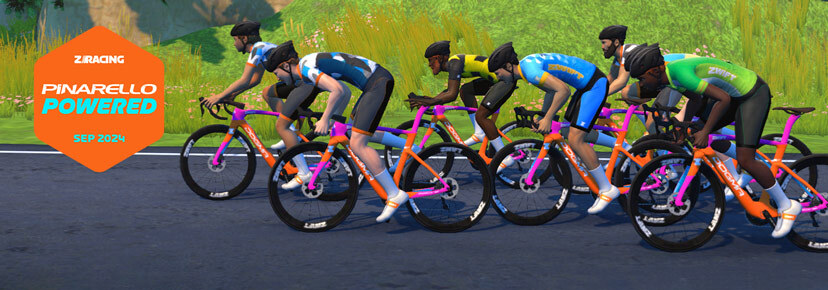
Zwift’s “ZRacing” is the platform’s most popular ongoing race series. In September the series takes on a number of punchy racing routes, and all racers will be placed on the fast new Pinarello Dogma F 2024 frame. Additionally, the series continues to test Zwift’s new Zwift Racing Score in certain events!
Read on for details about race routes, the overall monthly GC competition, and more…
Pinarello Powered – September’s Route Schedule
Here are the routes we’ll be racing in September (click route for details):
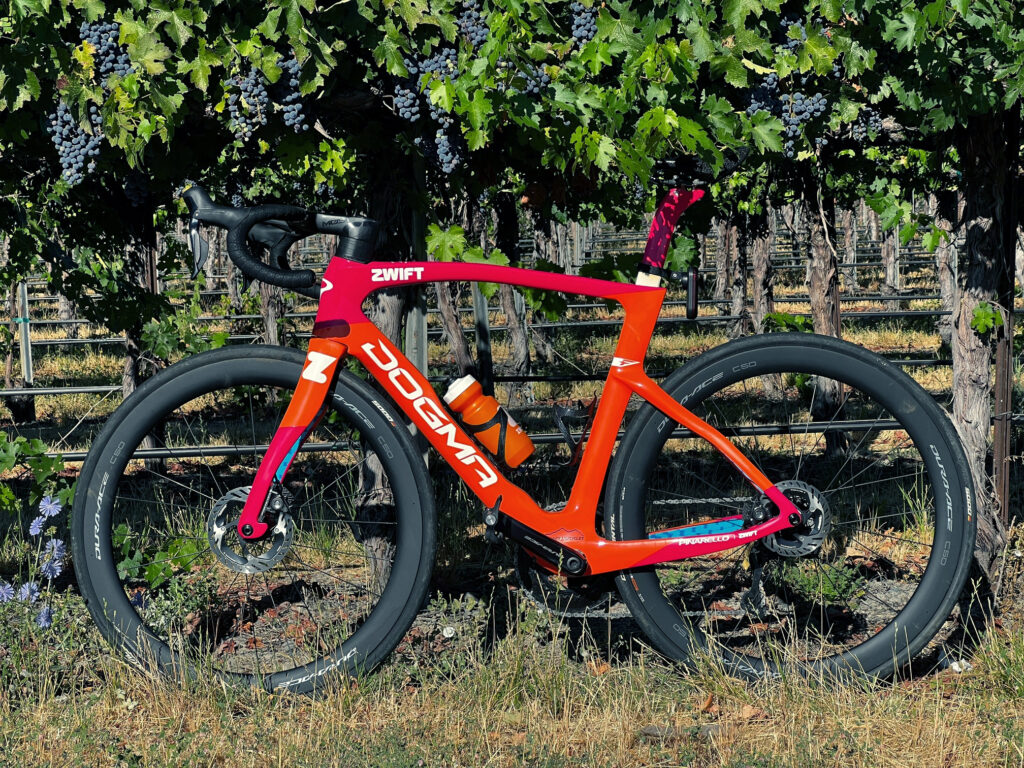
Complete all 5 stages to unlock a Zwifty color scheme for the Pinarello Dogma F 2024 frame! This new frame is possibly the top all-arounder in game (read about it), and the custom colorway (shown above) is Zwifty indeed.
FYI: if you unlock the new colorway before owning the frame, that’s alright. Once you buy the frame you’ll be able to apply the new paintjob to it.
I’ll be riding all 5 races, because after almost 9 years on Zwift, this is my chance to finally have my in-game bike match my IRL one! (Photo taken on this morning’s outdoor ride…)
Series Structure
The ZRacing series consists of monthly sets of weekly races. Each race is scheduled for seven days (Monday through Sunday) and timeslots are consistent week to week.
Races are scheduled hourly times each day at 10 minutes past the hour, so there are plenty of available times to find a race.
Zwift Racing Score will continue to be tested this month on certain ZRacing events. Zwift is keeping the adjusted scoring bands that went into effect mid-August:
July’s Bands
725-1000
575-725
400-575
225-400
0-225
August’s Initial Bands
700-1000
550-700
425-550
250-425
0-250
September’s Bands
650-1000
525-650
415-525
300-415
0-300
Scored events will occur at 0810, 1110, 1710, 1810, and 2210 UTC each day. These time slots will use 5 categories, except the 1710 and 1810 time slots which will use 10 categories.
IMPORTANT: there is a monthly GC for the 5-category scored races, and it is separate from the monthly GC for the standard category-enforced races. (See links below for each.) The 10-category scored races are not included in any GC.
Each monthly series includes a time-based GC (general classification) tracking riders’ best finishing times for each week’s race. The overall winners in each category for the month are the riders with the lowest overall time for that month’s set of races.
With over 150 weekly timeslots available, riders can race each week’s event multiple times and try to better their finishing time. Tip: the fastest times usually come from the largest race fields!
You must use a heart rate monitor to show up in ZwiftPower results for this series.
Each month’s ZRacing series has a unique achievement badge, which you can unlock by finishing every stage for the month. There are no makeup events, so if you miss a stage, you miss out on the badge and competing in the GC.
One and Done
Zwift has planned these events to deliver a solid 1-hour workout, so each race should only take around 1 hour to complete, including your warmup and cooldown.
In the Drops Episode 60: Guests Matt Smithson & Si Bradeley
Check out the most recent episode of In The Drops podcast where Nathan and Zwifty take a deep dive into MyWhoosh. Matt Smithson and Si Bradeley join them, discussing the huge recent improvements to the speediness of power input with huge benefits to the experience of riding in a pack. They also go deep on their preparations for the Worlds, including course details and verification, the semis, and details of how the finals will take place. As ever, there’s a quiz to test your knowledge, this time with a benefit to those with cross-platform experience.
They also touch on changes to Zwift Racing Score metrics and Nathan shows righteous anger at not having his choice of course shortlisted for the final stage of Zwift Racing League 24/25, Season 1.
00:00 Start
04:58 Show starts
06:20 How to pronounce Bradeley
09:06 Zwift Racing Score changes
12:58 ZRL Route design shortlist
17:11 Interview with Matt & Si
22:15 MyWhoosh plans
27:10 Huge recent release improvements
31:04 Worlds Finals details
39:20 VOD and Live sessions
45:45 MyWhoosh physics and lag
49:57 Worlds Semi Finals details
55:00 New Worlds & Season Pass
1:06:28 Verification outside of cash races
1:18:30 Virtual Shifting?
1:20:43 LevelVelo and ITD team up!
1:22:45 Quiz… How well do you know MyWhoosh vs Zwift?
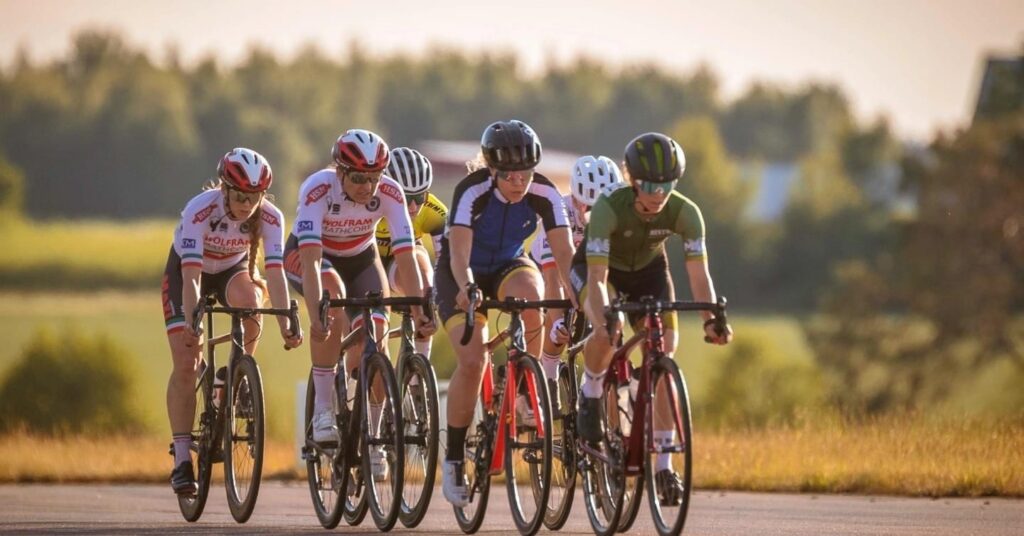
Zwift Rolls Out Changes to Women’s Racing Calendar
This week, Zwift announced major changes to the platform’s schedule of women-only races. It’s all part of a long-running collaboration with a number of key community organizers and racers looking for increased participation in all levels of women’s racing. Read on for details…
Summary of Changes
Spearheaded by James Bailey – a long-time Zwifter turned key member of Zwift’s events team – changes to the women’s racing schedule can be summarized thus:
The women-only category E has been removed from all mixed-category races
Some women-only race events have been removed from the calendar
A new slate of women-only races has been added to the calendar, housed under the FemmeCycle Collab (FCC) club but managed by various race organizers
The Big Picture
So why the change? Here’s what James says:
The attendances on both Women’s only events, and mixed events which have a women-only E category are as a rule, poor in attendance (sub 5 starter average). It is my belief that these are damaging to women’s only racing – turning up to your first race with no one else in your category, or a single person that drops you by some distance will not encourage you to come back.
Leading up to this change, there have been approximately 75 weekly events that were women-only races or mixed races with a women-only E category. Those E events typically saw 3-4 people show up, with a broad range of fitness levels, meaning women in these events didn’t generally get the experience of racing “together.”
Of course, low turnout in women’s races isn’t just a Zwift problem. It’s an ongoing challenge for outdoor race organizers as well! Zwift realized early on that their platform was an ideal home for both aspiring and experienced women racers, so they hosted women-only race events and group workouts. They also pioneered the Zwift Academy model just for women in its initial years, placing aspiring pros on WorldTour women’s teams. And Zwift is a multi-year sponsor of what are arguably the two biggest women’s races of the season: Paris-Roubaix and Tour de France Femmes.
Given Zwift’s investments in women’s cycling, it only makes sense that Zwift’s events team, in collaboration with the women’s racing community, would make strategic changes to the women’s race calendar with a view toward creating more compelling events. James says:
Having events created by a number of different teams increases fairness (and a lack of favoritism) as well as there being a single place where all upcoming events are easily seen. It also improves the ability to market the events.
New Schedule
The new women-only race events p/b FemmeCycle Collab are scheduled 5x daily during the week, and 4x daily on the weekends.
Weekday times:
9:30am UTC/5:30am EDT/2:30am PDT
5:30pm UTC/1:30pm EDT/10:30am PDT
6:30pm UTC/2:30pm EDT/11:30am PDT
10:30pm UTC/6:30pm EDT/3:30pm PDT
12:30am UTC/8:30pm EDT/5:30pm PDT
Weekend times:
9:30am UTC/5:30am EDT/2:30am PDT
2:30pm UTC/10:30am EDT/7:30am PDT
5:30pm UTC/1:30pm EDT/10:30am PDT
12:30am UTC/8:30pm EDT/5:30pm PDT
So far, September’s race schedule has women on the planned Zwift Racing League courses, giving them a nice preview of the routes they’ll be racing if they’re participating in ZRL.
Note: the above schedule may change in the coming weeks, as James will be reviewing the numbers to determine if the daily event volume needs to be modified.
Want to host a women’s race?
If you’re interested in hosting a women’s race event on Zwift, James says it’s best to email [email protected] with your event proposal. You may also submit the event request form here.
Fair warning, though: Zwift’s events team plans to closely evaluate race schedules and participation levels before adding more women-only race events. It may be that the best way to influence women’s racing on Zwift is to join the FemmeCycle Collab (see below) and let your voice be heard in that forum!
If you want to get involved in race planning or just want to offer feedback to race organizers, join the FCC Discord server: https://discord.gg/u5G3wbXZ
Full Speed Ahead
Several months ago, in partnership with the FemmeCycle Collab, we launched Zwift Insider’s women’s racing portal as a central place for women to learn about racing on Zwift. The portal’s pages (including weekly racer profiles, a women’s racing calendar, and a big list of women’s teams to join) have proven quite popular. We look forward to continuing our support of more women racing more often!