Episode 31 of Zwiftcast has been released. Here’s the full episode description:
Simon, Shane and Nathan talk about the post-Tour blues, how they’re coping and how Zwift has leapt into the vacuum with a big announcement.
But before they get to the launch of the Zwift Men’s Academy, the chaps discuss the arrival of Mark Cavendish on the platform… with a little help from Cav’s team-mate, Steve Cummings and his Directeur Sportif, Roger Hammond.
The big news, though, is the Men’s Academy in partnership with Cav’s team, Dimension Data.
Team owner Doug Ryder tells Simon why the decision to get involved was a no-brainer and describes his excitement at the benefit both to the team’s adopted charity, Qhubeka, and the potential to find a hidden gem of a new rider.
Roger Hammond is equally excited and tells Simon how Zwift may help modernise recruitment to the pro peloton.
There are important differences from the Women’s Academy scheme and the Zwiftcasters discuss what they are, why they might have been made and what is their likely impact.
Zwiftcast resident Coach Kev Poulton discusses the theory behind his Four Week FTP Builder programme, a training plan that’s likely to prove very popular for Zwifters.
Simon, Shane and Nathan then get excited about how training plans can be compared to moving piles of sand…
Steve Cummings gives Zwifters a little insight into how his rehab worked on Zwift and feels the same results can be achieved as Cav starts his long climb back to race pace using the platform to stay sharp.
Finally, Simon pops into DC Rainmaker’s pain cave in Paris for a quick chat about what Eurobike may hold in store and why software challengers to Zwift may face an uphill battle.
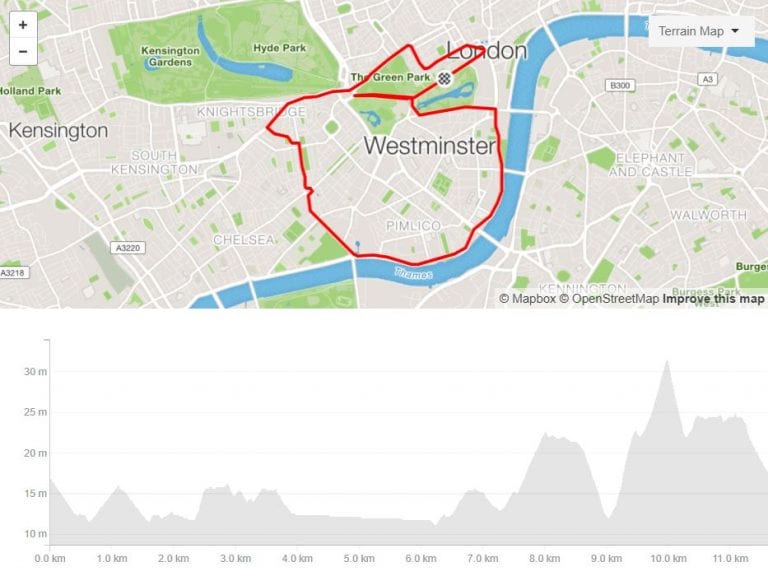
London’s “Greater London Flat” route covers the mostly flat Greater London expansion and most of the Classique route. It is currently the flattest route on the London course.
The “Watts up with Power?” ride is likely the slowest group ride you’ll find on Zwift, because it focuses on learning the basics of power based training while riding together on Zwift. Each ride is streamed to Zwift LIVE by ODZ on Facebook, and focuses on teaching specific principles of power-based training. For viewers that are unable to attend live, the teaching is made available for all to review afterwards.
Here is the summary for July 12, 2017 from ride leader Taylor Thomas.
For the majority of athletes adhering to a structured training plan, the end goal is to show up to race day fit and prepared. But how do you know if you’re ready to race, and if your fitness is where it should be? Form is a metric that allows athletes to see how it is their training, and eventual taper, is impacting their ability to produce race day efforts. Form is an integral part of race day preparation, and something that all athletes should understand.
What is Form?
Form is simply how ready to race you are, or your “freshness” for an event. It tells you how prepared your body is to perform to its maximum potential.
Training Stress Balance (TSB) is the metric that puts form into numerical context. It’s calculated by subtracting today’s fatigue from today’s fitness. A plus or minus TSB provides a snapshot of both an athlete’s freshness and fatigue.
Form reflects not only your fatigue but also your fitness. How high or low your form is depends on which area is the focus of your training. Lower fatigue equals higher form.
Monitoring and understanding form helps take the guess work out of preparing for a race. The application of a metrics-based approach ensures athletes are achieving their desired goals.
How to Achieve Form
TSB is often most closely monitored in the build up towards an A priority race. The goal TSB should between 15-25 depending on how much fatigue your body can handle on race day. Some athletes perform better by maintaining a small amount of fatigue, so find the number that’s right for you.
The workouts in the weeks and days before a big race are crucial. The overall goal is to schedule workouts that keep fitness high, but allow form to be reached on race day. 10-14 days out from a high priority race is usually sufficient to begin a taper. Typically volume is where the biggest reduction in training is seen.
Lower priority B and C races are to be approached differently. The goal may be to “train through” these races with little to no taper involved. A TSB of -10 to 0 is often the goal for these lesser priority races.
Acute Training Load (ATL) is a measure of your actual fatigue from day to day. Keeping an eye on this metric will allow for a greater understanding of form, as well as help you plan daily workouts during your build up and taper.
How to Track It
The Performance Management Chart (PMC) is one of the best ways to keep track of not only form, but also CTL (fitness) and ATL (fatigue). Tracking TSB in relation to other key metrics helps you keep your finger on the pulse of your progress.
Training Stress Score (TSS) is one of the best metrics for understanding how your training will impact your form on race day. Too much TSS and your TSB will be too low, not enough and you’ll be too rested.
Plan your build up and taper in advance. Know what workouts will produce the desired results, and what the TSS for those workouts will be. This process will let you know exactly where you’ll be on race day.
Using an Annual Training Plan (ATP) can help to plan for the times when you’re coming into and out of goal races. Set target CTL and TSS values for priority events, as well as each week to ensure you’re exactly where you need to be at every point in your training.
What to Look For
A range of negative 10 to positive 10 TSB should be avoided for the majority of training. This range is only appropriate if you’re on your way to reaching form for an A race, or coming off of some down time after a priority race.
Be mindful of a TSB higher than positive 25. More than likely that means that you’re too rested and not applying enough training stress.
Form in the range of negative 10 to negative 30 is typically a productive zone during focused training. Try to stay there when training is at its peak.
A TSB below negative 30 should be approached with great care. Form can dip below -30 during peak training, but it should only be for a very short period of time, and accompanied by adequate rest and recovery.
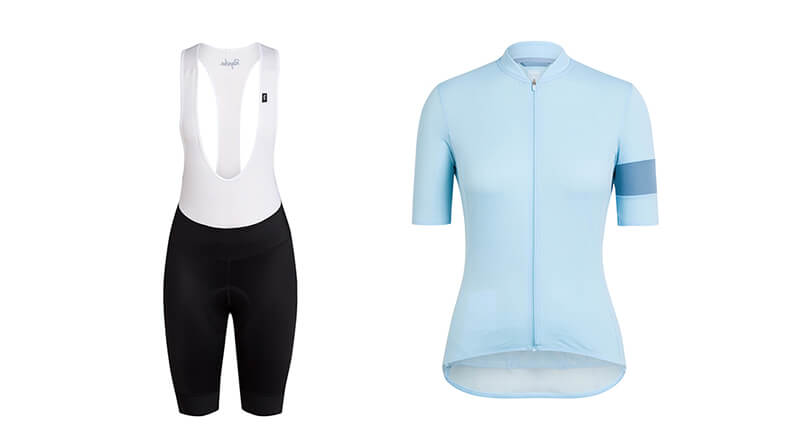
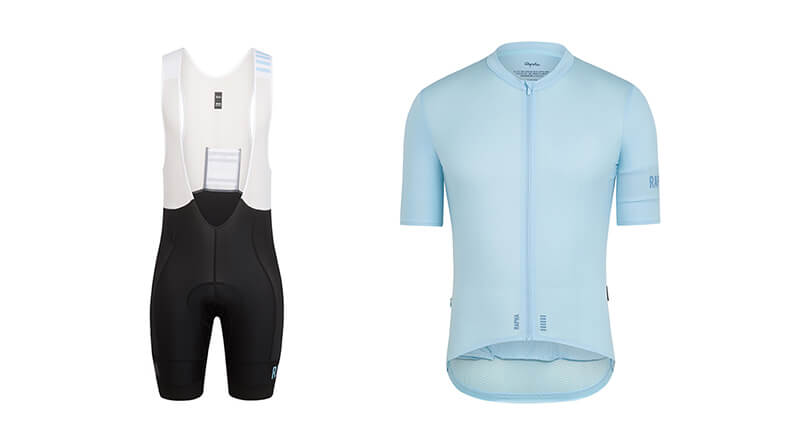
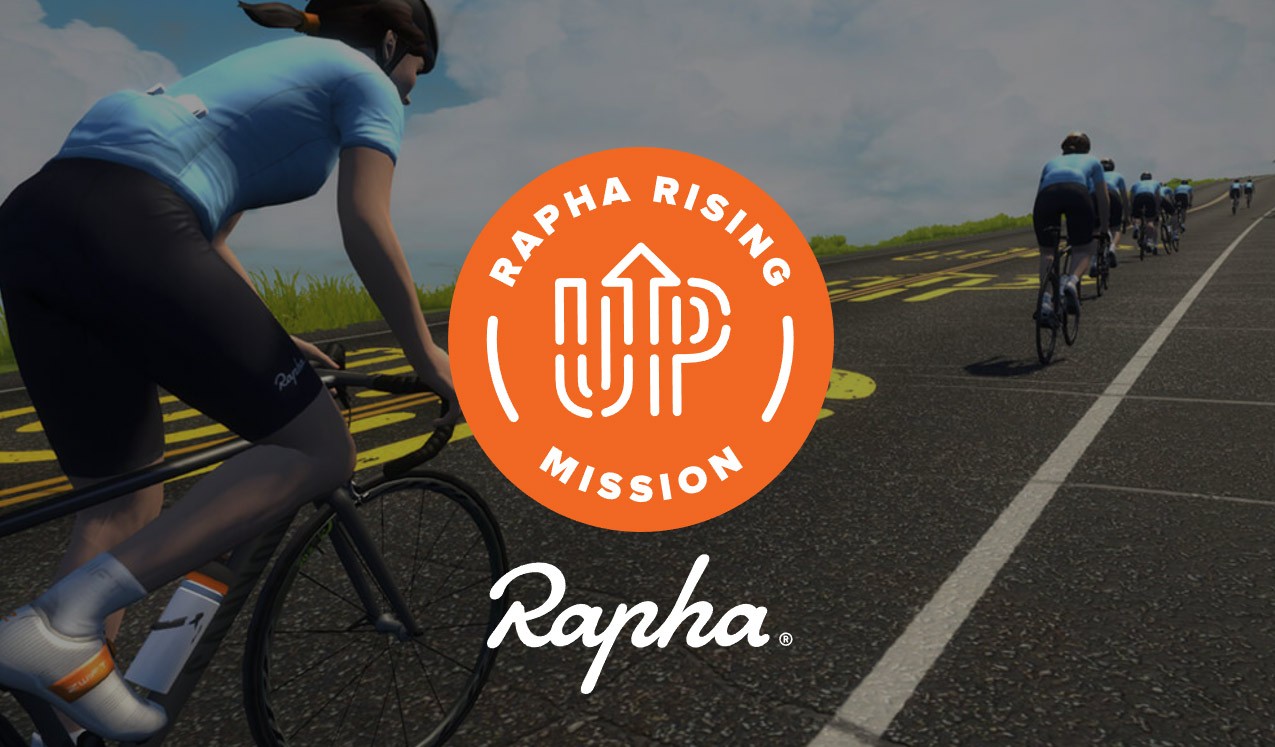
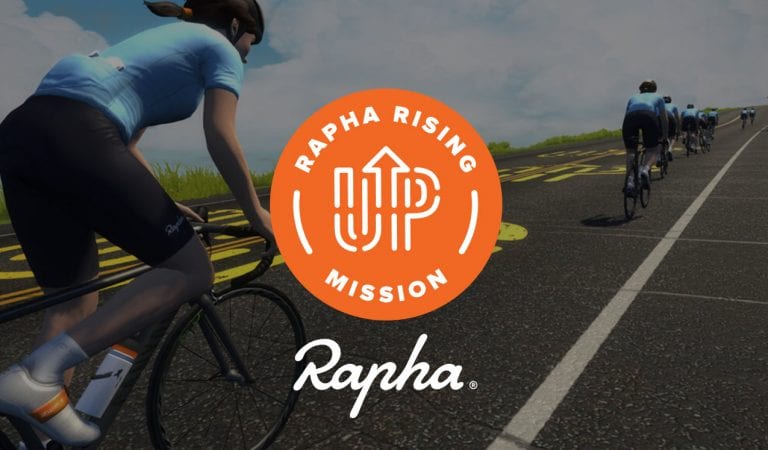
In partnership with Rapha, Zwift has rolled out a new challenge for riders: ride the new Three Sisters route on Watopia and earn a virtual Rapha kit plus a chance to win one of three Pro Team Flyweight Bundles.
How to Enter
Simply click “Join Now” on the startup screen and agree to the terms. (Note: you will need to use the World Tag hack if you want to complete the mission on a non-Watopia day. See July’s course schedule.)
The Three Sisters route takes you up all three Watopian climbs (the original KOM, the Epic KOM including the radio tower, and the volcano climb). Total distance is 47.8km (29.7 miles) with an elevation gain of 879m (2883′).
You must complete your ride by 23:59 UTC July 31st.
Prizes
Successfully complete the mission (it must be accomplished in one session) and an exclusive virtual kit is yours to keep. Additionally, you will be entered into a drawing to win one of three Rapha Pro Team Flyweight Bundles.
Other notable changes include less rain across all worlds, German language support, footpod calibration support for runners, and the addition of July’s Rapha Rising mission.
Episode 30 of Zwiftcast has been released. Here’s the full episode description:
Simon, Shane and Nathan are in Grand Tour mode for the latest episode of the Zwiftcast.
They trio discuss the latest trainer from Elite, the Direto (or Dorrito as it has instantly been christened) which was launched by the Italian company at the TdF.
A compatriot of Shane’s in Melbourne, Mike Boudrie, has compiled a “taxonomy of Zwifters.” He’s come up with four categories ranging from the die-hard to the denier… Simon talks to Mike about his fun list.
The chaps move on to a light-hearted compare-and-contrast exercise on Tour TV coverage on their respective continents before considering the latest chapter in Zwift Academy winner Leah Thorvilson’s amazing story as she competes in the women’s Grand Tour, the Giro Rosa.
Leah has had a tough time and the trio discuss what implications her experience may have on the next editions of the Academy scheme, with both a second women’s contest and a new men’s competition on the horizon.
The first Zwift Masters racing series has just concluded and it’s won a reputation for being not only great racing, but cultivating a super-friendly atmosphere. Simon talks to principal Chris O’Hearn about his conclusions and plans for the next series.
Could Jarvis Island, the first Zwift world, ever return? It’s a perennial topic of discussion and fuel is added to the fire with Simon’s conversation with Zwift 3D artist Tony Yruegas.
The chaps debate the merits of a Jarvis return and Shane confesses what happened when he tried to hack his way back to Jarvis!
You’ve probably heard of Derek Boocock, a fellow Zwifter, ride leader of many WBR (World Bicycle Relief) rides, and an ultra-cyclist living in the Netherlands. If you haven’t heard of him you’ve really missed out as he has the most incredible life story!
It all begins when he was diagnosed with cancer in his thigh at the age of 14. It grew quickly and he was told they’d have to amputate. He loved to run and so his mother championed the doctors to keep his leg. By the time his surgery was done he was told he would never run again and would probably have to wear his brace the rest of his life. A year later he ran his first marathon for charity. He also began cycling seriously.
When he was 21 he joined the army where he found that he was made for endurance sports. Running, climbing, mountaineering and skiing were a huge part of his life.
After the Army he was fascinated with rock climbing, and found that mountain biking was a good way to get to the more remote areas to do so. As he rode more he and a friend set up the West Yorkshire Rough Riders, which continues to flourish to this day. He eventually moved over to road cycling, which opened up more possibilities of ultra endurance events.
In 2005, at the age of 48, Derek’s cancer struck again. This time it was in his prostate and he had a procedure done to rid it. Within weeks of the procedure he was the unofficial trainer for a small group of riders who planned to do a 1,000 mile (~1600 km) LE-JOG charity ride. Because he had just had surgery he was unable to sit on a saddle, so he decided that on their first 100-mile (~160 km) training ride he would do as much of the ride as he could, completely out of the saddle. True to his nature he did the entire 100 miles out of the saddle!
While he was receiving treatment and gaining back strength he also rode in a charity challenge of 970 miles (~1560 km) in 4 days, raising money to send a friend to the Philippines on a mission. He also rode the Marmotte where he gained the gold standard for his age group.
In 2007 his wife Caroline was diagnosed with breast cancer and they responded by running their own event to raise funds for cancer research. In late 2009 she was diagnosed with secondary stage breast cancer and was given just 12 months to live. She died 9 weeks later. Derek’s world fell apart and he fell into a deep depression. He quit taking care of himself, let his business slip and shut out the world.
During this difficult time he found his cancer had spread to his lungs. He beat it again, but lost most of his left lung in the process. His lung cancer is terminal and in October 2012 he was told he had 12 months to live. He decided to go cycle touring. When his doctor asked him where he’d go he said to the roof of the world. The doctor laughed and told him it would be impossible to breathe up there. He replied “I like impossible!”
Roof of the World
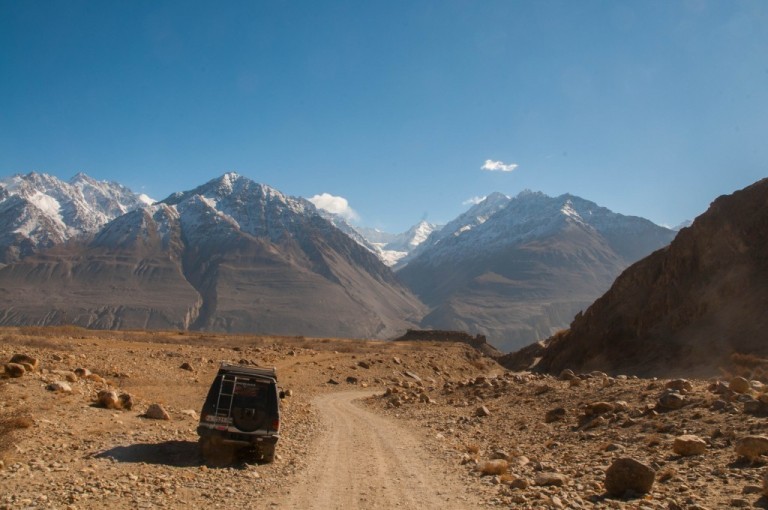
He took the next few weeks to sell his house, business and car. Everything else he gave away to charity. His only worldly possessions were now in his bike panniers. He made it to the roof of the world, cycled the Pamir Highway and sent the oncologist a postcard that read “nothing is impossible.”
Continuing on his tour he ended up cycling across Canada where he met the love of his life, Hilke, also an avid cyclist. Derek spent much time with Hilke and on club rides trying to gain his fitness back. During the winters Derek needed a training system that kept him inside due to his poor immune system and that’s when he found Zwift. By the beginning of 2016 he was back to decent fitness and completed 410 kms (~250 miles) in the New Year 12-hour Time Trial. In October 2016 he broke the Zwift distance record, cycling 1,620 km (~1006 miles) in 52 hours, 37 minutes and in December he scored the highest mileage in the World Bicycle Relief charity event that raised funds to send buffalo bikes to Africa. Derek continues to lead rides on Zwift for TeamWBR, to help Zwifters in their training. TeamWBR also offers races on Zwift as one way to get awareness out about the Buffalo Bikes that WBR sends all over the world.
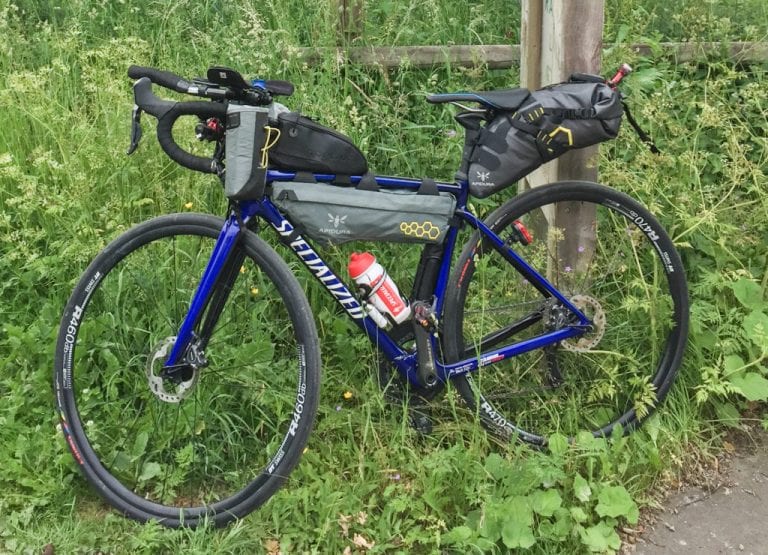
Most recently Derek has been training for the IRL Transcontinental Race coming up on July 28th where he will be raising funds again for World Bicycle Relief. On June 18th, 2017 Derek was taking a rest after a grueling 600km (~372 miles) audax as part of his training. He was sleep-deprived and left his bike for 60 seconds to grab a snack and his bike and most of his kit were stolen. He had been training for the Transcontinental for over a year and had worked very hard to get the proper kit for it. He was devastated.
He, and some of his friends from the virtual TeamWBR have been working to get the funds back to replace everything so he can continue with the plans to race on the 28th. Stephen Tweed, a fellow TeamWBR mate is heading up a fundraiser which has gone quite well. Specialized has offered to loan him a demo bike with the option to purchase it should he be able to raise sufficient funds. The Zwift world has currently raised £1,620 (~$2100) of the £6,000 (~$7800) needed, supporting not just Derek, but also all of the charities he raises funds for! Stephen Tweed told us that the support Derek has seen through being on the receiving end of a charity has given him a real desire and determination to give it his all at the Transcontinental Race.
If Derek is able to collect all of the monies he needs to put his kit back together he’ll go on a long overnight ride to finalize and test his equipment in preparation for the race. In the meantime, he’ll keep riding his Giant aluminum training bike on Zwift. If you see him out there, give him a Ride On and then head over to the fundraising page and help a generous man get back on his mission!
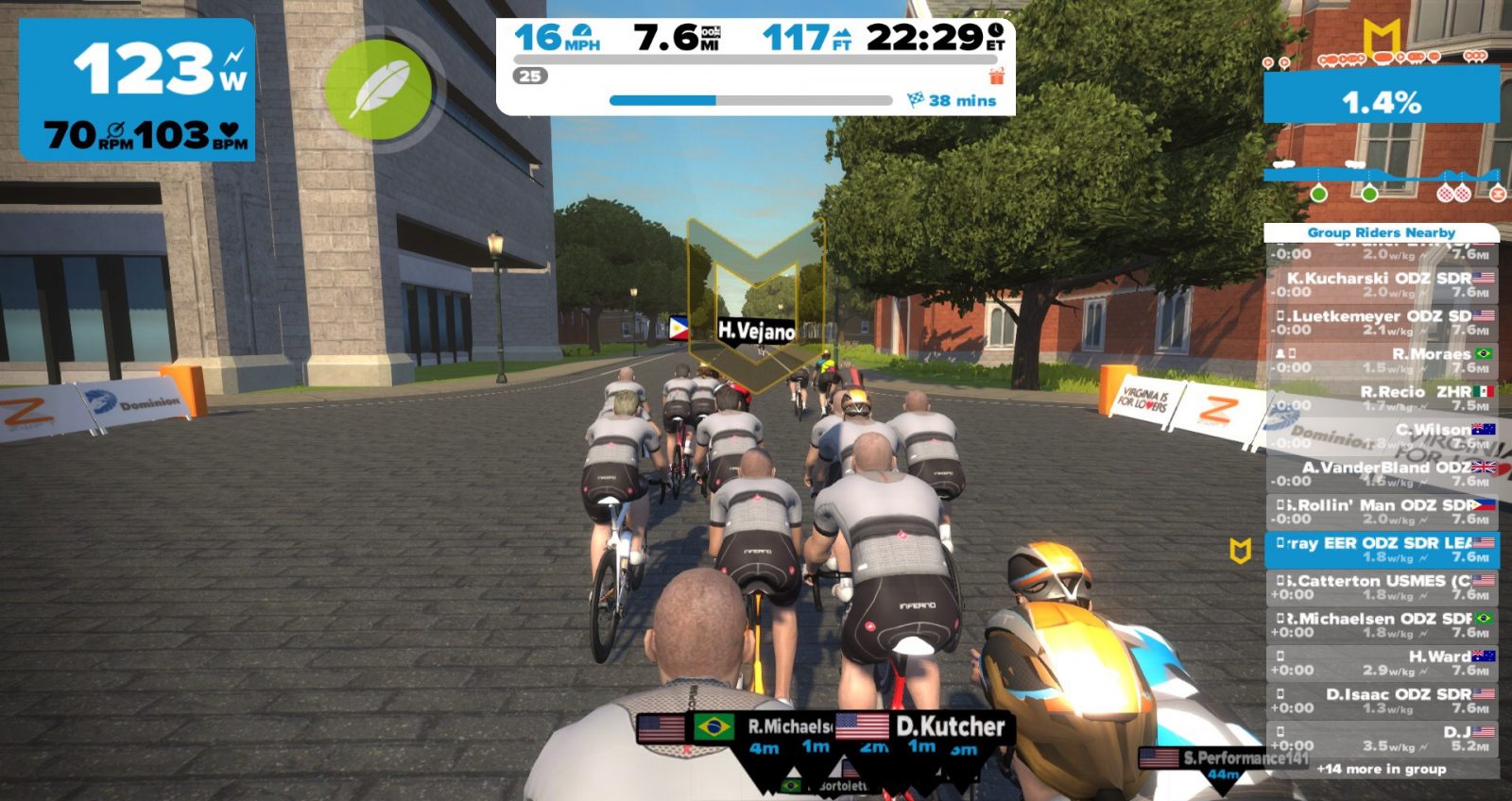
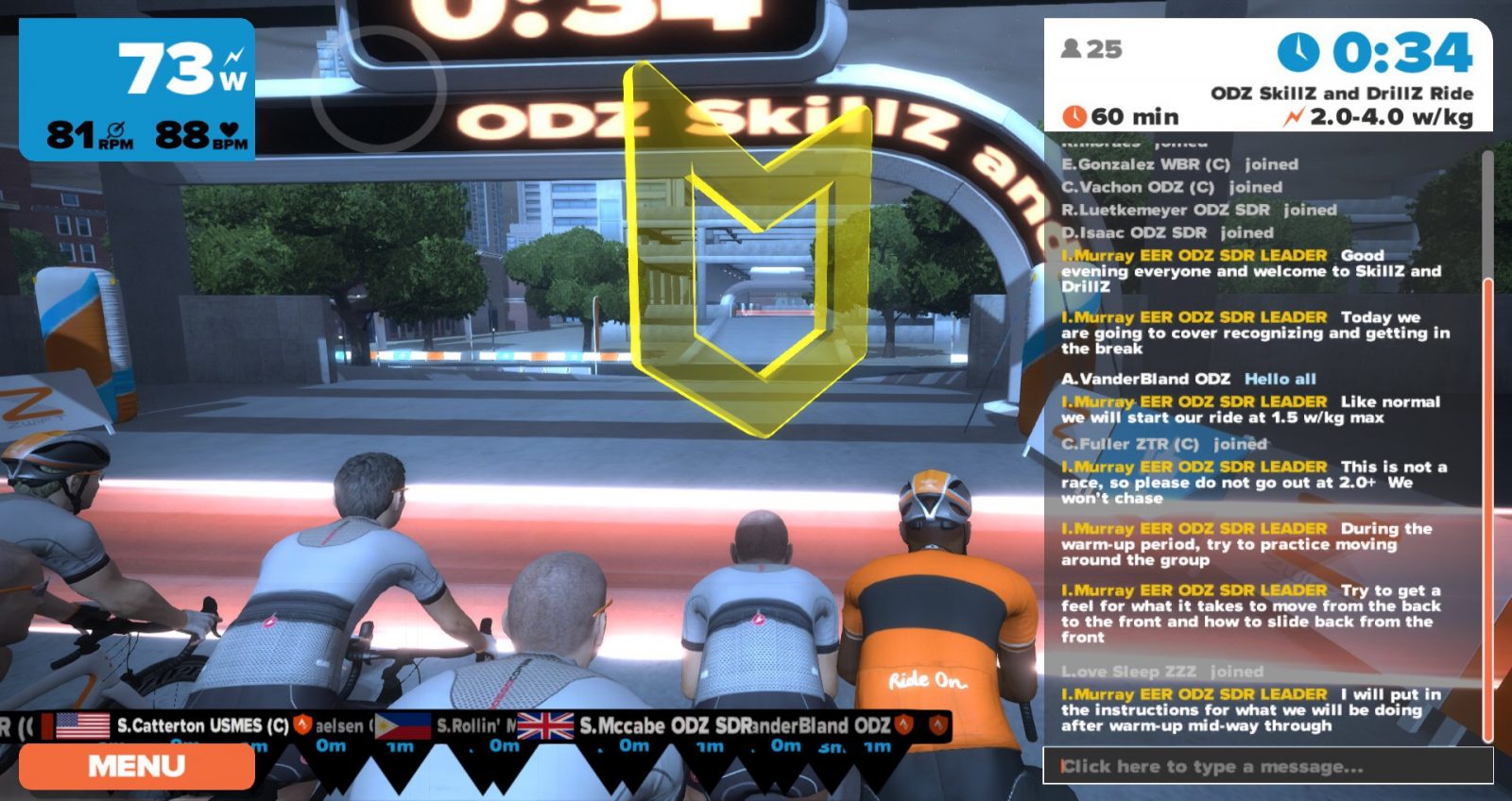
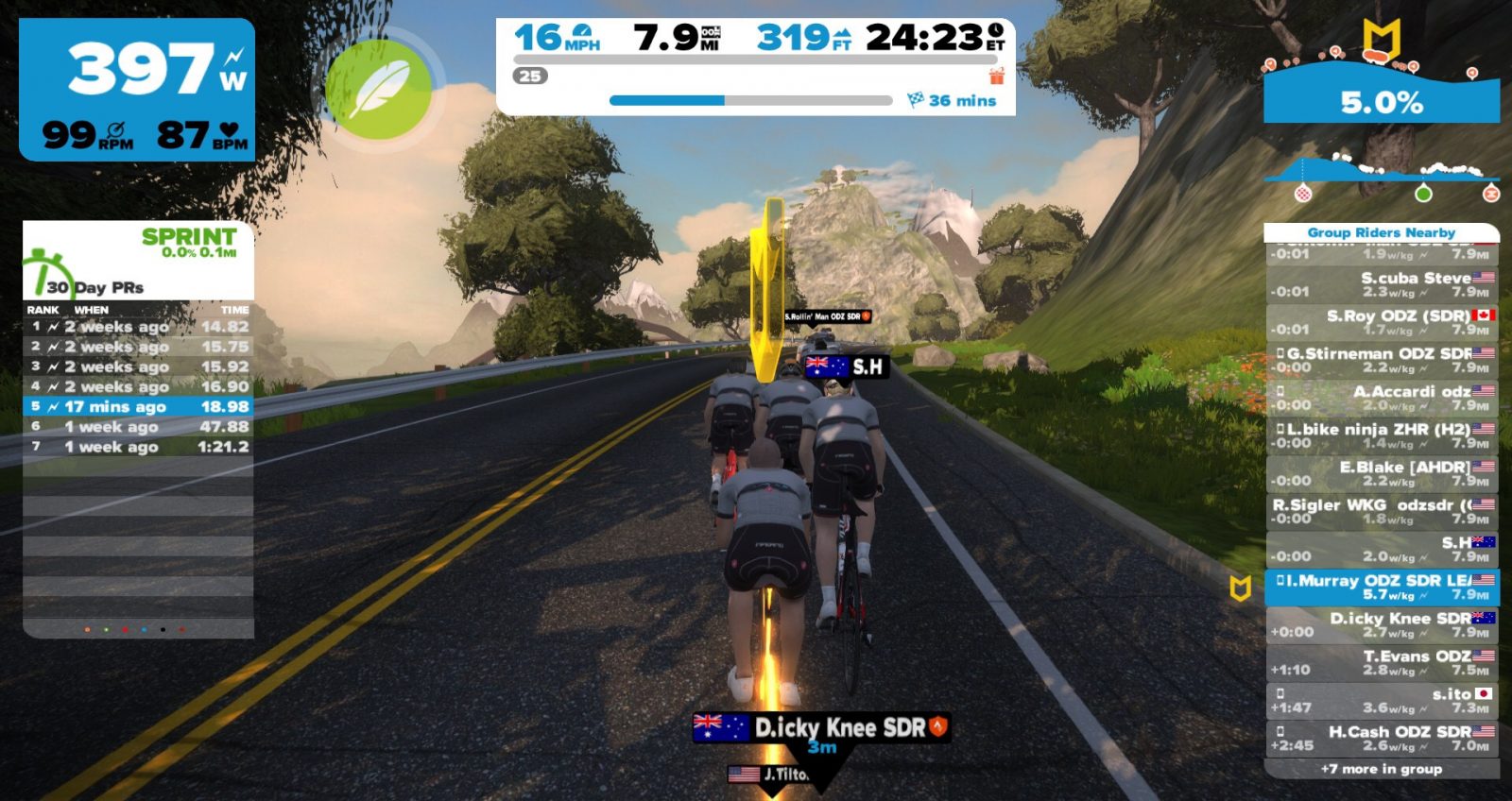
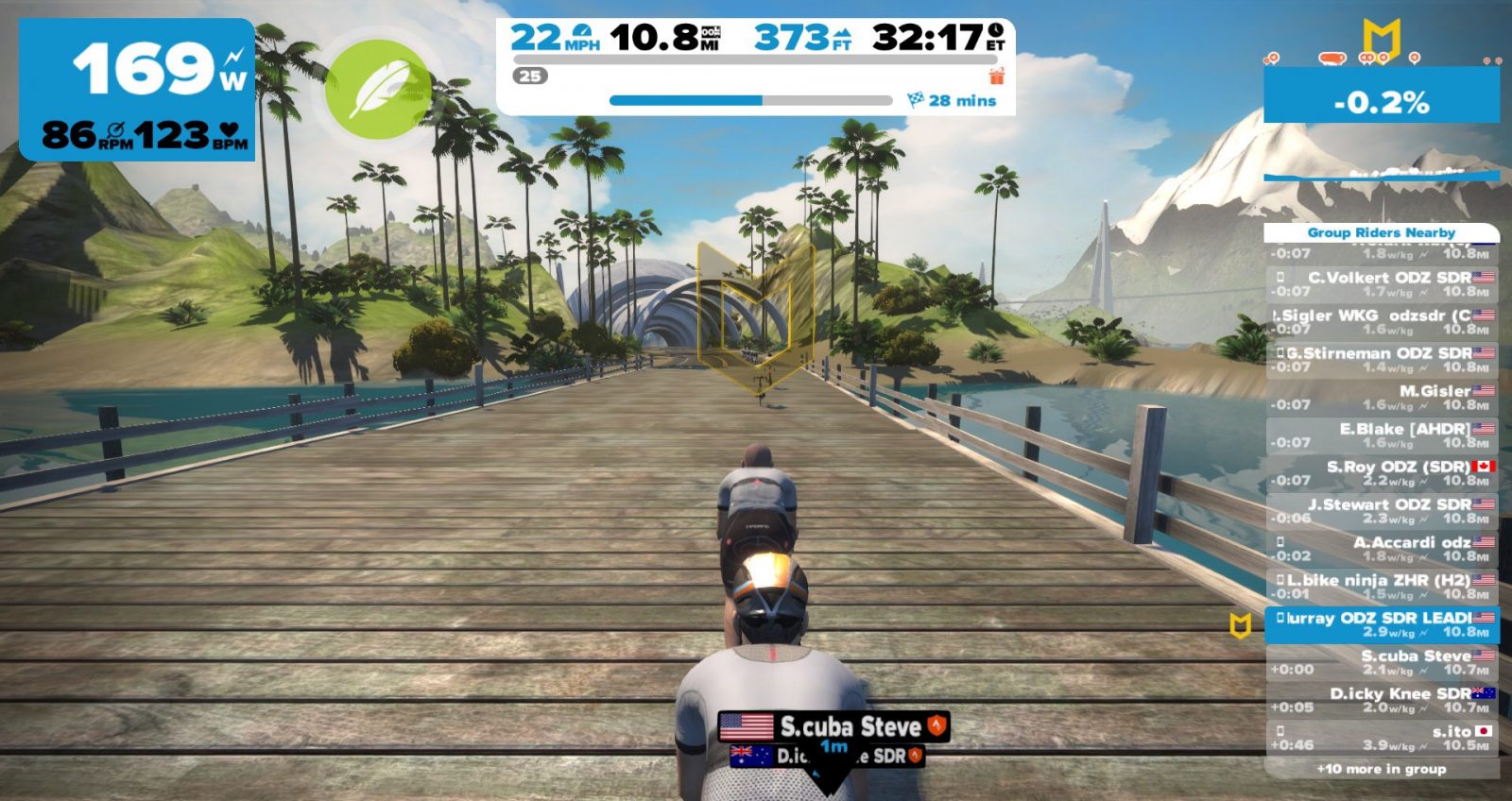
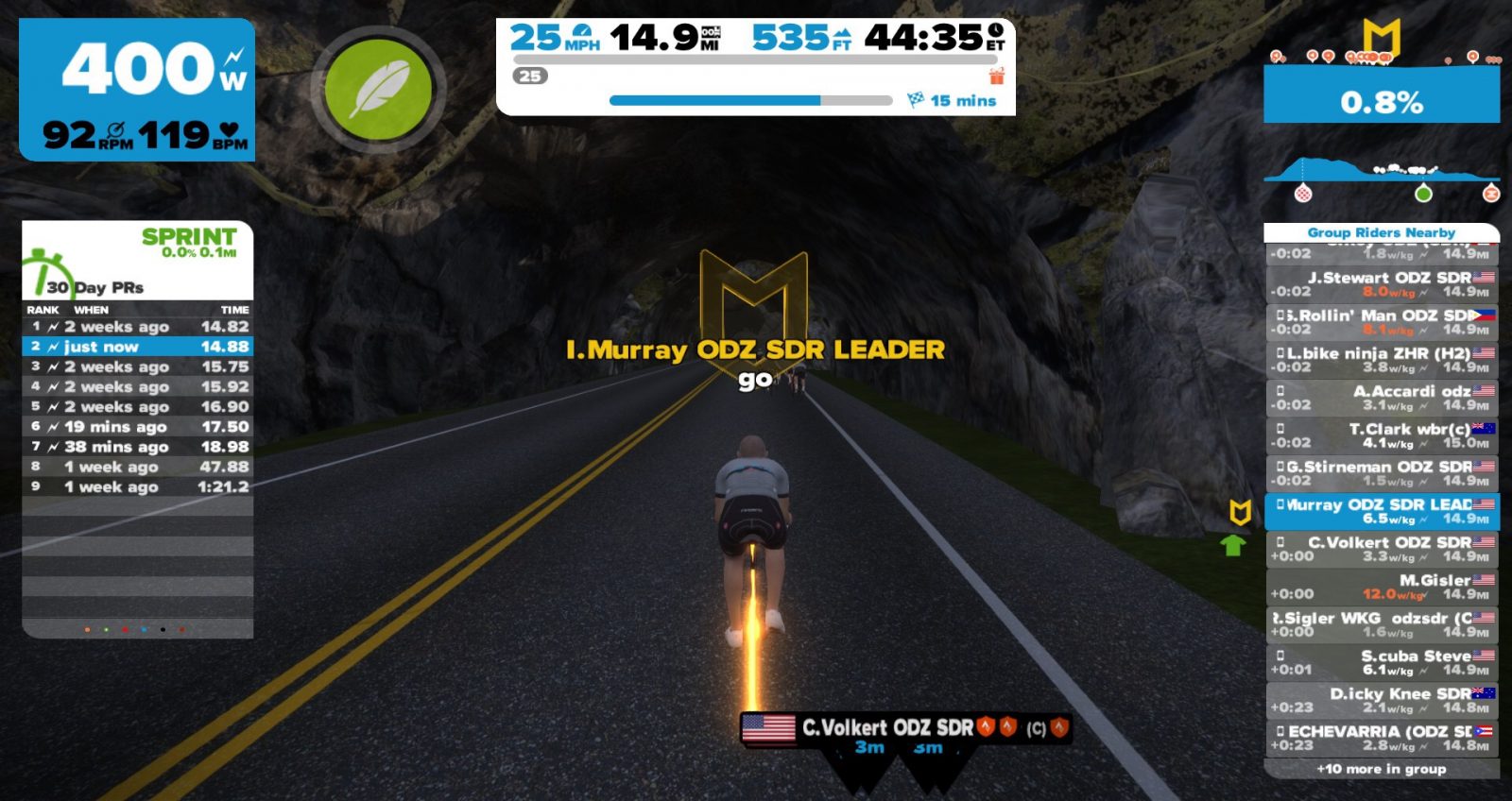
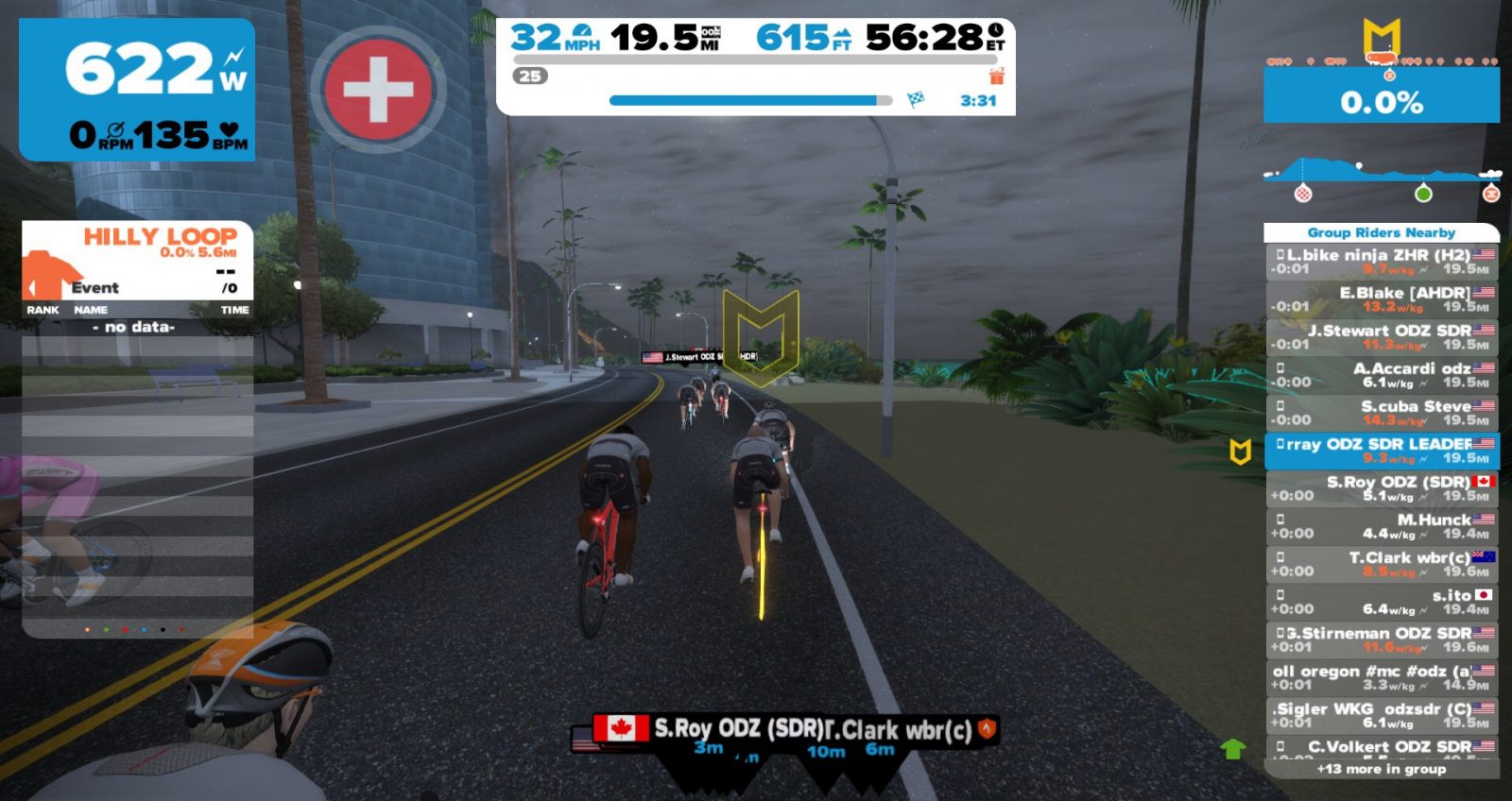
ODZ SkillZ and DrillZ, 7 June – To chase or to sit on, that is the question. Had Shakespeare been a cyclist, I am sure that the quote would have been uttered during many a race. Even in medieval England, I am sure that the renaissance thinkers would have struggled with the decision of whether to burn a match by chasing someone who rolled off the front on accident rather than an actual attack. Thus, we took a stab at trying to mitigate the risk of making a bad decision. For the full video of this class, check out Zwift Live by ODZ on Facebook or watch it below.
Attacks Don’t Wear Name Tags
Every rider, no matter how strong, has a finite amount of energy to attack or respond to attacks. Some riders have more and others less. The amount even differs from day to day and race to race. Why then do we waste precious energy chasing down a rider who opened a small gap but isn’t attacking? Watch any Zwift race or IRL lower-level race, and you will see this happen time and again.
That was our jumping off point for today’s class. We focused on two areas today, recognizing an attack and initiating an attack. If a rider can differentiate between an attack and an accidental gap with relative accuracy, that rider will have more energy to expend later in the race. Put another way, you will have matches remaining in the book for late-race moves.
So, how do we recognize an action for what it is? It is actually surprisingly easy if you pay attention. In Zwift, you can see the W/kg output, and during the IRL races you can simply watch the legs of a rider moving off the front. Seriously, that is the easiest way to tell.
How does it work? Well, a rider on the attack looks different than a rider who just rolled off the front with no intent of getting away. A rider on the attack’s legs will appear to be under stress. That’s because they are. Unless you make your move when the entire bunch is in the midst of a natural break, you have to go pretty hard to get away. There is simply no faking it. The same thing goes for Zwift. If you see the W/kg drop off once the avatar rolls off the front, then that was not an attack.
Once we recognize that a rider rolling off the front is not an attack, it is a very simple process. We simply keep a steady tempo, maybe slightly lifting the pace for a minute or so, and bring the wayward rider back into the fold. There is no need for dramatics. There is no need for monster surges. Don’t overreact. Just bring the rider back steadily. Because, if you let the gap remain or even grow, you will encourage the rider to attack.
For a great example of this, check out the video below at the 1:27:00 point:
I. Am Batman stood up to stretch and rolled a bike length off the front. Being that he is my teammate, I let a bigger gap open. And then let it go some more. Since I had done the lion’s share of chasing all race, the other two riders must have assumed that I was going to close the gap. Not so much. Without even trying, the Caped Crusader had five second on the bunch, and I told him to go. He parlayed that small mistake by the other riders into a podium finish (winner out of our chase group).
Turning the Other Cheek
Ok, so we have just recognized that a rider has attacked us. What do we do? Do we turn the other cheek and bid them a fond farewell with a congratulatory wave? Hell no. As soon as the recognition thought sparks in our brains, we want our synapses to in turn fire up the turbojets to get us on the wheel of the attacker. The quicker you identify the move as an attack, the less energy you have to expend to get on the attacker’s wheel.
That is critical. Do not waste your precious energy reserves waiting to see if anyone else will chase once you recognize the attack. The longer you wait, the more matches you have to burn to get on terms with the attacker. Once you make the back wheel, sit there until you are sure that the move is going to have the chance to succeed before you offer to do any work. Fight the urge to contribute right away.
If it looks like the gap will open up, start working with your breakaway companions. If not, keep recovering and wait for the next move. Unless you prefer to be a little more proactive….
Throwing the First Punch
I have never been a fan of the guidance of waiting to be attacked before I respond. I am a big proponent of proactive self-defense, meaning that I strike on my terms when I feel the need for self-preservation. In a race, that means attacking on climbs vs on the flats, into a headwind.
The second focus of the day was how to initiate an attack. It really isn’t all that hard. Just go faster than the other riders until you have a gap. Ok, it is a bit more complex than that. Initiating the attack is all about surprise, dosing your effort, and knowing the purpose of your attack.
Know your desired outcome. Not every attack is done in attempt to go for the win. Sometimes, the attack is to soften up opponents for a teammate to make a later attack. Maybe the attack is launched to drop a strong flats rider with a finishing kick who struggles on the climb. That clear goal will help you determine when and for how long you carry on the attack even if you don’t completely get away.
Once we have the purpose clearly defined in our helmets, we have to set up our move. In the class, we practiced launching our attacks from multiple positions within the peloton. Despite the peloton being on the smaller size, positioning still mattered. In fact, on our later iterations of the drillz, everyone was able to easily identify and respond to attacks from the back of the group. It simply takes too long to move from the back to the front, even at attack speeds. Plus, the existing draft worked in favor of the responding riders, as they latched on to the attacker as he passed.
Yes, position matters. To have a chance of a successful attack, we found that the front third of the peloton, usually only a few riders off the front worked best. That’s because you could ramp up the speed using the draft of the riders on the front as a slingshot. Then, just as you hit the front, you accelerate to full speed, creating a gap and taking the riders on the very front and in the middle and back by complete surprise.
Even if you get away clean, the bunch may chase and shut you down. If you see that happening, treat like a tractor beam. Don’t fight it. Let them bring you back while your legs recover. Then, try it again. Eventually, the move will stick, or you will be out of matches. Don’t forget to be a team player, too. If a rider or two make it over to you on the attack, work with them to give the move a chance to succeed.
Wrapup
Well, that’s it for now from me. Remember to pay attention to your surroundings. Just because a rider rolls off of the front doesn’t mean it is an attack. Likewise, just because it didn’t start as an attack doesn’t mean it won’t convert into an attack. Give these techniques a whirl on you next race, and let us know how it turned out. Until next time, Ride On!
Episode 29 of Zwiftcast has been released. Here’s the full episode description:
Simon, Shane and Nathan return for a truly global episode of the podcast for Zwifters.
We kick off with Simon and Shane in London for the launch of the Zwift Women’s Academy , the scheme which has already produced one pro rider, and is now looking to find a second.
At the launch, Zwift CEO Eric Min caused Simon’s eyebrows to rise with a revelation that the company is working on a men’s version of the academy which should be launched within a year. Simon and Shane discuss . . . .
We have the first of three reports, throughout the podcast, from Nathan in Iceland where he was taking part in a gruelling 880 mile race around the perimeter of the island, working, at first, in conjunction with a Zwift team, and then – in fierce competition with them.
Now back in Melbourne, Shane gives his views on the long-awaited London extension, the real life version of which he had ridden only a day or two before. Both agree that the addition of spectators holds real promise.
After another report from Nathan, Simon talks to Daniel Hewitt, the engineer at Zwift responsible for, amongst other things, rider behaviour. It’s a great insight into this most complicated aspect of the game.
Hill repeats are a common training technique – but why do we do them and what benefit do we get? Coach to pro riders, Kevin Poulton explains and suggests a few good sessions.
The last feature in this edition is well worth a listen – Simon caught up with Nathan soon after he’d crossed the finish line in Iceland. The last few kilometers of this draining race was packed with drama.
Castelli SkillZ and DrillZ Ride, 31 May – Getting yourself ready for a sprint can be a daunting, pressure-filled task. Since the vast majority of us are not elite/professional-level riders, we rarely have a lead-out train to help us out. Thus, we are often left to our own devices, where we inevitably have more opportunities to screw it up than we need. As usual, you can see the entire class on Zwift Live by ODZ on Facebook or watch below:
Starting from Bad
When I thought of the best way to shape this class, I simply had to remember all of the times I messed up my sprint finish. Whether the sprint is for the town line with your buddies or for the win at a national-level event, poor gear choice will cost you. That’s why we started today by showing how not to do it and ended on the right way to do things.
Like normal, we began our class with the usual ten minutes of warm-up by practicing moving around the bunch. We always try to reinforce this skill, as maintaining a smart position in the peloton can be the difference maker in determining who gets the win or who gets dropped.
Engine Lag
After our brief warm-up, we got in to the section of the class that I called “What Not to Gear.” The first focus was the inevitable problem of over-gearing the sprint. By that, I simply mean that we shift into too hard of a gear to start the sprint in an efficient manner. When we over-gear, our ability to get that initial burst pretty much goes away. That is because we have to put so much effort into turning the pedals over that the stroke is choppy, as is the power transfer. Thus, we burn extra energy gripping and pulling on the bars instead of transferring that energy into the pedals.
The inefficiency can best be equated to shifting into fourth or fifth gear in your car and trying to accelerate from a slow speed. Clearly, fourth and fifth gears are not meant to be used until the vehicle has reached a certain minimum speed threshold. It is the same on the bike. If you are in your 18-tooth sprocket, shifting into the 11-tooth sprocket without going the appropriate speed will leave you with a gear ratio that just won’t work.
Pegging the Tachometer
The other end of the spectrum is just as problematic. Rather than over-gear, some riders routinely under-gear and end up spinning out the gears, leaving them unable to produce high-end watts. Sticking with our car metaphor, under-gearing is like driving on the interstate in second or third gear. The engine whines and the tachometer pushes all the way to the red. At a certain point, the car just won’t go any faster despite more power being available in the engine. The lower gearing may still afford you the opportunity to burst away from your competition, but you will quickly hit your top-end velocity without any additional shifting.
Stressing Out Your Drivetrain
As we discussed the two techniques not to employ, we briefly hit on other fatal flaws that usually follow from poor gearing choices. The reason is because your chain is a bit of a prima donna. It doesn’t like to shift under strain or stress. It really prefers nice smooth shifting when the tension is not at a high level.
That’s great when we are just tooling around but is not very helpful in the heat of bicycle battles. No, it actually is a critical weakness in the drivetrain construct on bicycles. I’m not an engineer, though, so I have no solutions for you other than try not to shift with the strain under maximum stress.
In our two previous scenarios, shifting will likely lead to a problem. In the over-gearing case, you probably have to shift to an easier gear as other riders get away from you. The extra stress on the chain and derailleurs will probably cause some skipping, popping, and maybe dropping of the chain. In the worst case, you could break the chain, quickly ending your sprint. Actually, any of the above-mentioned problems will take you out of contention immediately. In the case of under-gearing, you will have to shift more often or do cross multiple gears at one time to compensate for the cadence and gearing ratio. The jumping of multiple gears while holding a high cadence likely will result in similar problems as over-gearing, except the problems will occur when the chain teeth of the newly-selected sprocket attempt to catch the chain. A broken chain is less likely to occur, but you also risk shifting past an efficient gear trying to stop the bouncing from the excessive cadence.
Getting to the Meat
Since we really weren’t capable of setting up a bunch of leadout trains, we focused our how-to effort on two different scenarios: sprinting from speed and the tactical sprint. The sprinting from speed situation is similar to a small bunch arriving at the finish line but no real team effort taking place. The tactical sprint is really more about sprinting from a very small group where the speed drops off just before the opening.
Sprinting from Speed
When we talk about sprinting from speed, we are really talking about opening up your sprint when you are already pretty much pegged. This type of sprint is all about your ability to dig deep and hold it. This type of sprint is not usually a very long one, so the key is getting a good jump. After the jump, you really have to hold that top-end power, which makes your gear selection crucial. You do not want to spin out, as your power will drop significantly, and over-gearing will cause you to lock up. We practiced this a couple of times from the group before switching to the tactical sprint.
Playing Speed Chess
The tactical sprint is much like playing speed chess. You have very little time to make decisions. Sure, the speed slows down, but everything usually unfolds in the last 600 meters. Well, it does unless you are racing with certain people who always start the sprint from one kilometer out. As I said, the speed usually drops off significantly as the finish line approaches. Riders attempt to position themselves in a position of advantage, which usually causes the slowdown due to nobody wanting to be on the front. Once in your tactically advantageous (or not) position, you have to determine the right time to make your move. When you go, though, you have to commit. The success of the tactical sprint lies in the ability to make a huge burst and get up to top speed as quickly as possible. The element of surprise, which comes from being in an advantageous position, combined with the rapid acceleration will create the gap that limits the ability of the chasers to use the attackers draft to slingshot around the attacker.
The key to gearing on the tactical sprint is to have enough resistance in the drivetrain to allow for the burst. You will likely have to shift at least once, but if you set the move up correctly and picked a good gear, one should be enough. When you do make the shift, slightly ease off the pedals to limit the risk of any skipping, popping, or dropping.
The Guarantee
Ok, even if you execute the gearing choice to perfection, there is no guarantee you will win the race. You will have the best opportunity available, but you still have to generate the power and hold it through the finish. During your workouts, practice your gearing, so you know the appropriate selection for each situation. That will give you a leg up on your competition the next time you come down to a reduced field sprint.
Next week, we’ll cover recognizing and initiating an attack. Until then, Ride On!

 How to Enter