Home Blog Page 406

Opinion: FTP-Based Enforcement (Race Categories, Part 1)

197

When a complaint pops up so often that it turns into a meme, it’s time to sit up and take notice.

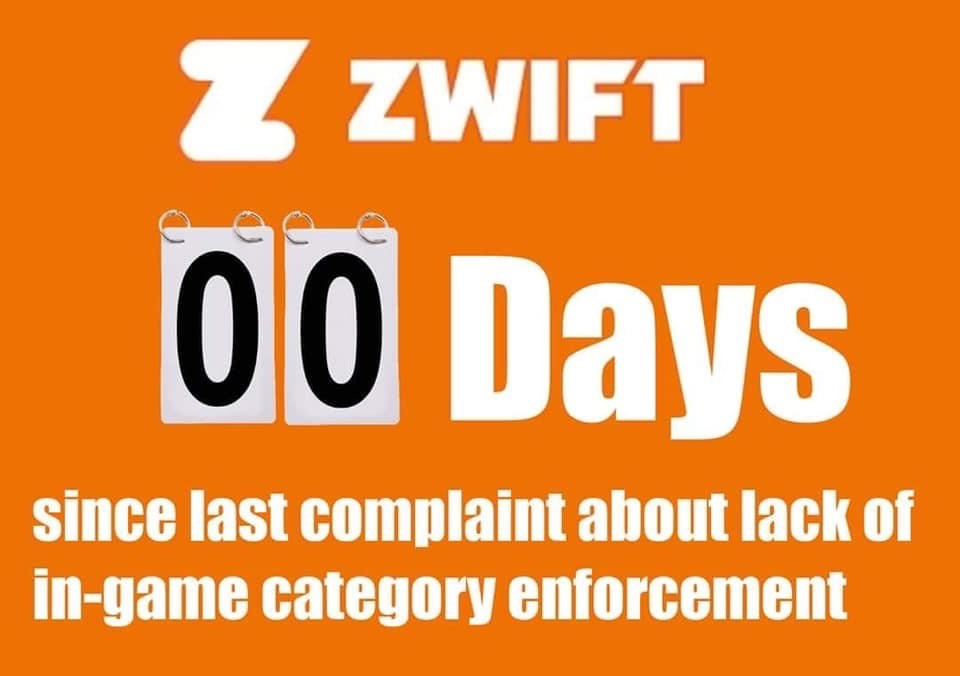
This is the situation Zwift finds itself in this winter regarding a lack of racing category enforcement. Here’s one image often shared on social media when a racer pops in to complain, once again, that their C race was blown apart by riders holding 4.5w/kg.
The Situation Today

Right now, Zwifters can join any race category they wish. (One exception: women-only categories cannot be joined by men.) That means a strong A racer can hop into a D race, or vice-versa.

If the race organizer sets category limits, those are enforced after the race through the community-developed ZwiftPower.com website. Serious Zwift racers know ZwiftPower the only place where “real” results exist.

While races can customize their categorization schemes, the vast majority use ZwiftPower’s categories, which work like this:
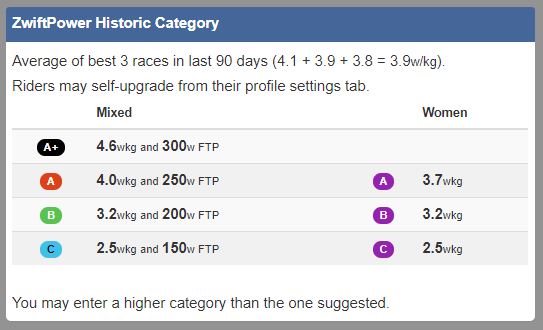
(You can know if a race uses the ZwiftPower categories because it will say “ZwiftPower category overrides wkg” at the top of its ZwiftPower page.)

While some may disagree, I think ZwiftPower’s categories do a good job of breaking riders into groups that can compete well against each other.

Yes, the categorization scheme could be improved, and we’ll talk more about that. But there are two much bigger problems with how things work today.

Problem #1: Post-Race Enforcement

Since everything is enforced after the event, sandbaggers can still wreck the race. If you’re an A on ZwiftPower (let’s say your FTP is 325 watts, or 4.3 w/kg), you can still race in the D’s (where FTP should be below 2.5 w/kg). During the race, you may put in hard attacks or take long pulls which change the outcome of the race. Perhaps certain riders will try to hold your wheel and blow up. Maybe some will break away with you, dropping riders who would have otherwise made it to the end of the race with the front pack.

If it’s a chase race you can really mess things up, because your power on the front breaks the system of time gaps carefully set up by race organizers. Example: the race organizer may have the D category begin 2 minutes behind the C’s, knowing that the more powerful C’s will catch up to the D’s near the end of the race given that time gap. But if you’re on the front of the D’s putting out A power, the C’s will never catch your D group.

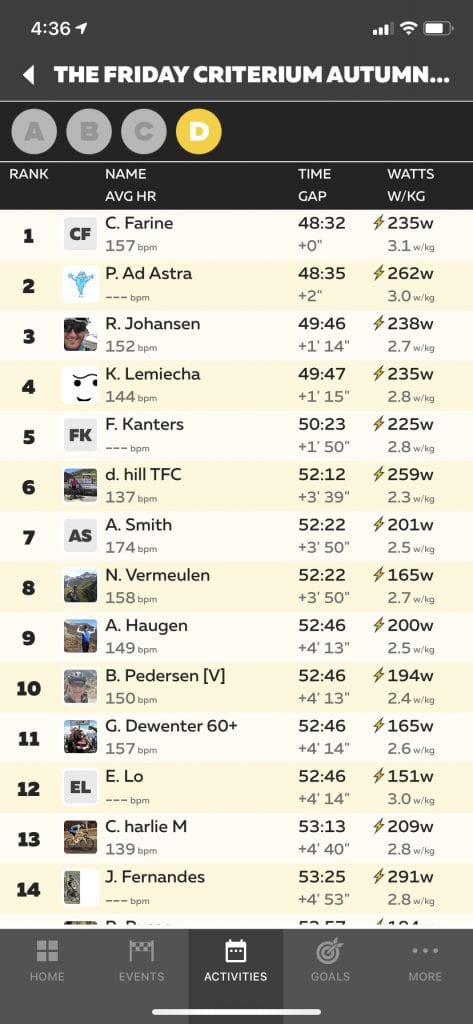
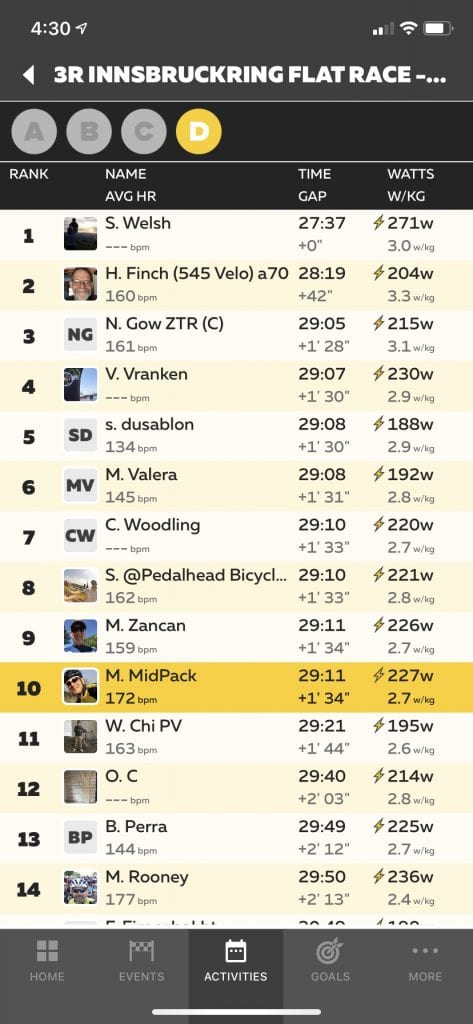
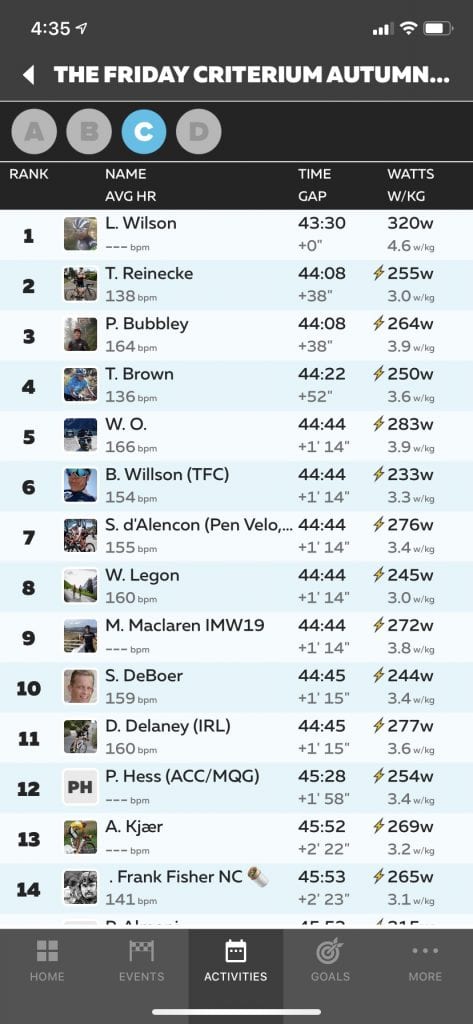
And here’s the kicker: at the end of the race you won’t see any warnings at all (apart from angry messages sent by legit D racers). You’ll probably cross the finish line first, and you will show up as first in the on-screen D category results in the Companion app.

Here are three race results screens from recent events. Note how high above the category limits the “winners” are, and how there is zero indication that they are disqualified:
Yes, sandbaggers are removed from the final results on ZwiftPower. But that brings us to the second problem…

Problem #2: ZwiftPower Required

Riders have to be connected to ZwiftPower to show in the final results. Yet so many Zwifters aren’t on ZwiftPower–particularly new riders and those who don’t care much about riding in the correct category.

The end result is that 50 people may be in race, but only 35 are registered on ZwiftPower and thus show up in the final results. (I call it “grading on a curve” because whenever I check my final results on ZwiftPower, I’m almost always a place or two higher than the in-game results showed.)

How Big Is the Problem?

It’s fine to say there is a problem… but do the numbers actually back it up? I took a quick look at today’s race results on ZwiftPower, and selected four races that had a decent number of participants. I didn’t pick and choose to support my theory–these are just the first four I selected.

For each race I looked at the total number of riders who entered, how many of those riders weren’t signed up for ZwiftPower, and how many were filtered out for breaking race rules.

  • Crit City (see on ZwiftPower): 257 total riders, 85 not signed up for ZwiftPower, 22 filtered.
    Result: 41% of participants don’t show in the final results.
  • 3R Richmond Flat (see on ZwiftPower): 269 total riders, 170 not signed up for ZwiftPower, 22 filtered.
    Result: 71% of participants don’t show in the final results.
  • EVR Asia Race (see on ZwiftPower): 155 total riders, 73 not signed up for ZwiftPower, 13 filtered out.
    Result: 55% of participants don’t show in the final results.
  • The Friday Criterium (see on ZwiftPower): 145 total riders, 47 not signed up for ZwiftPower, 18 filtered out.
    Result: 45% of participants don’t show in the final results.

Wow! I honestly didn’t think the numbers would be that dramatic. If we add those up like it was one big race, we end up, on average, removing 54% of the riders from the final ZwiftPower results.

A Dilemma

My educated guess is that the percentage of racers not using ZwiftPower is much higher today than it was a year or two ago. With Companion offering what appear to be legit race results, many riders don’t see a need to hassle with ZwiftPower. Heck–many racers don’t even know ZwiftPower exists!

So we’re in this weird situation where we say that the final results are on ZwiftPower–but if half of the racers aren’t showing up there, can we really call those results valid?

I don’t think we can.

This means we’re left with a choice between two insufficient options: Zwift’s results which include sandbaggers, or ZwiftPower’s results which leave out many legitimate racers.

The Way Forward

Most of what I’ve written above is common knowledge among experienced Zwift racers. I only shared it to make sure we all know where things stand, so we can agree there’s a need for change.

So what is the way forward? That will be the topic of some upcoming posts, but let me share a few ideas today.

Keep It Fun… for Everyone!

Zwift has succeeded because they’ve made indoor training fun. And that should be their continued goal as they tackle the race categorization challenge. Racing is fun because it’s good training spurred on by a spirit of competition, but if the competition isn’t fair, the fun goes away.

It’s worth mentioning that the sandbagging problem disproportionately affects the lower categories. You can’t sandbag in the A’s, and most riders in the B’s are experienced enough to know where they should race. But the C and D categories get a lot of overqualified racers who really mess up the experience for the legitimate C’s and D’s.

A Phased Approach

Designing a race categorization system for Zwift is no small task. It includes big deliverables like:

  • Designing the actual system on paper
  • Implementing UI elements which make it simple for Zwifters sign up, participate in, and view results of races
  • Coding the backend number-crunching which categorizes riders
  • Building tools so event organizers can use the system

If Zwift waits for the entire system to be perfect, it will never launch. A phased approach is probably wise. Perhaps something along these lines:

  1. Now: simple categorization based on riders’ FTP
  2. Soon: categorize riders based on their phenotype (perhaps using their stored 15s, 1-minute, 5-minute, and 20-minute power bests)
  3. Later: roll out a complete results-based categorization system

A Quick Win?

Let’s talk about #1 above (we’ll talk about #2 and #3 in later posts). I believe this has the potential to be both simple to implement and effective in improving everyone’s race experience.

Categorization would be based entirely off of each rider’s saved FTP number, meaning Zwift has no additional data to crunch. Category limits could be exactly what ZwiftPower already uses (see above).

Example: my FTP is 300 watts, and I weigh 80kg (3.75w/kg). Standard categorization scheme is:

  • A+: FTP above 4.6w/kg and 300w
  • A: FTP of 4.0-4.6w/kg+ and 250w+
  • B: FTP of 3.2-4.0w/kg and 200w+
  • C: FTP of 2.5-3.2w/kg and 150w+
  • D: FTP below 2.5w/kg

When signing up for the event, I would only be allowed to join the A+, A, or B categories, since my FTP indicates I’m too strong to race the D’s or C’s.

Yes, Zwifters could change their FTP to cheat the system. And some certainly would. But don’t you think this would stop most of the sandbagging already happening? I believe it would improve the current situation dramatically.

This simple system could be upgraded to make it more powerful, but if Zwift wants to implement something simple soon, this may be a smart approach to take. Because it’s easy, and it would work.

Plans from Zwift HQ

I should mention that I’ve spoken with folks at Zwift HQ about the need for a better race categorization system. They certainly agree there is a need–it’s just a question of how to best meet that need, and where this falls in the list of priorities.

In the near term, HQ is planning to implement post-event hiding of riders who race without heart rate or use zPower (assuming the event is set up to disallow such riders). Those riders would still be able to race, but they wouldn’t be included in the final results screens.

Zwift is definitely working on bigger race categorization tools and ideas as well–but I’ve been asked not to discuss them in any detail here.

Your Thoughts

What do you think? Is the lack of category enforcement really a problem, and what is the best “quick” solution? Share your thoughts below.
Read Part 2 of this Race Category Enforcement Series >

Training Software and Special Guest, MTB Pro Jeremiah Bishop – Never Going Pro Podcast #8

Training Software and Special Guest, MTB Pro Jeremiah Bishop – Never Going Pro Podcast #8

Discussion regarding the main cycling training platforms, and our special guest this week is Jeremiah Bishop, Canyon ambassador.

Show Notes:

Jeremiah Bishop’s Site

Software Comparison Chart

About the Podcast

Never Going Pro is a new podcast about riding bikes, being parents… and trying super hard at both. Hosted by Shayne Gaffney, Ken Nowell, and Chris Gorney. See all episodes on Soundcloud. Also available on Sticher and iTunes.


The Wurteles on Moving On (Zwift PowerUp Tri Podcast #20)

0

The Wurteles on Moving On (Zwift PowerUp Tri Podcast #20)

Heather and Trevor Wurtele have been a force in triathlon over the last decade. Recently, the power couple announced their retirement. What’s it like leaving something that’s been such a driving force in your life? How do you know when it’s time to move on?

In Episode 20, they drop by the studio to answer these questions and chat about their next move and as recent tri happenings.

About the Podcast:

The Zwift PowerUp Tri Podcast is hosted by former pro triathletes Matt Lieto and Jordan Rapp, lending their in-depth knowledge of the multisport to the Zwift Tri audience.


This Christmas Eve, Join Zwift’s Biggest Group Run Ever

0

This Christmas Eve, Join Zwift’s Biggest Group Run Ever

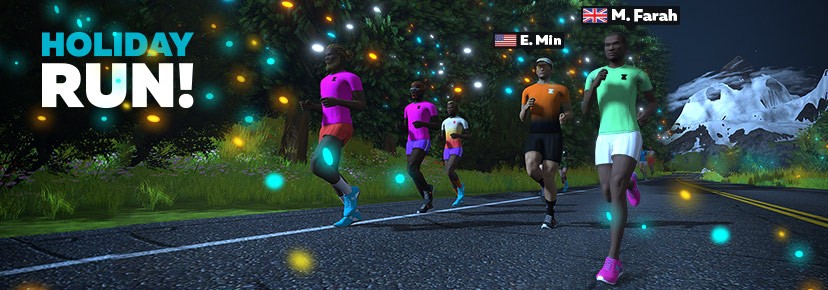
Zwift has announced the “Holiday Run” event, scheduled for 6:30AM PST on Christmas Eve.

Special Guests

The event is headlined by two special guests: Mo Farah and Eric Min.

Sir Mo’s is a name widely known in the running world. A Gold Medalist in 2012 and 2016, Mo Farah is the most successful British track athlete in modern Olympic history. To be clear: Mo is a double-double gold medalist, as he won gold in the 5,000m and 10,000m events at both the 2012 and 2016 Olympics. Amazing!

Eric Min’s name, of course, is known in the Zwift world since he’s the CEO and most-known face of Zwift. We’ve noticed Eric has been putting in some run training lately, doing some 5k runs. Think he can keep up with Mo? 😊

Event Details

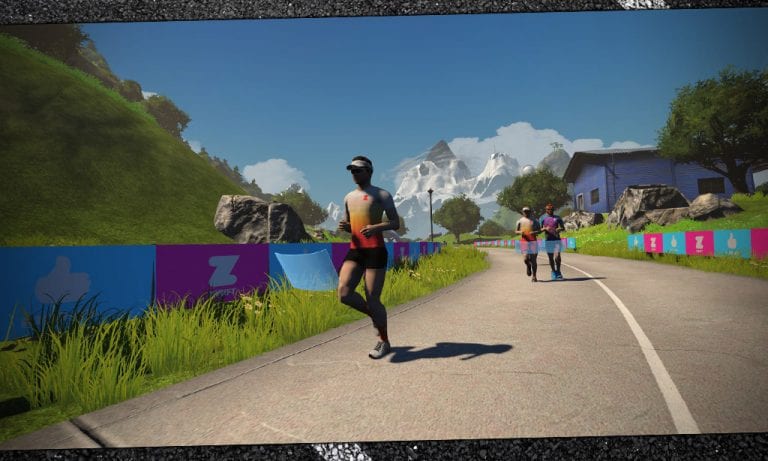
This event is being held on Watopia’s 5K Loop route.

This run is not a race, and it will be pretty spread out (as runs tend to do). So join at whatever fitness level you’d like and enjoy being a part of what may very well be the biggest group run ever hosted on Zwift. (Initial predictions were saying 500 runners, but 440+ are already signed up!)

See event details on Zwift.com >


Interview with Mike McCarthy, VP of Running at Zwift

2

Interview with Mike McCarthy, VP of Running at Zwift

Mike McCarthy has been with Zwift since the early days, but he recently moved into a new position spearheading the growth of running on the platform. I caught up with him (it’s easier via email than on a bike, trust me) to learn a bit more about the move and what’s in store for Zwift Run.

First: give us a little biographical info about yourself.

I’m 51, a native New Yorker who spent 20 years in Marin (4 of which were spent commuting to Long Beach for Zwift), now living in Orange County. I’m married to Mara McCarthy, and have 3 kids. I spent 17 years racing bikes, 10 of which were as a professional before spending the next 16 working on Wall Street.

In 2014, I made the perfectly pragmatic decision to leave my cushy Managing Director position at Oppenheimer & Co to join Eric Min and his team at Zwift. A decision I’d make again in a heartbeat. 

Tell me about yourself as an athlete. I know you’re a monster on the bike because I’ve had the misfortune of trying to keep up with you a few times. Is running a thing you’ve done a lot of as well?

Well, yeah, my background as an elite athlete was in cycling. I was World Champion as a Pro in the Individual Pursuit, a 2x US Olympian, have a couple of Masters World titles to my name as well. I’m also in the US Bicycling Hall of Fame which is something I’m pretty proud of.

That said, I always spent time running in my off-seasons and have run 1:22 for the Half Marathon and 3:01 for the full marathon distances. I also spent 5 years chasing age group triathlon races after I retired from bike racing. Post pro career (which ended in 1998), I’d say I’m pretty balanced between running, cycling, and leisure activities.

Where is your favorite place to run outside, and on Zwift? Do you typically run with others, or go at it solo?

My favorite place to run is definitely in Marin. The trails in the Marin Headlands and on Mount Tam are amazing and just never get old.

In terms of Zwift, my favorite route is the Park Perimeter Loop in Central Park which is pretty nostalgic and always has lots of other folks running and riding.

Outside, I typically either run alone or with my wife when schedules permit. On Zwift, I always try to run with other people which is one of the things I love about Zwift Running. It’s almost easier to find people to run with on Zwift than outside.

You haven’t always been the guy heading up running for Zwift. What was your job title when you first came on, and when was that? When did you move over to the running side?

I started at Zwift in 2014 as what was essentially the VP of Partnerships. The reality is we all played a bunch of different roles in the early days but most of what I focused on was managing our relationships with the cycling industry, athletes, etc.

The role eventually evolved into the VP of Business Development but which touched all parts of the business. In terms of Running, we were lacking any sort of stewardship and despite already having something of a run product and Board level support, we hadn’t done much to turn the fledgling feature into a business. So this past August when Eric asked me to take the Running role, it was a bit of a departure from what I was doing but not to a huge degree. It was also super exciting to have a blank canvas and a great team to work with.

I was at the running launch in NYC February 2018. Saw you there, in fact! You were around in Zwift’s early days to watch Zwift Ride as it grew, and now you’re watching Zwift Run. How do the two compare in terms of their success/growth since launch, from your perspective? Any numbers you can share with us?

It’s no secret that the growth in Running has lagged what we saw in Cycling but in fairness, it also hasn’t been resourced the same way. Many of your readers have heard me say that what we have in Running is really Cycling repurposed. We took the cyclist, stood them upright, put running shoes and shorts on them and said “Look, we have running now!”

The truth is that running and cycling are really different in a lot of ways and finding both the right product-market fit and figuring out how to build awareness of that product are things that we’re finally focused on. We have a good basic product and a lot of learnings, what we’re now doing is taking those learnings and applying them to the end to end experience.

Who is Zwift Run’s biggest competition? What are you doing to win that battle?

Outside of the obvious Peloton, Nordic Track, Netflix, etc, our biggest competitor is running outside. Let’s face it, it’s easy to go for a run outside. The global average run is 23mins. Unlike cycling, safety, weather, time of day, access to good places to ride, etc are all non-issues with running.

If we expect people to run on Zwift, we need to make it super fun, easy to use, and show users that we can help them become better runners.

You’ve mentioned on Facebook that there are some big things in store for Zwift Run. Can you give us any hints as to what we’ll see coming down the road?

In the near term, we’ll be shipping a couple of features to address some of our biggest community requests. But rather than talking about specific features, it’s probably better to think about what experience people are asking us to solve for. In other words, I look at features in buckets of problems that we should be thinking about. Jon Mayfield didn’t build Zwift nor any of the existing features until he had a handle on why he was building them. When we hear “Hey Zwift, it would be great if you had better group runs,” I immediately start thinking of how to make it easier for people to run together, which simplifies how we look at it but also potentially creates more work to deliver.

I know Zwift is always looking to get more people on the platform. What would you say are the biggest challenges to Zwift Run’s growth, and can you share some of what Zwift is doing to overcome those challenges?

Again, Running and Cycling are really different activities and we’re doing a lot of consumer insight work, speaking to the existing community as well as lots of folks from the endemic run space to continue to hone in on what we need to solve for and to get the product-market fit dialed in.

While we still have a lot of questions, we’re learning every day and are committed to testing lots of things until we really nail the experience. We’re taking a product-led approach but are also starting to do specific Run marketing programs which will be really helpful in driving the overall awareness of Zwift as a Running platform.

What are you three top tips for someone looking to get into running on Zwift?

  1. Think about how you’re going to use Zwift and get setup. Make sure you have a treadmill or access to one, make sure you have a way to run the game (iPad, iPhone, Mac, PC, AppleTV, etc), and then make sure you have a way to connect to the game. In other words, a RunPod, compatible wearable, NPE Runn or TreadTracker, or a compatible Bluetooth treadmill.
  2. Start running and enroll in the Run 101 plan. This is a great way to try some workouts, establish paces, and see what Zwift Running has to offer.
  3. Start a training plan or try group events.

Want to hear more from Mike? Check out Zwiftcast episode 73, in which Simon inteviews Mike.


Zwift Fondo Series Announced

11

Zwift Fondo Series Announced

Zwift has just announced the first events in a 3-month fondo series for 2020. Details are still being finalized, but January’s events are on Sunday, January 5th and route lengths vary from ~30 to ~45 to ~60 miles.

January 5th Fondo Schedule

  • 1AM PST/9AM GMT
  • 6AM PST/2PM GMT
  • 9AM PST/5PM GMT
  • 11AM PST/7PM GMT

See all upcoming Zwift Fondo Series events on Zwift.com >

Kit Unlocks

This is a 3-month series, and each month’s fondo has its own unique kit unlock. These kits are exclusive, meaning they will never be available anywhere else in game. A true badge of honor! Here’s a shot of January’s kit:

Routes

Zwift Fondo events have three categories (A, B, and C) which are open to all riders. These categories don’t refer to rider strength or speed–they refer to route length.

For January, the group routes are (click for route details):

A: Gran Fondo - 97.2km (60.4 miles), 1148m (3766′)

B: Medio Fondo - 72.6km (45.1 miles), 981m (3219′)

C: Bambino Fondo - 52.1km (32.4 miles), 553m (1814′)

Is this a Race?

Officially, no. But thousands of riders will turn out for these popular “fun race” events, and the front of each category will certainly be filled with strong riders going all out. And that’s perfectly fine!

As Zwift says, in the end “It’s all about doing your best and trying to finish the toughest routes in Watopia.”


Don’t Ask, Don’t Get: Top Zwift Feature Requests

31

Don’t Ask, Don’t Get: Top Zwift Feature Requests

The official Zwift forums enable regular Zwifters like you to ask for features to be added to the game. There’s a whole section dedicated to these “Feature Requests”, where you can ask for new features and vote for suggestions that you like.

Let’s look at a few of the most popular feature requests that haven’t already made it into the game, and how likely they are to happen.


Allow Saves Without Leaving the Game

Picture this. 

You’ve chosen a route and entered the game. Checking your badges you realize you’d rather choose a different route. Quit. Restart. 

You want to save your race and then cool down as a separate activity so you can upload the race to Strava or TrainingPeaks, but ignore the cooldown. Quit. Restart.

You’re a multi-sport athlete, and want to do a “brick session”. You’ve finished your ride, and it’s time to run. Quit. Restart.

When starting the game can take several minutes, having to quit and restart is a frustrating experience, whatever the reason for it. 

For

This would streamline things for anyone who finds themselves having to restart Zwift. 

Parts of this are already in the game: you can warm up on Watopia, then be transferred to London for an event. You don’t have to restart the game for this to happen, and both activities are separately uploaded to Zwift. 

It’s the most requested feature at the time of writing, so clearly a pain point for many Zwifters. 

Against

We’re struggling to think of any reasons not to do this from a user perspective. 

Verdict

Given the above, we think it’s very likely this will happen. Zwift have a user interface (UI) update in the works and due very soon. Perhaps this popular feature will be part of that.

Want this feature? Vote for it here: https://forums.zwift.com/t/allow-saves-without-exit/13113


Personal Best Bot, or “Ghost Rider”

A staple feature of racing video games, this would enable you to ride against a “ghost” of a previous ride on the same course or section. It could be yesterday’s ride or your personal best, but the key feature is that you’ll be able to see exactly how you’re doing compared to that previous ride.

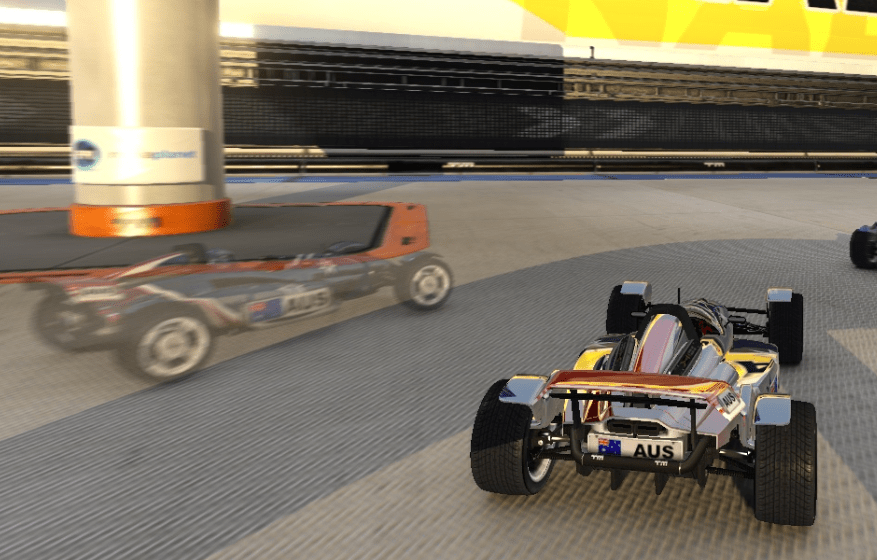
Example of a ghost car in Trackmania. The ghost car is the player’s best attempt.

For

Knowing your personal record (PR) for a section of a course (e.g. Strava segment) gives you a target to aim for. A benchmark against which you can measure progress. But without a ghost rider, it’s hard to know whether you’re ahead or behind at a given point. This feature would give Zwifters that information.

We could even ride against other Zwifters’ times. Want to know how you’d fare against Eric Min up Alpe du Zwift? Download his ride and set that as the ghost rider. 

Ghost rider graphics are already in the game

In the early days of Zwift, there were what we affectionately called “blue guys”. They weren’t real people, but game-controlled riders who’d ride at various speeds, so we expect some of the artwork for this feature has already been done. 

Against

Some might fear a world populated by other Zwifters’ ghost riders. That would almost certainly not be the case. You would only see your own ghost rider. Perhaps there would be a special feature where everyone can see the same ghost rider for an event.

Verdict

Eric Min himself has said it’s a feature he’d like. He said this during episode 58 of the Zwiftcast (48:30) when he was asked which feature would magically appear if he could snap his fingers. 

That was more than a year ago, and it hasn’t yet made it high enough up the list, but since the boss man wants it we reckon it’s very likely to appear.

Want this feature? Vote for it here: https://forums.zwift.com/t/personal-best-bot/13120


Lower the Minimum Weight Limit

The minimum weight for riders on Zwift is 45kg (100lb/7st 2lb). That’s fine for most adults, but when it comes to children it’s another story. This feature would enable children and light adults to ride at their true weight.

For

Power-to-weight ratio (Watts per kilo, W/kg) is an important number in Zwift. It’s used by the game to calculate a rider’s speed and trainer resistance, particularly when riding uphill. Zwift is free for children under 16, but they are at a disadvantage in the game, often riding at virtual weights more than twice their real weight. This makes them slower up hills and it’s harder to ride and compete with others.

Against

Unscrupulous Zwift racers may cheat by setting their weight much lower than it should be, in order to boost their power-to-weight ratio. However, this does of course already happen and there are various community tools and initiatives to deal with it. In fact, lowering the weight limit could make this easier to detect.

Verdict

This has been confirmed as being worked on by Zwift. While there’s no estimated time for when the feature will arrive, Zwift is very conscious of its need. 

Want this feature? Vote for it here: https://forums.zwift.com/t/junior-rider-weight-needs-a-lower-minimum/13119


Share Your Thoughts

Zwift has a huge list of things we’d love them to do to the game, and the trick for them is to work out the relative importance of each one. Sometimes there are technical reasons why a feature is difficult to add to the game, but almost nothing is impossible for programmers. 

So if you have something you want, be sure to head over to the official forum and talk about it.

Did your pet feature request make the list? Tell us about it in the comments below!


Kudos to the Crit City Planning Office

3

Kudos to the Crit City Planning Office

Crit City launched late last week, and we’ve been thinking: perhaps we haven’t given the city’s planners enough credit.

Think about it: they don’t have much to work with. Crit City, after all, is located atop Tinakula, a tiny previously uninhabited volcanic island in the South Pacific. (Confused? Check your Crit City race on Strava…)

Located approximately 110 miles northwest of Teanu (Watopia), obtaining supplies from the Zwift mainland is no easy task.

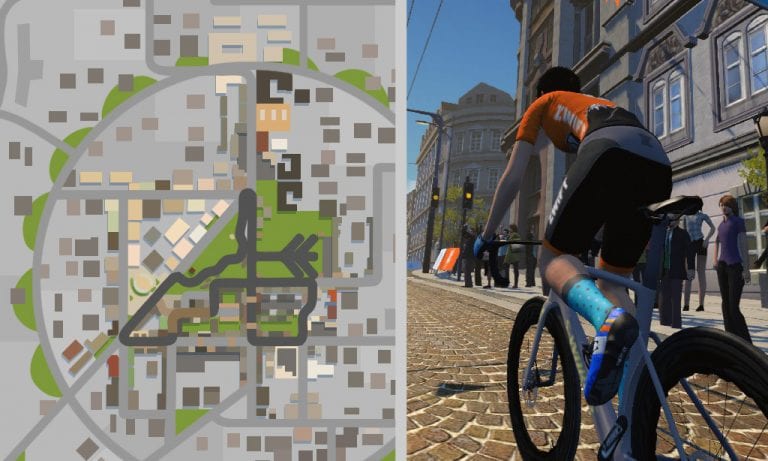
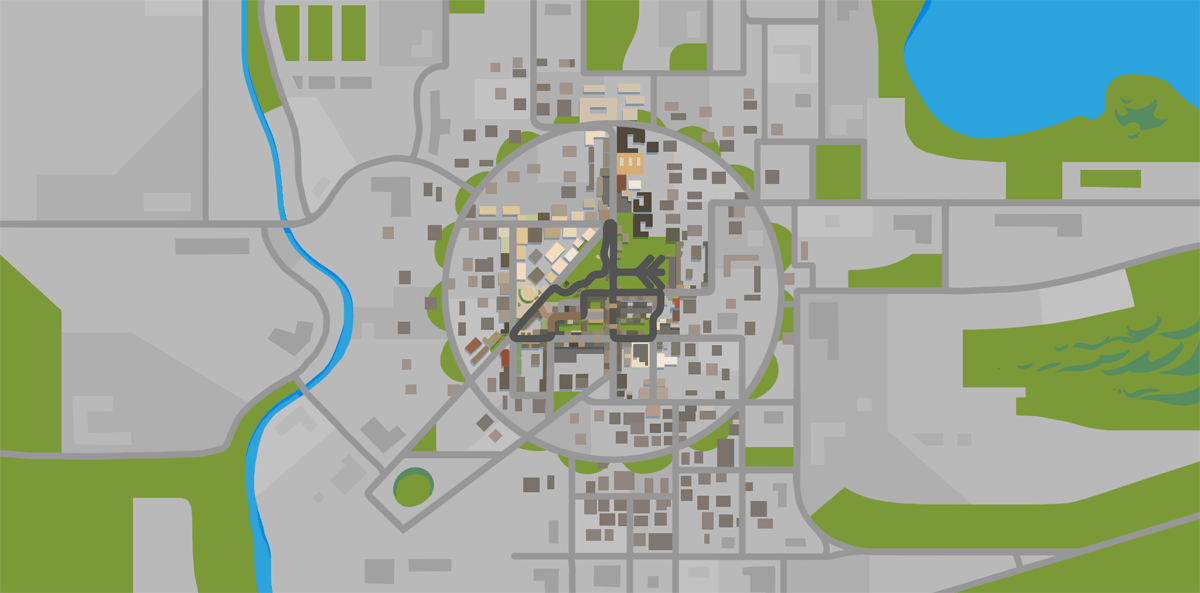
Yet despite these challenges, Crit City’s planners managed to lay out a beautiful racecourse for all of us to enjoy. Then these crazy bike-lovers took it to the next level, creating an entire bike-themed city just because they could.

Wait: you haven’t seen the city map?

So today we raise our bidons and say, “Well done, Crit City planners. Ride on.”


Zwiftcast Episode 74 – Crit City + Review of 2019 and Hopes for 2020

Zwiftcast Episode 74 – Crit City + Review of 2019 and Hopes for 2020

Simon, Shane, and Nathan convene for the final Zwiftcast of 2019 in both a reflective and expectant mood. There’s plenty of looking back on what brought the podcasters Zwift joy in 2019 and a little on what they’d like to see for 2020.

There’s also reaction to Zwift’s pre-Christmas present of a new map – it’s short, but it’s fun. Crit City looks designed to appeal to the e-Sport crowd but should also please anyone who races on Zwift. The Zwiftcasters give their initial verdict and speculate on what they’d like to see added.

We hope you all enjoyed listening in 2019 and will join us again in 2020. Happy Holidays!


2019 Men’s Zwift Academy Winner Announced

1

2019 Men’s Zwift Academy Winner Announced

Drew Christensen

Zwift has announced Drew Christensen as the winner of the second annual Men’s Zwift Academy Program. Christensen will join last year’s winner Martin Lavrič on the NTT Continental U23 Cycling Team for 2020.

“This is incredible!” says Christensen. “I entered Zwift Academy with an eye on a semi-final place, I can’t believe I have a pro contract! It will be great to ride on the team alongside Martin Lavrič and learn from his experience through the Zwift Academy and onto a pro team.”

18 year old Christensen hails from New Zealand. He emerged as the pick of the three finalists who traveled to Team NTT Pro Cycling training camp in Oliva, Spain.

At the camp, team management and coaches got to see how the riders perform in a team, communicate and ride on the road–vital information beyond just their power numbers. Of course, completing the Academy workouts and races gave Zwift’s panel of expert coaches the opportunity to look at each rider’s power profiles and ascertain where their strengths and weaknesses lay.

2019 Men’s Zwift Academy Finalists (left to right): Mathijs Loman (Netherlands), Campbell Pithie (New Zealand), and Drew Christensen (New Zealand)

Zwift Academy saw a record 60,000 male riders enter for 2019. “We’ve seen some really strong riders come through the Academy again this year.” says Elliot Lipski, Coach to NTT Pro Cycling. “In fact, I think the pool of talent goes even deeper this year. It’s important to see how the riders react to different scenarios out on the road, how they communicate and how they fit in with the team. These are all incredibly important skills when fitting into a team that spends a lot of time on the road and needs to function as a unit. Having spent some time with the riders here in Spain, we’re really confident in Drew. He showed real instinct out on the road, and the other riders took to him well.”

“This year’s Zwift Academy has been great again,” adds Eric Min, Zwift Co-Founder and CEO. “As a cyclist, I get a lot from the Academy, both in terms of fitness and also through the enjoyment of leading rides and interacting with the community. I’d like to offer my congratulations to Drew. I’m really excited to see how he performs next year and fits into the team with his fellow Academy winner Martin Lavrič.”

Supporting the Qhubeka Cause

The 2019 Zwift Academy will donate 749 bikes to Qhubeka this year, which will be distributed throughout South Africa in order to bring people in rural communities closer to healthcare, jobs, and education.