

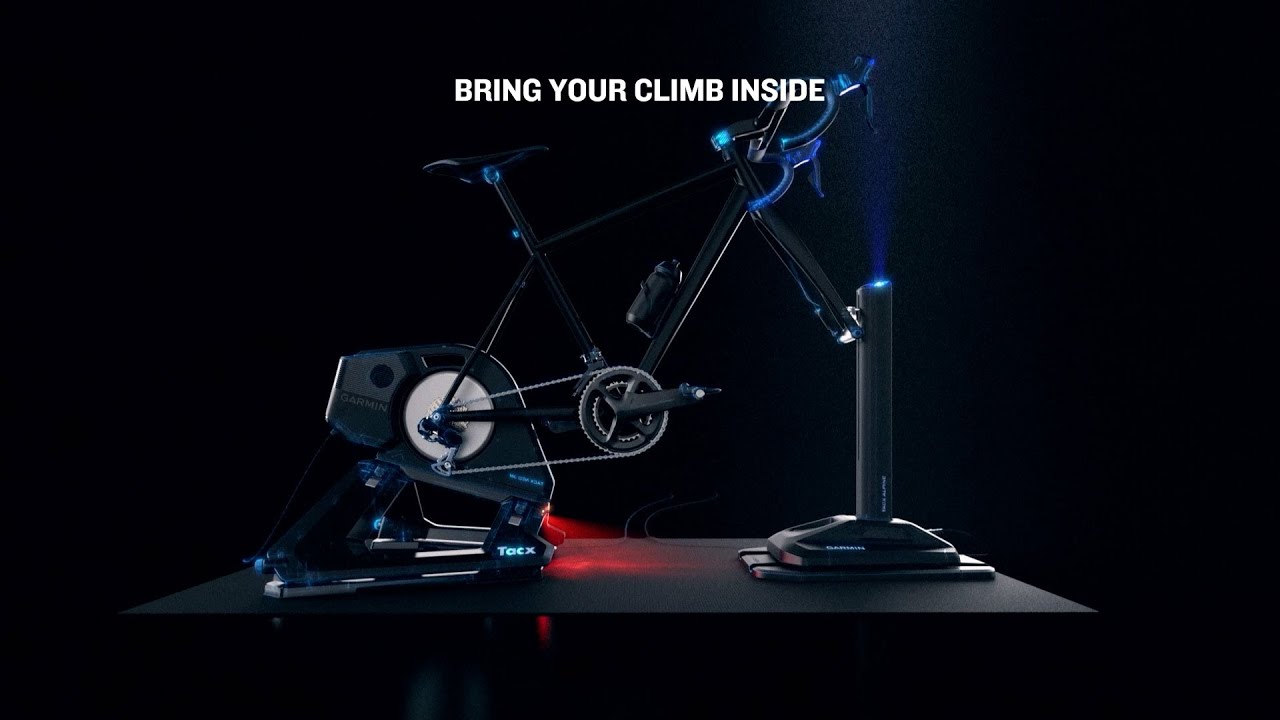
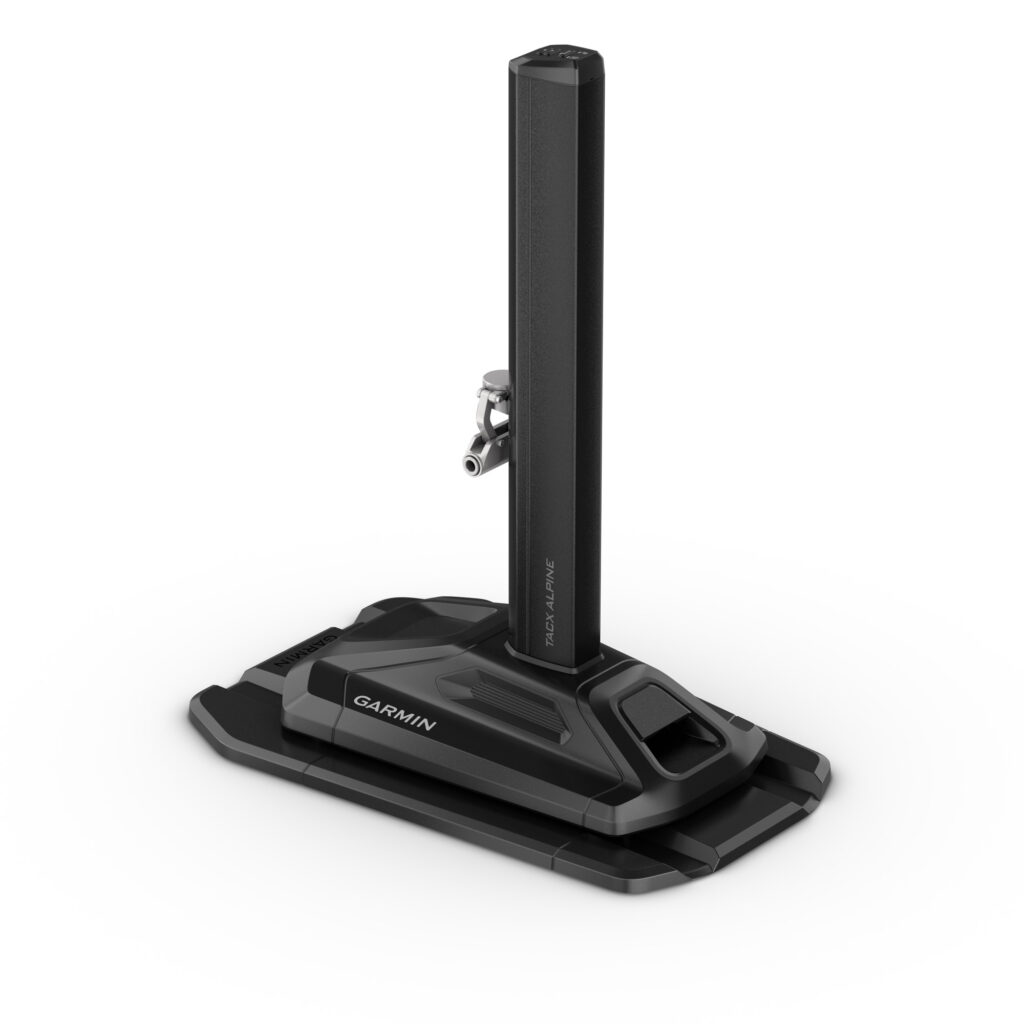
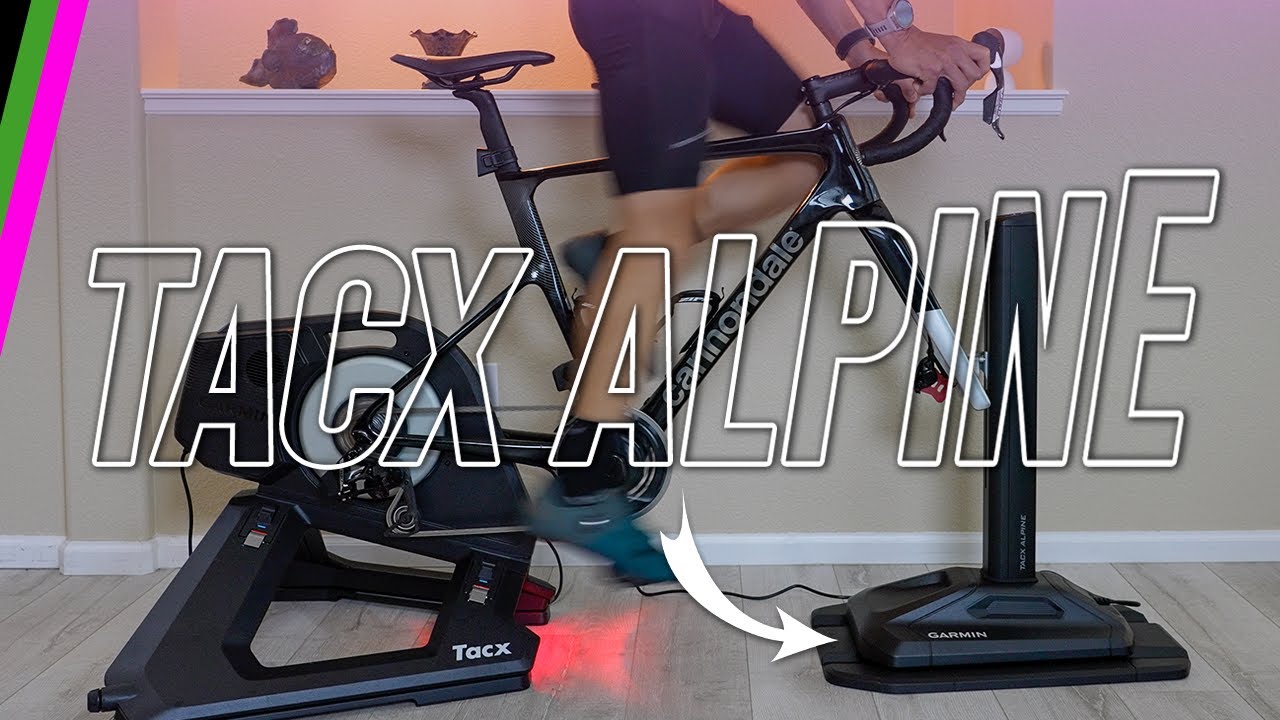
This week at Eurobike, Garmin released the Tacx Alpine, a gradient simulator for indoor cyclists similar in general function to the Wahoo KICKR Climb and Elite Rizer. It does, however, have some unique features which I’ll explain below.
You can see it in action in this short hype video, but I think this “look inside” video from Garmin is much more interesting:
Tacx Alpine Specifications
- Gradient Simulation Range: 25% to -10%
- Connectivity: ANT+ connectivity, BLUETOOTH® wireless technology
- Accuracy: 0.1% incline
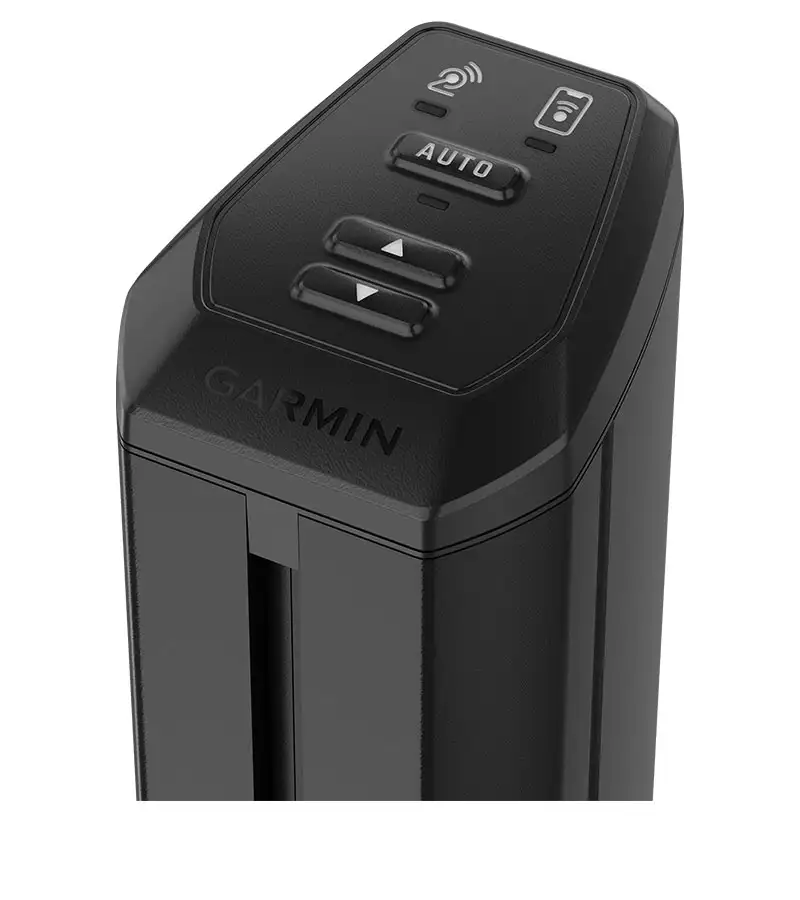
- Gradient control: automatic or manual (via button on Alpine or in app)
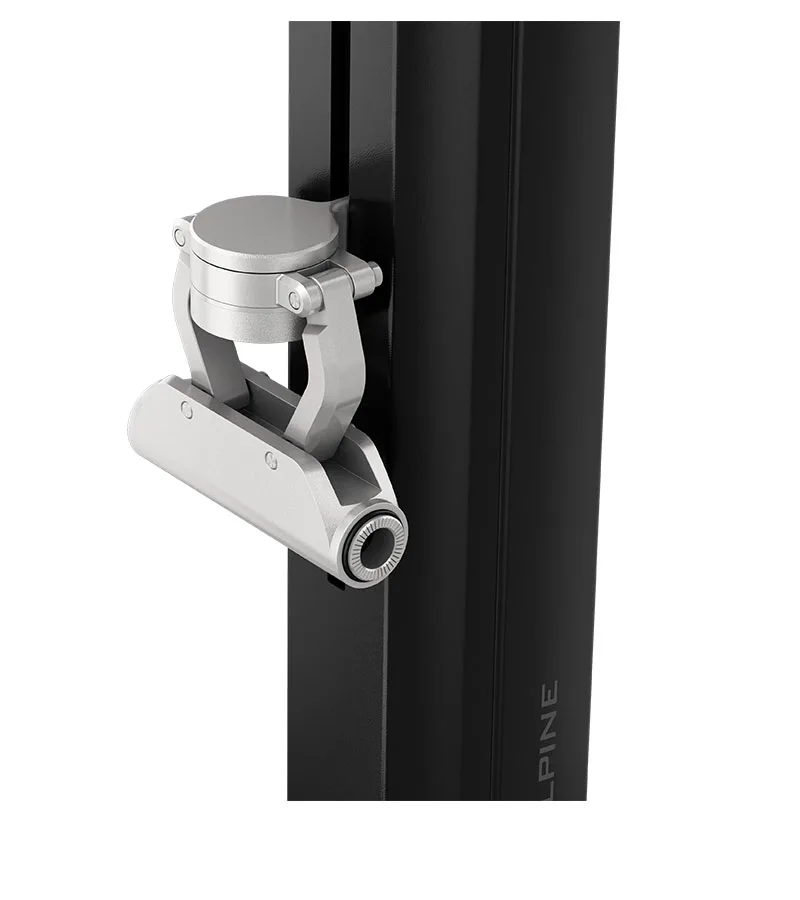
- Axle Compatibility: front fork adapters included for quick release (QR for size 9×100) and Thru-Axle 12×100, Thru-Axle 15×100, Thru-Axle 15×110
- Included NEO 2T retrofit kit includes rotatable end caps for quick release (130mm/135mm X 5mm) and thru axle end caps (142mm/148mm X 12mm)
- Footprint: 18.7″ x 12.4″ (475 x 316 mm)
- Height: 29.6″ (753 mm)
- Weight: 24 lbs (10.9 kg)
Trainer Compatibility
The Tacx Alpine works exclusively with Garmin’s two flagship trainers: the Tacx NEO 2T and Tacx NEO 3M.
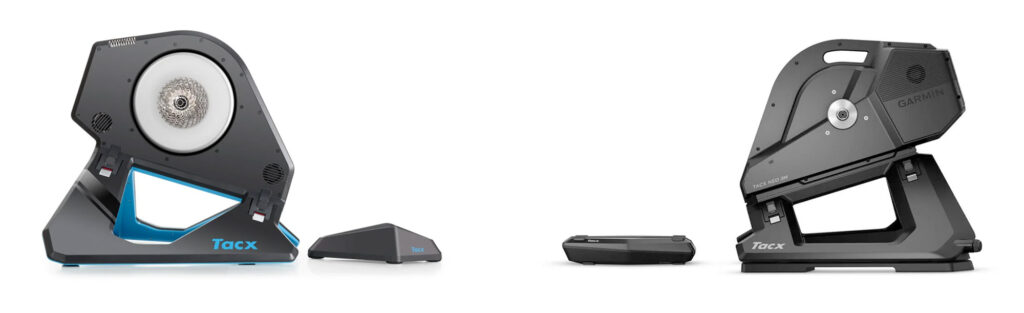
Older Tacx trainers are not compatible because they do not allow the rear axle to rotate.
Comparing Climb Simulators
How does the Tacx Alpine compare to the other two climb simulators on the market, the Wahoo KICKR Climb and Elite Rizer?
First, it has a higher maximum gradient (25%) than the other two (20%). This shouldn’t matter much to most Zwifters, though, since there are very few road sections above 20% in Zwift, and most Zwifters aren’t riding at 100% Trainer Difficulty anyway.
The Alpine has, arguably, better app integration as well, with the ability to easily control it via the Tacx app and also set a minimum or maximum gradient to keep your frame safe.
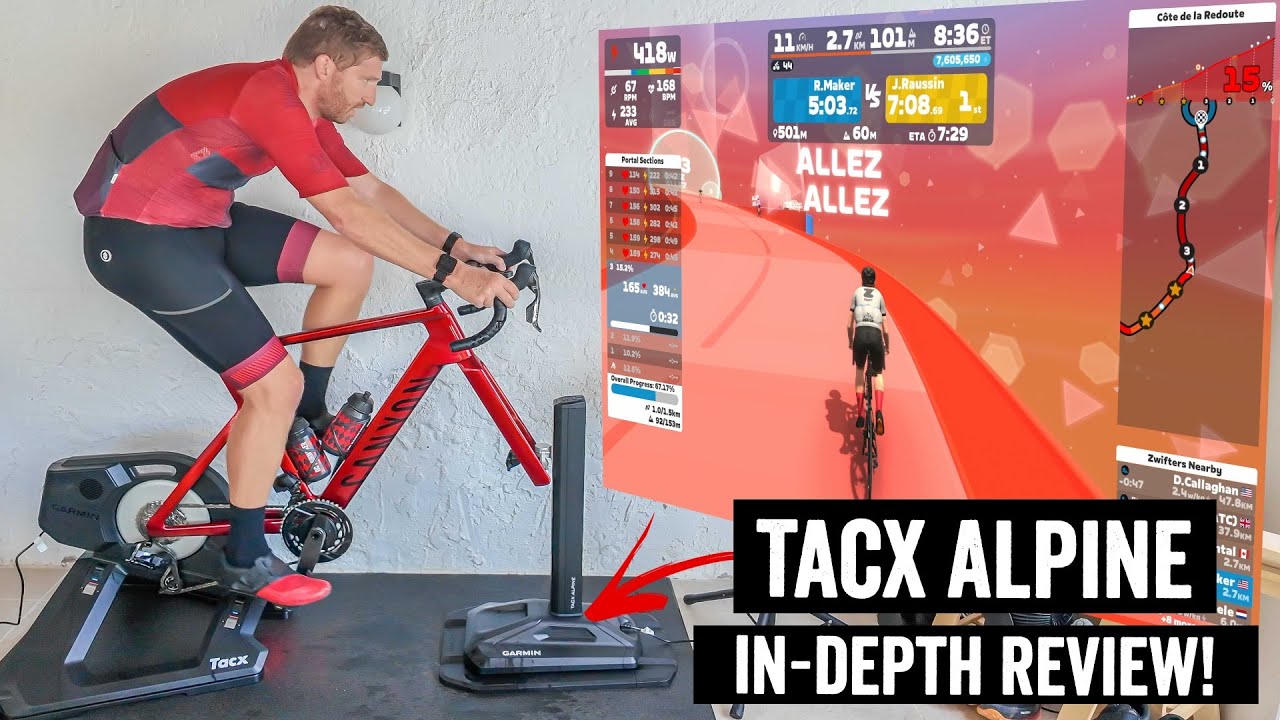
The Alpine has fore/aft movement and Zwift-compatible steering, two features also found on the Elite Rizer but not on the Wahoo KICKR Climb.
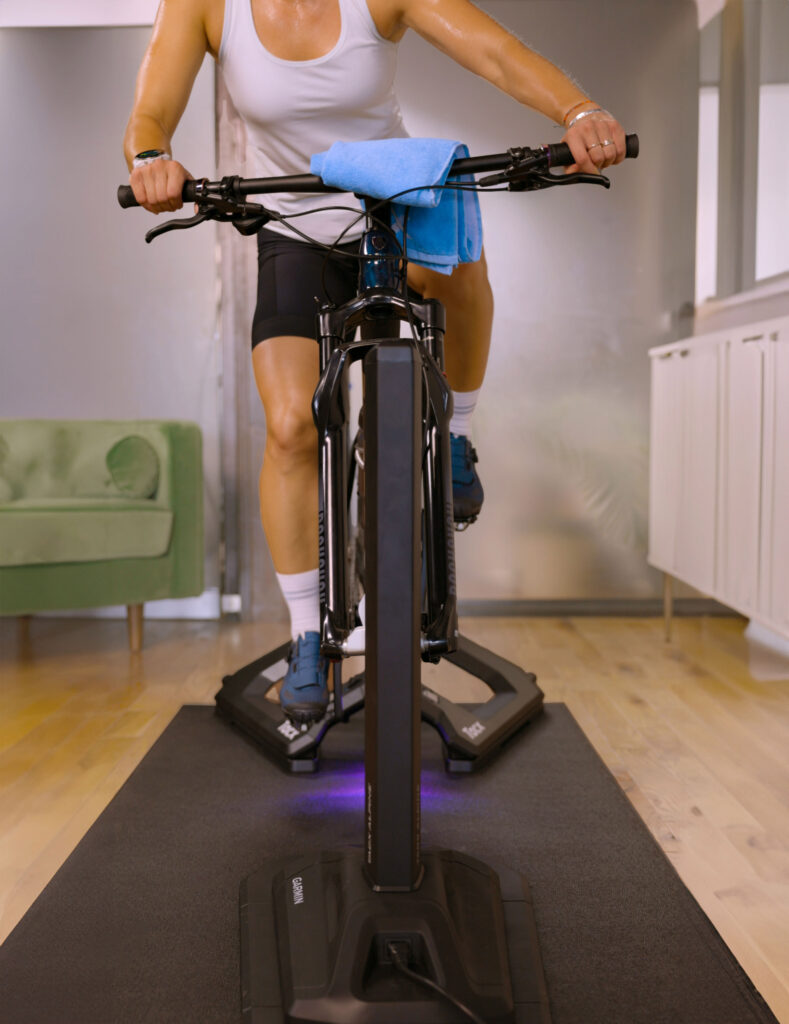
The Alpine’s front fork mount is complex and unique, offering the highest degree of movement between the three simulators. Wahoo’s mount effectively locks you in tight, while Elite’s allows for some degree of left-right movement, but no sway. The Tacx Alpine mount allows for both left-right steering movement and sway.
Lastly, and not surprisingly, the Tacx Alpine is the most expensive of the bunch:
- Tacx Alpine: $1099
- Elite Rizer: $999
- Wahoo KICKR Climb: $749
The Tacx Alpine is now available at Garmin.com >
More Reviews
DC Rainmaker
DesFit

If Garmin is smart, they will make it compatible with other trainers, not just Tacx. Many don’t like the self-imolating tendencies of Tacx trainers, but would be interested in this product over the Kickr Climb.
the game is already cooked from rampant cheating, why would I invest more
im glad i sold my kickr climb. its just a gimmick, and its fun the first time – it doesnt add immersion, it just becomes more annoying after a while. mine became a handy way of not using a front wheel to save setup space until i sold it all and got a Ride.
just adding, this product uses up way more space than the climb does…. so. eww
I have an elite rizer with a tacx neo 2t. I would buy another climb simulator if my current one broke. It makes the longer rides much more comfortable. For me the slight changes in position brought on by the changing incline work wonders. Though if all you do is ride on flat courses it won’t get you very much. If I were buying today I would get the Tacx alpine because with the rizer I have to use QT in order to get reasonable control of the rizer. Unfortunately there are some connectivity quirks with QT. Though mounting the alpine on my rocker plate might be an issue.
It’s a very difficult decision whether to go for it or no. A lot of comments about how gimmicky it is, not only the Garmin product, but any raiser.
..surly, the well known bloggers have a fancy reviews of all the raisers, but you never know the real info behind their reviews, since they are often or commercialised or going for some personal or commercial vendettas.
On the paper, and videos — the Garmin raiser looks really good. Wonder if it will add some comfort together with Tacx Neo 3M for the long rides
“commercial vendettas” Oh of course! I’ve always been out to destroy BIG ROCKER. 🤣
I think the inherent problem with most reviews of non-essential accessories like raisers is that they don’t (because they can’t) give you a good sense of how you’ll feel about the product six months to a year later. A month long testing period is enough to get a good sense of how and how well something works, but it can’t tell you if it will still bring you joy after the novelty has worn off.
But, I’ve seen enough long term users of Raisers (like Mark Lewis) who voluntarily stop using it to guess that there are better uses of my money.
I’m still happy with my Wahoo one, four years after I bought it.
The big plus was observing a moderate reduction in saddle sores from it. (I would say around a 70 percent reduction.)
I’ve been using a riser for over 5 years. At first Kickr Climb, and then upgraded to Kickr bike (with the riser built in). Every ride, I enable the riser. If forget to enable (which I often do), as soon as I hit a climb, I think “hmm something doesn’t feel right” and then turn it on.
I put a riser in the same category as Power Meters on road bikes – you can have a perfectly great ride without one, but once you are used to having one, then you never go back, and you miss it when it’s out of action.
Are they worth the money? As with so much in cycling, probably not, but if you have the spare cash sloshing about, then there are far worse things you can spend your hard earned money on
Typical ridiculously over the top Tacx pricing!
I guess its not possible to install Zwift Ride Smart Frame with it?
Nope.