

On September 14th, everything changed.
One moment I was out on the road doing something I loved; the next, I was dealing with injuries, restrictions, fear, and the uncertainty that comes with recovering from a cycling accident. Like many riders, I had relied on outdoor miles for stress relief, fitness, and a sense of identity. Losing that – even temporarily – felt overwhelming.
What surprised me most, though, was the role Zwift would play in helping me rebuild my strength, confidence, and routine.
Returning to the Bike — Carefully
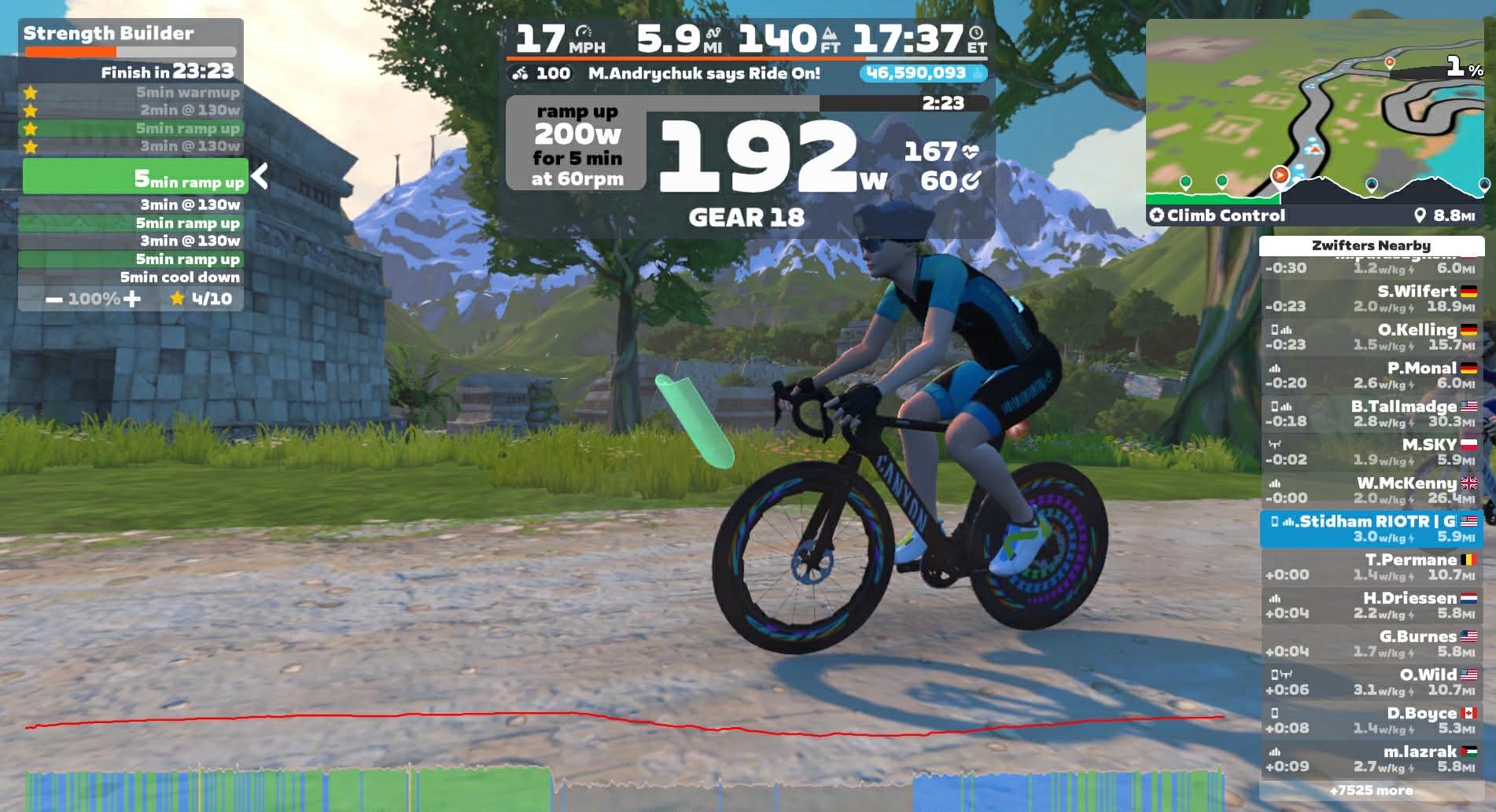
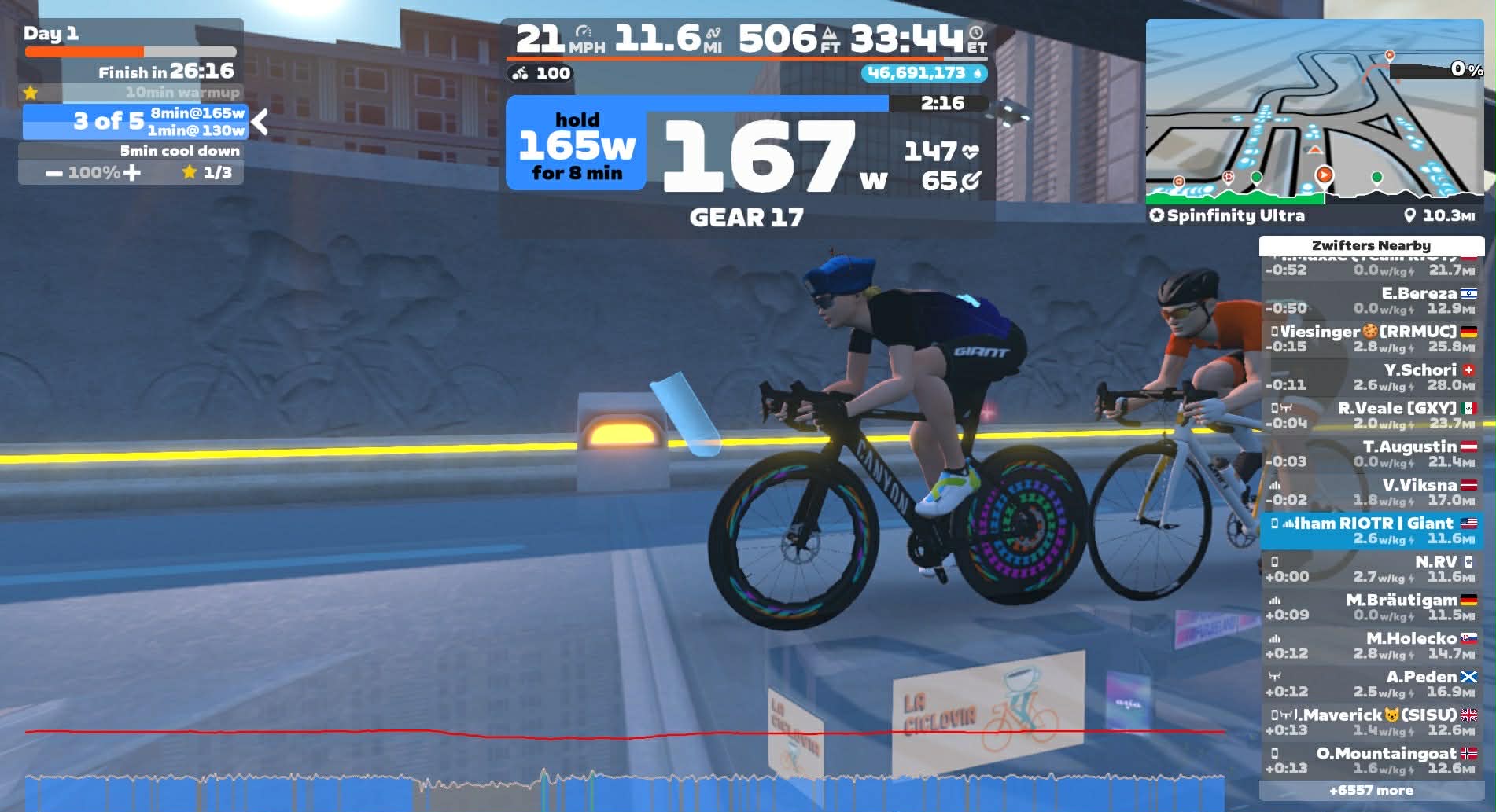
Riding in Erg mode to manage intensity
In the early weeks after the accident, I wasn’t sure when I’d be allowed to ride again. Once my physician and physical therapist gave the green light to begin low-intensity training, I knew the safest place to start wasn’t on the roads – it was inside, with Zwift.
For my rehab team, the controlled environment was a major advantage. No balance hazards. No traffic. No sudden braking. No risk of hitting a pothole (unless you count the ones on Cobbled Climbs). It gave me a platform where the only variable was my own power output.
Zwift allowed me to:
- Keep a strictly aerobic, low-wattage range when required
- Incrementally build time in the saddle
- Track changes in power and endurance with precision
- Manage intensity using Erg mode and structured workouts
- Ride consistently without worrying about weather or terrain
That stability gave me the reassurance I needed to focus on healing instead of what-ifs.
From Short Spins to Stronger Efforts
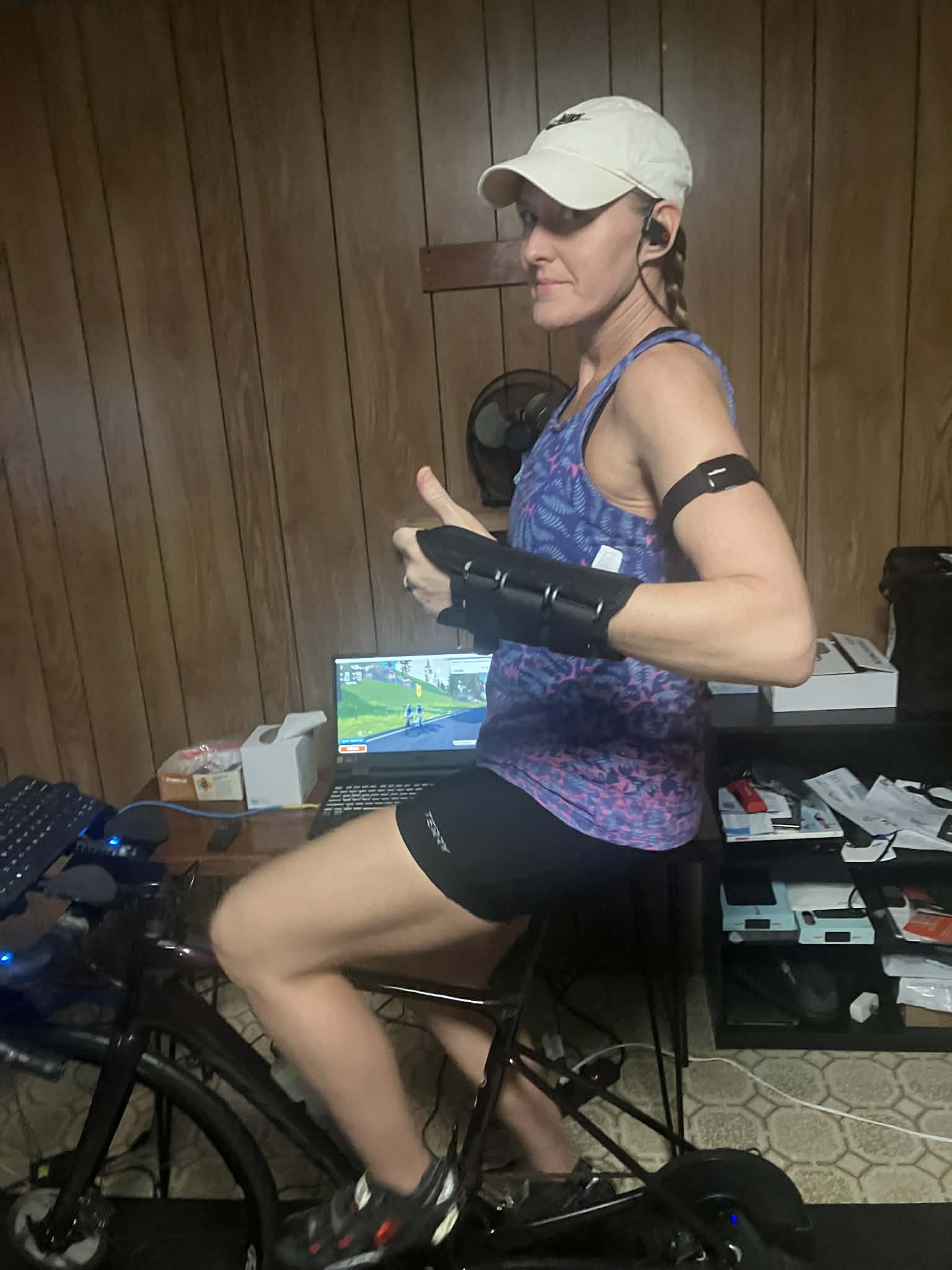
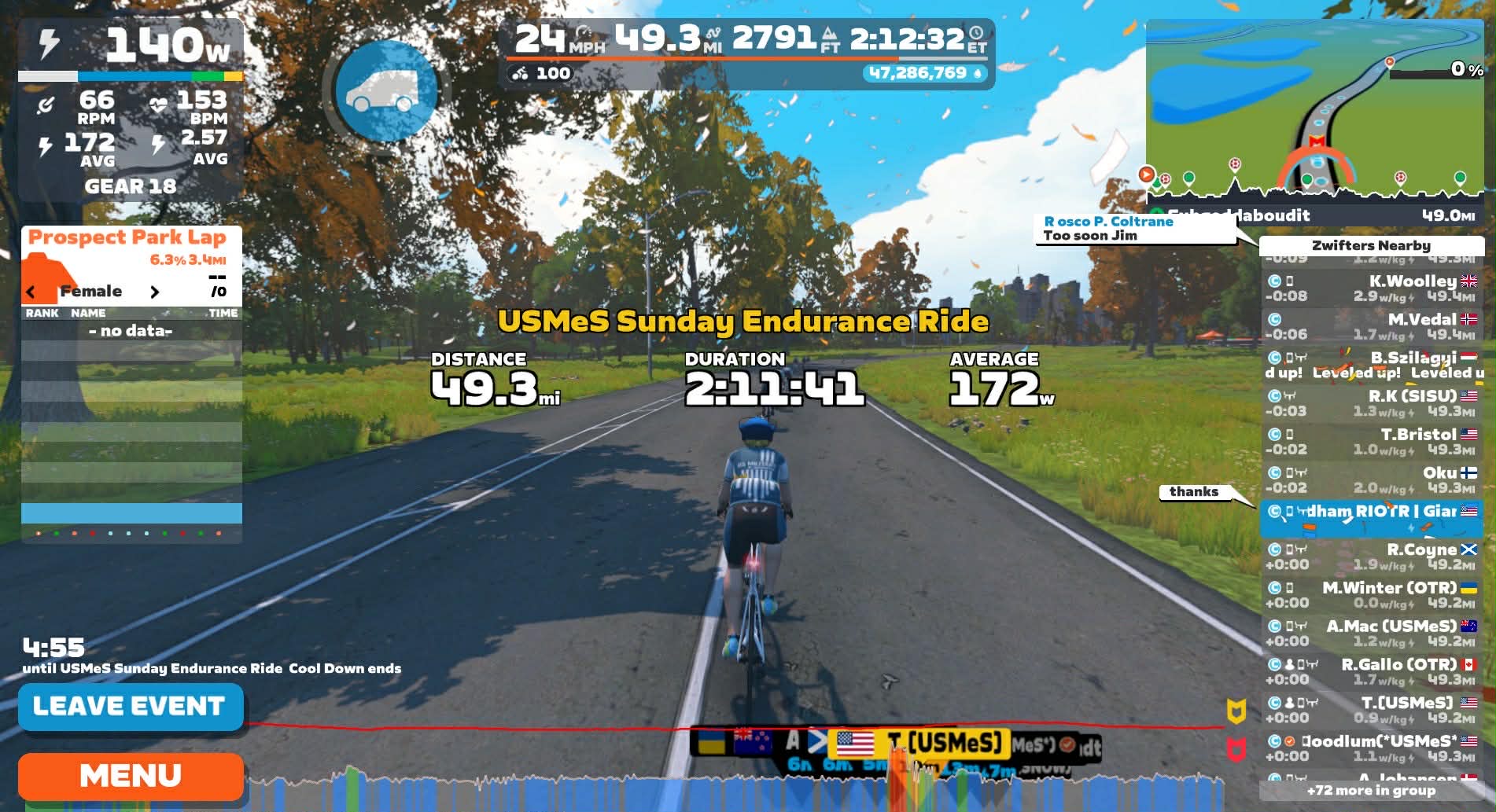
At first, my rides were short – 20 to 30 minutes – focused entirely on light spinning (well, I’m still a masher) and loosening up. Riding every day was actually encouraged because the intensity was so low. Zwift became part of my daily rehab routine: part workout, part meditation, part rebuilding.
As I progressed, my physio gradually expanded the plan:
- Longer rides: first 45 minutes, eventually pushing toward an hour
- Higher-intensity short rides: allowing me to test cadence, control, and targeted power
- Reintroducing efforts: like a 30-minute ride averaging 2.7 w/kg, which felt like a breakthrough. I chose Scotland After Party for this as it allowed me to do efforts.
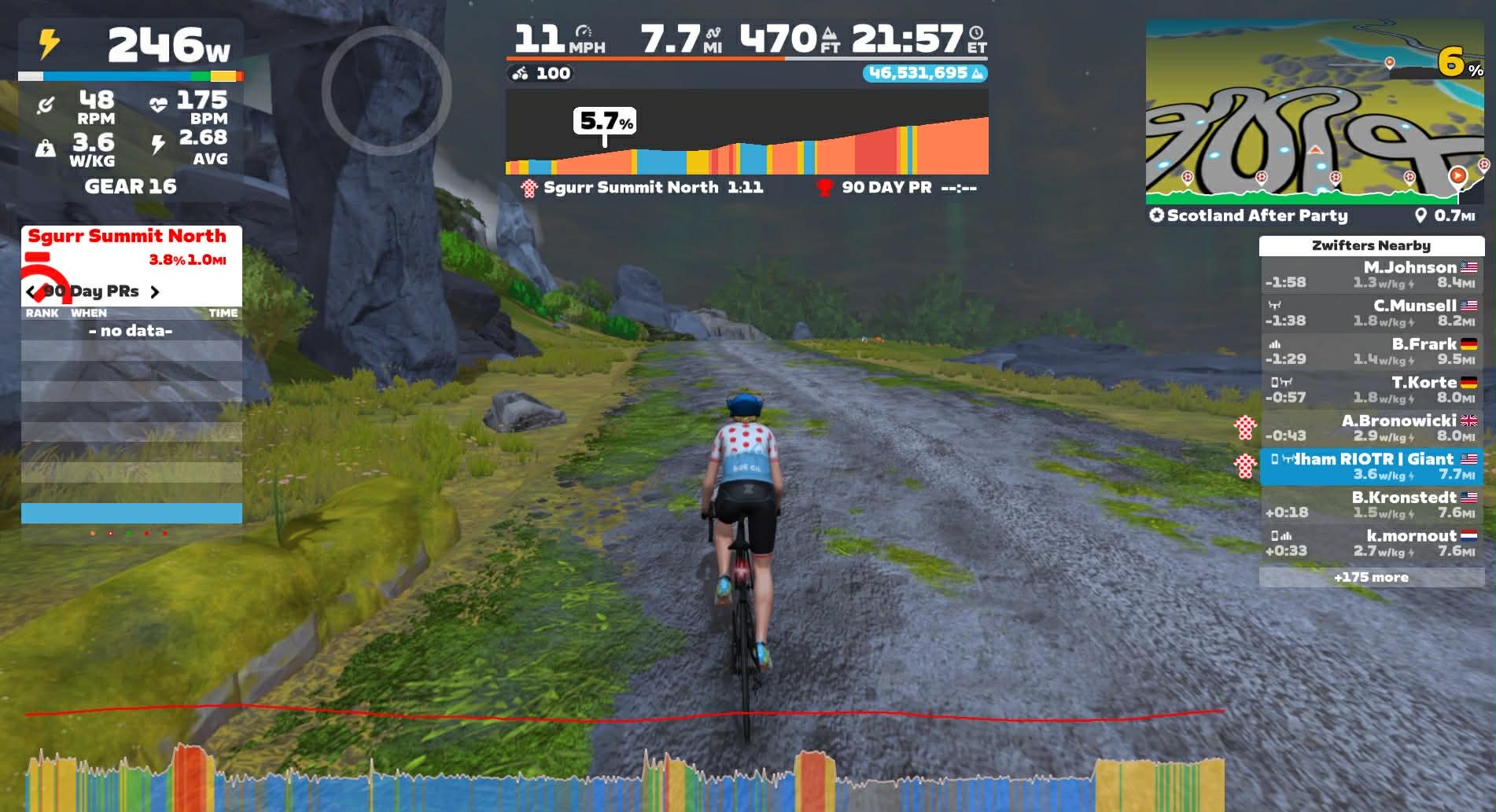
Seeing those numbers come back on the screen helped me trust my body again. Zwift’s data gave me objective proof that I wasn’t as limited as I feared.
No Restrictions — and What That Meant Mentally
At my follow-up appointment, my ortho told me something I had been hoping for: no restrictions. The words sat with me. They felt liberating, exciting, and – if I’m honest – a little intimidating. I was a little nervous about trusting my body after multiple injuries, but I was also ready to put in the work and regain my fitness.
Zwift made the transition manageable. Instead of jumping into long outdoor rides, which were off limits, I used the platform to:
- Test my endurance safely
- Slowly increase total weekly volume by 10-15%
- Rebuild my muscular resilience
- Reintroduce climbs, sprints, and threshold intervals
- Regain confidence before facing real-world variables
Zwift gave me a structured, safe progression that matched exactly where my recovery was.
The Emotional Side of Virtual Riding During Rehab
The physical side of recovery is one thing. But the emotional storm after a crash is its own challenge. Fear. Frustration. Loss of routine. Losing fitness. Even questioning whether you’ll ever feel like “you” on the bike again.
Zwift helped bridge that gap, and with each ride, I felt more confident in my abilities.
There’s something uniquely healing about moving your legs in a familiar cadence, even if the scenery is virtual. The digital rides, the community chat, the route badges, the gamified accomplishments – they gave me small wins every day. And small wins are exactly what you need when the big picture feels uncertain.
Looking Ahead — Stronger Than Before
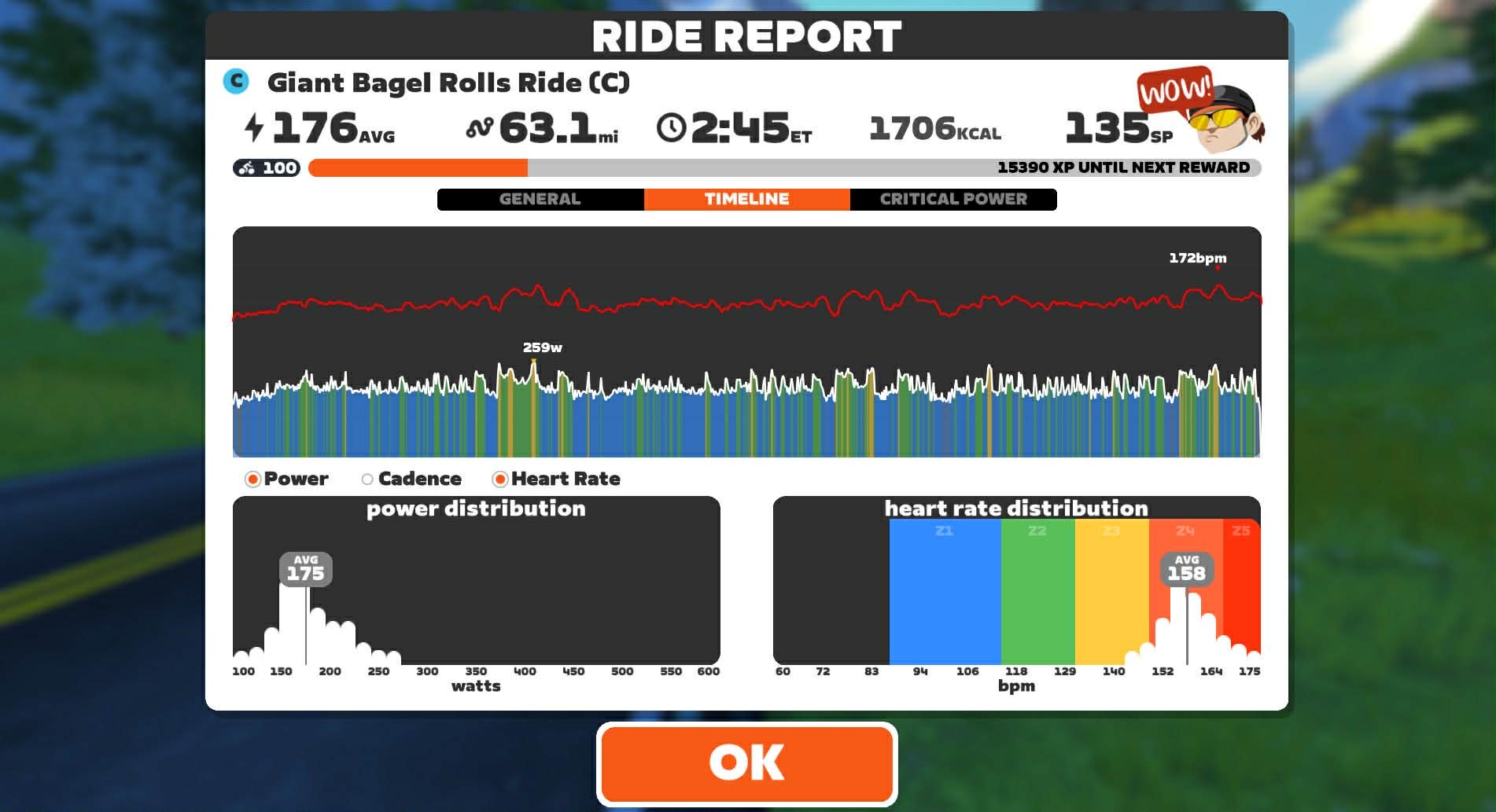
Before the accident, my FTP was 254. Watching myself gradually push pace and duration on Zwift has helped me feel not only like I’m returning to that level, but that I might come back even stronger. I’m back to leading my rides with Team Giant, and I led my first post-accident 100k!
I’ve learned that rehabilitation isn’t just about regaining fitness; it’s about rebuilding confidence and reconnecting with the joy of movement. Zwift gave me a way to stay consistent, stay safe, and stay motivated when I needed it most.
If there’s one thing I’d share with any athlete rehabbing after injury, it’s this: Zwift meets you exactly where you are—and helps you get where you want to go.
What About You?
Got a rehab story where Zwift played a role? Got questions? Share below!

 wpDiscuz

