

3D-printed bike saddles are growing in popularity thanks to computer-aided design processes and quick manufacturing that allows saddles to be tested and tuned more precisely than ever before. My friends over at Performance Bikes have just launched a page all about Specialized Mirror 3D-Printed Saddles, so I partnered with them to review three of the company’s most popular 3D-printed saddles.
The saddles chosen for this review represent the three lines from Specialized: Expert, Pro, and S-Works. They also comprise two different shapes (Power and Romin), but it’s worth mentioning that Specialized just recently rolled out their Phenom saddle in a 3D-printed version.
Introducing the Saddles
All three saddles share some of the same features:
- Patented Body Geometry designs for improved comfort and blood flow to sensitive areas
- 3D-printed Mirror technology pads made up of thousands of individually-tuned struts and nodes printed from liquid polymer
- SWAT-compatible mounts molded into the saddle base for sleek integrated storage
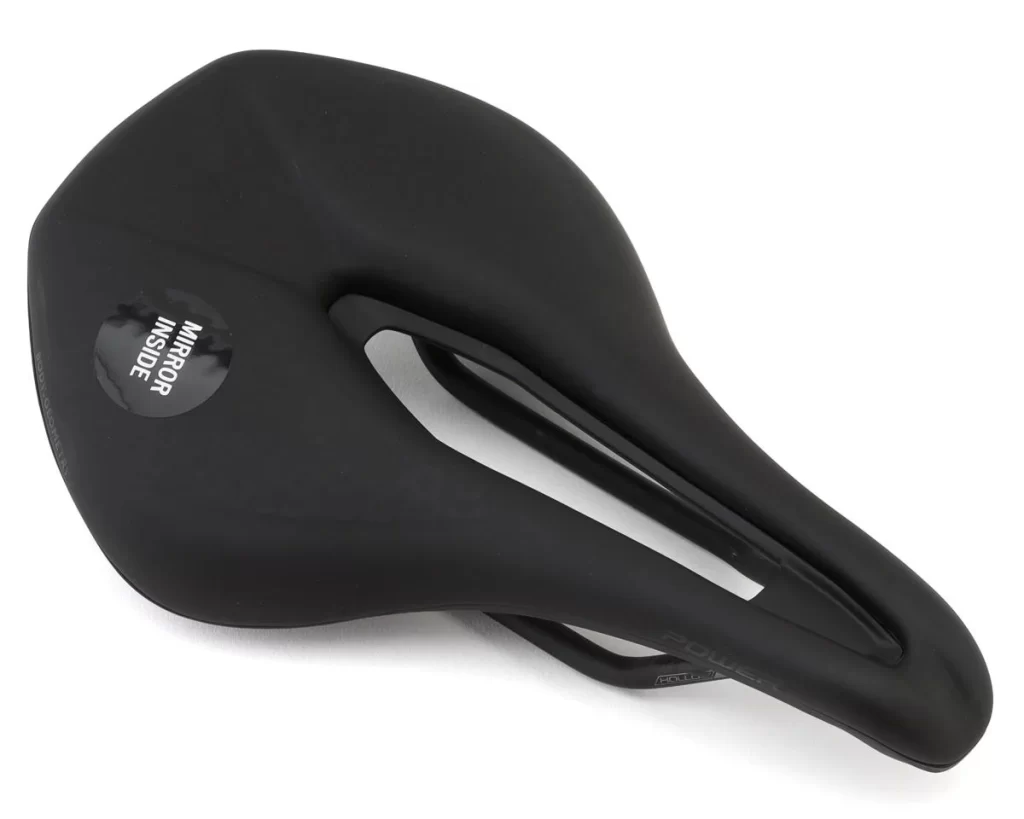
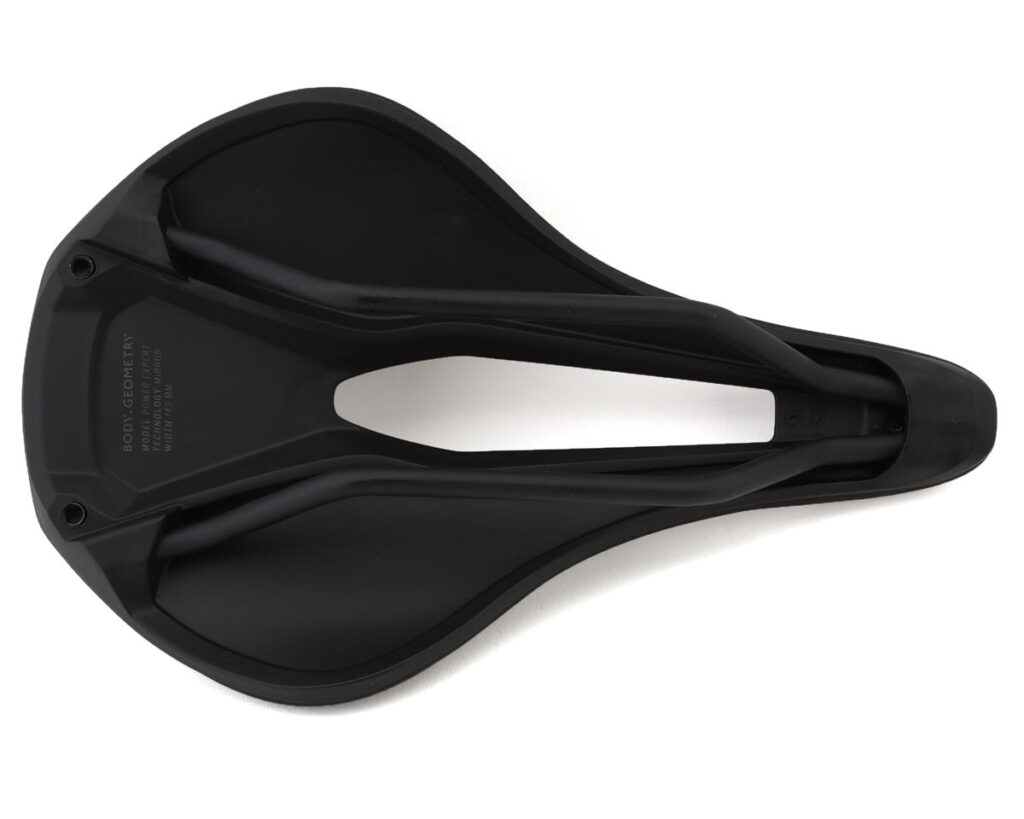
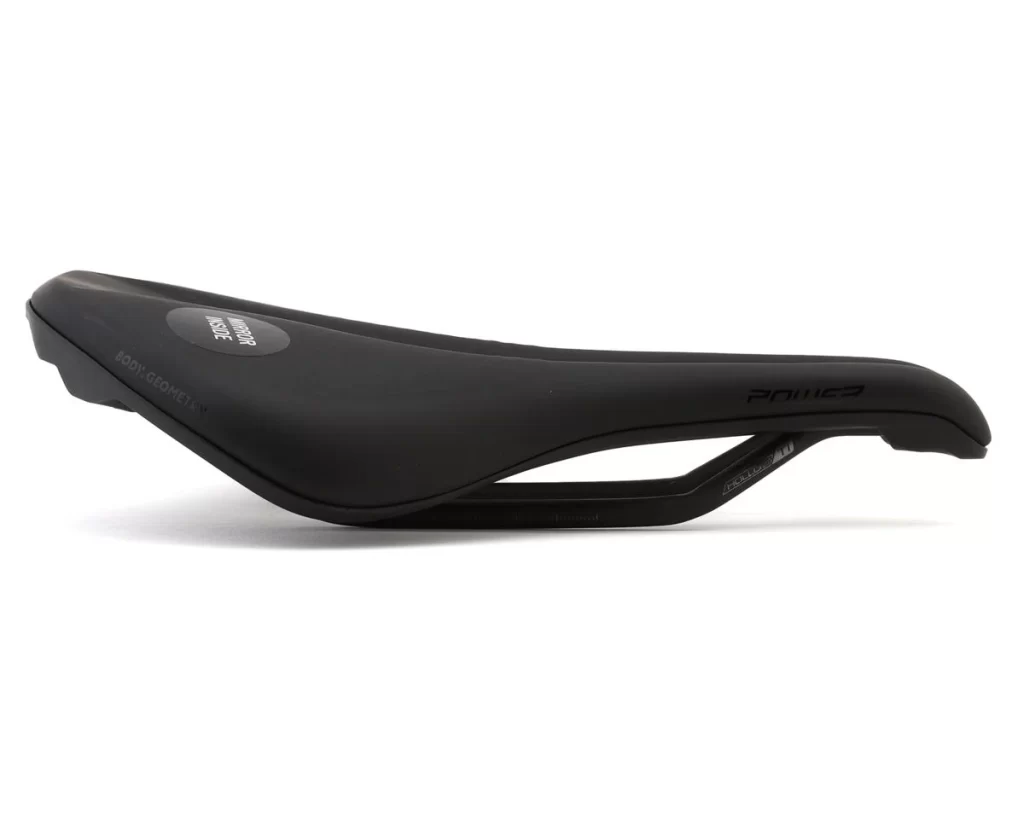
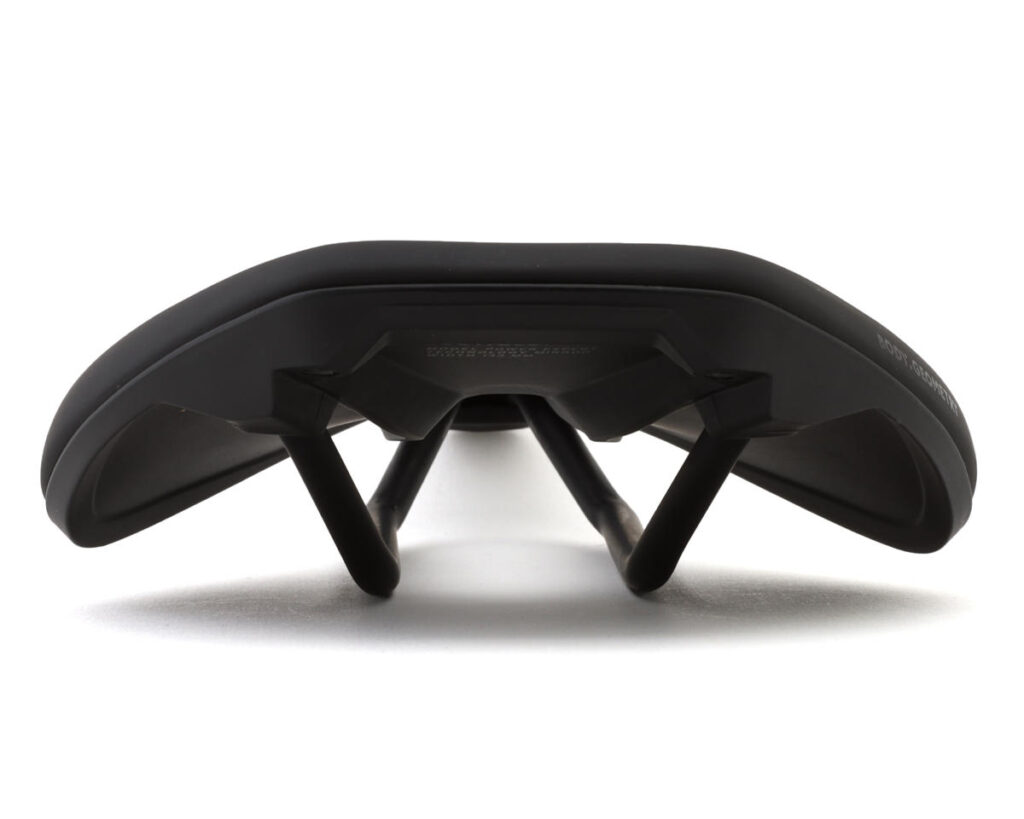
Power Expert Mirror
Unlike the other two saddles in this test, the Specialized Power Expert Mirror saddle comes in four sizes (130mm, 143mm, 155mm, 168mm) and includes a cover for a more traditional look that is easier to clean than open 3D lattice. Specialized says this is an “all around” saddle that could be used for road, gravel, or MTB.
It’s also the most affordable of the three saddles tested, retailing for $200US. It also (surprisingly) came in around 30g lighter than the Power Pro Mirror, at 225g for the 155mm size.
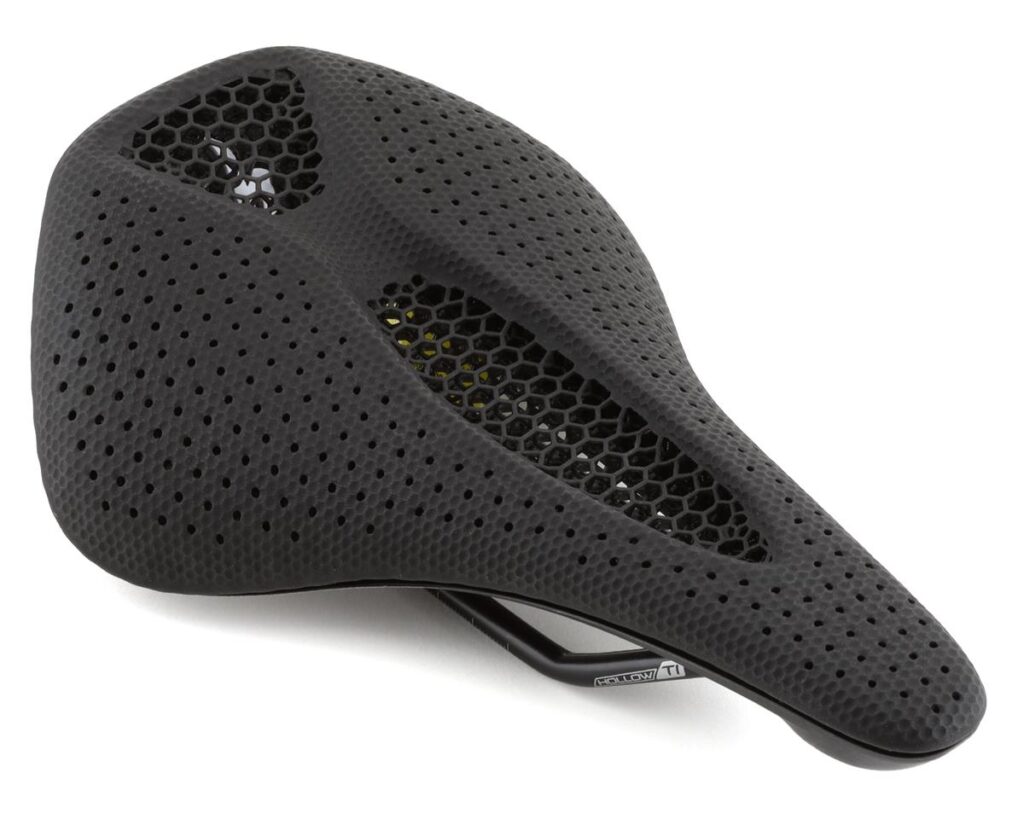
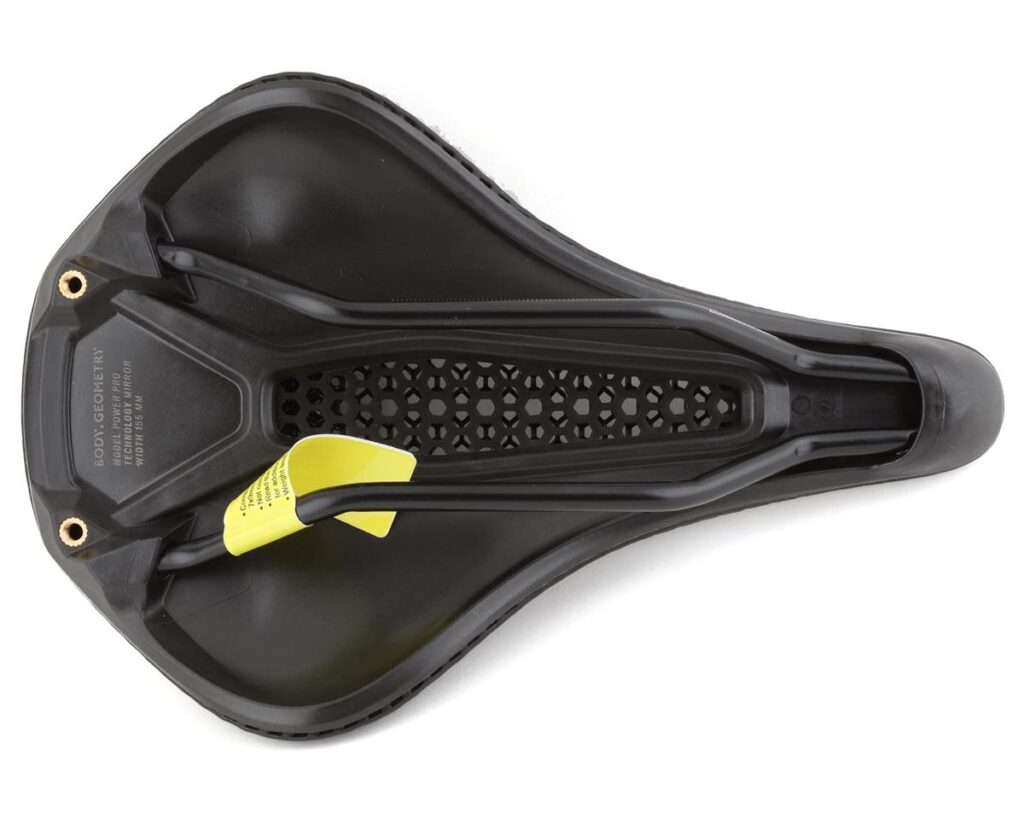
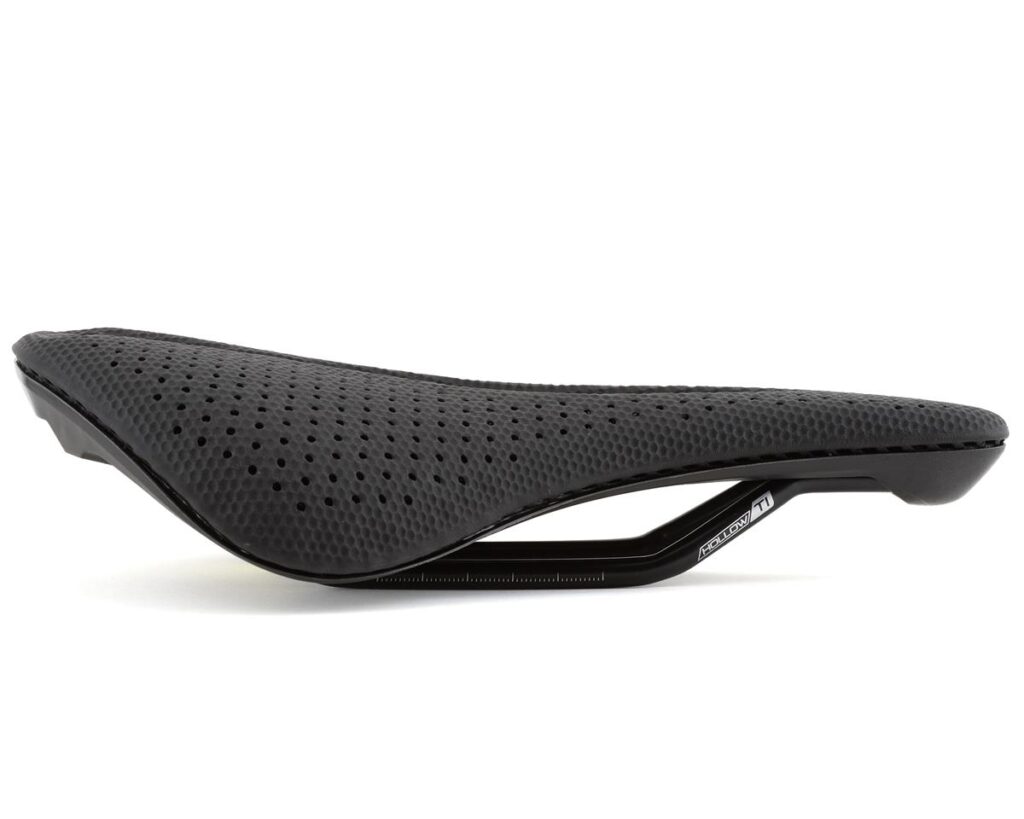
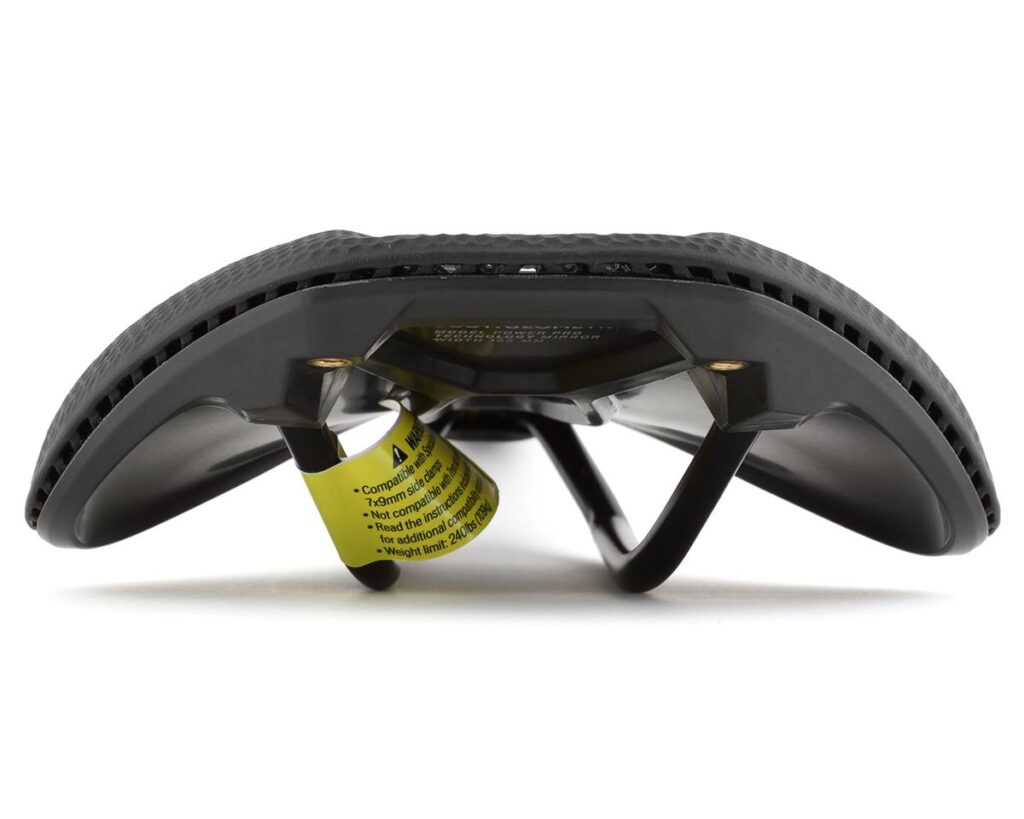
Unlike the other two saddles, the Power Expert Mirror uses 3D-printed Mirror technology for just a portion of the pad (the area under your sit bones). The patented Body Geometry design is used to improve blood flow, and rails are lightweight hollow Ti.
Power Pro Mirror
The Specialized Power Pro Mirror saddle is essentially a more affordable version of the S-Works Power Mirror. It comes in the brand’s two standard sizes (143mm and 155mm) and retails for $325US. It is the heaviest of the three saddles I tested, weighing in at 252g for the 155mm size.
The Pro version has the same Mirror pad as the pricier S-Works version (a “patent-pending matrix of 14,000 struts and 7,799 nodes”), but instead of the S-Works version’s carbon fiber shell and rails the Pro uses a nylon+reclaimed carbon fiber base and hollow Ti rails.
S-Works Romin EVO Mirror
The Romin shape is popular with pros, and the S-Works Romin Evo Mirror is at the top of the Romin line. It comes in the brand’s two standard sizes (143mm and 155mm) and, being the S-Works version, is the lightest (198g in the 155mm size) and most expensive saddle of the three tested here, retailing at $450US.
Despite its longer nose compared to the Power saddles, Specialized says the Romin is “designed to deliver exceptional comfort and ensure blood flow to soft tissue when riding in a low, aero position.” Specialized developed their first concave FACT carbon fiber shell for this saddle, allowing them to use the thickest Mirror pad to date, featuring 22,200 struts and 10,700 nodes. In the end, replacing Romin foam with Mirror technology reduces sit bone pressure “up to 26%.”
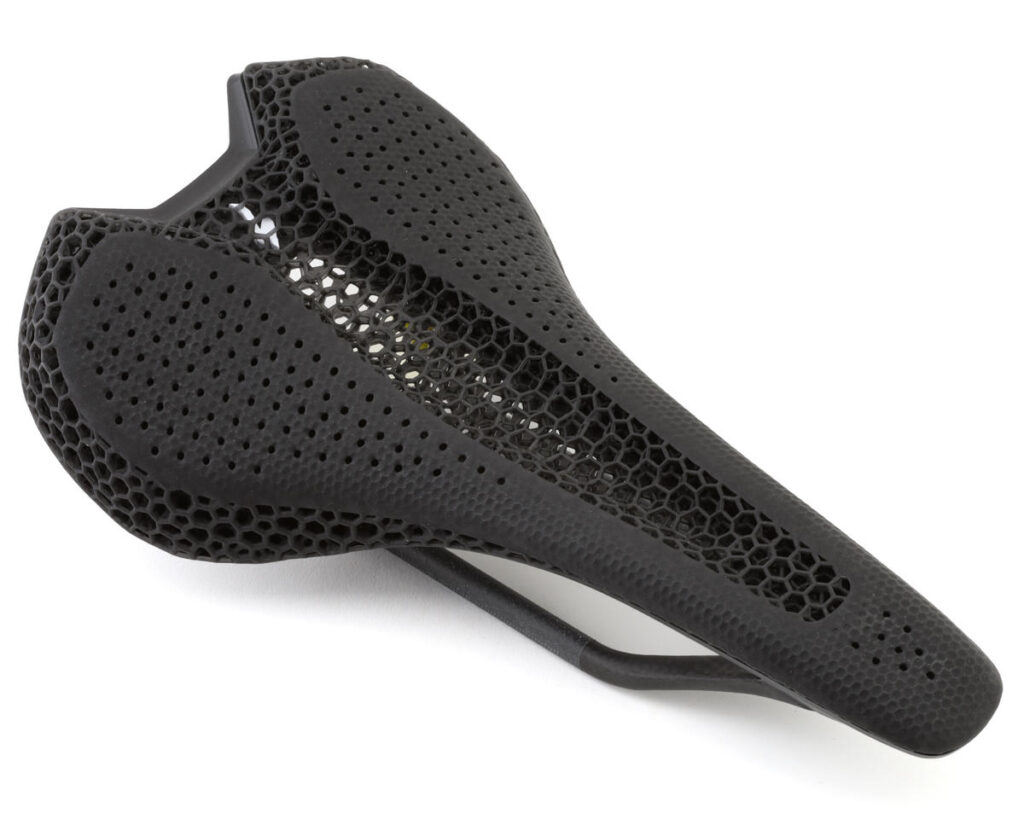
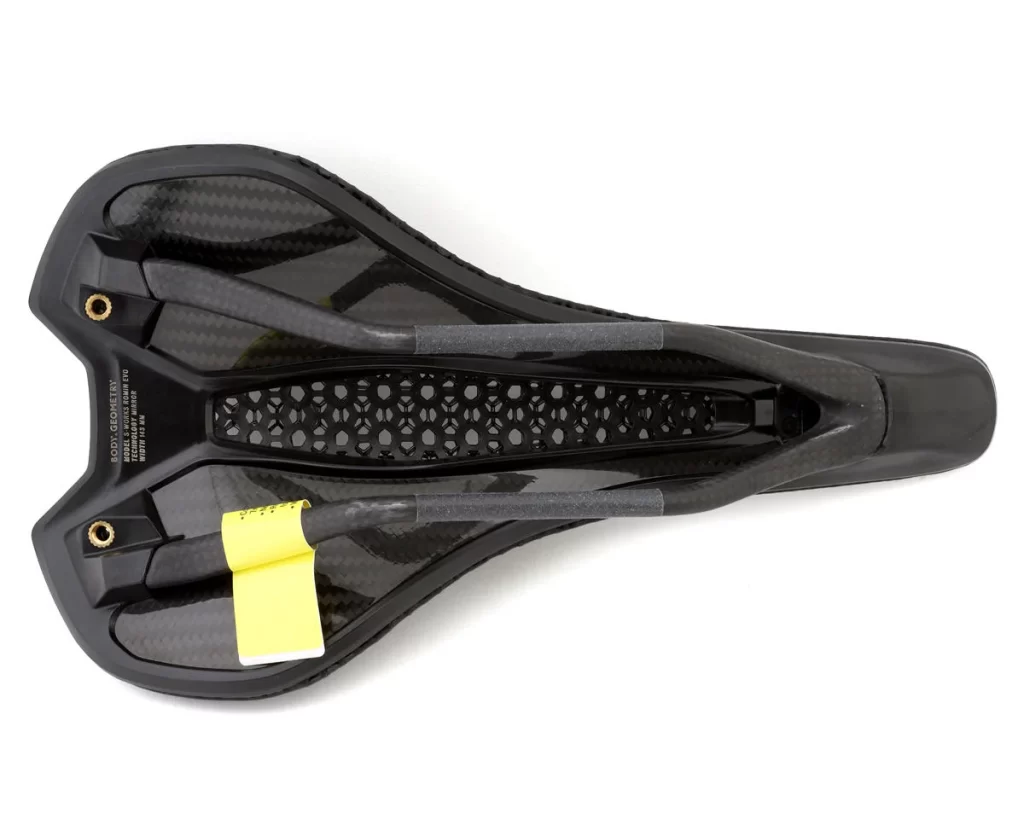
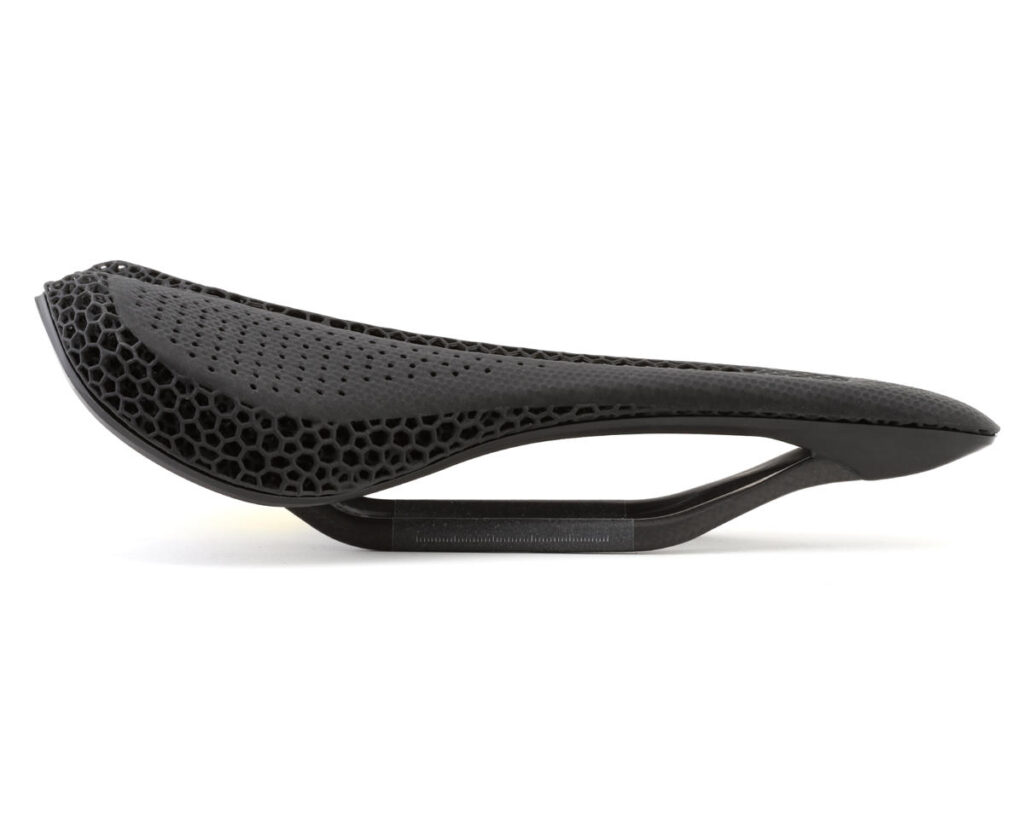
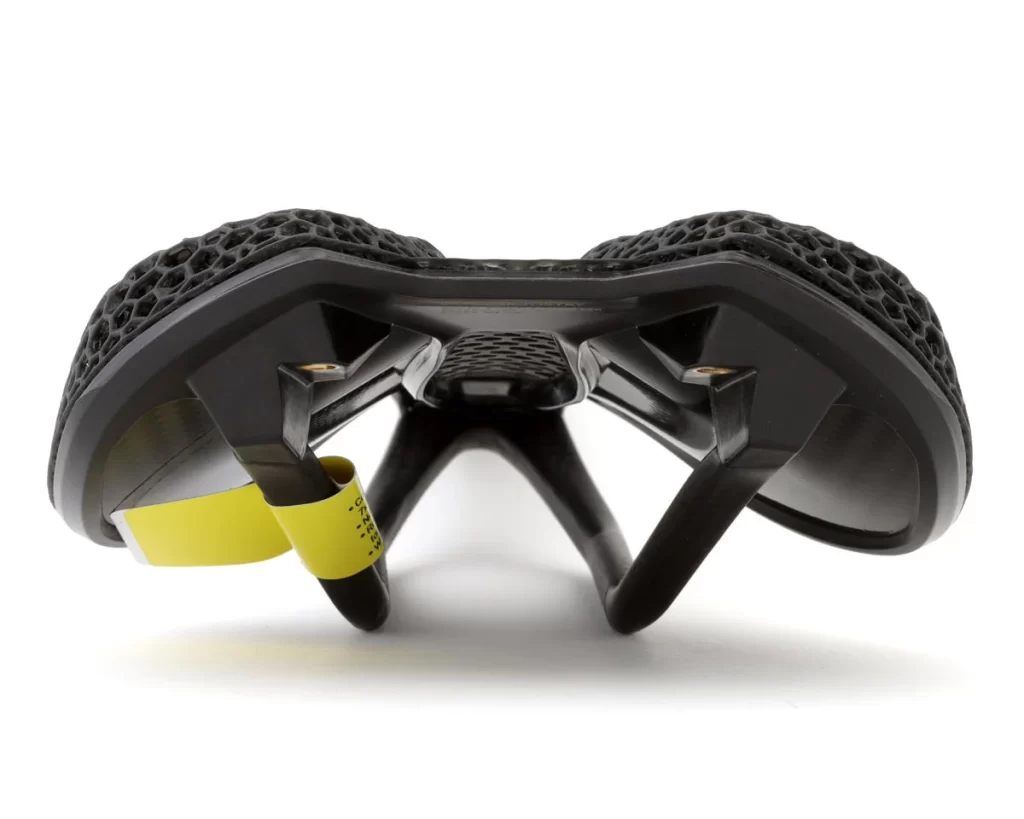
Important: the S-Works version of the Romin features oversized 7x9mm carbon rails which are not compatible with seatposts equipped with side-load clamp mechanisms for 7mm round rails.
Ride Experience
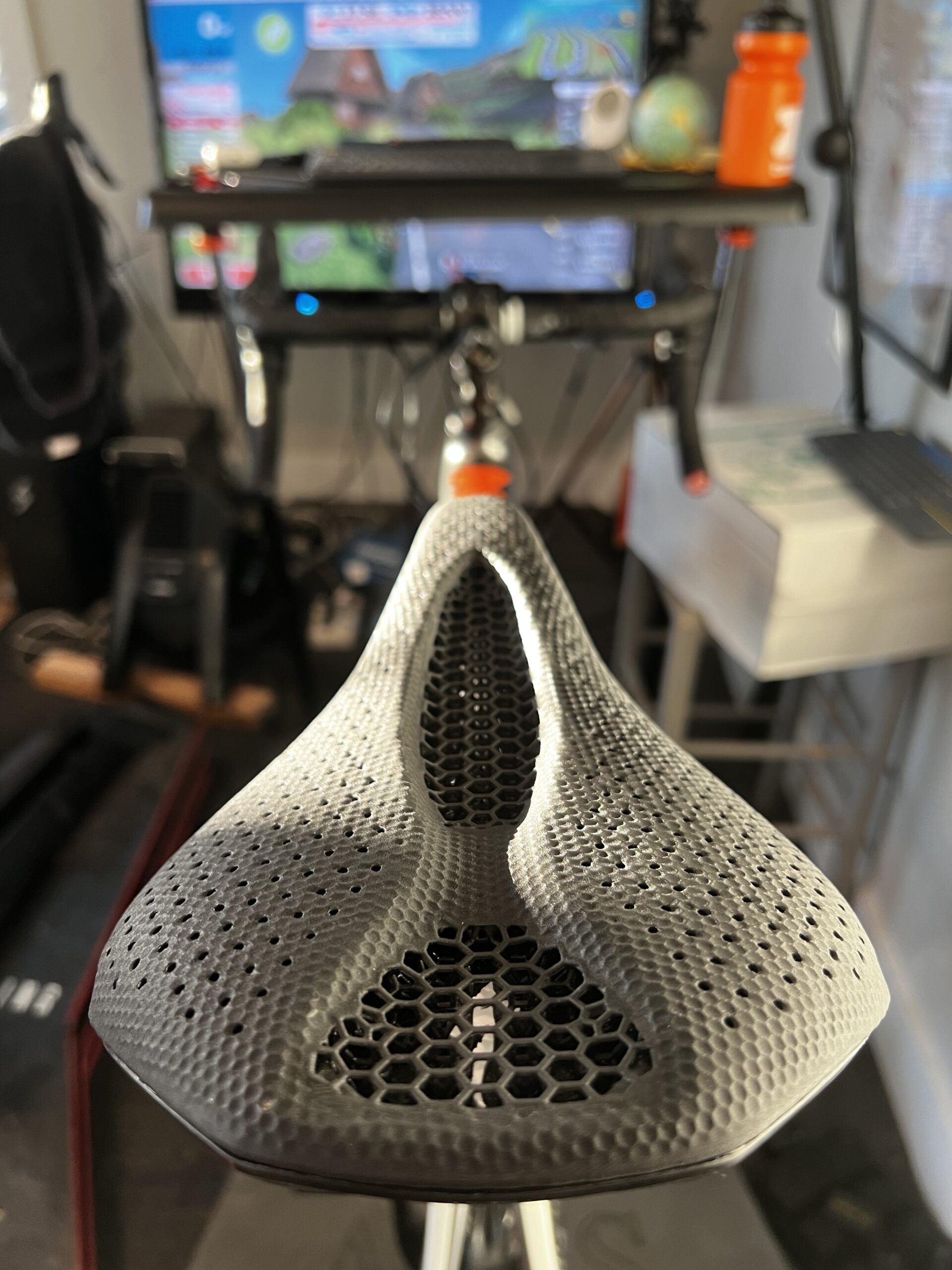
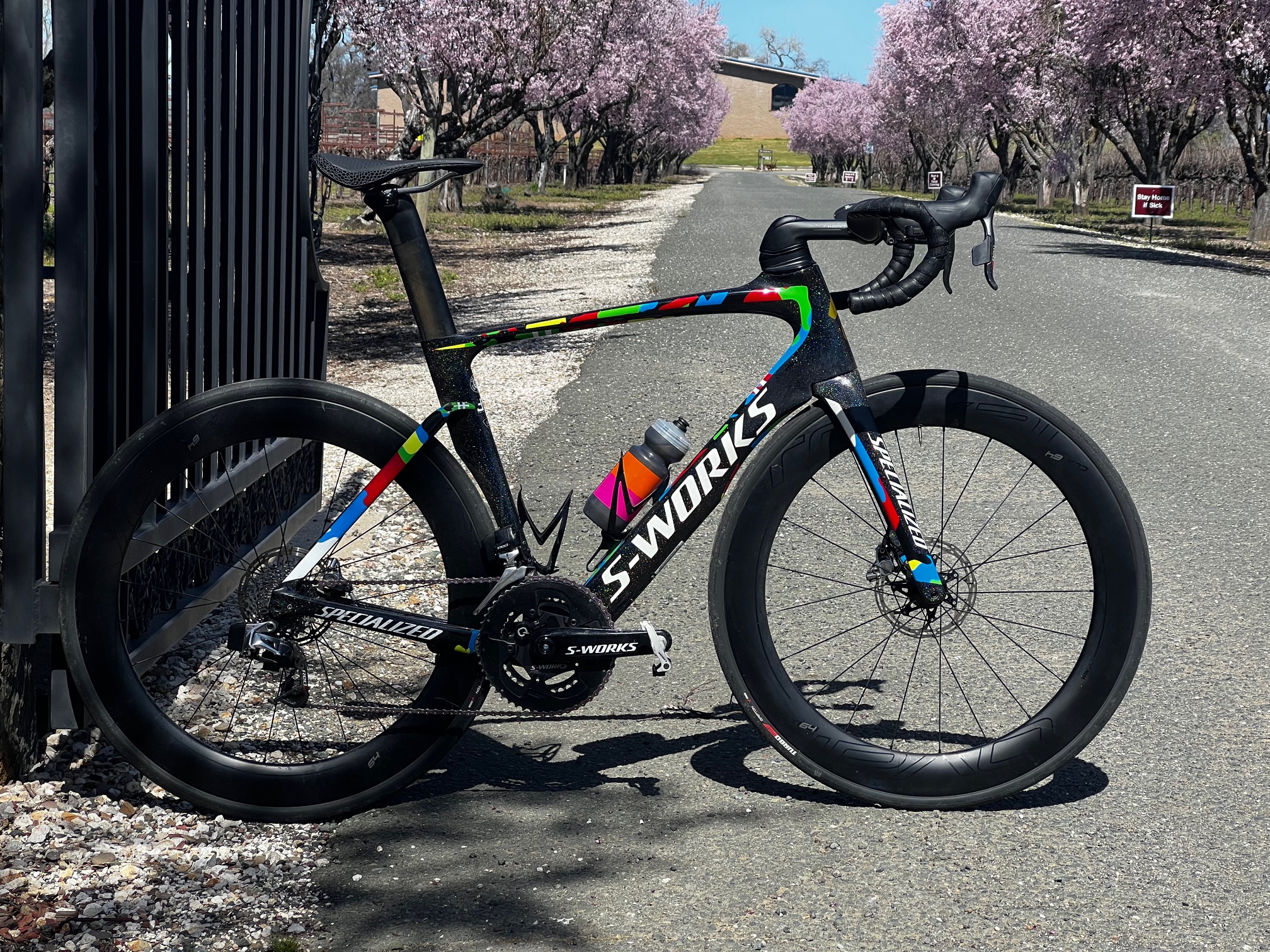
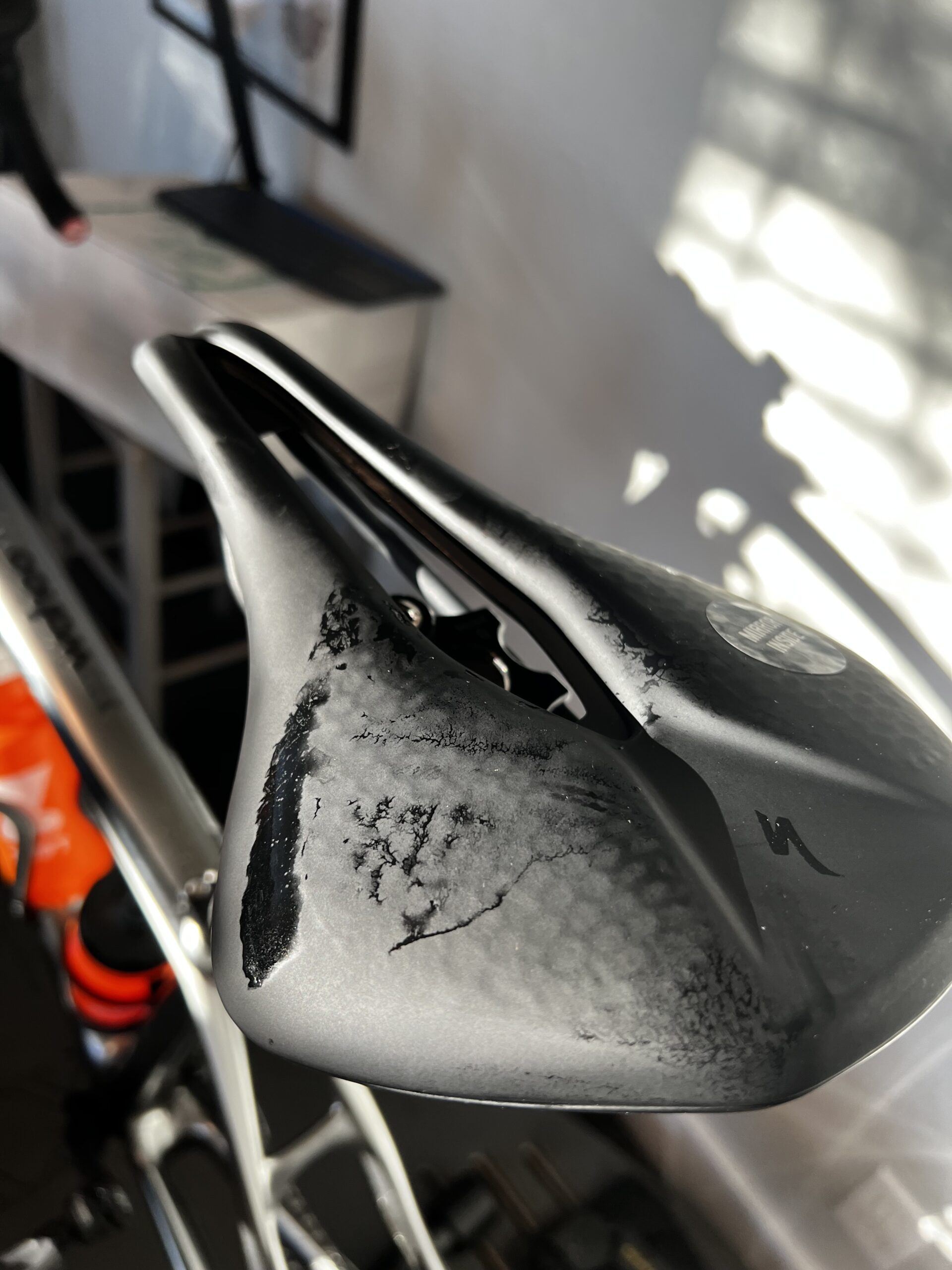
Having spent many hours atop older (foam) versions of the Power saddle in recent years, I was eager to try the newer Mirror versions. Additionally, I’d never ridden a Romin for any substantial length of time, so I was curious how it would feel to be back on a longer-nosed saddle.
The two Power saddles were tested both indoors (on Zwift) and outdoors, while the Romin was only used outside since my Specialized Venge ViAS is the only bike I have with compatible 7×9 side clamps.
The Power saddles felt more different than I would have guessed, with the Power Expert feeling a bit firmer under the sit bones and roomier in the nose than the Power Pro. Testing with both my fingers and my sit bones would indicate that the Mirror inserts in the Power Expert are a bit firmer than the Mirror pad used in the Power Pro, and you can also see that the channel ends a bit earlier in the Pro, which accounts for that feel of a bit more roominess in the Expert.
The Power Expert felt like a slightly firmer version of my well-used Power saddle (purchased back in 2017). The Power Pro, though, with its updated shape and full Mirror pad, felt significantly different. I’d say it felt more rounded in the back, and it bit more closed on the nose.
Every saddle I’ve ever used has creaked somewhat. Riding on Zwift, I noticed that the Power Expert creaked more often than the Pro, probably due to its nylon shell vs the Pro’s stiffer nylon/carbon shell.
The Power saddles have a shorter nose, a wider flair, and a flatter profile than the Romin. The shape of the Power Saddle is good if you don’t want to do a lot of moving around (fore-aft), while the Romin’s longer, narrower design allows for more movement.
I was actually surprised by how great the Romin felt. The narrower back felt roomier on the undersides of my thighs, whereas the Power saddle rubs a bit there – one of those things you don’t notice until it’s not there anymore. The Romin also curves up more in the back, which feels like a nice platform to push from. Lastly, the long, open channel feels quite roomy.
In the end, I was happiest with the Power Pro, but I’ll continue using the Romin on my outdoor bike as I was pleasantly surprised by its feel.
Which Saddle Is Best?
I can’t answer this question. Asking which saddle is best is like asking which helmet is best: I can say one is built inherently better than the other (carbon fiber vs nylon, etc), I can say what fits me the best, but in the end, the fit for you is what matters… and we’re all built differently.
Yes, 3D-printed saddles are pricey. But if you’re still searching for the perfect saddle, it’s worth taking a look at the latest crop of liquid polymer latticed super-saddles, because computer-aided design and manufacturing processes are allowing manufacturers to do dial in saddle design like never before.
Most online stores like Performance Bicycle offer 30-day money-back guarantees, and many local bike shops offer a try-before-you-buy program with saddles. These policies exist for good reason, since you may need to try more than one saddle before you find the one that fits. And don’t just ride a new saddle once – ride it for a week or so before making the decision.
Lastly, it’s worth noting that there are several companies making 3D-printed saddles today, from startups to established brands like fi’zi:k and Selle Italia. If you want to learn more about these cutting-edge saddles, read the 3D printed saddles article over at Performance Bicycle.
Questions or Comments
What’s your favorite bike saddle? Have you tried any of the three above? Share below!

Eric, I think that the Power Pro and Expert names are mixed up in the 4th and 5th paragraphs of the Ride Experience section, and in the first picture in Ride Experience it’s the Power Pro instead of the Expert. Great writeup otherwise, loving my Power Pro for Zwifting!
Fixed now! (to avoid confusion if anyone stumbles across this comment) 🙂
I’ve been riding the ZEIUS 3D printed bike saddle (with carbon fibre underside and rails) for 12 months and it is seriously good. Available on AliExpress for under $100 AUD. Great value for money and at least equivalent in comfort to the traditional-style western-brand saddle I was previously riding. Like anything, there are some great bike products available on AliExpress – but also a lot of junk. This saddle is firmly in the great product category.
Eric – I recommend you buy one (they are certainly cheap enough) and give it a go.
As a long-time professional bike fitter I want to mention that the arching rear profile of the Romin saddle makes it effectively much narrower than more traditional saddles. The Power series has a significant contour, but not as much as the Romin. After you determine the width of your ischial tuberosities (sit bones) I recommend getting the widest Romin saddle possible so that you are well supported and not sitting on the wider parts of the contour.
That’s good feedback and also explains why I never could get along with the Romin.
I had two S-works 3D printed models. Both broke (collapsed) after maybe less than a year. The 3D structure just collapsed due to weight and frictions. Both were used inside on Zwift, for about 5000km each. The structure is just not robust enough. And I did not find any of them being more comfortable than a regular saddle. Considering how expensive they are, I would never advise buying one of them. Finding a saddle that suits to you is hard enough. Having to change every year is quite annoying (and too expensive).
I miss having a Performance Bike shop locally. Was nice being able to try new saddles without having to commit. I have so many that I’ve bought and used for a month or less and are piled on a drawer…