

Zwift’s latest update includes a new gravel frame from Specialized, the Diverge 4, the latest version of their popular Diverge gravel line. The Diverge 4 is an updated version of the Diverge frame added to Zwift in March 2022, delivering improved aerodynamics and reduced weight.
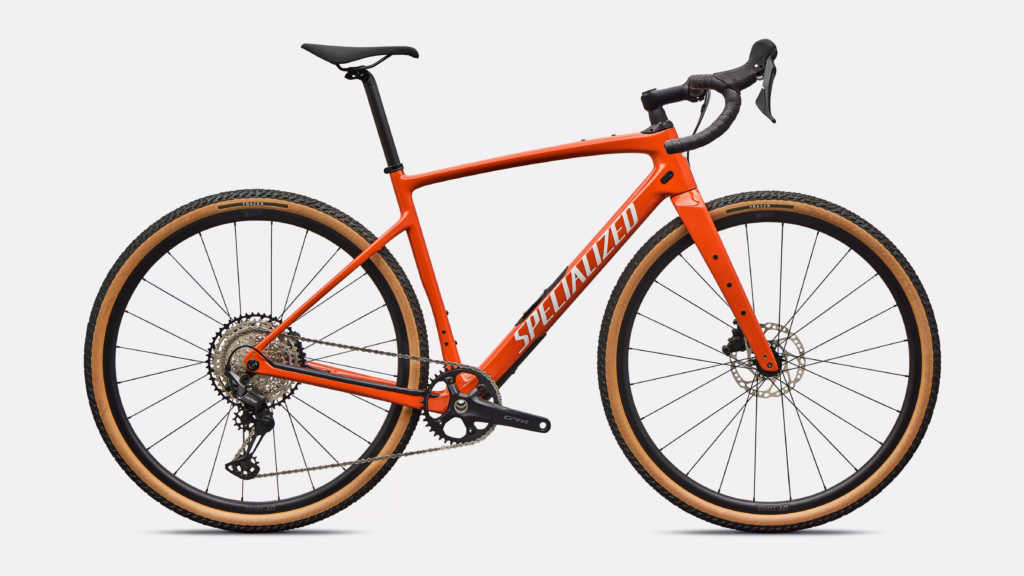
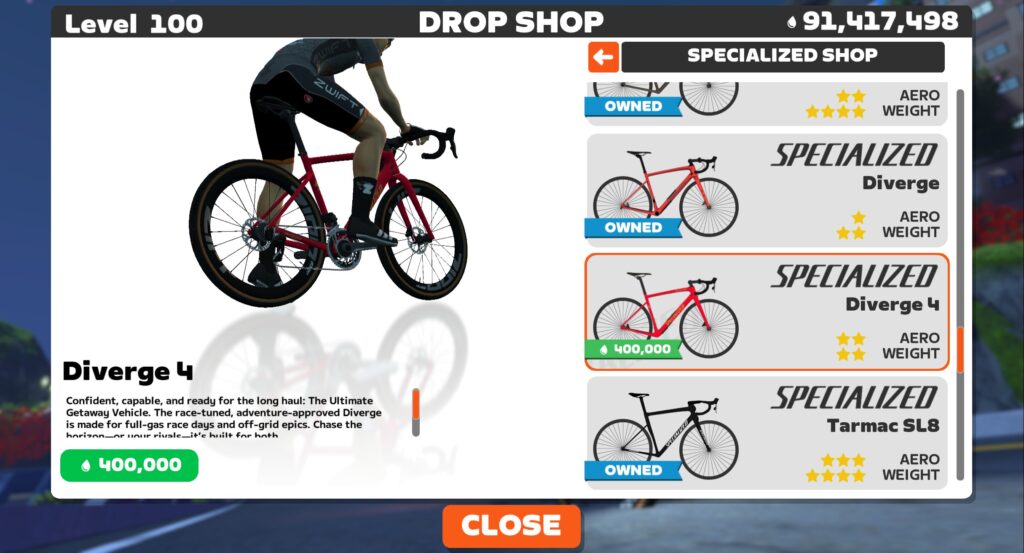
On Zwift, you’ll need to be updated to game version 1.111+ to see this bike in the Drop Shop. You’ll also need to be at level 12+ with 400,000 Drops to buy it. Here’s how it’s described in the Drop Shop:
“Confident, capable, and ready for the long haul: The Ultimate Getaway Vehicle. The race-tuned, adventure-approved Diverge is made for full-gas race days and off-grid epics. Cashe the horizon – or your rivals – it’s build for both.”
See our master list of all frames in Zwift >
It’s rated 2 stars for aero and 2 stars for weight, while the original Diverge was rated only 1 star for aero. So we knew this bike would be faster than the original Diverge. But how much faster? Since Zwift’s 4-star system isn’t the most granular of performance measurements, we ran this frame through our precise tests to measure performance at nerd-level detail. Let’s dive in!
Note: test results below are from a 75kg, 183cm rider holding 300W steady using Zwift’s stock gravel wheelset on the un-upgraded version of the frame.
Aero (Flat/Rolling) Performance
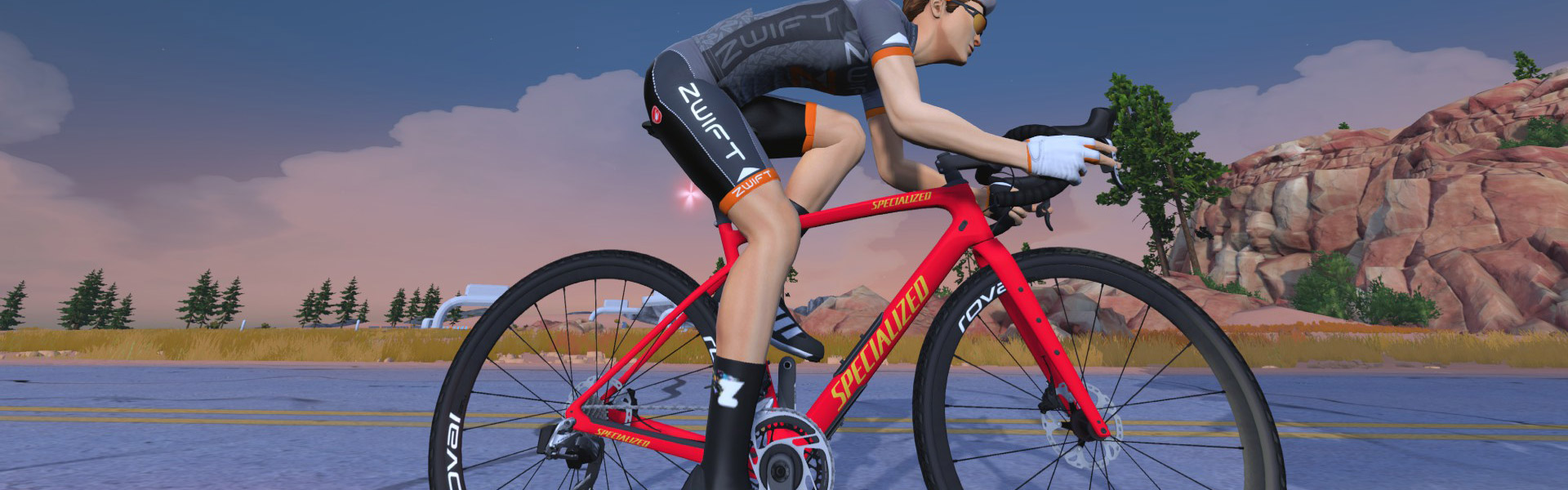
Specialized’s Diverge 4 turns in a much stronger flat test performance than the original Diverge, beating it by 12 seconds over an hour of riding. In fact, the Diverge 4 beats the Specialized Crux that is currently in game (but only because that Crux is over 4 years old – surely if Zwift brings the latest Crux into the game, it will beat the Diverge in both tests.)
The new Diverge is the slowest of the new crop of gravel frames added in Zwift in the last few weeks, though. And that makes sense, because the Diverge isn’t a gravel racing frame like the Canyon Grail SLX, Pinarello Dogma GR, Cannondale SuperX LAB71, and Cervelo Aspero 5.
For comparison, the stock Zwift Gravel frame loses 145.4 seconds to our baseline Zwift Carbon frame across an hour of flat tarmac, while the fastest gravel bike, the Cervelo Aspero 5, loses 111.2 seconds. The Diverge 4 loses 118.4 seconds.
Climb Performance
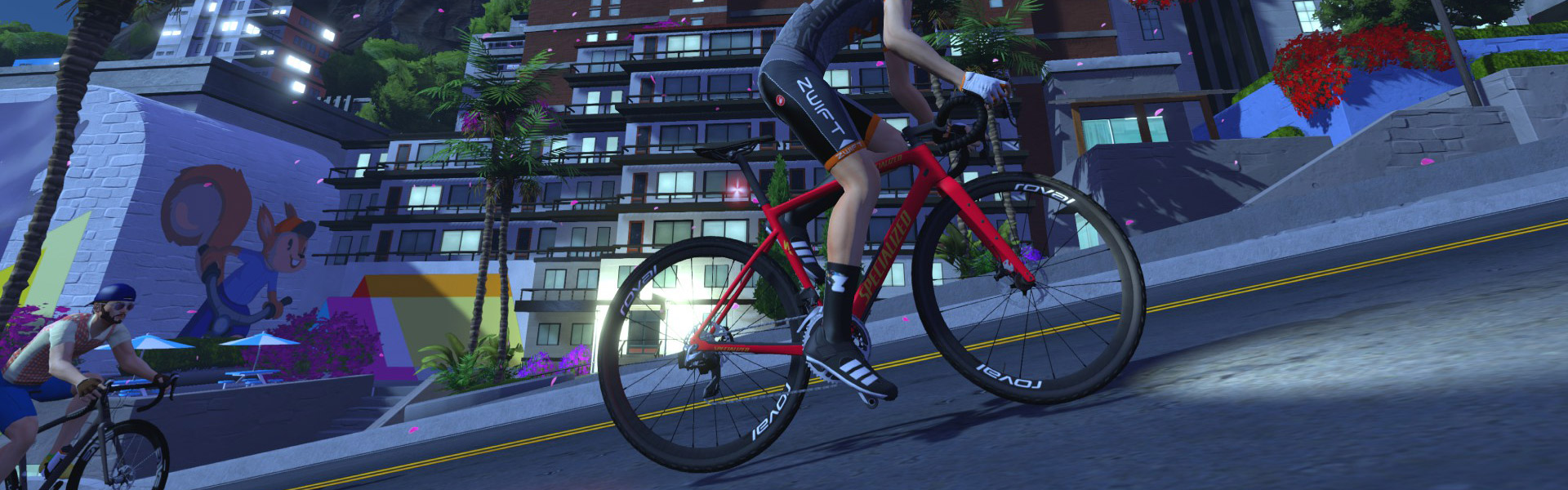
The Specialized Diverge 4’s climbing performance isn’t on par with its aero performance, even though it does shave several seconds off the original Diverge’s time.
The stock Zwift Gravel frame loses 161.8 seconds to our baseline Zwift Carbon frame across an hour of Alpe du Zwift climbing, while the new Cannondale SuperX LAB71 loses 118.7 seconds. The Diverge 4 loses 148.5 seconds, putting it in the lower third of all gravel frames on Zwift in terms of climbing performance.
Jungle Performance
Of course, nobody really cares about how well a gravel frame performs on pavement, which is where we do our aero and climb testing (above). While those flat and climb tests help us tease out a frame’s aerodynamic capabilities and weight, when it comes to gravel bikes, people really want to know how fast they are on Zwift’s virtual dirt!
In that regard, the Diverge 4 turns in a strong “midpack” performance, losing ~9 seconds across an hour of Jungle Circuit riding to the fastest gravel frames.
Upgrading Your Specialized Diverge 4
Like all frames in Zwift, Specialized’s Diverge 4 can be upgraded in five stages. As a mid-range distance bike, only the first four stages result in a performance improvement. The Specialized Diverge 4 upgrade stages are as follows:
- Ride 160km, pay 50,000 Drops for an aero upgrade
- Ride 200km, pay 100,000 Drops for a weight reduction
- Ride 240km, pay 150,000 Drops for a drivetrain efficiency improvement
- Ride 280km, pay 200,000 Drops for an aero upgrade
- Ride 320km, pay 250,000 Drops for a 5% Drops boost
You can expect a stage 4 Specialized Diverge 4 to be approximately 28 seconds faster on a flat hour and 36 seconds faster on an hour-long climb vs a “stock” (un-upgraded) Specialized Diverge 4.
Conclusions
Specialized’s new Diverge 4 isn’t an exceptional performer in Zwift, but that’s realistic: it’s not a racing frame like the Specialized Crux. Rather, it’s more of a comfortable all-day adventure bike. Those characteristics, while appealing IRL, aren’t as attractive on Zwift, for obvious reasons.
The new Diverge is, however, available at a low level, and at a bargain price. Beginners may want to grab this bike as a decent gravel performer while they work their way up to higher levels and faster bikes.
We’ll be adding this bike to the following posts soon:
- Speed Tests: Gravel, MTB, and Road Frames on Zwift Dirt
- Zwift Shopping Guide: What To Buy from the Drop Shop at Each Level
Questions or comments?
What do you think of Specialized’s new Diverge 4 in Zwift? Share below…
Important note: this post contains speed test results for Zwift frames or wheels. These results may change over time, and a bike's performance relative to others may also change. We don't always revise posts when performance rankings change, but we do keep current, master versions of our speed test results which are always available. See the frame charts, wheel charts, and Tron vs Top Performers for current performance data.

 wpDiscuz

