

For most Zwifters, a serious weekend endurance block means locking in for two or three hours, firing up a good podcast, and churning through a few laps of Watopia’s flatter ribbons. But for Joel Pereira, standard training milestones are just warm-ups. Driven by an obsession with testing his physical boundaries, the Portuguese ultra-endurance cyclist set out to tackle one of the most demanding benchmarks on the virtual platform: covering 500 kilometers in a single 12-hour stint.
Joel’s journey into the virtual peloton is far from conventional. He started cycling relatively late at age 15, riding through youth development programs until stepping back at 18 to focus on his academic studies. During the 2020 pandemic, he rediscovered his passion for two wheels. However, it was an unprecedented weather pattern—four consecutive months of relentless rain in Portugal—that permanently shifted his trajectory. Forced indoors, Joel dove deep into Zwift racing, competing in WTRL time trials and ECRO events. In the process, he completely lost his appetite for outdoor road riding, turned professional in virtual esports, and joined the Irish team RWB.
When Joel decided to line up for a 12-hour ultra-distance effort, it wasn’t just a random spur-of-the-moment ride. It was a rigorous test of endurance, fueling tactics, and mental grit designed to build foundation fitness for even larger goals on his horizon.
The Math and the Setup: 500km Target vs. Virtual Reality
On paper, hitting 500 kilometers in 12 hours demands a constant average speed of at least 41.67 km/h (25.8 mph) for 720 continuous minutes. In the real world, holding that pace without a massive pro team draft or a closed track is virtually impossible. On Zwift, while red lights, road grit, and traffic don’t exist, static trainer friction, heat accumulation, and unrelenting pedal strokes ensure every single kilometer is hard-earned.
To give himself the best technical advantage, Joel selected the most aerodynamic setup available in his virtual garage: the Specialized S-Works Tarmac SL8 paired with a DT Swiss ARC 1100 Dicut 85/Disc wheelset. While a pure time-trial frame probably offered speed gains on flat terrain, the SL8’s lighter weight proved invaluable when the ride unexpectedly turned hilly.
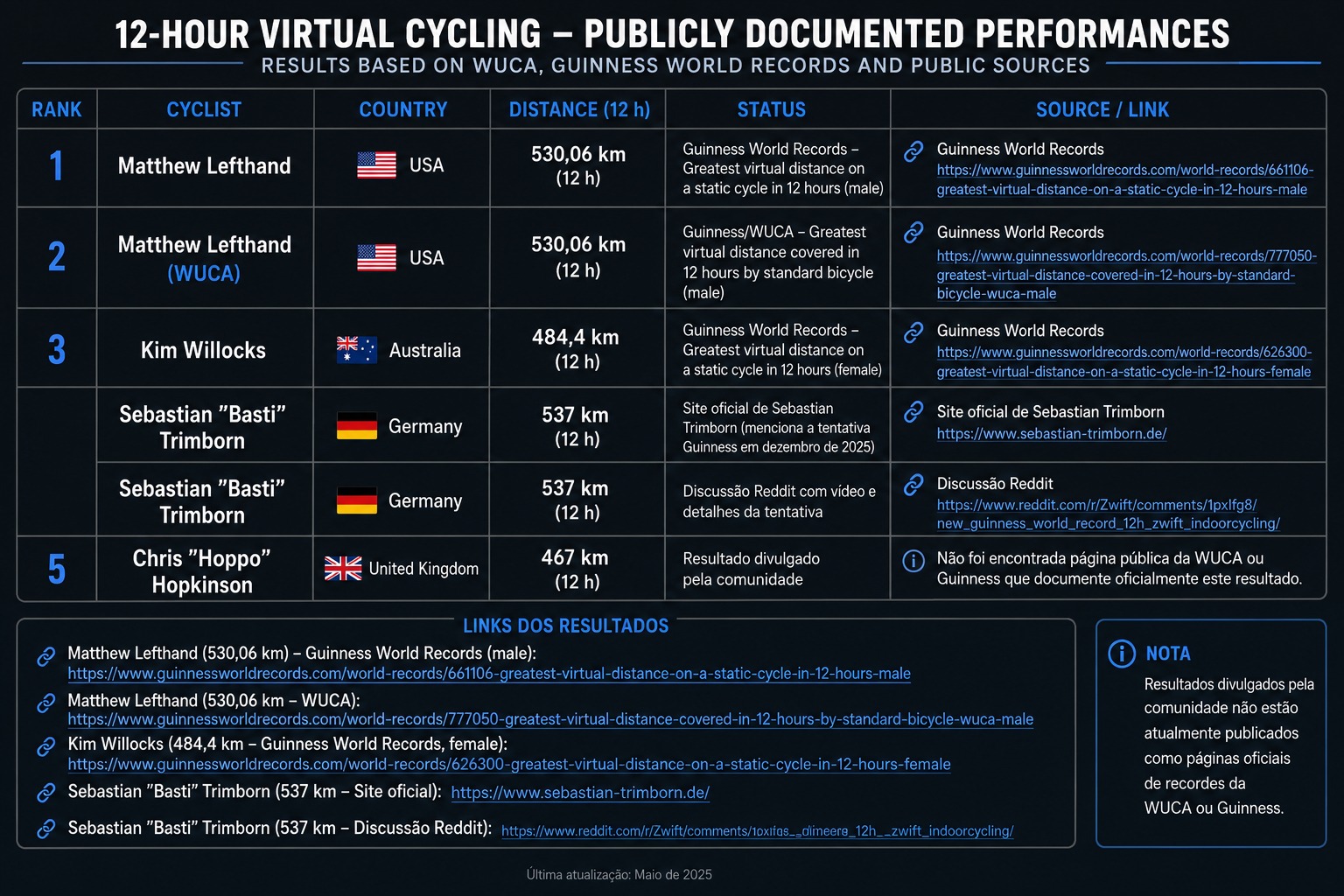
While official world records like Sebastian Trimborn’s 537 km and Matthew Lefthand’s 530 km relied on dedicated, private drafting trains on flat routes, Joel’s solo-turned-public effort stands as one of the most remarkable indoor performances ever logged.
Fueling the Engine: 110–120g Carbs Every Hour
Metabolic failure is the silent killer of ultra-endurance rides. Once glycogen stores empty after hour three or four, no amount of mental willpower can turn the pedals. Joel approached his nutrition with clinical discipline, targeting an impressive 110 to 120 grams of carbohydrates per hour alongside two full fluid bottles—one pure water, and one alternating between electrolytes and high-carb drink mix.
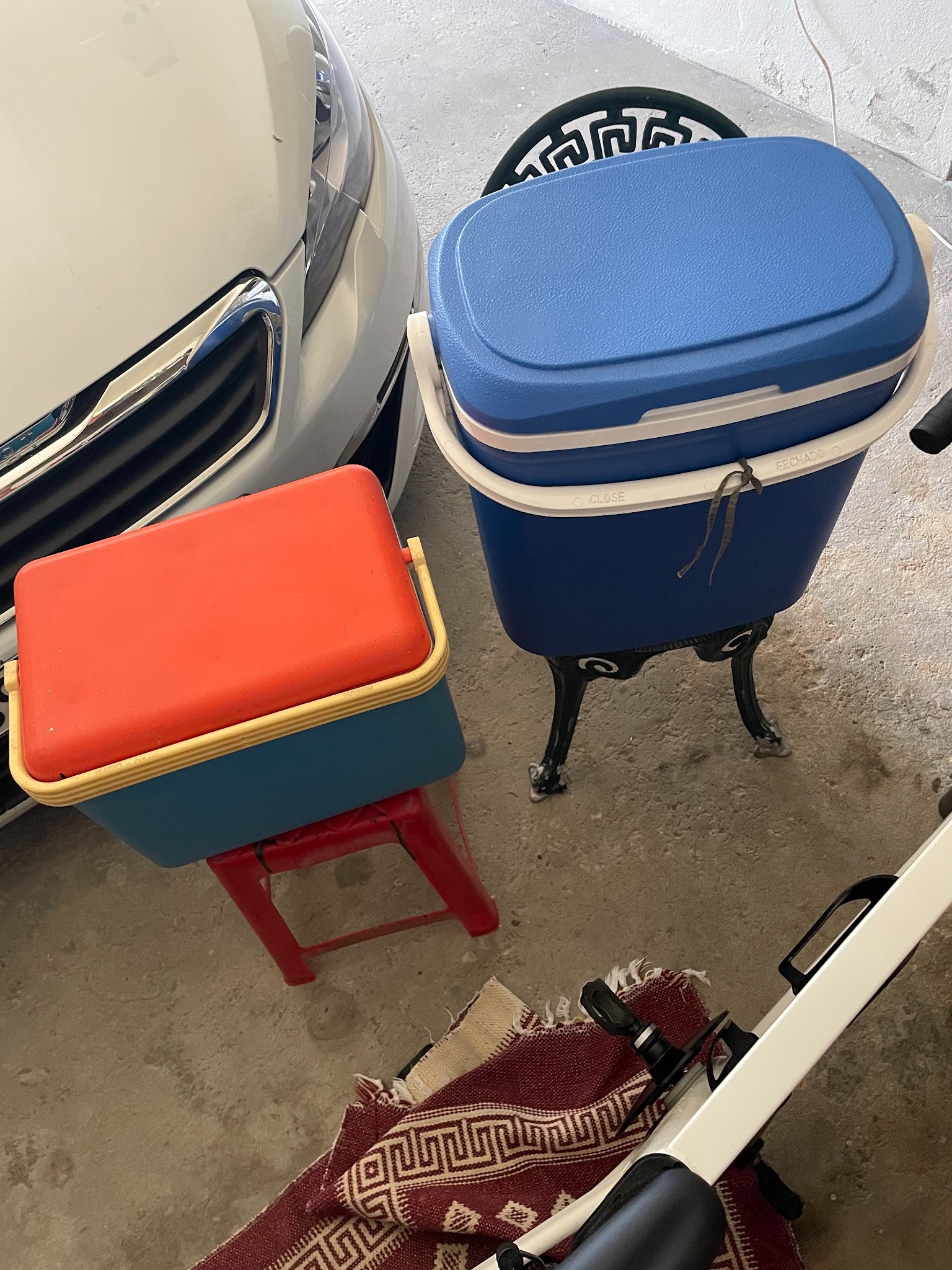
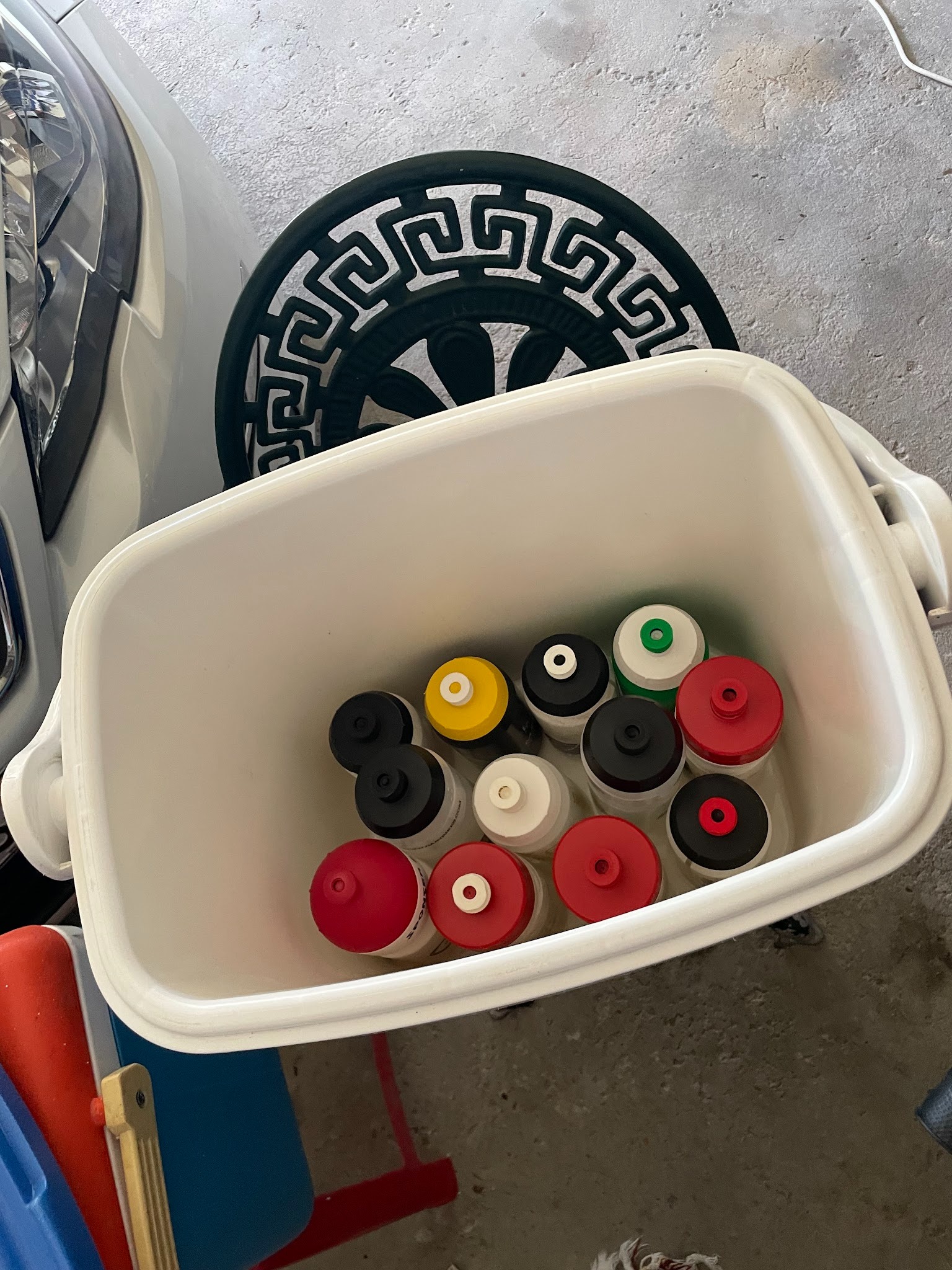
To avoid gut distress and taste fatigue, Joel designed a strict four-hour rotating solid food schedule to supplement his hourly energy gels:
- Hour 1: High-carb gel (~50g carbs) + Peanut butter and banana wrap
- Hour 2: High-carb gel (~50g carbs) + 30g gummy sweets
- Hour 3: High-carb gel (~50g carbs) + Bread with jam
- Hour 4: High-carb gel (~50g carbs) + 30g gummy sweets
This methodical intake kept his blood sugar stable through the first eight hours, supplying the raw calories needed to burn over 7,000 kilojoules without crashing early.
The Mid-Ride Pivot: Leaving Tempus Fugit for RoboPacers
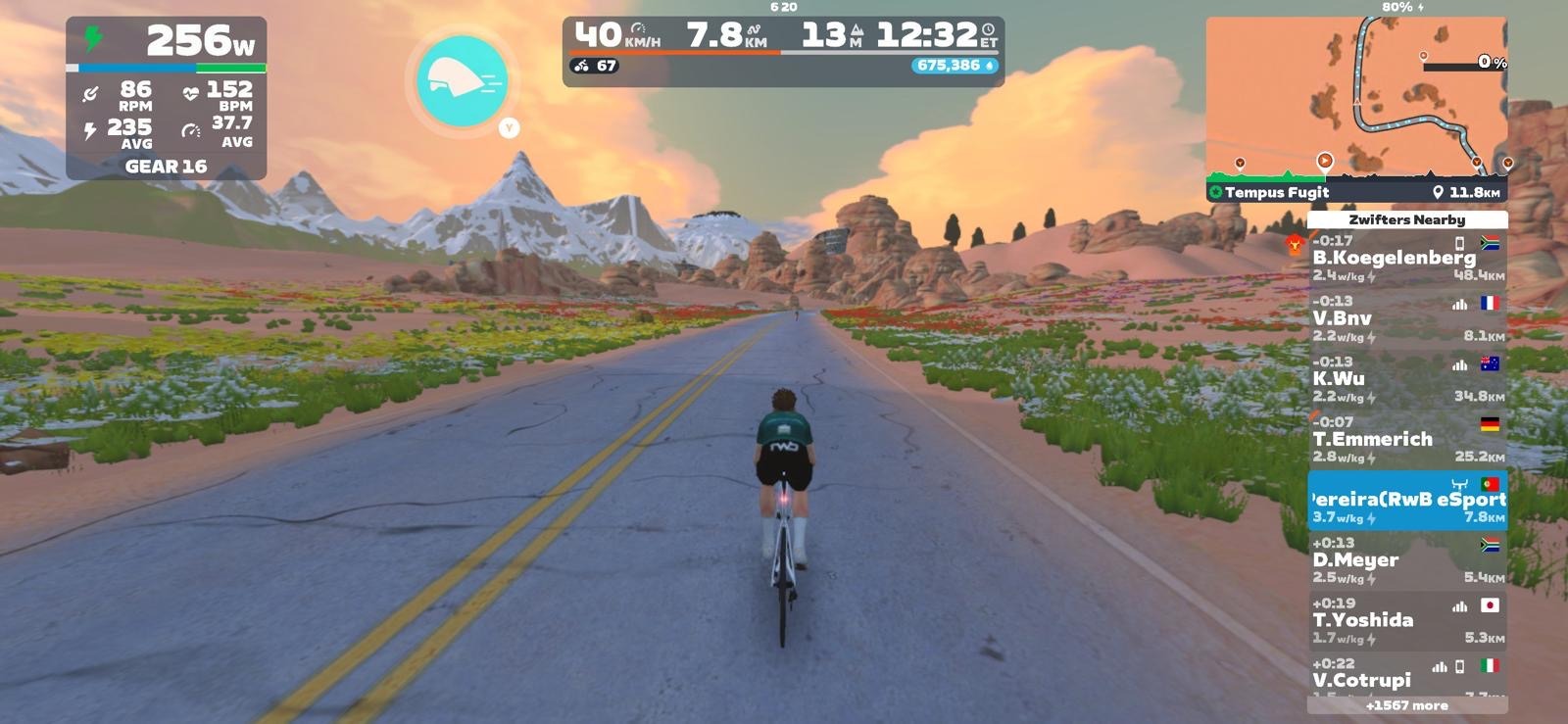
Joel originally planned to spend the full 12 hours pounding out solo laps on Tempus Fugit, Zwift’s pancake-flat desert route. For the first two hours, the plan worked seamlessly. But riding alone on a static trainer along a dead-flat virtual road creates a unique strain: without terrain changes, your posture remains locked, leading to intense saddle pressure, hip tight spots, and psychological monotony.
By hour five, Joel recognized a hard truth: staying solo on Tempus Fugit for another seven hours would be physically and mentally crushing. His mileage targets were slipping, and the physical drag of punching through the virtual air alone was draining his reserves far too fast. He needed a tactical pivot.
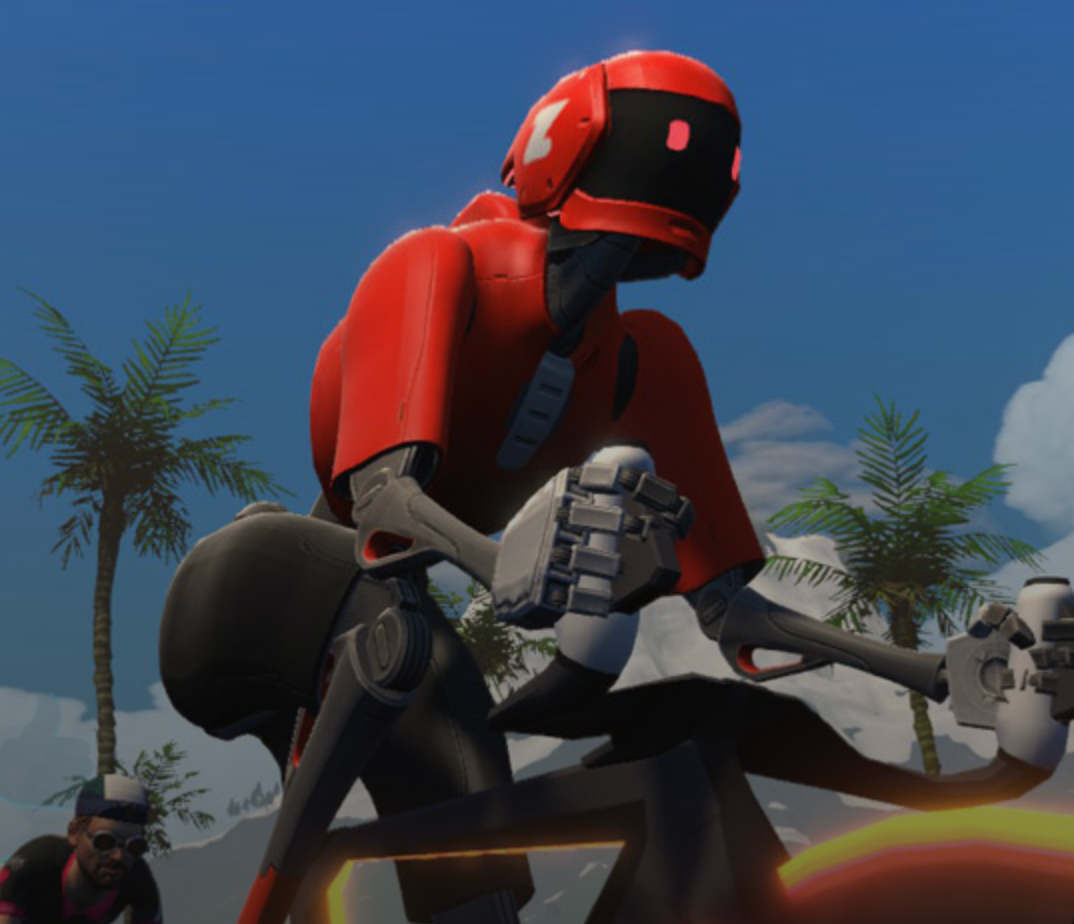
Joel abandoned the flat desert and migrated over to the Figure 8 route, hopping into the draft of the Constance RoboPacer (A-category pacing) and occasionally Genie (B-category pacing). This decision came with a major trade-off: Figure 8 features significant rolling hills, ultimately adding over 2,054 meters of elevation gain to his ride.
While climbing slowed his raw average speed—costing him the chance to break 500 km—the huge aerodynamic draft benefits of a 30+ rider pack allowed him to keep moving at high speed with far lower relative effort on flat sections. However, public RoboPacer groups brought their own chaos. Unlike a coordinated private draft train pulling at a steady tempo, public packs surge unpredictably on climbs and flats, forcing Joel to dish out unexpected micro-bursts of power just to hold the wheel.
Mind Over Watts: Fighting Through the Dark Hours
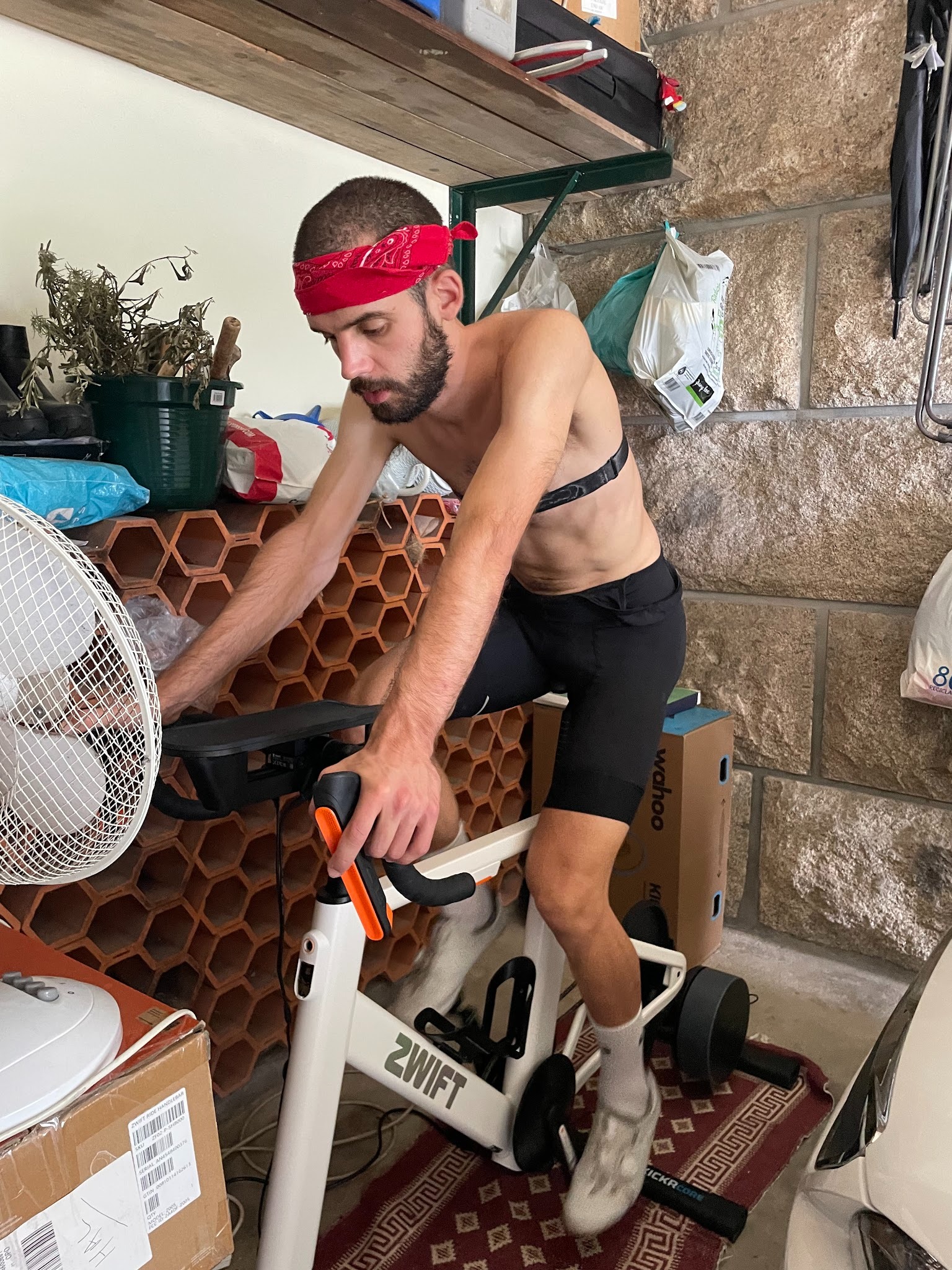
Indoor ultra-cycling is as much a mental battle as a physical one. Out on the open road, scenery shifts and physical motion distracts the brain. In a room facing a screen, every ache in your legs and lower back is magnified tenfold, and the kitchen is only steps away.
Between hours 8 and 9, Joel hit the dreaded wall. His mind began to unravel, telling him that 12 hours was an impossible ask. To keep from unclipping, Joel adopted a classic psychological trick: time micro-chunking.
Instead of focusing on the four agonizing hours remaining, he made a simple contract with himself: “Just ride for 30 more minutes, then re-evaluate.” When that half-hour ended, he renewed the contract for another 30. Ticking off these small bite-sized targets re-ignited his momentum as the clock slowly ticked down.
The ultimate crisis arrived at hour 11. After 11 straight hours of high-carb liquid and solid intake, his stomach completely shut down. Nausea set in, making it impossible to swallow another gel, bite of bread, or sip of electrolyte drink. The urge to quit was overwhelming. But with only 60 minutes remaining on the clock, Joel dug into deep reserves of stubborn grit: “I’ve made it 11 hours—there is no way I can stop now.”
He powered through the final hour on empty, crossing the 12-hour mark at 470.09 km, ranking in the top 5 worldwide.
| Metric | Joel’s Final Performance | Context & Benchmarks |
|---|---|---|
| Total Distance | 470.09 km (292.1 mi) | Beats former Guinness World Record of 467 km (Chris Hopkinson) |
| Elapsed Time | 11 hours, 57 minutes | Continuous effort with minimal off-bike downtime |
| Elevation Gain | 2,054 meters (6,738 ft) | Accumulated on Figure 8 rollers after route pivot |
| Average Power | 204 Watts | Sustained aerobic output across half a day |
| Global Ranking | Top 5 Worldwide | 12-hour Zwift attempt |
Lessons, Recovery, and What Lies Ahead
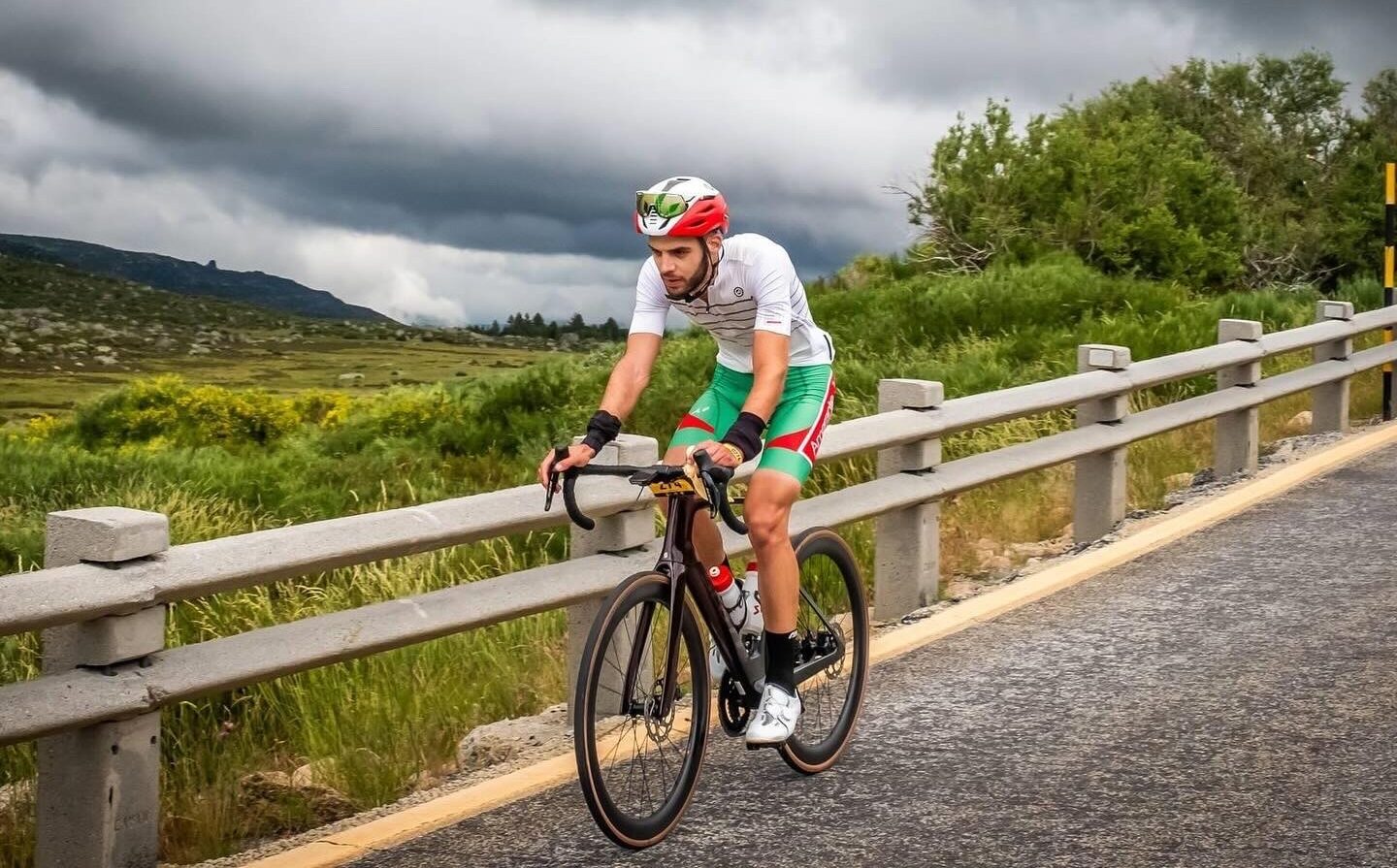
The community reaction was instantaneous. While on the bike, Joel’s screen was flooded with Ride Ons, and as soon as he unclipped, his phone blew up with messages and calls from fellow riders across the globe. “The support from everyone was incredible and crucial,” Joel shared. “It was largely thanks to them that I finished.”
Following a recovery protocol of immediate protein replenishment and two gentle Zone 1 recovery rides over the next two days, Joel was already back at it. Remarkably, just days later on Saturday, he attempted to break Matthew Lefthand’s WUCA 6-hour world record of 266 km, putting down an astounding 252 km on tired legs.
For everyday Zwifters looking to push their endurance boundaries, Joel’s 12-hour ride provides clear takeaways:
- Prioritize Strategy Over Rigid Plans: If your initial route or strategy is draining you mentally, don’t hesitate to switch courses or join a pacer group to revive your momentum.
- Nail Your Nutrition Early: High-carb targets (80–120g/hr) must start in hour one. Once you fall behind on calories, mid-ride recovery is nearly impossible.
- Leverage RoboPacers Wisely: RoboPacers provide smooth, predictable group dynamics and massive draft benefits that lower your average heart rate over long distances.
- Chunk the Journey: When the dark hours arrive, break the remaining effort down into 30-minute or 10-kilometer blocks.
What’s next for the Portuguese ultra-racer? In September, Joel will tackle the “North Route”—a brutal 1,000 km non-stop outdoor ride starting and ending at his front door. And in December, he will officially announce his next virtual mega-goal: a public attempt to break Matthew Lefthand’s world record for the greatest distance covered in 24 hours on Zwift.
Joel’s 470 km ride proved that limits are often just mental constructs waiting to be pushed back. Whether you’re aiming for your first 100 km badge or gearing up for a multi-hour pacer block, lock in, fuel up, and keep turning those pedals.
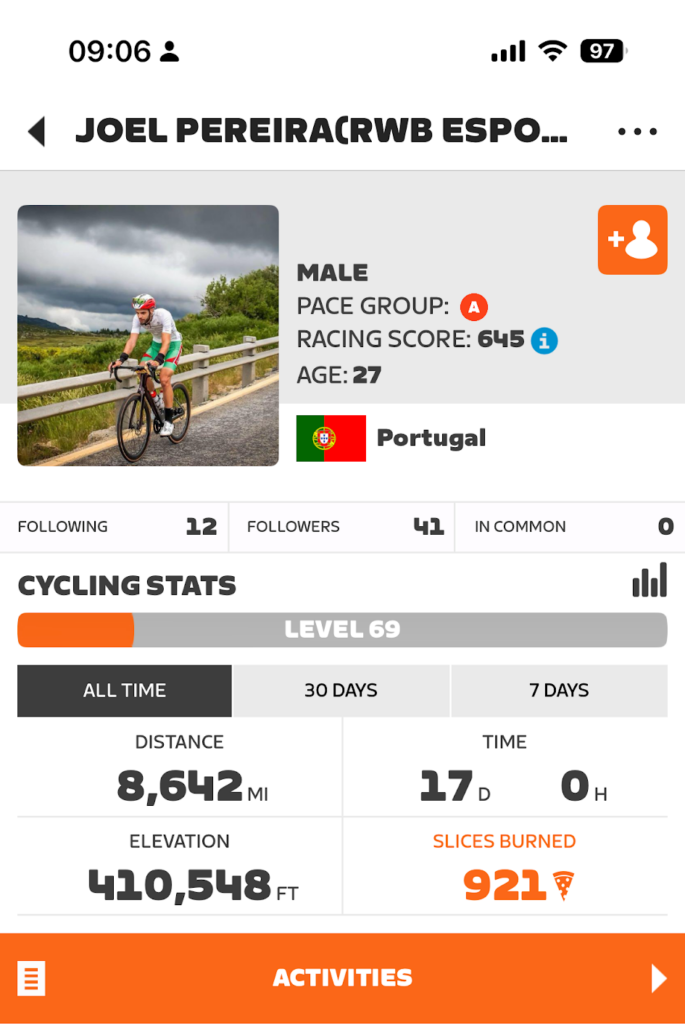
Thanks for sharing your story with us, Joel! And keep on busting through barriers! Follow Joel (for as long as you can) on Zwift at:


awesome! I did a 36-hour charity ride on Zwift during Covid and only managed 808km!
I did the same thing February 2025: 12 hours to see how far I could go (for me I did Tempus the whole way, wanted max mileage) my totals were 250.5 miles and 20.7 mph and 125w average. At exactly 12 hours I was at 245 and wanted to get the 250 mark so moving time was 12:14. It was tough but did it.
Viva insanity. This is insane, but in the best possible way. Good luck in whatever comes next, Joel.
Wow, what an epic achievement! I know the feeling from my quadruple Everest attempt last year where I had to settle for a triple + extra.
nice, we are a rather small club. single ride masochist badge ^^
Who wrote this, relatively late at 15….what. I didn’t start riding until I was 30.
like a single ride F500, but with the A-team instead of Yumi. I bet Maurten would have made the latter part more tolerable, but yep, I am partial.
but how many drops did he earn?
😂
The issue with universal platforms for world records is different platforms have different physics. For example, Zwift has substantially lower CdA than BikeTerra. There’s also different drafting dynamics. Zwift uses a reduced draft benefit relative to reality to keep racing interesting, while BikeTerra uses drafting calibrated to CFD studies. Then there’s power-ups and bike upgrades. These go beyond real-world modeling: the Zwift “drivetrain efficiency” is a pure power boost, while the “aero” upgrade reduces CdA below even Zwift’s optimistic defaults.
Of course there’s also the hardware question, whether power is being measured upstream or downstream of drivetrain losses, or if the bike has a drivetrain at all. But that’s a separate issue.
I could of course write my own bike simulator with any physics I wanted, and cruise along at 100+ kph and break any record. So there is clearly an implicit or explicit list of authorized platforms. But I wonder if Zwift, with its many enhancements on real-world physics, should even be authorized, and whether drafting of bots should be allowed.