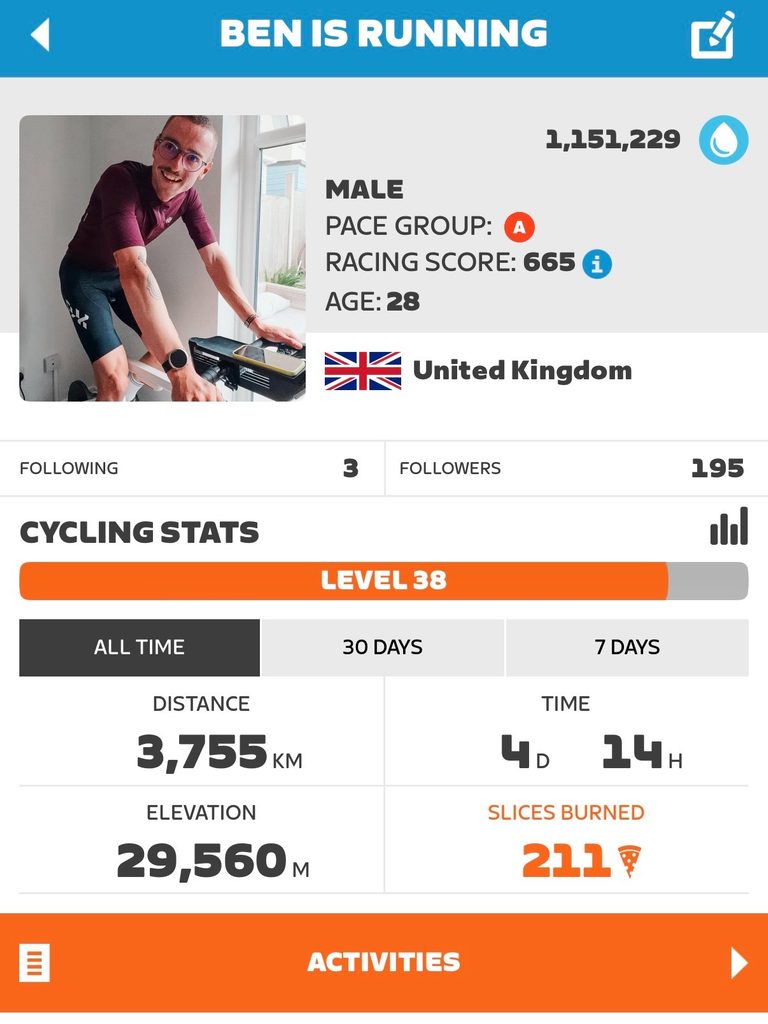
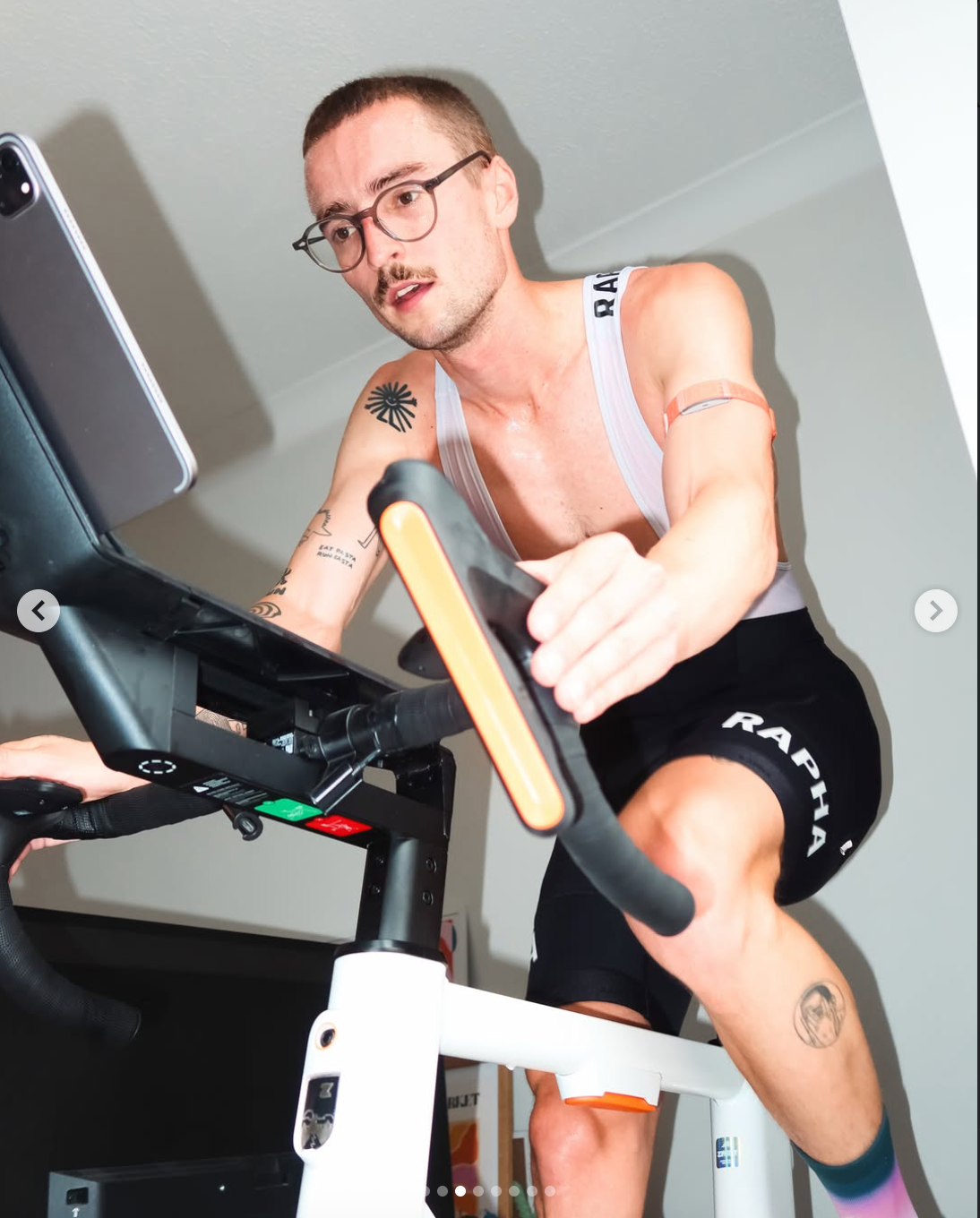
For dedicated runners chasing personal records, the default impulse is almost always to log more miles on the pavement. But UK-based runner Ben Felton has taken a different route—one powered by pedals, virtual courses, and high-intensity indoor cycling. Over the past year, Felton has incorporated over 100 Zwift cycling hours into his routine, and the results speak for themselves: personal bests across every single running distance.
From 22-Minute Parkruns to Sub-65 Half Marathons
Now 29 and a seasoned 2:23 marathoner, Ben didn’t start out as a running prodigy. His journey began seven years ago when he moved to Stockholm. Looking for a way to meet people and get social, he decided to give running a shot.
“I realized I was ‘alright’ at it—a lot better than I was at football, anyway! What sparked my love for running was attending my local parkrun and starting to become competitive with myself, trying to beat my time each week. That really motivated me.”
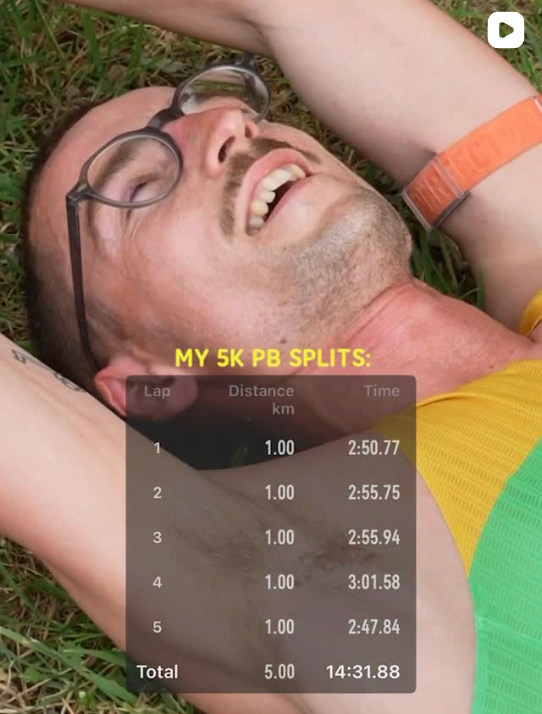
That early spark set off a relentless chase for improvement. When Ben first stepped up to the line, his baseline was a 22-minute 5K. Fast-forward seven years, and he’s shaved nearly eight minutes off that time, bringing his 5K personal best down to a blistering 14:31. During the 2020 lockdown, Ben began documenting his training on YouTube, building a community of thousands as he captured his week-by-week transformation from ambitious beginner to sub-elite contender.
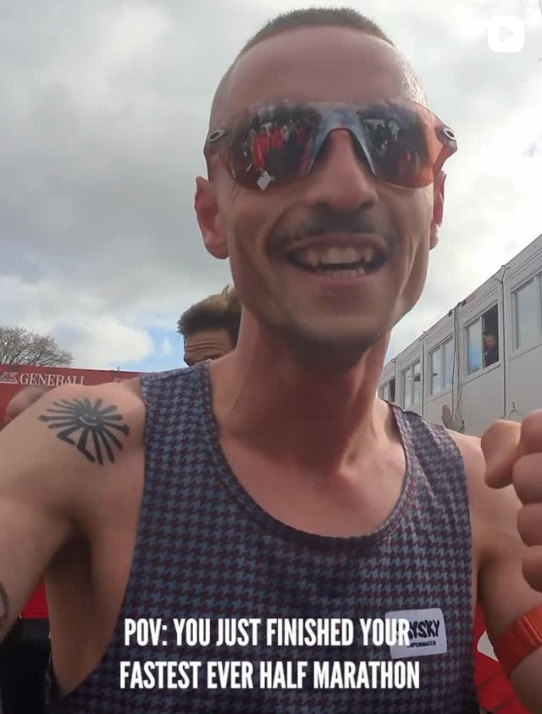
For 2026, Ben set his targets on a huge milestone: breaking 65 minutes for the half marathon—a time widely considered the gateway to elite-level status. All his focus, workout blocks, and volume pointed toward that goal, and the dedication paid off when he officially broke the barrier at the Berlin Half Marathon.
Yet, among all his races, the 2024 Boston Marathon holds a special place in his heart.
“Boston 2024 was one of those days where everything came together, all the stars aligned, and I ran a 4-minute personal best as the first Brit to finish. Turning left onto Boylston Street is etched in my memory forever. Those days stay with you and motivate you toward the next goal.”
The Spark of Innovation: Turning Injury into Opportunity
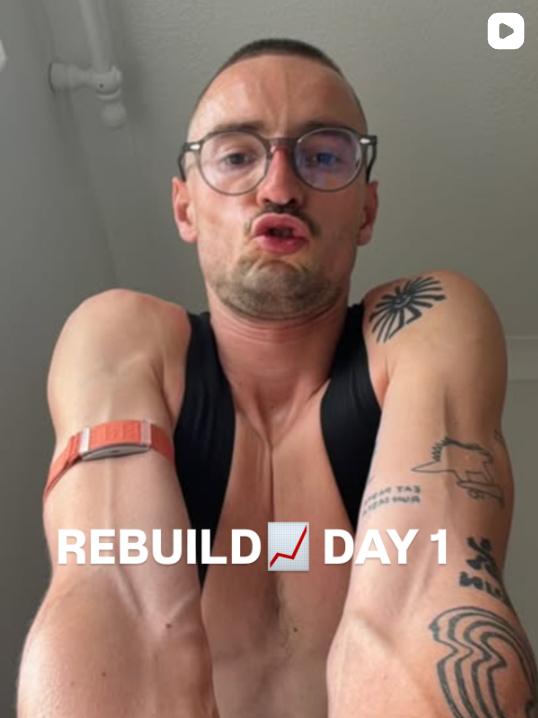
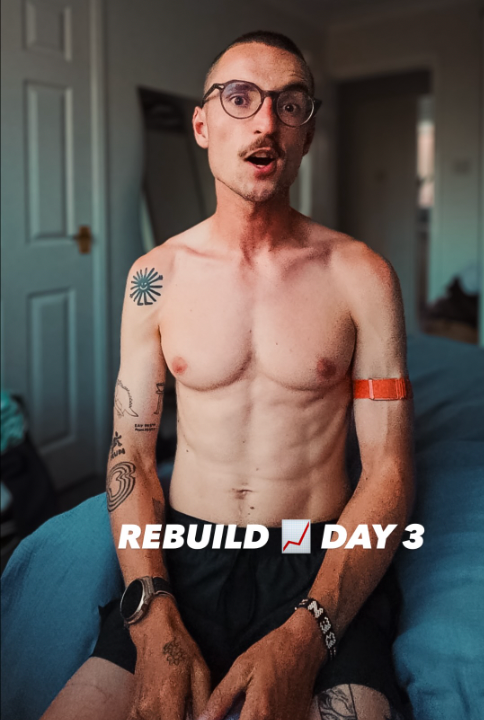
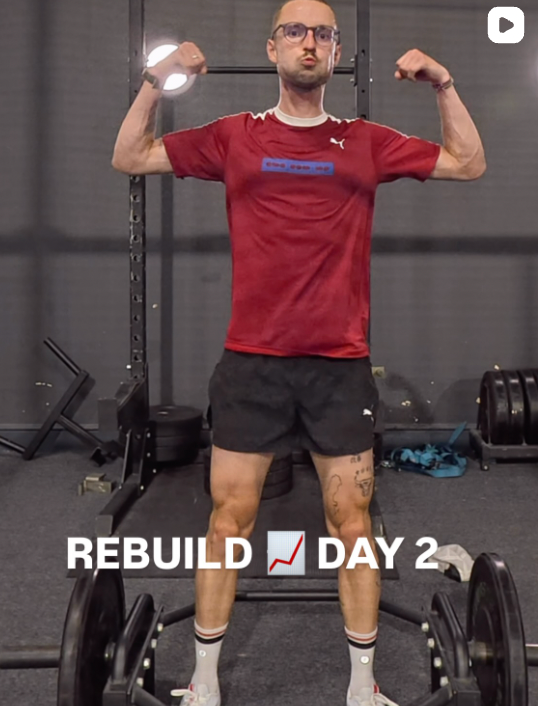
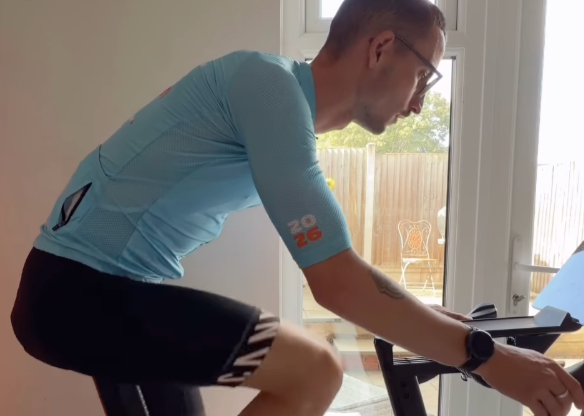
How does an athlete go from a 22-minute 5K to breaking 65 minutes in the half marathon and running a 2:23 in the full? While consistency and grit form the backbone of his routine, the turbo-charger behind his recent breakthroughs was an unexpected pivot into cross-training.
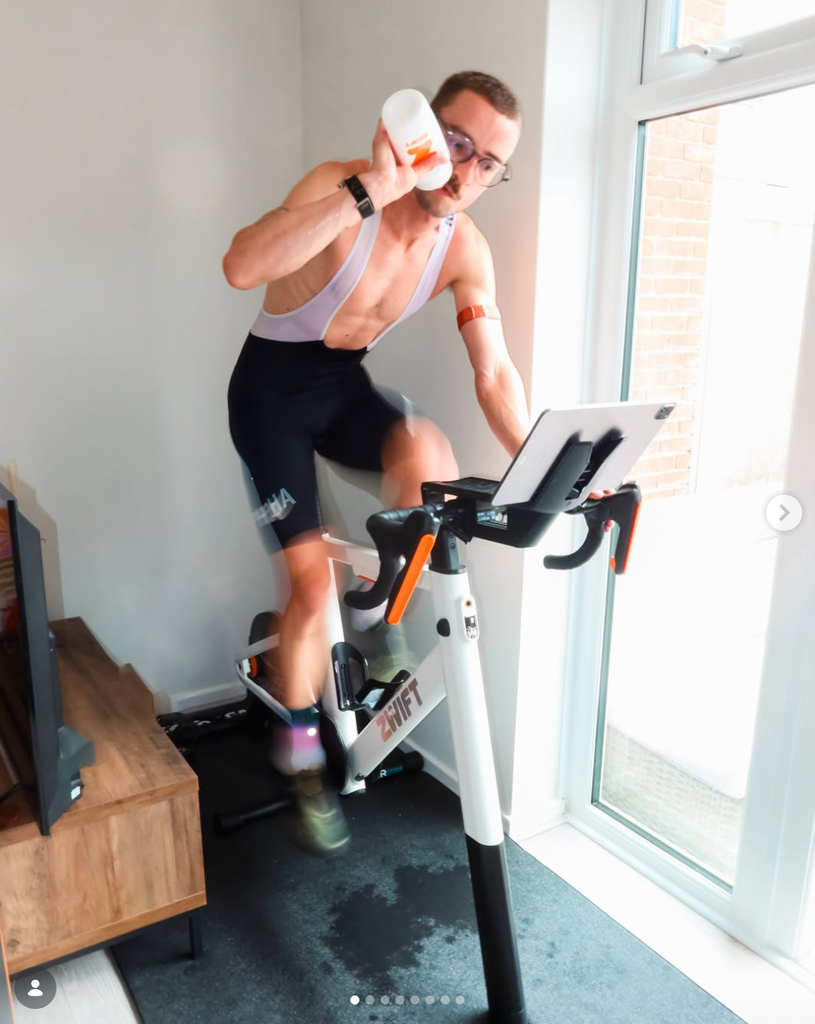
In September of last year, while preparing for the Chicago Marathon, Ben suffered an injury setback that severely limited his running capacity. Unwilling to let his aerobic engine stall, he hopped onto Zwift to supplement his training load. What started as a backup plan quickly turned into a revelation.
“When I got back into running, I realized I was much fitter than I expected to be. This opened my eyes to the world of cross-training. To put it simply, I reduced my run volume by 30% to reduce impact and supplemented it with 4 to 5 hours on Zwift—mostly Zone 2, with the odd race thrown in because I’m far too competitive.”
By shifting nearly a third of his volume from the pavement to the virtual roads of Zwift, Ben tapped into a formula that protected his joints while expanding his engine. Traditional high-volume running carries a heavy tax on the body due to repetitive foot strikes and ground impact stress. Cycling offered a low-impact alternative that allowed him to push his cardiovascular system to new limits without beating up his legs.
Building the Wide Pyramid: Ben’s Cross-Training Philosophy
For runners curious about integrating indoor cycling into their own schedules, Ben emphasizes that cross-training isn’t about replacing the core work of running—it’s about amplifying it.
“Cycling doesn’t replace my run training; it complements it. My first piece of advice to runners looking to cross-train is to maintain your hard interval running sessions. Those high-intensity run workouts can’t be replicated on the bike. Where cross-training shines is replacing the impact from your easy, Zone 2 training days.”
Instead of heading out for a pounding 10k recovery run on a Monday afternoon, Ben will often jump onto Zwift for a 90-minute Zone 2 spin, sitting comfortably in the draft behind a RoboPacer. The low-impact workout flushes the legs, builds aerobic capacity, and leaves him fresh for his key running intervals later in the week.
Ben visualizes this holistic approach to fitness as a pyramid:
- The Wide Aerobic Base: Built using a combination of running and low-impact indoor cycling on Zwift to accumulate total aerobic hours.
- Run-Specific Conditioning: High-quality running interval sessions and tempo runs stacked directly on top of the aerobic base.
- Strength & Impact Resilience: Heavy gym work and strength training to ensure muscles, tendons, and bones are durable enough to handle the speed generated by a massive aerobic engine.
“I think of it like a pyramid: I build the aerobic base super wide on the bike, which then allows me to build specific run training on top. A strong foundation makes for a tall pyramid. Since making this change, I’ve set PRs in every single distance from the marathon down to the 5K. As a case study of one, there’s no doubt in my mind that it works.”
Finding the Right Balance: The Pros and Cons
While cross-training has proved to be a secret weapon for Ben, his journey hasn’t been without its learning curves. Because cycling is non-impact, it allows an athlete to build an engine that outpaces their body’s structural tolerance for running impact if they aren’t careful.
“Zwifting actually made me too fit for running at certain points! It gave me an incredible aerobic engine, but distance running demands impact resilience. If you aren’t careful, your heart and lungs can handle a pace that your bones and tendons aren’t quite ready for yet.”
Recently, Ben picked up an injury that sidelined his plans to chase a sub-2:20 marathon at the Valencia Marathon. The setback reinforced a vital lesson for hybrid endurance athletes: balancing cardiovascular volume on the bike with heavy strength work in the gym is essential for keeping legs tough enough for pavement pounding.
Despite the temporary bump in the road, Zwift remains the cornerstone of his recovery and rebuild plan. He is currently using the bike to preserve his hard-earned fitness while rehabbing, establishing a massive base before kicking off his official 2027 race build-up.
What’s Next: Sub-30 10Ks and Real-World Bike Racing?
Ben isn’t done pushing limits. Looking ahead, he has a few major goals in sight. On the track and road, he’s hunting for a sub-30-minute 10K—a time he missed by an agonizing 6 seconds in his last attempt—along with taking a crack at a sub-2:20 marathon in 2027.
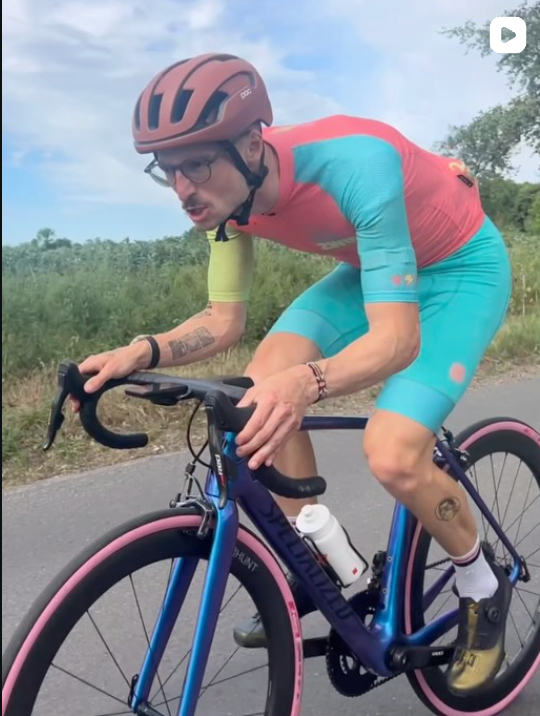
And as for his cycling fitness? He’s not keeping it entirely virtual anymore.
“Dive into bike races? YES. Duathlons? Maybe. Triathlons? Unlikely, given I can’t swim very well! I’ve actually already entered a local time trial, and a video for that will be coming to YouTube soon.”
Ready to Build Your Base?
Whether you’re aiming for a parkrun PR, rehabbing, or simply looking to ride further, cross-training on Zwift offers an incredible way to expand your engine without beating up your body.
If you want to kick-start your own hybrid training, Zwift is currently running a 1,000 km Indoor/Outdoor Challenge. Connect your bike computer or head unit, and all your real-world outdoor road rides count directly toward your in-game mileage. Clocking 1,000 km before September 30th is a great way to widen your aerobic base, protect your joints, and lay the foundation for your next breakthrough.
Keep up with Ben’s weekly training updates, race recaps, and video logs on Instagram at @ben_is_running and subscribe to his YouTube channel to watch his journey unfold.
Thanks for sharing your story with us, Ben! And we’re all rooting for you to shave off those 6 seconds! Follow Ben on Zwift at: