Wayne Francis’ Zwift bike sits a few feet behind his desk, ready whenever a spare half hour appears between work obligations, family life, and running a community cycling charity.
Five years ago, though, he wasn’t a cyclist at all.
A Lockdown Decision
When the UK shut down in the spring of 2020 and his daughter suddenly found herself home from school, he was doing what millions of parents were doing at the time—trying to keep family life steady while internally wondering whether he was doing enough and, like everyone else, just trying to hold everything together.
“I was generally feeling inadequate, like, you know, what am I going to do?” Francis remembers. One afternoon he tried to reassure his daughter by pointing out that other children across the country were facing the same disruption. The words were meant to comfort her, but they lingered with him after the conversation ended. “I actually remember telling her, ‘There’s thousands of children out there that are not at school,’ and I felt so bad when I said it.”
Not long afterward, looking for something that might clear his mind, Francis made a decision that still surprises him when he thinks back on it. “One day I just thought, you know what, I’m going to get a bike,” he says. “And it just transformed everything for me.”
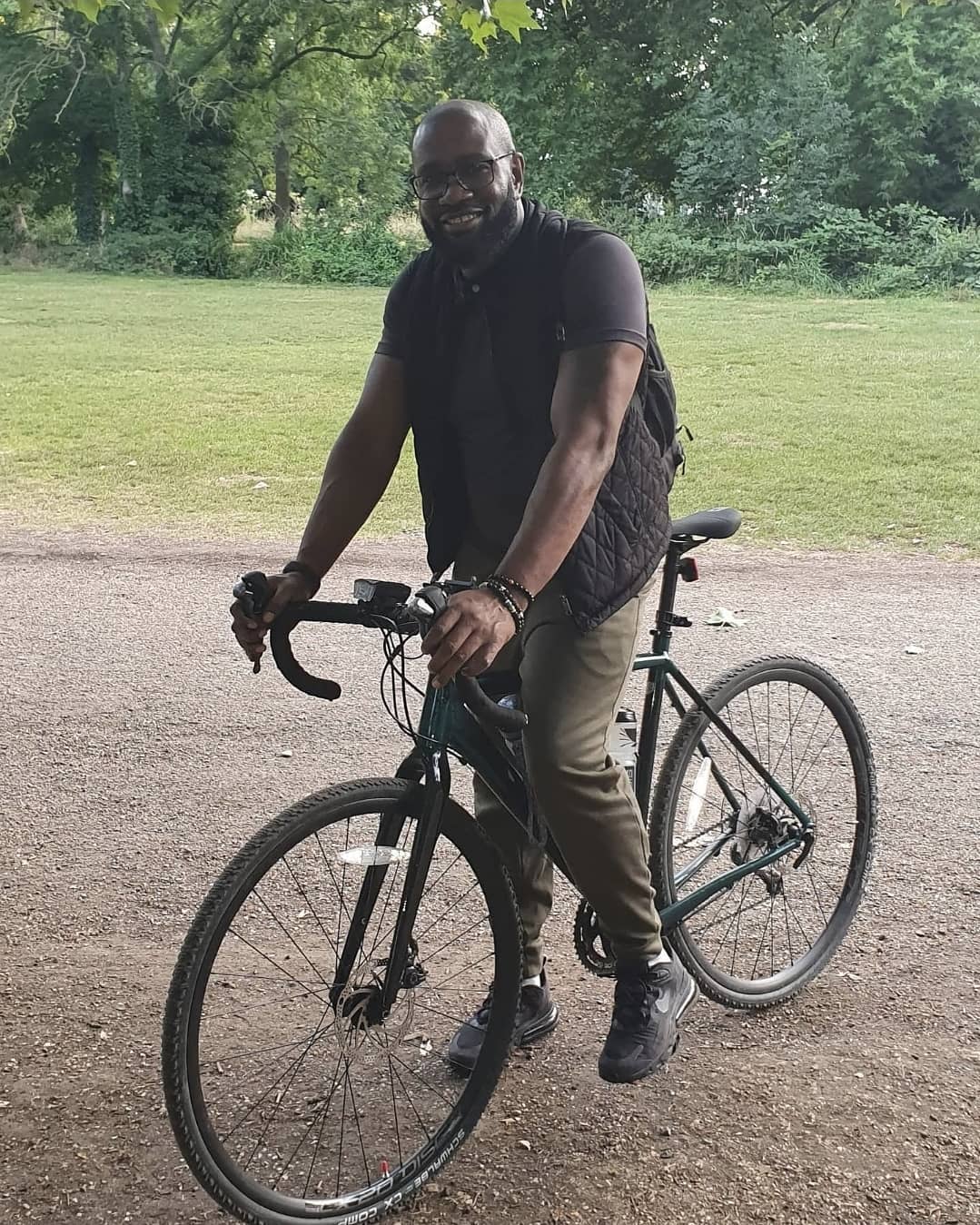
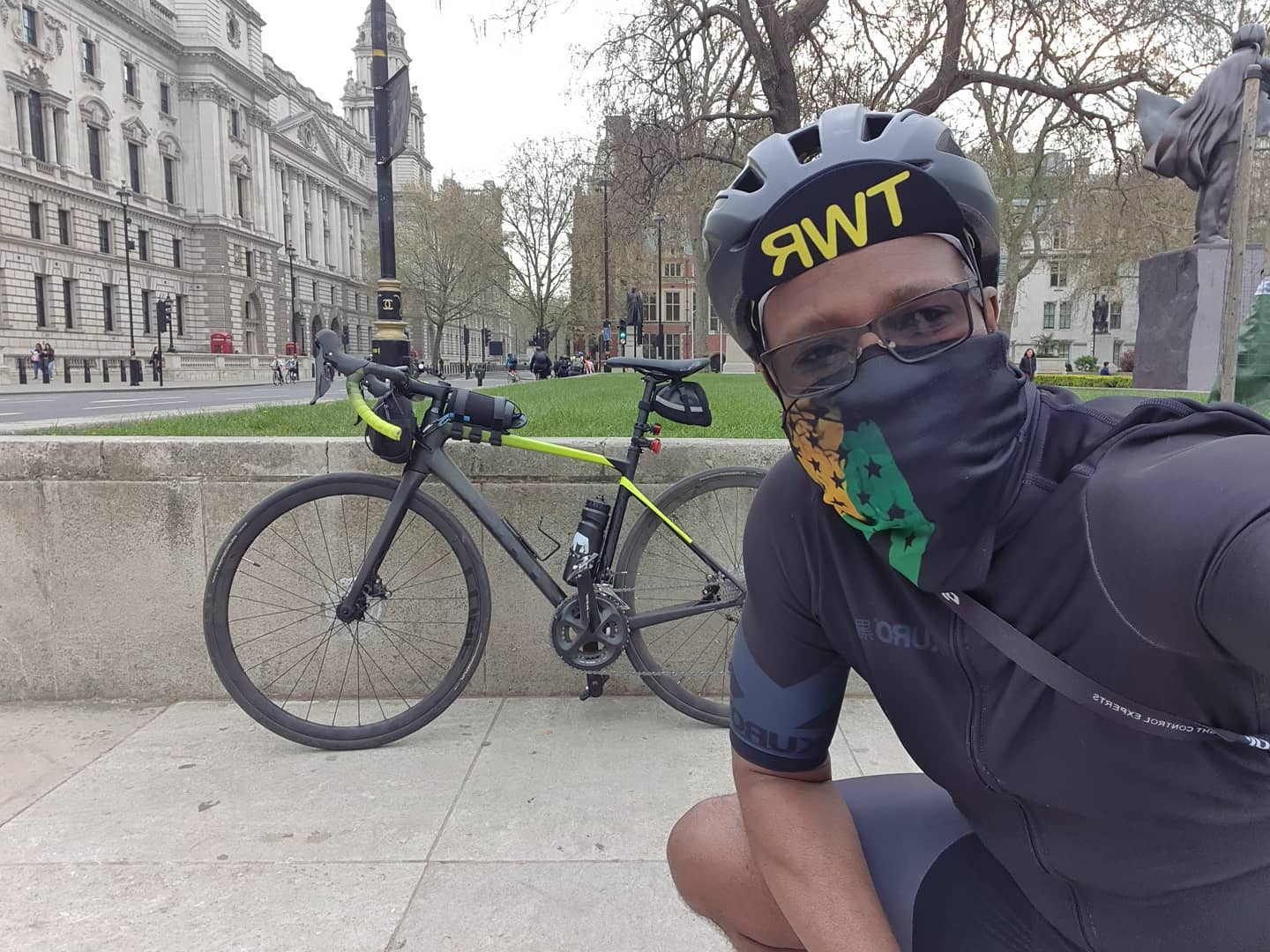
The early rides were short and unstructured, the kind that happen when someone is testing a new activity without expectations. Francis was still figuring out basic things, even calculating how kilometers converted to miles after finishing a ride and realizing the number was smaller than he had imagined. Ultimately, the distance was less important than the impact those rides had on his mindset. Moving through empty streets and parks offered a kind of reset he hadn’t found elsewhere. “Just getting out, cycling a mile, cycling two miles,” he says, describing the simple rhythm that gradually became part of his routine.
Together We Ride Is Born
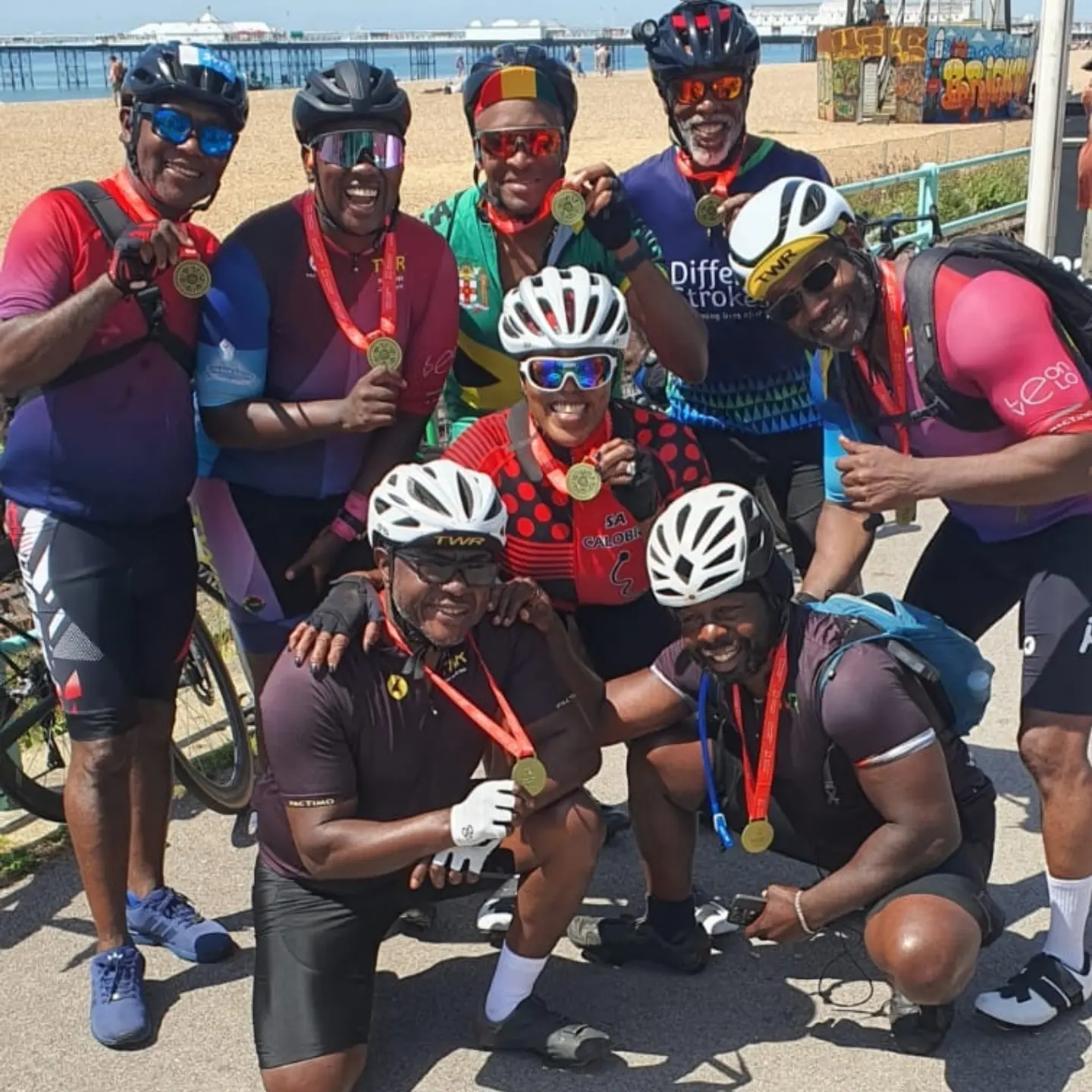
As the rides continued, he began sharing photos and updates on social media. What started as casual posts documenting his progress slowly attracted attention from others also searching for connection during lockdown. People began asking if they could join him, and before long, small group rides began forming. “TWR was built up from basically me riding around and taking social media pictures,” Francis explains. “It was a time when people needed to get together because of what was going on through COVID.” The gatherings grew faster than he expected; within months, he recalls, “It grew exponentially… to about two to three hundred people.”
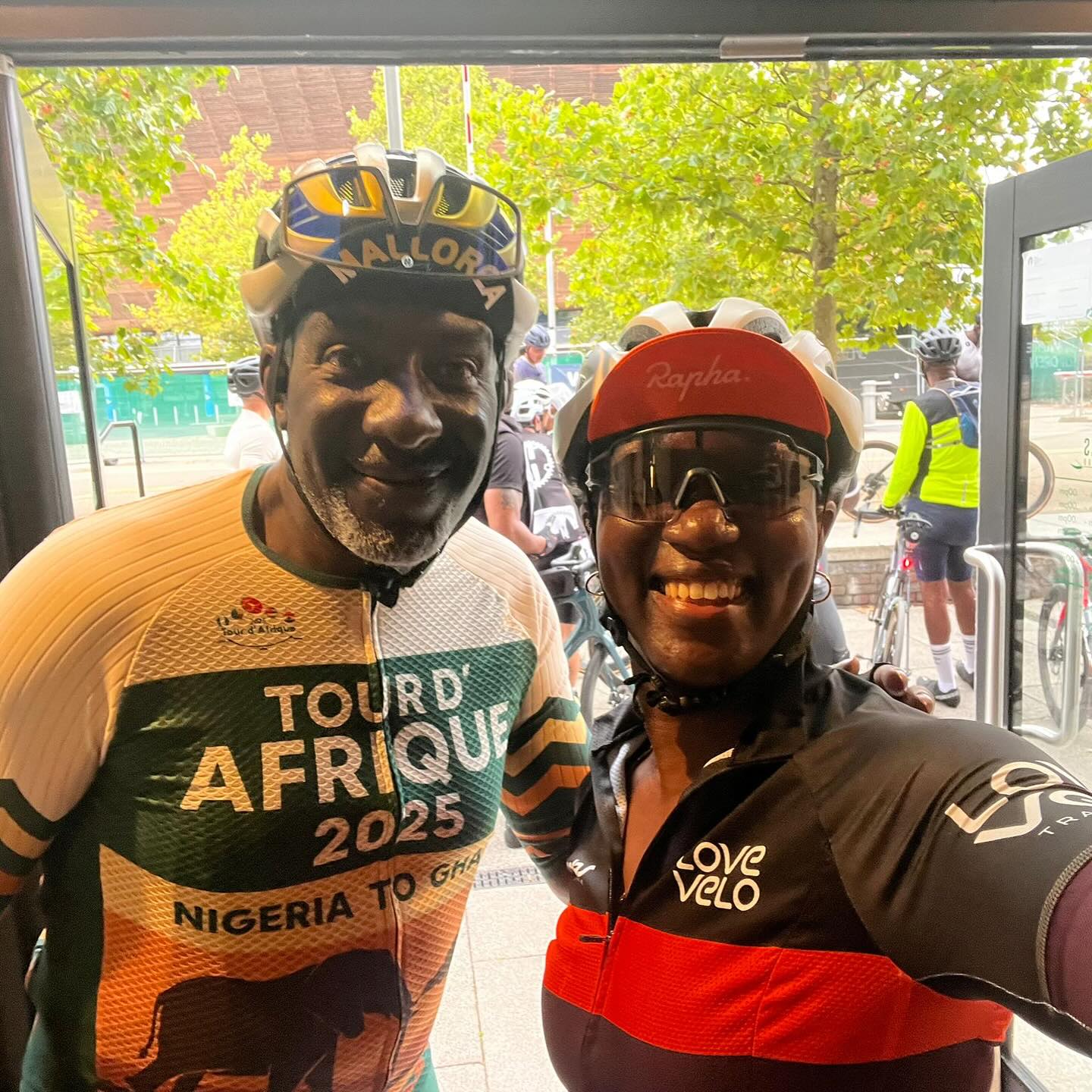
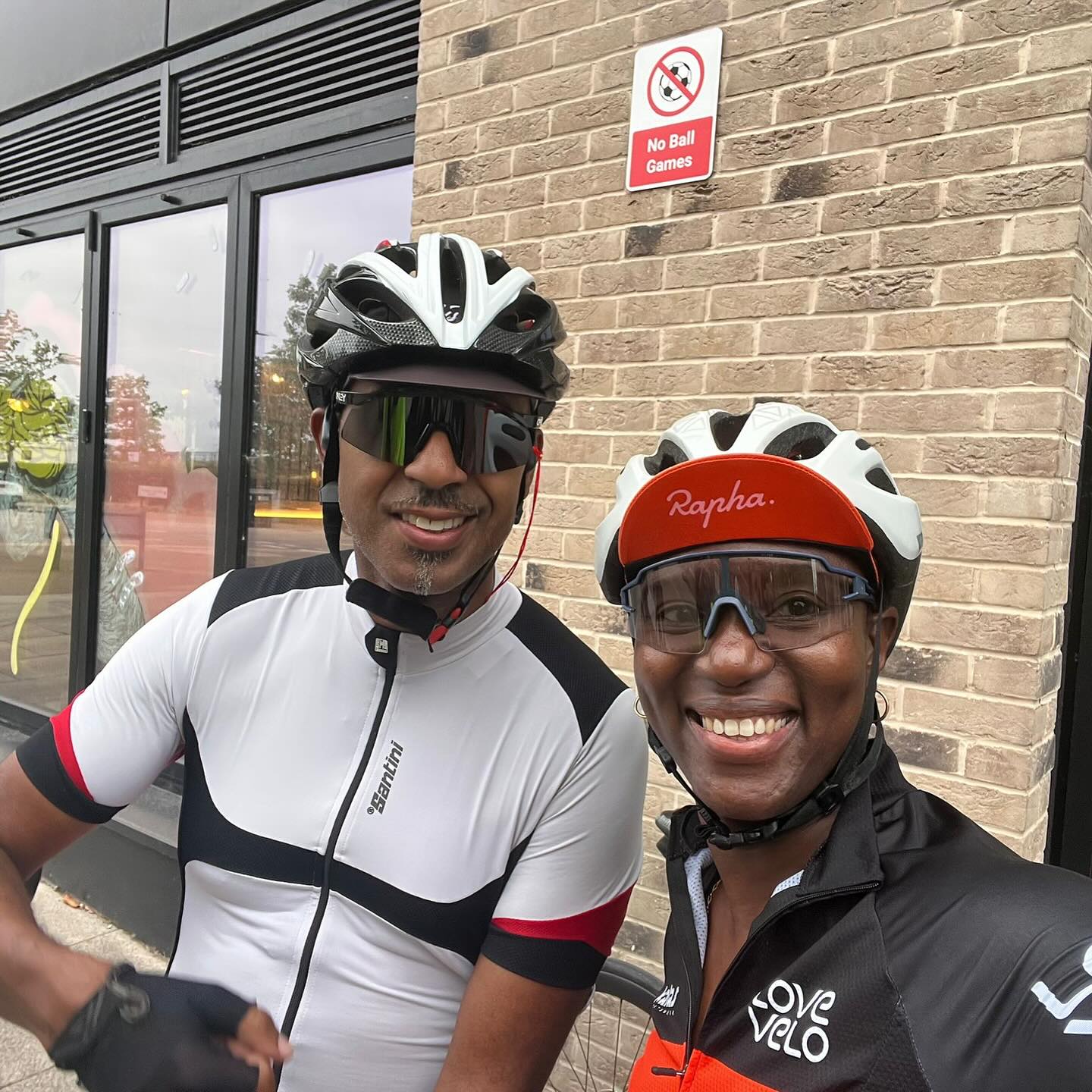
From that momentum came Together We Ride (TWR), the community cycling charity Francis formally founded in London in August of 2021. The organization grew out of a simple idea: if you give people an opportunity to move their bodies and connect with others, something meaningful often happens. What Francis began to notice during those early rides was that people weren’t showing up only for exercise. They were showing up for connection. Riders began talking about how the weekly rides were improving their confidence, easing anxiety, and helping them stay accountable to their health. Over time the community grew into something broader than cycling itself, expanding into other wellness activities and programs focused on mental and physical wellbeing. Cycling, Francis realized, could be the pathway to something bigger.
Making Room for Newcomers
He also remembers the hesitation he felt when he first began exploring London’s cycling scene. The clubs he encountered didn’t reflect the diversity of the city he lived in, and the absence of representation made the sport feel less accessible than it should have been. “When I got into the space, I didn’t see anybody like me,” he says. Even when he did notice riders who shared his background, the skill gap created a different kind of barrier. “When I did see people like me, they were at such a professional level that I felt intimidated.”
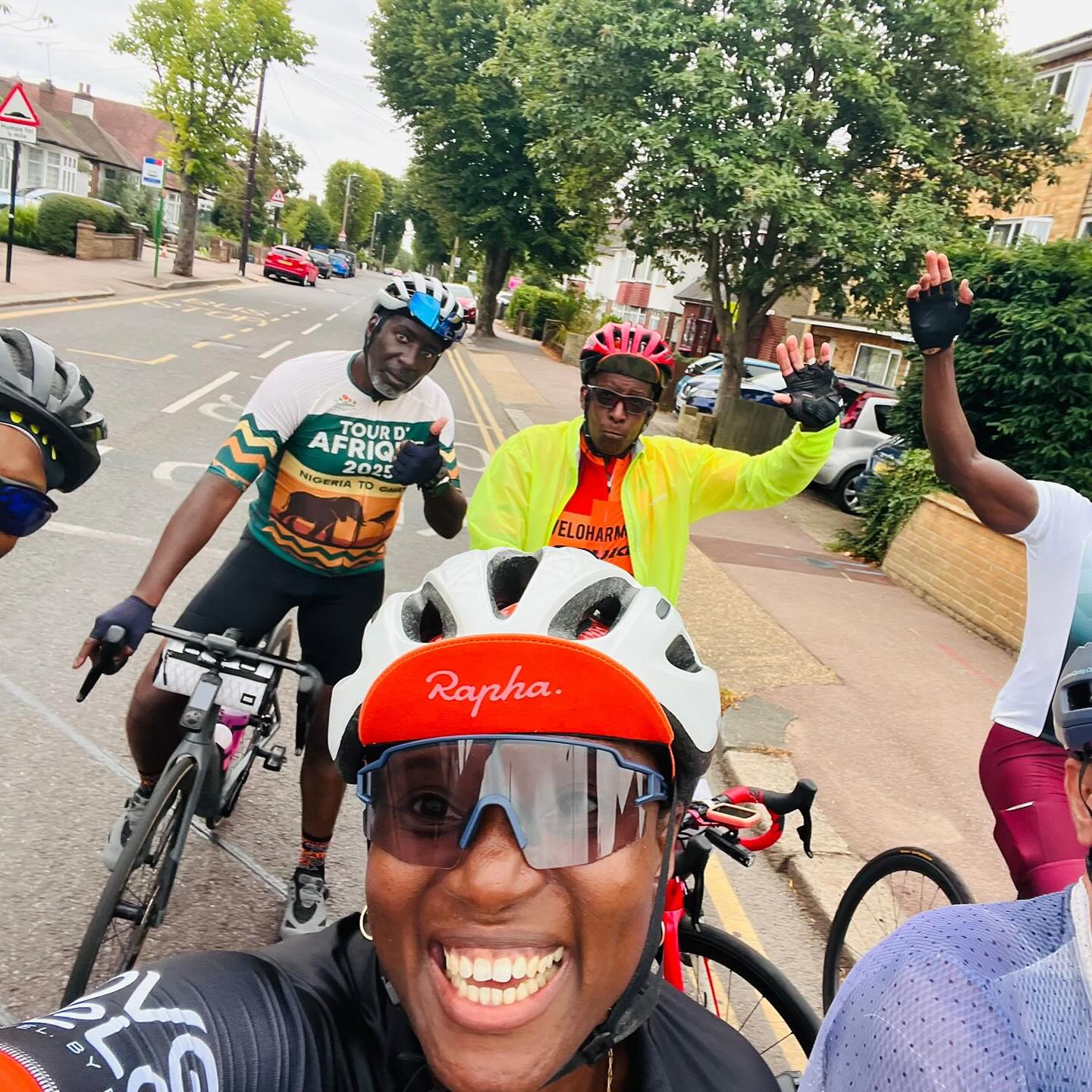
Francis wanted to create a space where newcomers, particularly people of color, could discover cycling without feeling out of place. His first Black History Month group ride drew eight participants. The next ride attracted more than eighty, and the community continued growing as word spread. “I’m a black guy that got into cycling,” he says, “and brought potentially between three to five hundred people of color within London to be cyclists.”
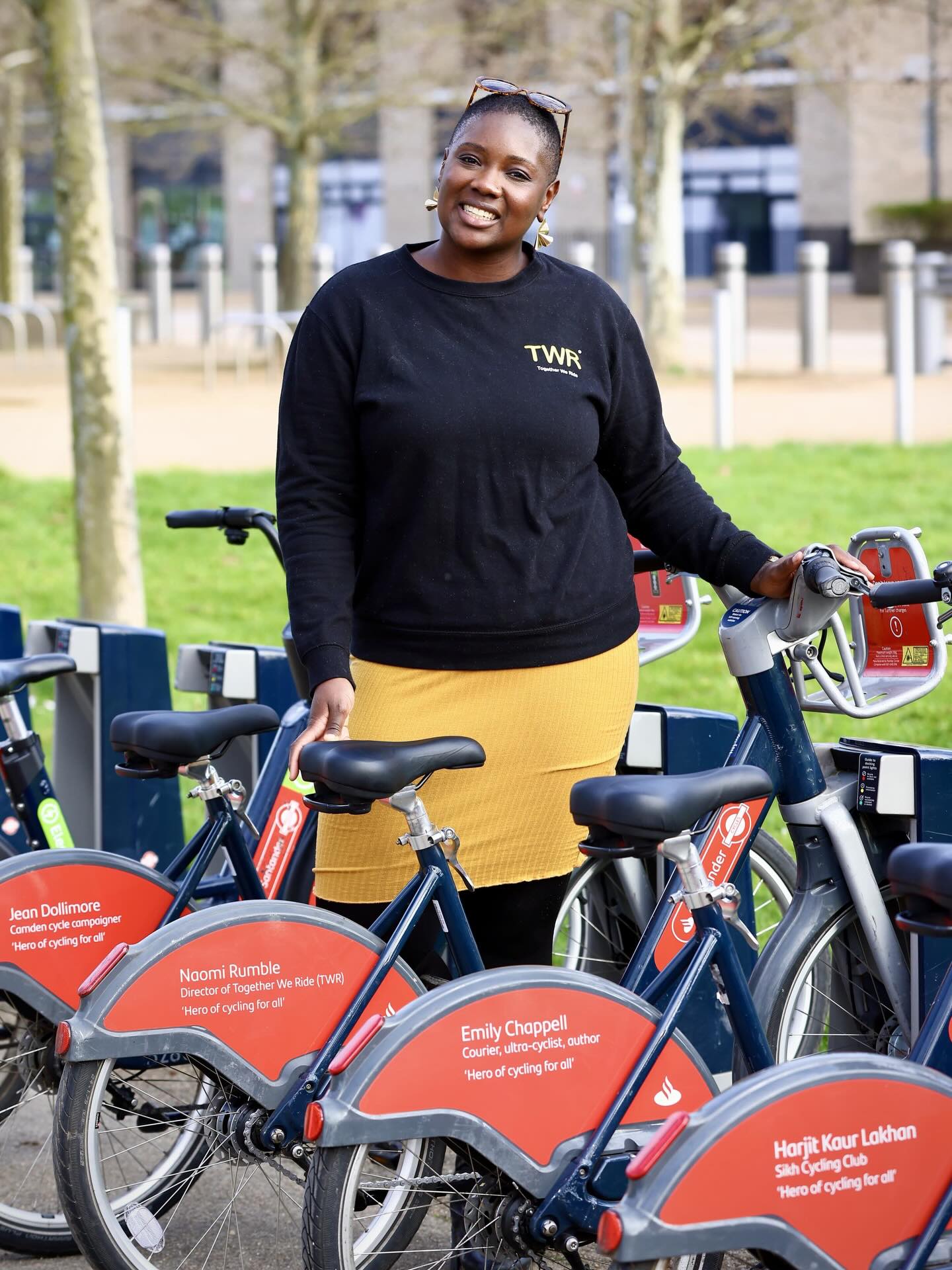
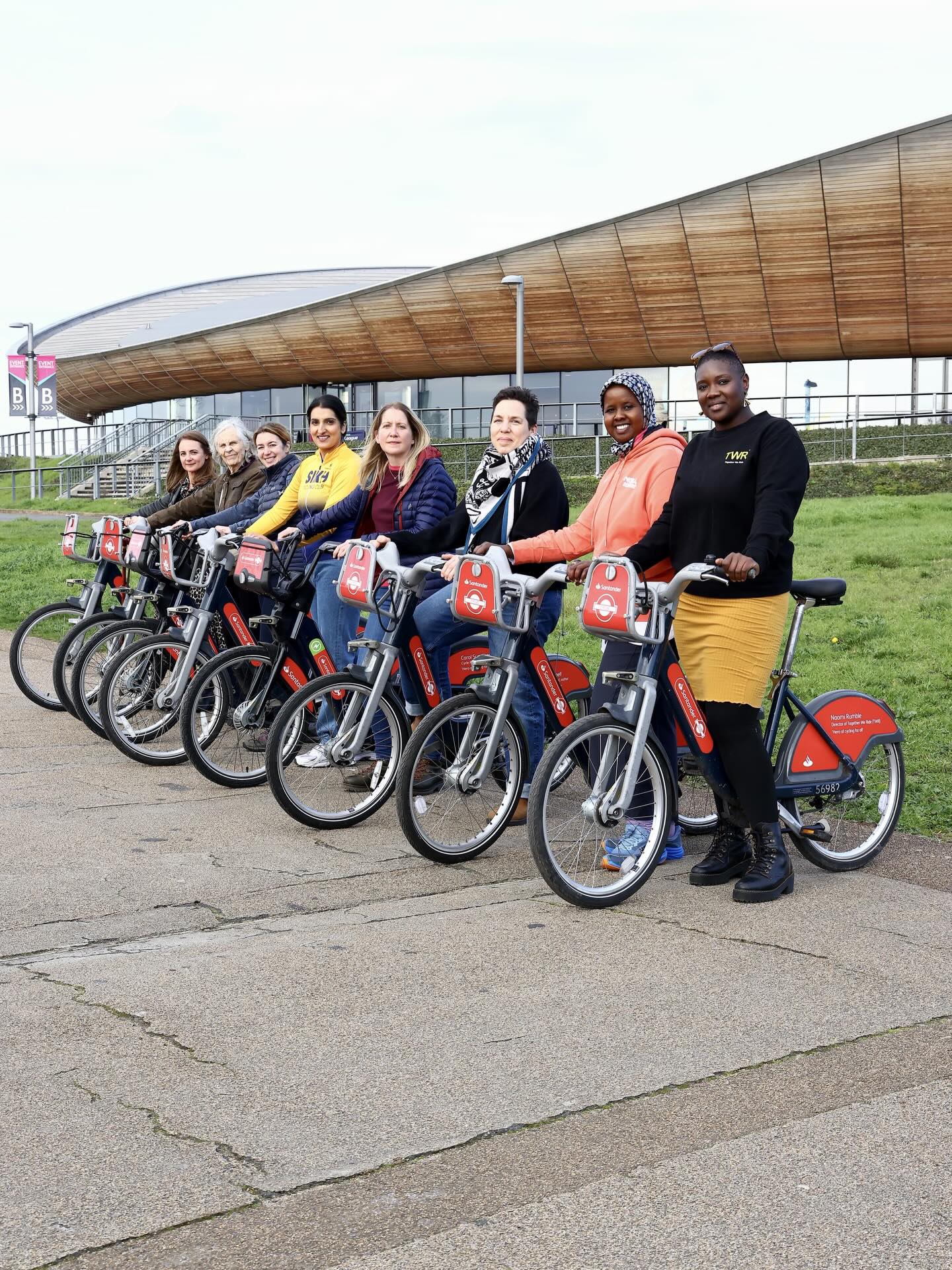
The organization has continued to expand its reach. One of its directors, Naomi Rumble, was recently recognized by Transport for London as one of ten inspirational women honored with a dedicated Santander Cycles hire bike. Selected from more than 150 public nominations, the recognition highlighted her work encouraging women to take up cycling through the community that TWR has helped build.
From Representation to Belonging
As the organization grows, Francis sees its mission evolving as well. Representation opened the door, but the larger goal is belonging. “To truly develop what we’re trying to do, we still work with people of color, but we have to bring everybody together,” he says.
That philosophy became especially visible in 2023 when TWR secured funding for a youth cycling program during the summer holidays. Sixteen young people participated in the six-week initiative, many of whom had never experienced cycling before joining the program. The group split into two tracks, with eight riders exploring trail riding and eight focusing on track cycling. By the end of the summer, one participant’s standout performance earned them a unique opportunity. “At the end of it, one of them went ahead and got into the Youth Games that year,” Francis says proudly. The experience reinforced what he believes cycling can accomplish for people who simply need access and encouragement. “Cycling is the catalyst to help transform people’s lives.”
Zwift Taught Him How to Train
While TWR was expanding its impact outdoors, Francis was discovering a new side of cycling indoors through Zwift. “I’d been cycling for five years and never had any structure,” he says. “But Zwift taught me how to train.”
The impact he felt was immediate. Structured workouts and interval sessions forced him to approach cycling differently, and the early sessions were far more demanding than he expected. Francis laughs when he describes the experience, admitting that Zwift “kicked my a**” when he first started tackling the workouts. But the training quickly translated into real-world confidence. “When I’m on the hill, it’s like, you know what, Wayne—you’ve done ten minutes of this. It’s not a problem,” he says.
Zwift also introduced him to racing. A fellow rider had been encouraging him for months to try it, and eventually he agreed to sign up for an event. He finished somewhere around 100th place, but the result mattered less than what he discovered by making the attempt. “The feeling that I got—that I pushed myself—I wouldn’t have got that if I didn’t do it,” he says.
Fitting Training Into a Full Life
Today Zwift plays a practical role in Francis’s daily life as well as a motivational one. He works full-time as a civil servant in government procurement, parents three children with his wife, and leads TWR with a small group of volunteers. Training outdoors during the week is rarely realistic, but with his Zwift bike sitting permanently behind his desk, he can quickly ride if a window of time appears in his schedule. “I’ve got a day job, I’ve got a family,” he says. “Zwift is the only way that I can structure the training and fit it in.”
Approaching 50 and managing knee issues, Francis has also become more intentional about how he trains. Recently he even experimented with using ChatGPT to help design workouts that balance improvement with joint protection, focusing on controlled efforts like sweet spot intervals rather than sessions that might aggravate his knees. The approach demonstrates how his relationship with cycling has evolved—from simply riding for enjoyment to using the structured training provided by Zwift to maintain long-term health and performance.
A Community Zwift Hub
The platform has also sparked the next idea Francis hopes to bring to life through TWR. He has begun exploring the concept of a community Zwift hub—an indoor space where people who cannot afford equipment, or who feel hesitant about riding, could simply walk in and experience cycling for themselves. “A pilot only needs about four or five Zwift bikes,” he explains. Housed inside a leisure center or youth facility, the hub could offer structured access to cycling without the financial barrier of purchasing equipment.
Cost is often the first obstacle new riders mention, but technology can feel equally daunting for those unfamiliar with digital training platforms. A shared space with guidance addresses both at once. “Anybody can get on these bikes,” Francis says. “We can support whatever they’re trying to do within that environment.” For younger riders especially, the competitive, game-like nature of Zwift may become a powerful gateway into the sport.
Making Connections
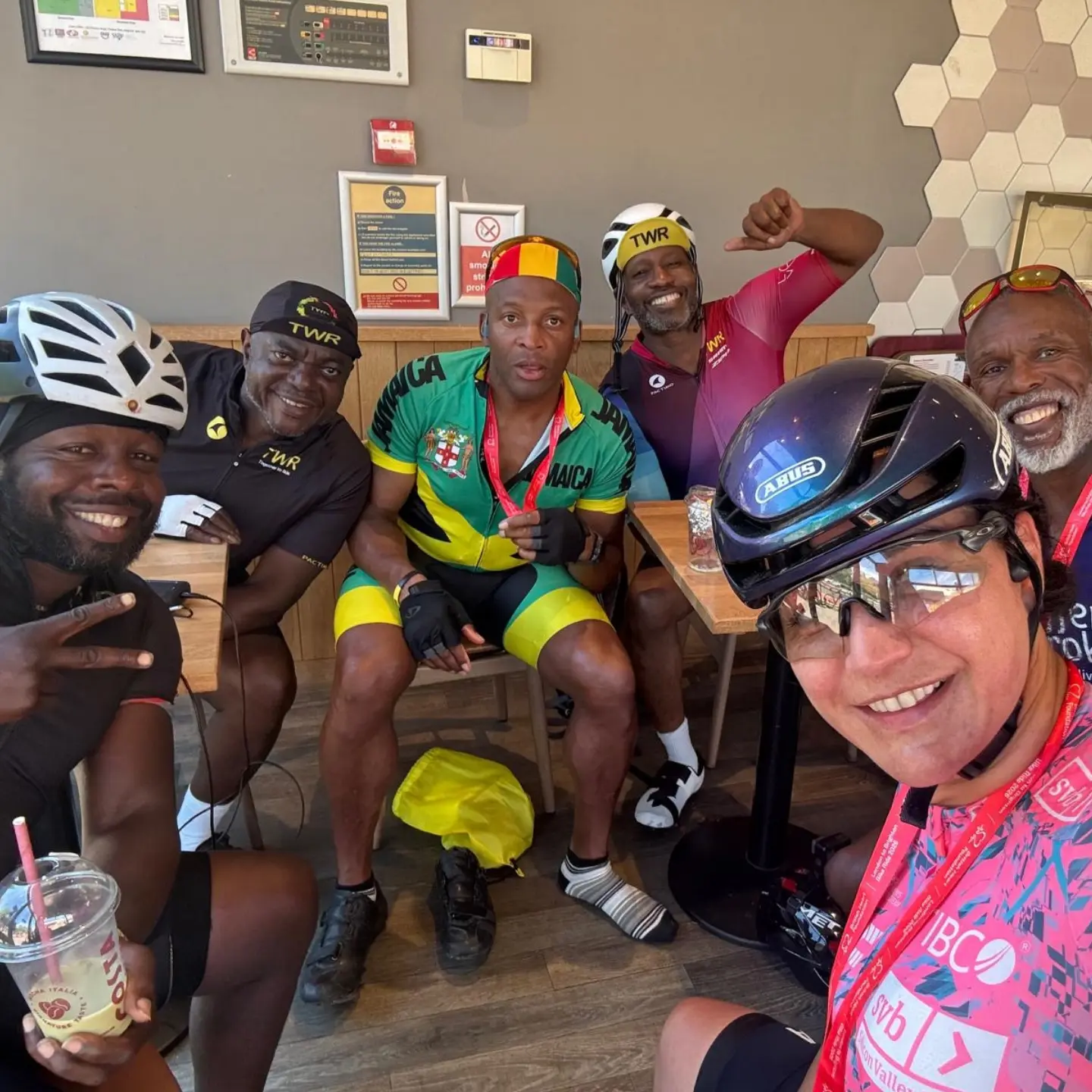
TWR still runs largely on volunteer effort, supported by a small core team that helps organize rides and programs. Funding arrives in waves, and Francis continues building partnerships wherever opportunities appear. “Networking has been my key driver,” he says. “I’ve met so many people who are doing things within the cycling space and within the community space. It’s opened doors.”
Looking ahead, Francis imagines TWR expanding both physically and digitally. His long-term vision includes a larger Zwift community connected to the organization and eventually a permanent cycling hub in South London where riders can train together year-round. The goal is not simply growth but connection—creating spaces where people who might never otherwise meet discover cycling together. “My goal within the next five years would be our Zwift community having between four hundred to seven hundred people,” he says.
When Francis reflects on the journey from that first tentative lockdown ride to the community that now surrounds Together We Ride, the mission remains the same: “to use cycling to transform people’s lives.” It sounds ambitious, but the idea behind it is simple. “We’ve just used the bike as a vehicle,” he says. “To help people.”
Follow TWR at:
- Zwift Club: TWR CC
- Instagram: @twr_cic
- YouTube: @TWR-Cycling
- TikTok: @twr_cycling